

3 Days in Campos do Jordao: A Practical Itinerary
Plan 3 days in Campos do Jordao with this practical itinerary covering major sights, neighborhoods, food, and transport.
Three full days that mix the hilltop parks, museum circuit and Capivari food scene while avoiding tourist traps and wasted transit time.
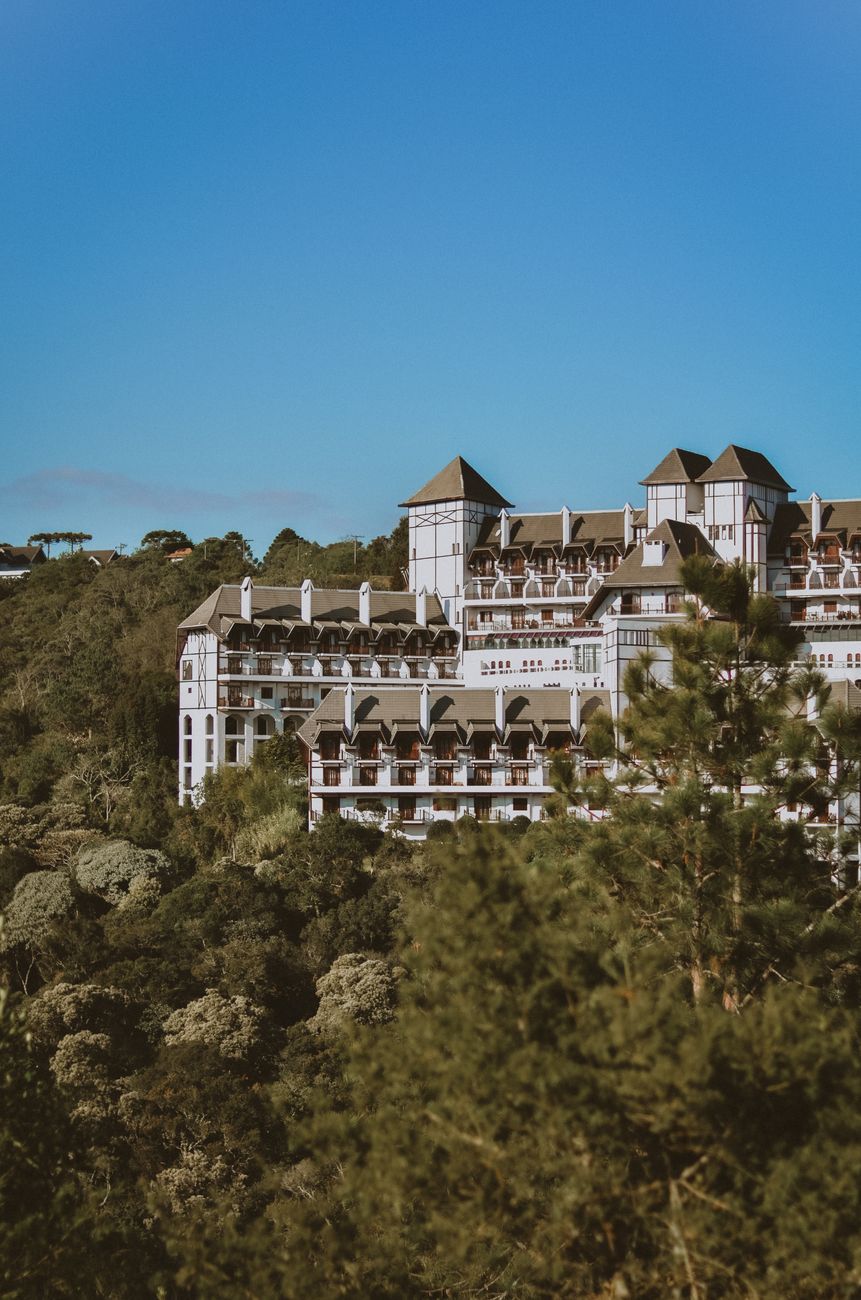
Mountain air and pine trees set the first impression: cooler temperatures, wooden façades and a tourism rhythm keyed to weekends and the winter months. Streets around Praça de Capivari are full of restaurants, chocolate shops and craft beer bars, which is only part of the town's character. Neighbourhoods such as Vila Inglesa and Abernéssia are quieter and show the residential side; Alto do Capivari and the Horto area are where most trails and viewpoints sit.
Expect traffic on the weekend afternoons between São Paulo and the town, and a tourist density that spikes during July festival dates and winter holidays. This place suits people who want short hikes, small museums, hands-on gardens and alpine-style meals rather than an urban museum marathon. Practical rhythms—market opening hours, short public bus timetables and early restaurant closing times outside high season—shape how three days should be planned.
Is 3 days in Campos do Jordao enough?
Yes—three days gives a clear taste: Capivari's central square, Morro do Elefante, Amantikir Gardens and Horto Florestal can all be done with relaxed pacing. Caveat: a full day-trip to Pedra do Baú or a long scenic drive to Ubatuba will need extra time or a separate trip.
Who This Guide Is For
Best for weekenders who like active walks, short museum visits and cooler-weather dining; less suitable for travelers who want extensive mountain-bike routes or multi-day trekking without a car.
Local Tips for Campos do Jordao
Practical details that most travel sites skip — specific to Campos do Jordao.
- Buy São Paulo–Campos do Jordão bus tickets at Terminal Rodoviário Tietê with Viação Cometa; one-way fares typically range R$70–120 depending on season and seat type.
- Palácio Boa Vista (Avenida Dr. Januário Miráglia) offers guided visits; opening hours are weekday mornings and afternoons and there is often a small entrance fee or suggested donation of about R$6–15.
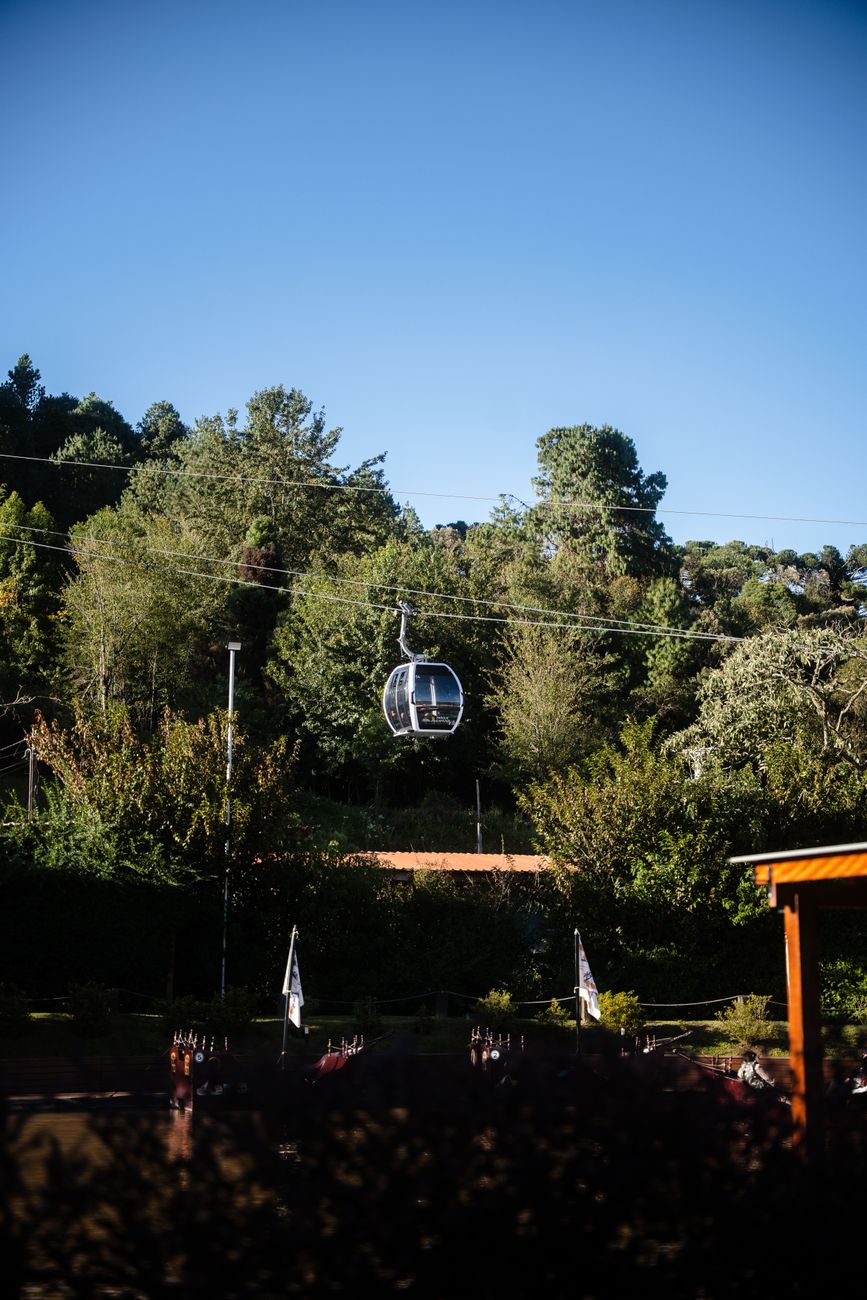
- Teleférico do Morro do Elefante in Capivari runs short cable-car rides; round-trip tickets are usually R$15–30 and the queue moves faster on weekdays.
- Parque Estadual de Campos do Jordão (Horto Florestal) charges a park entrance fee for maintenance—expect roughly R$15–25 per person and pay at the park kiosk or online if available.
- Use ride apps 99 or Uber for short hops inside town; local municipal buses are infrequent and the main taxi rank sits beside Praça de Capivari near Rua Djalma Forjaz.
How This Guide Was Prepared
This guide treats Campos do Jordão as a mountain town with an active local calendar, not a fairy-tale winter postcard. Many guides over-focus on Capivari and chocolate shops; this one balances the tourist core with Horto trails, Amantikir gardens and how to move between neighborhoods without losing time to traffic. This guide was prepared through a structured research that combines destination research, geographic context, itinerary planning logic, and content review.
Plan Your Stay in Campos do Jordao
Use this itinerary as your starting point, then compare areas to stay, transport options, seasonal timing, and realistic daily costs before booking.
Why Visit
Three specific selling points make a short stay worthwhile: first, accessible mountain green space without long drives from São Paulo—Parque Estadual Campos do Jordão (Horto) offers marked trails, waterfalls and picnic spots within 20–30 minutes of Capivari. Second, a compact museum and cultural circuit: Palácio Boa Vista, Museu Felícia Leirner and Auditório Claudio Santoro sit close enough to combine into a half-day itinerary. Third, alpine-style gastronomy and craft beer framed by local trout farming and artisanal chocolate production—dining here is a reason to linger rather than rush.
Practical advantages matter: public safety is generally good for evening walks in Capivari, and the town’s small size means transit times are short if off-peak traffic is avoided. Those who come for hiking, gardens and cooler-weather meals will get more value than sunbathers or travelers seeking large-scale nightlife.
Quick Planning Tips
Most visitors arrive from São Paulo via Terminal Rodoviário Tietê—book Viação Cometa seats in advance during July and holiday weekends. Driving takes roughly 2.5–3 hours from São Paulo under normal traffic; account for longer times on weekends.
Cash and card both work, but smaller cafés and trail kiosks accept only cash; ATMs in Capivari are reliable but carry a small withdrawal fee. Avoid thinking local buses will run on a metro schedule—municipal routes are sparse; rely on 99 or Uber for flexibility.
Reserve Capivari hotel parking if driving, especially for Friday and Saturday nights. One planning mistake to avoid is blocking a full day for a long day-trip on the first day; use that time to acclimatize and visit nearby attractions in a single neighbourhood instead.
Day 1
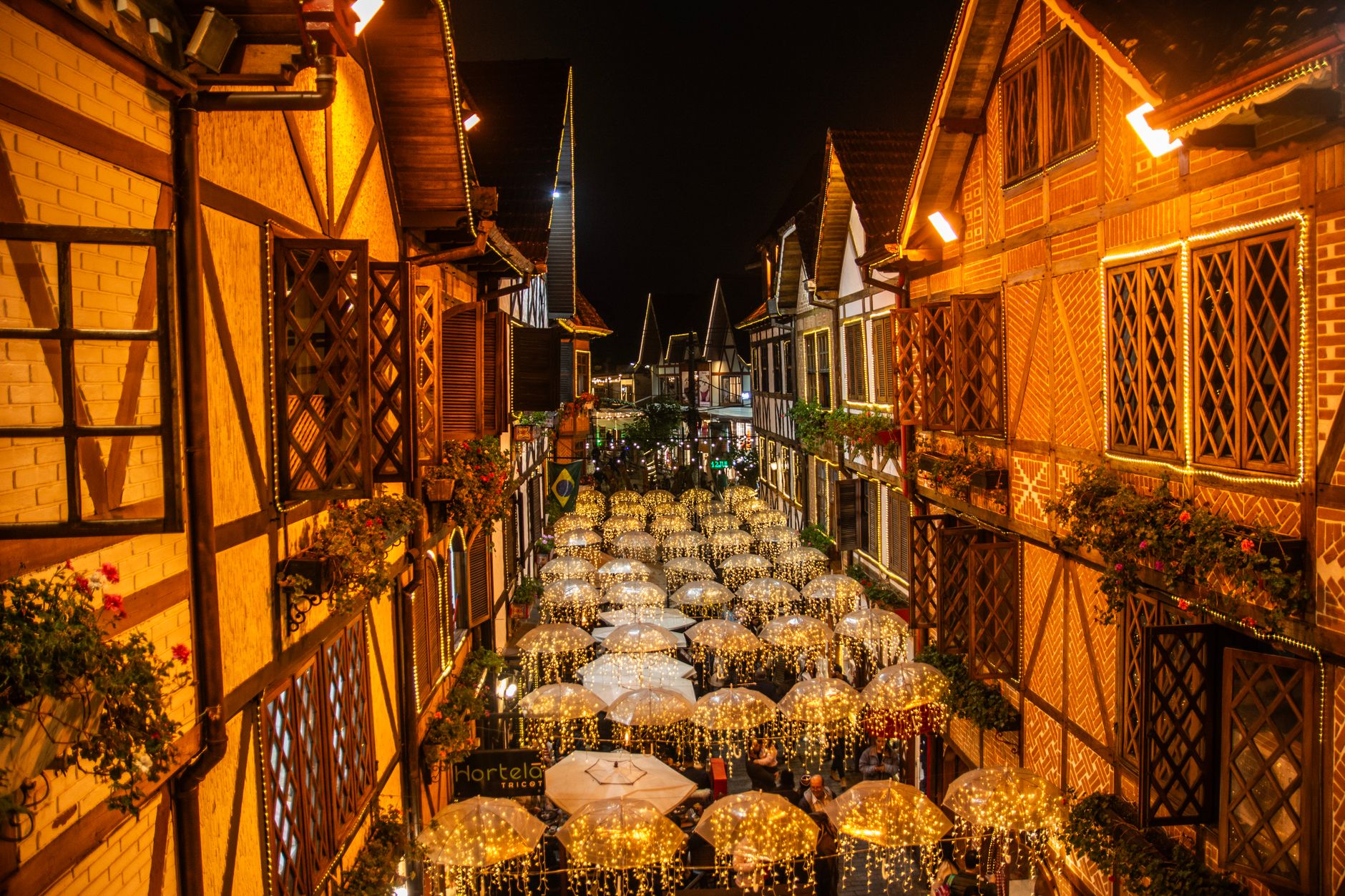
Start in Vila Capivari (Praça de Capivari) to orient—walk Rua Djalma Forjaz, check craft-beer taps at the Baden Baden outlet and browse chocolate shops. Allow 1.5–2 hours here for window shopping and a coffee.
Walk 5–10 minutes to the Teleférico do Morro do Elefante and take the cable car up for panoramic views; the round trip and viewpoint visit takes about 1–1.5 hours. From the Morro do Elefante, descend and walk 10–15 minutes to Ducha de Prata to see short waterfalls and artisan stalls—plan 45 minutes to an hour.
After Ducha, take a short Uber (5–10 minutes) to Museu Felícia Leirner and Auditório Claudio Santoro; combined visit with the sculpture gardens and auditorium façade is about 1.5–2 hours. Lunch suggestion: eat in Capivari at the Baden Baden restaurant for trout or a meat dish—expect R$60–120 per person including beer.
Evening recommendation: stroll Capivari after dinner for chocolate tastings or an early live music set at a local bar; typical evening lasts 2–3 hours and streets clear later on weekdays.
Day 2
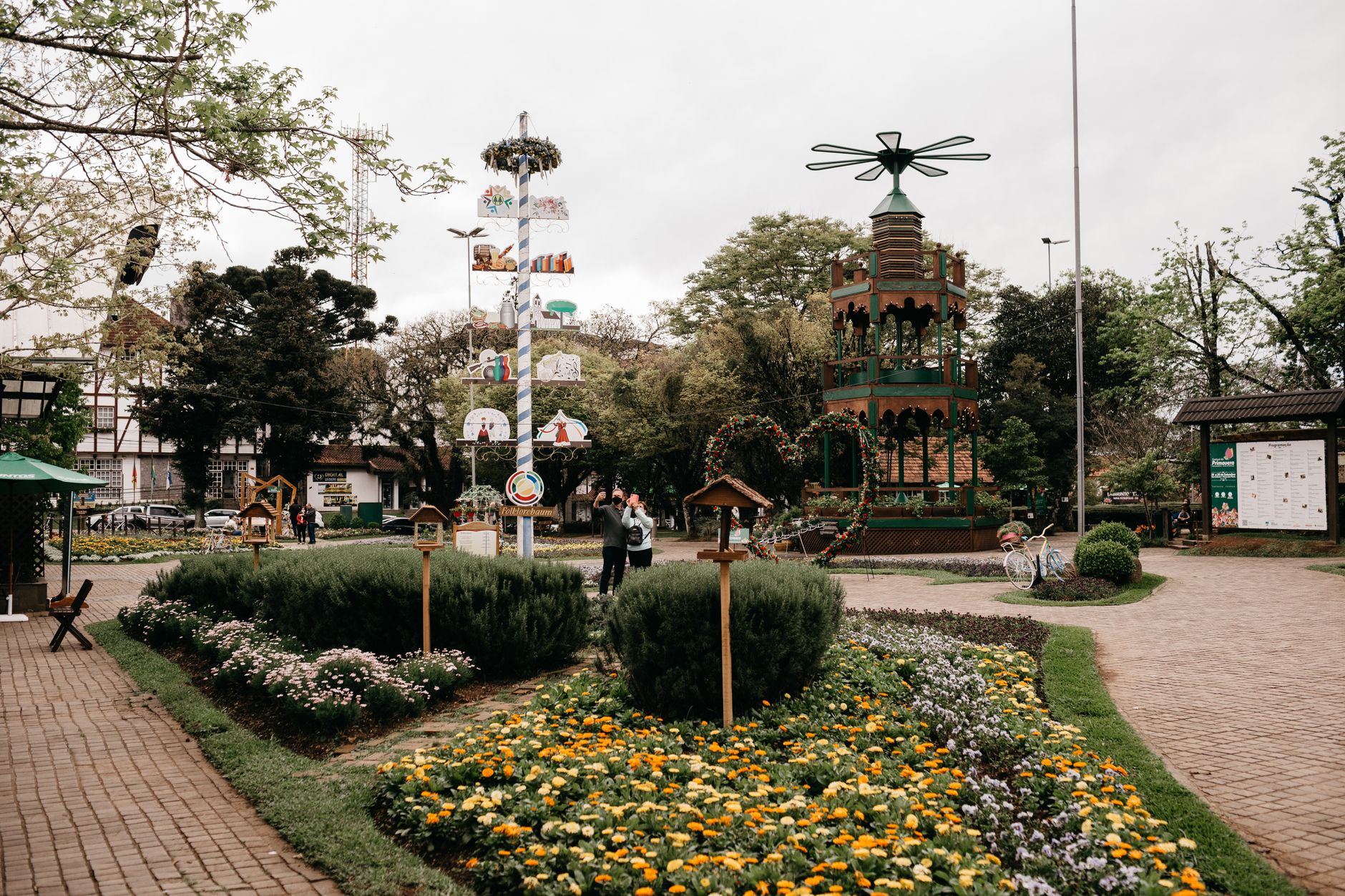
Reserve this day for Horto Florestal and Amantikir Gardens—two very different green spaces. Start at Parque Estadual de Campos do Jordão (Horto), where trail options range from short marked loops to longer forest walks; allow 3–4 hours for the main trails and the picnic areas. Travel time from Capivari is roughly 20–30 minutes by car or 30–45 minutes by occasional local bus.
After Horto, take a 15–25 minute drive to Amantikir Gardens for a guided walk through themed gardens and viewpoints; plan 1.5–2 hours here. Lunch at a nearby pousada restaurant or the Amantikir café keeps the day efficient. In the afternoon, head toward Abernéssia to see local residential architecture and, time permitting, a short visit to the small municipal market for regional cheeses and sweets.
Evening recommendation: choose a quieter dinner in Vila Inglesa or near Alto do Capivari with a fondue or raclette spot—table bookings are important on weekend nights.
Day 3
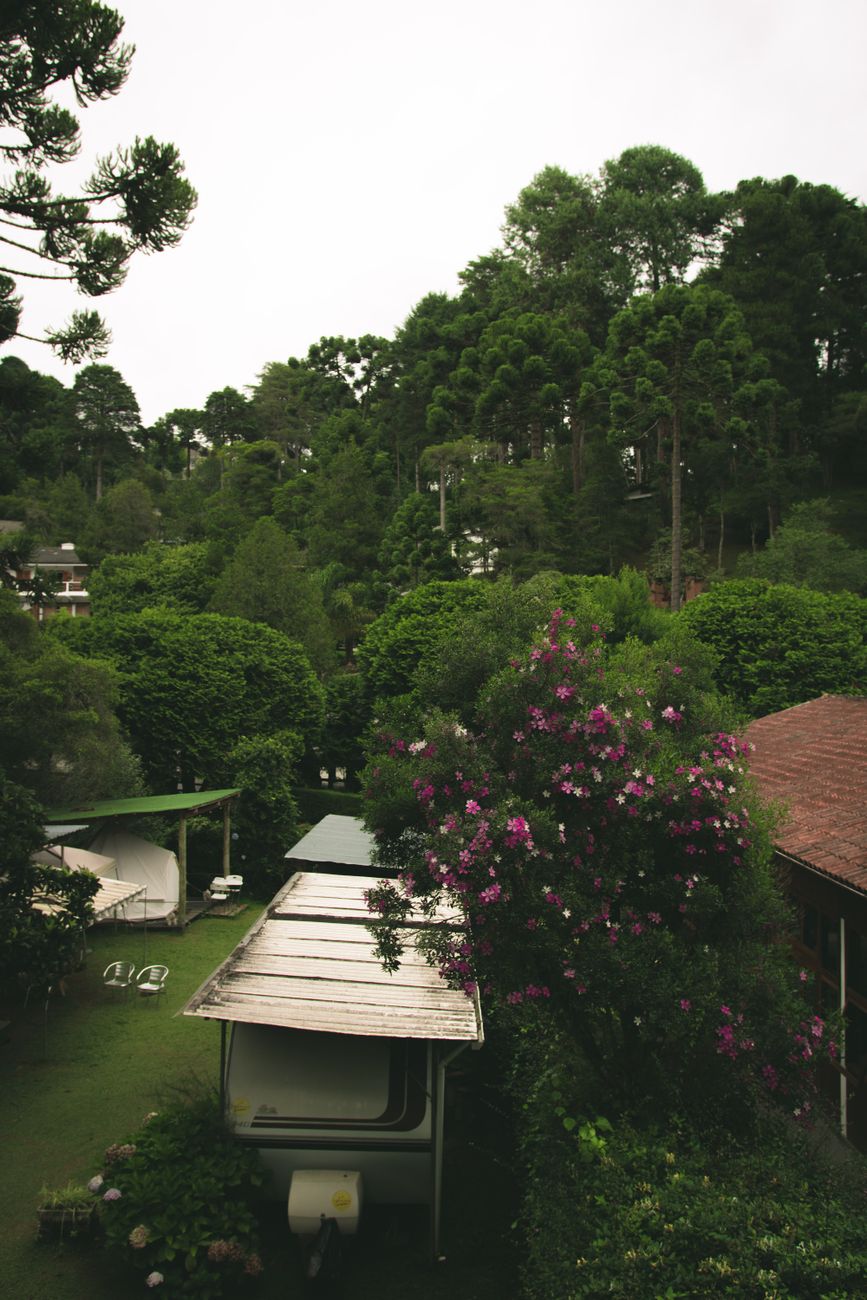
Use the last day for Palácio Boa Vista, a nearby viewpoint and a market visit. Morning: Palácio Boa Vista and its collection of decorative arts—budget 1.5–2 hours for the guided tour. Travel time from Capivari is 10–20 minutes depending on parking and traffic.
Midday: visit the municipal market or Feira de Malhas (seasonal) for local knitwear and chocolates; buy lighter items for luggage. Lunch suggestion: try a truta (local trout) at a family-run restaurant in Alto do Capivari or near Abernéssia—expect R$50–90 per person.
Afternoon option for those catching a later bus or flight: a short hike to a nearby viewpoint (Morro do Elefante revisit or a short road to a lookout outside town) before departing. Practical note: if leaving for an afternoon bus from Terminal Rodoviário Tietê, depart Capivari at least 3 hours before scheduled departure to account for weekend traffic and bus boarding.
Best Local Experiences
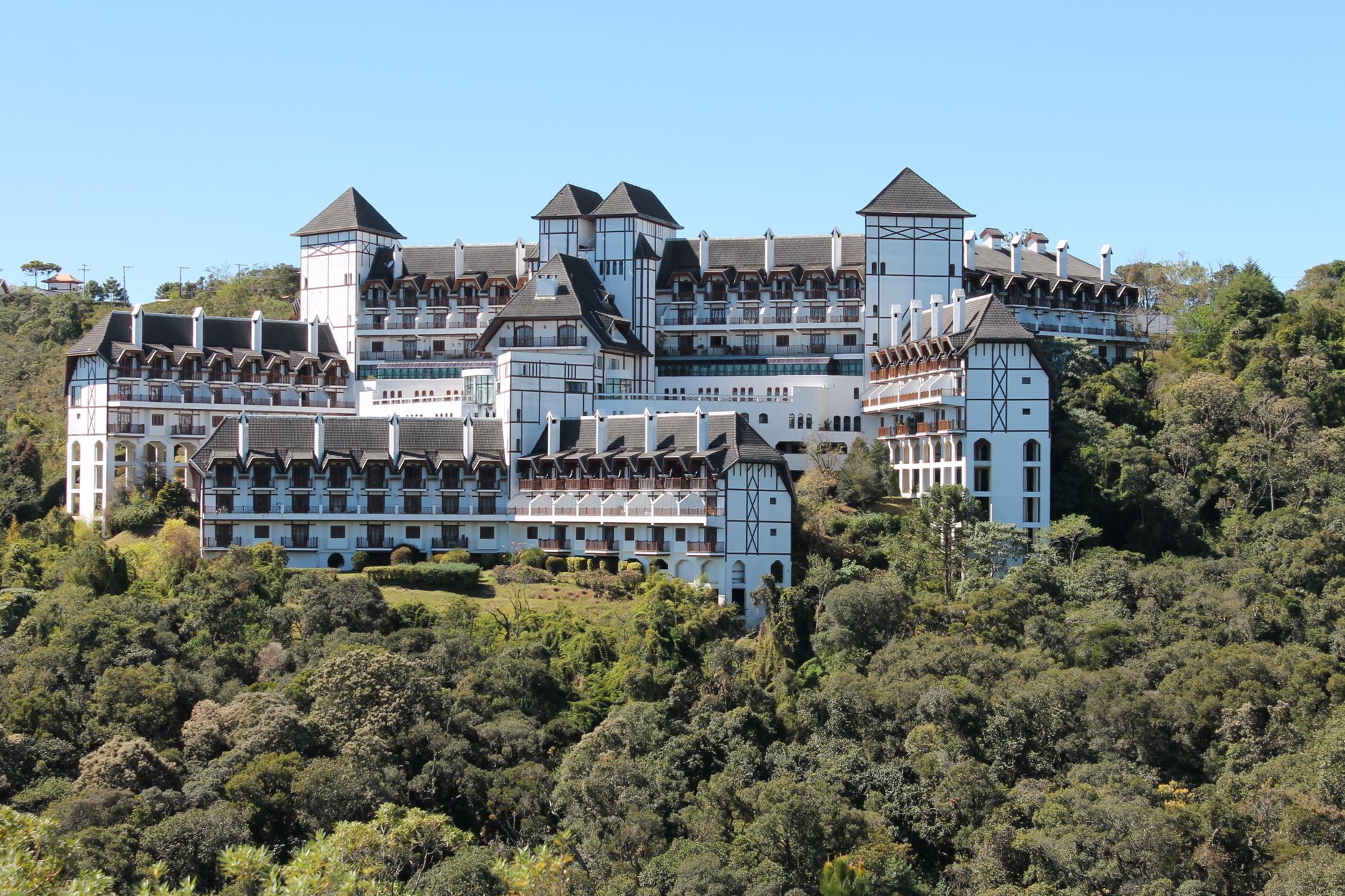
Five specific experiences make a visit distinctive: 1) Horto Florestal trails and picnic clearings—bring cash for park entry and a simple packed lunch. 2) Amantikir Gardens guided walks—themed gardens change with planting seasons and offer good photo vantage points. 3) Palácio Boa Vista tours for provincial art and Governor’s collection—check guided-tour times in advance. 4) An evening at the Baden Baden brewery outlet in Capivari to sample local taps and seasonal brews. 5) The Ducha de Prata cascade and artisan stalls for quick local souvenirs like smoked trouts and chocolate truffles.
Other activities include weekend arts markets in Capivari, small classical concerts at Auditório Claudio Santoro (check program in advance) and short, paved viewpoint roads outside town for sunset photography. Each activity has short transit times if planned outside peak arrival/departure hours.
Where to Stay
Vila Capivari: Best for first-time visitors who want immediate access to restaurants, bars and shops. Pros: walkability to teleférico and nightlife; cons: louder on weekend nights. Typical nightly rates: R$250–700 (≈€45–125 / US$50–140) depending on season and hotel class.
Abernéssia and Vila Inglesa: Suited to travellers seeking quieter streets and local bakeries. Pros: close to Amantikir and short drive to Horto; cons: fewer evening dining options. Typical nightly rates: R$180–450 (≈€33–80 / US$36–90).
Horto / Alto do Capivari: Best for hikers and nature-focused stays with easy access to trails. Pros: proximity to park entrances and viewpoints; cons: fewer shops within walking distance. Typical nightly rates: R$200–500 (≈€36–90 / US$40–100).
Booking tip: rates spike during July festival and winter holidays; confirm parking availability if driving and ask about included breakfast times to match early departures.
Food and Drink
Truta (trout): locally farmed, usually pan-fried or served with butter and herbs; find good versions at family restaurants near Abernéssia and Alto do Capivari for R$45–90. Fondue: cheese and meat fondues appear in many Capivari restaurants, often as multi-course meals priced R$80–150 per person on weekends.
Chocolate artesanal: small shops on Rua Djalma Forjaz sell truffles and bars; a box of assorted truffles is roughly R$25–70. Baden Baden beer: the Capivari outlet pours draft varieties; a pint costs about R$15–28 depending on style. Vinho quente (mulled wine): a winter staple at street stalls and markets, typically R$8–20 a cup.
Breakfast option: a pão de queijo and strong café at a local padaria in Vila Inglesa or Capivari for R$8–20. Street food note: look for grilled truta sandwiches or fondue-to-go stalls near Ducha de Prata on busy afternoons.
Getting Around
No metro; main intercity access is by bus from Terminal Rodoviário Tietê with companies such as Viação Cometa. Local municipal buses exist but are infrequent; expect gaps between services, especially outside peak season.
Ride-hailing apps 99 and Uber operate reliably for short hops. Taxi ranks are concentrated around Praça de Capivari and the bus terminal. Teleférico do Morro do Elefante is a local cable-car attraction with its own ticket counter.
Typical single municipal bus fare is low but variable; count on roughly R$4–6 for local buses. A day pass is not standard—day return travel is usually paid per trip. Approximate private transfer or taxi from São Paulo–Guarulhos Airport runs R$400–800 depending on vehicle; a shared or private transfer can be cheaper if booked in advance. Use Google Maps plus the 99/Uber apps for route planning and on-demand rides.
Best Time to Visit
Winter (June–August): coolest temperatures, often 2–15°C; high visitor levels in July festival period and school holidays, with higher rates and busier streets. Spring (September–November): milder days (10–22°C), fewer tourists and good value—best months for gardens and clearer trails.
Summer (December–February): warmer days 15–25°C with cool nights; some rain but fewer crowds than July. Autumn (March–May): crisp days and falling leaves, temperatures similar to spring and good off-peak pricing.
Best value months: April–May and September–November for lower rates and steady weather. Months to avoid for crowds and high prices: July and São Paulo school-holiday dates.
Budget and Practical Tips
Typical daily budget ranges: budget traveler R$200–350 (≈€36–63 / US$40–70) including a simple pousada, public transport/occasional Uber and modest meals. Mid-range traveler R$500–900 (≈€90–160 / US$100–180) for a mid-level hotel, two meals out at local restaurants and entrance fees. High-end stays often exceed R$1,200 per day (≈€215 / US$240).
Sample breakdown for a mid-range day: accommodation R$350 (≈€63 / US$70), food R$120 (≈€22 / US$24), local transport R$60 (≈€11 / US$12), entry fees R$50 (≈€9 / US$10). Park and museum fees add up—set aside R$40–100 for the main sites.
Tipping norms: restaurants usually add a 10% service charge occasionally; if not included, a 10% tip is appropriate for table service. Small cash tips for porters and cleaners R$5–15 are common.
FAQ
How safe is Campos do Jordão for tourists?
The town is generally safe for daytime and evening walks in Capivari and main tourist areas; standard precautions for wallets and parked cars apply, and quieter residential streets are best avoided after midnight.
What is the best way to get here from São Paulo?
Take an intercity bus from Terminal Rodoviário Tietê (Viação Cometa) for a reliable and affordable option, or rent a car for a 2.5–3 hour drive depending on traffic.
Are 99 and Uber available locally?
Yes—both apps work in town and are often faster than local buses for short hops between attractions.
Is a city card or tourist pass worth buying?
There is no widely used all-in-one city card; individual entrances (Horto, Amantikir, Palácio) are paid separately so buy tickets for the specific attractions planned.
Are museums open year-round?
Most museums operate regular hours but close for maintenance or special events; check Palácio Boa Vista and Auditório Claudio Santoro schedules in advance, especially outside high season.
Can a weekend cover the main sights?
Yes—a focused Saturday to Monday can cover Capivari, Morro do Elefante, Horto and Amantikir if travel times are planned carefully.
Any advice for winter visits?
Book accommodation and bus seats well ahead for July; bring warm layers for nights that fall to single digits Celsius.
Is public transport useful for getting between attractions?
Municipal buses exist but are irregular; rideshare or taxi is more efficient for linking Horto, Amantikir and Palácio Boa Vista within a single day.
Conclusion
A three-day stay will most likely be remembered for the contrast between busy Capivari streets and the calm pine trails at Horto. Prioritise one cultural circuit (Palácio Boa Vista plus Museu Felícia Leirner) and one major green space (Horto or Amantikir) if time is tight. Allow travel buffers for weekend traffic and book Friday–Sunday accommodation and bus seats in advance to avoid last-minute price spikes.
How this guide was prepared
This guide was prepared through a structured research that combines destination research, geographic context, itinerary planning logic, and content review.