

3-Day Vilnius Itinerary: Practical Guide to Lithuania's Capital
Practical 3-day Vilnius plan with exact transit, prices, and what to skip; covers Old Town, Užupis, a Trakai option, museums, markets, and food tips.
A realistic, no-frills 72-hour plan for Vilnius that lists transit, costs, pacing, and the handful of things worth prioritising in one long weekend.
Old Town arrives as a mix of narrow streets, Soviet-era apartment blocks beyond the castle hill, and a surprising number of cafés and galleries. Streets like Pilies and Literatų are measured by pedestrians rather than cars, but expect loud weekends in central squares and long uphill stretches to viewpoints.
This place suits relaxed walkers who can handle cobbles and short steep climbs, and it rewards those who slow down: individual streets reveal different layers from medieval churches to modernist façades on Gimnazijos and Gedimino avenues. Expect fewer late-night transport options than larger capitals and quieter midweek museum hours.
Is 3 days in Vilnius enough?
Three days is enough to see Old Town highlights, Užupis, the best museums, and fit in a Trakai castle half-day trip. One honest caveat: there won't be time to visit all museums in depth or to take a longer trip to Kaunas without cutting museum visits.
Who This Guide Is For
Best for first-time visitors who like walking, neighbourhood-focused sightseeing, and cafés; poor fit for travellers wanting a packed museum marathon or large-group package-tour pacing.
Local Tips for Vilnius
Practical details that most travel sites skip — specific to Vilnius.
- Buy single tickets on board buses/trolleybuses with a contactless card or the M.Ticket app; on-board cash purchases are rarer and cost more. Expect around €1.20 for a single ride when bought on a device and about €1.50 if bought under different conditions.
- Bus number 88 runs between Vilnius Airport and the Central Bus Station (Autobusų stotis); ticket bought on board or via app should be confirmed but is roughly €1.50–2.00 one way.
- Gediminas' Tower (Pilies g.) charges around €5 for the tower/museum combined; climb from Cathedral Square is a 10–15 minute uphill walk or take the short paved path that meets the tower in under 5 minutes from Pilies Street.
- KGB Museum (Museum of Occupations and Freedom Fights) on Aukų g. is compact and visceral; expect an entry fee near €4–6 and plan 60–90 minutes to move through the exhibits.
- Trakai Island Castle is about 28 km from the city centre; regular buses depart from the Central Bus Station (Autobusų Stotis) and the one-way ticket is usually €3–4 with a 40–50 minute ride.
How This Guide Was Prepared
This guide treats Vilnius as a compact city with distinct neighbourhood rhythms rather than a single old-town snapshot. Many guides cram every church and museum into one day; this plan acknowledges slow hills, seasonal daylight, and local transit timing to create achievable days. This guide was prepared through a structured research that combines destination research, geographic context, itinerary planning logic, and content review.
Plan Your Stay in Vilnius
Use this itinerary as your starting point, then compare areas to stay, transport options, seasonal timing, and realistic daily costs before booking.
Why Visit
Historic layers are visible on a single walk: medieval churches like St. Anne's, the Baroque Gates of Dawn, and the Palace of the Grand Dukes sit within short distances of each other. That proximity makes it possible to move between eras without long transfers.
Neighbourhood character varies sharply within minutes: Užupis has a local-art scene and an eccentric constitution wall on Paupio gatvė, while Žvėrynas offers wooden villas and quiet streets near the river. A short, affordable bus ride gets to Trakai Island Castle, adding a dramatic castle-on-water experience to a city trip.
Public museums present specific stories not available elsewhere: the KGB Museum on Aukų gatvė documents Soviet repression, while the National Museum and the Palace of the Grand Dukes offer core Lithuanian narrative displays. The food scene mixes inexpensive canteens and smart new bistros, making it easy to eat well without overspending.

Quick Planning Tips
Arrive via Vilnius Airport; bus 88 connects the terminal with the Central Bus Station (Autobusų stotis). A taxi to the centre typically costs €10–20 depending on traffic; expect longer waits late at night.
Use the M.Ticket mobile app or buy single tickets on board for buses and trolleybuses; contactless card payments are increasingly accepted. Avoid buying touristy souvenirs on Pilies Street if on a budget; cross to the side streets for better prices.
Reserve any Palace of the Grand Dukes tickets in advance for weekend mornings during summer. One planning mistake to avoid is underestimating uphill walking time between Cathedral Square and Gediminas' Tower during wet weather.

Day 1
Start at Cathedral Square and spend time at the exterior and the adjacent Bell Tower; allow 30–45 minutes. Walk up to Gediminas' Hill and the tower; the uphill walk from the square is 10–15 minutes and the small museum in the tower takes 30–45 minutes. The combined tower/museum ticket is about €5.
Descend along Pilies Street, stopping at Literatų Gatvė to see the book-plate installations; this stretch is flat and pedestrian-friendly and should take 20–30 minutes total walking. Have lunch at Etno Dvaras or Lokys (for traditional fare) on Pilies; expect main dishes €8–15. After lunch, visit the Palace of the Grand Dukes (Katedros a. near Cathedral); allow 1.5–2 hours and a ticket near €10.
Late afternoon, walk across to the Gates of Dawn on Ausros Vartu and then explore nearby Republic of Užupis by crossing the river (a 10–15 minute walk). Dine in Užupis at restaurants like Šturmų Švyturys or try a calmer bistro on Užupio g.; dinner mains range €10–20. Evening recommendation: a riverside drink in Užupis or a walk up to the Three Crosses viewpoint (15–20 minute uphill walk from Užupis) for city lights.

Day 2
Spend the morning in the museum quarter. Start at the Museum of Occupations and Freedom Fights (Aukų g. 2A); set aside 60–90 minutes and expect an entry fee around €4–6. From there, walk 10–15 minutes to the National Museum of Lithuania for broader context on statehood and artifacts; allow another 1–1.5 hours.
After museums, head to Bernardine Garden for a relaxed lunch at a nearby café and some shade; the garden is a 5–10 minute walk from the National Museum. In the afternoon, cross to Žvėrynas by walking over Neris River bridges or take a short bus ride (routes 1 or 2 depending on schedule) to see wooden villas and S. Daukantas Park. Expect 15–25 minutes travel time by transit.
Evening: return to Naujamiestis for a different dining scene — try a modern Lithuanian menu at restaurants on Šv. Stepono or Šv. Ignoto streets where mains run €10–18. Finish with a late drink at a local bar on Gedimino prospektas or a quieter wine bar in Žvėrynas if a calmer end is preferred.

Day 3
Reserve this day for a Trakai half-day or for deeper museum time. For Trakai: take a bus from Central Bus Station (Autobusų stotis) to Trakai; buses depart frequently and the ride is about 40–50 minutes. Allow 3–5 hours total for transport, walking to the island castle, and a lakeside lunch; return tickets are typically €6–8 combined.
If staying in the city, begin at the Republic of Užupis galleries and the Užupis Constitution wall, then walk along the river to the Botanical Garden in Antakalnis if open (a bus from Naujamiestis or a 20–30 minute walk). Lunch at a market canteen near Halės Market where a meal costs €4–7. Reserve the afternoon for anything missed earlier: Saint Anne's Church and its red brick façade, or MO Museum for contemporary art with tickets around €6–8.
Practical note for departures: if checking out and catching an afternoon flight, store luggage at the Central Bus Station or arrange hotel storage. Allow 60–90 minutes travel time to the airport from the centre by bus 88 or 20–40 minutes by taxi depending on traffic; aim to leave the centre 2.5–3 hours before the flight during winter months.

Best Local Experiences
Walk the Pilies-to-Užupis route early morning when cafés open and delivery traffic is low. Visit the KGB Museum on Aukų gatvė for a compact, serious account of Soviet-era arrests and deportations.
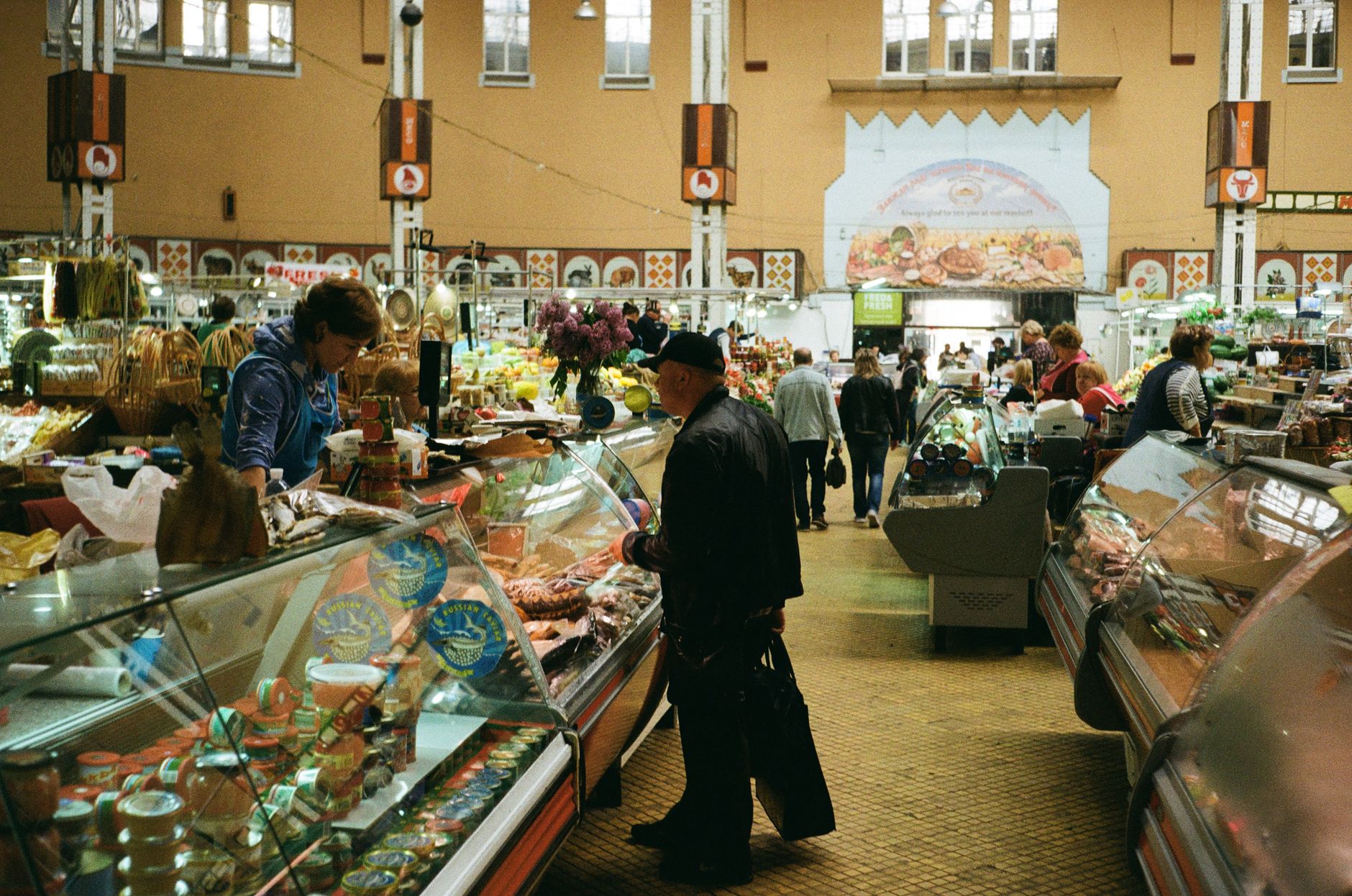
Catch a folk concert or volleyball match in Vingis Park during summer festivals. Buy fresh bread and smoked fish at Halės Market (Galinio Pylimo g.) and try a mushroom pie at the market stalls.
Take a short bus ride to Trakai Island Castle for castle walls and Karaim cuisine (kibinai stands by the castle sell pastries for about €3–4). Attend a classical concert at the National Philharmonic or a small jazz night in Užupis for a local-music finish to the day.
Where to Stay
Old Town: suits first-time visitors who want immediate access to Pilies Street, Cathedral Square, and museums. Expect €80–150 per night in mid-range hotels and €40–80 for private apartments; in USD this is roughly $85–$160 and $45–$85 respectively.
Užupis and Naujamiestis: good for café culture and quieter evenings; walking distance to Old Town is 10–20 minutes. Mid-range apartments and guesthouses run €60–110 per night (about $65–$120). Žvėrynas and Antakalnis: quieter, near the river and parks, suitable for families or those wanting calmer streets; expect €55–100 per night (€60–$110 in USD equivalent).
Booking tip: short-term rentals near Cathedral Square are convenient but add tourist noise on weekend nights; choose a side-street address if sleep matters. Expect slightly lower rates outside June–August.
Food and Drink
Cepelinai: large potato dumplings usually filled with minced meat, served with sour cream and bacon bits. Found at canteens like Bernelių Užeiga; expect €4–7.
Šaltibarščiai: cold beetroot soup with kefir and dill, typically a summer dish; a bowl at a café costs €2.50–4. Kibinai: Karaim meat pastries best tried in Trakai near the castle or at select bakeries in the Old Town; expect €3–4 each.
Šakotis: a spit cake sold by slice in pastry shops and markets for €2–4. Local drinks: midus (honey mead) available at specialist shops and some restaurants for €4–6 a glass, and kvass sold at market stalls for about €0.80–1.50. Breakfast option: bakeries on Pilies or Halės Market offer pastries and coffee for €2.50–5.
Dinner recommendation: a modern Lithuanian tasting menu at a bistro on Gedimino prospektas or in Naujamiestis will run €20–35 per person depending on courses and drinks.
Getting Around
Transport is buses and trolleybuses; there is no metro or tram system. Single tickets are roughly €1.20 if bought via app or validated on board, and around €1.50 when purchased under different conditions; a 24-hour pass costs about €5–6 depending on current fares.
Key routes: bus 88 from the airport to the Central Bus Station; inner-city routes include 1, 2 and other numbered lines along Gedimino prospektas and major junctions. Use the M.Ticket app for tickets and the Trafi/Transport.lt apps for timetables.
Taxi fares from the airport vary with traffic but typically €10–20; use registered companies like Bolt or conventional taxis booked at stands. Carry a small amount of cash for market stalls and some cafes that refuse card payments.
Best Time to Visit
June to August brings the warmest weather, daytime highs around 18–25°C and the longest daylight hours, but it is peak tourist season with higher accommodation costs. May and September offer milder weather, fewer crowds, and lower prices; daytime highs tend to be 12–18°C.
November to February are cold with short daylight and temperatures commonly between -5°C and +3°C; this period is cheapest for accommodation but some attractions reduce hours. April often has unstable weather and fewer tourists, making it good value for sightseers who accept a chance of rain.
Budget and Practical Tips
Realistic daily budget for a typical traveller: accommodation €60–120, food €20–40, transport €5–8, entry fees €10–20, total roughly €95–190 per day (about $100–$200 USD). Budget travellers can expect lower accommodation (€30–60) and street-food meals for €3–7.
Tipping norm: round up small bills in cafés, add 5–10% in sit-down restaurants if service was good but it is not mandatory. ATMs are widespread; many places accept cards but smaller stalls at markets are often cash-only.
Bring a compact umbrella for sudden showers and comfortable shoes for cobbles and short hills. Check museum opening hours before visiting, especially on Mondays when some close or have reduced hours.
FAQ
Is Vilnius safe for solo travellers?
Yes, central areas are generally safe with low violent crime; use normal city caution at night and avoid poorly lit riverbanks late.
How do I get from the airport to the city centre?
Bus 88 runs between the airport and the Central Bus Station (Autobusų stotis); taxis cost about €10–20 depending on traffic.
Is a Vilnius city card or pass worth buying?
A combined museum pass can save money if visiting the Palace of the Grand Dukes, MO Museum and other paid sites in the same two days; casual visitors who focus on outdoor sites may not need one.
Are English and other languages widely spoken?
English is common in restaurants, cafés and hotels, less so in small shops and some market stalls where Lithuanian or Russian are more common.
Can Trakai be done as a day trip?
Yes; buses from the Central Bus Station take 40–50 minutes and return the same day—plan 3–5 hours including castle and lunch.
Are museums open daily?
Many museums close or have limited hours on Mondays; check individual museum websites for current opening times.
What is the safest way to pay for public transport?
Use the M.Ticket app or contactless bank card on board where accepted; keep small change for any driver-operated sales if needed.
Are there luggage storage options near the Central Bus Station?
Yes, both the Central Bus Station and some train-station kiosks offer luggage storage for a small fee; confirm current hours before arrival.
Conclusion
A three-day visit leaves a clear memory of hilltop views, compact old streets, and the contrast between Užupis and the city centre. If pressed for time, prioritise Cathedral Square, Gediminas' Tower, a visit to the KGB Museum, and an hour in Užupis.
Those elements capture civic storylines and neighbourhood character efficiently and will form the clearest recollections of a short visit.
How this guide was prepared
This guide was prepared through a structured research that combines destination research, geographic context, itinerary planning logic, and content review.