
3 Days in Riga: Practical Itinerary and No-Nonsense Tips
A practical three-day guide to Riga with step-by-step routes, transit tips, realistic food and museum costs, and budget notes for first-time visitors.
A direct, usable 72-hour plan for exploring Old Town, Art Nouveau Centrs and the left-bank neighbourhoods, with transit, food and budget details.
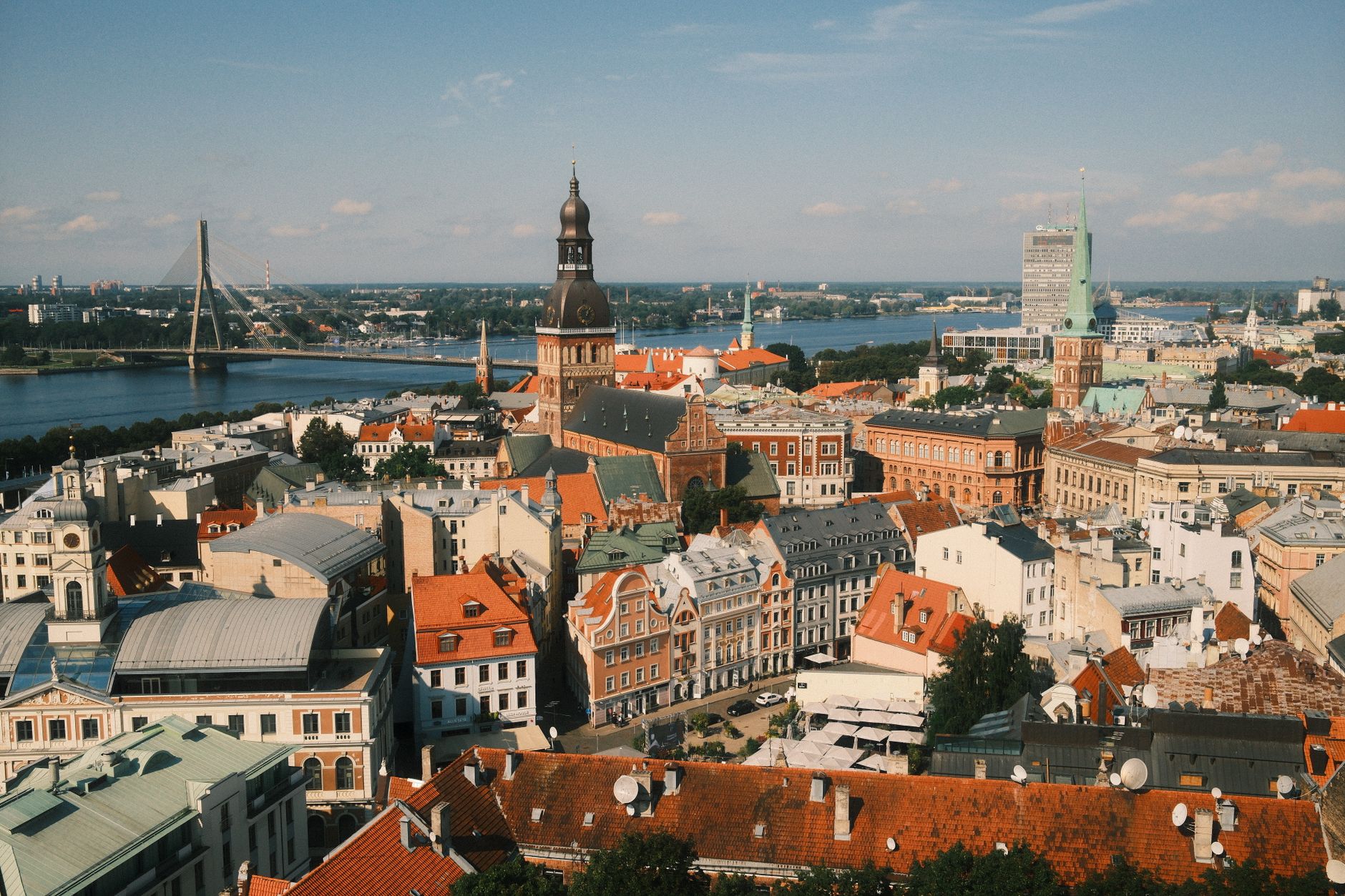
First impressions are often of narrow cobbled lanes around the Old Town, tall slender roofs and an occasional tram clacking past. Noise levels change quickly: mornings and early afternoons at Rīgas Centrāltirgus are busy but manageable, evenings in Vecrīga are loud with bars and tourist groups. Centrs around Alberta iela and Elizabetes iela feels more residential and calmer; the streets there are where most of the fine Art Nouveau façades stand.
Expect weather swings in shoulder seasons that affect walking plans and market visits. Many guidebooks cram everything into Old Town walking loops, which misses how different the left bank and Mežaparks feel; those areas require transit time but reward with parks, wooden houses and local markets. This guide suits travellers who want a practical, walkable route that balances architecture, market life and a single substantial museum or outdoor museum visit.
Is 3 days in Riga enough?
Yes — three days are enough to see Old Town highlights, the Art Nouveau district around Alberta and Elizabetes ielas, and a left‑bank outing to Mežaparks or Āgenskalns. The honest caveat: art museums and a full ethnographic open-air visit together require more time, so one museum or the full open-air museum will likely be sacrificed.
Who This Guide Is For
Best for travellers who prefer urban walking, architecture, markets and short museum visits rather than slow museum deep-dives; budget travellers and couples fit well, while those wanting an exhaustive museum crawl or day trips to all three Baltic capitals will find the schedule tight.
Local Tips for Riga
Practical details that most travel sites skip — specific to Riga.
- Buy single-ride public-transport tickets in the Rīgas Satiksme mobile app (Android/iOS) for about €1.15; buying a ticket from the driver costs more and contactless card validators are not always available on older vehicles.
- Rīgas Centrāltirgus pavilions by Eksporta iela open around 07:00; the fish hall and some specialist stalls close by mid-afternoon on Sundays, while the produce stalls run later on Saturdays.
- Art Nouveau buildings concentrate on Alberta iela and Elizabetes iela; the Art Nouveau Museum at Alberta iela 12 charges roughly €6–8 for entry and has timed slots in summer.
- From Rīga International Airport (RIX) take bus 22 to the Central Railway Station (autoosta) — the ride is about 25–40 minutes depending on traffic and a single ticket is valid for the journey when bought in advance.
- Riga Black Balsam (Rīgas Melnais balzams) sells for roughly €8–12 in Rimi or Maxima supermarkets; a bar serve-sized shot costs about €3–5 and appears on many cocktail menus.
How This Guide Was Prepared
Riga rewards time spent off the main square and along the Daugava’s left bank; many guides overemphasize only Vecrīga and the House of Blackheads. This guide focuses on how to move between Art Nouveau Centrs, Central Market and Mežaparks efficiently, and what worthwhile museums and neighbourhoods most visitors skip. This guide was prepared through a structured research that combines destination research, geographic context, itinerary planning logic, and content review.
Plan Your Stay in Riga
Use this itinerary as your starting point, then compare areas to stay, transport options, seasonal timing, and realistic daily costs before booking.
Why Visit
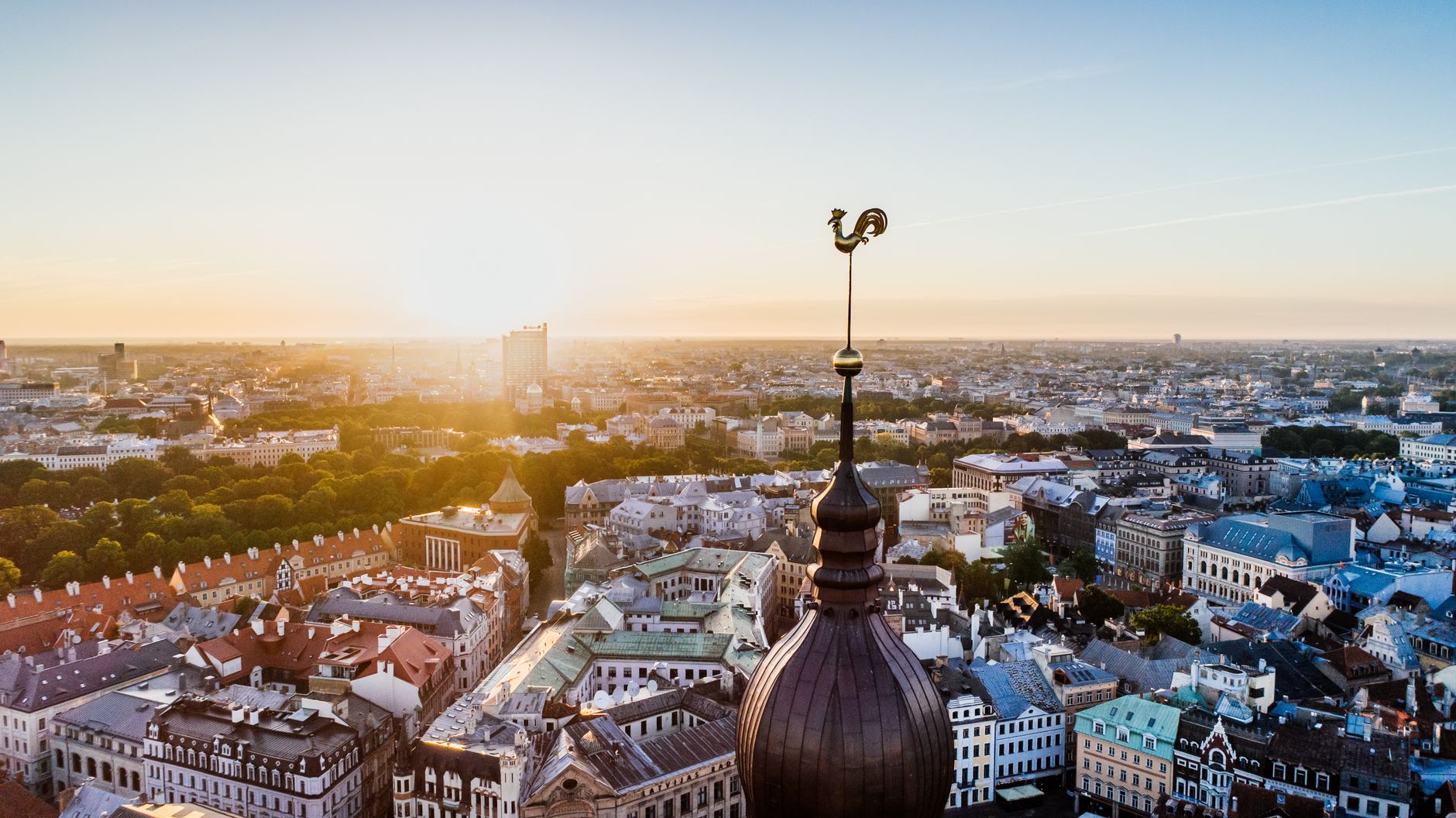
The compact Old Town provides quick wins: St. Peter's Church tower, the House of Blackheads and narrow streets that can be covered on foot in a few hours. The city has one of Europe’s largest market complexes — Rīgas Centrāltirgus — where local food culture is visible and prices are lower than in tourist cafés.
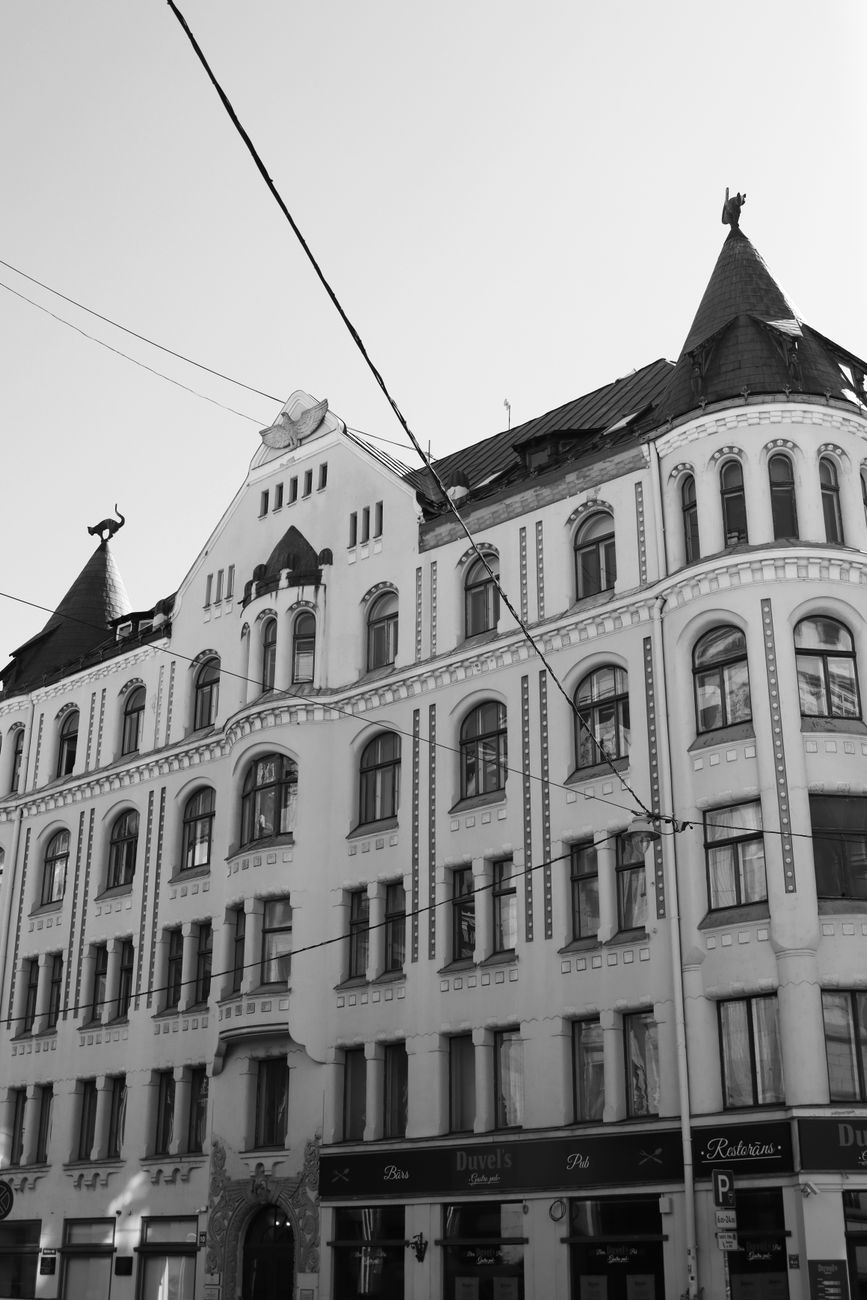
Alberta iela and Elizabetes iela present one of the densest concentrations of preserved Art Nouveau architecture; walking these streets is a different experience from the medieval centre. Mežaparks and the Latvian Ethnographic Open-Air Museum give a leafy, northern-forest contrast a short transit ride away, useful if the centre feels crowded or noisy.
Practical advantages include compact distances between main sights and low average costs for food and public transport compared with many EU capitals. The music and choir tradition also surfaces in public events; catching a local concert or a small-classical performance can be a memorable cultural touch.
Quick Planning Tips
Fly into RIX and use bus 22 to reach the Central Railway Station; allow 25–40 minutes depending on traffic. For intercity trains and buses, stop at Rīga Central Railway Station (Centralzeme) or Autoosta (Bus Station) near the river.
Use the Rīgas Satiksme app for single tickets and 24‑hour passes; single-ride app tickets cost about €1.15 while buying from the driver costs more. Carry a small amount of cash for market stalls and some taxis that may not take cards.
Avoid booking everything in Old Town for the first day; that leaves no time for the Art Nouveau district or the market rhythm. Reserve timed-entry slots for the Art Nouveau Museum and check opening times for the Ethnographic Open-Air Museum before travelling.
Day 1
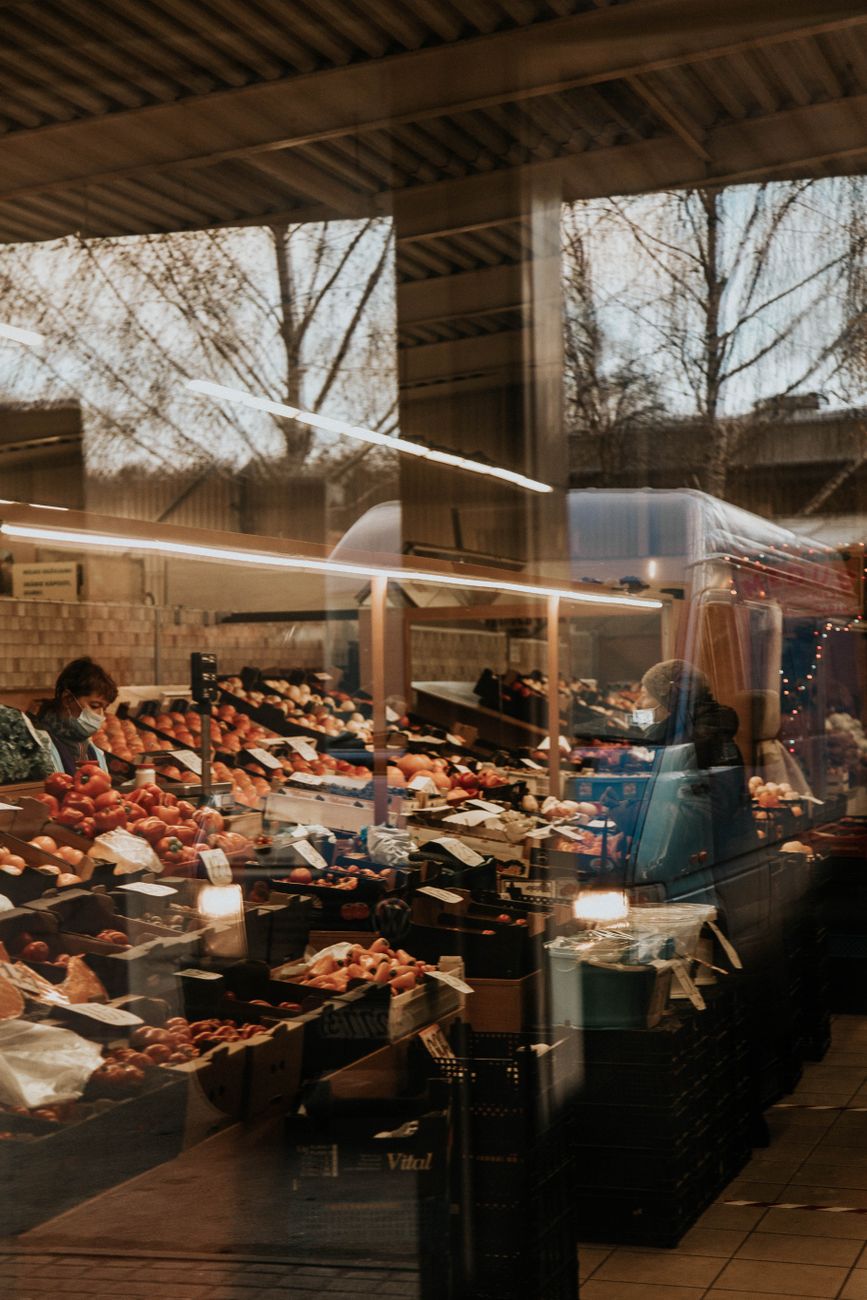
Start at Rīgas Centrāltirgus on Eksporta iela for breakfast stalls and smoked fish; allow 1.5–2 hours to move through the produce and dairy pavilions. Walk 10–15 minutes east across Kaļķu iela to enter Vecrīga and the Freedom Monument (Brīvības piemineklis) en route.
From the Freedom Monument, walk 8–12 minutes to the Latvian National Museum of Art on Jaņa Rozentāla laukums; budget 1–1.5 hours for highlights (entry around €6–8). Continue 5 minutes to St. Peter's Church on Skārņu iela — the tower lift gives panoramic views and takes roughly 20–30 minutes including queue and ticket (around €7–9).
Lunch: try LIDO near the Central Market for quick traditional plates at modest prices (main dishes €5–10). After lunch, stroll to the House of Blackheads and the Livu Square area, which is a 5–10 minute walk. Dinner: book a table at a mid-range restaurant on Rozena iela or nearby Skārņu iela where mains are €12–20.
Evening recommendation: an after-dinner walk along the Daugava embankment near the National Opera; the riverside light and traffic reflections are calmer than central squares and a short tram or taxi will return to most central hotels.
Day 2
Spend the morning in Centrs exploring Alberta iela and Elizabetes iela for Art Nouveau façades and the Art Nouveau Museum at Alberta iela 12 (allow 1–1.5 hours; entry €6–8). Walking between Alberta iela and the nearby parks takes under 10 minutes; pause for coffee on Elizabetes for a quieter local scene.
Midday head to the Central Market area for small-plate tastings from specialist stalls; transport from Centrs is a 10–15 minute tram or bus ride depending on stop. After market exploration, cross to Āgenskalns on the left bank for Āgenskalns Market (Āgenskalna tirgus) — a tram or short taxi across the Akmens tilts takes 10–15 minutes from the market.
Lunch: Āgenskalns has neighbourhood cafés and bakery stalls where pīrāgi and rye bread pies cost €1–3 each. Afternoon: explore wooden houses on Ernesta Birznieka-Upīša iela and the Spīķeri historic warehouse quarter nearby for galleries and river views; allow 1.5–2 hours. Dinner: try a local bistro in Āgenskalns or return to Centrs for more variety.
Evening recommendation: check listings for a performance at the Latvian National Opera on Aspazijas bulvāris; budget tickets are available if booked earlier.
Day 3
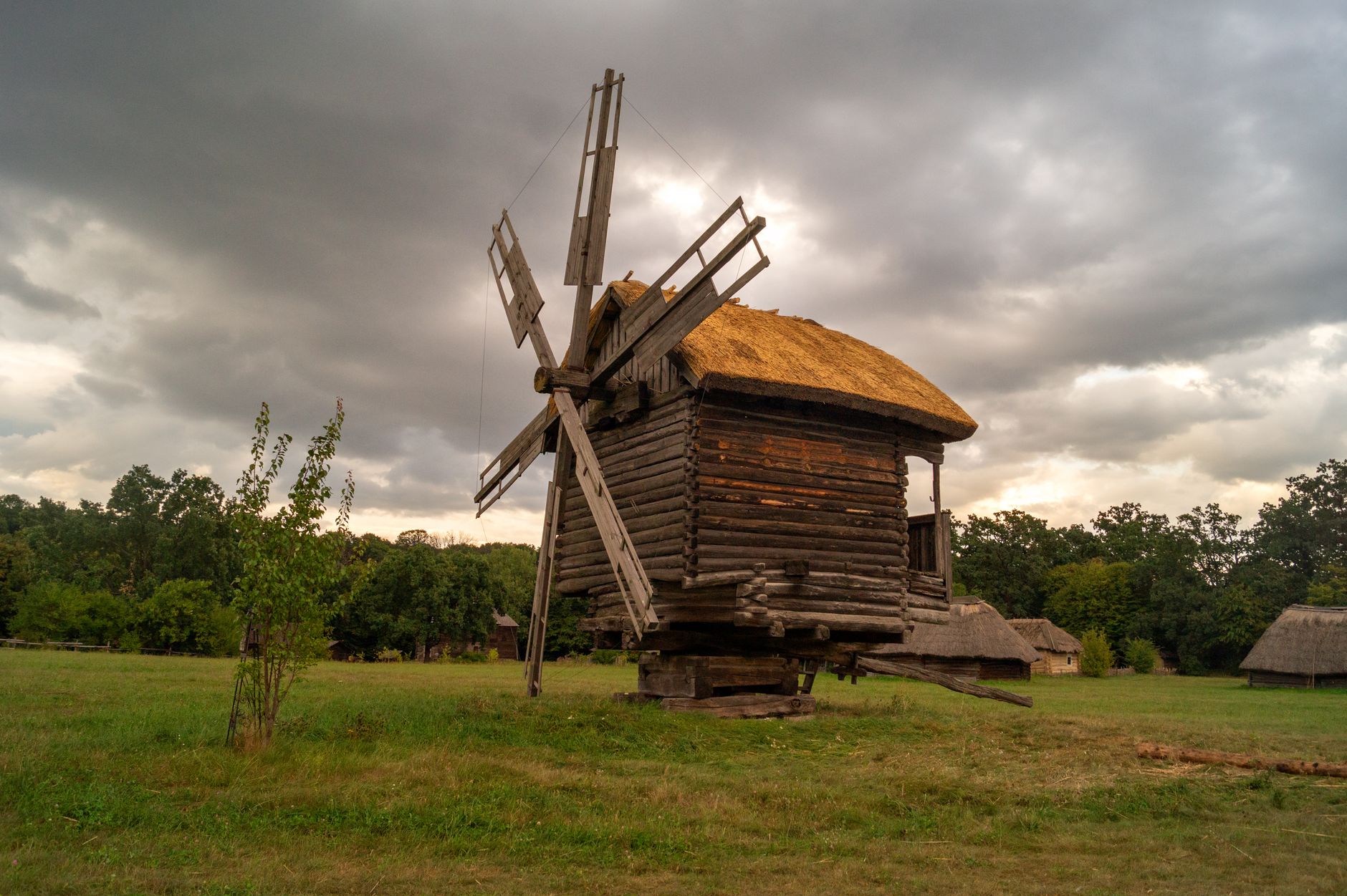
Dedicate morning to the Latvian Ethnographic Open-Air Museum in Mežaparks to see traditional rural buildings and seasonal demonstrations; allow 2–3 hours and budget about €6–8 entry plus tram or bus time. Travel time from the centre to Mežaparks is 25–40 minutes by public transport or 15–25 minutes by taxi depending on traffic.
Return toward the centre and spend late morning in the Spīķeri or Andrejsala area to see converted warehouses, street art and lunch options; these neighbourhoods are 10–15 minutes by tram or a short taxi from the centre. If checking out of accommodation mid-afternoon, store bags at the Central Railway Station luggage lockers or use hotel luggage service.
Afternoon option: a last walk through Vecrīga to pick up souvenirs, or a relaxed coffee on Dzirnavu iela in Centrs. For those with an afternoon flight, allow at least 90 minutes from the Central Railway Station to RIX by bus 22 plus airport check-in; aim to leave the centre 3 hours before flight departure to be safe.
Evening recommendation if staying late: a quiet dinner in Pārdaugava with river views, where prices are modest and atmosphere less touristy.
Best Local Experiences
Rīgas Centrāltirgus — buy smoked fish, local cheese and seasonal produce in the five pavilion complex along Eksporta iela. Kalnciema Quarter Market (Kalnciema kvartāls) — a Sunday market for local crafts and food on Kalnciema iela with pop-up concerts in summer.
Āgenskalns Market — a neighbourhood market with cheaper bakery goods, pīrāgi and local vegetables; open several days a week and lively on Saturdays. Mežaparks and the Ethnographic Open-Air Museum — a unique combination of a wooded park and relocated rural buildings showing regional Latvian architecture.
Song and Dance events — keep an eye for smaller choir concerts in venues like St. Peter's Church or the Latvian National Opera; the larger Song and Dance Festival (Dziesmu un deju svētki) happens on a scheduled multi-year cycle but smaller events appear every summer. Spīķeri and Andrejsala — converted warehouse culture with temporary art shows, outdoor cinema events and food pop-ups, especially active in late spring to early autumn.
Where to Stay
Vecrīga (Old Town): suits first-time visitors who want immediate access to House of Blackheads, St. Peter's Church and riverside walks. Expect mid-range hotels or guesthouses from roughly €70–150 per night (about $75–160). Noise from bars and tourist groups increases late into the night, so pick a room away from Livu Square if sensitive to sound.
Centrs (Art Nouveau / Alberta iela): suits architecture fans and slower-paced days; close to tram lines and a short walk to the National Museum of Art. Boutique hotels and apartments typically run €60–120 per night (about $65–130). This area is quieter in the evenings and good for early morning façade photography.
Āgenskalns and Pārdaugava (left bank): suits budget travellers and those who want a more local feel and market visits. Small hotels and guesthouses start around €40 and go up to €90 per night (about $45–95). These neighbourhoods require a tram or short taxi into the centre but offer better value and calmer nights.
Food and Drink
Rupjmaize: dense rye bread available at Central Market and bakeries; a loaf costs €1–3 and many cafés use it for open sandwiches. Pīrāgi: small bacon-and-onion pastries sold at Āgenskalns Market and bakery counters; expect €1–2 each.
Pelēkie zirņi ar speķi: grey peas with speck (smoked bacon) — a seasonal dish best found at LIDO or traditional restaurants for €4–8 as a side. Sklandrausis: a sweet carrot-and-rye tart from Kurzeme, sold in market stalls and specialist bakeries for around €1.50–3.
Riga Black Balsam (Rīgas Melnais balzams): herbal liqueur for sipping or cocktails; supermarket bottles cost €8–12, bar shots €3–5. Breakfast option: porridge or open sandwich at a local konditoreja for €3–6. Street food: grab a sausage or fried cheese stall at Central Market or quick vendors near tram hubs for €2–6. Dinner recommendation: a mid-range restaurant in Centrs serving modern Latvian tasting plates where mains run €12–22; book ahead for weekend evenings.
Getting Around
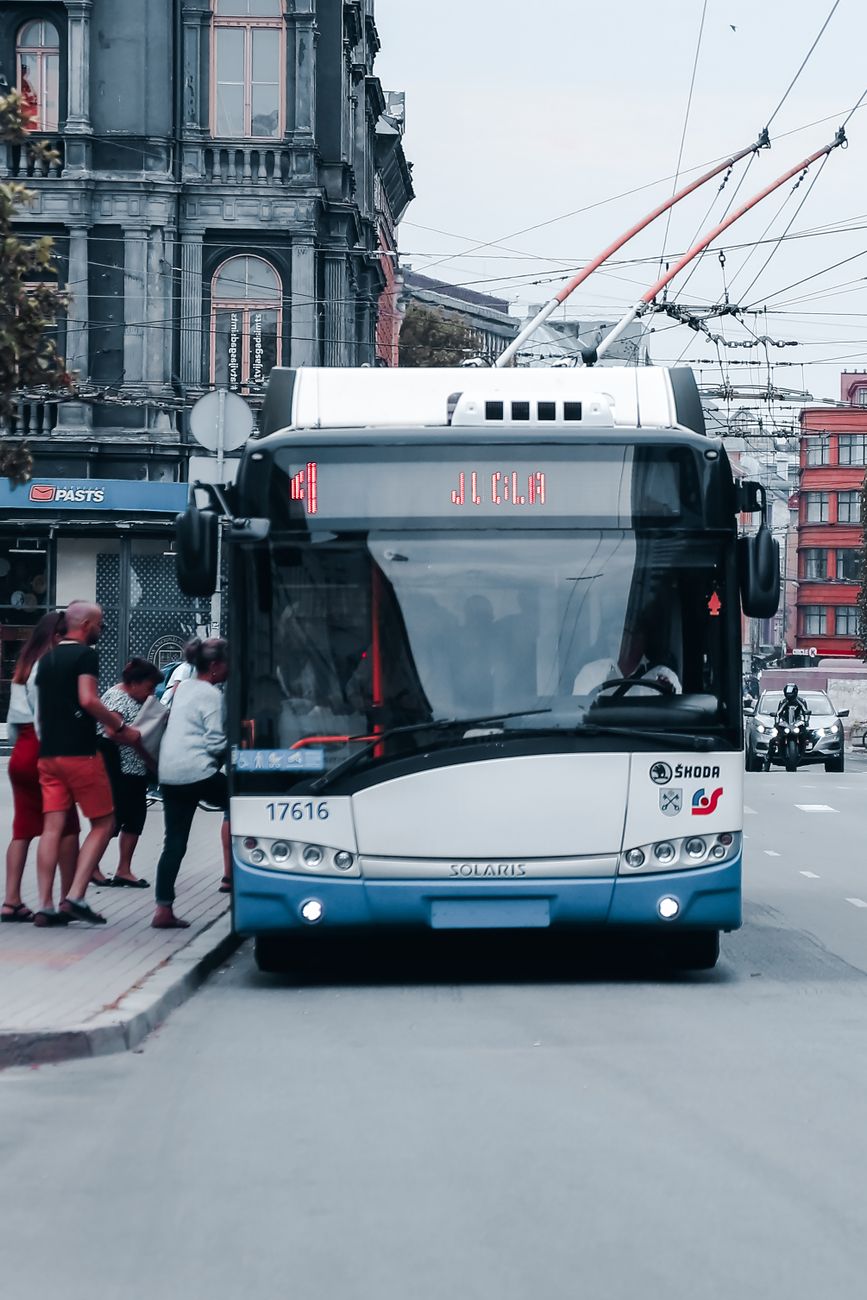
Public transport is run by Rīgas Satiksme: trams, buses and trolleybuses cover the city. Use the Rīgas Satiksme mobile app or buy a contactless e-ticket at kiosks; single-ride app tickets cost about €1.15, while on-board purchases are pricier.
Common tram lines and frequent routes connect Centrs, Vecrīga and the left bank — tram stops are marked clearly and maps are posted at major stops. Taxi apps such as Bolt or local services provide fast hops; a taxi from RIX to the centre costs roughly €15–25 depending on traffic. For short distances, walking is often faster than waiting for a connection in the central grid.
Best Time to Visit
Late spring (May–June) and early autumn (September) offer the best balance of weather and crowd levels: daytime highs around 15–22°C and fewer cruise-ship surges than mid-summer. July and August are warmest (18–24°C) but museums and Old Town streets can be crowded and hotel rates climb.
November to March is low season with colder temperatures (−5 to 5°C) and shorter daylight; prices fall and indoor cultural programmes increase, but winter storms can make some outdoor plans uncomfortable. Late April and September often provide better value with manageable crowds and full opening hours for markets and museum programmes.
Budget and Practical Tips
Typical daily budget (mid-range traveller): accommodation €60–120, food €20–40, transport €3–6, entry fees €6–15. In USD approximate daily range is $65–145 depending on choice of hotel and meals.
Accommodation cheaper options start around €35–50 per night in guesthouses; mid-range hotels €60–120 and higher-end from €130. Public-transport single-ride digital tickets cost about €1.15; a 24‑hour pass is roughly €5. Expect museum entries of €5–10 for main sites like the Art Nouveau Museum or the National Museum of Art.
Tipping: restaurants typically add a service charge rarely; leaving a 5–10% tip for table service is appreciated but not mandatory. For taxis, round up the fare or add 5–10% for good service. Small change for market vendors is useful; many accept cards but not all.
FAQ
Is Riga safe for solo travellers?
Yes; central areas and main neighbourhoods are generally safe during daytime and early evening. Standard precautions against pickpocketing in busy tourist spots and late-night caution near nightlife hubs are advisable.
How do I get from RIX to the city centre?
Bus 22 runs between Rīga International Airport (RIX) and the Central Railway Station in about 25–40 minutes; a taxi or ride-hail typically costs €15–25.
Are most attractions walkable?
Many main sights in Vecrīga, Centrs and the Central Market are walkable within 20 minutes of each other; Mežaparks and Āgenskalns require a tram or short taxi.
Is a Riga city card worth buying?
A Riga Card can save money if visiting several paid museums and using Hop‑on/Hop‑off services; for visitors focused on architecture and markets without many museums, the card may not pay off.
Do many places accept cards or is cash needed?
Most restaurants and shops accept cards, but market stalls and small cafés may prefer cash; keep €10–20 handy for stalls.
Can one-day trips to Tallinn or Vilnius be done from Riga?
Tallinn and Vilnius are best as overnight or multi-day trips; travel time by bus or train makes same-day returns long and tiring.
Conclusion
A well-paced three-day visit will leave clear memories of the market atmosphere, the Art Nouveau boulevards and a leafy left-bank contrast. Crowds concentrate in the major squares but stepping two streets away moves quickly into quieter residential streets and bakeries.
If time runs short, prioritise Rīgas Centrāltirgus for morning food culture and a concentrated walk along Alberta iela; those two experiences together convey a good sense of local daily life and architectural character.
How this guide was prepared
This guide was prepared through a structured research that combines destination research, geographic context, itinerary planning logic, and content review.