
3 Days in Wrocaw: Practical Weekend Itinerary and Tips
A practical 3-day Wrocaw guide with timed itineraries, transit routes, meal and museum costs, and honest tips to make the most of a short visit.
A compact, realistic 72-hour plan for Wrocaw that prioritizes Rynek and Ostrów Tumski, a modern park and museum day, and a third day for markets, the zoo or a quick day trip.
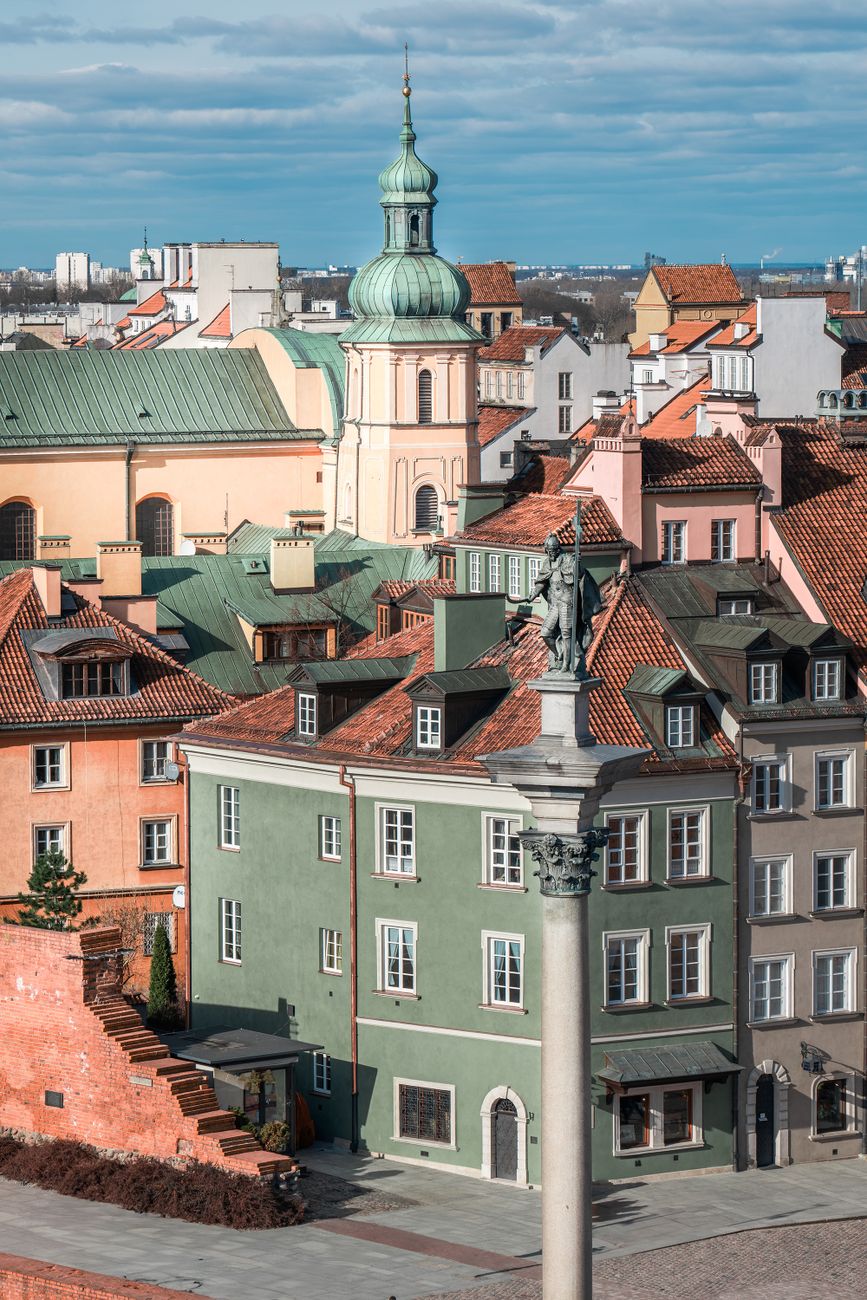
Wrocław feels like a city of compact districts with easy walking between them and a high density of cafés, tram stops and historic squares. First impressions are often of the Market Square's large open space and the red-brick Town Hall; expect noise from tram lines during the day and lively outdoor seating in summer.
The city rewards paced exploration: short walks reveal baroque churches, modernist mid-century buildings and renovated tenement façades in Nadodrze. Many travel pieces present Wrocław as only a two-hour stop; that underestimates time for museums, the zoo and crossing the river islands. This guide suits people who prefer practical timing, clear transit choices and realistic meal and entry costs rather than a long list of attractions.
Is 3 days in Wrocaw enough?
Three days in Wrocaw is enough to cover the market square, Ostrów Tumski, one major museum and a neighbourhood or two at a reasonable pace. One honest caveat: fitting both Wrocław Zoo/Afrykarium and a long museum crawl plus relaxed dining is tight—choose the zoo or extra museums, not both.
Who This Guide Is For
Best for travellers who like compact city centres, architecture, cafés and walking; not ideal for visitors who want long museum marathons or a slow, rural countryside stay.
Local Tips for Wrocaw
Practical details that most travel sites skip — specific to Wrocaw.
- Take bus 406 from Port Lotniczy Wrocław (WRO) to Wrocław Główny; paper fare on board is roughly 4–8 PLN while mobile apps like SkyCash sell the same ticket without coins.
- Ostrów Tumski still has a lamplighter who lights the gas lamps at dusk near Katedra św. Jana Chrzciciela — the evening ritual starts at slightly different times through the year and gathers a small crowd.
- Hala Targowa on ul. Piaskowa opens early; fish and produce stalls are busiest 06:00–10:00 on weekdays and many vendors close shop by mid-afternoon.
- Buy a timed-combo ticket for Wrocław Zoo + Afrykarium online (often ~70–100 PLN) to skip the main weekend queue, especially May–September.
- Plac Solny is where florists sell fresh flowers most mornings; the stalls thin out by late afternoon so go early for the full effect.
How This Guide Was Prepared
This guide treats Wrocaw as a city with clear neighbourhood personalities rather than a generic European stop. Most guides cram lists of sights without timing or transit realities; this plan shows how to move between Rynek, Ostrów Tumski, Nadodrze and the Hala Stulecia area efficiently and what to realistically skip when time runs out. This guide was prepared through a structured research that combines destination research, geographic context, itinerary planning logic, and content review.
Plan Your Stay in Wrocaw
Use this itinerary as your starting point, then compare areas to stay, transport options, seasonal timing, and realistic daily costs before booking.
Why Visit
The Rynek and Ratusz district deliver quick architectural variety within a few blocks — medieval to 19th-century facades and lively cafés on ul. Świdnicka and ul. Oławska. Ostrów Tumski offers a compact cathedral precinct with Gothic vaults and a riverside stroll that can be done in an hour but feels distinct from the market area.
Hala Stulecia and the nearby Japanese Garden provide one of the few early-20th-century modernist landmarks in Poland paired with calm green space, useful if preferring parks to museums. Wrocław Zoo with its Afrykarium is a regional draw and worth a full morning for animal exhibits and aquarium halls.
Independent-art and café culture in Nadodrze and along ul. Włodkowica gives a modern arts neighbourhood feel, while Panorama Racławicka supplies one of the handful of purpose-built panoramic paintings in Europe for a concentrated cultural stop.
Quick Planning Tips
Fly into Port Lotniczy Wrocław (WRO) and take bus 406 or an airport taxi; bus takes about 35–45 minutes to Wrocław Główny depending on traffic. Trains arrive at Wrocław Główny; the station is a 10–15 minute walk to Rynek or a short tram ride.
Use SkyCash or Jakdojade for buying tram/bus tickets and planning routes; paper ticket machines accept coins and cards but change can be limited. Avoid booking museum visits only for a single tight afternoon—Panorama Racławicka and Afrykarium are best booked with buffer time for queues.

Day 1
Morning: Start at Rynek (Market Square) and spend time at Ratusz; enter the Gothic Town Hall and walk the surrounding arcades. Allow 1–1.5 hours for a slow circuit including Plac Solny for flower stalls. Walking time from Wrocław Główny is roughly 10–15 minutes.
Midday: Walk 6–10 minutes to Uniwersytet Wrocławski to see Aula Leopoldina; guided entry or ticketed visits can be 10–25 PLN. Lunch suggestion: try Kuchnia Marche or a local milk bar near ul. Świdnicka for a set meal ~20–35 PLN.
Afternoon: Cross Most Tumski to Ostrów Tumski and Katedra św. Jana Chrzciciela; the cathedral tower climb costs about 10–15 PLN and offers views of the Oder islands. Walking between Rynek and Ostrów Tumski is 8–12 minutes.
Evening: Dinner in the Rynek area — Piwnica Świdnicka or a modern Polish menu on ul. Szewska, plan on 40–80 PLN per person. After dark, watch the lamplighter on Ostrów Tumski for a short post-dinner stroll.

Day 2
Morning: Head to Hala Stulecia (Hala Ludowa) and the Pergola; take tram or bus 15–25 minutes from Rynek depending on route. Combine this with Ogród Japoński (Japanese Garden) next door; the garden is quieter early and entry is around 10–15 PLN.
Midday: Walk or tram to the nearby Centennial Hall complex museums or stop at a café on Parkowa for lunch; expect a 20–30 minute window between sites on foot. If the Panorama Racławicka is of interest, schedule this after lunch—entry is typically 20–30 PLN and the experience takes about 45–60 minutes.
Afternoon: Return toward the city centre and visit the National Museum (Muzeum Narodowe) on plac Powstańców Warszawy or a contemporary show at Muzeum Współczesne; allocate 1–2 hours per museum. Trams connect Hala Stulecia area with the centre via lines that serve plac Grunwaldzki and Wzgórze Partyzantów.
Evening: Dinner in Nadodrze on ul. Włodkowica or Prusa for a neighbourhood feel; expect 40–90 PLN per person in a mid-range restaurant. After dinner, walk the red-brick streets and check for live music at a local pub.
Day 3
Morning: Choose one of two tracks depending on flight time. For a zoo morning, reserve tickets for Wrocław Zoo + Afrykarium and arrive at opening; allocate 2.5–4 hours and expect 70–100 PLN for a combined ticket. The zoo is a tram ride of 25–35 minutes from Rynek (tram lines run to the zoo stop).
Alternative morning: Explore Hala Targowa (ul. Piaskowa) and then Nadodrze galleries such as Mleczarnia or local craft shops. Markets start busy and quieten by early afternoon; this track suits departures after midday.
Midday/Departure: If catching an afternoon flight, return to Wrocław Główny for a taxi (20–40 minutes to WRO depending on traffic, taxi cost roughly 70–120 PLN) or take bus 406. Hotel checkout logistics: leave luggage at reception or use lockers at the station; plan transit time with a 60–90 minute buffer for airport security and traffic.
Evening (if staying): Slow dinner near the river or a final coffee and pastry on ul. Świdnicka to close out the trip.
Best Local Experiences
Visit the flower stalls at Plac Solny early in the morning for local trading rhythms and fresh-cut bouquets. Shop and eat at Hala Targowa on ul. Piaskowa for fish, deli meats and local cheeses — vendors often close by mid-afternoon.
Attend the lamplighter moment on Ostrów Tumski at dusk for the old-gas-lamp ritual. Spend a morning in Nadodrze visiting small galleries and ceramic shops along ul. Włodkowica and ul. Prusa; weekend markets pop up near Włodkowia.
Experience the Afrykarium inside Wrocław Zoo for an aquarium-format exhibit unique to the region. Finally, take an early stroll in Szczytnicki Park and the Japanese Garden to see how green space was integrated with Hala Stulecia in the 20th century.
Where to Stay
Rynek / Stare Miasto: Suits first-time visitors who want immediate access to Ratusz, restaurants and nightlife. Expect nightly rates for a mid-range hotel of roughly 250–450 PLN (55–100 EUR/USD) depending on season.
Plac Grunwaldzki / Uniwersytet area: Suits students, budget travellers and those who prefer easy tram links to Hala Stulecia and the university. Nightly prices here are often 180–330 PLN (40–75 EUR/USD).
Nadodrze / Oławska: Suits longer stays and people who prefer local cafés and galleries; it is a 10–15 minute walk to Rynek and well connected by tram. Expect 200–350 PLN (45–80 EUR/USD) per night for a good guesthouse or boutique hotel.
Food and Drink
Pierogi: Filled dumplings served boiled or fried; find solid versions at Bar Mleczny or regional restaurants for about 15–30 PLN for a plate. Żurek: A sour rye soup often served in a bread bowl at local milk bars or traditional restaurants; expect 12–22 PLN.
Kopytka or placki ziemniaczane: Potato-based dishes sold in casual bars and cafés for roughly 12–25 PLN. Zapiekanka: An open-faced baguette topped and toasted, a street-food classic near Plac Nowy-style stalls and smaller stands around Rynek for about 8–14 PLN.
Breakfast option: a full Polish breakfast or scrambled eggs in a café will cost 20–35 PLN; specialty coffee is about 8–15 PLN. Dinner recommendation: try a mid-range restaurant offering modern Polish cuisine on ul. Szewska or Włodkowica with mains 35–90 PLN per person. Local beer: regional brews and mainstream lagers cost 8–15 PLN in a bar; craft pours can be 15–25 PLN.
Getting Around
Public transport is run by MPK Wrocław with trams and buses covering the city. Use Jakdojade for planning routes and SkyCash to buy mobile single or day tickets; both apps work in English.
Typical single-ride ticket prices vary by time: short rides start around 4–6 PLN and longer-transfer or 90-minute tickets cost slightly more; a 24-hour pass is roughly 15–30 PLN and a 72-hour pass about 30–45 PLN depending on the fare structure. Taxi from Port Lotniczy Wrocław to the centre is about 70–120 PLN; rideshare options may be slightly cheaper. Tram lines and bus numbers change by route; look for tram stops at Wrocław Główny, Rynek, Plac Grunwaldzki and Hala Stulecia when planning.
Best Time to Visit
Spring (April–June): Temperatures 8–22°C, shoulder crowds and often the best value for hotels before peak summer. Summer (July–August): Temperatures 18–27°C, highest visitor numbers and full terraces; expect longer queues at Afrykarium and Panorama Racławicka.
Autumn (September–October): Temperatures 8–18°C, fewer tourists, lower hotel rates and good light for photography. Winter (November–March): Temperatures −5 to 5°C, shorter daylight and some attractions reduced hours; very low hotel rates in January–February but occasional snow and icy streets.
Budget and Practical Tips
Daily budget estimates per person: Budget traveller: 200–300 PLN (45–70 EUR/USD) covering hostel or budget hotel (100–160 PLN), meals at milk bars and street food (60–100 PLN), local transit and one paid entry. Mid-range traveller: 400–700 PLN (90–160 EUR/USD) including a mid-range hotel (250–450 PLN), sit-down lunches/dinners (120–200 PLN), transit and two museum entries.
Typical entry fees: Panorama Racławicka 20–30 PLN, National Museum 20–30 PLN, Wrocław Zoo + Afrykarium combined ~70–100 PLN, Hala Stulecia grounds free but some exhibitions charge 10–25 PLN. Tipping: round up small bills or leave 5–10% in restaurants if service is good; taxis are commonly rounded up to the next 5–10 PLN.
FAQ
Is Wrocław safe for solo travellers?
Wrocław is generally safe with normal European-city petty crime risks; stay alert in crowded tram stops and keep valuables secure, especially around Rynek at night.
What is the best way to get from Port Lotniczy Wrocław to the centre?
Bus 406 is the cheapest direct option to Wrocław Główny (35–45 minutes); taxis are faster door-to-door but cost about 70–120 PLN depending on traffic.
Are trams easy for tourists to use?
Yes. Use Jakdojade to plan and SkyCash to buy mobile tickets; paper machines also sell single and day tickets but require small change.
Is a Wrocław city card worth it?
A city card can be worth it if planning multiple paid entries and using public transport heavily for two full days; calculate based on the museums and Zoo planned. For one-off visits, single tickets or 24/72-hour passes via SkyCash are often simpler.
How long does the Panorama Racławicka visit take and is it suitable for children?
The panorama experience takes about 45–60 minutes including the introductory exhibit; it is suitable for children but seating and limited walking make it easiest for families with short attention spans.
Can both the Afrykarium and major museums be done in one day?
Technically yes if starting at opening and skipping other stops, but it becomes a rushed day; better to allocate the Afrykarium a half to full morning and reserve museums for another half day.
Conclusion
Three days reveal the city's core personalities: the Market Square social scene, the ecclesiastical calm of Ostrów Tumski, modernist Hala Stulecia and the local arts energy of Nadodrze. Most travellers will leave remembering the contrast between riverside island streets and the broad open Rynek rather than a long list of museums.
If time is short, prioritise an early Rynek walk, a late-afternoon visit to Ostrów Tumski for the lamplighter moment, and either the Afrykarium or a museum depending on interest.
How this guide was prepared
This guide was prepared through a structured research that combines destination research, geographic context, itinerary planning logic, and content review.