

Best Time to Visit Osaka-shi
Concrete month-by-month guide to Osaka-shi: weather, crowds, festivals (Tenjin Matsuri, cherry blossom, Kishiwada Danjiri), costs, and transit tips for planning visits.
When to visit Osaka-shi depends on priorities: late March–early April and October–November for best weather and scenery; January–February for lowest prices; avoid late July–August for heat and humidity.
Best time to visit Osaka-shi?
Aim for late March–early April for cherry blossom viewing or October–November for autumn leaves; expect average highs around 17–23°C and hotel rates often ¥12,000–¥30,000/night during peak weeks. For lowest prices and emptier restaurants, choose January–February when midrange hotels commonly list from ¥6,000–¥10,000 per night.
Who This Page Is For
This page helps short-stay visitors (1–5 days) who want concrete timing for weather, events, crowds, and prices in Osaka-shi. Long-term residents or travellers with flexible multi-week Japan itineraries may not need these scheduling details.
Key Takeaways for Osaka-shi
- Best weather windows: late March–early April (avg highs ~15–20°C) and October–November (avg highs ~17–23°C).
- Lowest-cost months: January–February — midweek hotels often ¥6,000–¥10,000 per night in Namba or Umeda.
- Peak cost and crowds: Golden Week (late April–early May), sakura peak weeks, and Tenjin Matsuri (July 24–25); expect hotel rates to jump 30–100%.
- Local transit essentials: ICOCA card requires a refundable ¥500 deposit and Osaka Metro single fares start at ¥180.
How This Page Was Prepared
This page was prepared through a structured editorial workflow that combines destination research, geographic context, and practical travel-planning review.
Plan the Rest of Your Trip
Use this page together with the full itinerary and the related planning pages below to make better booking, timing, transport, and budget decisions.
Late March through early April and October through November are the best overall months for weather, daylight, and outdoor activities in Osaka-shi. Cherry blossom week near Osaka Castle Park and Kema Sakuranomiya Park typically falls in late March to early April with daytime highs around 12–20°C and comfortable evenings near 6–12°C; expect crowds and higher hotel prices (often ¥12,000–¥30,000/night in central areas). October–November brings clearer skies and autumn leaves with highs near 17–23°C and lower humidity. For the best value with minimal crowds choose January–February; expect cooler weather (highs 8–10°C, lows 2–5°C) and midrange hotels from about ¥6,000 per night. Avoid late July–August for heat, humidity, and limited seating in outdoor food stalls.
This page answers when to visit Osaka-shi for weather, crowds, and value. Many travellers underestimate how sharply prices and crowding change within single weeks: cherry blossom peak around late March to early April and Golden Week at the end of April can push hotel rates far above normal. Weather patterns matter for daily plans: June is the rainy season (tsuyu), July–August bring heat and humidity plus festival crowds, and September has a higher chance of typhoons. Transit choices affect daily experience: Osaka Metro Midosuji Line and JR Osaka Loop Line are heavily used during rush and festival times. Practical choices about month, neighbourhood, and transit card will determine whether a short trip focuses on food in Dotonbori, parks like Osaka Castle Park for hanami, or museums and shopping in Umeda.
What This Page Helps You Decide
Choose the right month and neighbourhood for a short Osaka-shi trip based on weather tolerance, festival interest, and budget. Decide whether to time a visit for events such as Tenjin Matsuri (July 24–25), Kishiwada Danjiri (mid-September), or Osaka Marathon (late October). Pick between neighbourhoods: Namba/Dotonbori for food and nightlife, Umeda for shopping and train connections, Tennoji/Shinsekai for lower-cost lodging and kushikatsu. Evaluate transit passes: ICOCA for pay-as-you-go on JR and private lines, or Kansai Thru Pass (2-day ¥4,400, 3-day ¥5,600) if using many non-JR private lines and subways. Decide whether shoulder months matter: March–April and October–November reduce rain and heat and still offer reasonable hotel availability compared with Golden Week and Obon.

Top Recommendations
Month-by-month and season overview with typical highs/lows, rainfall tendencies, and crowd levels:
– January: High 9°C / Low 3°C. Low rainfall, cold mornings. Low crowds; good value for hotels (midrange ¥6,000–¥10,000 in Namba/Umeda). New Year week (first few days) sees closures and domestic travel spikes.
– February: High 9–10°C / Low 2–4°C. Dry, cool. Lowest tourist demand outside of a few snow tourists.
– March: High 13–16°C / Low 6–9°C. Increasing rain but many clear days; sakura often begins late March. Crowds rise toward late March.
– April: High 17–20°C / Low 10–13°C. Peak cherry-blossom crowds early to mid-April; heavy weekend demand.
– May: High 21–24°C / Low 14–17°C. Golden Week (late April–early May) creates the region’s busiest week and sharp price increases. Otherwise pleasant weather.
– June: High 25–26°C / Low 19–21°C. Tsuyu (rainy season) with frequent wet days and higher humidity. Lower weekday crowds but damp conditions for outdoor plans.
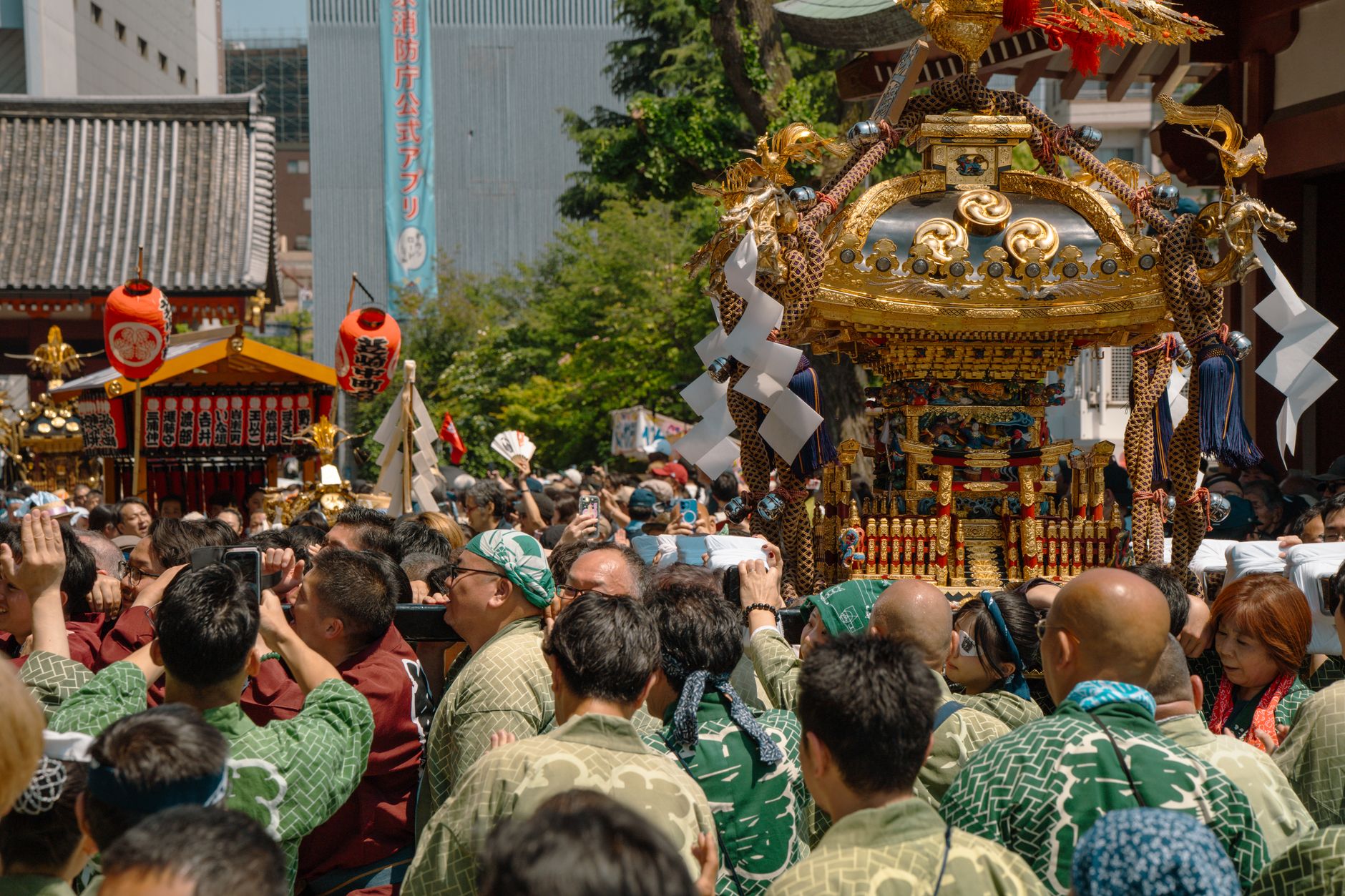
– July: High 29–31°C / Low 23–25°C. Hot, humid; Tenjin Matsuri on July 24–25 brings heavy local crowds in Nakanoshima and along the river. Expect reduced indoor seating at popular restaurants.
– August: High 31–34°C / Low 25–27°C. Peak heat and humidity, Obon travel around mid-August increases domestic visitors; avoid outdoor plans during midday.
– September: High 27–29°C / Low 22–24°C. Typhoon risk rises; some festivals like Kishiwada Danjiri (mid-September, in nearby Kishiwada/Sakai area) create intense local crowds.
– October: High 21–23°C / Low 14–16°C. Clearer weather and lower humidity; Osaka Marathon usually in late October and downtown road closures affect travel.
– November: High 16–18°C / Low 9–11°C. Reliable autumn color; crowds moderate and hotel prices stable.
– December: High 12–14°C / Low 4–6°C. Cool, drier; year-end parties increase demand in late December.
At least three annual events to plan for: Tenjin Matsuri (July 24–25), Kishiwada Danjiri Matsuri (mid-September, Kishiwada city near Sakai), and Osaka Marathon (late October). Cherry blossom hanami (late March–early April) functions as a peak visitor period rather than a single festival.
Best value months: January and February, plus late June weekdays (despite rain) when hotels often list ¥6,000–¥10,000 in Shinsekai and budget areas. Peak/most expensive months: sakura peak weeks (late March–early April) and Golden Week (late April–early May); expect central hotel rates to rise 30–100% with many listings ¥20,000–¥35,000/night during peak weeks. Months to avoid and why: late July–August for heat, humidity, and limited outdoor comfort; late April–early May for Golden Week crowds and closed smaller businesses; early January New Year period may show service interruptions.
Shoulder-season advantages: March (before peak sakura) and November offer comfortable daytime temperatures, fewer stifling summer evenings, easier restaurant bookings in Dotonbori, and better hotel availability compared with peak sakura and Golden Week. These months also keep transit pleasant for walking between Umeda and Namba and allow day trips to Kyoto or Nara with shorter train waits.
Local Context
Neighbourhood character matters for timing. Namba and Dotonbori concentrate late-night food stalls, takoyaki shops like Kukuru and okonomiyaki places such as Mizuno, and feel busiest after sunset; plan evening dining outside peak festival nights. Umeda (Osaka Station, Grand Front) is the transit hub for JR, Hankyu, and Osaka Metro Midosuji Line and fares heavier commuter traffic on weekdays. Tennoji and Shinsekai are budget-friendly for lodging and good for kushikatsu at Daruma; rooms here are often cheaper by ¥2,000–¥5,000 per night compared with central Namba.
Transit quirks influence timing choices. Osaka Metro Midosuji Line runs north–south through Umeda and Namba and gets crowded during commute and event evenings. JR Osaka Loop Line connects major hubs but can be slower around rush hour. ICOCA card is the simplest stored-value card (¥500 refundable deposit), while Kansai Thru Pass (2-day ¥4,400; 3-day ¥5,600) is useful for non-JR travel across private railways and subways. Navitime for Japan Travel and Google Maps reliably route through Osaka’s mix of private rail and subway connections.
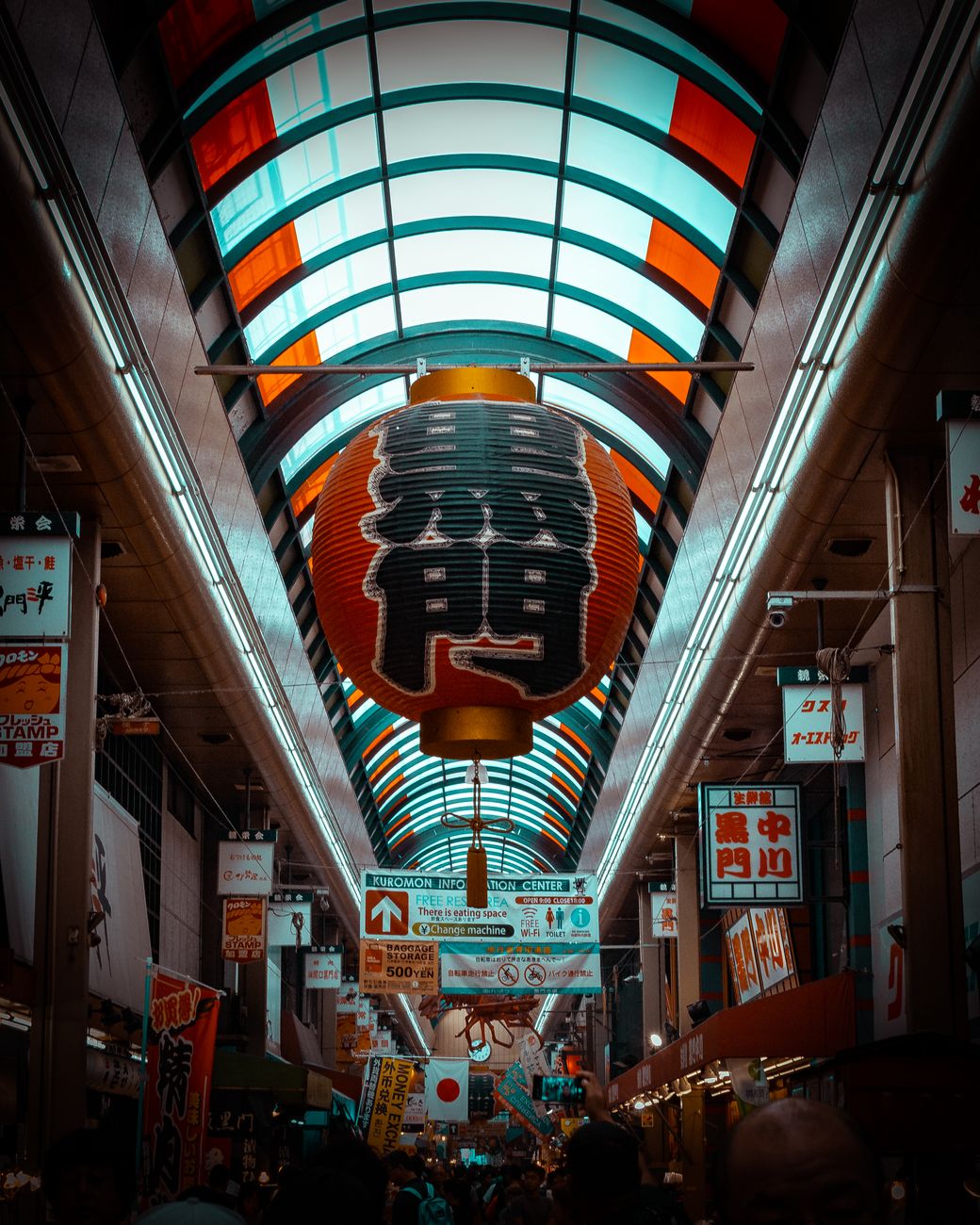
Dining and market hours affect scheduling. Kuromon Ichiba Market best visited mornings; many stalls close by mid-afternoon. Evening food options expand after 18:00 in Dotonbori; expect queues at top takoyaki stalls on weekend nights.
How to Choose Well
Balance weather tolerance against crowds and cost when picking dates. If outdoor walking, hanami, or park visits are priorities, choose late March–early April or October–November for moderate temperatures and lower humidity. If budget matters more than perfect weather, choose January–February for lower nightly rates and quieter restaurants; expect highs around 8–10°C and shorter daylight.
Weigh festival interest against crowding: attending Tenjin Matsuri or Kishiwada Danjiri offers a strong cultural experience but requires booking hotels and train seats weeks ahead and accepting local crowd density on specific streets. Use Kansai Thru Pass when planning multiple day trips to Kyoto, Nara, or Kobe that rely on private railways and subways; use ICOCA for flexible single trips and airport transfers.
Neighbourhood trade-offs are concrete: Namba/Dotonbori offers food and nightlife but higher noise and hotel prices; Umeda offers better train connections and shopping with slightly higher daytime crowds; Tennoji/Shinsekai offers lower lodging costs but longer transit times to some museums. Choose lodging by transit line: if most stops are on Midosuji Line, expect straightforward north–south travel; if relying on JR lines, pick a hotel near Osaka or Tennoji stations for easy Haruka access to Kansai Airport.

Responsible and Local-First Tips
Support neighbourhood merchants and smaller eateries during any season. Eat at local counters like Mizuno (okonomiyaki in Dotonbori) and small kuromon stalls rather than large chains when possible; an okonomiyaki meal typically costs ¥1,200–¥1,800 and takoyaki about ¥600 for 8 pieces. Buy souvenirs from Tenjinbashi-suji shops and market stalls at Kuromon Ichiba rather than airport gift shops to keep spending local.
Respect local timing and space during festivals: follow rope and barrier instructions at Tenjin Matsuri and Kishiwada Danjiri, arrive early for limited seating at viewing areas, and avoid stepping into procession corridors. Refill reusable water bottles at convenience store water stations rather than buying excessive plastic bottles; many konbini sell cold tea bottles for ¥120–¥160. Use public transit: tap an ICOCA card for smoother boarding and avoid large luggage on peak trains to reduce congestion.
When visiting shrines like Sumiyoshi Taisha or smaller temples, follow signage for photography limits and donation boxes. Consider day-trip trains to Nara or Kyoto at off-peak times to spread tourist impact across the Kansai region.

Common Mistakes to Avoid
Booking without checking Japanese holiday calendars leads to expensive, sold-out accommodations. Golden Week (end of April–early May) and Obon (mid-August) are domestic travel peaks; hotels often require 30+ day advance booking and charge substantial premiums.
Assuming a single rail pass covers all city travel results in unexpected costs. JR-only passes will not cover many private lines such as Hankyu or Nankai; use ICOCA for point-to-point fares or Kansai Thru Pass (2-day ¥4,400, 3-day ¥5,600) when non-JR travel dominates the itinerary.
Trying to squeeze outdoor plans into peak summer afternoons causes discomfort and missed experiences. July–August highs above 30°C with high humidity make street-food queues and long walking routes unpleasant; schedule outdoor sightseeing for mornings and evenings or pick shoulder months for walking-focused trips.
FAQ
When is cherry blossom peak in Osaka-shi?
Peak usually falls between late March and early April; exact timing shifts year to year depending on temperatures, so check forecasts two weeks before travel.
How much should a midrange hotel cost in Namba during sakura season?
Expect ¥12,000–¥30,000 per night for midrange hotels in central Namba during peak sakura weeks.
Is July a good month to visit Osaka-shi?
July has festivals like Tenjin Matsuri (July 24–25) but also high heat and humidity with daytime highs around 29–31°C; plan indoor restaurant backups and arrive early for festival viewing.
Which transit card or pass is best for 3 days in Osaka?
For flexible city travel, ICOCA (¥500 refundable deposit) is simplest; consider Kansai Thru Pass (2-day ¥4,400, 3-day ¥5,600) if planning many non-JR day trips around Kansai.
When are hotel prices lowest in Osaka-shi?
January and February are the lowest-price months; midweek rates in budget areas commonly start around ¥6,000 per night.
Does Osaka get typhoons and when?
Typhoon risk peaks in late summer and early autumn, especially August and September; check forecasts and train advisories during that season.
Are restaurants closed during New Year?
Many small restaurants and shops close for the first 2–3 days of January; larger chains and konbini remain open.
Conclusion
The single most important thing to remember is that timing drives the whole Osaka-shi experience: pick late March–early April or October–November for the best balance of weather and walkable conditions, or choose January–February for the lowest costs. Avoid Golden Week and mid-August unless festival attendance is the main goal and bookings are made well in advance. For a practical next step, consult the companion 3 days in Osaka-shi itinerary to match the chosen week with neighbourhood plans (Namba food crawl, Osaka Castle hanami, and a Umeda viewpoint).
How this guide was prepared
This guide was prepared through a structured research that combines destination research, geographic context, itinerary planning logic, and content review.