
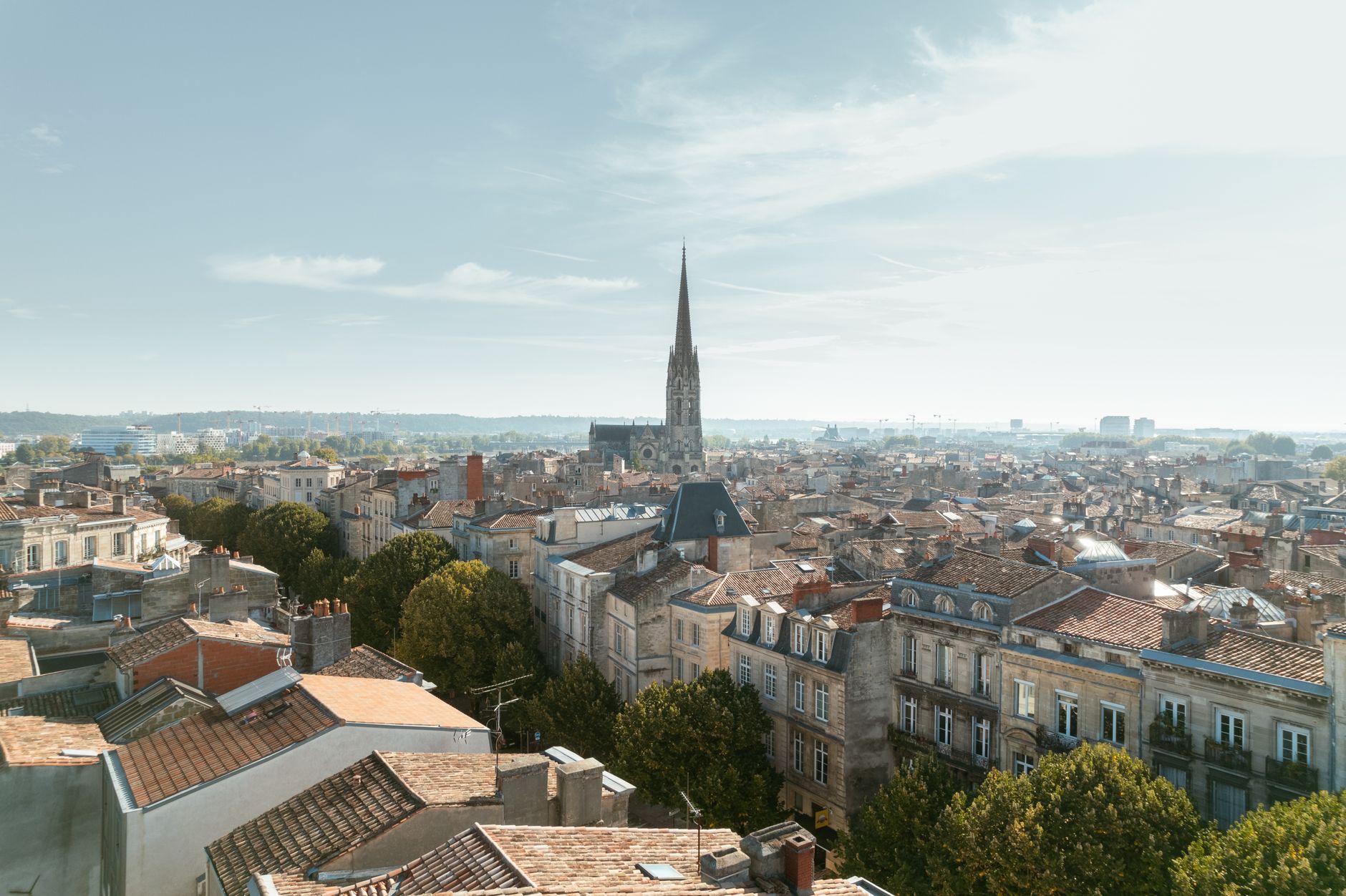
3 Days in Tours: Loire Valley Weekend Itinerary
A practical 3-day Tours itinerary: medieval streets, Loire riverside, wine tasting in Vouvray, day trips to Villandry. Walkable, food-focused, perfect…
A curated 72-hour guide to touring the medieval center, tasting Loire wines, visiting châteaux and markets, plus transit tips and the best neighborhoods for a weekend stay.
This is a compact, riverside university city with a medieval heart, lively terraces and easy access to the Loire Valley. It suits food-and-wine lovers, history buffs and anyone wanting a relaxed weekend of museums, markets and castle day trips. Three days is ideal: one day to explore the old town and museums, one day for gardens and châteaux nearby, and one morning for markets and a riverside stroll before a short afternoon rail or bike trip.
The old quarter is wonderfully walkable — start at Place Plumereau, cross Pont Wilson to the riverbanks and use Gare de Tours for quick connections to Amboise, Villandry or Chinon. Pack a light jacket for evenings and bring a small daypack for château gardens and tastings.
Quick Answer
A curated 72-hour guide to touring the medieval center, tasting Loire wines, visiting châteaux and markets, plus transit tips and the best neighborhoods for a weekend stay.
Who This Guide Is For
This guide is best for first-time visitors, couples, solo travelers, and anyone planning 3-day city break, cultural, food & wine in Tours with a balance of highlights, local character, and reasonable spending.
How This Guide Was Prepared
This guide was prepared through a structured editorial workflow that combines destination research, geographic context, itinerary planning logic, and practical travel review.
Plan Your Stay in Tours
Use this itinerary as your starting point, then compare areas to stay, transport options, seasonal timing, and realistic daily costs before booking.
Why Visit
A gateway to the Loire’s Renaissance châteaux, this city blends medieval streets with a modern café culture.
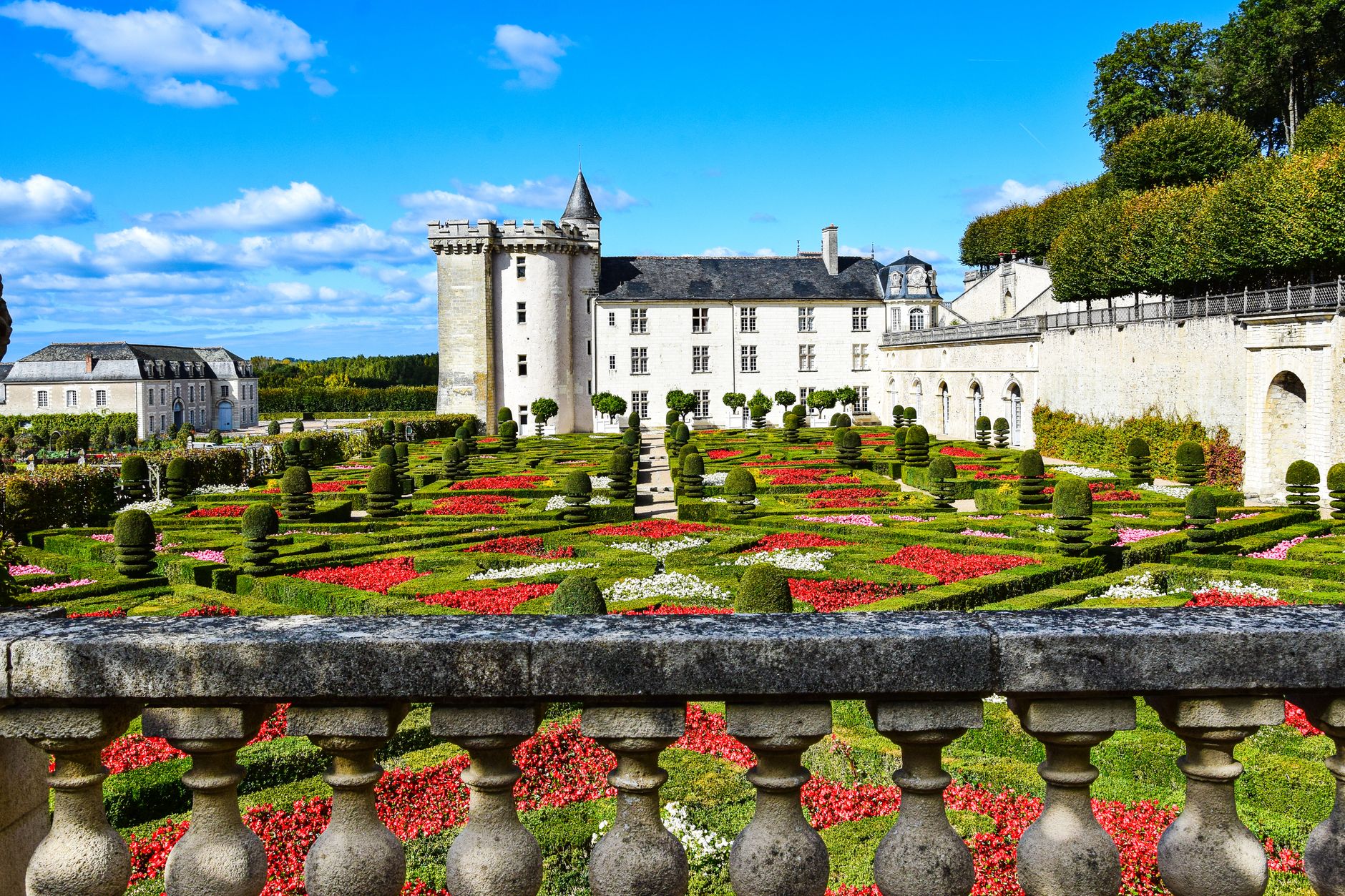
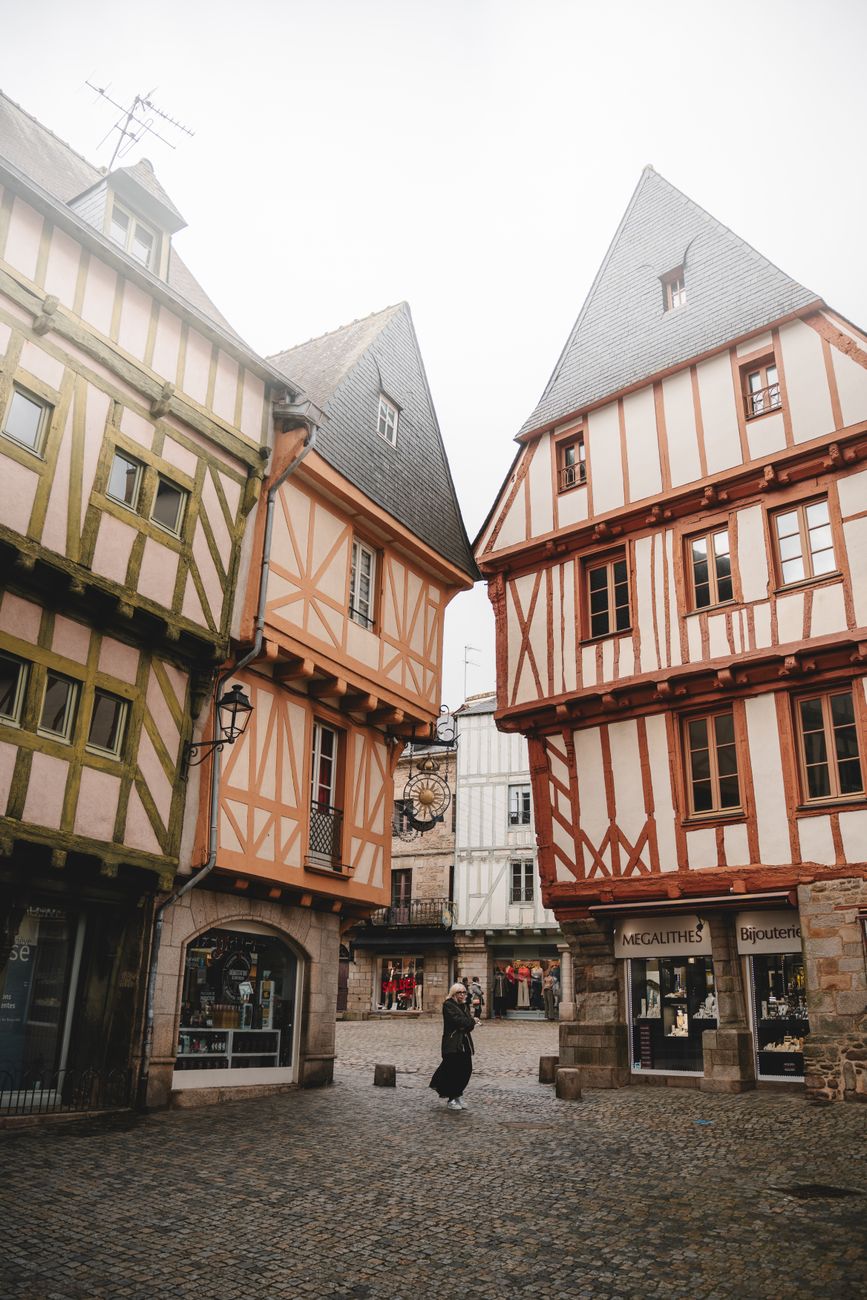
Highlights include a soaring cathedral, lively timber-framed squares, a renowned covered market and access to world-class gardens such as Villandry. The dining scene focuses on Loire Valley wines, fresh goat cheeses and local charcuterie like rillons.
It’s compact enough to explore on foot yet offers easy rail and road links for day trips, making it an efficient base for a short but full Loire experience.
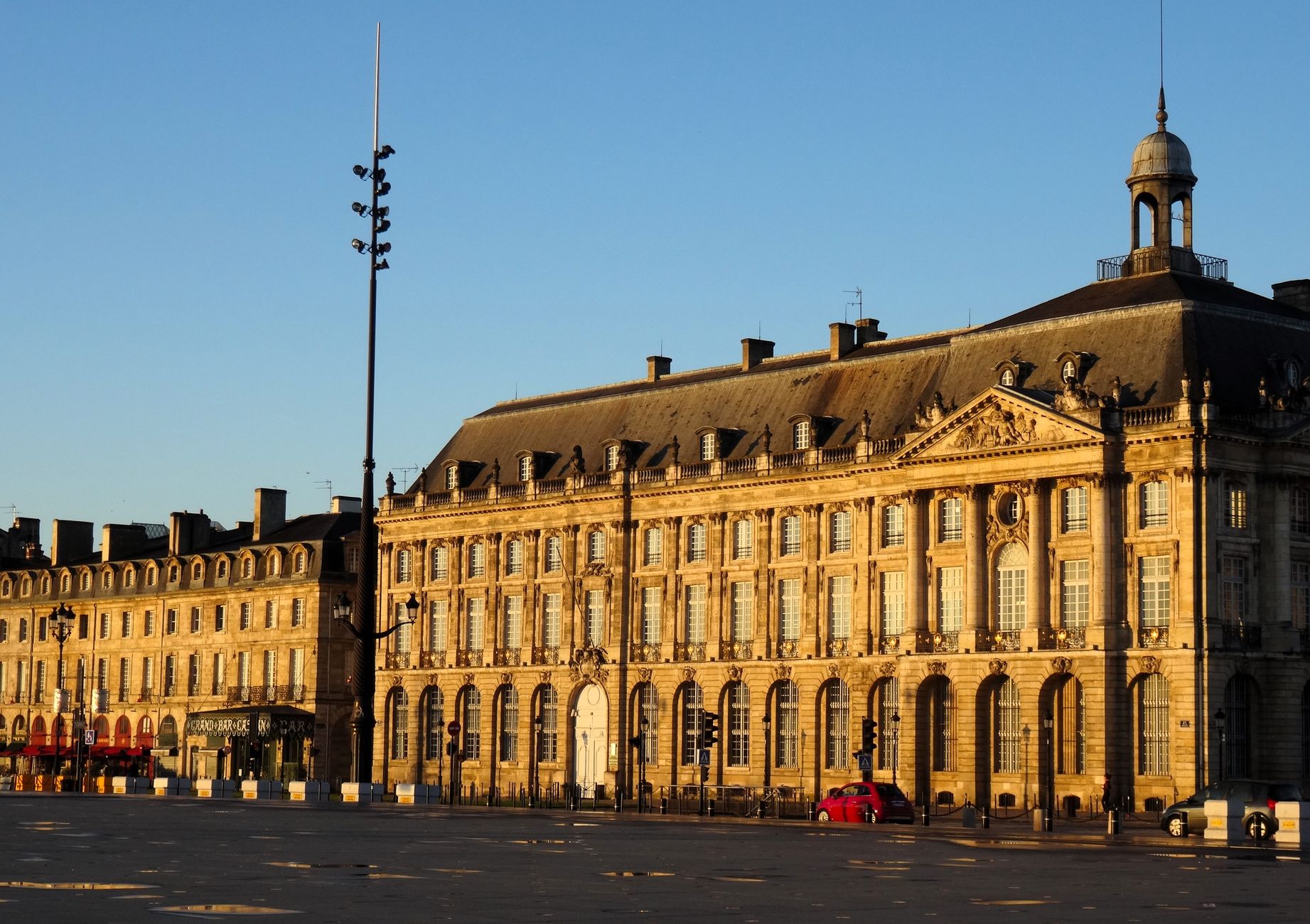
Quick Planning Tips
Arrive by TGV to Gare de Tours from Paris (about 1–1.5 hours) or use regional TER trains from nearby cities. The historic center is mostly pedestrian-friendly; bring comfortable shoes.
Book château tickets (Villandry, Amboise) in high season. Many museums close one weekday—check opening days. Cash in euros is handy for markets, though most cafés take cards. English is widely spoken in tourism spots but a few French phrases help.
Carry a lightweight rain layer in spring and autumn; summers can be warm and market-perfect.
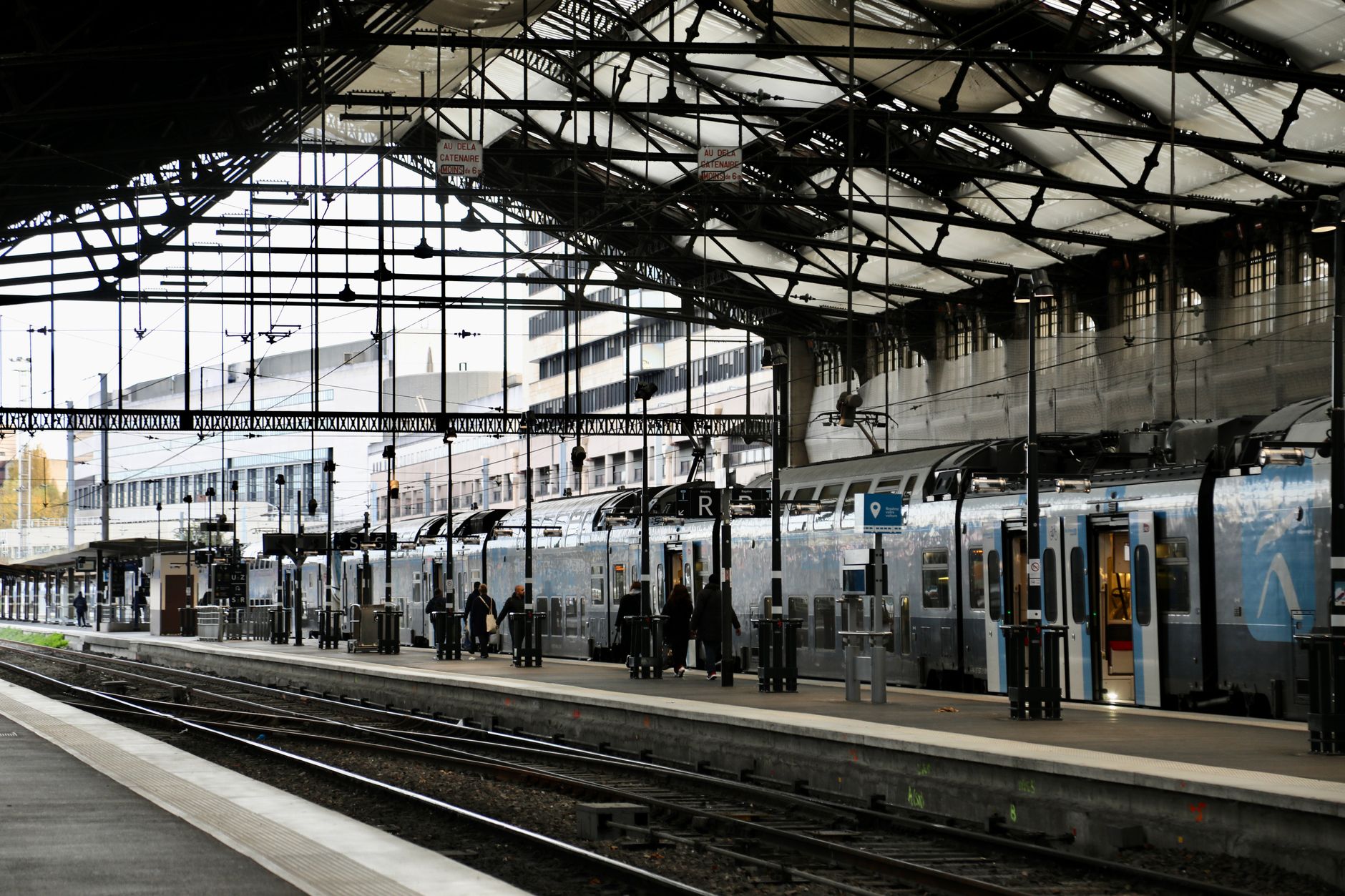
Day 1
Morning: Start at Cathédrale Saint-Gatien for its stained glass and façade, then wander the narrow lanes of Vieux Tours to Place Plumereau for coffee.
Late morning: Visit Musée des Beaux-Arts for local and European paintings; stroll past Hôtel Goüin and small boutiques on Rue Colbert.
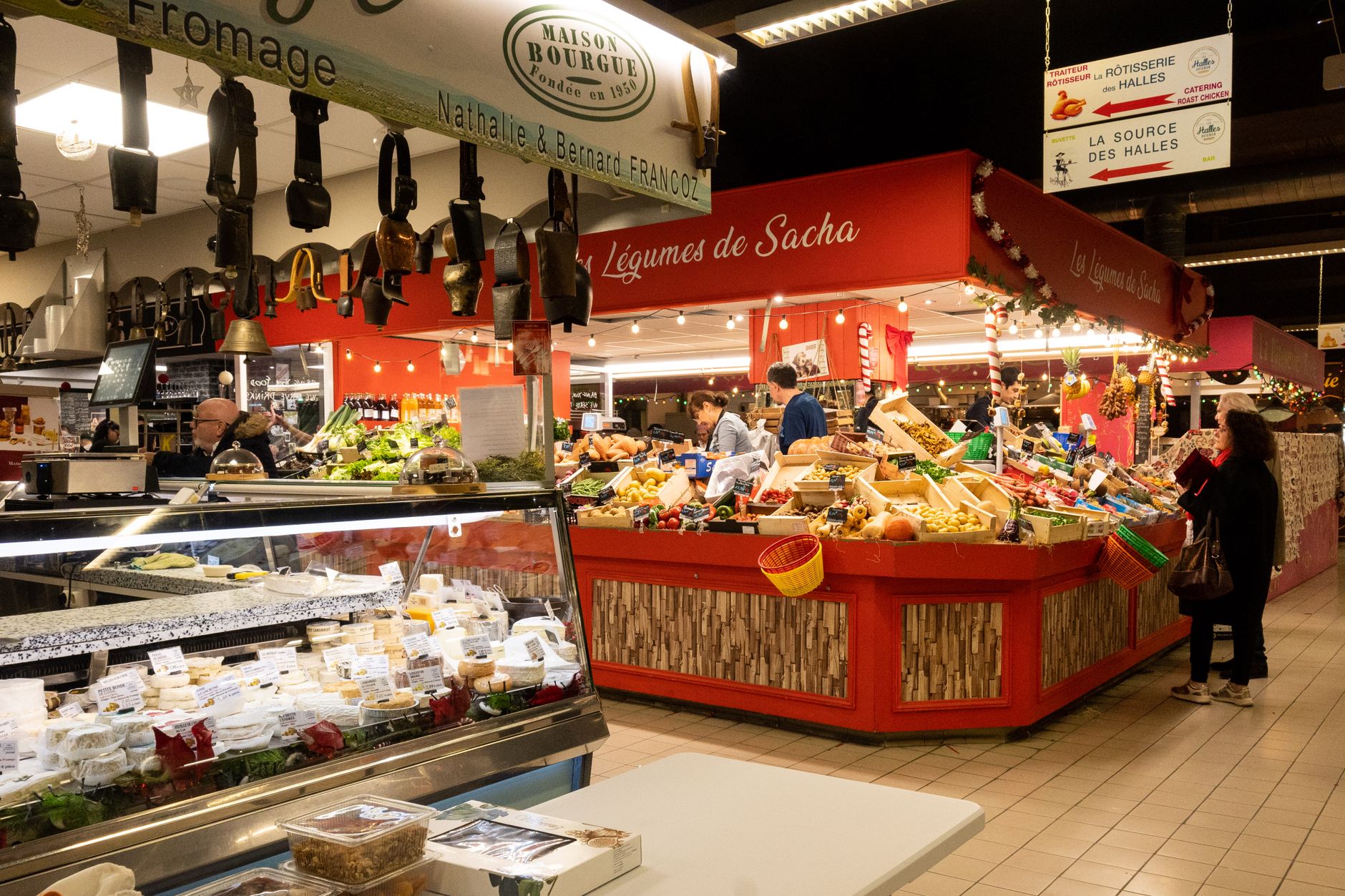
Afternoon: Lunch at Les Halles de Tours — sample cheese, charcuterie and patisserie. Walk the Loire banks toward Pont Wilson for views.
Evening: Dinner in the old town; choose a bistro with Loire wines and finish with an aperitif on a terrace.
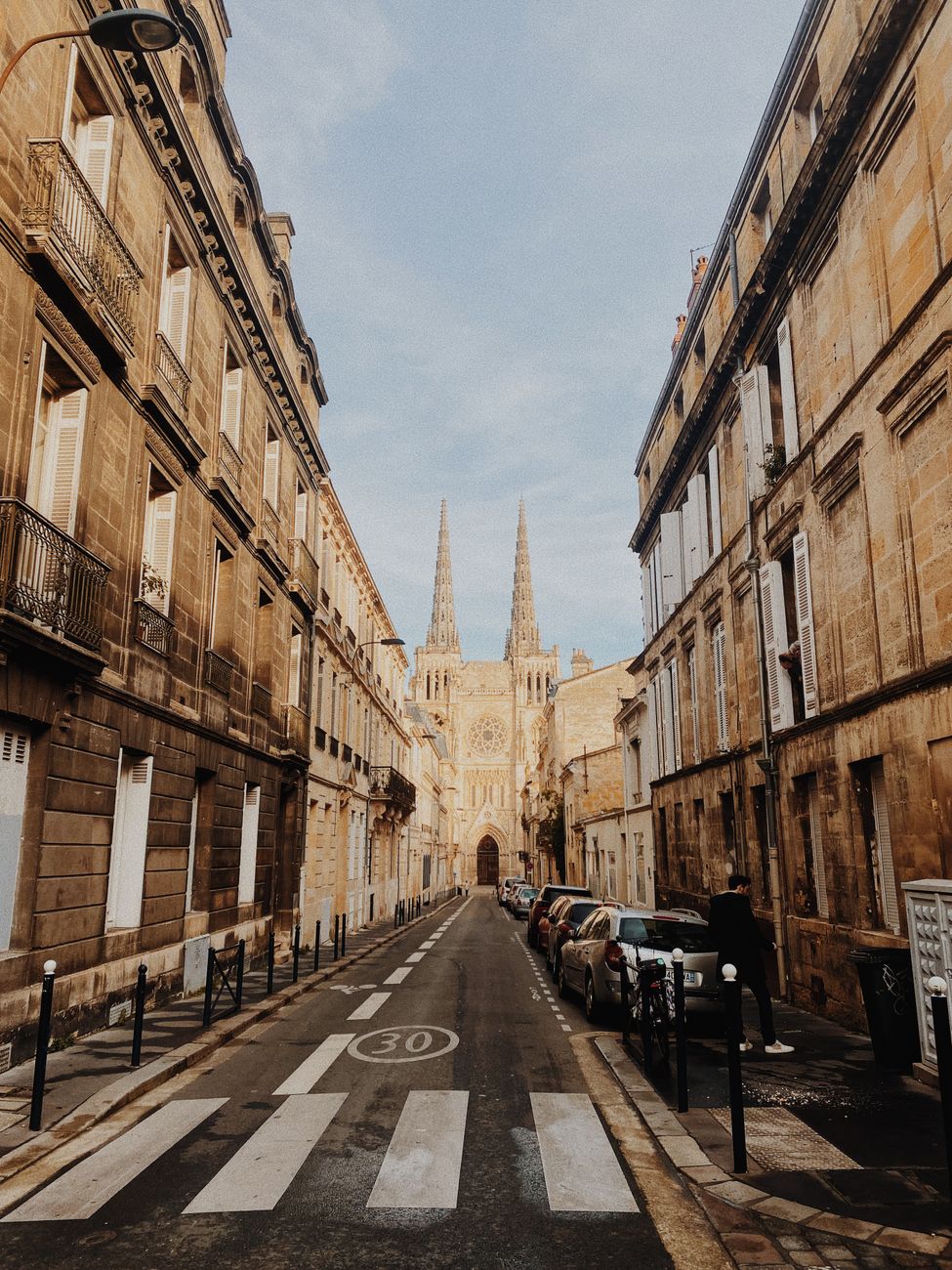
Day 2
Full day: Rent a bike or take a short drive/train to Château de Villandry to see its famed Renaissance gardens — allot at least two hours for the grounds.
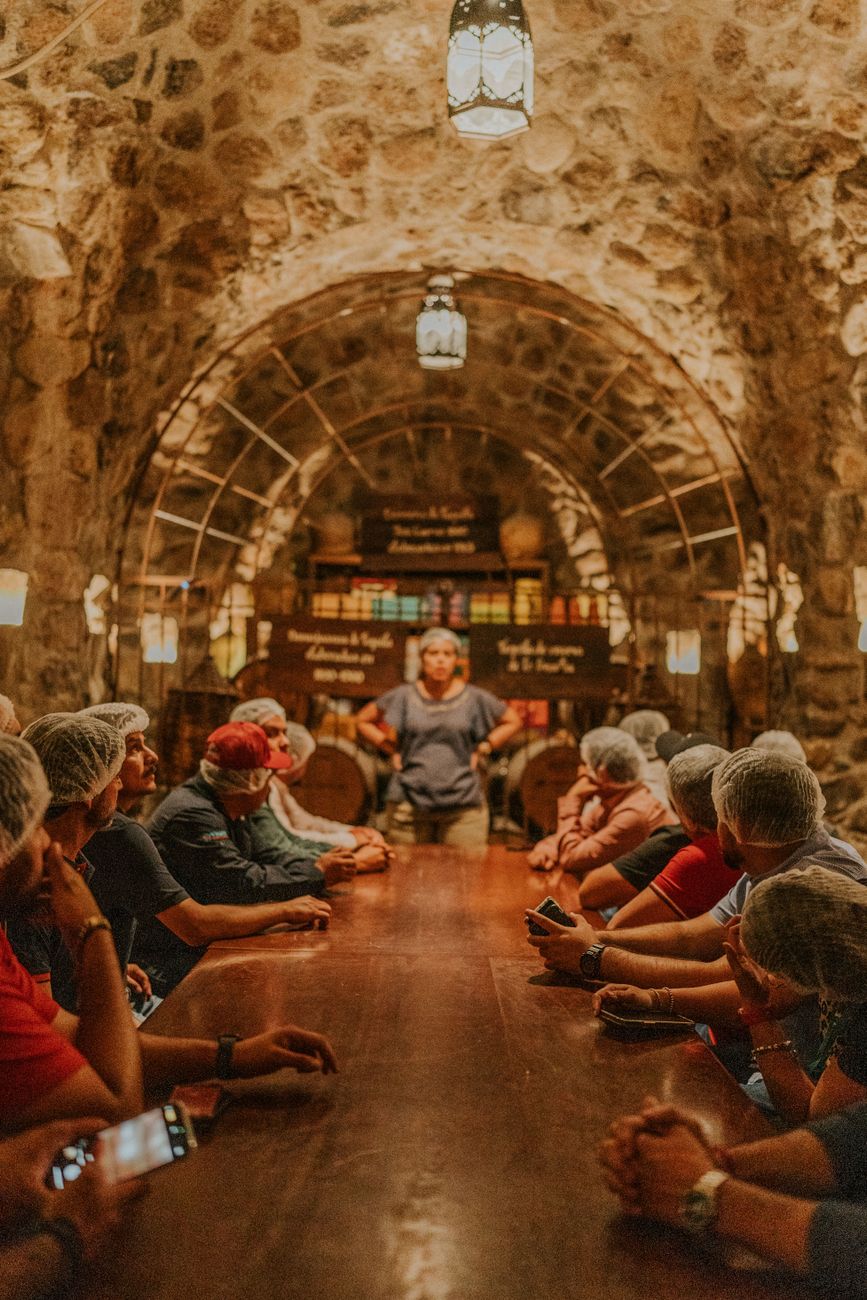
Afternoon: On the return, stop in Vouvray for a cellar tour and wine tasting of sparkling and still Vouvray wines. Alternatively visit Château d'Amboise or Chinon if you prefer a different château vibe.
Evening: Back in town, enjoy a relaxed meal pairing local Loire wines with goat cheese and rillons. Consider a casual riverside walk to watch the sunset.
Day 3
Morning: Start early at Les Halles market for seasonal produce and pastries, then visit the Jardin Botanique to unwind among native plants.
Late morning: Explore Basilique Saint-Martin and nearby historic streets. If you have time, visit Musée du Compagnonnage or return to a favorite museum.
Afternoon: Choose a short day trip by train — Amboise for Clos Lucé (Leonardo da Vinci) or Chinon for medieval streets — or linger with a picnic on the Loire before departure.
Best Local Experiences
Sip Vouvray and Chinon wines at a small cellar, and sample rillons with local bread. Wander Place Plumereau in the evening when terraces fill with students and locals.
Shop at Les Halles for seasonal produce and assemble a picnic for the Loire banks. Cycle the Loire à Vélo route for flat, scenic riding between villages and châteaux.
Attend a garden visit at Villandry in full bloom or time your trip for a regional wine festival to connect with producers.
Where to Stay
Old Town (Vieux Tours / Place Plumereau): Stay here for historic charm, nightlife and walking distance to main sights.
Riverside / Pont Wilson: For quieter mornings and scenic views of the Loire.
Near Gare de Tours: Practical for late arrivals or early train connections and easy day-trip access.
Book a boutique hotel or a well-reviewed guesthouse; apartment rentals work well for longer stays or groups.
Food and Drink
Start market mornings with croissants and chèvre from Les Halles. Order rillons, local pâtés and river fish in bistros.
Wine is central: look for Vouvray (white and sparkling), Chinon (red) and other Loire appellations. Pair tastings with local goat cheeses and fruit tarts.
For dessert, try regional cakes and classic French pastries. Reserve a table on weekends for popular bistros in Place Plumereau or Rue Colbert.
Getting Around
The historic center is highly walkable; most sights cluster within 20 minutes of each other. Bikes are widely available for hire and are especially handy for riverside rides and the Loire à Vélo route.
Local buses (Fil Bleu) cover neighborhoods beyond the center. Gare de Tours handles regional TER and TGV services for day trips to Nantes, Angers, Le Mans and Paris.
Taxis and rideshares operate but book ahead for early trains. If driving, be prepared for narrow streets and limited parking in the old town.
Best Time to Visit
Late spring (May–June) and early autumn (September) balance mild weather, garden displays and fewer crowds. Summer is lively with longer terrace hours but busier museums and château queues.
October brings harvest activity and wine events; winters are quieter and good for lower rates but some attractions may have reduced hours. If gardens are a priority, aim for bloom in late spring.
Budget and Practical Tips
Daily budget: plan from modest (€60–€100/day) for hostels and markets up to €200+ for mid-range hotels and sit-down dinners. Museums typically charge modest entry fees; château tickets vary.
Carry a small amount of cash for markets and small cafés. Many museums close one weekday; schedule around closures. Book château entry or guided tastings in high season. Leave space in your luggage for wine purchases or regional specialties.
FAQ
Is 3 days enough to see the main attractions?
Yes. Three days cover the old town, a major museum, a château/garden visit and one relaxed day trip or wine tour.
Can I do day trips to Amboise or Chinon from here?
Absolutely. Both are easy by regional train or a short drive and make excellent half-day or full-day excursions.
Where is the best place to eat local food?
Les Halles for market stalls and Place Plumereau for bistros and lively terraces are top choices.
Is cycling safe and practical?
Yes. The Loire banks and dedicated bike routes are flat and well-suited to casual cyclists; rentals are widely available.
Do I need to rent a car?
Not necessarily. The city is walkable and trains serve key nearby towns; a car helps if you want many countryside stops in a single day.
What should I buy as a souvenir?
Loire wines (Vouvray, Chinon), local cheeses, pâtisseries and artisanal preserves are classic picks.
Conclusion
Three days offers a perfectly paced introduction: historic streets and cathedral, market mornings, a château and garden day, plus tasting Loire wines. Use the compact center as your base, take one or two short day trips and savor long meals on terrace squares. With a mix of walking, cycling and regional trains you’ll leave with a clear sense of the region’s food, history and scenery — and ideas for return visits to explore more châteaux and vineyards.
How this guide was prepared
This guide was prepared through a structured research that combines destination research, geographic context, itinerary planning logic, and content review.