
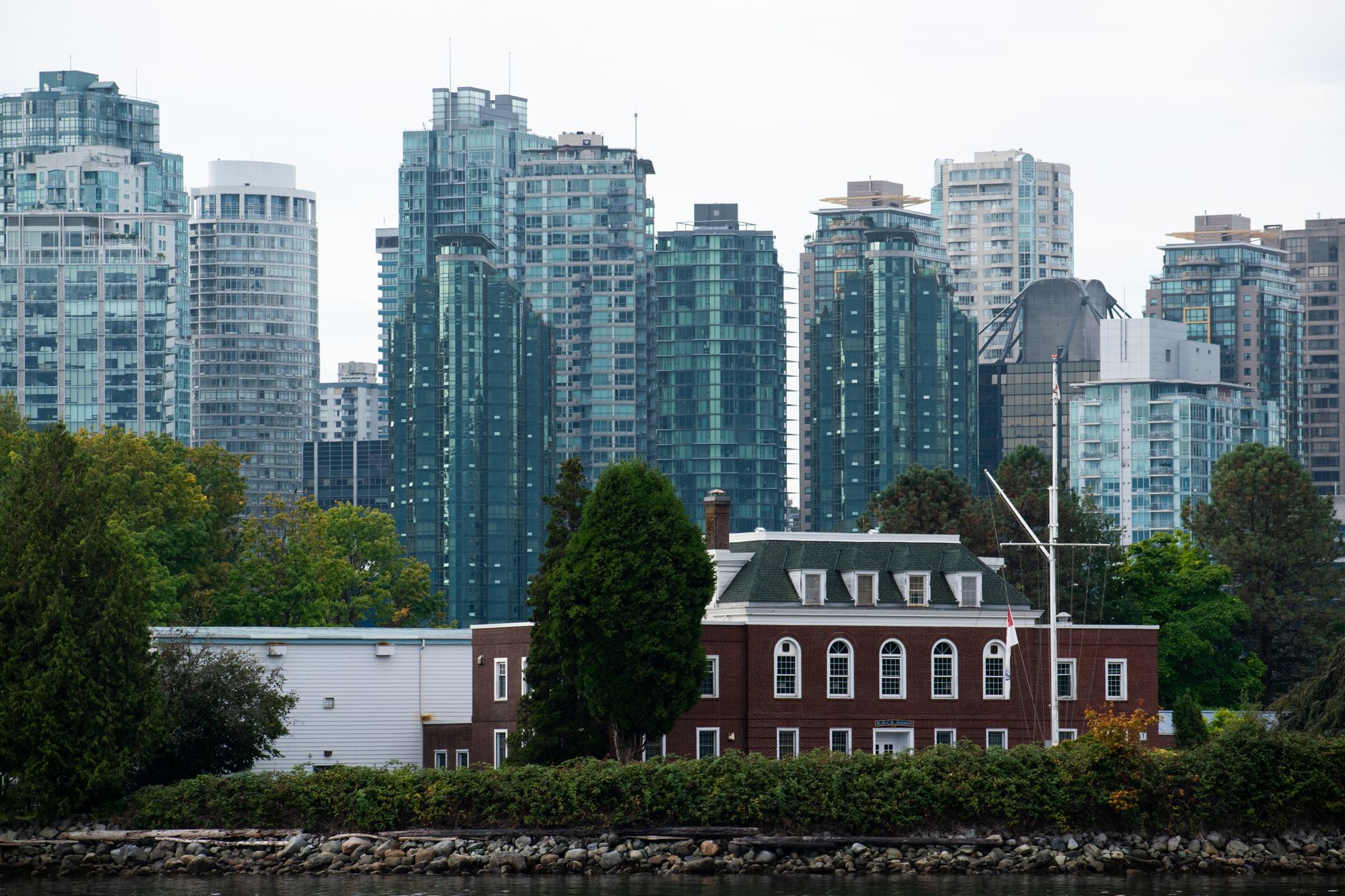
Best Time to Visit Vancouver — Season-by-Season Guide
Practical, season-by-season advice on when to visit Vancouver for fair weather, festivals, lower crowds, and outdoor access. Sustainable, local-first tips and transport realities to pair with our 3 days in Vancouver itinerary.
Learn the trade-offs of each season in Vancouver, how to avoid rain and crowds, where to stay, and sustainable travel tips that pair directly with our 3 days in Vancouver itinerary and nearby day trips to Richmond, Surrey, Victoria, Kamloops, and Kelowna.
Quick Answer
Learn the trade-offs of each season in Vancouver, how to avoid rain and crowds, where to stay, and sustainable travel tips that pair directly with our 3 days in Vancouver itinerary and nearby day trips to Richmond, Surrey, Victoria, Kamloops, and Kelowna.
Who This Page Is For
This page is for travelers planning a stay in Vancouver who want clearer decisions about best time to visit, local logistics, timing, budgeting, and practical trip planning.
How This Page Was Prepared
This page was prepared through a structured editorial workflow that combines destination research, geographic context, and practical travel-planning review.
Plan the Rest of Your Trip
Use this page together with the full itinerary and the related planning pages below to make better booking, timing, transport, and budget decisions.
If you want reliably dry, warm weather for outdoor activities and beaches, visit between late June and early September. For fewer crowds, lower prices, and good hiking conditions with more variable but often pleasant weather, favor shoulder seasons: late April–early June and September–early October. If you're after winter sports on nearby mountains, late November–March is best — but expect rain in the city and book mountain transport or rentals in advance.
Vancouver's mild coastal climate and compact urban footprint make it an excellent year-round destination, but weather, events, and trail conditions vary enough that when you visit affects what you can comfortably do. This page helps you match your priorities—outdoor hikes, food markets, festivals, or quieter city strolls—with the best month or season for them. Use these notes to pick dates that complement our 3 days in Vancouver itinerary and to plan sustainable transport and local-first experiences.
What This Page Helps You Decide
Use this guide to choose travel dates that match your priorities and reduce last-minute changes:
- When to schedule a 3-day Vancouver stay to hit outdoor highlights and markets.
- Whether to prioritize sunny weather (summer) or lower prices and local character (shoulder seasons).
- If you should plan day trips to Richmond, Surrey, Victoria, Kamloops, or Kelowna based on transport and seasonal access.
- What bookings to make early (accommodation, ferries to Victoria, airport transfers to/from YVR, and event tickets).
This is a support page for the main 3 days in Vancouver itinerary; use it to set dates that make that itinerary realistic and comfortable.
Top Recommendations
Plan by priority:
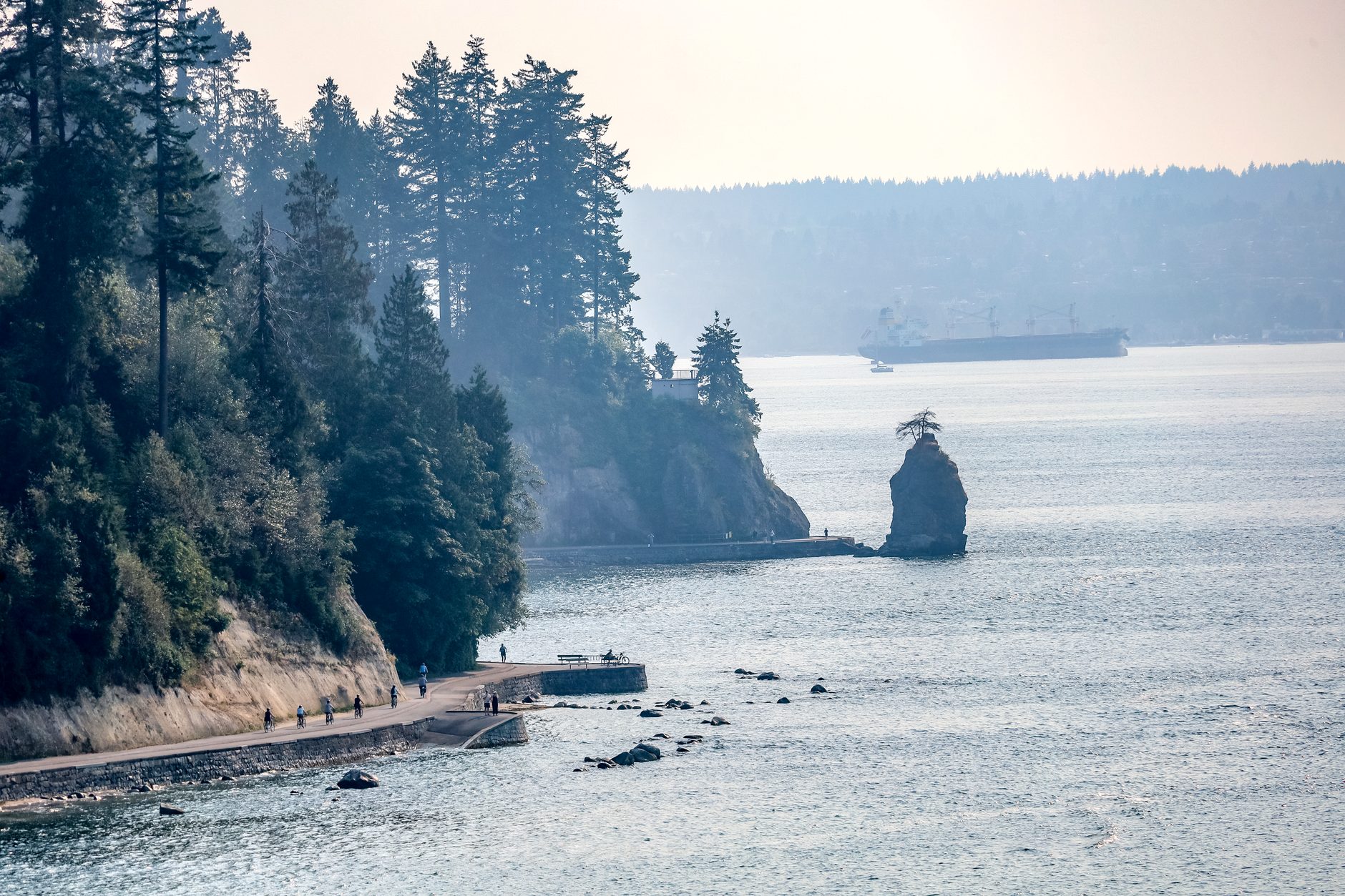
- Best for beach and outdoor city life: mid-July to mid-August. Expect higher prices and crowds at Stanley Park and Kitsilano Beach; book hotels in Coal Harbour or the West End early.
- Best for fewer crowds and good hiking: late April–June and September–early October. Trails are usually clear, ferries to Victoria are less busy, and local markets are open.
- Best for festivals and cultural events: check the calendar—Vancouver International Jazz Festival and Celebration of Light fireworks are summer highlights; Pride and Dine Out Vancouver are often in late spring or early summer.
- Best for winter sports access: December–March for snow on Whistler, Cypress, Grouse; reserve mountain shuttles and check road/weather reports for Sea-to-Sky routes.
For sustainable travel, favor the shoulder seasons and use transit, walking, or biking in the city instead of renting a car unless you’re heading to Kelowna or Kamloops.
Local Context
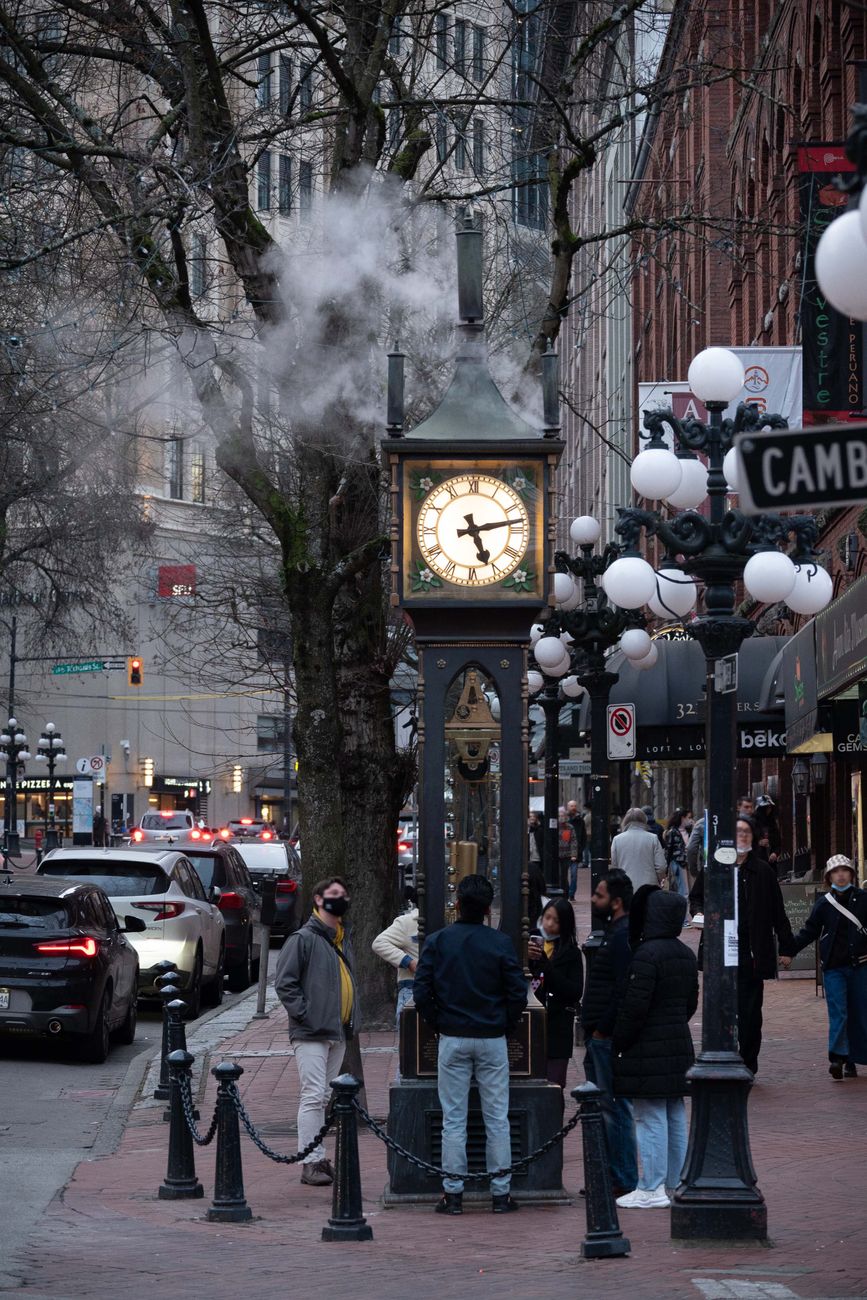
Neighborhoods and microclimates matter: the downtown peninsula (West End, Coal Harbour, Gastown) is windier but centrally located for ferries and SkyTrain. Kitsilano and Spanish Banks get more sunshine in summer and are best for beach time. Mount Pleasant and Main Street offer excellent food and coffee year-round with fewer tourist crowds.
Rain is heaviest from November through March; it's usually persistent drizzle rather than torrential storms. Snow in the city is occasional and melts quickly, but higher elevations on the North Shore and Sea-to-Sky corridor hold snow longer. Vancouver sits on unceded territories of the Musqueam, Squamish, and Tsleil-Waututh nations—respect cultural sites and consider Indigenous-led tours.
Transport realities:
– YVR (Richmond) is the main international gateway; Canada Line connects downtown in 25–30 minutes.
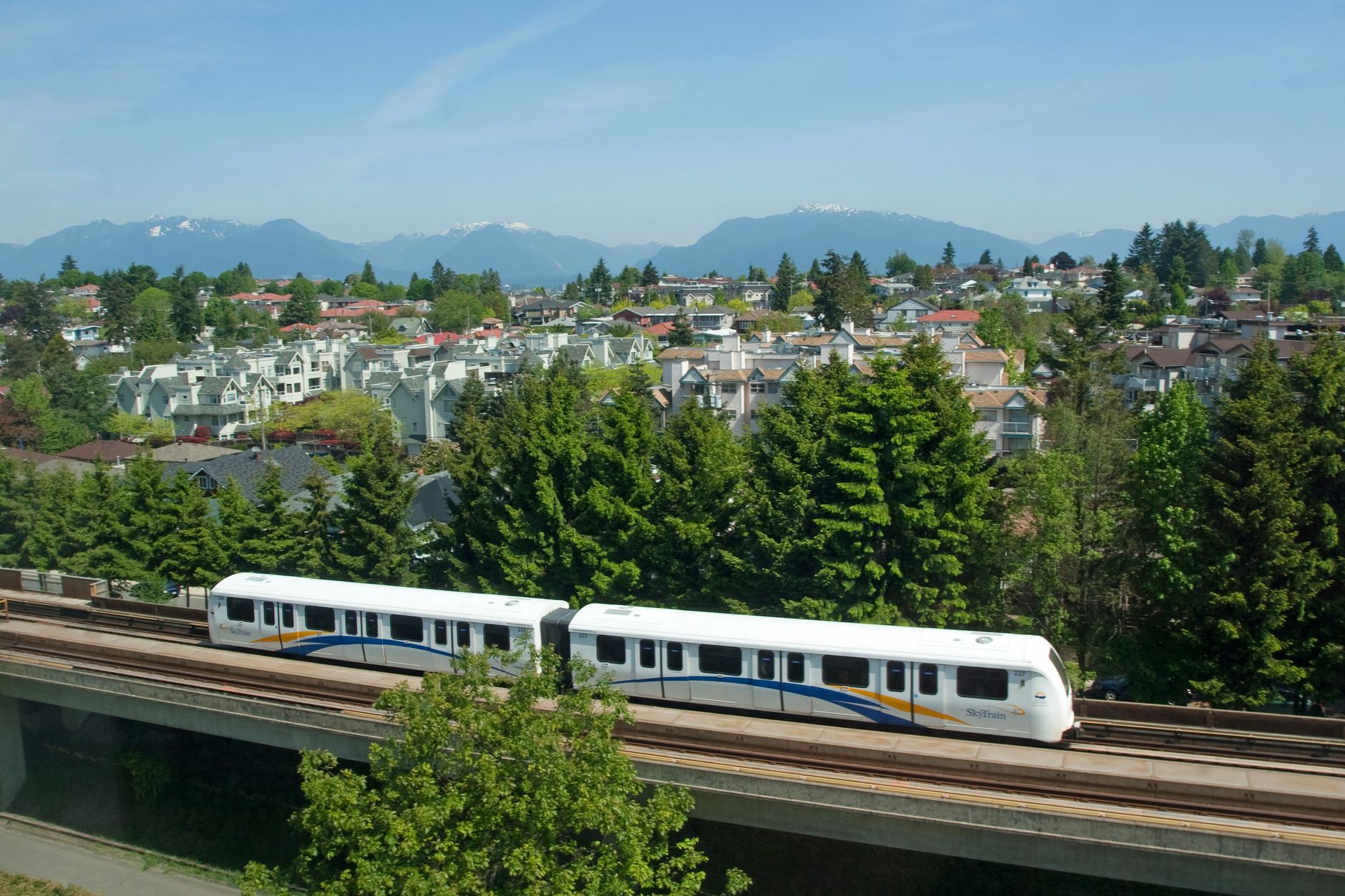
– SkyTrain and SeaBus serve most central neighborhoods; Mobi bike-share and protected bike lanes are good for short trips.
– Ferries to Victoria operate from Tsawwassen; book in advance during summer.
How to Choose Well
Match dates to activities and practical constraints:
- If your main goal is the 3 days in Vancouver itinerary (city highlights, Granville Island market, Stanley Park), choose late spring or early fall for milder weather and smaller crowds.
- If you want beaches and sun, accept higher accommodation costs and book 2–3 months ahead for summer weekends.
- If you plan day trips to Victoria, reserve BC Ferries or a floatplane early, and avoid ferry peak holiday weekends.
- For trips that include Kelowna or Kamloops, consider renting a car and allow for scenic but longer drives; winter driving on the Coquihalla requires winter tires and planning.
Booking tips:
– Reserve centrally located lodging (West End, Yaletown, or Coal Harbour) to minimize transit time for a short itinerary.
– Check local event calendars—festivals and conventions can make downtown hotels scarce.
– Use TransLink trip planner for real-time travel options and to decide when a car is necessary.
Responsible and Local-First Tips
Prioritize low-impact choices and local businesses:
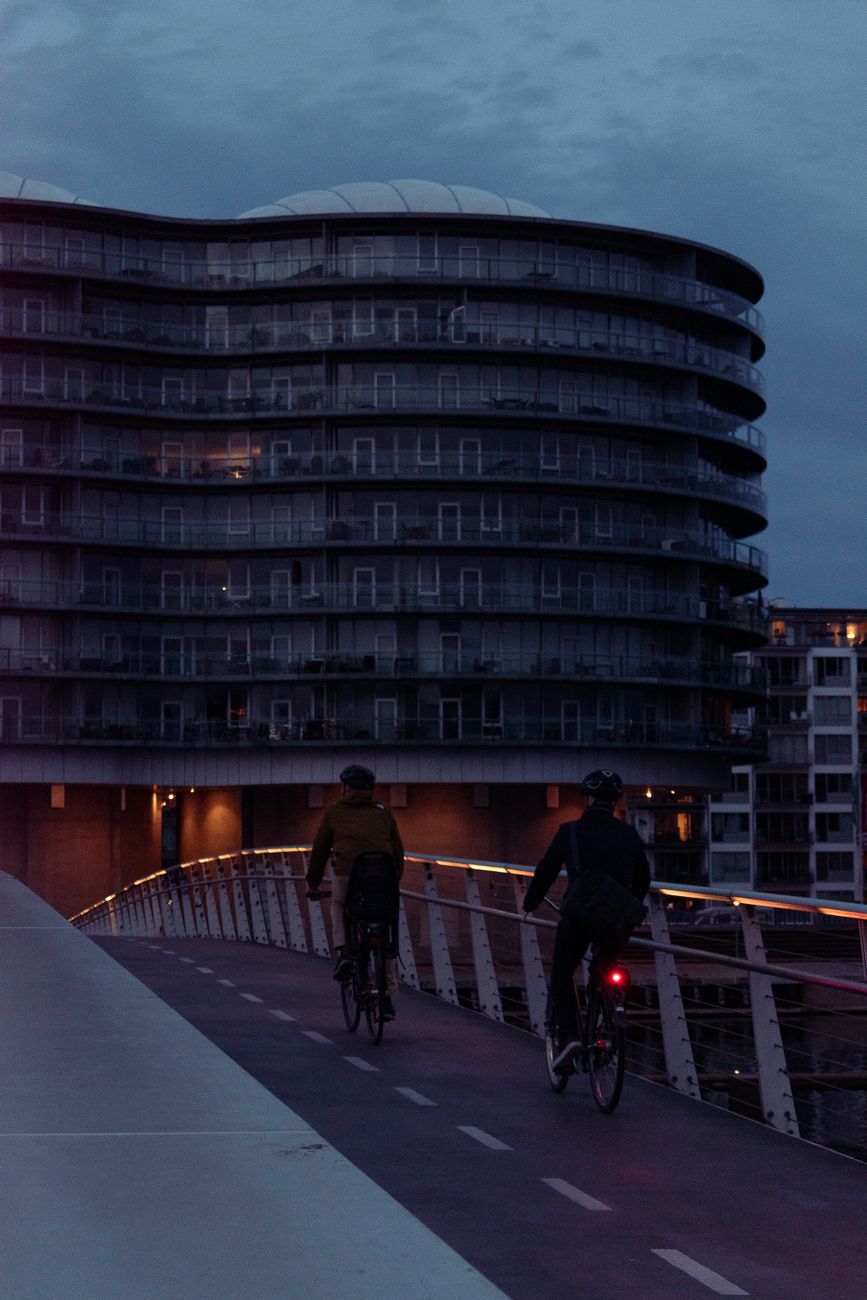
- Use SkyTrain, SeaBus, buses, or Mobi bikes instead of short car trips. Buy a Compass Card or use contactless payment for convenience.
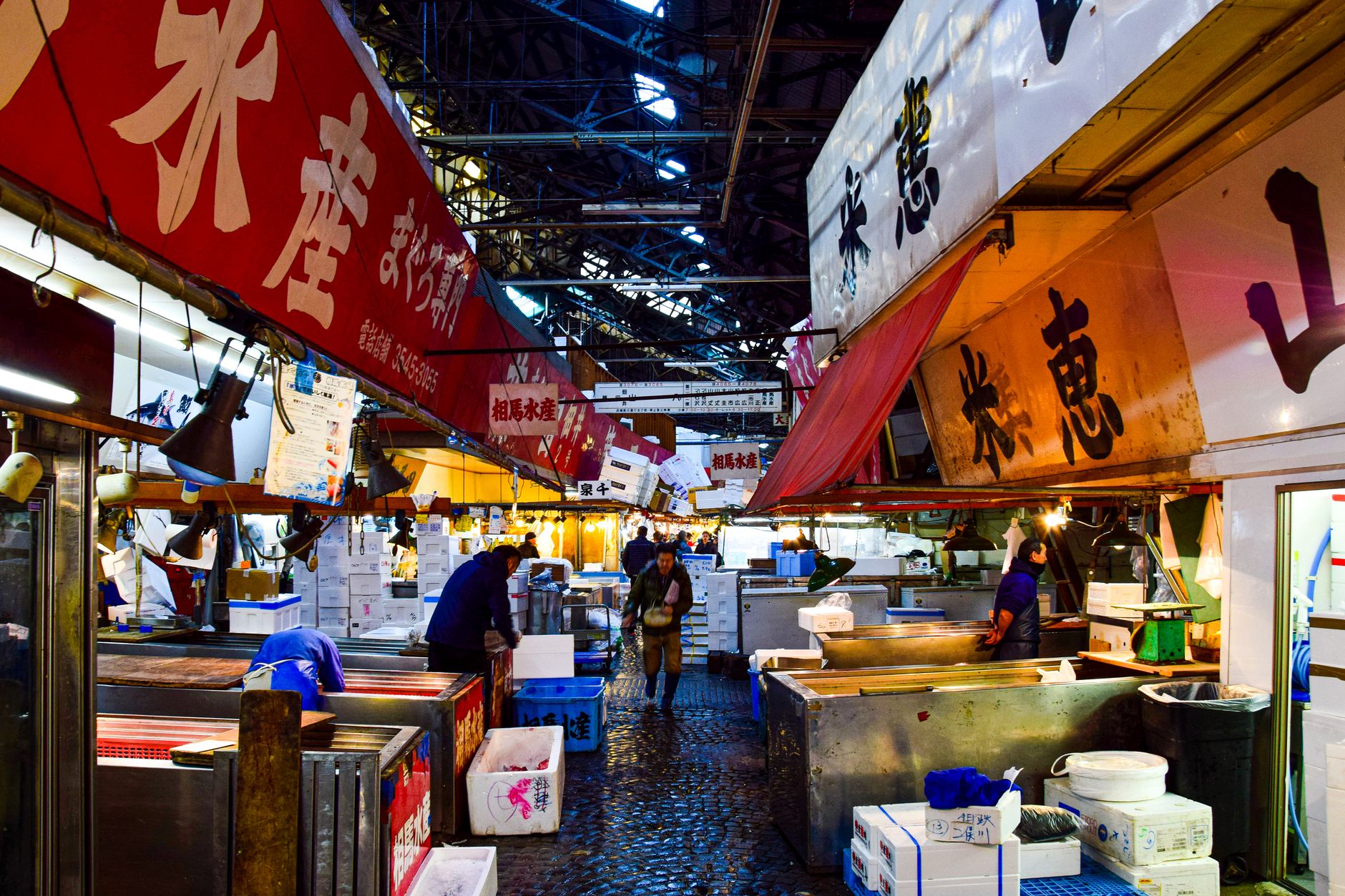
- Eat at neighbourhood bakeries, markets, and Indigenous-owned restaurants. Granville Island Public Market and Punjabi Market offer authentic local food with direct vendor support.
- Choose small hotels, guesthouses, or eco-certified properties when possible. Ask about energy and water practices.
- Respect trails in regional parks—stick to marked paths, pack out trash, and follow seasonal closures to protect salmon runs and habitat.
- When booking tours (harbour cruises, Indigenous cultural experiences, wildlife tours), prefer operators with clear sustainability and community engagement policies.
These choices keep spending in local hands and reduce your environmental footprint while enhancing an authentic Vancouver experience.
Common Mistakes to Avoid
Avoid these frequent planning errors:
- Assuming summer equals empty streets: summers are busy—book lodging and ferry or floatplane tickets early.
- Underestimating rain: pack a breathable rain shell even in shoulder seasons; umbrellas are fine but hiking requires waterproof layers.
- Over-scheduling transit-heavy plans: allow extra time for SeaBus, SkyTrain connections, and bridge or ferry waits during peak periods.
- Trying to do too much in three days: prioritize neighbourhoods (e.g., combine Stanley Park, Coal Harbour, and the West End) to minimize travel time.
- Skipping Indigenous experiences: overlooking Indigenous tours and market stalls is a missed opportunity to support local communities and learn place history.
Plan conservatively and book non-refundable elements only when your dates are locked.
FAQ
When is the rainiest time in Vancouver?
The rainiest months are November through March. Expect frequent drizzle and overcast days; heavy downpours are possible but less common. Pack waterproof layers rather than relying on one heavy coat.
Is summer the best time for outdoor activities?
Summer (late June–early September) offers the most reliable dry weather and warm temperatures for beaches, seawall cycling, and mountain access. That said, busy crowds and higher prices are typical.
Are shoulder seasons worth it for a 3-day visit?
Yes. Late April–June and September–early October balance better value, smaller crowds, and good weather for walking and hiking. These months pair well with the 3 days in Vancouver itinerary.
How do I get from Vancouver to Victoria or Kelowna and when should I go?
Victoria is reachable by BC Ferries from Tsawwassen (book ahead in summer) or by floatplane from downtown. Kelowna and Kamloops are best accessed by car or short regional flights; summer and early fall offer the best driving conditions and vineyard or lake access.
Should I rent a car for three days in Vancouver?
Not for central Vancouver—public transit and bike share suffice for a 3-day city itinerary. Rent a car only if your trip includes long-distance day trips to Kelowna, Kamloops, or rural areas outside the city.
Conclusion
Choose dates that match what you care about most—sun and beaches, hiking and quieter streets, or winter sports—and then lock in transport and lodging that support those plans. For a balanced, low-impact visit that fits our 3 days in Vancouver itinerary, favor late spring or early fall. Book ferries, mountain shuttles, or accommodations early for peak periods, use transit and local vendors, and include at least one neighbourhood-focused meal or market to support the local economy.
How this guide was prepared
This guide was prepared through a structured research that combines destination research, geographic context, itinerary planning logic, and content review.