
La Paz in 3 Days: Practical Itinerary, Transit & Food Guide
A realistic 3-day La Paz plan with transit tips, altitude warnings, markets.
Concrete 72‑hour plan for La Paz with route timings, cable car tips, markets, food suggestions and safety notes for travellers on a short schedule.
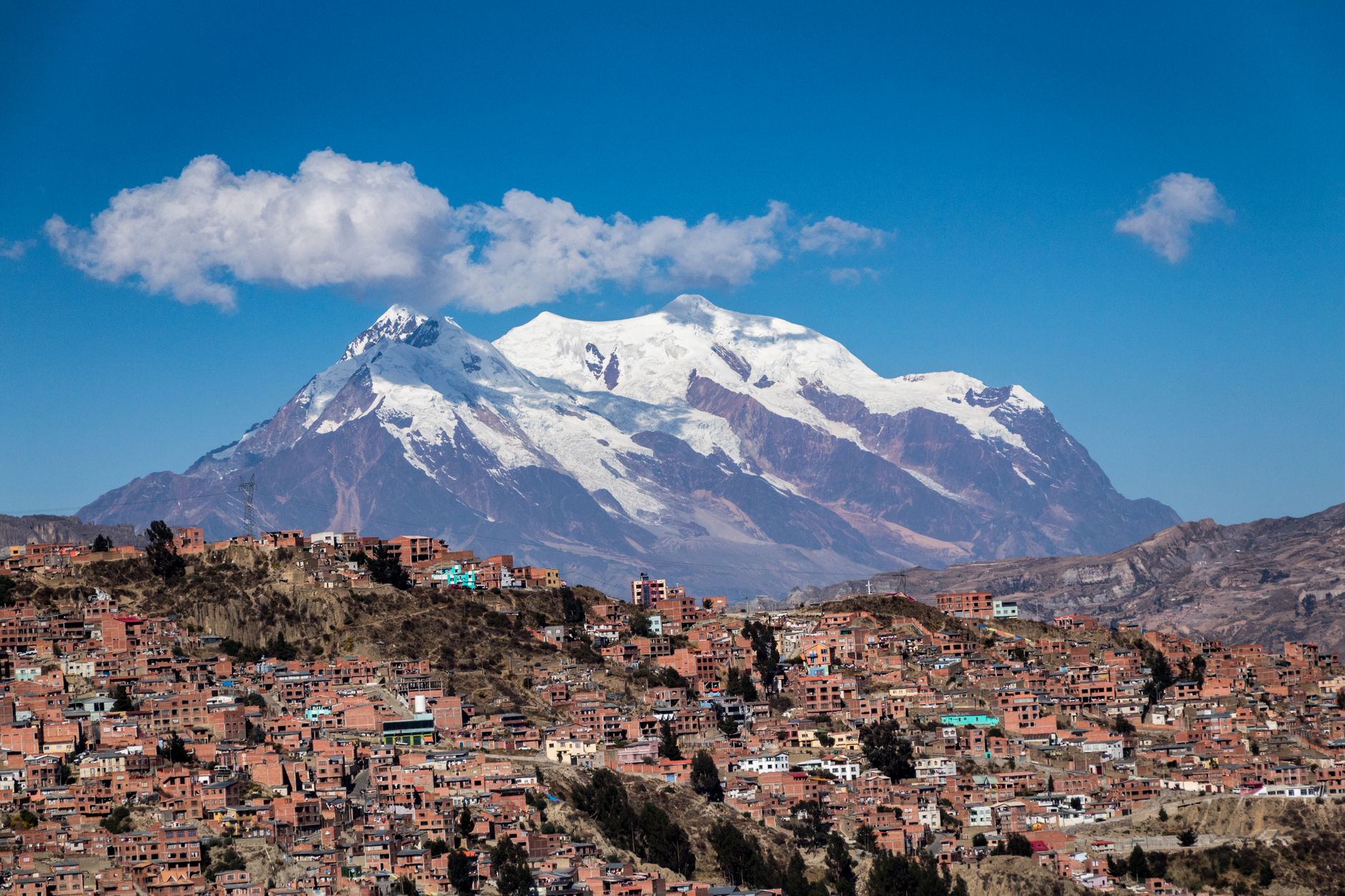
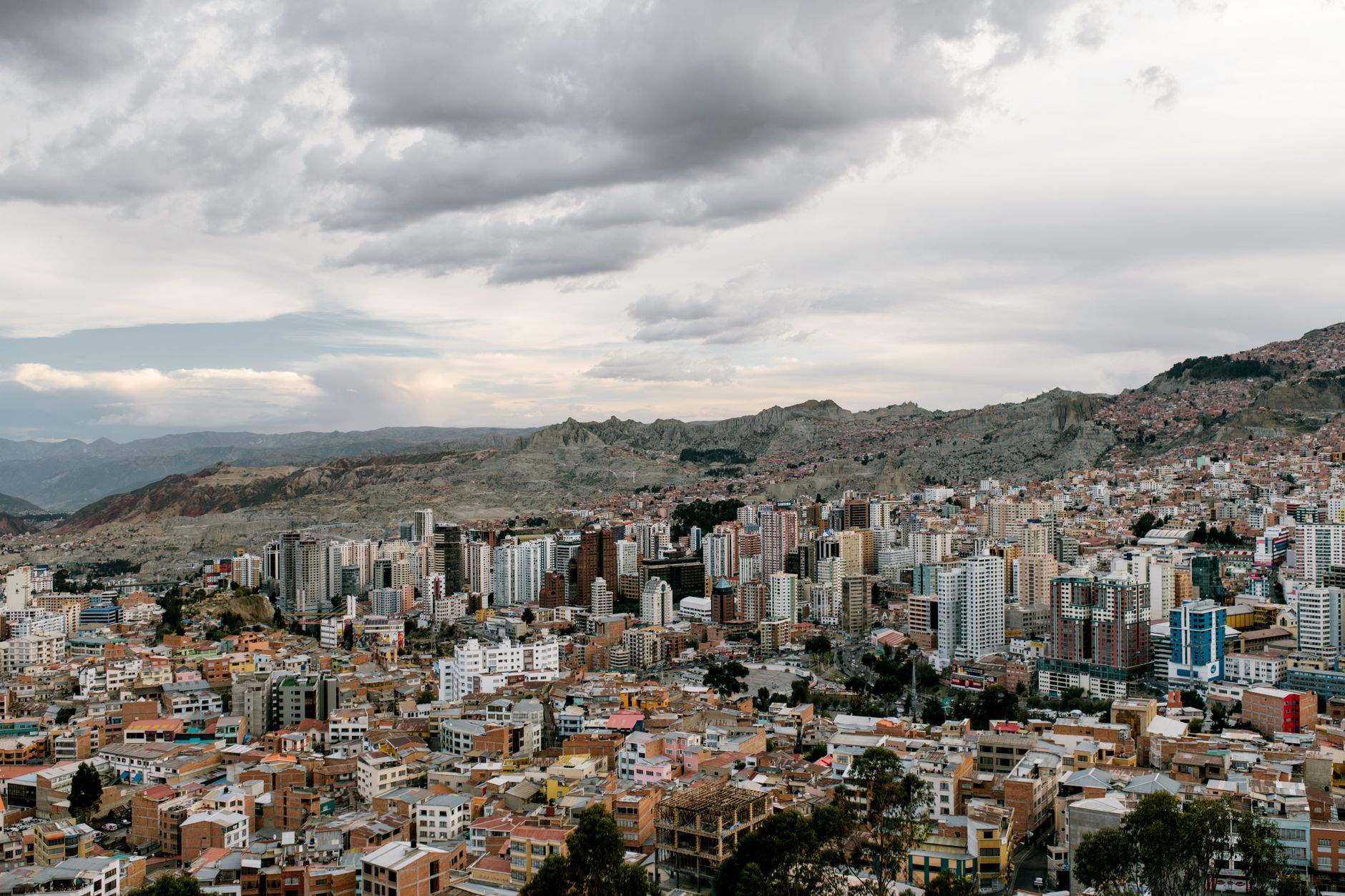
Expect altitude and angles before charm: the centre sits at roughly 3,650 metres, with El Alto plateaus above 4,000 metres, so breaths are shorter and steps feel steeper. Streets drop into canyons and rise to viewpoints; that geography shapes how people move and how neighbourhoods feel — compact but vertically spread. Noise levels vary: traffic and market calls dominate central Sagárnaga and Rodríguez markets during the day, while Sopocachi and the Prado calm down at night with bars and restaurants open later.
Crowds concentrate near Plaza Murillo, the cable-car stations and the main market streets; quiet pockets exist but require walking uphill or a short Teleférico ride. This city suits travellers who can move quickly between sites, tolerate cold mornings and strong sun in the afternoon, and who prefer city panoramas and markets over long guided hikes.
Is 3 days in La Paz enough?
Yes—three days allows a solid overview: central historic sites, a market crawl, a cable-car loop and a short excursion to Valle de la Luna or El Alto viewpoints. The honest caveat: there won't be time for multi-day treks, an overnight trip to Lake Titicaca, or a slow dive into the surrounding Andean valleys.
Who This Guide Is For
Best for active short-stay travellers who tolerate altitude, enjoy markets, museums and city viewpoints, and want urban culture without long hikes. Poor fit for travellers expecting seaside relaxation or multi-day countryside treks.
Local Tips for La Paz
Practical details that most travel sites skip — specific to La Paz.
- Buy or top up a Tarjeta Mi Teleférico at any main gondola station kiosk; single rides run about 3.5–4.0 BOB (≈ USD 0.50–0.60).
- From El Alto International Airport, choose an authorized radio taxi (around 50–70 BOB to downtown) or the Red line of Mi Teleférico from El Alto stations when available — avoid unmarked cabs at arrivals.
- The Mercado de las Brujas (Calle Sagárnaga / Calle Linares area) permits bargaining on crafts but expect fixed prices for coca leaf and ritual items; cash only at many stalls.
- Eat salteñas for a late-morning snack: local bakery chains and vendors sell them for about 6–12 BOB each (≈ USD 0.85–1.70); buy before noon for the freshest batch.
- Use the Mi Teleférico map to plan transfers between Sopocachi and Plaza San Francisco — a two-line trip often beats a 30–45 minute road journey in traffic.
How This Guide Was Prepared
Three days in La Paz rewards focused planning: the city is high-altitude, spread between deep gorges and the El Alto plateau, so movement is as important as sites. Many guides treat the cable car as a novelty only; the Teleférico is the quickest way to move between neighbourhoods and should structure the itinerary rather than being an afterthought. This guide was prepared through a structured research that combines destination research, geographic context, itinerary planning logic, and content review.
Plan Your Stay in La Paz
Use this itinerary as your starting point, then compare areas to stay, transport options, seasonal timing, and realistic daily costs before booking.
Why Visit
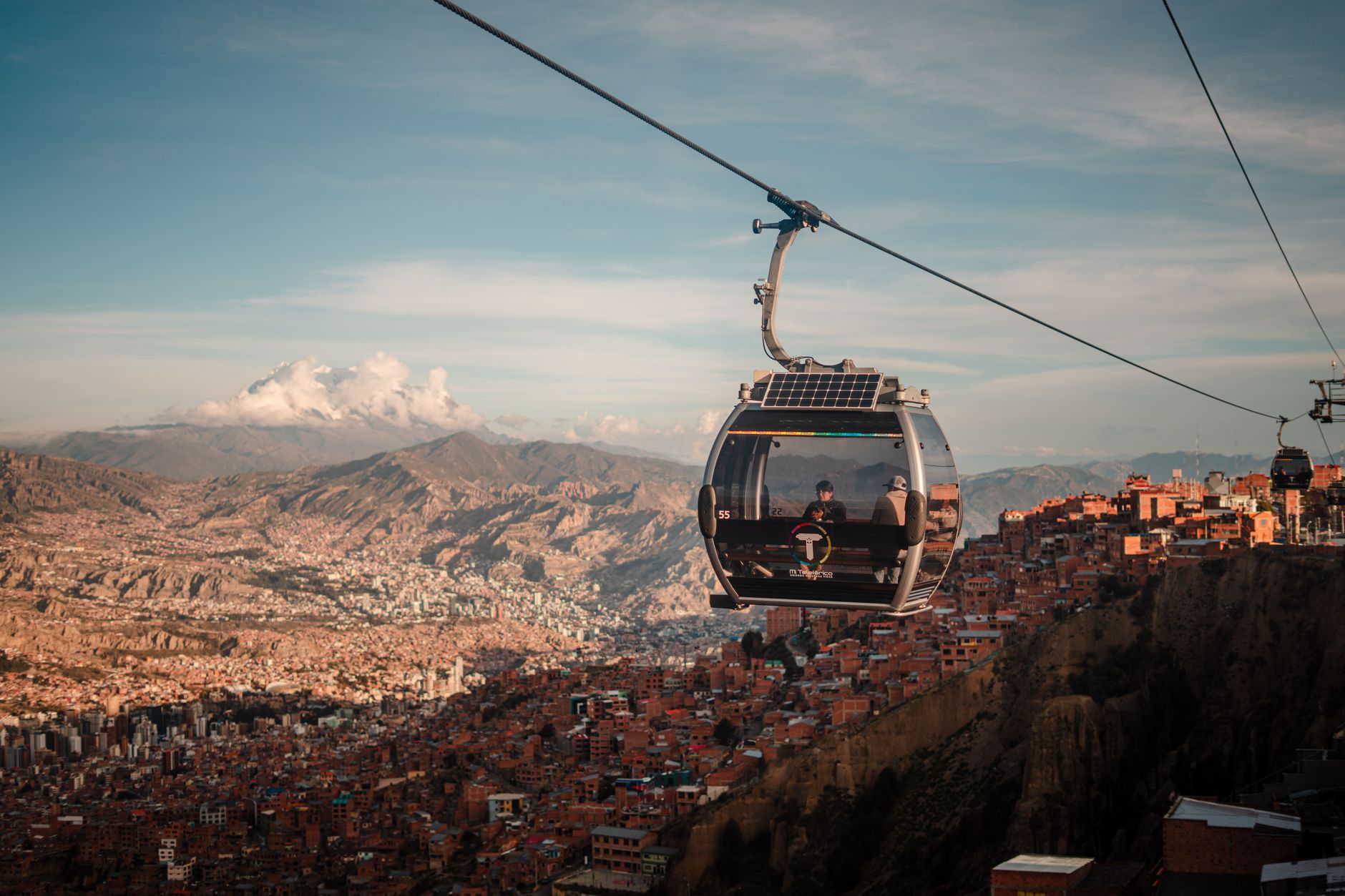
Visit for the transport experience: the Mi Teleférico network is extensive and offers fast, scenic transfers between neighbourhoods and El Alto, making movement itself an attraction. Visit for the markets: Calle Sagárnaga and the Witches' Market provide direct contact with Andean ritual culture, traditional textiles and street food in concentrated blocks. Visit for viewpoints: Mirador Killi Killi and cable-car stations present dramatic skyline views where the high plateau meets the canyon. Visit for museums and civic architecture: San Francisco Church, Museo Nacional de Arte and Plaza Murillo offer short, dense cultural stops without long queues.
Quick Planning Tips
Arrive prepared for El Alto airport transfer: authorized airport taxis and registered shuttles charge roughly 50–70 BOB to the centre; have small bills and confirm the price before entering. Carry cash in Bolivianos: many market stalls, street food vendors and some museums require BOB or take only local debit; ATMs are available near Plaza San Francisco but can run out on busy days. Buy or top up a Tarjeta Mi Teleférico at major stations; using the cable car often saves time compared with road transport and should factor into daily routing.
Avoid the mistake of scheduling heavy physical activity on the first half-day: give 12–24 hours to acclimatize, hydrate, and avoid overexertion. Install the Mi Teleférico map (official app) or use Google Maps for line connections; don’t expect all buses to have published stops or reliable timetables.
Day 1
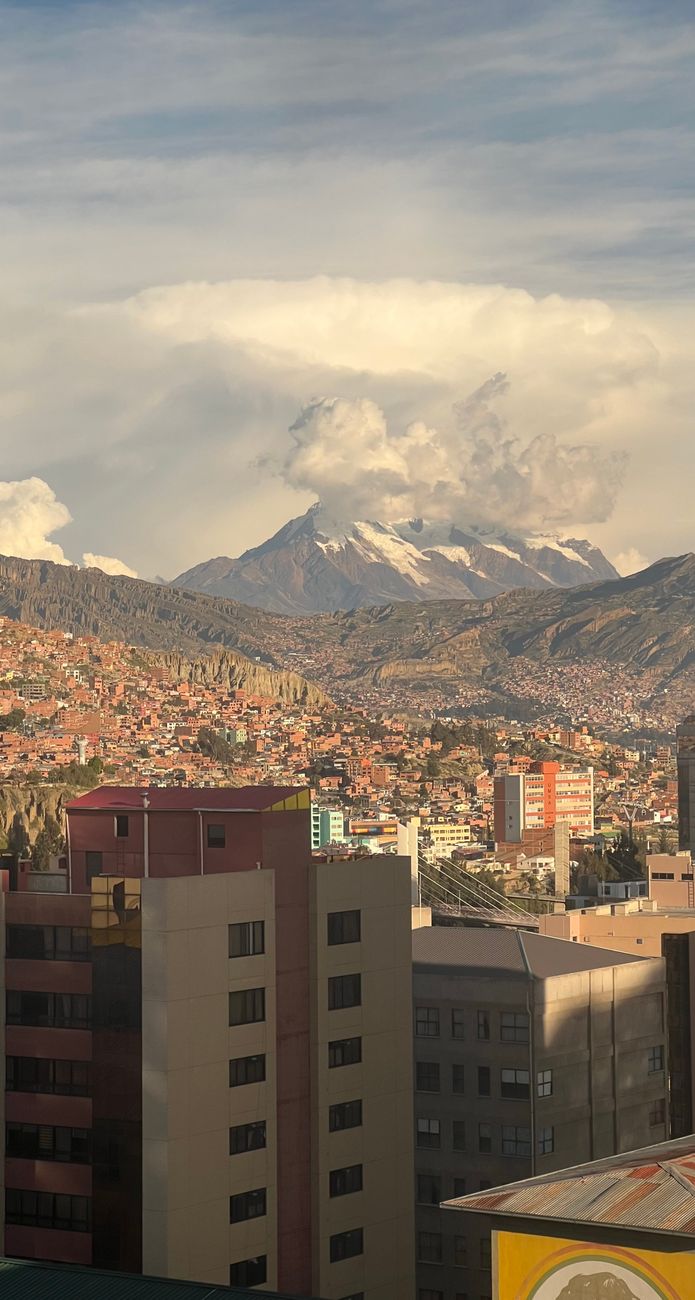
Morning: Start at Plaza Murillo to see the Presidential Palace, the cathedral and nearby government buildings. Walk 2–5 minutes to San Francisco Church and Museo de la Coca (allow 45–60 minutes combined). From Plaza Murillo, stroll 8–12 minutes to Calle Jaén for colonial houses and small museums; allocate time for a coffee and the Museo Nacional de Arte.
Lunch: Walk 5 minutes to Mercado Lanza and choose a plato del día at one of the market restaurants (about 25–40 BOB). After lunch, take a 10–15 minute walk or a quick Teleférico leg to the Witches' Market (Calle Sagárnaga) to browse ritual items and textiles.
Afternoon: Ride the Red or Yellow line of Mi Teleférico up toward El Alto stations for skyline views; two-line transfers often cut a 30–45 minute road trip to 15–20 minutes. Visit Mirador Killi Killi (short taxi or 20–30 minute walk uphill from central stations) for sunset; the viewpoint is free and busy at golden hour.
Evening: Dinner in Sopocachi — choose a mid-range restaurant on Avenida España or near Plaza Abaroa where main courses run 50–120 BOB. Sopocachi offers live music and bars if energy permits.
Day 2
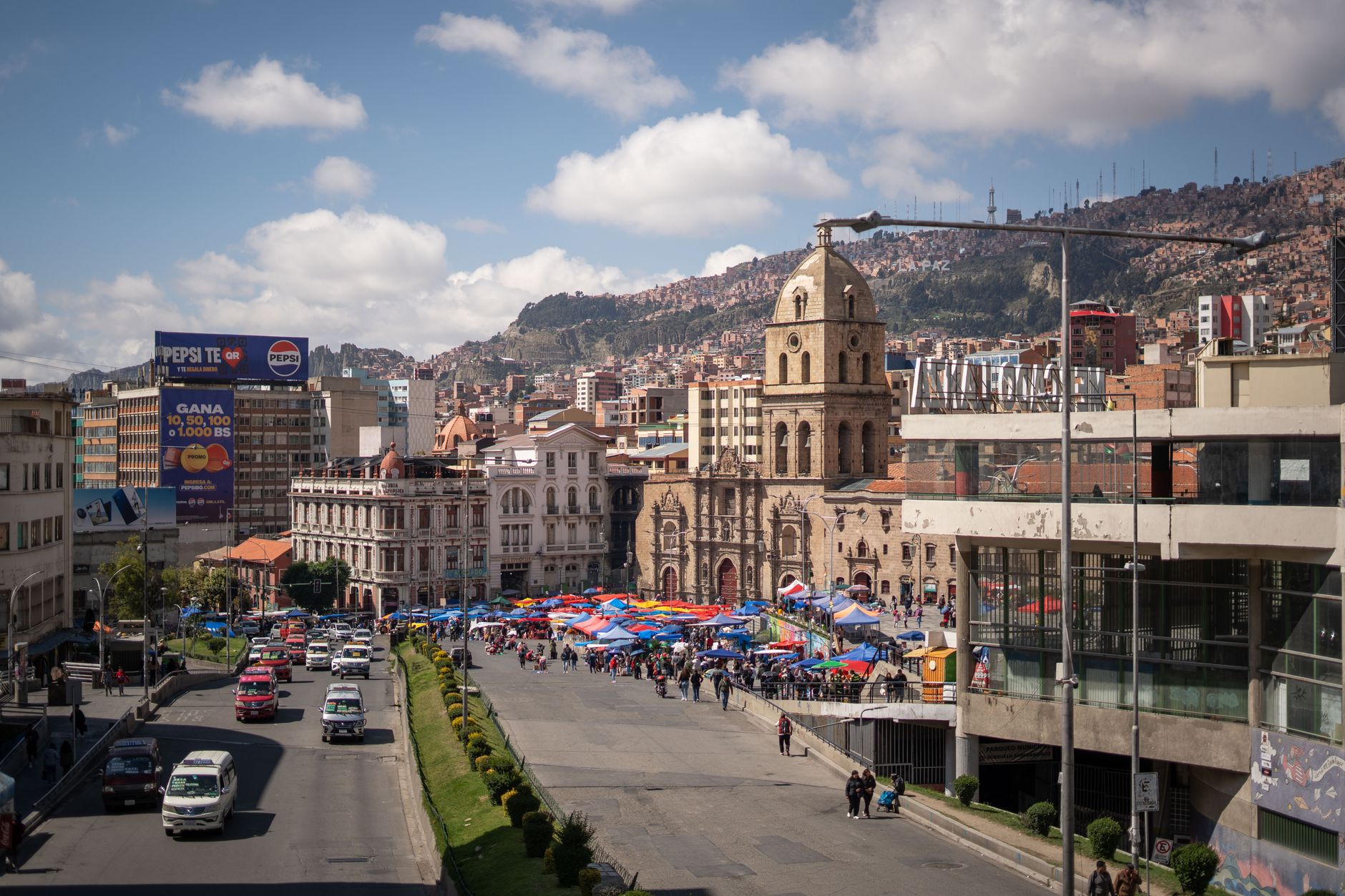
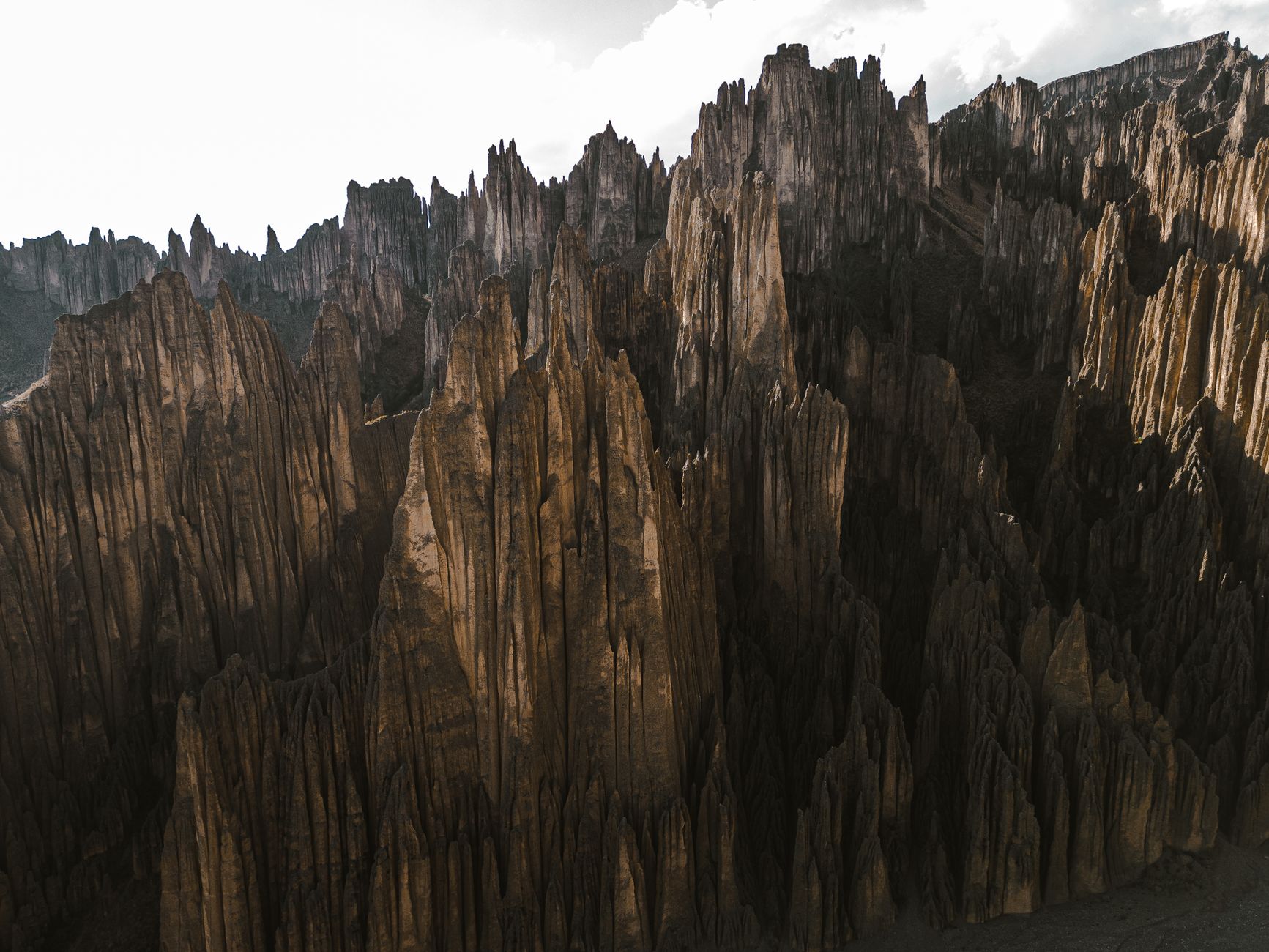
Morning: Dedicate the morning to Valle de la Luna (Valle de las Animas also nearby) — a 20–30 minute taxi ride from Plaza San Francisco or a 30–40 minute combination of Teleférico plus short taxi. Expect 20–40 BOB entrance or parking fees at the site and allow 1.5–2 hours for trails and viewpoints.
Lunch: Return to central zone and eat at a local restaurant near Mercado Rodriguez or Mercado Lanza; try soups such as chairo or sopa de mani for 20–40 BOB. After lunch, explore the neighbourhood of Sopocachi for galleries, small boutiques and the Paseo del Prado.
Afternoon: Use Mi Teleférico lines (for example Yellow to Red or Green) to head across the city to El Alto’s markets and viewpoints; the cable-car network lets visitors string together stations for skyline photos. Stop at the Museo Nacional de Etnografía y Folklore (MUSEF) if open for rotating ethnographic displays and cultural context.
Evening: Dinner in San Miguel or Sopocachi with a relaxed menu featuring llama or beef steaks; mains here typically cost 60–140 BOB. Finish with an after-dinner stroll along Avenida Montes for local bars and bakeries.
Day 3
Morning: Use the Teleférico (choose lines based on location) to reach El Alto quickly for the Saturday crafts market (Feria 16 de Julio if the day matches) or to find expansive views over the city. Alternate: spend the morning at Mercado Rodríguez and the Plaza San Francisco area to pick up last-minute souvenirs and street snacks such as salteñas.
Lunch: Eat an early lunch near Mercado Lanza — a sopa de mani or anticuchos if on the grill (15–40 BOB). After lunch, head to any missed museums (Museo Nacional de Arte or Museo de la Coca) that take less than an hour each; most close by mid-to-late afternoon.
Afternoon departure note: If catching an afternoon flight from El Alto, plan travel time prudently: allow at least 60–90 minutes from the central cable-car hub to airport security lines and transfer, and budget more time at evening peak. Use a radio taxi or a Teleférico + short taxi to reach the airport; avoid last-minute haggling at busier plazas.
Evening: For later departures, enjoy a final rooftop cafe or bar near Plaza Murillo or Sopocachi for a last skyline view and a simple meal under 100 BOB.
Best Local Experiences
Ride multiple Mi Teleférico lines at off-peak times to see the city from above and use transfers to sample several neighbourhoods in one afternoon. Visit the Witches' Market (Calle Sagárnaga) for ritual items and textiles — expect cash-only stalls and specific prices for coca-based products. Walk Calle Jaén early for museums clustered on one short block and few crowds.
Spend an evening in Sopocachi to sample neighbourhood restaurants and bars along Avenida España and Plaza Abaroa. Take a short taxi to Valle de la Luna for a surreal lunar landscape that contrasts with the canyon streets below. Attend a local peña or small live-music venue for Andean folk sets and cueca dancing if scheduling allows.
Where to Stay
Centro (Plaza Murillo / San Pedro): Suits first-time visitors who want walking access to San Francisco, Museo Nacional de Arte and the main market streets. Expect simple hotels and guesthouses from about 120–300 BOB/night (≈ USD 17–43 / EUR 15–38). Book near Calle Sagárnaga for market access and shorter transit times.
Sopocachi / Prado: Suits nightlife and dining, mid-range restaurants and boutique hotels; quiet streets at night with bars near Plaza Abaroa. Nightly rates range 200–450 BOB (≈ USD 28–64 / EUR 25–58). Good choice for those who prefer evening food options and local cafés.
El Alto (near Teleférico stations): Suits early-morning flights and skyline photography; accommodations are sparser but convenient for airport transfers and the plateau market. Expect 100–250 BOB/night (≈ USD 14–36 / EUR 13–30). Choose this if arriving late or departing early.
Food and Drink
Salteñas (breakfast/street snack): A baked, juicy empanada filled with beef, chicken or pork and a spicy broth; best before noon. Good vendors at local bakeries and market stalls charge about 6–12 BOB.
Chairo (traditional soup): A hearty Andean stew with beef or lamb, potatoes, chuño and vegetables; find good chairo at market eateries or family-run restaurants for 15–40 BOB. Sopa de mani (peanut soup) is another common lunchtime choice.
Anticuchos (street skewers): Grilled beef or beef heart skewers sold by street vendors in the evenings for about 8–20 BOB; pair with llajua (a hot salsa) and bread.
Api morado (drink): Hot purple corn beverage served with buñuelos for breakfast or a snack, roughly 5–15 BOB at market stalls and bakeries. Llama or beef steak (dinner): Restaurants in Sopocachi or San Miguel serve grilled llama or beef mains for 70–160 BOB.
Coffee and pastries: Bolivian bakeries near Mercado Lanza and Calle Jaén serve strong coffee and local pastries for 10–25 BOB.
Getting Around
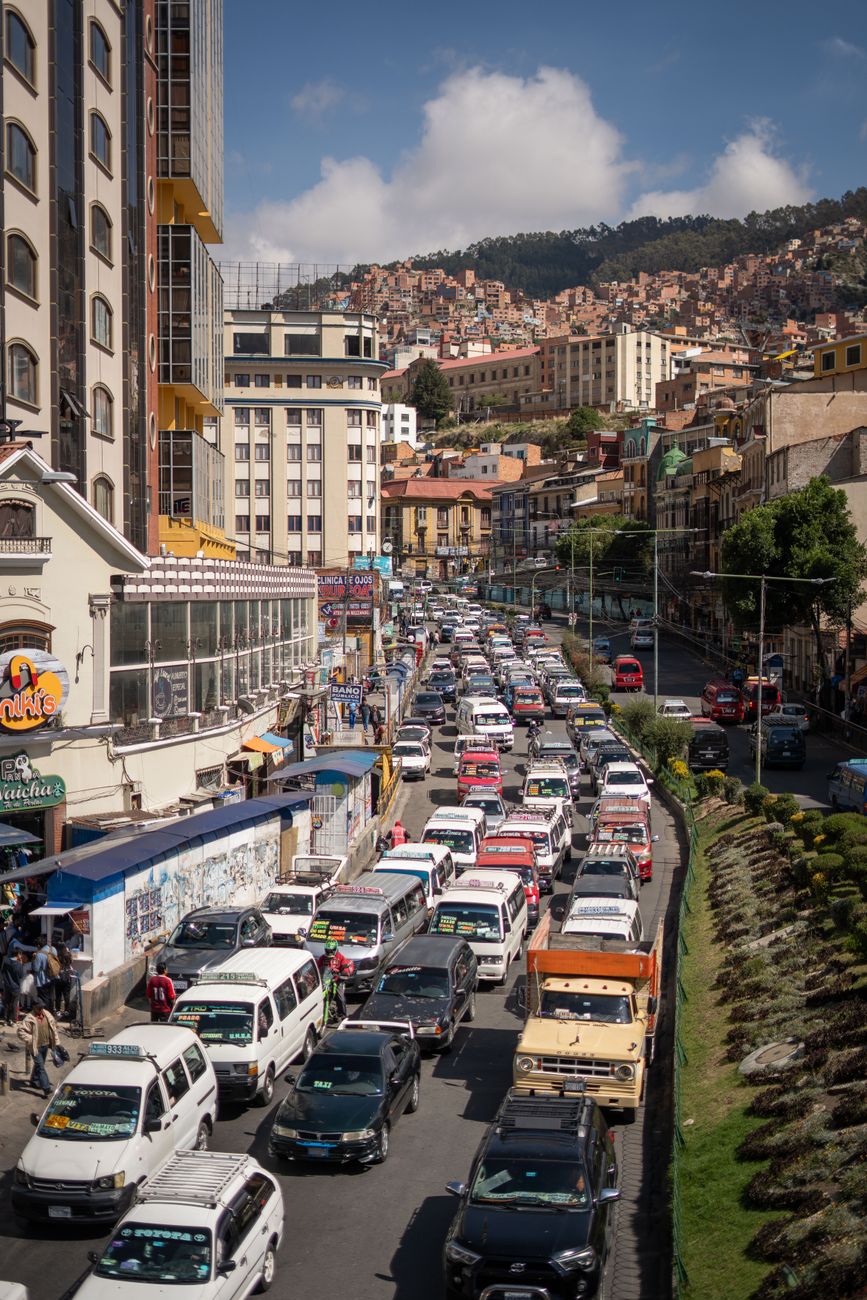
Mi Teleférico is the fastest cross-city option: main lines are Red, Yellow, Green, Blue, Orange and Purple; single rides cost about 3.5–4.0 BOB. Purchase or top up a Tarjeta Mi Teleférico at stations; the official Mi Teleférico app and Google Maps show line maps and station names. Buses and minibuses cover local routes and charge roughly 1–3 BOB per ride; routes are often unmarked and drivers call stops.
Taxis are inexpensive but rarely metered; short rides inside central neighbourhoods cost 10–30 BOB, and airport transfers from El Alto are typically 50–70 BOB. Use authorized radio taxis, hotel-arranged transfers, or ride-hailing apps where available; confirm fares before starting the journey.
Best Time to Visit
High season runs June–August (dry season, daytime highs 14–18°C, nights near freezing) with clear skies and the most stable weather for views; expect more tourists and higher hotel rates. Shoulder seasons April–May and September–October offer fewer crowds and reasonable weather — daytime temperatures 12–16°C and reduced hotel prices compared with summer.
Avoid the wettest months of December–March if possible: heavy afternoon rain can obscure views, turn paths muddy and sometimes interrupt Teleférico service. Late spring and early autumn balance clearer skies with lower rates and comfortable daytime temperatures.
Budget and Practical Tips
Sample daily budget per person (mid-range): Accommodation 200–350 BOB (≈ USD 28–50 / EUR 25–45); food 80–150 BOB (≈ USD 11–22 / EUR 10–20); local transport 20–50 BOB (≈ USD 3–7 / EUR 3–6); entry fees and extras 30–80 BOB (≈ USD 4–12 / EUR 4–11). A conservative daily total is about 330–630 BOB (≈ USD 47–90 / EUR 45–83).
Tipping norm: small service charges are uncommon — leave 5–10% in sit-down restaurants if service is good; round up taxi fares. Carry small-denomination BOB bills for markets and street food; larger bills can be hard to change. Bring sunscreen, a warm layer for evenings and a small pharmacy kit for altitude headaches and dehydration remedies.
FAQ
Is La Paz safe for solo travellers?
Central districts are generally safe during daytime with normal vigilance for pickpocketing in crowded markets; avoid poorly lit side streets at night and use registered taxis after dark.
How bad is altitude sickness and how to prevent it?
Symptoms can include headache, breathlessness and nausea; allow 12–24 hours to acclimatize, avoid heavy exercise on arrival, hydrate and consider acetazolamide if at risk (consult a doctor before travel).
Is the Mi Teleférico reliable and worth using?
Yes — it is the fastest way to traverse the steep city and offers dependable timetables; buy a Tarjeta Mi Teleférico for quick boarding.
Are credit cards widely accepted?
Cards are accepted at mid-to-upscale restaurants, hotels and some museums, but markets, street food and many small shops require cash in BOB.
Is a city card or tourist pass worth buying?
No widely used all-in-one pass exists; buying individual museum tickets and using a Tarjeta Mi Teleférico for transport is usually more economical unless a short-term multi-attraction pass is offered.
How to get from El Alto airport to the city cheaply and safely?
Use an authorized airport radio taxi or pre-booked shuttle for about 50–70 BOB; the Red line of the cable car connects parts of El Alto with the city but a taxi is often faster with luggage.
Can day trips to Lake Titicaca be done from here?
Possible as a long day trip but it requires very early departure and a long return; an overnight trip to Copacabana or Puno is recommended instead.
What app is best for transit planning?
Use the official Mi Teleférico app for cable-car maps and Google Maps for combined walking and line transfers; local bus routes are not comprehensively mapped in single apps.
Conclusion
Three days can deliver a clear sense of the city's contrasts: market energy and ritual items in the central streets, dramatic skyline views from cable-car lines, and a short excursion to lunar terrain at Valle de la Luna. The most memorable element for most travellers will be the cable-car panoramas that link canyon and plateau; prioritise a Teleférico circuit if time is tight. If forced to cut one item, skip an extra museum and take another gondola ride for views and faster movement between neighbourhoods.
How this guide was prepared
This guide was prepared through a structured research that combines destination research, geographic context, itinerary planning logic, and content review.