
Where to Stay in Vancouver: Neighborhoods, Practical Tips, and Sustainable Choices
Practical, local-first guidance on where to stay in Vancouver for a 3-day itinerary. Neighborhood pros and cons, transport realities, seasonal booking advice, and sustainable options.
Choose the best neighborhood for your 3-day Vancouver plan. Clear advice for first-time visitors, families, budget travelers and those who prefer low-impact, locally-focused stays.
Quick Answer
Choose the best neighborhood for your 3-day Vancouver plan. Clear advice for first-time visitors, families, budget travelers and those who prefer low-impact, locally-focused stays.
Who This Page Is For
This page is for travelers planning a stay in Vancouver who want clearer decisions about where to stay, local logistics, timing, budgeting, and practical trip planning.
How This Page Was Prepared
This page was prepared through a structured editorial workflow that combines destination research, geographic context, and practical travel-planning review.
Plan the Rest of Your Trip
Use this page together with the full itinerary and the related planning pages below to make better booking, timing, transport, and budget decisions.
First-time visitors who want to follow a 3-day downtown-focused plan should stay in Downtown/Coal Harbour or the West End for the shortest walks to the seawall, Stanley Park and the central ferry/Seabus hubs.
Choose Yaletown if you want polished restaurants and bike access to False Creek. Pick Gastown or Chinatown for character and easy nightlife access. Kitsilano or Mount Pleasant are better for families, longer stays, or lower-impact, local-first choices.
For airport convenience and onward travel to Richmond, use the Canada Line (stations at YVR and downtown). For a Victoria extension, book a ferry from Tsawwassen or a seaplane from downtown.
This page helps you pick the best place to sleep for a compact, walkable stay in Vancouver and for the activities in our 3 days in Vancouver itinerary. It focuses on neighborhoods that save transit time, suit different budgets and interests, and minimize environmental impact by favoring transit-accessible and locally owned lodging. If you plan day trips to Richmond, Surrey, Victoria, Kamloops or Kelowna, there are transit and flight notes below to help you connect.
What This Page Helps You Decide
Use this guide to decide:
- Which neighborhood best matches your priorities: sightseeing, calm, nightlife, family-friendly, or local culture.
- Whether to book a hotel, guesthouse, or apartment for a longer stay that supports local businesses.
- How much time to budget for airport transfers, ferries, or day trips to nearby cities.
- When to book and whether to opt for refundable rates depending on seasonality.
It also flags low-impact and locally owned lodging options to keep tourism spending in Vancouver neighborhoods, and points to the main 3-day guide for activity sequencing.
Top Recommendations
Coal Harbour & Downtown
– Best for: first-time visitors who want minimal transit time. Walk to Canada Place, Gastown, and the seawall.
– Practical notes: busy in summer and during cruise season; hotels are pricier and parking is expensive.
West End (Denman/Robson)
– Best for: families and beach access. Walkable to English Bay and Stanley Park.
– Practical notes: quieter at night; many small guesthouses and B&Bs.
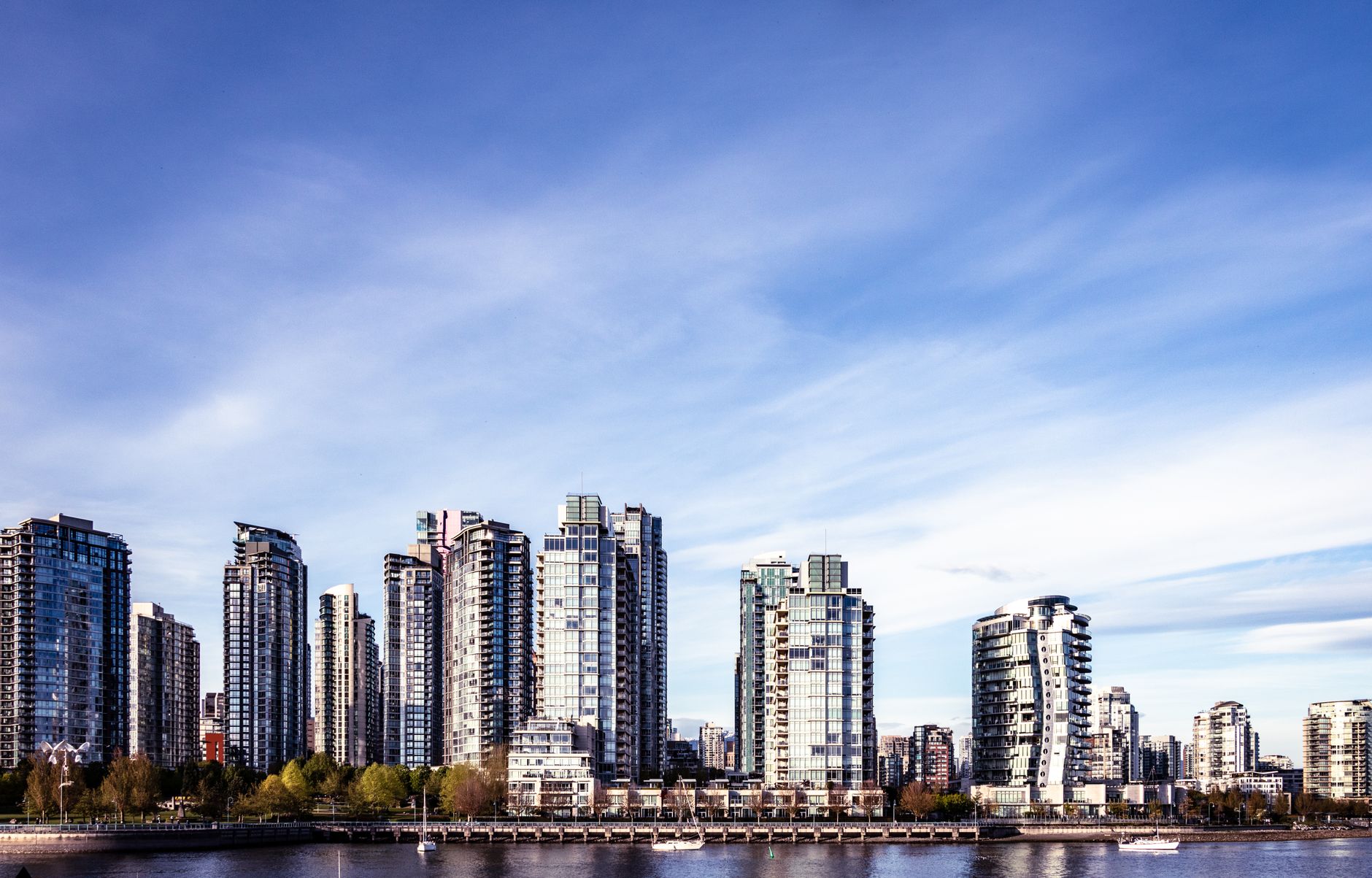
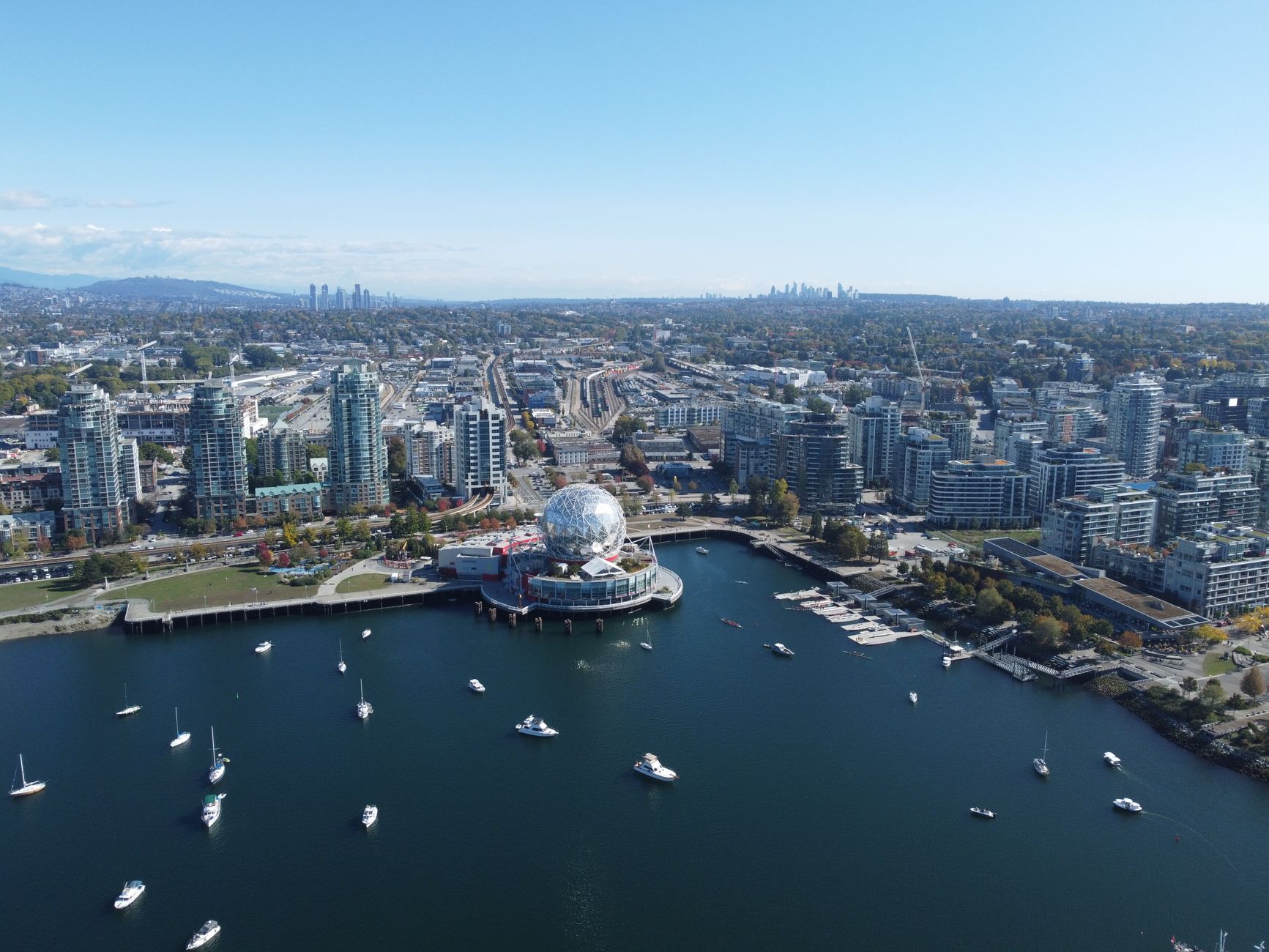
Yaletown & False Creek
– Best for: food-focused travelers and cyclists. Good tram/bike connections to Granville Island.
– Practical notes: modern hotels and condos, great for walkable dinner options.
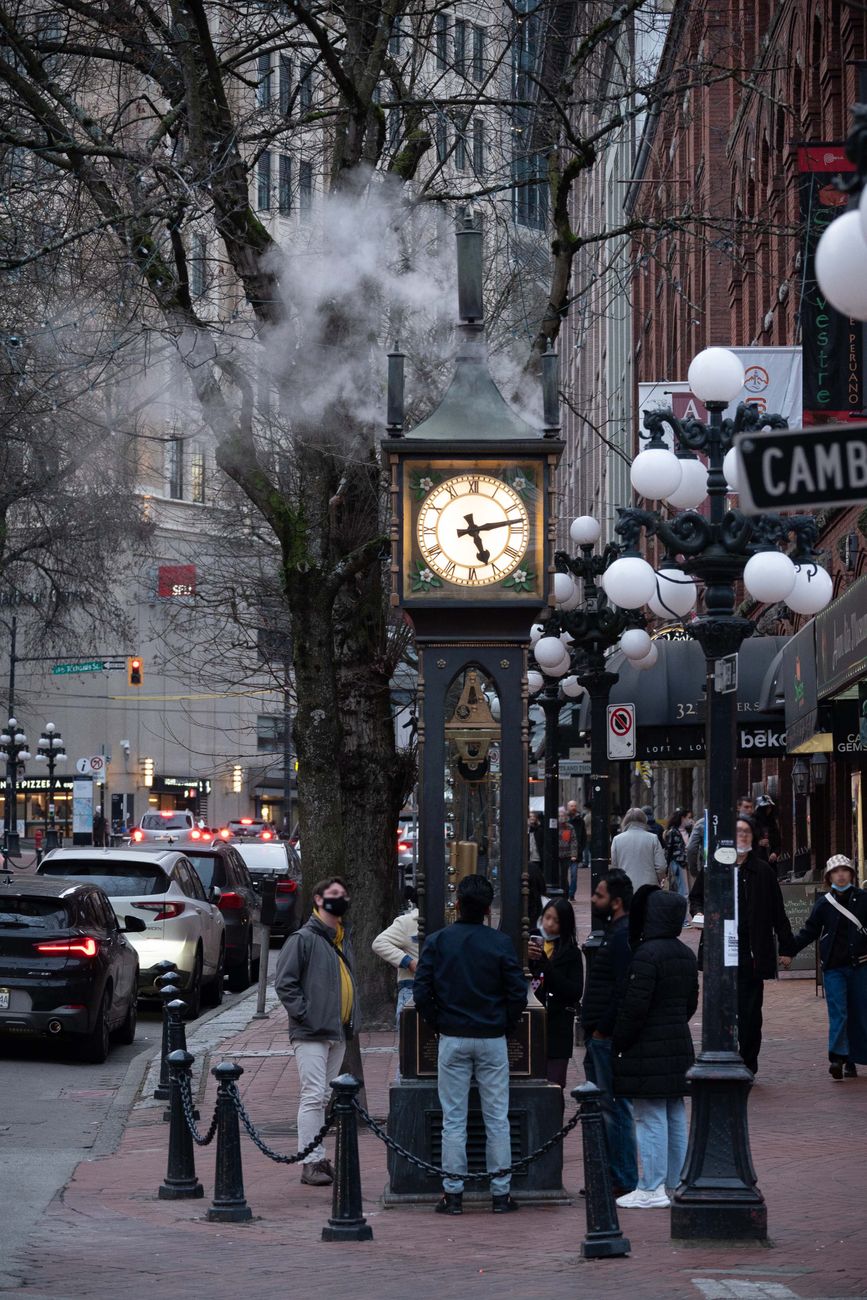
Gastown & Chinatown
– Best for: design-minded travelers and nightlife. Close to restaurants, galleries and the Steam Clock.
– Practical notes: cobblestones can be noisy; choose a room away from the main street if you need sleep.
Kitsilano & Jericho
– Best for: longer stays, beach time, and families seeking quieter, local neighborhoods.
– Practical notes: fewer large hotels, more rentals and small inns—great for supporting local hosts.
Mount Pleasant & Commercial Drive
– Best for: budget and authentic local scenes, independent cafes and thrift shops.
– Practical notes: good SkyTrain and bus access; more residential rhythm than tourist bustle.
Local Context
Seasonality and crowds
– Summer (June–August): brightest weather but the busiest — book well in advance for hotels and ferries. Expect prices to be highest and attractions to be crowded.
– Shoulder seasons (April–May, September–October): often the best combination of lighter crowds, lower rates, and accessible trails. Bring rain layers.
– Winter (November–March): milder than many Canadian cities but rainy; some outdoor services reduce hours.
Transport realities
– Canada Line (rapid transit) links downtown Waterfront/Waterfront Canada Place to Vancouver International Airport in ~25 minutes. It’s the fastest airport option.
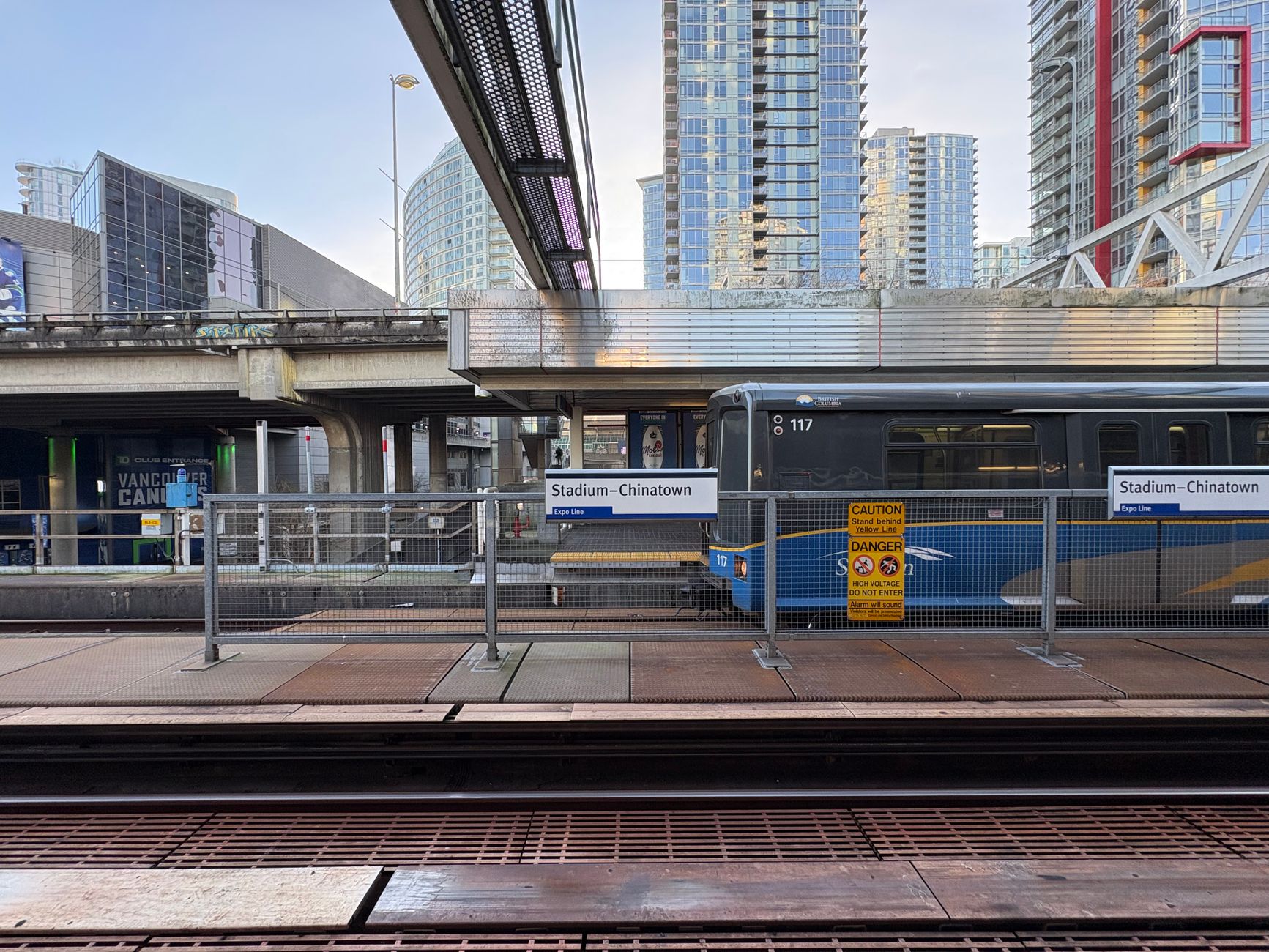
– SkyTrain (Expo and Millennium lines) connects east/west neighborhoods quickly; use it to reach Surrey and Burnaby suburbs.
– SeaBus runs from Waterfront to Lonsdale Quay (North Vancouver); from there you can access Capilano and Grouse Mountain shuttles.
– Driving: parking in downtown is expensive; if you plan Vancouver-only activities, consider leaving the car at home and using transit and bikeshare.
Local etiquette and culture
– Tipping: 15–20% in sit-down restaurants. Small cafés may accept cashless payments and rounding up.
– Respect green spaces and wildlife: keep dogs leashed in certain park areas, and do not feed wildlife in Stanley Park.
– Indigenous presence: recognize local Musqueam, Squamish and Tsleil-Waututh territories and prefer Indigenous-led tours and artists when possible.
How to Choose Well
Start with your priorities: minimize transit time, maximize green space, or support neighborhood businesses.
Practical checklist:
– Map it to your 3-day plan: prioritize neighborhoods that reduce backtracking to key stops in the 3 days in Vancouver itinerary.
– Check transit options: make sure your neighborhood has a nearby SkyTrain, bus or SeaBus stop if you plan to avoid driving.
– Book timing based on season: reserve 3–6 months ahead for summer and big events; 2–4 weeks can work in shoulder seasons.
– Lodging type: prefer small locally owned hotels, B&Bs, or certified eco-hotels to keep spending local and reduce footprint.
– Cancellation policy: choose refundable or flexible rates if your dates could change; non-refundable rates can be good value off-season.
Accessibility and families:
– Look for ground-floor rooms or buildings with elevators if mobility is a concern.
– Kitsilano, West End and Coal Harbour are easiest for families due to parks, beaches and short walks.
Responsible and Local-First Tips
Support local businesses and reduce impact:
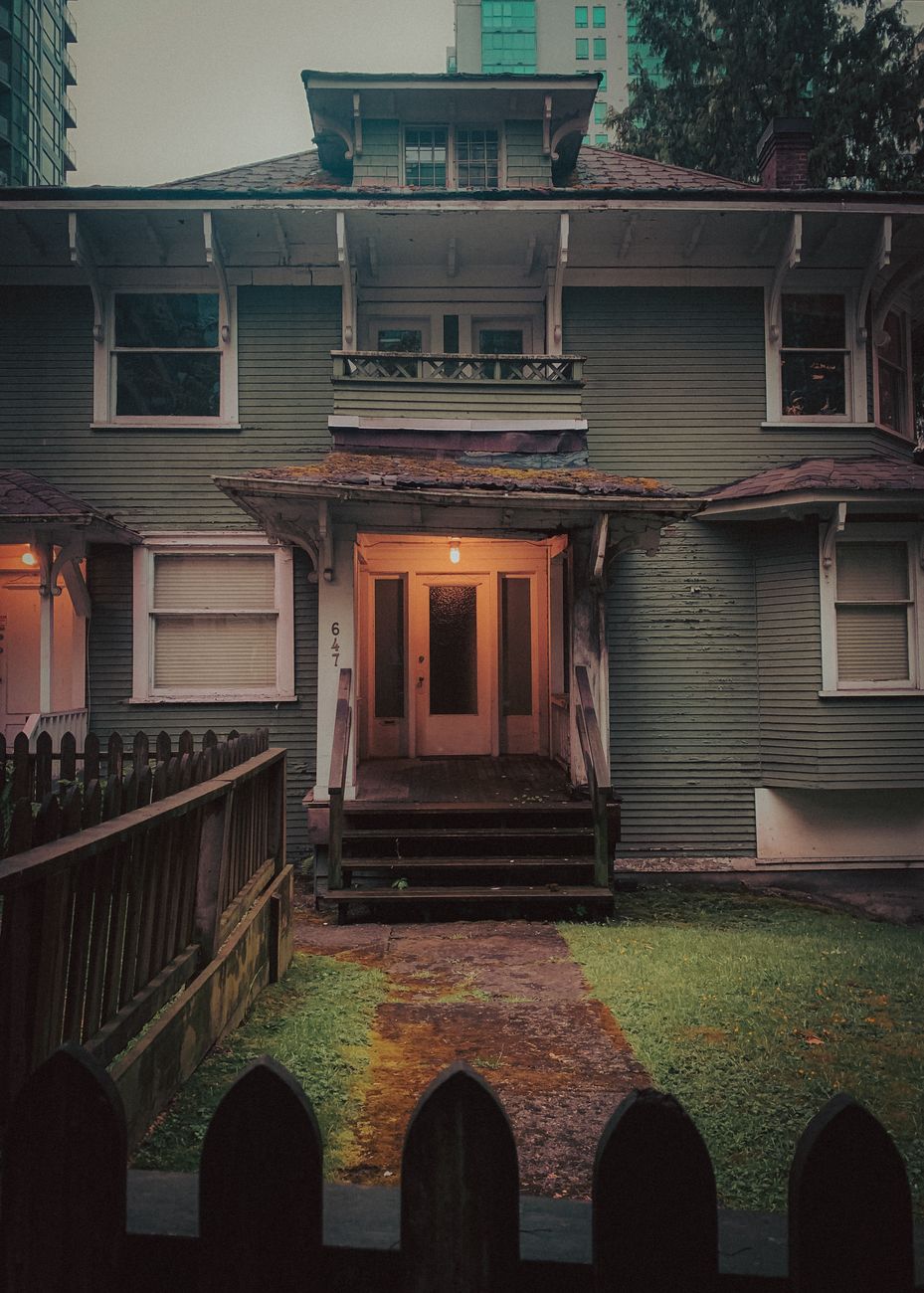
- Choose locally owned accommodations and neighbourhood restaurants rather than chain hotels downtown.
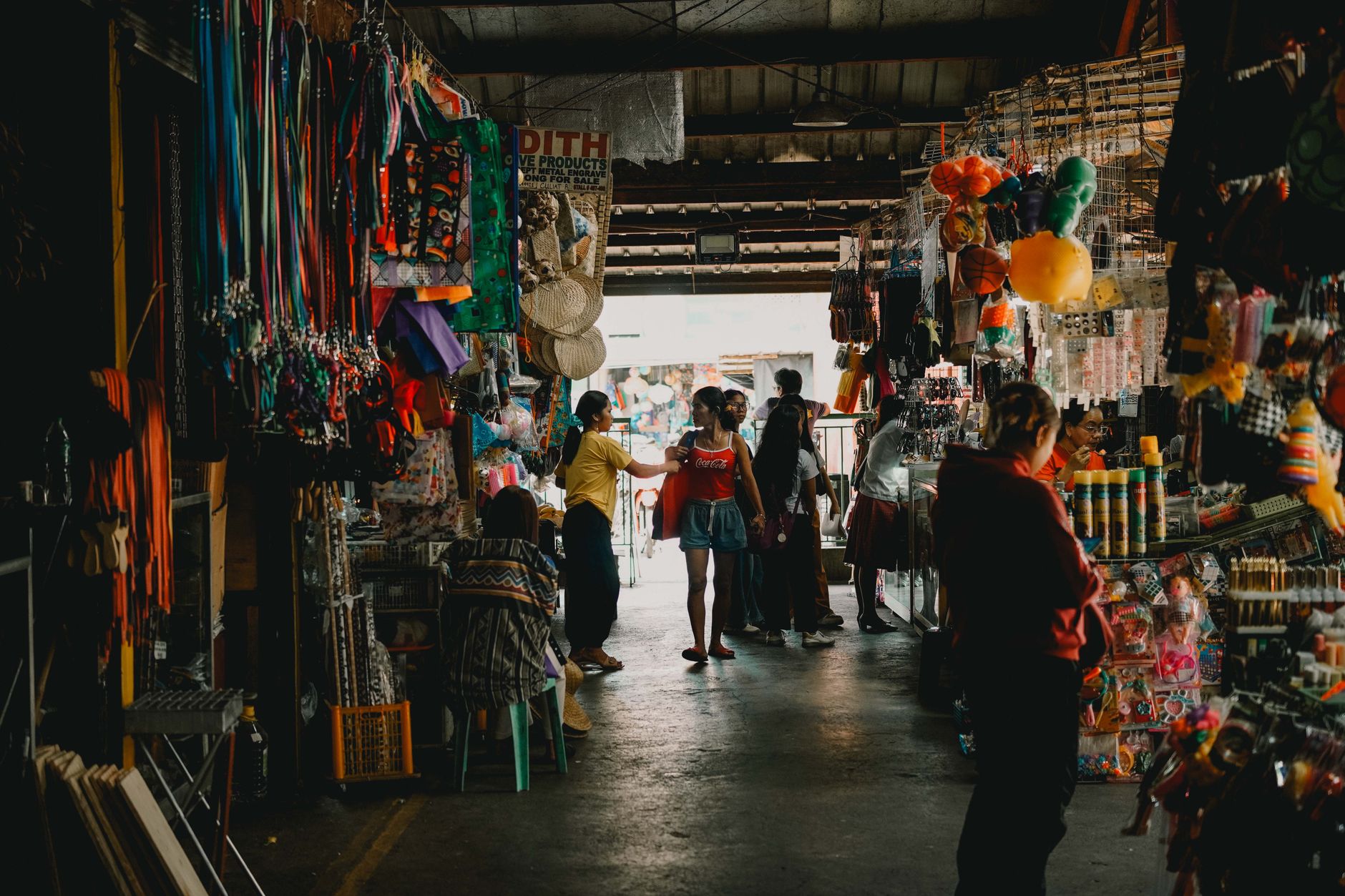
- Buy meals and souvenirs from small vendors like Granville Island Public Market and local farmers markets.
- Use public transit, walk, or rent a bike from Mobi by Shaw instead of driving; this reduces congestion and parking demand.
- Prefer Indigenous-guided experiences and purchase art or tours from Indigenous artists and organizations.
- Travel in shoulder seasons to ease pressure on popular trails and attractions; use off-peak ferries and tours.
- Pack reusable items: water bottle, coffee cup, and shopping bag to avoid single-use plastics.
Booking and cancellation advice for sustainability:
– If you plan to stay longer, consider apartment rentals that spread economic benefit across neighborhoods.
– Ask hotels about their energy, water and waste practices before booking.
Common Mistakes to Avoid
- Booking the cheapest downtown room without considering transit or noise — cheaper can cost you time and comfort.
- Underestimating travel time to the airport or to ferry terminals; Canada Line is fastest but plan extra time for check-in when flying to Victoria or Kelowna.
- Expecting car parking to be cheap or handy in central neighborhoods; if you drive, budget for daily parking fees or pick a hotel with confirmed parking.
- Assuming every attraction runs year-round — check seasonal hours for ferries, Granville Island vendors and outdoor attractions.
- Ignoring local events: conventions, concerts, and Pride/Fireworks weekends can make central neighborhoods busier and pricier.
- Not checking accessibility or elevator availability in older buildings, especially for families or travelers with mobility needs.
FAQ
Where should I stay for a compact 3-day Vancouver itinerary?
Stay in Downtown/Coal Harbour or the West End for easy walking access to Stanley Park, Canada Place and the Waterfront SeaBus; Yaletown is a nearby alternative with excellent dining and bike access to False Creek.
Is it better to rent a car in Vancouver?
For a 3-day city-focused visit, no — public transit, walking and bikeshare cover most needs. Rent a car if you plan day trips outside the region (e.g., Kelowna or extended road trips).
How do I get from YVR (Vancouver Airport) to downtown quickly?
The Canada Line SkyTrain takes about 25 minutes from YVR to Waterfront Station in downtown Vancouver and is the most reliable option during peak traffic.
Which neighborhood is best for families with kids?
West End and Kitsilano are family-friendly with beaches, parks and calmer streets. Coal Harbour also works if you want close access to attractions and the aquarium.
Are there sustainable accommodation options in Vancouver?
Yes — look for locally owned B&Bs, small hotels with environmental policies, and larger hotels with recognized sustainability certifications. Ask about energy, waste and local sourcing before you book.
Can I easily take a day trip to Victoria from downtown Vancouver?
You can take a seaplane from downtown’s harbour for a quick trip, or drive/take transit to Tsawwassen ferry terminal for a larger vehicle ferry to Swartz Bay. Book ferries and flights in advance during peak season.
When should I book to get the best rates?
Book 3–6 months ahead for summer and major events; 2–4 weeks ahead is usually fine in shoulder seasons. Choose flexible rates if your dates might change.
Conclusion
Pick a neighborhood that minimizes wasted transit time for your planned days and supports the kind of local experience you want—whether that’s quieter Streets in Kitsilano, the central convenience of Coal Harbour, or the independent character of Mount Pleasant.
Use the 3 days in Vancouver guide to sequence your days from your chosen base, and consult linked pages when planning extensions to Richmond, Surrey, Victoria, Kamloops or Kelowna. Book smarter in shoulder seasons, favor local hosts and transit-first options, and you’ll leave more of your travel spend in Vancouver’s neighborhoods.
How this guide was prepared
This guide was prepared through a structured research that combines destination research, geographic context, itinerary planning logic, and content review.