
Mumbai travel budget — realistic daily costs and money-saving tactics
Practical Mumbai daily budgets with specific INR and USD figures, transit tips (UTS, Metro card), food costs, and 5+ money-saving tactics for smart planning.
Daily budget breakdowns for Mumbai (budget, mid-range, comfortable), transit passes, food costs, tipping norms, and local money-saving tactics tied to neighborhoods and apps.
Mumbai travel budget?
Expect to budget roughly ₹2,000–₹5,500 per day depending on style: budget travellers can manage on about ₹2,000/day, mid-range around ₹3,500–₹5,000, and a comfortable stay ~₹6,500+/day. Use the UTS app for local train tickets and a Mumbai Metro smartcard to save time and avoid queues.
Who This Page Is For
Useful for solo travellers, couples, and small groups planning a short Mumbai trip who need concrete daily budgets and transport tips. Not aimed at long-term commuters or business travellers with corporate accommodations.
Key Takeaways for Mumbai
- Budget travellers: plan ≈ ₹2,000 per day (₹800 accommodation, ₹300 food, ₹150 transport, ₹300 attractions, ₹450 incidentals)
- Mid-range travellers: plan ≈ ₹3,500–₹5,000 per day (₹2,000–₹3,500 accommodation)
- Comfortable travellers: plan ≈ ₹6,500+ per day (hotel ₹6,000+, taxis/ride-hail ₹300–600/day)
- Must-have apps/passes: UTS app for local trains, Mumbai Metro smartcard, m-Indicator for schedules and BEST bus info
How This Page Was Prepared
This page was prepared through a structured editorial workflow that combines destination research, geographic context, and practical travel-planning review.
Plan the Rest of Your Trip
Use this page together with the full itinerary and the related planning pages below to make better booking, timing, transport, and budget decisions.
A practical per-day figure for a typical visitor is roughly ₹2,000 for budget travel, ₹3,500–₹5,000 for mid-range, and ₹6,500+ for a comfortable stay. Budget split example: accommodation ₹800, food ₹300, transport ₹150, attractions ₹300, incidentals ₹450. Use the UTS app to buy local train tickets and a Mumbai Metro smartcard for lines such as Line 1 (Versova–Ghatkopar) to avoid token queues and save minutes daily. Expect street food like vada pav or pav bhaji for ₹40–₹150, and a decent casual diner meal for ₹300–₹700.
This page answers one practical question: how much money should a visitor plan to spend per day in Mumbai, and how to keep costs realistic without missing the city’s critical experiences. Many travellers underestimate how cheap local transport and street food can be, then overspend on taxis and dinner at tourist restaurants. Others forget the seasonal impact on costs: monsoon months (June–September) reduce outdoor sightseeing and sometimes force last-minute taxi rides during heavy rain. Crowds during Ganesh Chaturthi (Aug–Sep) and major festivals increase hotel rates in Colaba and Bandra, while weekdays see cheaper mid-week hotel deals.
What This Page Helps You Decide
This page helps choose daily budget targets, whether to buy transit passes, which neighbourhoods to prioritize for lodging, and which money-saving tactics are worth the time. Decisions covered include: whether to stay in Colaba (close to Gateway of India) versus Bandra (more food options), whether a daily taxi budget is necessary or local trains can handle most trips, and whether to buy a monthly/season ticket or rely on single-trip purchases via the UTS app. The guidance also helps decide when to allocate money for paid sights such as Elephanta Caves (ferry plus entry) and Chhatrapati Shivaji Maharaj Vastu Sangrahalaya museum.

Top Recommendations
Daily budget breakdowns (prices in INR with approximate USD conversions at ₹83 = $1 for orientation). Budget traveler (basic guesthouse/hostel): accommodation ₹600–₹1,200 (≈ $7–$15), food ₹250–₹450 (street meals, local cafes ≈ $3–$6), local transport ₹100–₹250 (local trains, BEST buses ≈ $1–$3), attractions ₹200–₹500 (elephanta ferry or museum visits ≈ $2–$6), incidentals ₹350–₹600 (SIM, bottled water, small purchases). Total ≈ ₹2,000/day (≈ $24). Mid-range traveler (3-star hotel or private apartment): accommodation ₹2,000–₹4,000 (≈ $24–$48), food ₹500–₹1,000 (mix of restaurants ≈ $6–$12), transport ₹200–₹400 (mix of Metro, local train, occasional auto/auto-rickshaw ≈ $2–$5), attractions ₹400–₹800, incidentals ₹400–₹700. Total ≈ ₹3,500–₹5,000/day (≈ $42–$60). Comfortable traveler (4-star+ hotels, taxis): accommodation ₹6,000+ (≈ $72+), food ₹1,000–2,500, transport ₹400–1,000 (frequent Ola/Uber ≈ $5–$12), attractions and guided experiences ₹1,000+, incidentals ₹800+. Total ≈ ₹6,500+/day (≈ $78+).
Money-saving tactics tied to Mumbai:
– Use the UTS app (Indian Railways) for local train tickets; e-tickets reduce queues and often avoid cash surcharges. Buy return tickets where offered.
– Get a Mumbai Metro smartcard for repeated Metro Line 1 trips and to skip token lines at Versova, Andheri and Ghatkopar.
– Use m-Indicator for local train schedules and platform numbers to avoid missed trains and wasted taxi fares.
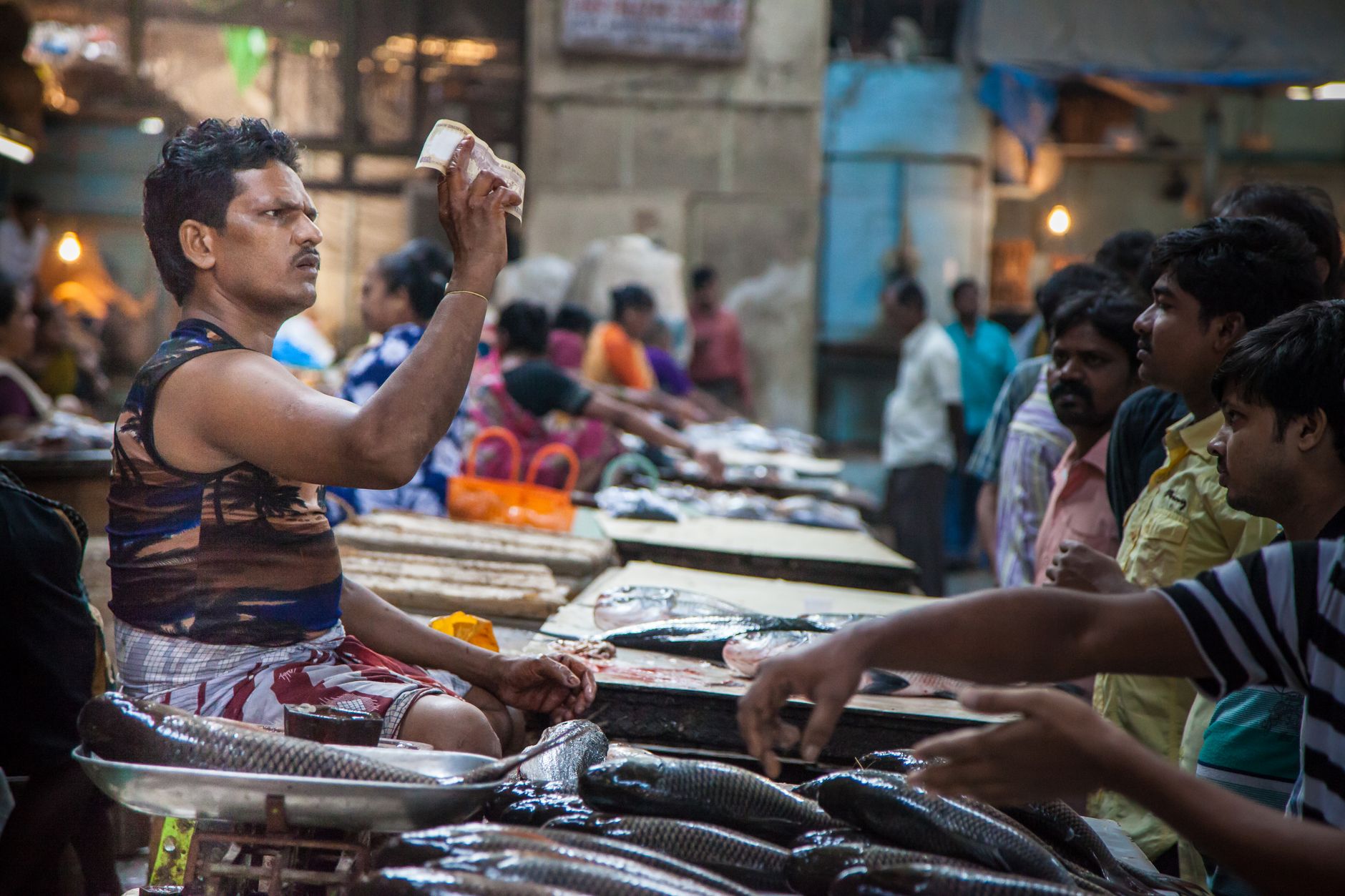
– Buy produce and snacks at Crawford Market or Agripada fruit stalls instead of convenience stores to cut food costs.
– Shop clothing or bargains at Chor Bazaar or Linking Road (Bandra) rather than tourist shops in Colaba.
– Travel by BEST bus (fares typically ₹10–₹30) for many routes; check the BEST app or m-Indicator for route maps.
– Visit free public sights: Marine Drive, Gateway of India promenade, Flora Fountain, and Haji Ali Dargah (entry free) to balance paid activities.
Tipping norms: restaurants often add a 5–10% service charge; if no service charge is listed, tip 5–10% for table service. For small bills at street stalls tipping is not expected. Porters and bellhops: ₹20–₹100 depending on luggage; housekeeping ₹50–₹200 per night is appreciated for multi-night stays. For taxi or auto-rickshaw rounds, rounding up to the nearest ₹10–₹20 is normal unless service is exceptional.
Local Context
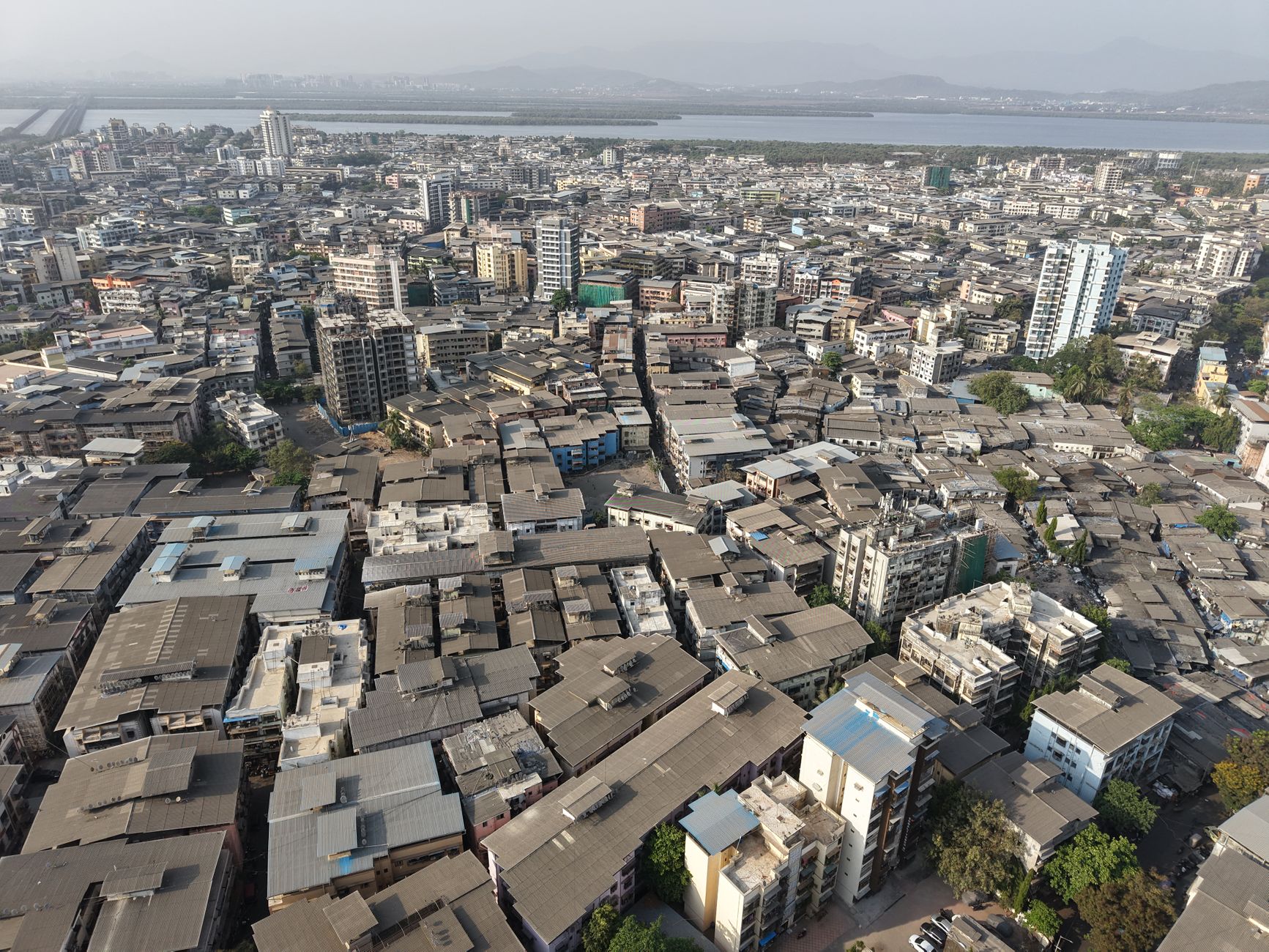
Neighborhood differences affect budgets and choices. Colaba (south Mumbai) is walkable between Gateway of India, Colaba Causeway shops and cafes; expect higher room rates and tourist prices for goods on Colaba Causeway. Bandra and Juhu have more varied dining and mid-range hotel supply; Bandra West has guesthouses and boutique hotels that are often cheaper than Colaba for similar quality. Fort and Kala Ghoda have museums and galleries; rooms here can be compact but central. Suburban stays in Andheri or Goregaon give lower nightly rates but add 40–60 minutes travel to south Mumbai during peak hours.
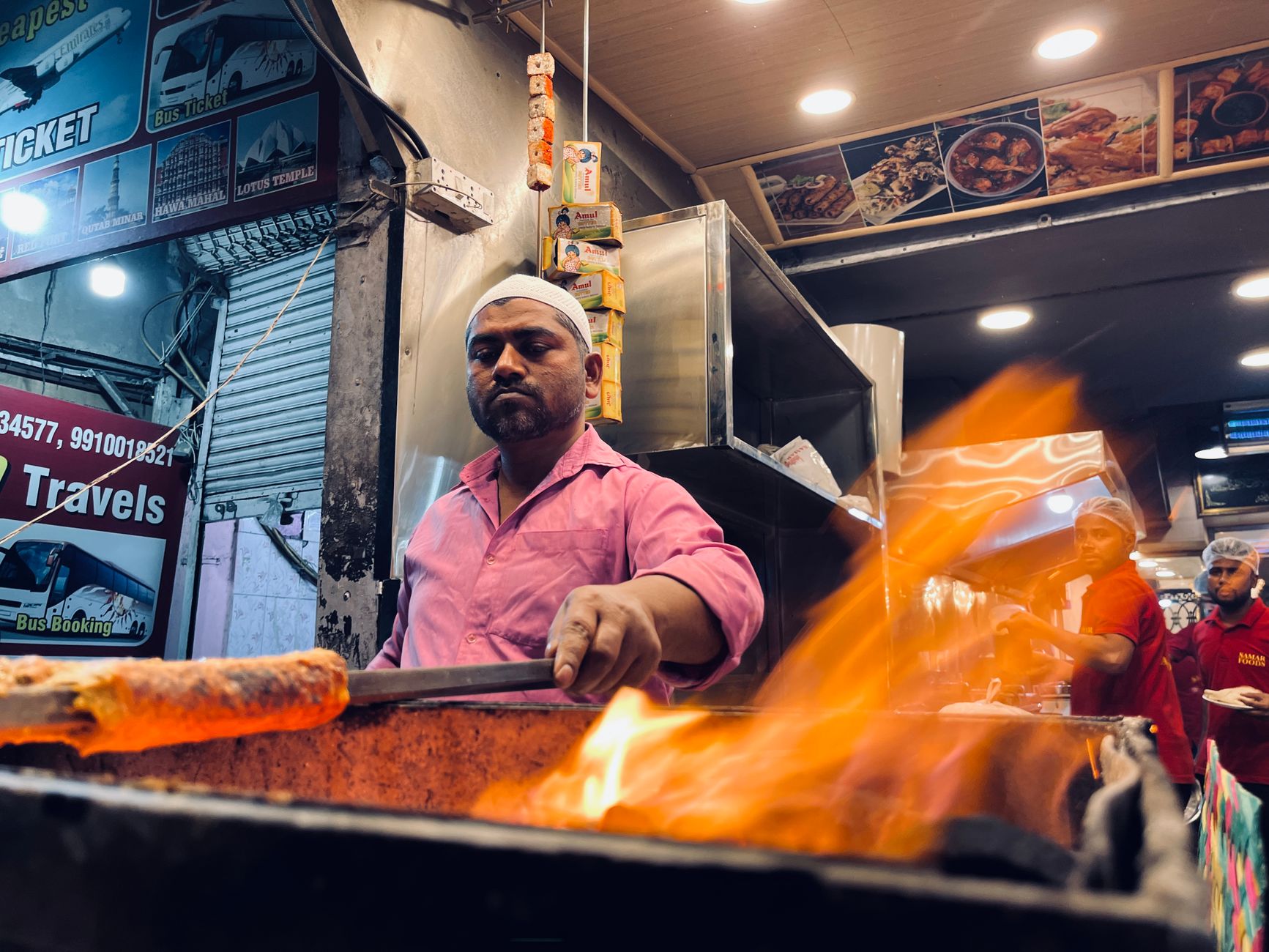
Seasonal realities change costs and plans. Monsoon (June–September) brings heavy rain, occasional local train delays, and higher demand for last-minute taxis during storms. Peak visitor months are November–February with cooler weather and higher hotel occupancy; book early for December and major festivals. Daily commute patterns matter: local trains carry commuters 07:00–10:30 and 17:00–20:30, so rely on Metro or buses during those times if not comfortable with crowded locals. For food, expect street vendors selling vada pav, pav bhaji, kebabs and bhel puri; street prices are commonly ₹40–₹150 per item.

How to Choose Well
Decide accommodation by trade-offs between location and cost. If most sightseeing is in south Mumbai (Colaba, CST, Marine Drive), staying in Colaba saves taxi time but costs more per night; a Bandra or Andheri base can save ₹1,000–₹3,000 per night but adds travel time. Choose based on planned activities: museums and Gateway of India recommend south stays; nightlife and restaurants recommend Bandra.
Choose transport by trade-offs of time versus comfort. Local trains are fastest and cheapest for cross-city travel but are crowded during peak hours; use UTS and stand on the right for quick exits. Metro Line 1 connects Versova, Andheri and Ghatkopar — ideal for east-west travel with air-conditioned cars. BEST buses are cheap (₹10–₹30) but slower; autos and ride-hail (Ola, Uber) cost more (typical inner-city fares start ≈ ₹80–₹150) and offer door-to-door convenience. For groups, splitting a taxi can be cost-effective after 2–3 rides in a day.
Choose when to pay for attractions. Elephanta Caves requires a ferry from Gateway of India (plan ₹200–₹350 roundtrip ferry depending on operator) and a 45–60 minute visit. Museums such as Chhatrapati Shivaji Maharaj Vastu Sangrahalaya have modest entry fees; pick one or two paid sights and balance the rest with free walks: Marine Drive, CST exterior, and Chowpatty beach.

Responsible and Local-First Tips
Support local vendors and small businesses when possible. Eat at family-run eateries such as Bademiya (Colaba) or Cannon Pav Bhaji stalls rather than international chains for authentic food money that stays local. Buy souvenirs from Crawford Market stalls or Linking Road street sellers rather than imported trinket shops on Colaba Causeway.
Reduce environmental impact and respect local norms. Carry a reusable water bottle and refill where safe; many hotels provide filtered water. Avoid single-use plastics at beach areas like Juhu and Girgaum Chowpatty; local beach clean-up groups sometimes post events on social media. Tip according to local expectations: give porters and housekeeping small cash amounts (₹20–₹100) rather than only digital tips.
Use local transport responsibly. Use local trains and BEST buses instead of multiple short taxi trips to reduce congestion and emissions. When hiring guides or drivers for full-day trips, confirm rates in advance and use registered operators when booking ferry trips to Elephanta to ensure safety and fair pricing.
Common Mistakes to Avoid
Mistake 1: Over-budgeting for taxis. Many itineraries that stick to south Mumbai can be efficiently done by foot, Metro Line 1 and short local train hops costing ₹10–₹60 each. Relying on taxis for every journey can double transport spending.
Mistake 2: Underestimating monsoon disruptions. Heavy rains can force long waits, cancelled ferries to Elephanta, and sudden taxi demand spikes that increase fares. Check weather forecasts and leave buffer time for transfers during June–September.
Mistake 3: Booking the cheapest room without reading recent reviews. Cheap rooms in older buildings can have issues with humidity, punctual power cuts, or intermittent hot water during monsoon season. Read recent guest reports about plumbing and air-conditioning and confirm cancellation or rebooking rules.
FAQ
How much does a typical taxi or Ola ride across south Mumbai cost?
Short rides within south Mumbai (Colaba to Churchgate or Fort) typically cost ₹120–₹250 depending on traffic; Ola and Uber show estimated fares before booking.
What is the cheapest reliable daily transport pass for visitors?
For tourists using local trains frequently, buy tickets via the UTS app; for multi-day Metro use, a Mumbai Metro smartcard reduces time spent in token queues. Regular commuters can buy weekly or monthly season tickets from suburban railway counters.
How much should a visitor budget for food per day?
Street food and casual meals can be ₹250–₹600/day; mid-range dining raises the daily food budget to ₹500–₹1,200. A single meal at a mid-range restaurant typically costs ₹300–₹800.
Are there free attractions worth visiting?
Yes. Marine Drive, Gateway of India (exterior), Haji Ali Dargah (entry free), and the CST station exterior are free. Walking Fort and Kala Ghoda area is free and suited for self-guided exploration.
When is it cheapest to visit Mumbai for lower hotel rates?
June–September often has lower hotel base rates because of monsoon, but weather can disrupt plans. For good weather and lower crowds, consider March–May shoulder months, booking early for December and festival periods.
How much cash should a traveller carry daily?
Carry ₹500–₹1,500 in small denominations for street food, small purchases, rickshaws, and tips; larger payments (hotels, restaurants) accept cards and UPI apps.
Is it necessary to buy travel insurance for Mumbai?
Travel insurance is recommended to cover medical evacuation, theft, and weather-related trip disruption especially during monsoon months.
Conclusion
The single most important thing to remember: most savings in Mumbai come from choosing local trains and buses over taxis, and from picking the right neighbourhood for nightly rates versus travel time. For a three-day visit, balance one paid sight such as Elephanta Caves with free walks along Marine Drive and a food walk in Colaba or Bandra to keep daily costs near the mid-range estimate. For full step-by-step planning and a sample 3-day itinerary that fits the budgets above, consult the companion 3 days in Mumbai guide.
How this guide was prepared
This guide was prepared through a structured research that combines destination research, geographic context, itinerary planning logic, and content review.