

Norwich in 3 Days: Practical Itinerary, Costs & Tips
Three-day practical guide to Norwich: realistic itineraries, transport advice, ticket costs and honest local tips for a weekend or short break.
A straight-talking 3-day plan for Norwich that balances the cathedral and castle core with riverside walks, independent shops in the Lanes, and a day outside the centre.
A walk into the central streets gives a clear first impression: tight medieval lanes flanked by shopping streets and a river that threads gardens and warehouses. The scale is human; distances between the cathedral, castle and Market Place are easily walkable, but the city also functions as a regional transport hub with busy buses and a working rail station. Expect a mix of students, local shoppers and day visitors from the surrounding counties, which keeps cafés and independent shops open later than in similar-sized towns. Noise levels around major streets and Market Place can be high at midday on Saturday, while side streets such as Elm Hill are comparatively calm.
Is 3 days in Norwich enough?
Three days gives enough time to cover the cathedral, castle, Norwich Market and the Lanes, plus one neighbourhood and a short riverside walk. One honest caveat: a relaxed visit to the Sainsbury Centre, a Broads trip, or a full theatre evening will need to be sacrificed unless morning starts and fast travel are accepted.
Who This Guide Is For
Best for travellers who like compact city walking, independent shops, and short cultural stops; not ideal for those seeking a long coastline holiday or a slow countryside retreat. Budget travellers can do well on public buses; food-focused visitors should budget for at least one higher-end meal.
Local Tips for Norwich
Practical details that most travel sites skip — specific to Norwich.
- Norwich Market on the Market Place runs daily; many produce stalls close around 4–5pm, and the market is busiest 09:00–13:00 on Saturdays.
- Buy First Bus mobile tickets through the First Bus app or contactless on board; single fares are about £2.50, and First DayRider tickets are roughly £5–6 for unlimited city travel.
- Norwich railway station connects with Greater Anglia services to London Liverpool Street, Cambridge and Ipswich; book advance rail fares online via the Greater Anglia app for better prices.
- Cathedral tower climbs (Norwich Cathedral) operate on set days and usually require a timed ticket; climb tickets are commonly around £8–12 for adults—check the cathedral website before arrival.
- The Sainsbury Centre for Visual Arts at the UEA usually has free entry to the galleries (special exhibitions may charge), and buses 11/12 from the city centre run regularly to the Campus.
How This Guide Was Prepared
This guide treats Norwich as a compact working city with medieval streets, an active market culture, and a strong university presence—not a museum-only stop. Many guides overfocus on a handful of attractions; this one mixes practical movement across neighbourhoods, realistic meal stops, and notes about opening times and transport that often trip up visitors. This guide was prepared through a structured research that combines destination research, geographic context, itinerary planning logic, and content review.
Plan Your Stay in Norwich
Use this itinerary as your starting point, then compare areas to stay, transport options, seasonal timing, and realistic daily costs before booking.
Why Visit
Three concrete reasons stand out. First, the two dominant landmarks—the Cathedral and the Castle—sit near each other and present two different experiences: the cathedral offers architecture and a garden walk, while the castle combines a keep, local history displays and often rotating exhibitions. Second, the Lanes and independent shops around St Benedict’s Street and Gentleman's Walk provide an unusually dense cluster of local retailers and cafés in a small area, making for efficient shopping without long travel. Third, the city is a practical base for short excursions: the Broads and Great Yarmouth are reachable by local bus or train, and the University of East Anglia campus with the Sainsbury Centre is one direct bus ride away. These factors make the place especially useful for visitors who prefer compact days with easy transport links.

Quick Planning Tips
Arrive via Norwich railway station for the fastest city access from London; Greater Anglia trains run from London Liverpool Street and Cambridge, and booking in advance saves money. From Norwich Airport, a taxi into the city centre typically costs around £15–£25; P&R services are limited so expect a short taxi or bus transfer. Carry contactless payment for buses and shops; most places accept cards but some market stalls and smaller cafés prefer cash or exact change. One planning mistake to avoid: assuming all galleries and tower climbs are open daily—check websites and book timed tickets for Norwich Cathedral tower and any special castle exhibitions.

Day 1
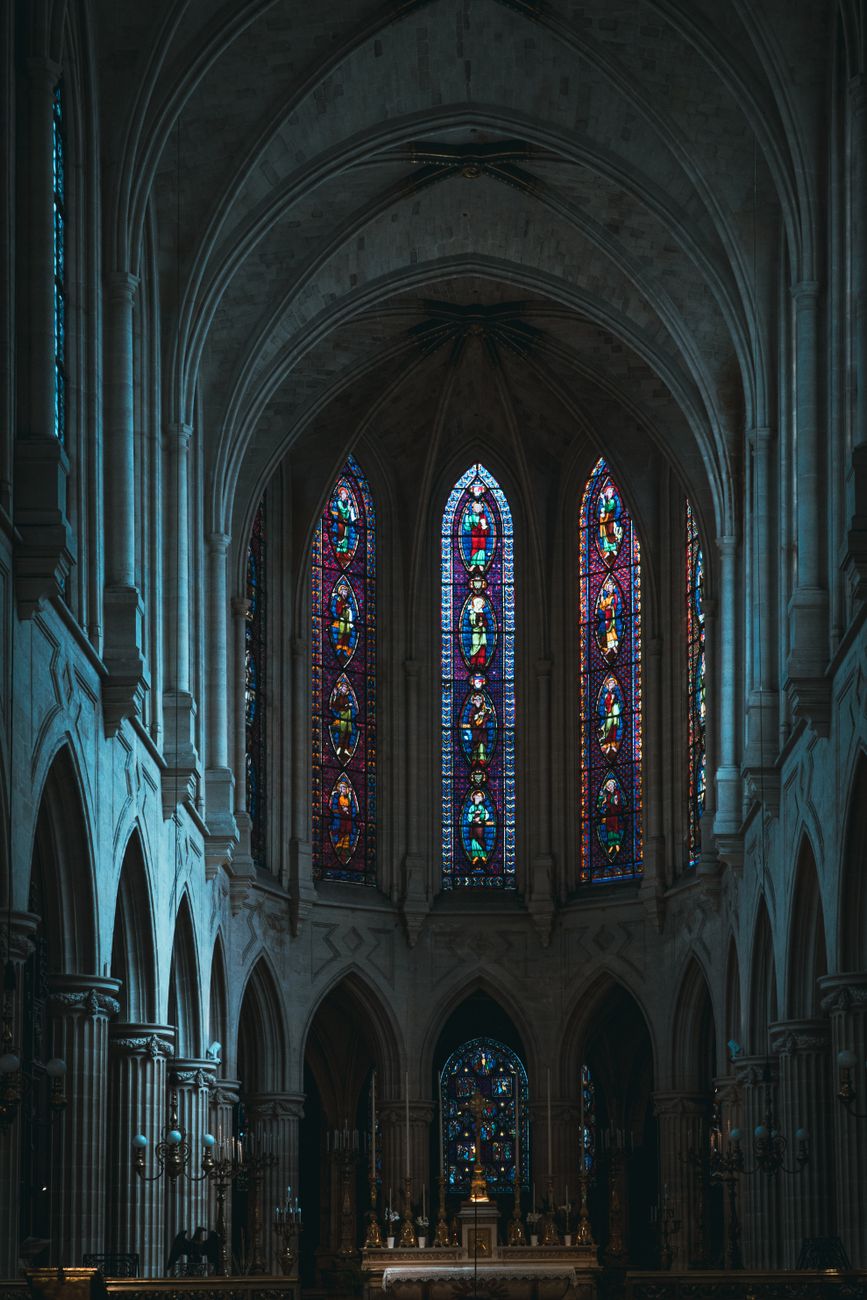
Morning: Start at Norwich Cathedral on Cathedral Close. Allow 60–90 minutes for the nave, cloisters and, if available, the tower climb with a timed ticket; walking from Norwich station to the cathedral is about 15–20 minutes or a short taxi. Midday: Walk the short distance (5–7 minutes) to the Market Place and explore Norwich Market stalls; choose a Cromer crab sandwich or bakery stall for lunch at one of the covered stalls. Afternoon: Head to Norwich Castle Museum & Art Gallery on Castle Meadow (5–8 minutes on foot from the Market). Allocate 90 minutes to two hours to see the keep and local history displays; check current admission pricing as special exhibitions often add a cost. Late afternoon: Wander the Lanes—St Benedict’s Street, Timber Hill and Gentleman's Walk—browsing independent shops and cafés. Dinner: Book a table at Benedicts or a similarly well-reviewed local restaurant near St Gregory’s Plain for a higher-end dinner experience; expect mains from about £18–£30. Evening: Finish with a short riverside walk along the River Wensum toward Pull's Ferry; the walk from the castle takes 10–15 minutes and is a good way to dampen daytime crowds.
Day 2
Morning: Catch a bus or walk to the University of East Anglia (UEA) and the Sainsbury Centre for Visual Arts; bus 11/12 runs regularly and takes about 20–30 minutes from the city centre. The Sainsbury Centre often has free general admission; spend 60–90 minutes on galleries and the river-edge grounds. Midday: Return to the city and head to Elm Hill for lunch at a café; Elm Hill is a 10‒15 minute walk back toward the Market Place and has several local cafés with traditional lunches. Afternoon: Spend the afternoon in Eaton Park for open green space, a boating pond and local leisure facilities; the park is 25 minutes on foot from the Market or a short bus ride on local routes. Alternatively, choose a guided boat or Broads-focused afternoon if the weather permits—book in advance and allow 3–4 hours for a short Broads cruise from nearby Wroxham if that is the choice. Evening: Catch a performance at the Theatre Royal or a gig around Tombland; theatres are within a 10–15 minute walk of the Market, and booking ahead is recommended for popular shows.
Day 3
Morning: Check out of accommodation and leave luggage at a vetted left-luggage service or hotel if possible. Head to Strangers' Hall or the St Andrew’s Hall area for a morning focused on Tudor and civic history; both are within a 10–15 minute walk from the Market Place. Midday: Make a final visit to the Market for takeaway food—local cheese, Cromer crab or an artisan pie are practical options for a picnic near the river. Afternoon: If a flight or train is scheduled that afternoon, allow at least 75–90 minutes from city centre to Norwich Airport by taxi or 20–30 minutes to the railway station plus check-in time for trains. For travellers with a later flight, take a 20–25 minute walk along the Riverside Walk to Cow Tower and Pull’s Ferry for last-minute photos and a calm end to the visit. Practical note:always leave buffer time for weekend bus or rail service changes and book airport transfers ahead on busy travel days.

Best Local Experiences
Norwich Market (Market Place): one of the largest open-air markets in the country and the best place for local seafood and baked goods; arrive early on Saturday for peak range. The Norwich Lanes: independent shops concentrated around St Benedict’s Street and Tombland offering specialist retailers, record shops and independent bookshops. Cathedral Close events: seasonal choral services and occasional evening concerts inside Norwich Cathedral; check the cathedral events calendar. Sainsbury Centre and UEA campus: museum-quality modern art with riverside walks and straightforward bus access. Eaton Park: a large civic park with a boating pond and regular local events, ideal for a low-cost afternoon. Additional options: a short organised Broads boat trip from Wroxham for nature and waterways, and a visit to the Plantation Garden at Magdalen Street for a restored Victorian public garden.

Where to Stay
City Centre (Market Place, Haymarket): suits first-time visitors who want to walk everywhere; close to major museums, Market Place and theatres. Expect mid-range nightly prices around £90–150 (approximately €105–175 / $115–200) depending on season and hotel grade. Riverside/Tombland: suits travellers who want riverside walks and quieter evenings; close to Pull’s Ferry and Cathedral Close. Expect similar mid-range pricing, roughly £80–140 per night (€95–165 / $100–190). Earlham/UEA area: suits visitors who want easy access to the Sainsbury Centre and a quieter suburban feel; good for families and those arriving by car. Budget to mid-range rooms here are commonly £60–100 a night (€70–120 / $75–130).
Food and Drink
Cromer crab: fresh brown crab from the Norfolk coast; available at market stalls and seafood restaurants such as Benedicts and The Assembly House; expect a crab sandwich or simple crab dish for around £6–12. Norfolk lamb: local roast or slow-cooked dishes at gastropubs in the Lanes and near the Market; mains typically £14–25. Woodforde's Wherry (beer): a Norfolk-brewed ale available at many local pubs; a pint costs roughly £3.50–4. Pukka pies and savoury pastries at market stalls: a quick street-food lunch option, usually £3–6. Full English/‘bacon butty’: common breakfast option available in Market Place cafés and local bakeries; expect £5–8. Recommended dinner: try Benedicts or a well-reviewed Lanes restaurant for local seafood and produce; mains from about £18 upward. Street-food note: Market vendors rotate, so arrive mid-morning for the greatest variety.
Getting Around
Public transit is almost entirely buses and trains. Greater Anglia runs rail services from Norwich station to London Liverpool Street, Cambridge and Ipswich; use the Greater Anglia app or Trainline for tickets. Local buses are operated mostly by First; download the First Bus app for mobile fares and real-time departures. Typical single bus fares are about £2.50 and a First DayRider for city travel is around £5–6. Park & Ride services operate from major approaches (Thickthorn and Harford) into the city centre on weekdays and weekends with regular buses. Taxi from Norwich Airport to the city centre is commonly £15–£25; pre-book during busy periods. Useful apps: First Bus, Greater Anglia, National Rail Enquiries and Google Maps for live connections.
Best Time to Visit
Late spring and early autumn (May–June and September) provide the most reliable balance of mild weather and fewer crowds; daytime highs typically range 14–18°C (57–64°F). July and August are warmest with highs around 18–22°C (64–72°F) but also busiest, especially in market areas and at outdoor events. Winter months (November–February) are quieter and cheaper; expect temperatures around 1–6°C (34–41°F) and shorter daylight, which reduces open hours for some attractions. For best value, target shoulder months when many cafés and galleries keep full hours but accommodation rates drop.
Budget and Practical Tips
Typical daily budget (mid-range traveller): accommodation £80–150, food £25–60, local transport £5–6, entry fees £5–20. Converted estimates: accommodation £80–150 ≈ €95–175 / $100–190; food £25–60 ≈ €30–70 / $32–76. Many museums and the Sainsbury Centre have free admission but special exhibitions and castle keep visits may charge £5–20. ATMs are widely available; cards are accepted across most cafés and shops but bring small cash for market stalls. Tipping: restaurants commonly add discretionary service; if service is not included, leaving 10–15% is appreciated but not mandatory. Practical time-saver: reserve major attraction time slots in advance on weekends and bank holidays.
FAQ
How safe is the city centre at night?
The city centre is generally safe with visible policing and busy streets near theatres and Market Place; normal urban precautions apply after midnight, especially near late-night bars.
Is there a city pass or tourist card worth buying?
There is no single widely used city pass that covers all sites; buy tickets for Norwich Castle or Cathedral tower climbs individually—only consider a multi-attraction pass if planning several paid exhibitions.
What is the best way to reach the city from London?
Trains from London Liverpool Street to Norwich with Greater Anglia take about 1 hour 50 minutes to 2 hours; book advance fares via the Greater Anglia app for better prices.
Can the main sights be walked in a day?
The main central sights (Cathedral, Castle, Market, the Lanes) are walkable in a day but expect a packed schedule and limited time inside each attraction.
Are museums free?
Many galleries such as the Sainsbury Centre have free entry; Norwich Castle and special exhibitions commonly charge—check online for current fees.
Are buses reliable for day trips to the Broads or coast?
Buses connect to local towns but schedules vary; for a Broads trip, book a short boat excursion from Wroxham or use specific river-boat operators rather than relying on infrequent buses.
Where is the best place to buy local seafood?
Norwich Market stalls and specialist fishmongers near the Market Place sell Cromer crab and local seafood; arrive in the morning for peak freshness.
Is cycling recommended?
Short cycling is fine and there are rental options around the university and some cycle lanes, but expect narrow cobbled streets in the historic centre which make walking easier.
Conclusion
A three-day stay delivers a clear sense of the city’s character: concentrated historic streets, a lively market rhythm and accessible cultural sites. The most memorable elements are the Market Place mornings, the cathedral precinct, and the compact Lanes clustered with cafés and independent shops. If time becomes tight, prioritise a morning at the cathedral and a midday Market visit; those two combine architecture, local food and the atmosphere that defines the visit. Travellers who leave time for a single neighbourhoodwalk will get a fuller picture than those who try to cover every museum exhibition.
How this guide was prepared
This guide was prepared through a structured research that combines destination research, geographic context, itinerary planning logic, and content review.