

Three Days in Vientiane: Practical 3-Day City Guide
A practical 3-day Vientiane itinerary covering sights, food, transport and realistic budgets for first-time visitors, with clear timing and local tips.
A clear, no-nonsense 72-hour plan for Vientiane that balances the major monuments, riverside life, markets and a day trip to Buddha Park — with realistic times and costs.
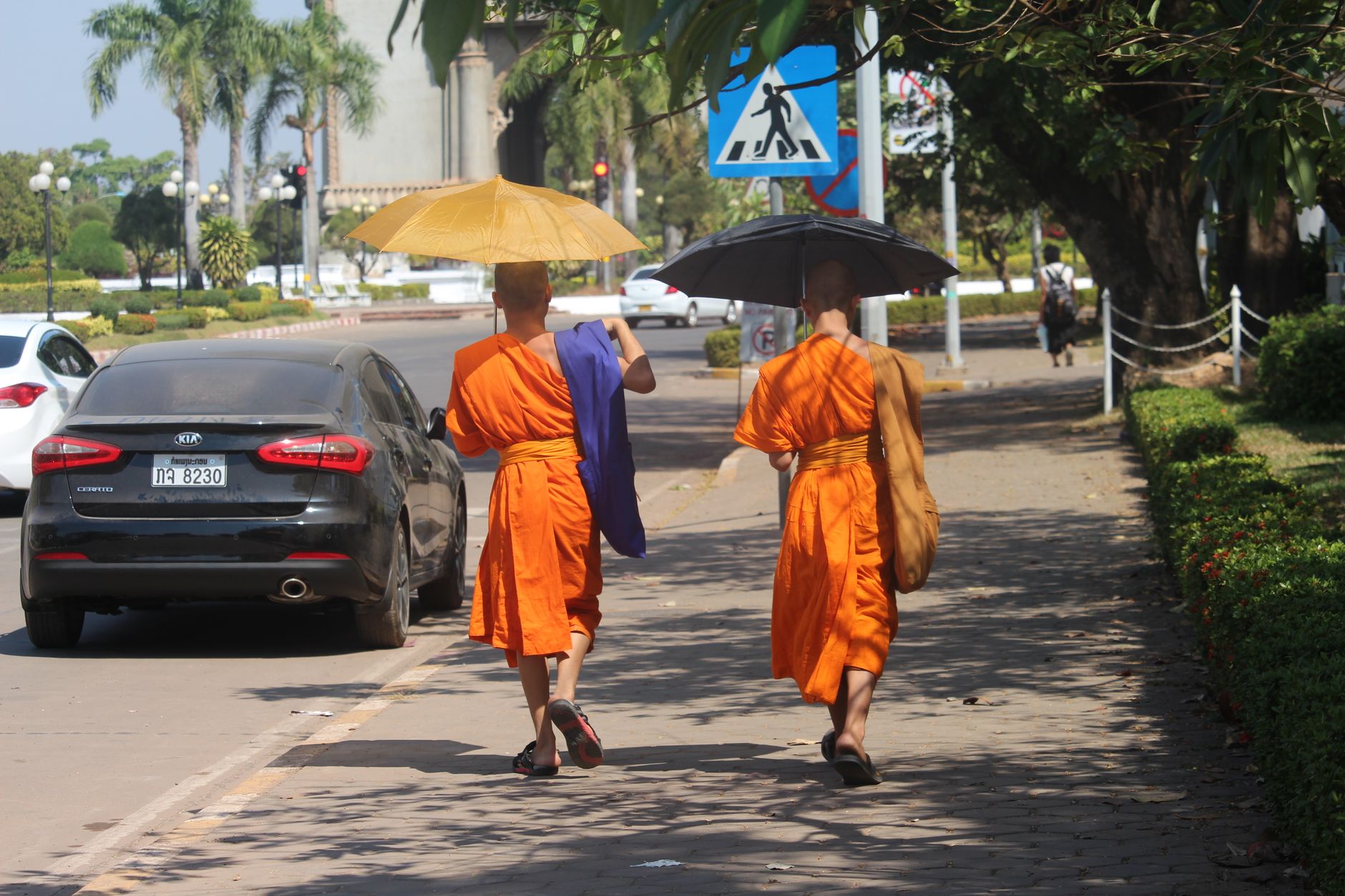
Expect a low-key capital where monuments and riverside life set the rhythm. Streets near the Mekong have a steady, mid-morning pedestrian flow and then quiet down in the hottest hours; cafés and guesthouses are where much social life happens. The skyline is short: gold-topped stupas, government buildings and clusters of low-rise hotels rather than soaring towers. Visitors who arrive wanting a compact, readable city — not a nonstop urban assault — will find the scale forgiving and easy to navigate.
Is 3 days in Vientiane enough?
Yes — three days is enough to see Vientiane's main monuments (Pha That Luang, Patuxai, Wat Si Saket), the Mekong riverside market, and a half-day trip to Buddha Park or COPE. Expect to skip deeper provincial experiences and some slow museum visits if the schedule must be tight.
Who This Guide Is For
Best for travelers who prefer relaxed city breaks, concise cultural visits and easy walking; not ideal for those seeking a packed itinerary of multiple provinces or nightlife-focused travelers on a tight timeline.
Local Tips for Vientiane
Practical details that most travel sites skip — specific to Vientiane.
- Talat Sao (Morning Market) on Samsenthai Road opens early and the indoor mall stalls start closing around 17:00; arrive 08:00–11:00 for fresh produce and textile sellers.
- COPE Visitor Centre near Wattay Airport accepts small donations (suggested 20,000–50,000 LAK) and offers essential context on UXO and prosthetics — allow 45–60 minutes for the exhibits.
- Pha That Luang often charges a modest entry fee (roughly 5,000–20,000 LAK depending on nationality); bring cash as card machines are unreliable.
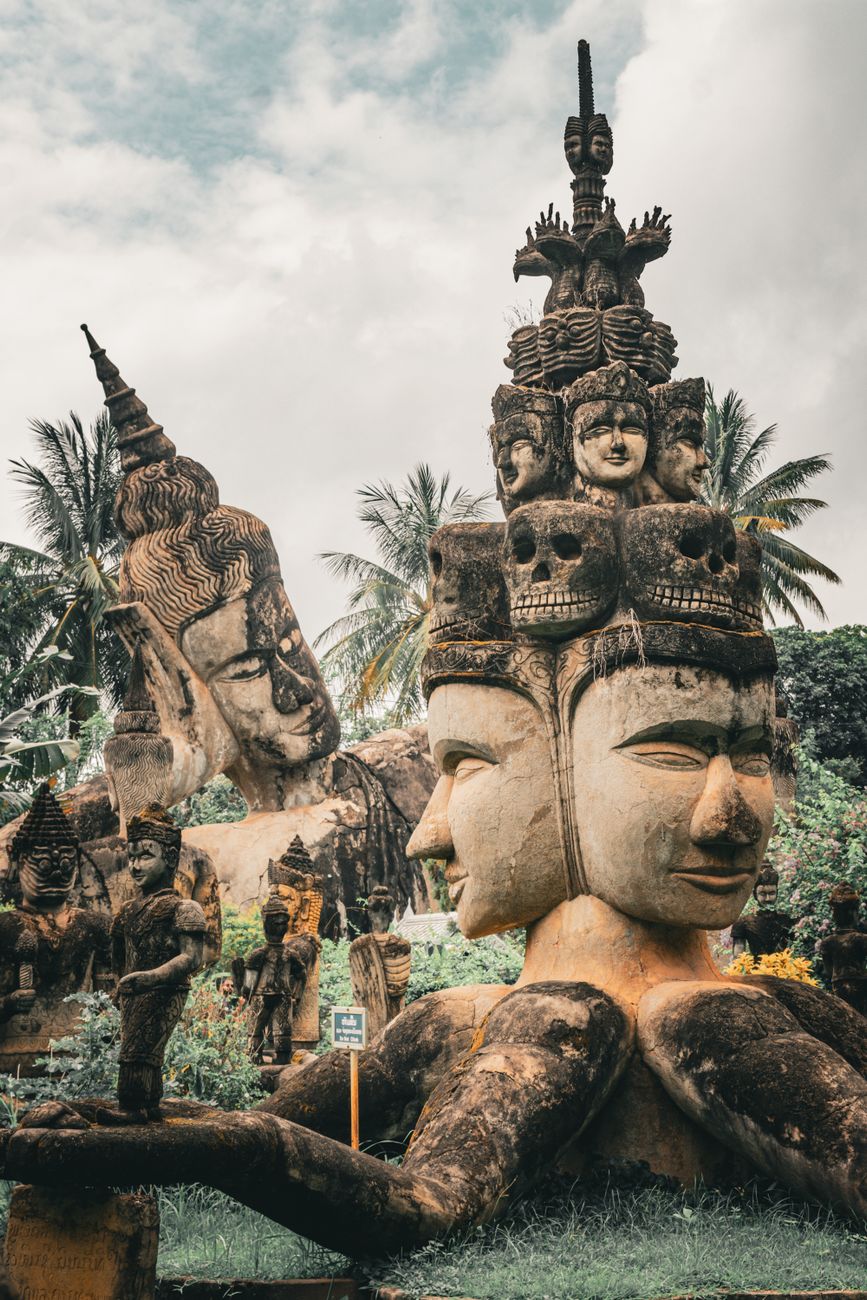
- Buddha Park (Xieng Khuan) sits 25–30 km southeast on Route 13; shared minivan runs from the bus stop at the Talat Sao area for about 40,000–60,000 LAK round-trip, or hire a tuk-tuk for 120,000–200,000 LAK.
- No universal ride-hailing like Grab is widely reliable; use tuk-tuks, motorcycle-taxis or the small public bus network (pay cash on board) and confirm fares before starting.
How This Guide Was Prepared
This guide treats Vientiane as a low-key capital where pace, not quantity, defines the visit. Many guides overstate the sightseeing density here; the real value is how the city combines a handful of national monuments, riverside markets and slow cafés into an easy three-day loop. Practical details — like how tuk-tuk fares are negotiated, where to change money at a fair rate, and which museums have English labels — are the focus rather than glossy endorsements. This guide was prepared through a structured research that combines destination research, geographic context, itinerary planning logic, and content review.
Plan Your Stay in Vientiane
Use this itinerary as your starting point, then compare areas to stay, transport options, seasonal timing, and realistic daily costs before booking.
Why Visit
The national stupa, Pha That Luang, is a single-site symbol of Lao identity and worth enough time to appreciate the compound, the gardens and the government square around it. The Patuxai war monument and the view from its upper level make a short, effective contrast to the stupa and take only 30–45 minutes. The Mekong riverside at sunset with the night market offers affordable food and a relaxed social scene that reveals everyday city life. Buddha Park (Xieng Khuan) is within easy reach and provides a bizarre, photogenic half-day outside the centre that most nearby capitals don’t have so close. Museums like Hor Phra Keo and COPE add context that prevents the visit from feeling like just a photo tour of monuments.
Quick Planning Tips
From Wattay International Airport to the central riverside expect a 10–20 minute taxi or tuk-tuk ride; typical airport taxi fare is 80,000–150,000 LAK depending on negotiation. Talat Sao is both a morning market and a useful transport hub; find minibuses and information there. ATMs are common around the main avenues but smaller vendors accept only cash, so carry LAK for fares, entry fees and market purchases. Avoid scheduling multiple indoor museums for the hottest part of the day; plan a shaded lunch or a café break between mid-morning and late afternoon visits.

Day 1
Start at Pha That Luang in the morning when the light is best and temperatures are cooler; allow 60–90 minutes for the stupa compound and photo stops. Walk or take a short tuk-tuk (5–10 minutes, 20,000–40,000 LAK) to Hor Phra Keo (the former temple-turned-museum) on Lan Xang Avenue; plan 45–60 minutes inside. From there walk 15–20 minutes to That Dam and then on to the Patuxai monument; climbing Patuxai offers a skyline that helps orient the city and takes about 30–45 minutes including the stairs. Lunch suggestion: head to a local Lao restaurant near Lane Xang Market such as restaurants along Samsenthai Road for khao poon and laap (expect 20,000–40,000 LAK per dish).

Day 2
Dedicate this day to riverside life and markets. Start at Talat Sao (Morning Market) to see textiles, coffee beans and local snacks; spend 60–90 minutes. Walk 15 minutes to the central market area and then continue 10–15 minutes to the Mekong Night Market strip along Fa Ngum Road; explore food stalls, grilled fish, khao jee sandwiches and cheap souvenirs. In the afternoon visit COPE Visitor Centre near the airport area for a sobering and informative 45–60 minute stop about UXO and rehabilitation. Dinner recommendation: reserve a table at a riverside restaurant near Chao Anouvong Park for Mekong views — expect mid-range mains 50,000–120,000 LAK. Evening plan: return to the night market for casual street dishes and people-watching.

Day 3
Use the third day for either a half-day outside attraction or a relaxed neighbourhood exploration. If choosing Buddha Park, leave early (shared minivan or tuk-tuk leaves from near Talat Sao) and plan 3–4 hours including transport; budgets for transport are 40,000–150,000 LAK depending on vehicle choice. Back in town, walk the quiet lanes behind the main avenues to find small temples like Wat Si Saket with its rows of seated Buddhas; allow 45–60 minutes. Stop for lunch at a street-side stall serving khao poon or grilled fish near the riverside. Practical note for departures: if catching an afternoon flight, return to the hotel by noon, allow 60–90 minutes to reach Wattay Airport in traffic and factor in 90 minutes for international check-in.
Best Local Experiences
Talat Sao (Morning Market) for textiles, fresh coffee beans and small workshops that mend Lao sinh skirts. The Mekong Night Market along Fa Ngum Road for grilled river fish, khao jee baguette sandwiches and late-evening social life. COPE Visitor Centre for an accessible explanation of UXO, prosthetics work and local advocacy — a necessary counterpoint to temple visits. Buddha Park (Xieng Khuan) for a surreal outdoor sculpture collection less than an hour from the centre. Wat Si Muang for observing local devotional practices and offerings in the heart of town, especially lively at dawn and sunset. Other special activities include a short bicycle ride along the riverbank at dawn, a Lao coffee tasting at a small roastery near the market, and checking the schedule for any public festivals at Pha That Luang which draw large local crowds.

Where to Stay
Riverside / Chao Anouvong Park: suits travelers who want evening market access, riverside restaurants and sunset walks. Expect guesthouses 150,000–400,000 LAK/night (≈8–24 EUR / 9–26 USD) and mid-range hotels 600,000–1,400,000 LAK/night (≈32–76 EUR / 36–82 USD).
Food and Drink
Khao poon: thin rice-noodle soup in a spicy coconut broth usually with shredded chicken or fish; find good versions at street stalls near Talat Sao and expect 20,000–40,000 LAK. Larb (laap): a minced meat salad seasoned with lime, fish sauce and toasted rice powder served at family-style restaurants — 25,000–50,000 LAK. Khao jee (Lao baguette sandwich): grilled or fried filling inside a crisp baguette from night market stalls for 10,000–20,000 LAK as street food. Tam mak hoong: Lao papaya salad that tends to be less sweet and more fermented than regional variants; available at night market and small eateries for 15,000–30,000 LAK. Lao coffee (strong, dark roast) served at morning cafés or by vendors; expect 10,000–25,000 LAK for a robust cup. Breakfast option: sticky rice (khao niaw) with grilled pork or egg from morning stalls near Samsenthai Road for 10,000–20,000 LAK. Dinner recommendation: try a riverside restaurant for grilled river fish or Laotian hot pot dishes with mains 60,000–150,000 LAK.
Getting Around
Main modes are tuk-tuks, motorcycle-taxis, city buses and walking. City buses operate on numbered routes with stops at Talat Sao and the main avenues; expect cash fares around 5,000 LAK per ride and limited schedules. Tuk-tuk short rides in central areas typically cost 20,000–50,000 LAK; negotiate before boarding and confirm payment in kip. Airport taxis or hotel-arranged transfers to Wattay usually run 80,000–150,000 LAK. Bikes and e-bikes are available to rent in some guesthouse areas for short trips. Use Google Maps, Maps.me or Moovit for route planning; there is no widely used universal transit card in common circulation, so carry cash for fares.
Best Time to Visit
Cool, dry season (November to February) offers daytime temperatures around 20–30°C and cooler nights; this is peak visitor time and public sites are busiest. Hot season (March to April) sees daytime highs in the mid-30s°C, making midday outdoor touring uncomfortable; mornings and late afternoons are workable. Rainy season (May to October) brings heavy showers, especially July–September, which reduce crowds and lower prices but can disrupt day trips to Buddha Park because of muddy roads. For the best balance of pleasant temperatures and fewer crowds, aim for late November to early December or late February.
Budget and Practical Tips
Typical daily budget ranges: budget traveler 200,000–400,000 LAK/day (≈11–22 EUR / 12–24 USD) covering a basic guesthouse, street food and tuk-tuk trips. Mid-range traveler 700,000–1,500,000 LAK/day (≈38–81 EUR / 44–88 USD) for a comfortable hotel, restaurant meals and paid entry fees. Sample costs: guesthouse 150,000–400,000 LAK/night; mid-range hotel 600,000–1,200,000 LAK/night; meals 10,000–120,000 LAK; bus/tuk-tuk trips 5,000–50,000 LAK; entry fees 5,000–40,000 LAK. Tipping is not compulsory; small tips or rounding up for good service are appreciated, and higher-end restaurants may add a service charge. Bring cash in LAK for markets, small restaurants and temple entry; ATMs accept cards in central areas but some charge a withdrawal fee.
FAQ
Is Vientiane safe for solo travellers?
Vientiane is generally safe with low violent crime; petty theft like bag snatching can occur near markets so use common precautions, avoid poorly lit streets late at night and secure valuables.
What is the best way to get from Wattay Airport to the centre?
The fastest option is a taxi or hotel transfer taking 10–20 minutes; agree a fare (80,000–150,000 LAK) or ask the hotel to arrange a metered taxi when possible.
Are there ride-hailing apps like Grab?
Grab is not reliably available across Laos; rely on tuk-tuks, motorcycle-taxis or hotel-arranged taxis and use Google Maps or local contacts for directions.
Is a Vientiane city card or pass worth buying?
No widely recognized city card covers most sites; individual entry fees are low, so passes are rarely cost-effective for a three-day visit.
Can credit cards be used widely?
Cards work in mid-to-high-end hotels, some restaurants and larger shops, but markets and street vendors are cash-only; bring LAK.
Are English guides or English signage common?
Signage at major monuments often has English but museum translations vary; consider a guide for deeper historical context if that matters.
What should be known about local money and ATMs?
ATMs are available in central areas but sometimes run out; have enough LAK for market purchases and temple entries, and expect small ATM fees.
Is it easy to visit nearby places like Louangphabang or Chiang Mai from here?
Domestic flights to Luang Prabang and cross-border buses to Udon Thani or Chiang Rai exist but schedules can be limited; plan onward travel in advance.
Conclusion
Three days provides a readable experience: national monuments, the riverside market scene and one meaningful side trip can be comfortably paced. What is most likely to stick in memory is the contrast between gilded stupas and the slow riverside evenings, plus the quiet intensity of places like COPE or Buddha Park. If time runs short, prioritise Pha That Luang in the morning and the Mekong Night Market at sunset — those two deliver the clearest sense of the city's character.
How this guide was prepared
This guide was prepared through a structured research that combines destination research, geographic context, itinerary planning logic, and content review.