

Three full days in Chiang Mai that balance temples, mountain views, hands-on food experiences and local markets — with practical tips on where to stay, how to get around and what to pack.
Introduction
Chiang Mai is northern Thailand’s cultural heart: a compact, walkable old city ringed by ancient walls and dotted with gilded temples, vibrant markets and a flourishing café scene. This 3-day guide gives a realistic pace — temple mornings, market discoveries, one mountain day trip and practical tips so you spend time soaking in the city rather than scrambling to plan.
Each day balances highlights with local experiences, plus alternatives depending on weather or energy levels. Expect friendly streets, scooter traffic, fragrant markets and cooling mountain air if you head up to Doi Suthep.

Why Visit
Chiang Mai draws visitors for its mix of centuries-old temples, approachable local culture, excellent northern Thai food and accessible nature. Highlights include:
- World-class temples in a compact town — you can comfortably visit three or four in a morning.
- A rich market culture — fresh produce, street food and handicrafts at Warorot or the Night Bazaar.
- Easy day trips: a 45-minute drive to Doi Suthep or 1.5–2 hours to Doi Inthanon, plus ethical elephant sanctuaries nearby.
- A thriving café and craft-beer scene, especially around Nimmanhaemin.
It’s ideal if you want culture and food without the exhaust and crowds of Bangkok, and it works well as a base for northern Thailand exploration.

Quick Planning Tips
Before you go, take care of these practicalities so your 72 hours are smooth:
- Book must-do day trips (Doi Inthanon, Elephant Nature Park) in advance — limited daily slots and ethical sanctuaries sell out.
- Pack a modest temple outfit: shoulders and knees covered for both men and women, or carry a sarong/scarf.
- Download Grab (ride-hailing) and buy a local SIM (AIS/TrueMove for best coverage) at the airport for navigation and bookings.
- Cash is king in markets and small eateries — ATMs are plentiful but some charge fees.
- If you’ll rent a scooter, bring an international driving permit, always wear a helmet and check insurance coverage.

Day 1: Old City & Night Markets
Morning: Start early to beat crowds and heat. Enter the Old City at Tha Phae Gate and walk to:
- Wat Phra Singh (9th-century Lanna architecture) — admire the classic Lai Kham mural work and the Phra Singh image.
- Wat Chedi Luang — the partially ruined chedi dates to the 14th century and is atmospheric at dawn.
Lunch: Head to Khao Soi Khun Yai or Khao Soi Mae Sai for a bowl of northern khao soi (egg noodles in coconut curry) — a Chiang Mai must.
Afternoon: Stroll through the narrow lanes of the Old City, pop into small museums (e.g., Lanna Folklife Museum) or relax in a café near Ratchadamnoen Road.
Evening: If it’s Sunday, experience Sunday Walking Street (Rachadamnoen Road) from 4pm to night — a feast of handicrafts and street food. On other nights, explore the Chiang Mai Night Bazaar near Chang Klan Road for souvenirs and late-night snacks.

Day 2: Doi Suthep & Nimman
Morning: Rise early and drive or take a songthaew up to Wat Phra That Doi Suthep (30–45 minutes from the Old City). Arrive before 9am to avoid buses. Walk the naga staircase or take the funicular to the gilded temple and enjoy the city panorama. If you have time, continue into Doi Suthep–Pui National Park for short trails and the Hmong village viewpoints.
Lunch: Return to town and eat near Nimmanhaemin — try Huen Muan Jai for traditional northern plates or one of the many specialty cafés for a lighter meal.
Afternoon: Explore Nimman’s boutique shops, art galleries and Chiang Mai University’s grassy Huay Kaew area. Consider a Thai massage to recharge (60–90 minutes).
Evening: Book a hands-on evening cooking class (Thai Farm Cooking School or Baan Thai are popular options) or a riverside dinner at Sala Riverside or The Riverside Bar & Restaurant.

Day 3: Choose Your Day Trip — Doi Inthanon, Elephant Park or Local Crafts
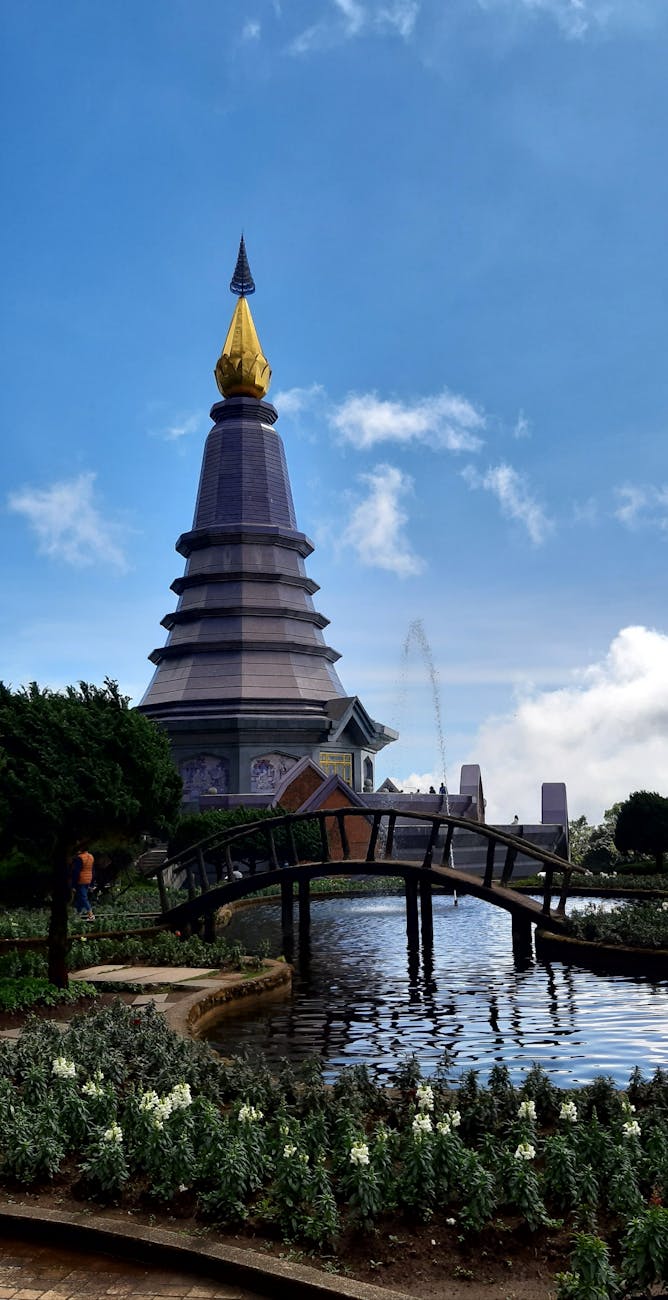
Option A — Doi Inthanon (full day): Thailand’s highest peak is about 1.5–2 hours away. Visit the twin royal pagodas, walk the nature trails (Ang Ka Luang Cloud Forest), and include the Karen waterfall viewpoint. Pack a jacket — it’s noticeably cooler.
Option B — Ethical Elephant Experience (full day): Spend the day at a reputable sanctuary like Elephant Nature Park where feeding, walking and observing rescued elephants replaces riding. Book directly and allow 6–8 hours including transfers.
Option C — Handicrafts & Local Villages (half or full day): Visit Warorot Market in the morning, then head to Baan Tawai for woodcarvings or San Kamphaeng for silk and umbrella workshops. Finish with a sunset at Huay Tung Tao reservoir or a riverside café.
Evening: For a low-key final night, pick a rooftop bar or a quietly lit riverside restaurant and reflect on the trip highlights.
Best Local Experiences
Don’t miss these authentic Chiang Mai moments:
- Early-morning monk alms: Observe respectfully from a distance around Wat Suan Dok or smaller temples — no flash photography and avoid blocking the route.
- Cooking class: Learn to make khao soi, som tam and curries with markets visits for ingredients.
- Night markets: Sample sai ua (northern sausage), mango sticky rice and pad thai from market stalls rather than tourist restaurants.
- Café-hopping in Nimman: Chiang Mai’s specialty coffee scene is excellent — try a local roastery.
- Handicraft workshops: Learn silver-smithing or umbrella-painting in San Kamphaeng or Baan Tawai for a meaningful souvenir.

Where to Stay
Choose your base by priorities:
- Old City — best for first-time visitors: walkable, temple-rich and centrally located. Expect guesthouses to midrange boutique hotels.
- Nimmanhaemin (Nimman) — trendier cafés, bars and boutique shopping. Great for nightlife and younger travelers.
- Riverside — quieter, romantic riverside hotels and easy evening strolls along the Ping River.
Price guide: budget guesthouses from ~500–1,000 THB/night, midrange boutique hotels 1,500–4,000 THB, and riverside or upscale resorts 4,000+ THB. Book early for festival dates (Yi Peng/Loi Krathong in November) as hotels fill quickly.
Food and Drink
Chiang Mai is a northern Thai food capital. Local dishes to try:
- Khao soi — creamy coconut-curry noodle soup, usually with chicken or beef.
- Sai ua — spicy northern sausage with herbs and lemongrass.
- Nam prik ong and nam prik noom — tomato- or roasted-chilli-based dips served with sticky rice and raw vegetables.
- Mango sticky rice — best in mango season (March–May).
Where to eat: street stalls at Chiang Mai Gate and Night Bazaar are excellent; Huen Phen and SP Chicken offer reliable sit-down versions; Nimman hosts modern cafés and fusion eateries. For drinks, Chiang Mai has good craft beer bars and riverside cocktail spots; try local Singha or Chang lagers if you want a Thai beer.
Getting Around
Chiang Mai is easy to navigate but uses a mix of transport modes:
- Walk: The Old City is compact and best explored on foot.
- Red songthaews: Shared red truck taxis are cheap (30–60 THB short hops) — tell the driver your landmark.
- Tuk-tuks: Quick for short trips; bargain on the fare before you hop in (expect 100–200 THB inside the city).
- Grab taxis: Reliable and often slightly cheaper than tuk-tuks for fixed routes.
- Scooter rental: Common and convenient for Nimman and outskirts — rent only if comfortable driving in Asian traffic and always wear a helmet.
- Airport transfer: Chiang Mai International Airport is ~10–20 minutes from the Old City by car; official taxis and Grab are available.
Best Time to Visit
Timing affects weather and festival atmosphere:
- Cool season (November–February): Best weather — clear skies, cool mornings and ideal for festivals like Yi Peng/Loi Krathong in November. Peak tourist season, so book ahead.
- Hot season (March–May): Hottest months; great for mango season but plan early starts for outdoor activities.
- Rainy season (June–October): Fewer crowds and lush landscapes; occasional heavy showers — good for lower prices and indoor experiences like museums and cafés.
If you have to pick one time, November strikes the best balance of weather, festival energy and scenic views from Doi Suthep.
Budget and Practical Tips
Simple budgeting and tips for smooth travel:
- Daily budget estimates (per person): Budget travel ~800–1,500 THB; midrange ~2,500–4,500 THB; comfortable/luxury 6,000+ THB including hotels and activities.
- ATMs: Widely available; withdraw larger amounts to avoid multiple fees. Credit cards accepted at midrange and upscale restaurants and hotels.
- Water and health: Don’t drink tap water — buy bottled or use filtered water. Carry mosquito repellent for evenings and hikes.
- Temples: Remove shoes before entering prayer halls, be modestly dressed and avoid photographing monks in close-ups without permission.
- Safety: Chiang Mai is generally safe; watch for minor theft and practice usual city precautions. Avoid unregulated elephant shows and choose sanctuaries that prohibit riding.
FAQ
Q: Is Chiang Mai safe for solo travelers?
A: Yes — it’s considered one of Thailand’s safer cities. Exercise normal precautions at night and keep valuables secure.
Q: How many days are enough?
A: Three full days covers Old City highlights, a mountain trip to Doi Suthep and one day trip or deep local immersion. If you want to add Doi Inthanon and a sanctuary, plan 4–5 days.
Q: Can I see elephants ethically?
A: Yes — visit reputable sanctuaries like Elephant Nature Park or smaller community-run projects that focus on rescue and rehabilitation. Avoid venues that offer riding or performances.
Q: Should I rent a scooter?
A: Only if experienced and comfortable driving in Asia’s traffic. Helmets and insurance are essential; for city travel, songthaews and Grab are convenient alternatives.
Q: Do I need a visa?
A: Visa rules depend on your nationality — check Thai embassies for up-to-date requirements and visa-on-arrival eligibility.
Conclusion
Chiang Mai delivers a satisfying mix of culture, food and nature in a compact, friendly city. In three days you can absorb the Old City’s temples, taste northern Thai cuisine, join a cooking class and climb into the hills above the city for panoramic views. Book key day trips in advance, respect local customs at temples and prioritize the experiences that excite you most — whether that’s markets, mountain trails or an ethical elephant encounter.
Leave a little time to wander without a plan: the best discoveries in Chiang Mai often happen on quiet laneways, over a bowl of khao soi or in a small craft studio where artisans welcome questions.
More City Guides Near Chiang Mai
If you are planning a longer regional trip, these nearby destinations also work well for a short city break.