
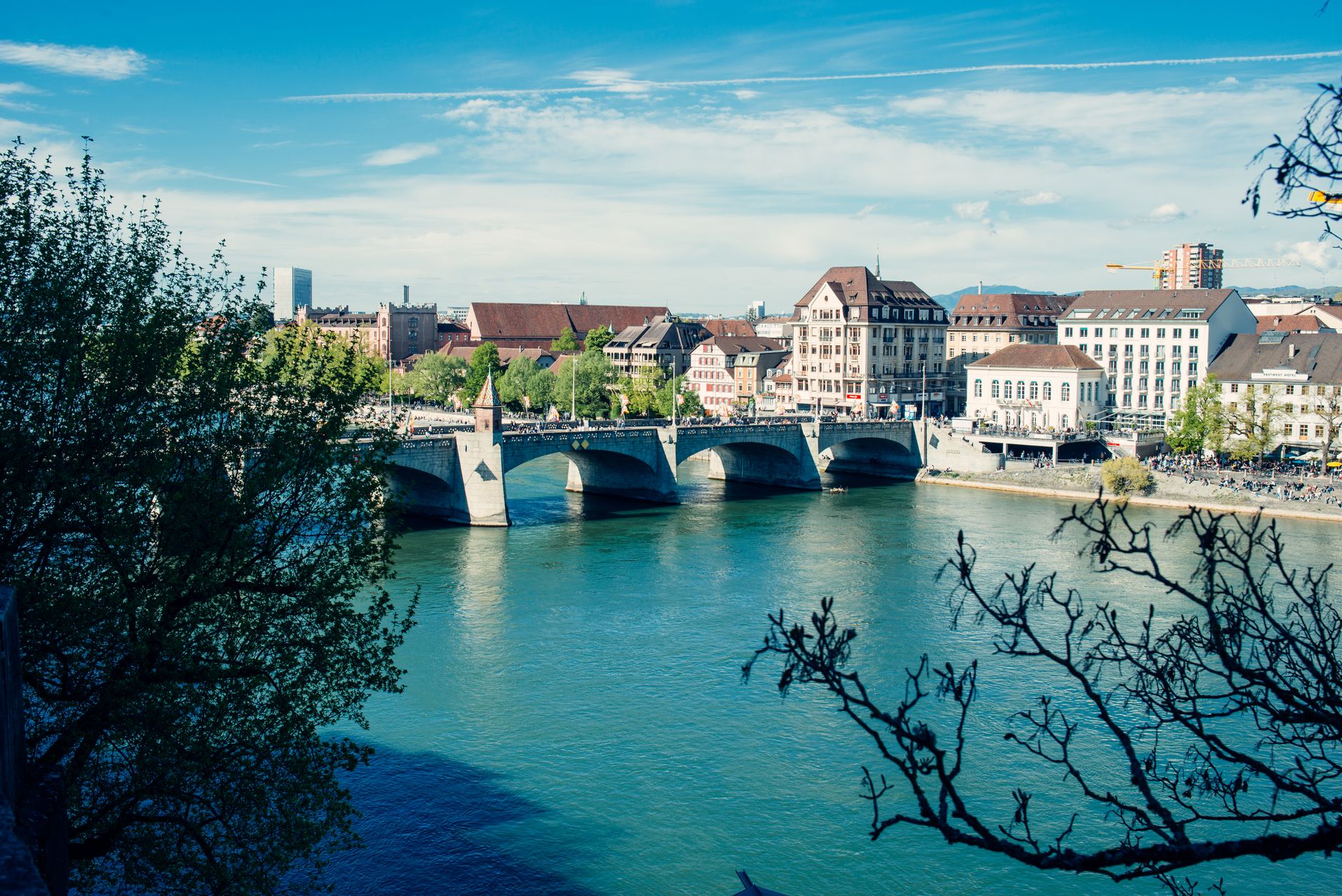
Basel in 3 Days: Practical Itinerary and Local Tips for Travelers
A direct 3-day plan for Basel with neighbourhood routes, museum hours, tram tips, Rhine crossings and realistic prices so travelers can avoid common mistakes.
A clear, practical 72-hour plan that balances museums, riverside time and neighbourhoods, with prices, transit routes and what to drop if time is tight.
First impressions are concrete: stone streets, frequent trams and the Rhine cutting the town into a calmer north bank and a busier south bank. Expect fewer street performers and more museum-goers, cyclists and commuters moving between offices, university buildings and cafés.
Crowds concentrate around Marktplatz, Barfüsserplatz and around museum clusters; away from those spots life slows into small parks, local bars and industrial-turned-creative quarters. Many visitors assume Basel is just a compact Old Town plus museums, but the city's character comes from the daily rituals — Rhine ferries, the lunchtime markets and Riehen’s park museums.
The destination suits travellers who like structured walking days with options to sit in a café, people who will tolerate higher Swiss prices for efficient public transport, and those prepared to swap a museum visit for an afternoon sitting on the riverbank.
Is 3 days in Basel enough?
Three days gives enough time to see the Old Town, the main museums (Kunstmuseum, Fondation Beyeler and Tinguely) and a riverside afternoon in Kleinbasel while leaving space for a short trip to Vitra in Weil am Rhein. Expect to skip a deeper, slow study of more than two major museums or a multi-hour day trip across the Jura in that time.
Who This Guide Is For
Best for travellers who want a balanced mix of museums, short walks and neighbourhood cafés; less suitable for passengers who prefer long countryside hikes or those on a strict low-budget backpacking route.
Local Tips for Basel
Practical details that most travel sites skip — specific to Basel.
- Ask your hotel or hostel for a Basel Card on arrival — most central accommodations hand it out free and it covers local trams and buses (TNW zones) for your stay.
- Tram 10 runs between Bahnhof SBB and the University/Allschwil direction and is the easiest line for reaching the Zoo and parts of Grossbasel; allow 10–15 minutes from SBB to Mittlere Brücke by tram and foot.
- Basel’s main museums are often closed on Monday; plan museum-heavy time for Tuesday–Sunday and check individual opening hours, especially Fondation Beyeler and Tinguely.
- Use SBB Mobile for regional trains and connections; for intra-city timetables and tram maps consult Basler Verkehrs-Betriebe (BVB) online or the BVB/BLT network PDF.
- Small, hand-operated Rhine ferries (called 'Fähri' locally) cross at several points near Wettsteinbrücke and St. Johann; they are free or very cheap and run frequently in summer — a short way to switch between Grossbasel and Kleinbasel.
How This Guide Was Prepared
Basel rewards focused, short visits because attractions are compact along the Rhine and in nearby suburbs; casual itineraries that cram too many museums feel rushed. Many guides treat Basel like a single museum district and miss how much local life happens on the Kleinbasel riverside, the ferries and the Riehen/Fondation Beyeler corridor. This guide was prepared through a structured research that combines destination research, geographic context, itinerary planning logic, and content review.
Plan Your Stay in Basel
Use this itinerary as your starting point, then compare areas to stay, transport options, seasonal timing, and realistic daily costs before booking.
Why Visit
Art concentrations are unusually dense: Kunstmuseum Basel holds major European paintings; Fondation Beyeler in Riehen presents modern masters in a park setting; and Tinguely offers local 20th-century kinetic work. These three make for a museum circuit that can be done across two days.
The Rhine is an active public space rather than just a view: ferries, swimming in summer and riverside cafés shape social life. The Old Town features Rathaus with its painted façade and the Gothic Basler Münster with close, see-through city views from the cathedral terrace.
Cross-border options change the day-trip calculus. Vitra Design Museum in Weil am Rhein (Germany) is under an hour from city centre and adds industrial/design contrast without needing a full-day drive. Seasonal events such as Fasnacht (carnival) and Art Basel bring a different energy and are reasons to time a visit deliberately.

Quick Planning Tips
From EuroAirport Basel-Mulhouse-Freiburg take bus 50 to Bahnhof SBB; journey time is about 20–35 minutes depending on traffic. Trains from Zurich or Bern arrive at Basel SBB; local trams link SBB with the Old Town in 5–10 minutes.
Carry Swiss francs for small market purchases and tram ticket machines; contactless cards and SBB Mobile are widely accepted, but small bakeries and ferries sometimes prefer cash. Avoid planning museums on a Monday since many are closed; schedule museum visits across two different days to avoid wasted mornings.

Day 1
Morning: Arrive at Bahnhof SBB, walk 7–10 minutes to Marktplatz to see the Rathaus and the morning market stalls (fresh produce and simple hot stands). From Marktplatz walk 5 minutes to Freie Strasse for an initial feel of local shopping.
Late morning: Head to Kunstmuseum Basel (about a 10-minute walk from Marktplatz). Allow 1.5–2.5 hours for the collection and special exhibitions. Kunstmuseum is practical to pair with lunch nearby at Marktgasse cafés.
Afternoon: Walk 8–12 minutes to Mittlere Brücke, cross to Kleinbasel and continue to the Basel Münster (5 minutes uphill from the bridge). Climb the cathedral terrace for city and Rhine views (tower fee applies; check current price). From Münster a 15–20 minute walk takes you to Spalentor, the medieval city gate.
Dinner and evening: Eat at Markthalle Basel (Gerbergasse) for a casual mix of local and international stalls; typical meal CHF 12–25. After dinner, spend the evening on the Kleinbasel riverside near the ferry lines where bars and beer gardens stay open later and offer river views.

Day 2
Morning: Take tram or bus toward Riehen to visit Fondation Beyeler (allow 20–30 minutes from central tram stops; bus 61 is a common route). Plan 1.5–2 hours for the collection and the sculpture park.
Midday: Return toward central Basel and stop at the Tinguely Museum (about 20–30 minutes from Fondation Beyeler by public transport). The mechanical sculptures and interactive displays reward a 1–1.5 hour visit.
Afternoon: From Tinguely take tram 8 or a short S-Bahn ride across to Weil am Rhein for the Vitra Design Museum if time allows; budget 40–60 minutes door-to-door. If skipping Vitra, use the afternoon to explore Gundeldingen or Schützenmattpark and the local cafés around Claraplatz — both offer a less touristed, neighbourhood feel.
Evening: Dinner in Kleinbasel at a local restaurant near Claraplatz or along Steinenberg. For a later evening, check performance schedules at Theater Basel or a live-music listing; a 5–10 minute tram ride gets most venues.

Day 3
Morning: Start at the Marktplatz or Barfüsserplatz and pick up any specialty goods — Läckerli from Läckerli Huus is a compact souvenir. Walk 10–15 minutes to the Basel Paper Mill (Basler Papiermühle) for a hands-on museum experience about printing and paper.
Late morning: Take tram 10 or a short bus to the Zoo (Zolli) if travelling with family, or head to the market-filled St. Alban district for quieter streets and small cafés. Allow 1.5–2 hours depending on interest.
Afternoon: Visit the Tinguely Fountain area and, time permitting, the Museum Tinguely (if not done on Day 2) or the Museum der Kulturen near Barfüsserplatz. Use SBB lockers at Bahnhof SBB if checking out of accommodation; the EuroAirport bus 50 leaves frequently and requires 30–40 minutes to reach the airport, so plan to depart SBB at least 2 hours before a short-haul flight.
Evening departure note: If catching an afternoon flight, keep the final morning lightweight and allow time for baggage collection and the bus 50 timetable; taxis are faster but cost considerably more.

Best Local Experiences
Fasnacht (carnival) in February/March is a city-defining event with parades and lantern walks; it affects opening hours but offers the clearest local ritual. Art Basel week in June draws international crowds and higher prices, but galleries across town extend hours.
Rheinschwimmen (swimming down the Rhine) between designated landing stages is a summer habit for locals — bring a swim bag and use the ferries to return. Marktplatz morning market and the Saturday flea market behind Markthalle are practical for food and second-hand finds.
Fondation Beyeler’s sculpture park in Riehen is a green contrast to the central museums. Nighttime ferry crossings on hand-operated Fähri give a small but memorable way to shift between banks. The Herbstmesse (autumn fair) in October brings local rides, food stands and an honest display of everyday Basel leisure.
Where to Stay
Altstadt Grossbasel (around Barfüsserplatz and Freie Strasse) suits travellers who want immediate access to museums and the Old Town. Expect midrange hotel rooms around CHF 150–260 per night (~€140–240 / $160–285). Morning and evening crowds are highest here.
Kleinbasel (Claraplatz, Gundeldingen) suits people who prefer bars, smaller cafés and a local riverside atmosphere; travel time to the Kunstmuseum is 10–15 minutes by tram. Nightly rates for comfortable hotels or private rooms range CHF 100–200 (~€95–185 / $110–220).
Riehen/St. Alban suits visitors wanting quieter streets and easy access to Fondation Beyeler and green spaces; a short tram or bus ride connects to the centre in 15–25 minutes. Expect more guesthouses and midrange options CHF 110–190 (~€105–175 / $125–210). For budget travellers, look for hostels or guest rooms near Bahnhof SBB or Claraplatz where shared dorms can be CHF 40–80 (~€35–75 / $45–90).
Food and Drink
Basler Läckerli: A spiced honey-and-nut biscuit — buy at Läckerli Huus or local confiseries; a small box costs about CHF 5–12. It’s the most portable local sweet.
Basler Mehlsuppe: A flour-thickened soup traditionally served during Fasnacht; seasonal at some taverns and available at select restaurants during carnival season for about CHF 6–10.
Bratwurst / Cervelat street food: Available at Marktplatz stands and near tram hubs; expect CHF 4–8 for a sausage in bread. Fast, local and typical for a short lunch.
Birchermüesli: A Swiss breakfast staple offered at cafés and market stalls; at a café or market stall expect CHF 6–12. Good for an early morning start before museums.
Dinner recommendation: Markthalle Basel for casual shared stalls and midrange prices (main plates CHF 12–30) or a local Basel inn (Gasthaus) for regional dishes. For wine and beer, look for local options in cellar bars on both sides of the Rhine; Swiss wine by the glass is CHF 6–12.
Getting Around
Public transport is a mix of BVB trams and BLT regional trams, plus SBB regional trains. Useful tram lines: 1, 2, 3, 6, 8, 10 and 11 connect different city quarters and suburbs. S-Bahn lines S1 and S3 connect short regional hops.
Single local ticket (zone 10) costs around CHF 2.90–3.20 for one hour; a day pass for city zones is roughly CHF 8–13 depending on zones — check the TNW tariff map. SBB Mobile is the reliable app for train and tram timetables; the BVB site and PDF map clarify tram stops and routes.
Taxi from EuroAirport to central Basel typically ranges CHF 40–60; bus 50 to Bahnhof SBB is cheaper (about CHF 3–4). If staying at a hotel, request the free Basel Card which covers local tram and bus rides within the city's TNW zones for the duration of the stay.
Best Time to Visit
Spring (March–May): Temperatures average 8–18°C. Shoulder-season value and fewer tourists make spring a practical choice, though late snow is possible in March.
Summer (June–August): Temperatures average 18–28°C. Warm weather suits riverside time and Rheinschwimmen but expect higher hotel prices during Art Basel week in June.
Autumn (September–November): Temperatures average 6–16°C. Early autumn offers mild weather and lower hotel rates; Herbstmesse in October adds local fair atmosphere without the Art Basel crowds.
Winter (December–February): Temperatures average -1–7°C. Festive markets and Fasnacht are highlights but cold weather and occasional closures of outdoor sites should be expected.
Budget and Practical Tips
Low-budget daily plan: accommodation CHF 40–85 (hostel/shared), food CHF 30–50, transport CHF 5–12, small entry fees CHF 10–20; total roughly CHF 90–167 per day (~€85–160 / $95–185). Midrange daily plan: accommodation CHF 130–220, food CHF 50–90, transport CHF 8–15, entry fees CHF 20–40; total roughly CHF 210–365 (~€200–345 / $235–405).
Museum entry prices vary: Kunstmuseum around CHF 18–26 for special exhibitions, Fondation Beyeler roughly CHF 24–34, Tinguely Museum CHF 15–22 — check current rates online. Tipping: service charges are included in restaurant bills; rounding up and 5–10% for table service is appreciated but not required. For taxis and small vendors, round up to the nearest franc or add a couple of franc for good service.
FAQ
Is Basel safe for solo travellers?
Basel is generally safe with low violent crime; watch for pickpocketing in crowded squares and on public transport during peak events.
Is a Basel Card or city pass worth buying?
If accommodation provides a Basel Card, it pays off for free local trams and buses; paid passes are useful only if they include museum discounts you plan to use.
How long from EuroAirport to central station?
Bus 50 runs to Bahnhof SBB in about 20–35 minutes depending on traffic; taxis are 15–25 minutes but cost more.
Are museums open every day?
Many museums are closed on Monday; check individual opening hours in advance, especially for Fondation Beyeler and Kunstmuseum.
Can a day trip be made to Vitra Design Museum?
Yes — allow 40–60 minutes each way by public transport; it’s practical as a half-day or full-day excursion.
Is English widely spoken?
English is common in museums, hotels and restaurants, though staff may also speak German, French or Italian.
What are realistic taxi fares within the city?
Short city rides are CHF 10–25 depending on distance; use local taxi numbers or apps and expect higher fares late at night.
Is it easy to swim in the Rhine?
Rhine swimming is popular in summer in designated zones; use the marked entry and exit points and follow local instructions about currents.
Conclusion
Three days will leave a clear sense of how art, river life and cross-border options shape local rhythm. Most travellers will remember a mix of museum highlights and a late-afternoon riverside pause or ferry crossing as the trip’s strongest image. If time runs short, prioritise either the Kunstmuseum plus Marktplatz/Old Town for a compact cultural day or Fondation Beyeler plus a Kleinbasel riverside afternoon — that split covers both the art and the everyday that define the place.
How this guide was prepared
This guide was prepared through a structured research that combines destination research, geographic context, itinerary planning logic, and content review.