
3 Days in Vienna – Complete Itinerary
Introduction
Welcome to Vienna, the city of music, dreams, and imperial splendor. Austria’s capital is a journey back in time, where the ghosts of the Habsburg Empire walk alongside contemporary artists, and the melodies of Mozart and Strauss seem to linger in the air. Stately palaces, world-class museums, and legendary coffee houses line its grand boulevards and cobblestone lanes. This 3-day itinerary is designed for first-time visitors, offering a perfect blend of iconic landmarks, cultural immersion, and the simple joy of soaking up the city’s unique, elegant atmosphere.
Quick Planning Tips
Before you pack your bags for the Austrian capital, here are a few essential tips to help you plan your trip. The best time to visit depends on your preferences; spring and summer offer wonderful weather for exploring the city’s parks, while the winter months bring the magic of Vienna’s famous Christmas markets. The local currency is the Euro (€), and while German is the official language, English is widely spoken in all tourist areas. Remember to pack a Type F power adapter for your electronics. For popular attractions like the Spanish Riding School or Schönbrunn Palace, booking your tickets online in advance is highly recommended to avoid long queues.
Day 1 Itinerary
Morning: Historic City Center
Begin your Viennese adventure in the heart of the city, the Innere Stadt (1st District). Your first stop is the magnificent St. Stephen’s Cathedral (Stephansdom), an icon of Vienna. Admire its Gothic architecture and colorful tiled roof, and consider climbing one of its towers for a breathtaking panoramic view of the city. Afterwards, take a leisurely stroll through the elegant streets of Graben and Kärntner Strasse, Vienna’s premier shopping avenues, filled with historic buildings and high-end boutiques.
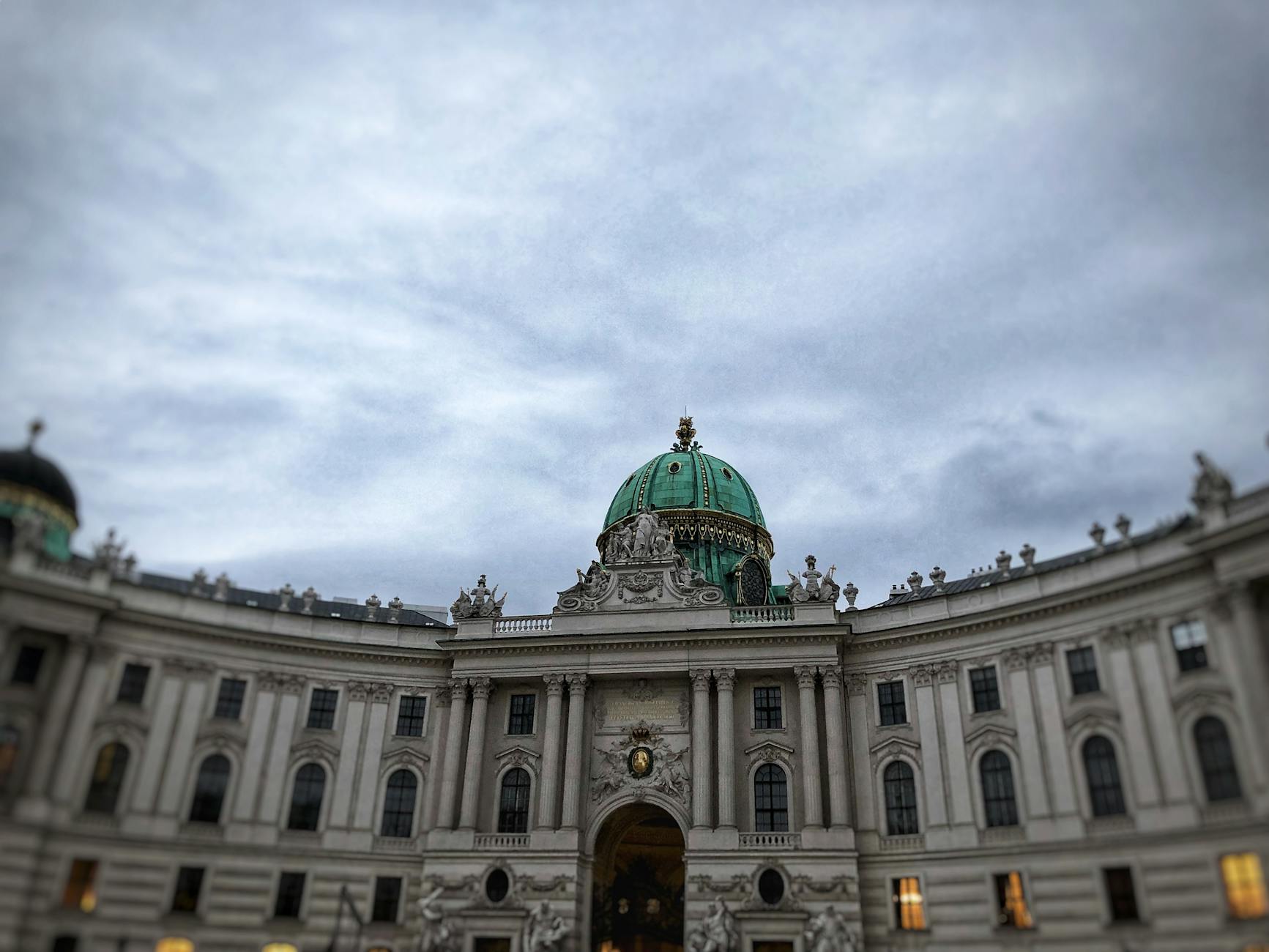
Afternoon: The Hofburg Palace
After a traditional lunch, perhaps a sausage from a classic Würstelstand, immerse yourself in imperial history at the Hofburg Palace. This sprawling complex was the seat of the Habsburg emperors for centuries. You can spend hours exploring its various attractions, which include the Imperial Apartments, offering a glimpse into the daily lives of Emperor Franz Joseph and Empress Sisi; the Sisi Museum, dedicated to the enigmatic empress; and the Imperial Treasury (Schatzkammer), which houses a dazzling collection of royal jewels and artifacts.
Evening: A Night of Culture
As evening descends, experience the city’s title as the capital of classical music. Attend a performance at one of Vienna’s world-renowned venues, such as the Vienna State Opera or the Musikverein. Hearing the works of Mozart or Strauss performed in the city where they lived and worked is an unforgettable experience. Conclude your day with a sophisticated dinner at one of the many excellent restaurants in the city center.
Day 2 Itinerary
Morning: Schönbrunn Palace and Gardens
Today, venture just outside the city center to visit Schönbrunn Palace, the glorious summer residence of the Habsburgs. This UNESCO World Heritage site is a masterpiece of Baroque architecture. Take a guided tour through the opulent state rooms and private apartments. Afterwards, dedicate time to exploring the vast and beautiful gardens. Walk up to the Gloriette on the hilltop for a stunning view back towards the palace and the city skyline.
Afternoon: A Tale of Two Museum Quarters
Head back towards the city center to the MuseumsQuartier, one of the largest art and culture complexes in the world. Here you can choose your artistic adventure. For lovers of Austrian modernism, the Leopold Museum is a must-see, featuring the world’s largest collection of Egon Schiele’s work. Across the square, the Kunsthistorisches Museum (Art History Museum) houses an incredible collection of Old Masters, including works by Rembrandt, Vermeer, and Bruegel. Choose the one that piques your interest or, if time permits, visit both.
Evening: Flavors of the Naschmarkt
For dinner, make your way to the Naschmarkt, Vienna’s most popular market. This vibrant, bustling market stretches for over a kilometer and is a feast for the senses. Browse the stalls selling fresh produce, exotic spices, and local delicacies from around the world. The market is lined with dozens of small restaurants and bars offering a wide array of international cuisines. It’s a fantastic place to enjoy a casual, lively dinner and soak up the local atmosphere.
Day 3 Itinerary
Morning: Art at the Belvedere Palace
Start your final day at the Belvedere Palace, another stunning example of Baroque architecture. The complex consists of two palaces, the Upper and Lower Belvedere, separated by beautiful formal gardens. The Upper Belvedere is home to an incredible collection of Austrian art, with its crown jewel being Gustav Klimt’s masterpiece, “The Kiss.” Seeing this iconic painting in person is a highlight of any trip to Vienna.
Afternoon: Whimsical Architecture and Coffee Culture
From the classical to the quirky, your next stop is the Hundertwasserhaus, a colorful and unconventional apartment building that seems to have sprung from a fairy tale. Designed by artist Friedensreich Hundertwasser, it’s a testament to Vienna’s creative spirit. Afterwards, it’s time to partake in a quintessential Viennese tradition: coffee house culture. Find a classic café like Café Central or Café Sacher, order a coffee and a slice of cake (perhaps the famous Sachertorte), and spend a relaxing hour reading, people-watching, and enjoying the timeless ambiance.
Evening: A Final Farewell from the Prater
For your last evening, head to the Prater, a large public park that houses an old-fashioned amusement park. Take a ride on the Wiener Riesenrad, the giant Ferris wheel that has been a symbol of the city since 1897. As you rise above the ground, you’ll be treated to a magical farewell view of the glittering city lights. Afterwards, enjoy a final hearty Austrian dinner, making sure to try a Wiener Schnitzel if you haven’t already.
Where to Stay
Innere Stadt (1st District)
Perfect for first-time visitors, this area puts you within walking distance of most major historical sights, including the Hofburg Palace and St. Stephen’s Cathedral. It is the most central and luxurious district, ideal for those who want to be in the middle of everything.
Neubau (7th District)
Adjacent to the MuseumsQuartier, Neubau is Vienna’s trendy, creative hub. It’s filled with independent boutiques, cool cafes, and vibrant bars. This neighborhood is perfect for younger travelers and anyone looking for a hip, artistic atmosphere with a lively nightlife.
Wieden (4th District)
Just south of the city center, Wieden offers a more relaxed, residential feel while still being very central. It’s a charming district with beautiful architecture, a great local food scene, and easy access to the Belvedere Palace and the Naschmarkt. It’s a great choice for couples or travelers seeking a more authentic local experience.
Best Experiences
- Attend a Classical Music Concert – Immerse yourself in the city’s unparalleled musical heritage by hearing a performance in a historic concert hall.
- Indulge in a Viennese Coffee House – Experience this unique cultural institution. It’s about more than just coffee; it’s a way of life, perfect for a relaxing afternoon with a book and a slice of cake.
- Explore Schönbrunn Palace and Gardens – Step into the world of emperors and empresses at this magnificent UNESCO World Heritage site. The sheer scale and beauty are awe-inspiring.
- See Klimt’s “The Kiss” at the Belvedere – Witness one of the most famous and captivating paintings in the world up close in its beautiful home.
- Taste an Authentic Wiener Schnitzel – You can’t leave Vienna without trying its most famous culinary creation. Seek out a restaurant that serves the traditional veal version for the best experience.
How to Get Around
Vienna is an incredibly easy city to navigate. The historic center (Innere Stadt) is very compact and best explored on foot. For longer distances, the city’s public transport system, the Wiener Linien, is one of the best in the world. It includes the U-Bahn (subway), trams, and buses, all of which are efficient, clean, and frequent. A 24, 48, or 72-hour travel pass is a convenient and cost-effective option for tourists. Taxis and ride-sharing services are also available, but public transport is often the quicker choice.
Typical Budget
Vienna can accommodate a range of budgets, but it is generally on par with other major Western European capitals. Here is a general idea of what to expect per person, per day:
- Budget – Travelers can expect to spend a modest amount by staying in hostels, eating at markets and Würstelstands, and focusing on free activities like exploring parks and neighborhoods. Public transport passes offer great value.
- Mid-Range – This budget allows for a comfortable stay in a 3 or 4-star hotel, meals at a mix of casual cafes and traditional restaurants, and entry to several major museums and palaces.
- Luxury – On a luxury budget, you can enjoy 5-star hotels, fine dining experiences, premium seats at the opera or a concert, and private tours of the city’s main attractions.
FAQ
What is the best time of year to visit Vienna?
The best time to visit Vienna is during the spring (April-May) and fall (September-October) when the weather is mild and the crowds are smaller than in the peak summer months. However, summer offers vibrant outdoor festivals, and winter is famous for its magical Christmas markets.
Is Vienna an expensive city?
Vienna can be expensive, particularly in the central 1st district. However, it offers options for every budget. With smart planning, such as using public transport and enjoying meals outside the main tourist-heavy areas, you can have a wonderful visit without overspending.
How many days are enough for Vienna?
Three days is an ideal amount of time for a first visit. It allows you to see the main imperial sights, explore a few key museums, and get a feel for the city’s coffee house culture without feeling too rushed. With more time, you could explore more neighborhoods and take a day trip.
Do I need to speak German?
While German is the official language and learning a few basic phrases like “Guten Tag” (Good Day) and “Danke” (Thank you) is always appreciated, it is not necessary for a tourist visit. English is widely and fluently spoken in hotels, restaurants, shops, and major attractions.