
3 Days in Rome – Complete Itinerary
Rome, the Eternal City, beckons with an irresistible charm, a place where ancient history, artistic masterpieces, and vibrant modern life coalesce into an unforgettable experience. Three days might seem like a fleeting visit for a city with millennia of stories, but with careful planning, it’s enough time to immerse yourself in its most iconic sights, savor its delectable cuisine, and feel the pulse of its unique atmosphere. This comprehensive itinerary is designed for first-time visitors, guiding you through Rome’s monumental past, its spiritual heart, and its charming neighborhoods, ensuring you make the most of every precious moment.
Quick Planning Tips
To maximize your 3-day adventure in Rome, a little preparation goes a long way:
- Book major attractions in advance: Tickets for the Colosseum, Roman Forum, Palatine Hill, and the Vatican Museums (including the Sistine Chapel) often sell out and require timed entry. Booking weeks or even months ahead is highly recommended.
- Wear comfortable shoes: Rome is best explored on foot. You’ll be walking miles each day across cobblestone streets.
- Dress appropriately: When visiting churches, basilicas, and the Vatican, ensure your shoulders and knees are covered. Carry a light scarf or shawl if needed.
- Stay hydrated: Especially during warmer months, carry a water bottle. Rome has many public drinking fountains (nasoni) for refills.
- Learn basic Italian phrases: A simple “Buongiorno” (Good morning), “Grazie” (Thank you), and “Scusi” (Excuse me) will be appreciated.
- Be aware of your surroundings: Like any major city, be mindful of pickpockets in crowded tourist areas and on public transport.
Day 1 Itinerary
Morning: Ancient Rome’s Grandeur
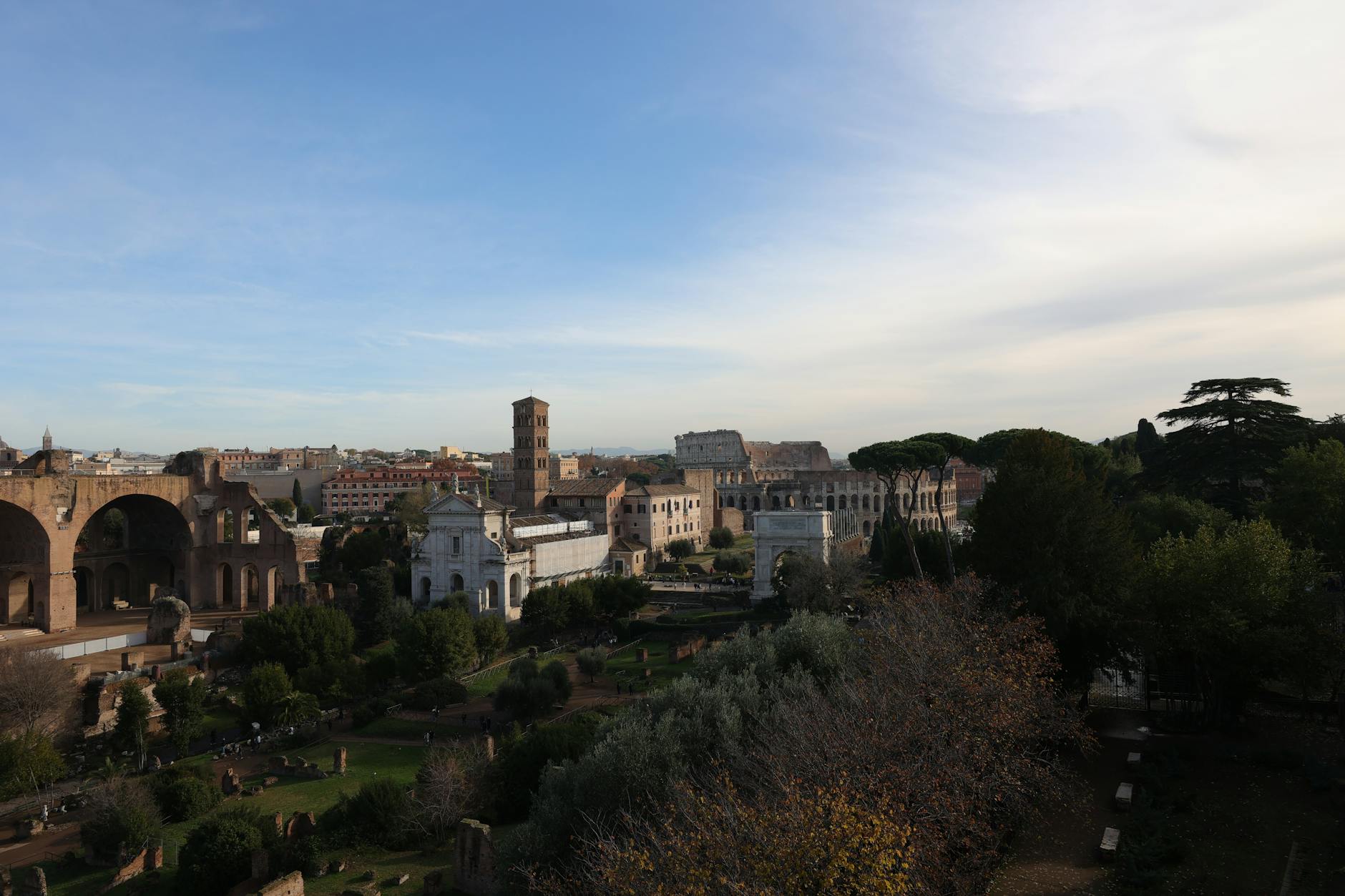
Begin your Roman journey by stepping back in time to the heart of the Roman Empire. Start early at the Colosseum, an awe-inspiring amphitheater that once hosted gladiatorial contests and public spectacles. Allow ample time to explore its vast structure and imagine its storied past. Your Colosseum ticket often includes access to the Roman Forum and Palatine Hill, which are conveniently located adjacent. Wander through the sprawling ruins of the Roman Forum, the bustling center of ancient Roman public life, where temples, basilicas, and vibrant marketplaces once stood. Ascend Palatine Hill, one of the seven hills of Rome, for stunning panoramic views of the Forum and the Circus Maximus, and explore the remains of imperial palaces.

Afternoon: Pantheon and Piazza Navona
After immersing yourself in ancient history, make your way towards the Pantheon, a remarkably preserved ancient Roman temple, now a church. Marvel at its massive unsupported dome and the oculus open to the sky. From the Pantheon, take a short stroll to Piazza Navona, one of Rome’s most elegant Baroque squares. Admire Bernini’s Fountain of Four Rivers and soak in the vibrant atmosphere created by street artists and musicians.
Evening: Trevi Fountain, Spanish Steps, and Dinner
As evening descends, follow the sounds of rushing water to the Trevi Fountain. Toss a coin over your shoulder to ensure your return to Rome – it’s a timeless tradition. Be prepared for crowds, especially at night when the fountain is beautifully illuminated. Continue your walk to the Spanish Steps, another iconic Roman landmark. Climb to the top for views over the city, or simply enjoy the lively atmosphere at its base. Conclude your day with a delightful dinner in the surrounding Monti or Pantheon neighborhoods, offering a variety of traditional Roman trattorias.
Day 2 Itinerary
Morning: Vatican City Exploration
Dedicate your second day to Vatican City, the world’s smallest independent state and the spiritual heart of the Catholic Church. Start early with a visit to the Vatican Museums, home to an unparalleled collection of art and antiquities amassed by popes over centuries. The highlight for many is the Sistine Chapel, with Michelangelo’s breathtaking frescoes, including “The Creation of Adam” and “The Last Judgment.” Ensure your tickets are pre-booked for a timed entry to avoid long queues. Following your museum visit, enter St. Peter’s Basilica, an architectural marvel and one of the largest churches in the world. Marvel at Michelangelo’s Pietà and Bernini’s baldachin over the papal altar. For a memorable view, consider climbing to the top of St. Peter’s Dome.
Afternoon: Castel Sant’Angelo and Tiber Stroll
Just a short walk from St. Peter’s Square, across the picturesque Ponte Sant’Angelo, lies Castel Sant’Angelo. Originally built as Emperor Hadrian’s mausoleum, it has served as a papal fortress, prison, and now a museum. Explore its ancient walls, secret passages, and enjoy panoramic views of the Tiber River and the city. Afterward, enjoy a leisurely stroll along the Tiber River, admiring the charming bridges and the cityscape.
Evening: Trastevere Charm
Cross the Tiber into the enchanting neighborhood of Trastevere. With its narrow cobblestone streets, ivy-clad buildings, and lively piazzas, Trastevere offers a glimpse into authentic Roman life. Explore the Basilica di Santa Maria in Trastevere, one of Rome’s oldest churches. As evening progresses, Trastevere comes alive with street performers and a plethora of trattorias, pizzerias, and bars. It’s the perfect spot for a delicious Roman dinner and a refreshing gelato, soaking in the quintessential Roman evening atmosphere.
Day 3 Itinerary
Morning: Art and Gardens at Villa Borghese
Begin your final day with a dose of art and nature at the Borghese Gallery and Museum. This exquisite villa houses a magnificent collection of sculptures by Bernini (including “Apollo and Daphne” and “The Rape of Proserpina”) and paintings by Caravaggio, Raphael, and Titian. Pre-booking tickets weeks in advance is absolutely essential, as entry is strictly controlled by timed slots. After your gallery visit, spend time wandering through the sprawling Villa Borghese gardens, one of Rome’s largest public parks. You can rent a rowboat on the lake, visit the replica of Shakespeare’s Globe Theatre, or simply enjoy a peaceful walk and the beautiful views, including a panoramic vista from the Pincio Terrace overlooking Piazza del Popolo.
Afternoon: Piazza del Popolo and Shopping
From the Pincio Terrace, descend into Piazza del Popolo, a grand neoclassical square marked by an ancient Egyptian obelisk. This piazza serves as a gateway to Rome’s elegant shopping streets, including Via del Corso and Via dei Condotti, where you can browse high-fashion boutiques or simply enjoy window shopping. You might also explore the Ara Pacis Museum nearby or the Mausoleum of Augustus.
Evening: Jewish Ghetto and Farewell Dinner
Conclude your Roman adventure with a visit to the historic Jewish Ghetto, one of the oldest Jewish communities in Europe. Explore its fascinating streets, visit the Great Synagogue, and discover the Portico d’Ottavia, an ancient Roman structure. The Jewish Ghetto is renowned for its unique Roman-Jewish cuisine. Enjoy a memorable farewell dinner here, savoring specialties like carciofi alla giudia (fried artichokes) and baccalà fritto (fried cod), providing a perfect culinary end to your Roman holiday.
Where to Stay
Choosing the right neighborhood can significantly enhance your Rome experience. Here are three recommended areas:
- Near Termini Station/Esquilino: This area is highly practical for travelers arriving by train or needing easy access to public transport (both metro lines converge here). It offers a wide range of accommodation options, often at more budget-friendly prices. It suits budget-conscious travelers and those prioritizing convenience for getting around or for early departures.
- Monti: Located between the Colosseum and the Roman Forum, Monti is a trendy, bohemian neighborhood with charming cobblestone streets, artisan shops, and excellent restaurants. It’s central, walkable to many major sights, and has a lively evening atmosphere. It suits those seeking a vibrant, authentic Roman vibe with good food and a central location without being overly touristy.
- Trastevere: Across the Tiber River, Trastevere is known for its picturesque alleys, ivy-covered buildings, and bustling nightlife. It feels like a village within the city, with a plethora of trattorias, pizzerias, and artisan boutiques. It suits those looking for a romantic, lively atmosphere, excellent dining, and a slightly more “local” feel, willing to be a short walk or tram ride from the main historical center.
Best Experiences
Beyond the main itinerary, consider these experiences to deepen your connection with Rome:
- Indulge in a Roman Food Tour: Explore local markets, sample street food, and taste authentic Roman dishes with an expert guide.
- Enjoy an Evening Stroll Through Illuminated Rome: See the Colosseum, Trevi Fountain, and other landmarks beautifully lit up at night.
- Take a Pasta-Making or Pizza Class: Learn the secrets of Italian cuisine from local chefs and enjoy your creations.
- Explore the Catacombs: Venture beneath the city to discover ancient underground burial chambers, a fascinating look into early Christian history.
- Sip an Aperitivo: Join the locals in the early evening for a pre-dinner drink accompanied by complimentary snacks.
How to Get Around
Rome is a very walkable city, especially the historic center. For longer distances, an efficient public transport system is available:
- Walking: Many of Rome’s main attractions are within walking distance of each other. This is often the best way to discover hidden gems and soak in the atmosphere.
- Metro: Rome has three metro lines (A, B, and C). Lines A and B are most useful for tourists, connecting major sites like the Colosseum (Colosseo), Vatican (Ottaviano), and Termini Station.
- Buses and Trams: An extensive network of buses and trams covers areas not reached by the metro. Tickets are valid across all public transport types and can be purchased at tabacchi shops, newsstands, or metro stations.
- Taxis: Official white taxis are available at designated stands or can be hailed. Ensure the meter is running. Ride-sharing apps also operate in Rome.
Typical Budget
A 3-day trip to Rome can vary significantly in cost depending on your travel style. Here’s a general breakdown:
- Accommodation: This is often the largest expense. Hostels and budget guesthouses offer affordable options, while mid-range hotels provide good value, and luxury hotels cater to higher budgets.
- Food: Eating well in Rome doesn’t have to break the bank. Street food (pizza al taglio, supplì), casual trattorias, and local markets offer delicious and inexpensive meals. Fine dining restaurants will, of course, be more expensive.
- Attractions: Many major sites have entrance fees, and combination tickets can often provide savings. Consider purchasing a Rome Pass or Omnia Card if you plan to visit many museums, though their value depends on your specific itinerary.
- Transport: A single public transport ticket is valid for 100 minutes, allowing transfers. Daily or multi-day passes are available and can be cost-effective if you plan to use public transport frequently.
- Miscellaneous: Don’t forget to budget for gelato, coffee, souvenirs, and any unexpected expenses.
FAQ
Here are answers to some common questions for first-time visitors to Rome:
- When is the best time to visit Rome?
Spring (April-May) and Fall (September-October) are generally considered the best times to visit. The weather is pleasant, and the crowds are more manageable than during the peak summer months, when temperatures can be very high and the city is bustling with tourists. - What should I wear when visiting churches and the Vatican?
When entering religious sites, including St. Peter’s Basilica and the Vatican Museums (which include the Sistine Chapel), both men and women must have their shoulders and knees covered. It’s advisable to carry a light scarf or shawl that you can put on before entering. - Is it necessary to book attractions in advance?
Absolutely. For popular attractions like the Colosseum, Roman Forum, Palatine Hill, and especially the Vatican Museums (Sistine Chapel), booking your tickets online with a timed entry slot several weeks, or even months, in advance is highly recommended. This will save you hours of waiting in line. - Is Rome safe for tourists?
Rome is generally a safe city for tourists. However, like any major European capital, it’s wise to be vigilant about petty crime, particularly pickpocketing, in crowded areas such such as metro stations, popular tourist sites (Colosseum, Trevi Fountain), and on public transport. Keep your valuables secure and be aware of your surroundings.