
Where to Stay in Sorrento: neighbourhoods, transit and prices
Practical guide to choosing where to stay in Sorrento: neighbourhoods, transit (Circumvesuviana, ferries, SITA/EAV buses), realistic nightly price ranges and local tips.
Compare Centro Storico, Marina Grande, Marina Piccola, Sant'Agnello and Piano di Sorrento by price, transit and who each suits so a 3-day Sorrento plan works smoothly.
Where to stay in Sorrento?
For most visitors who want easy transit to Naples and Pompeii, stay near Piazza Tasso / the Sorrento Circumvesuviana station — expect €90–€220 per night. For ferry access to Capri and Ischia choose Marina Piccola or Marina Grande; both are a short walk but can cost €80–€200 per night depending on season.
Who This Page Is For
This page helps travellers deciding between central Sorrento neighbourhoods and nearby Sant'Agnello/Piano di Sorrento; not aimed at long-term rentals or countryside agriturismo planning.
Key Takeaways for Sorrento
- Piazza Tasso / Centro Storico is best for train access to Napoli and Pompei via Circumvesuviana; typical rates €90–€220/night (USD 98–240).
- Marina Piccola and Marina Grande put ferries for Capri, Ischia and Positano within 5–12 minutes' walk; expect €80–€200/night (USD 88–220).
- Sant'Agnello and Piano di Sorrento offer the best value for families and longer stays: roughly €60–€140/night (USD 66–154).
- Circumvesuviana single tickets (Napoli–Sorrento) run about €3.90; check EAV/Circumvesuviana app for schedules and strikes before travel.
How This Page Was Prepared
This page was prepared through a structured editorial workflow that combines destination research, geographic context, and practical travel-planning review.
Plan the Rest of Your Trip
Use this page together with the full itinerary and the related planning pages below to make better booking, timing, transport, and budget decisions.
Choose Centro Storico / Piazza Tasso if primary needs are train connections and immediate access to shops and restaurants; expect about €90–€220 per night. Choose Marina Piccola or Marina Grande if ferries to Capri or Positano are a priority—both are within a 5–12 minute walk but rooms can cost €80–€200/night. For the best nightly value with easier parking and a quieter street, consider Sant'Agnello or Piano di Sorrento, which are well connected by Circumvesuviana and SITA/EAV buses and usually cost €60–€140/night. Book early for May–September and check ferry timetables outside high season.
This page answers one clear question: which neighbourhood in Sorrento should a visitor choose for a short stay so arrival, day trips and evening plans all work without expensive taxis or missed ferries. Visitors commonly underestimate how much time and money local transfers add when a hotel looks close on a map but is uphill, down narrow stairs, or outside the pedestrian centre. Crowds concentrate around Piazza Tasso and the ferry quay, which makes those areas convenient but noisy and costlier. Short stays need transit access to the Circumvesuviana train (for Napoli and Pompei) and quick walking distance to either Marina Piccola or Marina Grande if planning a Capri or Ischia day trip.
What This Page Helps You Decide
This page helps decide: whether to prioritise train access (Circumvesuviana) or ferry access to Capri/Ischia; whether to accept a noisier central location for convenience; and whether staying in Sant'Agnello or Piano di Sorrento saves money without losing transit options. It supports weighing nightly price ranges against walking distances to the ferry piers and the Sorrento train station. It also helps choose where to put luggage while day-tripping to Pompei, Naples or Amalfi, and whether to factor in taxi costs versus buying a regional bus or train ticket.
Top Recommendations
Centro Storico / Piazza Tasso
– Suits: first-time visitors and people who want immediate access to restaurants, shops and the Circumvesuviana train.
– Close to: Corso Italia, Villa Comunale viewpoint, many tour pick-up points.
– Atmosphere: high foot traffic, lots of dining options, lively after sunset.
– Price range: roughly €90–€220/night (USD 98–240).
– Transit: 5–10 minute walk to Sorrento Circumvesuviana station; local SITA/EAV bus stops on Corso Italia.
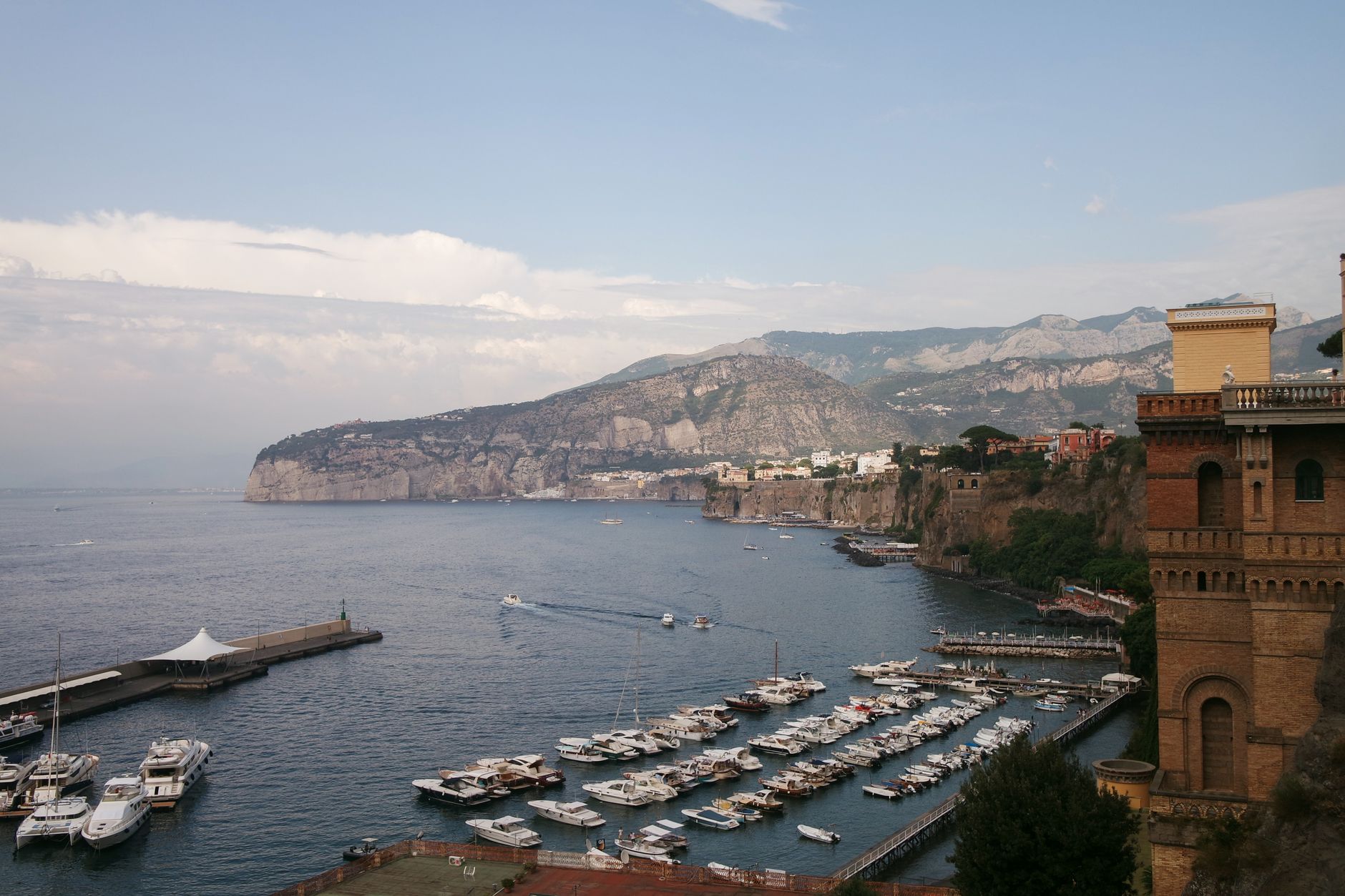
Marina Piccola (Port area near the ferry piers)
– Suits: travellers prioritising ferries to Capri, Ischia and Positano.
– Close to: hydrofoil piers (SNAV, NLG, Alilauro), fish restaurants along the marina.
– Atmosphere: coastal, tourist traffic near docks, morning boat noise on busy days.
– Price range: €80–€200/night (USD 88–220).
– Transit: short downhill walk to ferries; 8–15 minute walk to Circumvesuviana; local bus stops nearby for Amalfi Coast routes.
Marina Grande (the old fishing harbour)
– Suits: travellers who prefer a sea-level neighbourhood with beach access and seafood restaurants.
– Close to: Lido, local fishing boats, seafood eateries like Da Emilia.
– Atmosphere: more local on weekdays, busy with day-trippers in summer.
– Price range: €80–€180/night (USD 88–198).
– Transit: 10–15 minute walk uphill to Piazza Tasso and the Circumvesuviana station; some hotels offer shuttle or luggage assistance up the stairs/road.
Sant'Agnello
– Suits: families, longer-stay visitors and drivers looking for lower nightly rates and parking.
– Close to: Sant'Agnello Circumvesuviana station (one stop east of Sorrento), larger supermarkets and quieter streets.
– Atmosphere: residential, calmer evenings, local bakeries and bars.
– Price range: €60–€140/night (USD 66–154) — best-value area for mid-season stays.
– Transit: direct Circumvesuviana connection to Sorrento and Napoli; local SITA/EAV buses link to Amalfi Coast.
Piano di Sorrento
– Suits: budget travellers and those with cars who want lower prices without losing rail access.
– Close to: SS145 and Circumvesuviana at Piano di Sorrento station, bus links to Meta and Vico Equense.
– Atmosphere: suburban, quieter at night, daytime markets.
– Price range: €60–€130/night (USD 66–143).
– Transit: Circumvesuviana station and regional SITA/EAV buses provide solid connections; slightly longer commute into central Sorrento (10–20 minutes by train).
Areas to be cautious about
– Piazza Tasso / Corso Italia: very convenient but noisy at night and full of souvenir shops and higher-priced restaurants; rooms that advertise “central” can face loud streets.
Best-value area
– Sant'Agnello: generally quieter, easier parking and lower nightly rates while keeping a fast Circumvesuviana connection to Sorrento and Naples.

Local Context
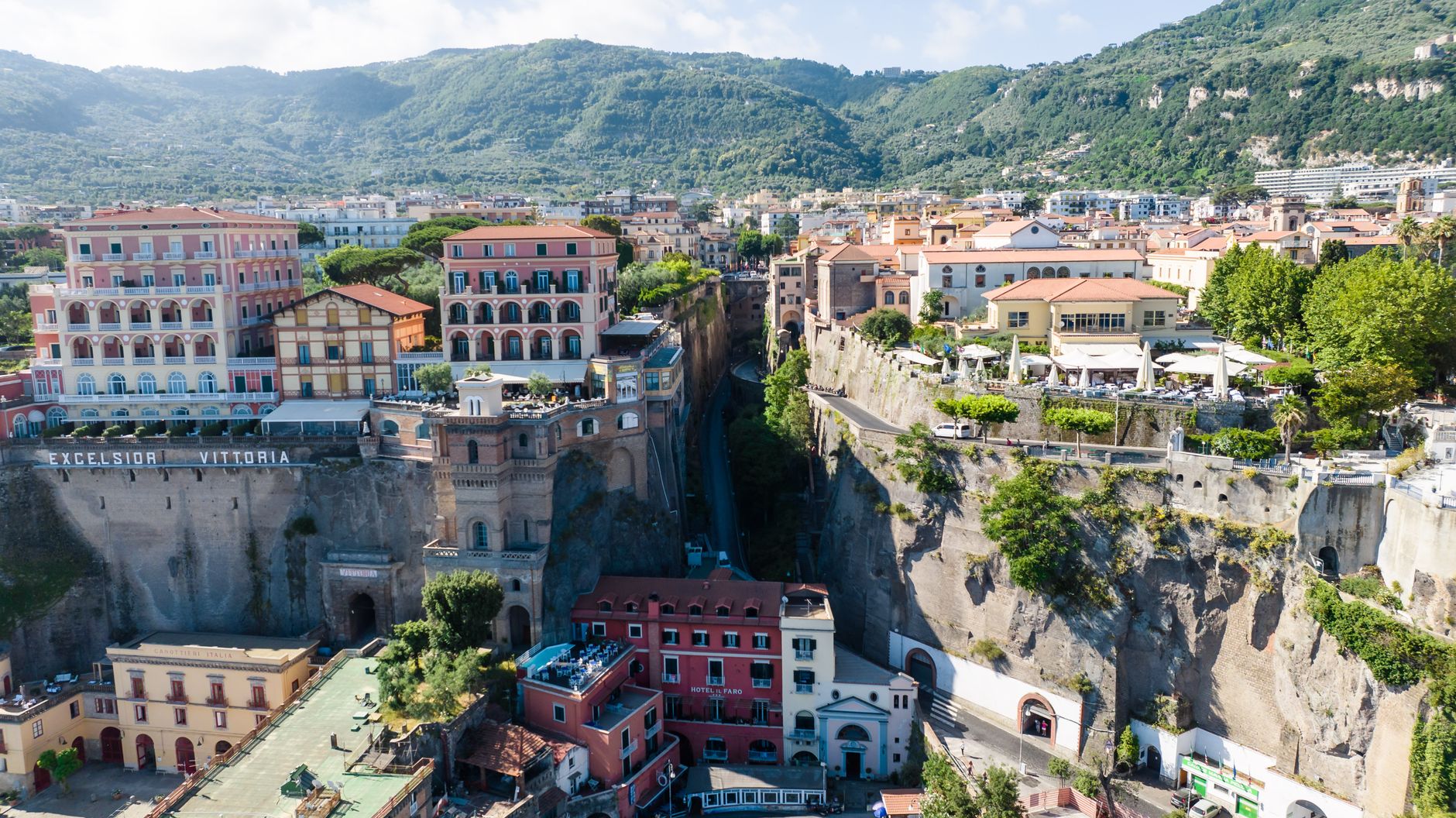
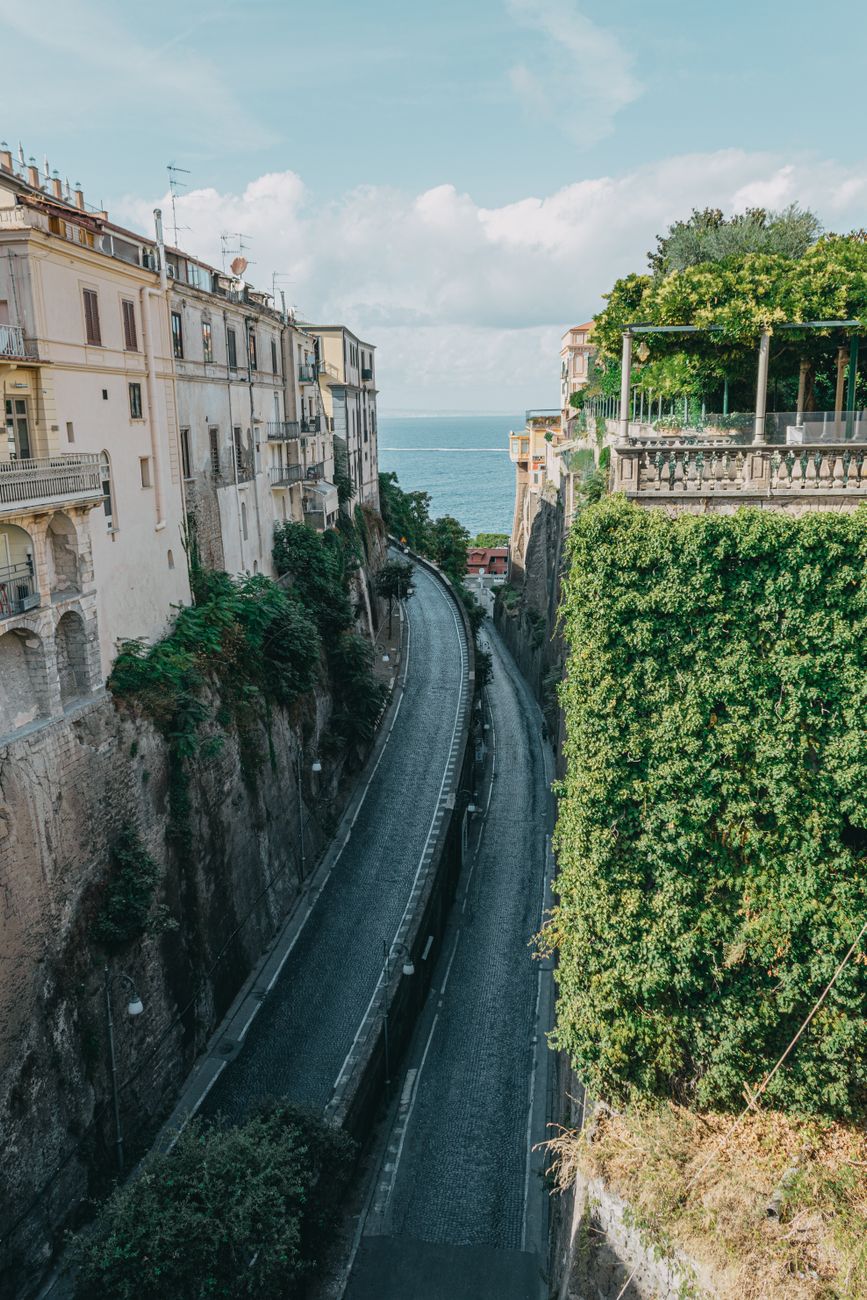
Sorrento sits on a steep cliffline with short but steep pedestrian routes from the central square to the marinas. Many hotels advertise sea views but actually require stair climbs or uphill walks to reach Piazza Tasso or the train station. The Circumvesuviana local train is the cheapest, most reliable way to reach Pompei and Napoli; the one-way fare from Napoli to Sorrento is around €3.90 and tickets are paper or app-based via the EAV system. Ferries and hydrofoils to Capri and Ischia run frequently April through September, but timetables shrink in November–March and some services stop altogether on rough-wind days. Local buses on the Amalfi road (SITA/EAV) run along the SS163; expect slower travel and possible delays in peak summer because of coastal traffic. Expect room rates to jump notably during the Easter week and mid-July to August.
How to Choose Well
Decide by transit priority and noise tolerance. If day trips to Pompei, Naples or Salerno matter most, pick near the Circumvesuviana station — this saves taxi fares (€70–€100 one way to Naples) and time; the trade-off is more street noise and tourist crowds. If island ferries are the main goal, pick Marina Piccola or Marina Grande; this cuts walking time with luggage but typically increases nightly cost and means hills walking back. If travelling with a car or staying longer, Sant'Agnello or Piano di Sorrento give cheaper nightly rates and easier parking; the trade-off is an extra 5–15 minutes by train or bus into the central sights. For families, prioritise ground-floor rooms or hotels that offer lifts; many older buildings in Centro Storico have steep staircases.
Responsible and Local-First Tips
Support small local businesses by eating at family-run restaurants such as 'O'Parrucchiano' (book ahead) and buying lemons or limoncello from independent producers on Via degli Aranci. Use public transport: Circumvesuviana trains and SITA/EAV buses reduce congestion on SS163 and save the town from extra taxi traffic. Avoid leaving large suitcases blocking narrow alleys; use hotel luggage storage and consolidate departures when taking ferries to reduce crowded pier waiting. Prefer locally run ferries and boat operators (SNAV, NLG, Alilauro) that show clear safety licenses and post timetables — this keeps income in the local port economy and reduces last-minute cancellations by unlicensed operators.
Common Mistakes to Avoid
Booking the cheapest hotel in Centro Storico without checking room location; many cheap rooms face Corso Italia and are noisy until late. Buying a taxi to Naples instead of taking the Circumvesuviana; taxis cost far more and can be delayed in traffic. Planning a day trip to Capri without checking return ferry times in low season—last hydrofoils can be early, forcing an overnight stay if the seas are rough. Check the EAV/Circumvesuviana app and SNAV/NLG timetables the day before departure to avoid surprises. Confirm whether a hotel offers elevator access if stairs are a problem.
FAQ
Is staying near Piazza Tasso worth the cost?
Yes if convenience to the Circumvesuviana and walking access to Corso Italia matter; expect €90–€220/night and louder evenings.
Which area is best for catching ferries to Capri?
Marina Piccola is the main hydrofoil terminal and usually the fastest walking route to boats.
How much does the train to Naples cost from Sorrento?
Circumvesuviana single tickets to Napoli are about €3.90 one-way; ticket machines and the EAV app sell paper or digital tickets.
Are there quieter options for families?
Yes—Sant'Agnello and Piano di Sorrento are quieter, offer parking and lower rates (€60–€140/night).
Do ferries run all year?
No—ferry frequency is high April–October and reduced in winter; check SNAV, NLG or Alilauro timetables and weather forecasts.
Can taxis be relied on late at night?
Taxis are available but limited; during peak season waits can be long and fares high—plan pickups with the hotel or use scheduled transfers.
Conclusion
The single most important thing to remember is to match transit priority to neighbourhood: choose Centro Storico / Piazza Tasso for train convenience, Marina Piccola/Grande for ferries, and Sant'Agnello or Piano di Sorrento for value and quieter nights. Book early for May–September and always check Circumvesuviana and ferry timetables the day before travel to avoid cancelled services or reduced winter schedules. Use this neighbourhood choice to guide lodging in the 3 days in Sorrento itinerary so day trips to Pompei, Capri and Napoli start from the right base.
How this guide was prepared
This guide was prepared through a structured research that combines destination research, geographic context, itinerary planning logic, and content review.