
3-Day Sorrento Itinerary: Practical Routes, Transit and Food
A practical 3-day Sorrento guide with transit tips, neighbourhood routes, food picks, and sensible timings so travelers can explore efficiently.
A realistic 72-hour plan for Sorrento that balances central sights, a Capri day trip, and a Pompeii visit while giving transit, budget and dining details.
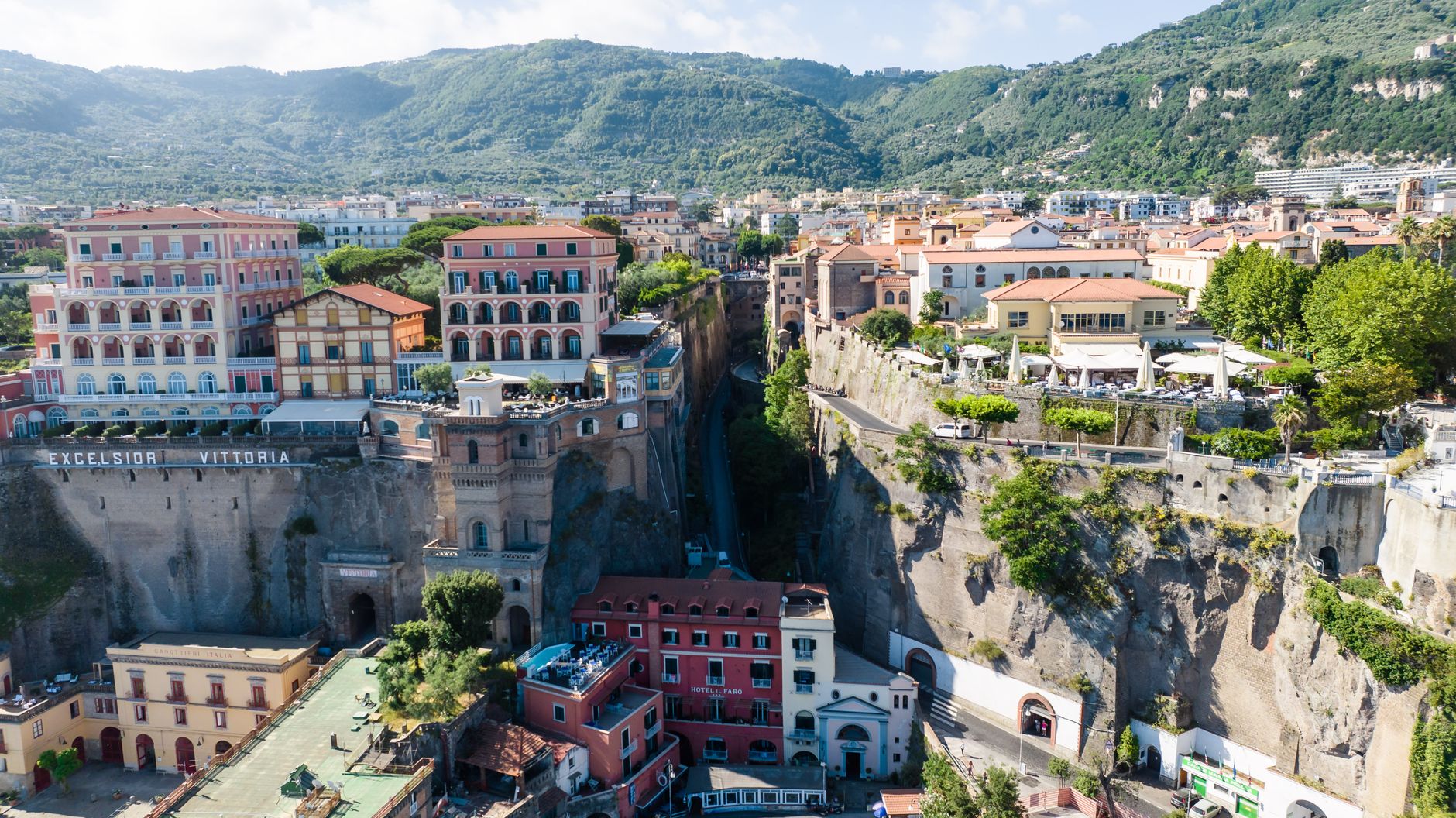
Sorrento is a coastal town on a high cliff with narrow streets, a compact centre and a working harbour. The first impression is a sequence of terraces, lemon shops and a main square where arrivals cluster before dispersing to viewpoints and restaurants. Expect loud summer days with many day-trippers and quieter, cooler mornings during shoulder seasons. This place suits travelers who want a base that combines short boat trips, easy rail access to Pompei and Naples, and a concentrated selection of museums, gardens and seafood restaurants.
Is 3 days in Sorrento enough?
Three days are enough to see Sorrento’s centre, take a Capri ferry, and visit Pompeii or the Amalfi Coast if travel times are managed. The honest caveat: skipping deep exploration of Amalfi or Positano is necessary unless willing to sacrifice time on the island or in the historic centre.
Who This Guide Is For
Best for travelers who like coastal towns, short day trips, and food-focused sightseeing; less suitable for people wanting a slow beach holiday or a full Amalfi/Positano exploration without extra nights.
Local Tips for Sorrento
Practical details that most travel sites skip — specific to Sorrento.
- Buy a one-way Circumvesuviana ticket to Napoli Centrale for about €4.30 at the station ticket machine — validate the paper ticket before boarding.
- The Sorrento funicular runs between Piazza Tasso and Marina Grande; a single ride costs about €1.50 and tickets are sold at the funicular kiosk.
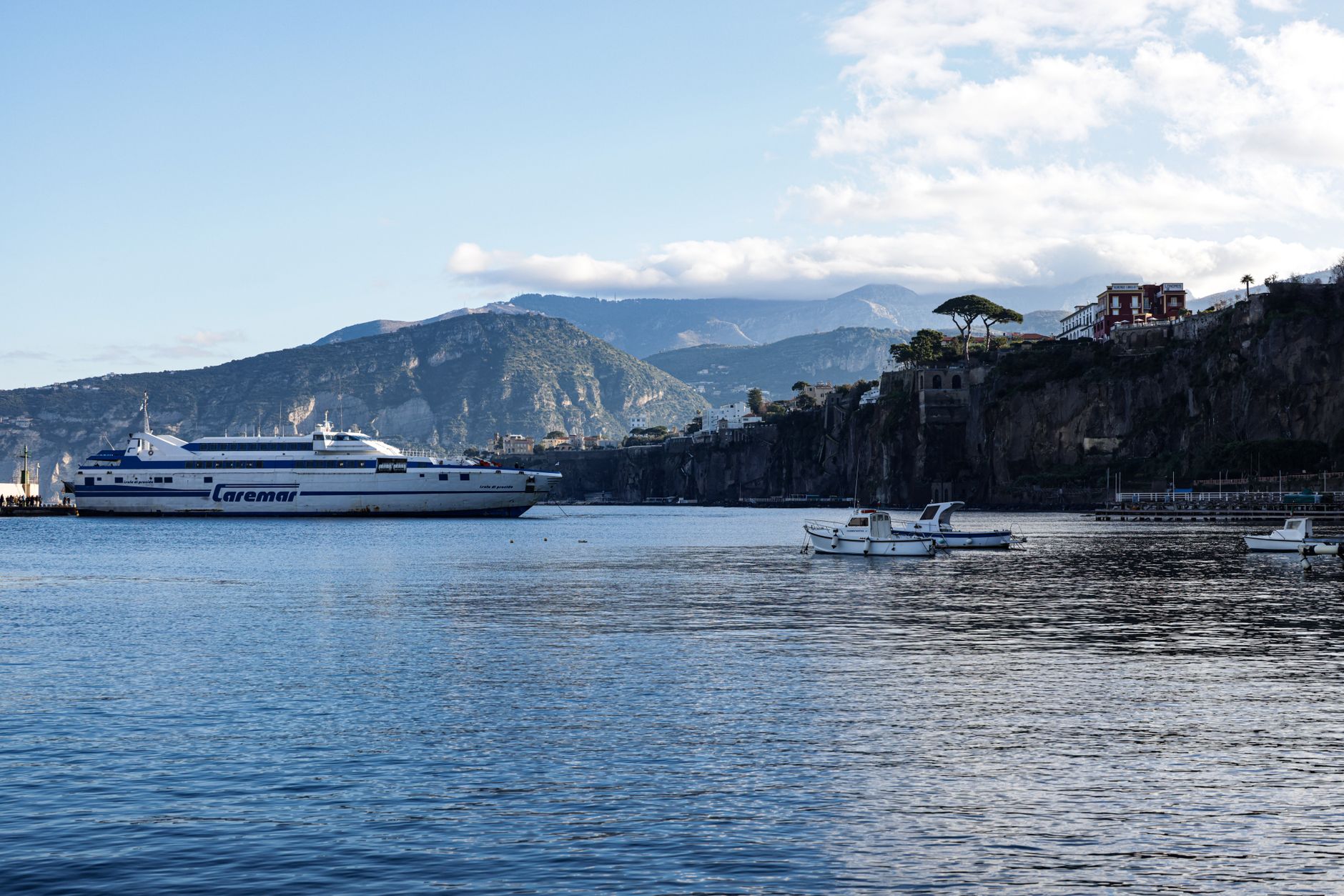
- Ferries to Capri depart from Marina Piccola (Marina Grande has a separate small fishing harbour); expect 20–25 minutes on fast boats and one-way fares around €20–€25 in high season.
- Limoncello bottles from Limonoro or Iaccarino cost roughly €8–€20 depending on size; small shops on Via San Cesareo will open later in winter than in summer.
- There is a local tourist tax (tassa di soggiorno) charged by many hotels — typically €1.50–3 per person per night to be paid on checkout.
How This Guide Was Prepared
Sorrento is a compact coastal town that rewards measured pacing rather than trying to cram every Amalfi Coast highlight into a weekend. Many guides push day trips nonstop; this plan accepts ferry and train schedules, recommends realistic walking times, and flags where crowds and service reductions change the experience. This guide was prepared through a structured research that combines destination research, geographic context, itinerary planning logic, and content review.
Plan Your Stay in Sorrento
Use this itinerary as your starting point, then compare areas to stay, transport options, seasonal timing, and realistic daily costs before booking.
Why Visit
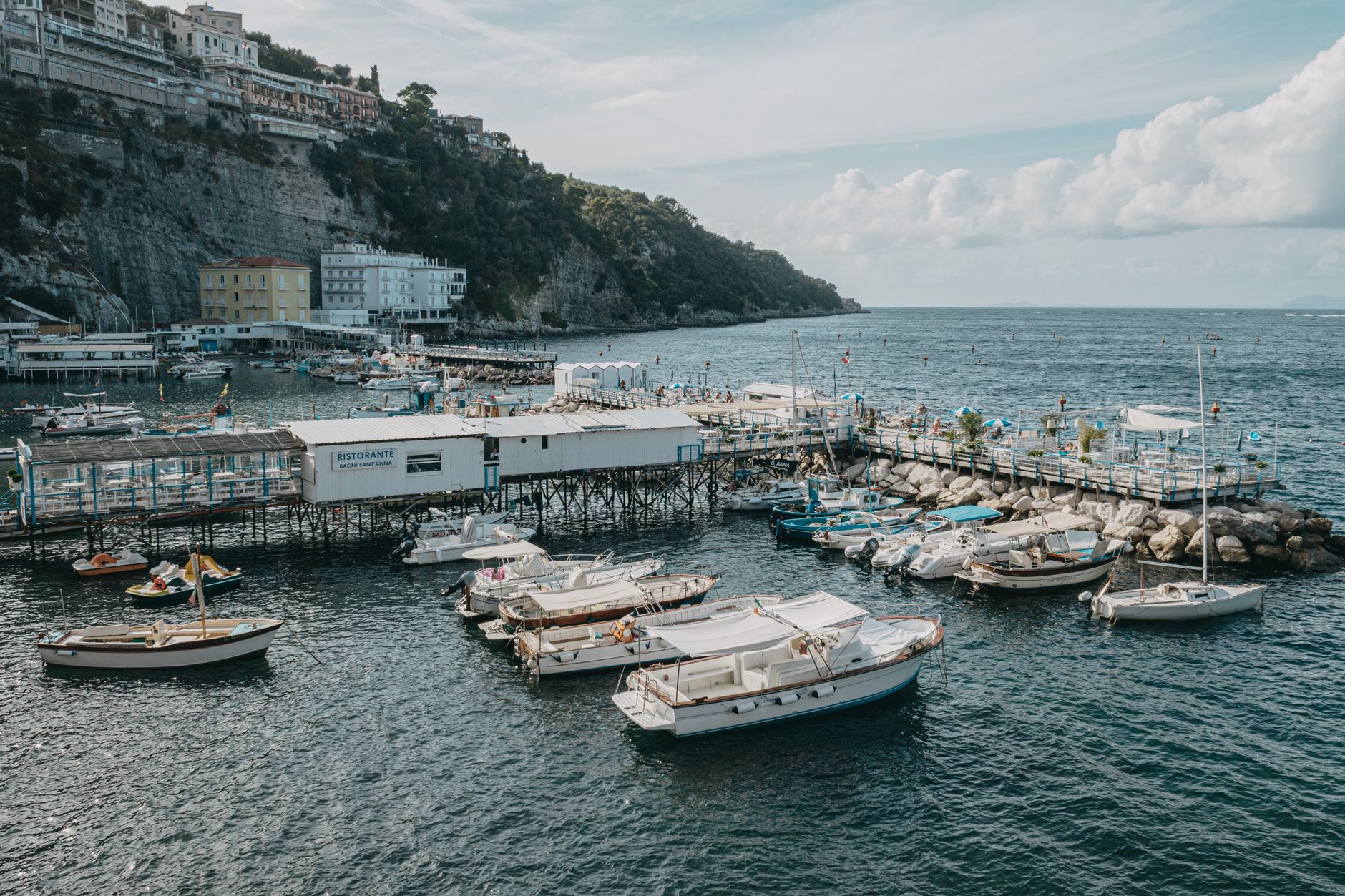
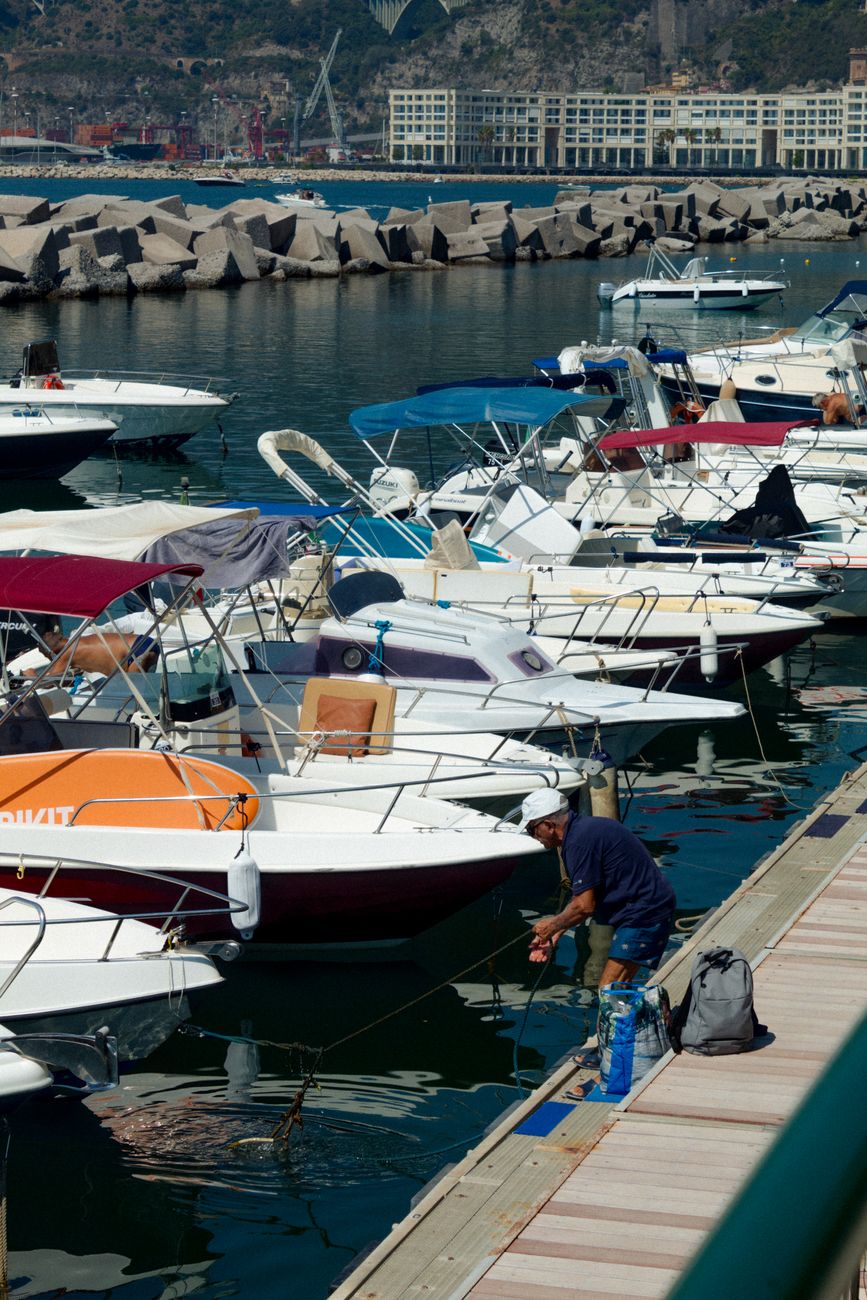
Sorrento gives straightforward access to Capri and Pompei without staying in a bigger city. The ferry terminals at Marina Piccola put the island a short boat ride away, which saves hotel changes for an island day trip. The town keeps ordinary local life in view: Marina Grande is still a fishermen’s harbour with working boats and daily catches, and the Villa Comunale terrace offers one of the easiest sea outlooks in the area for sunset. Finally, food and liqueur production are direct: limoncello and the local bakery pastries are sold in specialist shops like Limonoro and Pasticceria Lombardi, so tasting local production is convenient and immediate.
Quick Planning Tips
Arrive via Naples Capodichino airport and take the Alibus to Napoli Centrale, then the Circumvesuviana train to Sorrento station; total door-to-door often runs 60–90 minutes depending on connections. For card payments, use Maestro/Visa; small cafés and market stalls may prefer cash, so keep €20–40 on hand. Buy train and funicular tickets at station machines or Tabacchi; validate paper tickets in the small yellow machines before boarding. One planning mistake to avoid is assuming frequent late-night ferries: in low season check specific operator timetables (SNAV, NLG, Alilauro) and prebook transfers if arriving after 20:00.

Day 1
Start in Piazza Tasso, the commercial heart where most buses and the funicular meet; spend 30–60 minutes walking Corso Italia for shops and cafés. From there, walk 5–10 minutes down Via San Cesareo to the Museo Correale di Terranova (allow 1–2 hours; entry about €6–€8) to see local paintings and furnishings. Next head 15 minutes on foot to Villa Comunale for a terrace view of the Bay of Naples — the viewpoint is compact but rewarding for photos and a short rest. After the terrace, descend to Marina Grande via the scenic stair route or take the funicular (3–5 minutes); the walk down takes 10–15 minutes depending on pace. Lunch at Trattoria da Emilia in Marina Grande offers seafood straight from the harbour (expect €15–€25 per person). In the afternoon, walk the short harbour loop and explore the Valle dei Mulini ruins near the lower town (15–20 minutes from the marina). Dinner back near Piazza Tasso at L'Antica Trattoria on Corso Italia is a classic choice for gnocchi alla Sorrentina (main courses €12–€20). Finish the evening with a gelato at Bar Fauno or a slow stroll along Via Marina until 22:00 when nightlife quiets down outside high season.
Day 2
Take an early ferry from Marina Piccola to Capri; fast boats take about 20–25 minutes. On arrival, head first to Anacapri by bus or chairlift to avoid the busiest Piazza Umberto I; allow 3–4 hours for the island including a visit to Villa San Michele (ticket varies, roughly €8–€12) or a Blue Grotto slot if weather allows. For lunch choose Da Paolino under the lemon trees in Capri town — reservations are essential, and expect prices from €25 for a mains-focused meal. Return mid-afternoon to the harbour and use the remaining daylight to explore Marina Piccola promenade and the small beaches near the port. If ferries run late, an evening meal at Ristorante Bagni Delfino in Marina Grande is a practical shore-side option. Transport time: round trip with boarding and disembarkation normally consumes 4–6 hours, so plan the afternoon in Sorrento for walking or a light museum visit rather than another long excursion.
Day 3
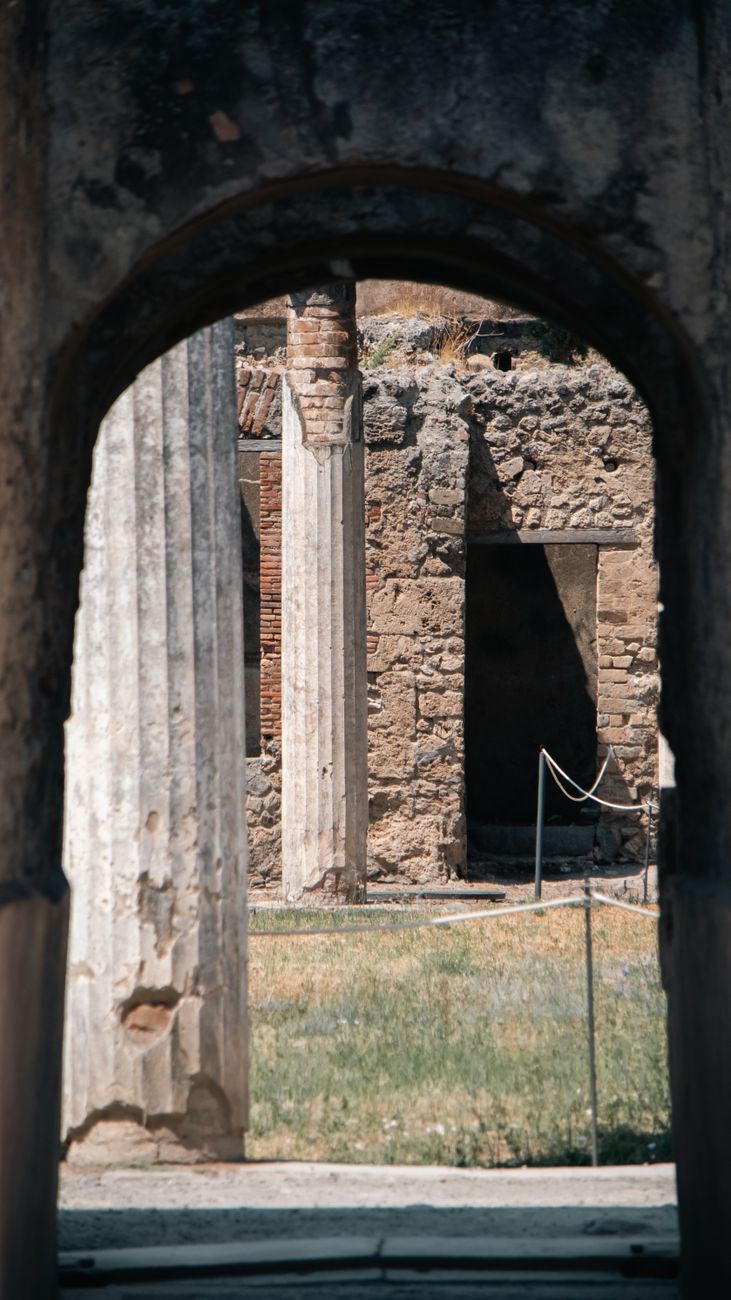
Take the Circumvesuviana train to Pompei Scavi station (about 30–40 minutes); buy and validate the ticket at Sorrento station before boarding. Allocate three hours to tour the Pompeii archaeological park with basic entry around €18; guided tours or an audio guide add clarity but also time. After Pompei return to Sorrento around midday and consider a short afternoon option: a swim at Marina di Puolo (taxi or SITA bus, 10–15 minutes) or a slow walk through the lemon groves toward Sant'Agata. For lunch try a seaside trattoria at Marina di Puolo or a light meal in the old town — plan €12–€25 per person. Practical note for departures: hotels will usually hold luggage for late flights; allow at least 90–120 minutes to reach Naples airport from Sorrento by Circumvesuviana plus Alibus, and add extra time if relying on ferries.
Best Local Experiences
Walk the stretch from Corso Italia to Via San Cesareo for artisanal shops, leather goods and ceramics. Visit Marina Grande early in the morning for the fishermen unloading catch and a busy seaside breakfast. Taste limoncello at Limonoro or Iaccarino and compare small-batch bottles; many shops will let you sample before buying. Hike or take transport to Sant'Agata sui Due Golfi for quieter village streets and a coastal view toward Punta Campanella. Take the Sentiero degli Dei (Path of the Gods) starting from Bomerano (requires a bus to Agerola) as a full-day hike alternative to boat trips; transfers via SITA bus connect the trailheads to Positano.
Where to Stay
Centro Storico / Piazza Tasso: best for first-time visitors who want short walks to shops, restaurants and the funicular. Close to Museo Correale and Villa Comunale; expect nightly rates roughly €120–220 (€130–240 USD) in mid-season for a double in a mid-range hotel. Marina Grande / Harbour area: suits travellers wanting sea views and seafood dining; within 5–15 minutes walk to the main square; expect €100–200 (€110–220 USD) per night. Sant'Agnello or Meta: quieter, residential towns one stop west on the Circumvesuviana line for lower prices and a more local pace; good for budget-conscious travelers and families; expect €70–130 (€75–140 USD) per night and quicker access to train connections. Booking early in high summer is essential, and check if hotels add the local tourist tax at checkout.
Food and Drink
Gnocchi alla Sorrentina: baked potato gnocchi with tomato sauce and mozzarella; a clear local staple. Good at L'Antica Trattoria; expect €8–€14. Delizia al Limone: a lemon sponge mousse dessert that showcases the local citrus; find it at Pasticceria Lombardi for about €4–€6. Limoncello: lemon liqueur served chilled after dinner; small bottles at Limonoro cost €8–€20 depending on size. Frittura di Paranza: mixed fried small fish served simply — try Trattoria da Emilia at Marina Grande for €12–€20. Spaghetti alle Vongole: fresh clams with olive oil and garlic; look for it at Bagni Delfino from €12–€18. Breakfast option: espresso and cornetto at Bar Fauno in Piazza Tasso for about €2–€4. Street-food style snacks include sfogliatella from local bakeries for €2–€3 and market sandwiches at the daily market stalls.
Getting Around
Circumvesuviana runs between Sorrento and Napoli with a journey to Pompei of 30–40 minutes; the local line is the main rail lifeline for day trips. SITA Sud buses connect the Amalfi Coast towns (Positano, Amalfi) and run along the coastal road; expect slow but scenic travel. The Sorrento funicular links Piazza Tasso and Marina Grande; buy single tickets at the kiosk. Ferry operators to Capri and Naples include SNAV, Alilauro and NLG; ticket prices vary seasonally but plan roughly €20–€25 one-way to Capri in summer. Single bus tickets within the locality are about €1.50–€2, Circumvesuviana one-way about €4.30; taxis to Naples airport typically cost €70–€90. Useful apps: EAV for local train and bus info and Trenitalia for broader rail connections. Scooters are rentable in town but drivers should be experienced with narrow streets and parking constraints.
Best Time to Visit
April–June: comfortable temperatures around 15–25°C and moderate crowds; spring offers good value and open ferry schedules. July–August: temperatures commonly 25–30°C, peak crowds and higher prices; August includes Ferragosto when many Italians travel and some small businesses may close briefly. September–October: warm sea, fewer crowds and more hotel deals; temperatures 18–26°C and ferries still frequent. November–March: low season with cooler, wetter weather (8–15°C) and many restaurants or ferry services reduced; useful for quiet exploration but some tourist services may be limited.
Budget and Practical Tips
Daily budget estimates: budget traveler €70–100 per day (accommodation €40–60, food €20–30, transport €5–10, entry fees €5–€10). Mid-range traveler €150–250 per day (accommodation €120–180, food €40–€60, transport €10–€20, entries €20–€30). Expect higher prices in July–August and at waterfront restaurants. Many restaurants will add a coperto (cover charge) of €1–€3 and sometimes a servizio for large groups; check the menu before ordering. Tipping is modest: rounding up or leaving 5–10% for exceptional service is appreciated but not mandatory. Small note on ATMs: use main bank branches in Piazza Tasso or near the Circumvesuviana station for reliable withdrawals.
FAQ
Is Sorrento safe for tourists?
Yes; the town is generally safe with typical petty theft risks in crowded summer areas, so keep bags zipped and be cautious on busy ferries and train platforms.
How reliable is Circumvesuviana?
Circumvesuviana runs frequently but can be crowded and subject to delays; validate tickets and allow extra time for peak-hour trains.
Is a city card worth buying?
There is no single Sorrento city card that covers all transport and sights; evaluate the Campania ArteCard only if visiting multiple paid museums and using regional trains and buses extensively.
Can a visit to Capri be done in one day?
Yes, a day trip is common; expect 4–6 hours on the island including transit time, and prebook ferry or early boats to maximize time ashore.
Are taxis expensive?
Short local rides in town are moderate, but private transfers to Naples airport usually run €70–€90; compare fixed transfers with Circumvesuviana plus Alibus for cheaper options.
What is the best way to get to Pompei?
The Circumvesuviana train from Sorrento station to Pompei Scavi is the most direct and affordable option, about 30–40 minutes.
Conclusion
A three-day plan leaves time for the core attractions: the town centre, a Capri day trip and either Pompei or a coast hike. The most lasting impressions tend to be the sea views from Villa Comunale, the concentrated lemon influence in food and liqueur, and the working harbour at Marina Grande. If time becomes tight, prioritise an hour at the Villa Comunale terrace for its sunset view and a short Marina Grande seafood lunch; those moments capture the coastal character more reliably than ticking off every museum.
How this guide was prepared
This guide was prepared through a structured research that combines destination research, geographic context, itinerary planning logic, and content review.