

Leuven in 3 Days: Practical 72-Hour Itinerary and Tips
A clear 3-day Leuven plan with transit tips, realistic budgets, neighbourhood routes and meal picks to help travellers prioritize what matters most.
A concise, practical 72-hour guide for Leuven that focuses on walking routes, transit options from Brussels, realistic budgets, and where to spend or skip time.
First impressions are of compact streets, ornate stone façades and a steady student presence that changes the rhythm after 18:00. The city centre clusters the main sights within a 10–20 minute walk, which means time is gained by choosing a neighbourhood and moving on foot rather than cramming in long transit hops.
Expect weekends to be noisier around Oude Markt and Tiensestraat; weekdays feel calmer but busier between 08:00–10:00 and 16:00–18:00 when students move between classes. Many guides treat this place as a day trip from Brussels, which undersells the relaxed café culture and brewery-related museum options that make an overnight stay worthwhile.
This pace suits travellers who like short walks, beer-focused tasting and a handful of museums rather than long guided tours. Accommodation ranges from budget student hostels to quiet guesthouses in Heverlee and Vaartkom for those wanting more space.
Is 3 days in Leuven enough?
Yes: three days is enough to cover the Grote Markt, University Library and tower, M-Museum, a brewery visit, and to spend a relaxed evening on the Oude Markt while leaving space for a park or abbey visit. One honest caveat: there isn’t time for a slow day trip to Antwerpen or Namur without cutting museum time or an evening out.
Who This Guide Is For
Best for travellers who enjoy short walks, beer culture, and university-town life; not ideal for those seeking long museum marathons or multiple day trips on a tight timetable.
Local Tips for Leuven
Practical details that most travel sites skip — specific to Leuven.
- Buy a MOBIB card at Leuven station ticket kiosks to top up De Lijn and other regional transit; single De Lijn journeys bought on board cost about €2.50 and validate on entry.
- Oude Markt’s terraces fill late: most bars stay quiet until 21:00 on weekdays and the scene peaks after 22:00 on Friday–Saturday, so book dinner reservations if preferred.
- University Library tower on Ladeuzeplein charges around €6 for tower access and panoramic views; limited daily slots mean afternoons can sell out on weekends.
- Kruidtuin (Botanical Garden) near Sint-Michielsstraat is free to enter and closes at dusk during winter months, so visit earlier in the day for plant displays.
- Stella Artois brewery tours at Brouwerij Artois must be booked in advance online and typically cost €12–€18; weekdays sell out during university term events.
How This Guide Was Prepared
Leuven rewards slow, on-foot exploration of its university streets, beer cafés and a few concentrated sights rather than a long checklist of attractions. Many guides treat it as a half-day stop from Brussels or Antwerpen; this guide treats it as a standalone short city break and points out where to skip the tourist bustle to see how students and residents actually use the city. Practical details — train times, where museums close early, brewery booking windows, and neighbourhood noise levels — are prioritised over broad praise. This guide was prepared through a structured research that combines destination research, geographic context, itinerary planning logic, and content review.
Plan Your Stay in Leuven
Use this itinerary as your starting point, then compare areas to stay, transport options, seasonal timing, and realistic daily costs before booking.
Why Visit
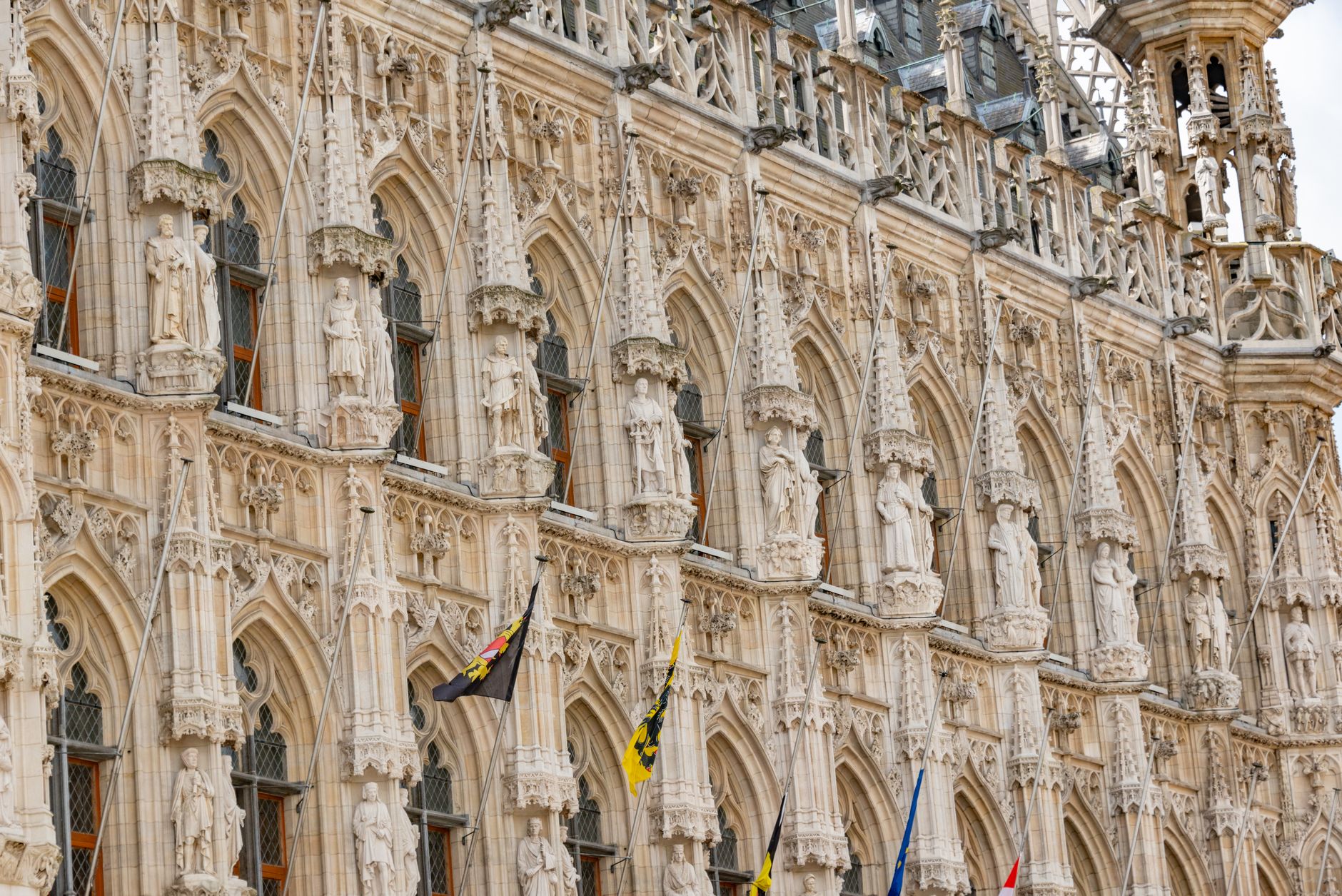
The architectural density around Grote Markt and the ornate Town Hall rewards a single afternoon of careful looking and photography; the stonemasonry and sculptural program are concrete local highlights. University Library and its bell tower on Ladeuzeplein offer a short climb and views that put the whole centre in context; the library building also contains a historical exhibit tied to WWI.
M-Museum Leuven provides rotating contemporary exhibitions and local art shows, useful for those who prefer smaller, curated museums over large national institutions. The brewing story here is practical to access: the historical link to Stella Artois means brewery tours and beer cafés such as Domus let visitors see production and taste styles on site.
Green spaces and abbeys like Kruidtuin and Abdij van Park provide a quick rural break without leaving municipal limits, ideal for a half-day bike loop or a quieter morning walk away from the bars and markets.
Quick Planning Tips
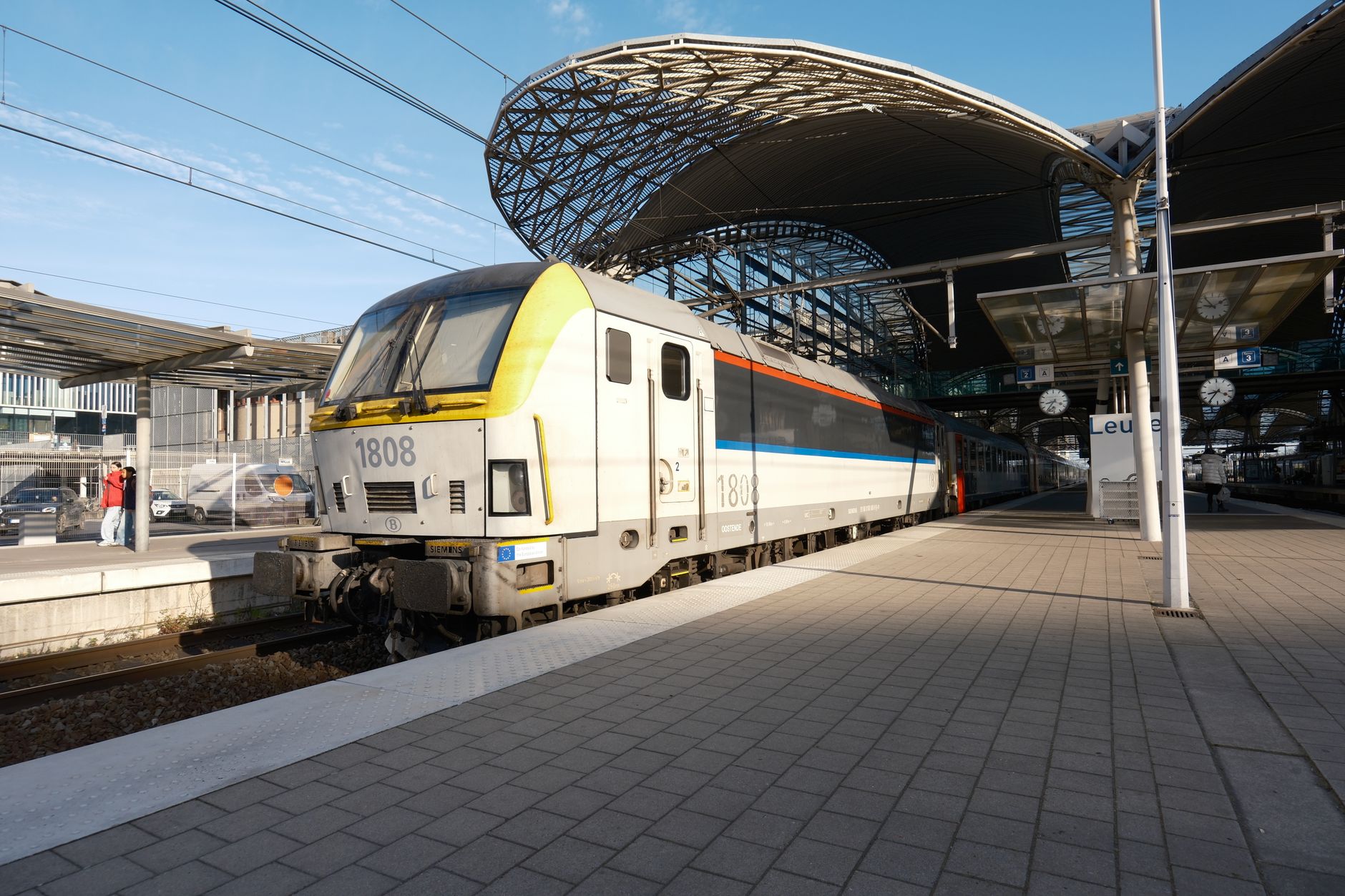
Arrive by train from Brussels: SNCB/NMBS intercity trains from Bruxelles-Central or Bruxelles-Midi take roughly 20–25 minutes and arrive at Leuven station, which sits a 10–15 minute walk from Grote Markt. From Brussels Airport, direct trains run about 15–20 minutes depending on service; check the SNCB app for exact departures.
Use the SNCB/NMBS app for train tickets and a MOBIB card for local De Lijn buses if planning multiple bus rides; the De Lijn app shows real-time departures. Carry a chip-enabled bank card; most cafés and shops accept contactless cards, though small frituurs may prefer cash.
Avoid scheduling major museum visits and a brewery tour on the same afternoon — both have limited entry slots and can lead to rushed transfers across the centre. Book guided brewery slots and University Library tower tickets in advance for weekends.
Day 1
Morning: Start at Grote Markt to study the Town Hall (Stadhuis) façade and nearby Baroque churches. Allow 45–60 minutes to walk the square and adjacent streets, including Tiensestraat for cafés and breakfast options.
Late morning: Walk 5–10 minutes to the University Library on Ladeuzeplein. Budget 60–90 minutes for the tower access (around €6) and the short WWI exhibition inside. From the tower, the walk down to M-Museum Leuven is about 8–12 minutes via Brusselsestraat.
Lunch: Eat at Domus (near the library area) for house-brewed beers and Flemish dishes; a main course typically costs €14–€20. After lunch, spend 90 minutes at M-Museum Leuven viewing the permanent collection and a temporary show.
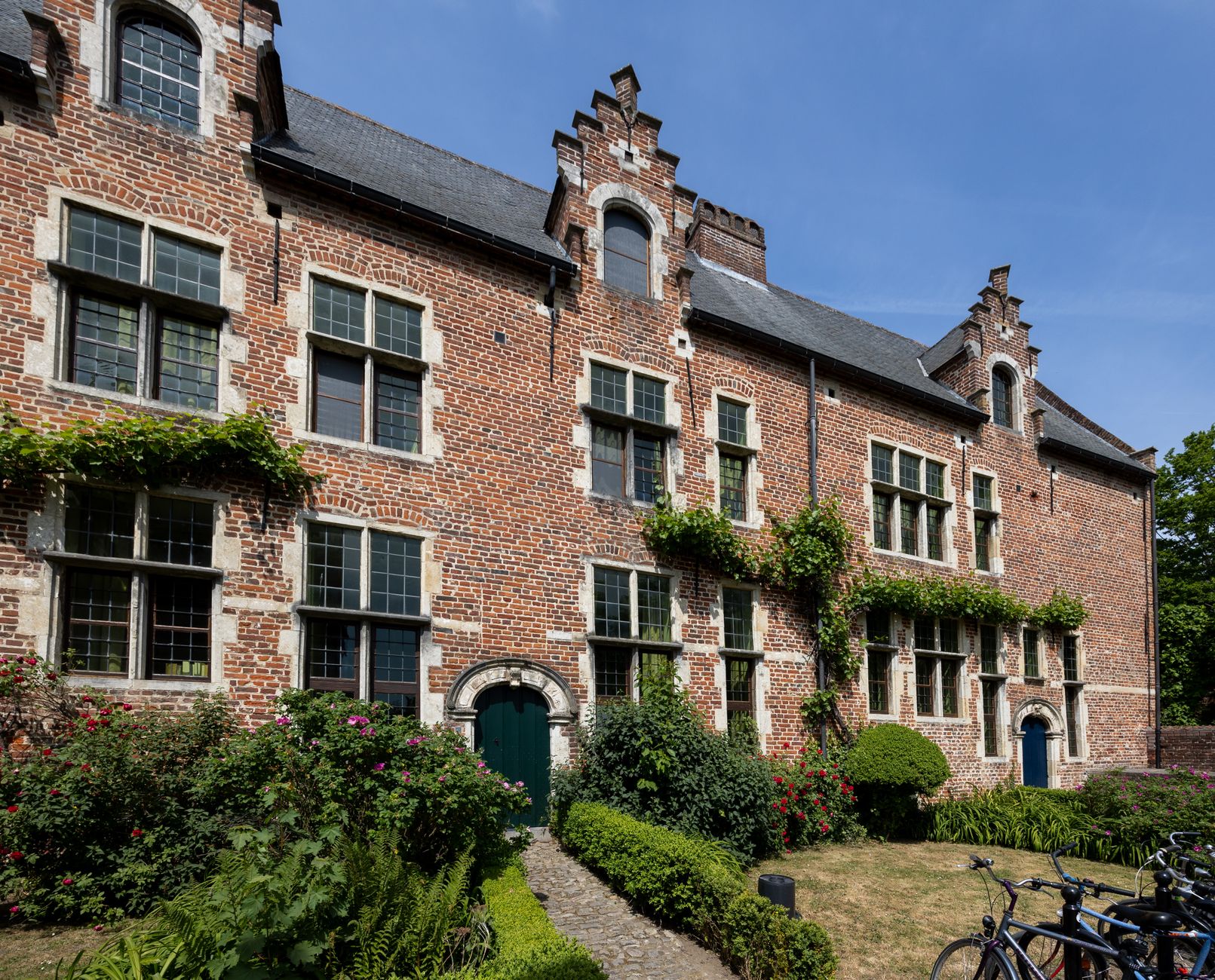
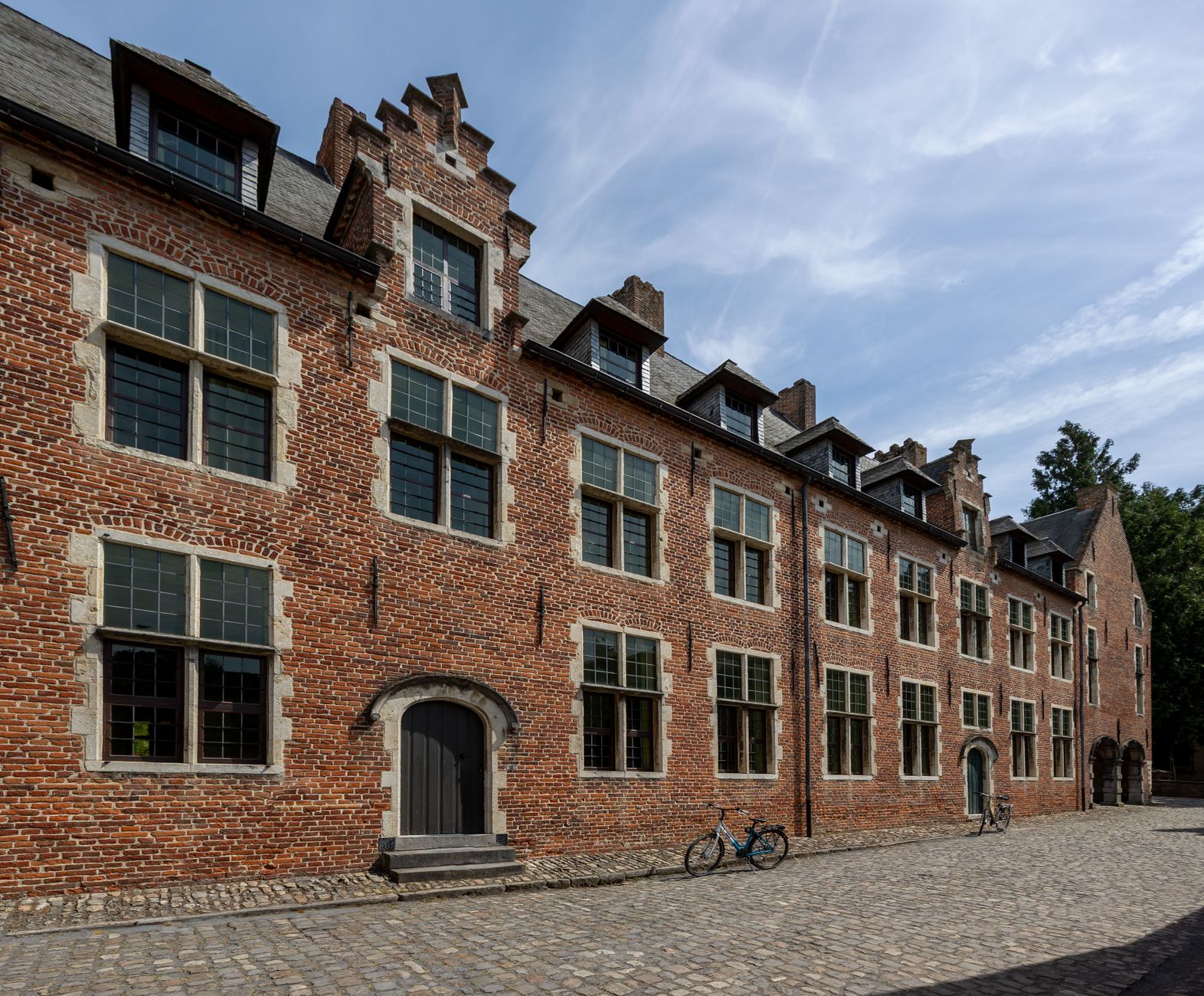
Afternoon: Stroll 8–12 minutes to the Groot Begijnhof for a quieter, pedestrian-only area and photo stops; plan 45–60 minutes. From there, walk 10–15 minutes back toward Oude Markt to prepare for the evening.
Evening: Choose Oude Markt for dinner and a bar crawl along the long terrace line — restaurants range from casual frites stands to sit-down Belgian cuisine. Expect the area to peak after 22:00, so reservations for dinner at 19:00–20:00 avoid the late-night crush.

Day 2
Morning: Head to Kruidtuin (Botanical Garden) for a relaxed start; it’s about a 10–15 minute walk from Grote Markt and is free to enter. Spend 45–60 minutes among the beds and greenhouses, then walk 15 minutes to the Vaartkom canal area for a change of industrial-turned-modern scenery.
Late morning: From Vaartkom take a short De Lijn bus or a 25–30 minute walk along the canal to Abdij van Park in Heverlee. The abbey grounds and park are ideal for a 60–90 minute visit; check for guided-tour schedules if interested in the cloister and exhibition rooms.
Lunch: Try a café near the abbey or return to Heverlee village for a local brasserie meal; expect mains €12–€18. After lunch, rent a city or Blue-bike at the station for a 30–45 minute cycle through Heverlee woods and campus areas, which feels different from the old centre.
Afternoon: Return to the centre and visit local specialty shops on Bondgenotenlaan or the pedestrianised Mechelsestraat for cheese, beer and chocolate purchases. Evening options include a booked Stella Artois brewery tour or a quieter dinner in Vaartkom away from the tourist terraces.
Day 3
Morning: Check out of accommodation and leave bags at the hotel or at Leuven station lockers; the station office can confirm availability. Start with a focused visit to the University Library if tower tickets were missed, or return to the Groot Begijnhof for morning light and fewer people.
Late morning: Walk 10–15 minutes to Bondgenotenlaan and explore specialist food shops and a typical frituur for a quick snack; plan 30–60 minutes. If luggage is stored and there’s time, take a 20–30 minute local train to Heverlee for a final walk through Abdijpark if not completed on Day 2.
Lunch: Choose a café near the station if catching an afternoon train or a short taxi to Brussels Airport; light lunches and sandwiches range €6–€12. Allow at least 90–120 minutes from downtown to the airport for taxi or train + security if flying in the afternoon.
Afternoon departure note: Direct trains to Brussels Airport run frequently; aim to arrive at Leuven station 20–30 minutes before departure to buy tickets if needed. For taxis, expect about €50–€70 to Brussels Airport depending on traffic.
Best Local Experiences
Oude Markt terrace crawl — early evening for people-watching, late night for bar atmosphere; sample an assortment of Flemish beers across several pubs. Saturday morning market around Grote Markt/Ladeuzeplein — local producers, cheeses and seasonal vegetables appear from 08:00 to early afternoon; check schedules for special-event dates.
Stella Artois brewery tour at Brouwerij Artois — book ahead and pair with a tasting session to learn the production history and try limited-release beers. Guided walk through Groot Begijnhof — follow the numbered plaques and adjacent St. Gertrudis Church for architectural context.
Cycle loop through Heverlee woods and Abdijpark — accessible by Blue-bike or rented city bikes, this offers forest paths, ponds and the abbey lawns. M-Museum Leuven openings and late-night exhibition events — check the museum calendar for evening hours and combined ticket offers.

Where to Stay
City centre (Grote Markt / Oude Markt): Suits those who want nightlife and instant access to main sights; expect small hotel rooms or guesthouses from €90–€150 per night (≈ $99–$165). Streets near Tiensestraat and Bondgenotenlaan put cafés and museums a short walk away.
Groot Begijnhof / University area: Suits visitors who want quieter streets while remaining central; small B&Bs and boutique guesthouses run about €80–€130 per night (≈ $88–$143). Close walking distance to the University Library and M-Museum.
Heverlee / Vaartkom: Suits people who want more space, park access and easier parking; expect mid-range hotels and apartment rentals €70–€120 per night (≈ $77–$132). Heverlee is 10–15 minutes by local train or a short bus ride from the centre and is quieter on weekend nights.
Food and Drink
Stella Artois (local pale lager) — the most internationally known brand brewed locally; visit the Brouwerij Artois tasting tour for pours around €3–€6. Domus beers and kitchen — microbrewery pub near the city centre serving house beers and hearty Flemish mains; mains €14–€20.
Vlaamse stoverij (Flemish beef stew) — slow-braised beef in beer, usually served with fries or mashed potatoes; find good versions at traditional brasseries such as cafés near Grote Markt for €14–€18. Frites from a frituur — a classic street option with sauces (mayonnaise, andalouse); expect €2.50–€5 per portion.
Speculoos or Belgian waffle — bakeries and market stalls offer a quick sweet breakfast or snack for €2–€5. For coffee and pastries, choose cafés along Tiensestraat or Mechelsestraat where cappuccinos run €2.50–€3.50.
Dinner recommendation: a mid-range sit-down place near Oude Markt or Vaartkom for seafood, stoofvlees or seasonal menus with mains €18–€28 and shared starters for €6–€10.
Getting Around
Trains: SNCB/NMBS intercity services connect to Brussels, Antwerpen and other Belgian cities; Leuven train times to Brussels are about 20–25 minutes. Use the SNCB/NMBS app to buy tickets and check platforms.
Buses: De Lijn operates local bus routes; single onboard fares are around €2.50 and day tickets cost roughly €6–€7. Download the De Lijn app for schedules and real-time changes. Bike options: Blue-bike station rental and local hire shops near the station provide short-term rentals for city loops.
Taxi and airport: Taxi to Brussels Airport typically costs about €50–€70 depending on traffic; rides within the city centre are usually €8–€15 for short trips. For cards and passes, a MOBIB card is useful for local buses and regional transport purchases.
Best Time to Visit
Spring (March–May): Temperatures typically range 6–18°C. Expect fewer tourists than summer and more open café terraces by late April; university term means the city feels alive on weekdays.
Summer (June–August): Temperatures generally 16–25°C. Peak terrace season and outdoor events; late July–August can be quieter if students leave, though weekends remain busy with short-break visitors.
Autumn (September–November): Temperatures range 7–17°C. Cooler weather and fewer crowds in late October; good value for accommodation outside festival dates. Winter (December–February): Temperatures around 0–6°C. Christmas markets and short days; quieter weekdays but expect packed evenings if holiday events run.
Budget and Practical Tips
Daily budget (per person, typical): Accommodation €90 (midrange) ≈ $99, Food €30–€45 ≈ $33–$50, Transport €5–€10 ≈ $6–$11, Entry fees (one museum + tower + brewery) €20–€30 ≈ $22–$33. On tighter budgets, dorms or budget hotels can drop accommodation to €30–€60 (≈ $33–$66).
Cash and tipping: Card payments are widely accepted; keep small change for frituurs and market stalls. Tipping is appreciated but not required — round up the bill or leave 5–10% for good service in sit-down restaurants.
Practical tips: Book brewery tours and University Library tower slots ahead for weekend travel. If driving, use a designated parking garage and plan for €2–€3 per hour in central garages; public transport and walking are usually faster and cheaper within the centre.
FAQ
Is Leuven safe for tourists?
Yes; central streets and main tourist areas are generally safe during the day and evening. Standard precautions apply around late-night crowds on Oude Markt and remain aware of pickpockets in crowded terraces.
Is 3 days enough time to see the city?
Yes, three days covers main sites (Grote Markt, University Library tower, M-Museum, brewery visit) and allows time for a park or abbey; longer stays needed for day trips to Antwerpen or Namur.
How do I get from Brussels Airport to the centre?
Direct SNCB/NMBS trains run to Leuven from Brussels Airport; journey is about 15–20 minutes. Taxis are available but cost roughly €50–€70.
Is a city card or museum pass worth it?
No single comprehensive city card is popular; buy individual museum tickets and book brewery tours separately — combination discounts are rare but check M-Museum and brewery websites for temporary offers.
Are shops and museums open on Sundays?
Many smaller shops and some museums have reduced hours or are closed on Sunday; larger museums may open afternoons. Check specific opening times before planning a Sunday-only itinerary.
Can the city be explored on foot or is transport necessary?
The centre is highly walkable with most major sights within 10–20 minutes of each other. Use De Lijn buses or Blue-bike rentals for trips to Heverlee, Vaartkom or the abbey.
Where to store luggage for a late train or flight?
Leuven station offers luggage lockers and a station office; capacity can be limited on busy weekends so check availability early.
Are there good vegetarian or allergy-friendly options?
Yes; many cafés and mid-range restaurants list vegetarian and gluten-free options, particularly on Tiensestraat and Mechelsestraat.
Conclusion
Three days reveal what makes the place distinct: ornate civic architecture, concentrated museum options and a strong beer-and-café culture that residents and students curate through the week. Visitors most often remember the Town Hall façade, the view from the University Library tower and an evening on Oude Markt.
If time is tight, prioritise a morning at Grote Markt and the library tower, an afternoon M-Museum or brewery visit, and one long evening on Oude Markt; that combination gives a realistic snapshot without rushed transfers or missed tickets.
How this guide was prepared
This guide was prepared through a structured research that combines destination research, geographic context, itinerary planning logic, and content review.