

3 Days in Brussels: Practical Itinerary and Local Tips
A practical, no-nonsense 3-day guide to Brussels with transit tips, neighborhood advice, daily plans, realistic costs and safety pointers.
Three days gives time to see the historic centre, a museum or two, a neighbourhood walk and a beer-focused evening — with realistic times and costs.
Expect an urban place where medieval squares sit beside bureaucratic concrete and Art Nouveau facades. The first impression is contrast: narrow guild-house fronts at Grand-Place, then tram lines and plate-glass office towers in the EU Quarter. Noise levels vary — the centre can be loud from trams and tourist groups during high season, while neighbourhoods like Ixelles or Saint-Gilles settle into quieter evenings.
Daily life mixes French and Dutch language use, frequent rain and reliable public transport. A common mistake is thinking the historic centre contains everything worth seeing; worthwhile walks and bars are best explored outside the immediate square. The city suits short cultural trips, beer-focused evenings and neighbourhood wandering with time built in for slow meals and unexpected queues.
Is 3 days in Brussels enough?
Yes — 3 days is enough to cover the Grand-Place, a handful of museums (Magritte or the Musical Instruments Museum), one full neighbourhood (Marolles or Ixelles) and a visit to Atomium or the EU Quarter. The caveat: long detours (multiple full museum days or several day trips) will require more time.
Who This Guide Is For
Best for first-time visitors who want a compact mix of history, beer and neighbourhood life. Less suitable for in-depth museum buffs or travellers who want multiple day trips to Brugge and Gent in the same visit.
Local Tips for Brussels
Practical details that most travel sites skip — specific to Brussels.
- Buy STIB/MIVB tickets at station machines or via the STIB Mobile app; a single ride costs about €2.50 and a 24-hour STIB pass is around €7.50.
- Take the train from Brussels Airport (BRU) to Bruxelles-Central or Bruxelles-Midi — journey times are about 20 minutes and single fares are roughly €9 one-way.
- Place du Jeu de Balle market in the Marolles runs every day and starts winding down by early afternoon; go before 10:30 for the best finds and antiques.
- Cantillon Brewery (Rue Gheude 56, Anderlecht) requires advance booking for the guided tour and tastings; gueuze prices in the tasting room are typically €4–6.
- Many sit-down restaurants around Grand-Place add a small 'mise en bouche' or cover charge implicitly in menu prices; menus close to the square are often 20–30% higher than two blocks away.
How This Guide Was Prepared
A short stay should prioritise contrast: the medieval core and the modern EU quarter, plus a local-food approach that avoids tourist traps. Most guides overfill itineraries and under-emphasise transit time, weekday museum closures and where tourists actually overpay for chocolate and fries. This guide was prepared through a structured research that combines destination research, geographic context, itinerary planning logic, and content review.
Plan Your Stay in Brussels
Use these planning pages to compare areas to stay, expected costs, seasonal timing, and local transport before booking.
Why Visit
Three concrete reasons: accessible art, concentrated gastronomy, and surprising modern architecture. The Magritte Museum and the Musical Instruments Museum (MIM) concentrate strong, short museum visits within walking distance of Mont des Arts. Good beer and specialist cafes mean evenings can be focused and local rather than stretched across the city.
A second reason is the mix of neighbourhood characters: Marolles (Place du Jeu de Balle) offers secondhand markets and antiques, while Sablon has high-end chocolatiers such as Pierre Marcolini and Wittamer. A third reason is convenience: frequent trains to Brugge, Gent and Antwerpen make single-day extensions possible without overnight planning.

Quick Planning Tips
From Brussels Airport, the fastest public option is the SNCB train to Bruxelles-Central or Midi; buy tickets from the yellow machines or the SNCB/NMBS app and allow 30–45 minutes from door to downtown hotel. For tram and metro travel inside the city, use STIB/MIVB tickets or a 24-hour pass bought at metro stations or in the STIB Mobile app.
Carry a contactless card or small euros for market purchases; many small bakeries and older shops prefer cash. Avoid scheduling major museum visits on Mondays — several museums and smaller attractions close that day and planners often see wasted opening-hour windows.

Day 1
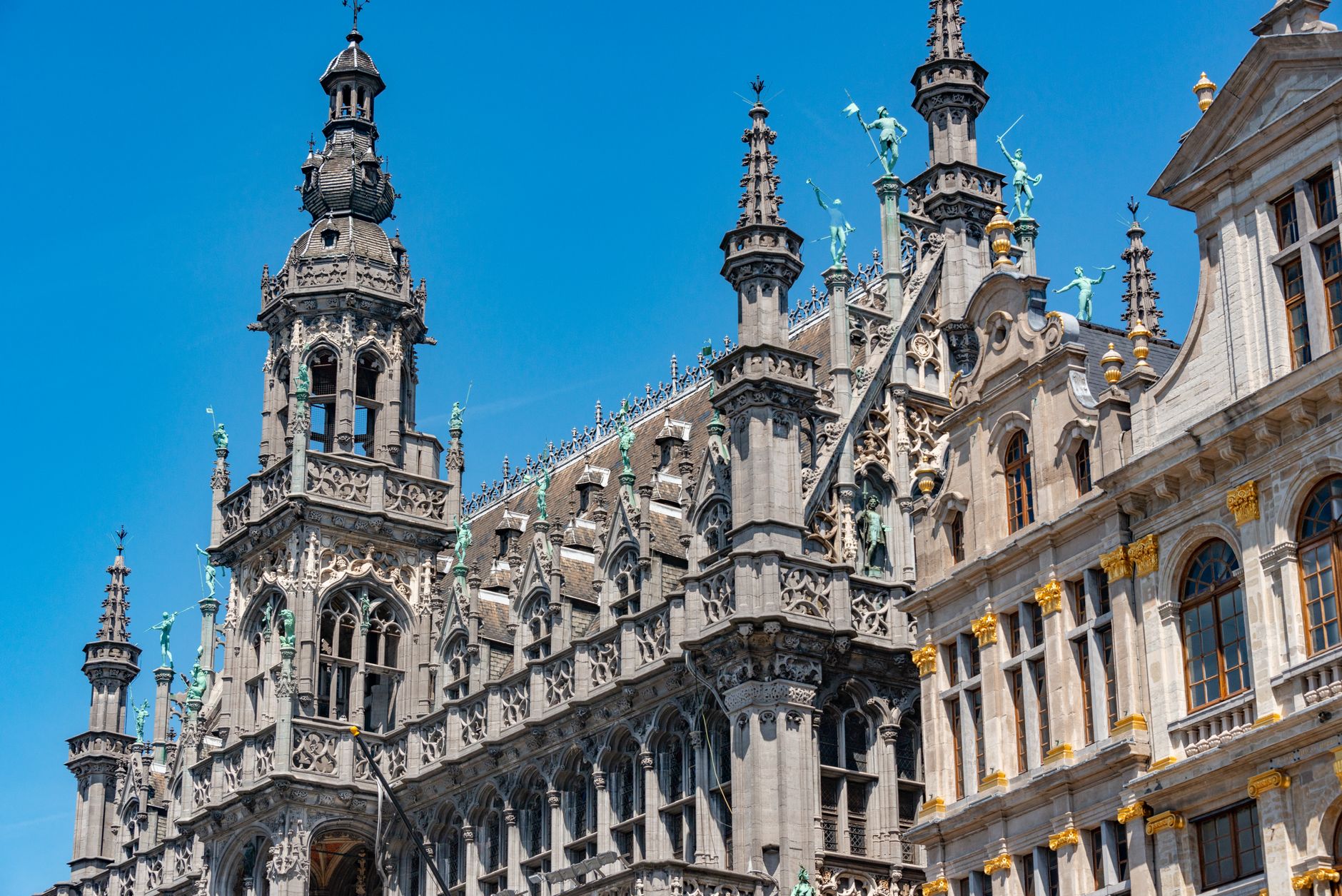
Morning: Start at Grand-Place (Grote Markt) — allow 45–60 minutes to take in the square and the Town Hall facade. From there walk 2–5 minutes to Galeries Royales Saint-Hubert for window-shopping and quick chocolate stops.
Late morning: Walk 5 minutes to Manneken Pis and then 10–12 minutes uphill to Mont des Arts for city views and photos. The Musical Instruments Museum (MIM) is a short 6–8 minute walk from Mont des Arts; plan 1–1.5 hours for the exhibits.
Lunch: Eat at Noordzee Mer du Nord at Place Sainte-Catherine or have moules-frites at Chez Léon on Rue des Bouchers; Noordzee is standing-room fish (expect €7–€12), Chez Léon is a full service moules-frites option (€18–€25). Afternoon: Visit the Magritte Museum near Place Royale (15-minute walk from MIM) for 1–1.5 hours. Evening: Head to Delirium Café or Moeder Lambic for a beer tasting — both are 10–20 minutes on foot from the Magritte area and close by tram lines.

Day 2
Morning: Start in the Marolles district at Place du Jeu de Balle — arrive by 9:00 for the flea market. Explore Rue Blaes and Rue Haute for antiques and secondhand shops; walking around with stops takes 1.5–2 hours.
Late morning: Walk up to the Palais de Justice (about 15 minutes uphill) for a panoramic view over the city from the courthouse steps. From there take tram 81 or tram 92 toward Sablon (about 10–15 minutes) and spend time among chocolate shops and antique stores in Sablon.
Lunch: Try Le Petit Sablon or a café near Rue de la Régence. Afternoon: Visit Horta Museum on Rue Américaine (tram 81/82 to Saint-Gilles or a 20–25 minute walk from Sablon) to see an Art Nouveau house; then move on to Avenue Louise for shopping and architecture. Evening: Finish at Place Flagey or Ixelles Ponds where bars and late cafés cluster; tram 81 will link Sablon and Flagey in about 20 minutes.

Day 3
Morning: Head to the European Quarter (Schuman, Parc Léopold) and visit the Parlamentarium or the Parlamentarium visitor centre near Parc Leopold; allow 1–2 hours. Walk 15–20 minutes to Parc du Cinquantenaire and choose between Autoworld or the Royal Army Museum for a focused visit of 1–1.5 hours.
Midday: Take metro line 6 from Merode or Arts-Loi to Heysel/Heizel for Atomium (20–25 minutes from Cinquantenaire on metro plus short transfer). Allow at least 1.5–2 hours at Atomium and the nearby Mini-Europe park if chosen. Lunch near Heysel has multiple food-truck and museum cafés; expect €10–€18.
Afternoon/Departure note: For afternoon flights, leave time to retrieve luggage from left-luggage at Bruxelles-Midi or the station lockers (if used) and take the airport train (20 minutes to BRU). Budget at least 90–120 minutes from central departure to check-in for European flights.
Best Local Experiences
Place du Jeu de Balle flea market (daily) for antiques and secondhand finds; get there early. Marché du Midi (Sunday) is a large food and produce market on Boulevard du Midi that runs most of the morning and is a genuine local market experience.
Cantillon Brewery tour and tasting in Anderlecht for traditional gueuze and lambic production; book ahead. Place Sainte-Catherine and Noordzee Mer du Nord for standing-room seafood and quick, high-quality fish snacks. Comic strip mural route — follow large outdoor murals across central neighbourhoods to see Tintin, Gaston and local street art.
Where to Stay
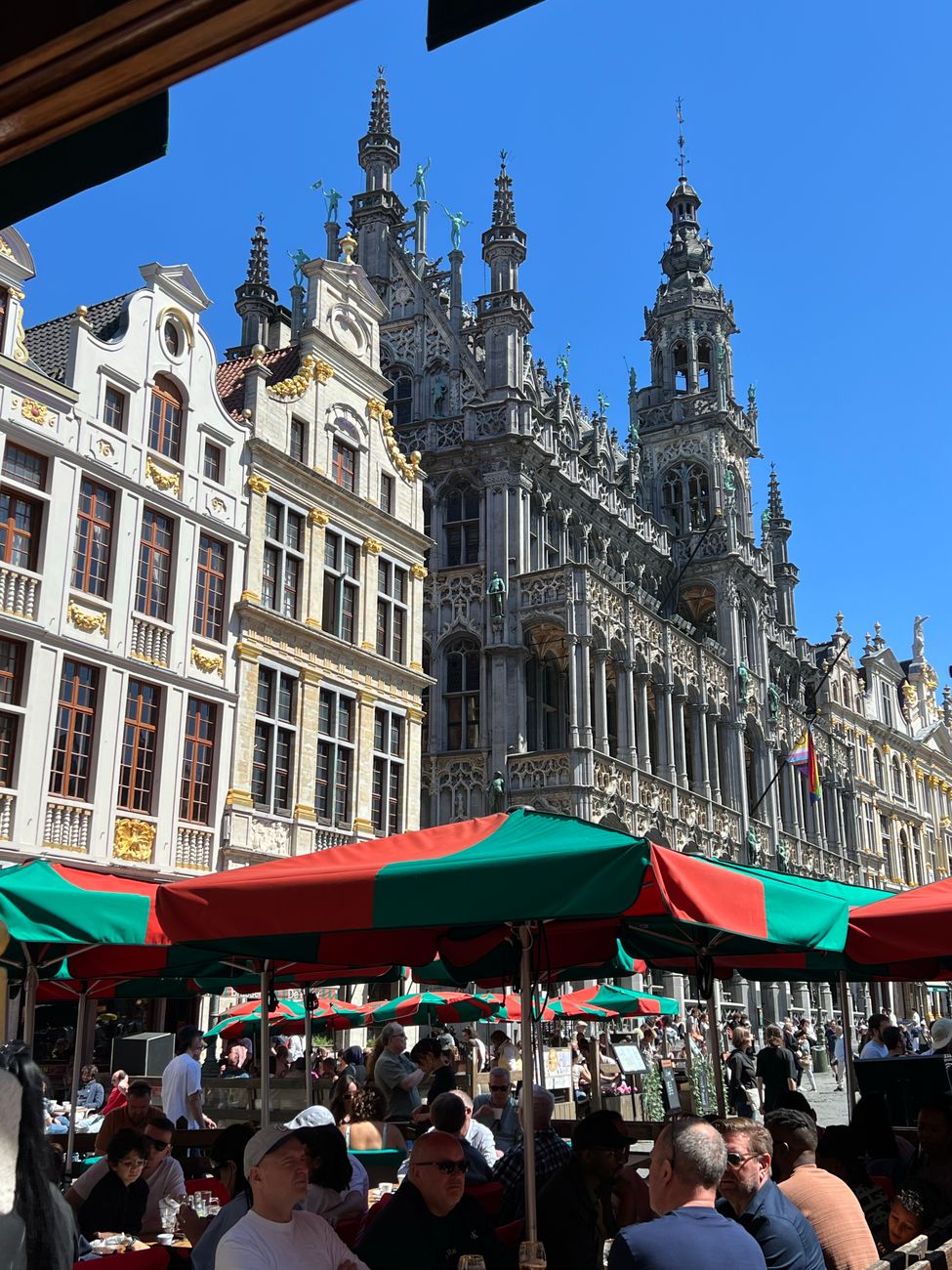
City Centre / Grand-Place (Ilot Sacré): Best for first timers who want walkable access to the main sights and evening options. Expect hotel prices around €120–€220/night (~$130–$240). Noise can be an issue at night and prices are higher for similar quality one or two blocks away.
Sablon / Upper Town: Suits visitors focused on chocolate, antiques and quieter streets; near the Magritte Museum and many chocolatiers. Nightly rates typically run €140–€250 (~$150–$275). It's walkable to the centre but slightly uphill.
Ixelles / Flagey: Suits those who prefer cafés, bars and local restaurants; near Avenue Louise and the Etangs d'Ixelles. Prices are generally €80–€150/night (~$85–$165) and the neighbourhood feels more residential in the evenings.
Food and Drink
Moules-frites: Steamed mussels with fries, commonly served at Chez Léon or La Roue d'Or; expect €18–€25 for a full portion. Carbonnade flamande (stoofvlees): Beef stewed in Belgian beer, often found at classic brasseries such as Noordzee or 'T Kelderke' for €14–€22.
Belgian fries (frites): Street-corner friteries like Maison Antoine (Place Jourdan) serve fries with mayonnaise or sauces for about €3–€5. Brussels waffle and speculoos: Maison Dandoy sells waffles and speculoos biscuits for breakfast or snacks; waffles €3–€5, small packets of biscuits €4–€8.
Beer: Try a gueuze or lambic at Cantillon (€4–€6 per tasting) or specialty taps at Moeder Lambic (pints and tastings €4–€8). Chocolate: Pralines at Pierre Marcolini or Wittamer cost roughly €2–€3 per piece or €15–€40 for gift boxes depending on size.
Getting Around
The primary operator is STIB/MIVB for metro, tram and bus within city limits. Key metro lines: 1, 2, 5 and 6; notable tram routes include 3, 4, 7, 8, 81 and 82. Buy single STIB tickets for about €2.50 or a 24-hour STIB pass for roughly €7.50; purchase at station machines or through the STIB Mobile app.
Regional trains are run by SNCB/NMBS — use the SNCB app for tickets to Gent, Brugge, Antwerpen and Leuven. Taxi from Brussels Airport to the central area is typically €45–€55 depending on traffic; airport train to central stations takes about 20 minutes and costs around €9. Recommended apps: STIB Mobile for local transit and SNCB/NMBS for national trains; Google Maps or Citymapper for routing helps integrate all modes.
Best Time to Visit
Spring (April–May): Temperatures around 8–18°C, increasing daylight and fewer tourists than summer; good value and comfortable walking weather. Summer (June–August): Warmer, typically 16–25°C, but the busiest period for tourists and queues at main sights.
Autumn (September–October): Temperatures 10–18°C with fewer tourists and off-season hotel rates; good months for lower crowds. Winter (November–February): 0–7°C with frequent rain; December is popular for Winter Wonders and markets but expect cold evenings and shorter opening hours.
Budget and Practical Tips
Daily budget example (mid-range): Accommodation €80–€180 (~$85–$195), food €30–€60 (~$32–$65), transport €7.50 (24-hour STIB pass), entries €10–€25 per museum — total roughly €130–€275/day (~$140–$300). Cheaper travel is possible by staying in Ixelles or near Brussels Midi and eating market food or bakery items.
Tipping: Service is usually included on restaurant bills; rounding up small amounts or leaving 5–10% for exceptional service is appreciated but not required. Practical tip: bring a small umbrella or lightweight rain jacket and a contactless card; many trams and ticket machines accept contactless banking for single tickets.
FAQ
Is Brussels safe for tourists?
Yes, central areas are generally safe during the day, but expect petty pickpocketing around Grand-Place, Gare du Midi and crowded trams; keep an eye on bags and avoid poorly lit streets late at night.
How to get from Brussels Airport to the city centre?
Take the SNCB train from BRU to Bruxelles-Central or Bruxelles-Midi (about 20 minutes, ~€9) or a taxi for roughly €45–€55 depending on traffic.
Is the Brussels Card worth buying?
The Brussels Card (available 24/48/72h) pays off if visiting three or more paid museums and using partner discounts; compare the sum of individual entries before purchasing.
Are museums open on Mondays?
Several museums, including some Royal Museums and smaller specialist houses, are closed on Mondays; plan museum-heavy days on other weekdays.
Can day trips to Brugge or Gent be done easily?
Yes — SNCB trains run frequently: Brugge ~1 hour, Gent ~30–40 minutes and Antwerpen ~40 minutes; day trips are feasible from a three-day base.
What languages are spoken?
French and Dutch are official; English is widely spoken in tourist areas, hotels and museums.
Are taxis or public transit better for short trips?
Public transit is usually faster and cheaper inside the centre; taxis are convenient late at night or for heavy luggage but expect higher fares.
Conclusion
A three-day stay will be remembered for contrasts: a compact historic centre, beer-focused evenings and clear differences between leafy neighbourhoods and the EU Quarter. Most travellers will leave remembering the concentration of good specialty chocolate, the frites culture and the quality of small beer bars. If short on time, prioritise Grand-Place, Mont des Arts and one strong tasting experience (either Cantillon or a beer bar) to capture the essence of the visit.
How this guide was prepared
This guide was prepared through a structured research that combines destination research, geographic context, itinerary planning logic, and content review.