
Getting Around Dallas: transit, taxis, walking and cycling
Practical guide to public transit, rideshares, walkability and cycling in Dallas. Fares, apps, airport transfers and common mistakes for efficient travel.
How to move between Dallas neighbourhoods and airports without wasting time or money. Exact fares for DART, TRE, day passes, typical Uber/taxi rates, plus walk and bike advice.
Getting around Dallas?
Use DART Rail and buses with the GoPass app for most trips — a single DART ride costs $2.50 and a 24-hour Day Pass is $6 (about €2.30/€5.50). From DFW Airport expect Uber/Lyft fares around US$45–65 to downtown; from Love Field expect US$12–25. Buy fares on the GoPass app or at vending machines, and plan rides outside peak hours because rail frequency drops late at night and on Sundays.
Who This Page Is For
This guide is for first-time visitors and short-stay travellers who want practical, cost-aware transport choices in Dallas. Frequent drivers who plan to rent a car probably do not need detailed transit routing here.
Key Takeaways for Dallas
- DART Rail lines: Red, Blue, Green and Orange; single-ride fare US$2.50 (~€2.30).
- 24-hour Day Pass on DART: US$6 (~€5.50); buy on the DART GoPass app or station machines.
- DART Orange Line provides rail access to Dallas/Fort Worth International Airport; expect Uber/Lyft DFW→downtown US$45–65.
- Love Field has no direct DART rail connection; expect taxi or shuttle US$12–25 to downtown unless using a bus route.
How This Page Was Prepared
This page was prepared through a structured editorial workflow that combines destination research, geographic context, and practical travel-planning review.
Plan the Rest of Your Trip
Use this page together with the full itinerary and the related planning pages below to make better booking, timing, transport, and budget decisions.
For most visitors, the DART network plus GoPass is the cheapest and simplest option around central Dallas. A single DART rail or local bus ride costs US$2.50 and a 24-hour Day Pass is US$6, both available through the DART GoPass app or station vending machines. DART Rail lines to remember are Red, Blue, Green and Orange; the Orange Line runs to Dallas/Fort Worth International Airport (DFW). For Dallas Love Field (DAL) use a short taxi or rideshare because no DART rail directly serves the terminal.
Expect Uber or Lyft fares from DFW to Downtown to average US$45–65; from Love Field to Downtown expect US$12–25. For door-to-door convenience at night or with luggage a rideshare is usually faster than waiting for a bus connection.
This page answers: how to get between Dallas neighbourhoods and the major airports, what public transit costs, when to use a rideshare or taxi, and how walkable or bikeable the city really is. Many visitors overestimate rail coverage and underestimate travel time: DART Rail covers a useful core (Downtown, Uptown, Oak Lawn, Plano and Garland branches) but much of Dallas remains car-oriented. Public transit saves money for short downtown trips and event travel, but cabs and rideshares often beat transit for nights and door-to-door airport trips.
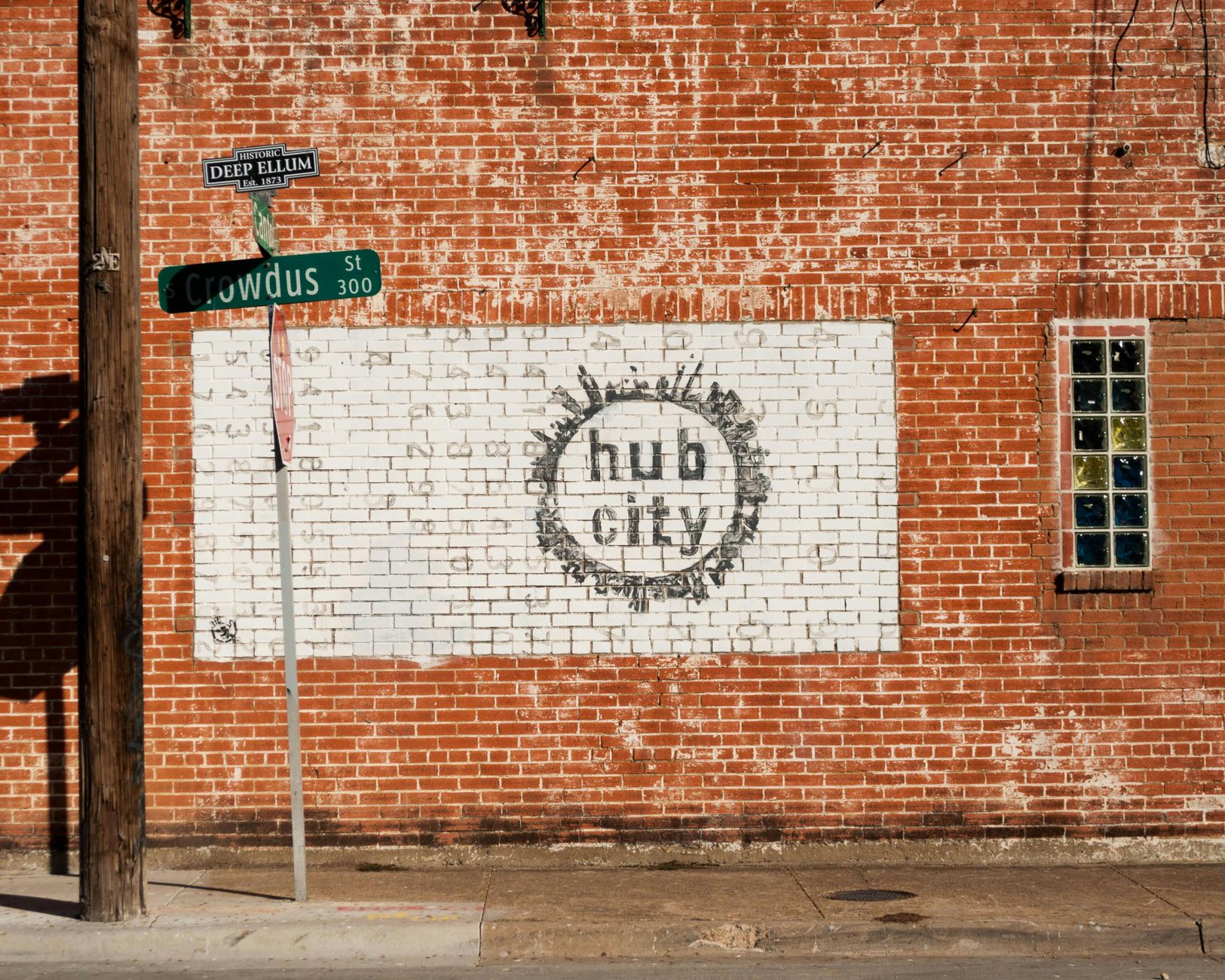
Expect different experiences by neighbourhood. Uptown, Downtown, the Arts District and Deep Ellum are compact and simple to navigate on foot. Areas like Oak Cliff, Far North Dallas or suburban Plano require a bus, rideshare, or a car. This guide gives exact fares, the right apps to install, estimated taxi fares from both Love Field and DFW, plus practical cycling and walking notes that match realistic weather and event patterns.
What This Page Helps You Decide
Choose whether to buy single rides or a Day Pass, which app to install, and when to prefer a rideshare. The page helps decide how to travel between airports (DFW or Love Field) and central Dallas, whether to rely on rail for neighbourhood transfers such as Downtown↔Uptown or Downtown↔Deep Ellum, and whether cycling or scooters are practical for short trips.
This guide supports decisions about timing (rush hour vs off-peak), cost trade-offs (US$2.50 single vs US$6 day), and safety considerations at night. It also helps pick the best transit option for specific neighbourhoods: for example, using DART Rail to get to Farmers Market/Deep Ellum stops, or choosing a short rideshare to Bishop Arts where direct rail is limited.

Top Recommendations
Official systems to know: Dallas Area Rapid Transit (DART) operates the Rail (Red, Blue, Green, Orange lines) and local bus network. Buy fares on the DART GoPass app or at rail station vending machines. Single local ride: US$2.50 (~€2.30). 24-hour Day Pass: US$6 (~€5.50). A 7-day pass costs about US$25 (~€23) for frequent short stays.
Regional connections: Trinity Railway Express (TRE) runs between Dallas Union Station and Fort Worth T&P Station. Expect TRE one-way fares between central Dallas and Fort Worth at roughly US$5.00 (~€4.60) depending on origin/destination. DART and TRE have separate fare structures; check both apps for transfers.
Airports: DART Orange Line serves Dallas/Fort Worth International Airport (DFW) at DFW Station — use it for cheaper transfers if arriving near rail hours. Typical Uber or Lyft fares DFW→Downtown Dallas: US$45–65 depending on demand. Dallas Love Field (DAL) has no DART rail; typical Lyft/Uber DAL→Downtown: US$12–25. Taxis from DFW to downtown commonly run US$50–70 with tip; Love Field taxi fares are usually US$20–35.
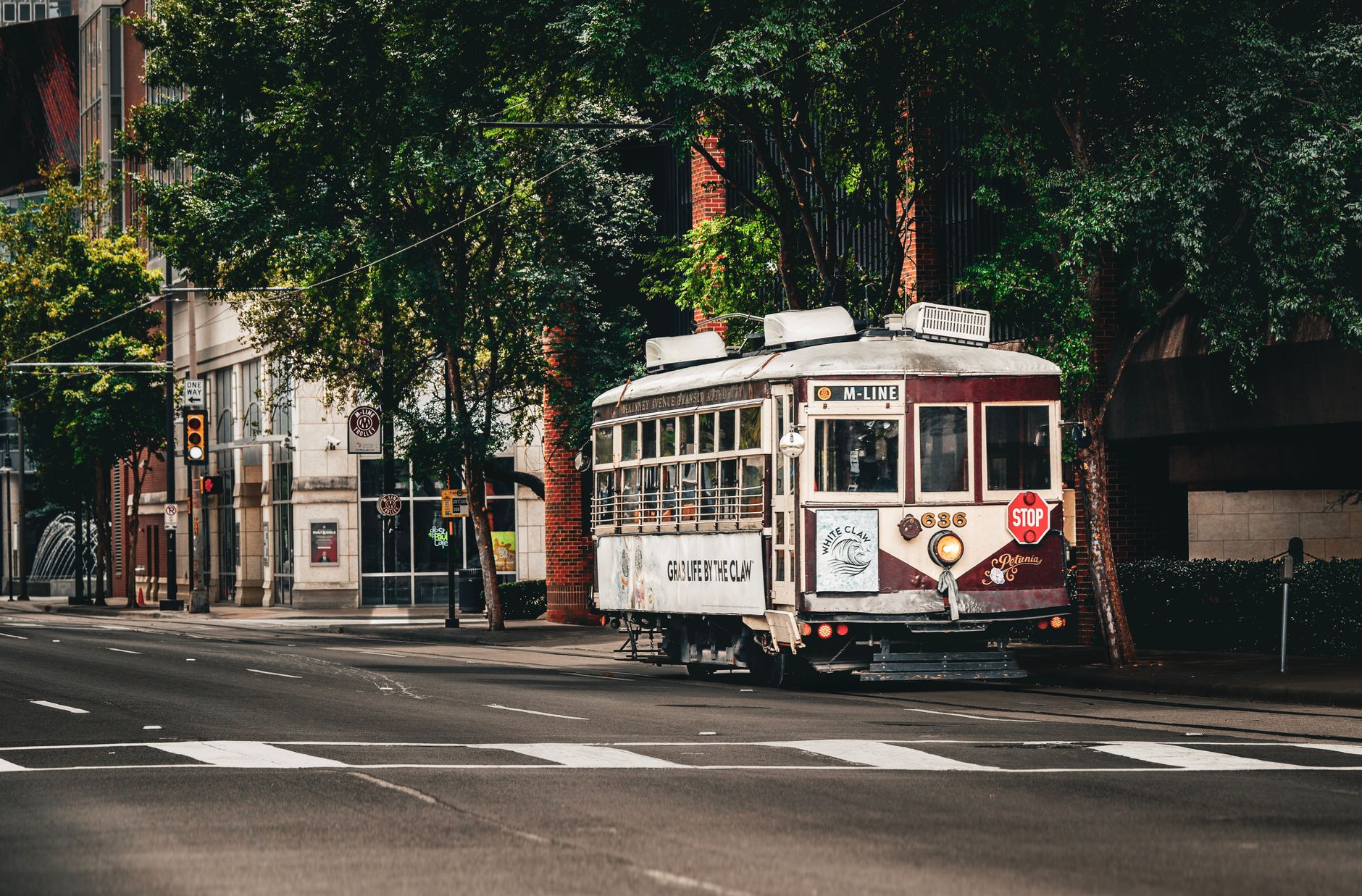
Local bus options and on-demand: DART operates buses across the city and GoLink on-demand zones in some areas; GoLink trips usually cost around a single-ride fare and are bookable in the GoPass app. The Dallas Streetcar links Union Station to the Bishop Arts direction via the southern route; fare aligns with standard DART fares.
Walking and cycling: Downtown, Uptown and the Arts District are the most walkable areas — plan on 10–25 minute walks between major spots. Use Katy Trail for running and cycling. Dockless e-scooters and bikes from Lime and Bird operate in central areas; expect per-minute charges plus unlock fees (commonly US$1 unlock + US$0.25–0.39/min). DART allows bikes on trains and buses with standard racks and hooks; folding bikes are easier on crowded vehicles.
Common transport mistake to avoid: assuming all airports have rail. Love Field lacks direct rail service; relying on public rail from DAL will add long waits or extra transfers. For nights with events (e.g., Mavericks or Stars games) expect higher rideshare surge pricing and crowded DART stations.

Local Context
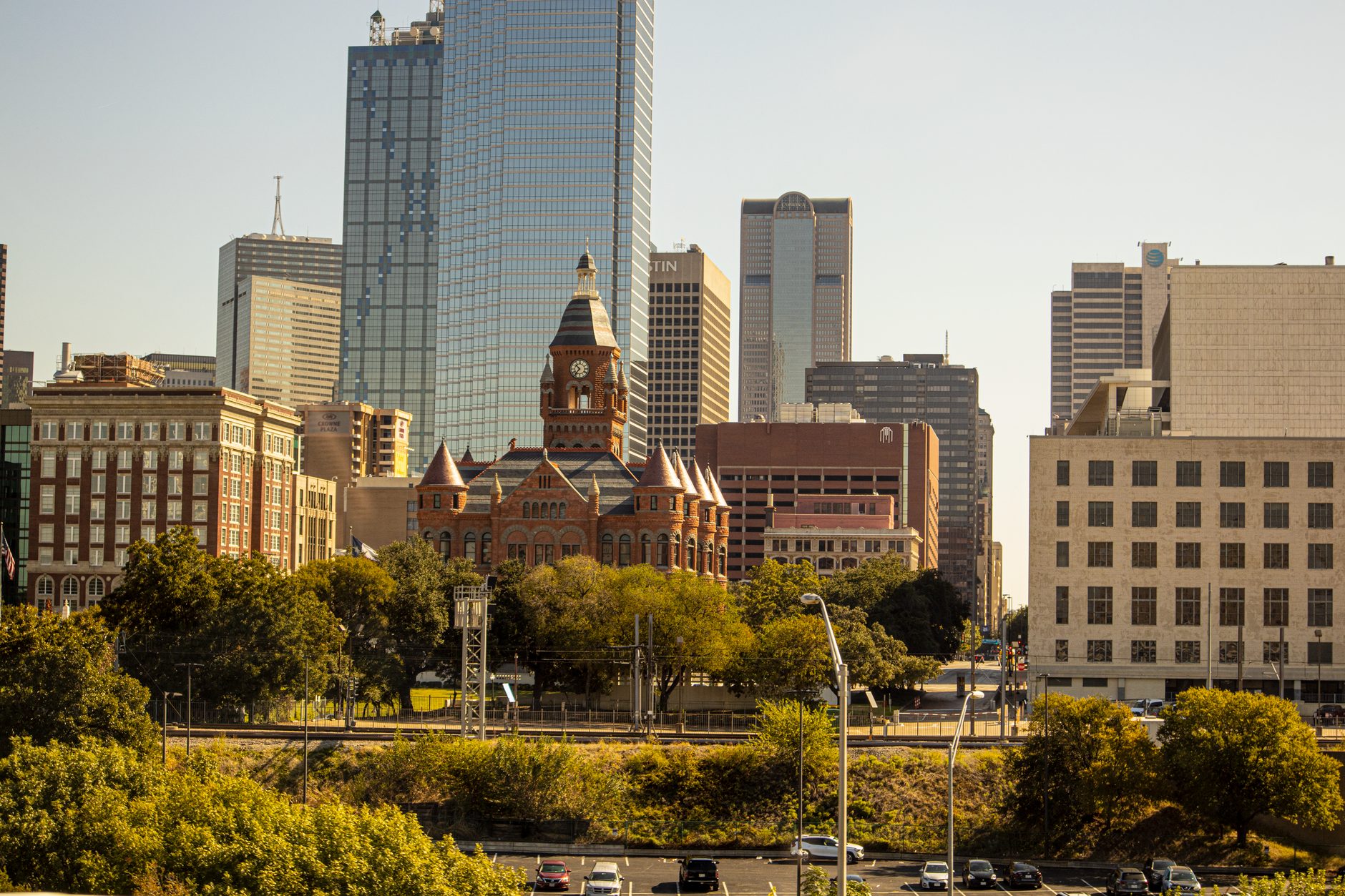
Dallas spans a large area with dispersed commercial districts. Downtown, Uptown and East Quarter are compact relative to the rest of the metro and are best for walking. Suburban cities like Plano and Garland are connected by DART regional rail and buses but have longer travel times and lower-frequency service.
Seasonal weather shapes choices. Summers (June–August) are hot and humid; mid-day walking and cycling become uncomfortable and scooters can overheat. Winters are mild but occasional cold snaps or light ice can affect schedules. Peak commuter congestion occurs weekday mornings (7:00–9:30) and evenings (16:30–19:00); allow extra time for buses and rideshares then.
Neighborhood character affects transport. Deep Ellum has late-night venues and decent late transit coverage on main corridors but streets can be noisy; Bishop Arts is highly walkable within a few blocks but not well served by rail. Fair Park events increase demand for DART and rideshares; during the State Fair of Texas expect longer wait times. Parking in Downtown near Reunion Tower and Main Street can be US$10–25 for a few hours during events.
How to Choose Well
Decide by comparing door-to-door time and cost. For short central trips (Downtown↔Uptown, Klyde Warren Park↔Arts District), choose walking or a short scooter ride for speed and cost‑efficiency. For multi-stop days use a US$6 Day Pass on DART to save money if making three or more trips.
For airport transfers choose based on luggage and schedule. If arriving at DFW during DART service hours, the Orange Line plus a short shuttle or DART bus can be the cheapest option; balance the longer travel time against the US$45–65 Uber alternative. From Love Field, rideshare or taxi is usually faster and only modestly more expensive than the multiple-bus alternative.
At night or with firm time constraints, prefer a rideshare. Expect surge pricing during sports events and weekend evenings; compare UberXL for groups versus two standard cars. For travel to suburbs like Plano or Garland, check rail schedules: Red Line to Plano runs frequently but trips can be 40–60 minutes from Downtown Union Station.
Responsible and Local-First Tips
Support local operators by using licensed taxis and registered rideshare drivers; unregulated curb hires at airports are illegal. Prefer DART and TRE to reduce per-person emissions on longer trips.
Spend in neighbourhoods: when using a bike or scooter, stop for food at locally owned spots such as Pecan Lodge in Deep Ellum or Eno’s Pizza Tavern in Bishop Arts. Buy a coffee from a street-level shop rather than airport chains during longer transfers.
Respect transit rules and accessibility needs. Keep luggage out of aisles, give priority seating to older passengers, and use designated bike racks. When parking or locking a bike, use well-lit, monitored racks near businesses to support local retailers and reduce theft risk.

Common Mistakes to Avoid
Mistake 1: Trying to take rail directly from Love Field. There is no DART rail station at Love Field; public transit requires a bus transfer or shuttle. Expect a taxi or rideshare to be the time-saving choice when carrying luggage.
Mistake 2: Not buying a Day Pass when planning multiple trips. Multiple single fares (US$2.50 each) add up quickly; a US$6 Day Pass pays off after three rides and avoids repeated ticket transactions.
Mistake 3: Expecting frequent late-night service. DART reduces frequency after midnight and some bus routes have limited Sunday schedules. For late arrivals or departures, plan a rideshare or confirm night bus timetables in the GoPass app to avoid long waits.
FAQ
How much does DART cost and where to buy tickets?
A single local DART ride is US$2.50; a 24-hour Day Pass is US$6. Buy tickets in the DART GoPass app or at station vending machines.
Does DART go to DFW Airport?
Yes. The DART Orange Line serves DFW Airport Station; verify train times on the GoPass app because early-morning service may be limited.
Is there rail service from Dallas Love Field?
No. Dallas Love Field has no direct DART rail connection. Use bus, shuttle, taxi or rideshare to reach downtown.
How much should an Uber/Lyft cost from DFW to downtown Dallas?
Typical fares are roughly US$45–65 depending on demand and traffic; allow extra during peak hours and events.
Are scooters and bike shares a good option?
Yes for short central trips. Dockless scooters (Lime, Bird) operate in Downtown, Uptown and Bishop Arts; expect a US$1 unlock fee plus per-minute charges.
Can bicycles go on DART trains?
Yes. Standard bicycles are allowed on trains (use designated racks/hooks) and folding bikes are easier during peak hours. Check DART rules for peak restrictions.
When is DART busiest and should be avoided?
Weekday rush hours (07:00–09:30 and 16:30–19:00) are busiest. Also avoid arrival/departure times for major events at American Airlines Center or Fair Park if trying to catch a timely train.
Conclusion
The single most important thing: install the DART GoPass app and decide early whether a US$6 Day Pass or individual US$2.50 rides fit the day's plans. For airport transfers, remember DFW is rail-accessible via the Orange Line while Love Field is not — plan rideshare time and fares accordingly.
Use walking and scooters for short central trips and rideshares for late-night or luggage-heavy trips. For detailed day-by-day movement inside central Dallas, consult the companion "3 days in Dallas" itinerary for exact routes and timing between major attractions.
How this guide was prepared
This guide was prepared through a structured research that combines destination research, geographic context, itinerary planning logic, and content review.