
3-Day Campinas Itinerary: Practical Weekend Plans
A realistic 3-day Campinas guide with neighbourhood plans, transit from Viracopos airport, prices, and what to skip when time is tight.
A clear, no-nonsense three-day plan for Campinas that balances museums, green spaces, UNICAMP neighbourhood life, and the riverside villages of Sousas and Joaquim Egídio.
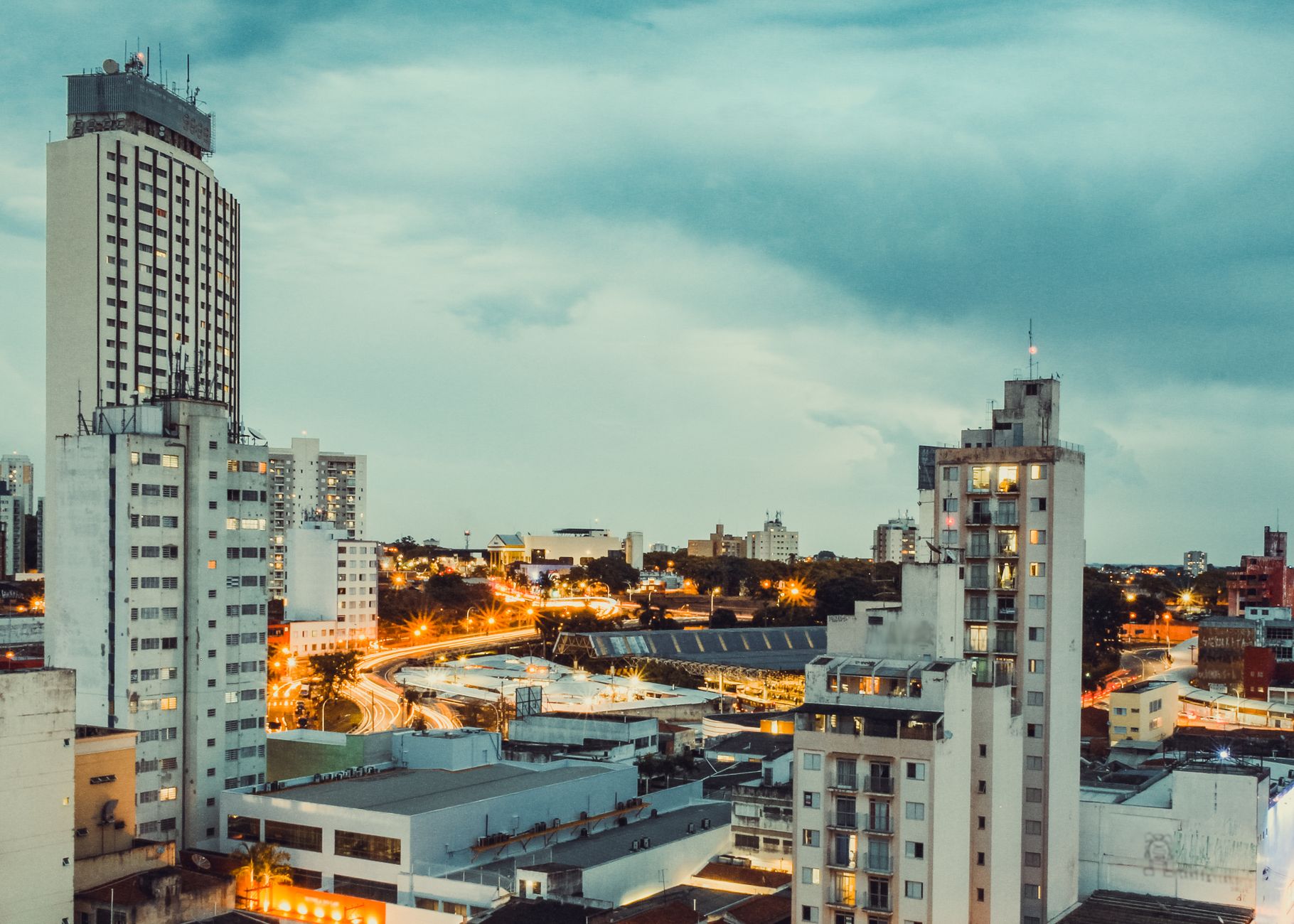
Expect a mid-sized Brazilian city with a strong university presence, an industrial base, and neighbourhoods that feel very different from one another. The first impression is often a contrast between leafy parks and commercial boulevards: parks like Lagoa do Taquaral offer morning runners and families, while Avenida Francisco Glicério and Rua XV or Rua Conceição show the everyday commerce and older civic architecture.
This place suits travellers who appreciate accessible parks, cafés, and neighbourhood dining rather than heavy museum lists or tourist infrastructure. Many visitors mistake Campinas for merely a transport hub because of Viracopos airport, but the city rewards a short stay for its local food scene, UNICAMP-driven cafés in Barão Geraldo, and quieter riverside restaurants in Sousas and Joaquim Egídio.
Is 3 days in Campinas enough?
Yes—three days gives enough time to cover downtown sights, Parque Portugal (Lagoa do Taquaral), a few museums, and an afternoon in Barão Geraldo plus a meal in Sousas or Joaquim Egídio. The honest caveat: there won't be time for a full-day trip to São Paulo and full UNICAMP lab or research visits in the same weekend.
Who This Guide Is For
Best for travellers who like city parks, university neighbourhoods, and food-focused short breaks rather than museum-heavy itineraries. Not ideal for travellers expecting large-scale tourist infrastructure or late-night clubbing on the scale of São Paulo.
Local Tips for Campinas
Practical details that most travel sites skip — specific to Campinas.
- Viracopos (VCP) has an airport shuttle that links to Terminal Central; expect a 30–50 minute ride and fares around R$25–R$50 depending on service and luggage.
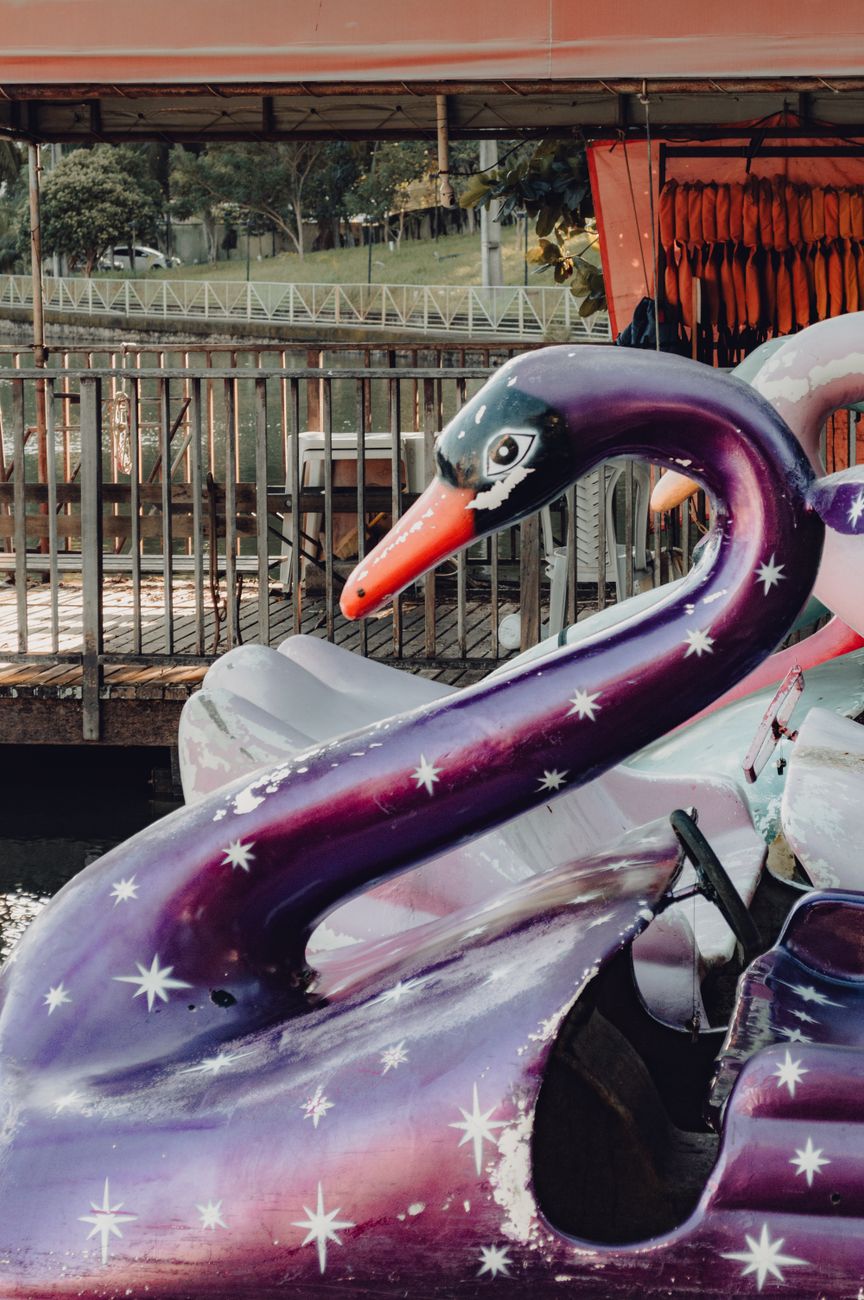
- Parque Portugal / Lagoa do Taquaral charges no entrance fee; the pedal boats (pedalinhos) and the observation tower have small fees, typically R$10–25 per activity.
- Bosque dos Jequitibás houses a small zoo and the municipal natural history exhibits; modest entrance fees are common (roughly R$5–R$10) and it closes mid-afternoon on weekdays.
- Many sit-down restaurants in Cambuí add a couvert or couvert artístico (small starter and bread) automatically; the charge often appears as R$6–15 on the bill.
- Barão Geraldo's shops and restaurants slow down early on Sundays—plan food and café stops before 15:00 if visiting UNICAMP or the campus neighbourhood.
How This Guide Was Prepared
Three days in this industrial-university city shows a different face than São Paulo or nearby resort towns: a mix of educated student culture (Barão Geraldo/UNICAMP), older commercial centre streets, and surprisingly good riverside dining in Sousas and Joaquim Egídio. Most guides flatten Campinas into a day-trip from São Paulo; this guide treats it as its own short destination with realistic transit and dining expectations. This guide was prepared through a structured research that combines destination research, geographic context, itinerary planning logic, and content review.
Plan Your Stay in Campinas
Use this itinerary as your starting point, then compare areas to stay, transport options, seasonal timing, and realistic daily costs before booking.
Why Visit
Three concrete reasons: parks and active outdoor life (Lagoa do Taquaral and Bosque dos Jequitibás offer green space and casual recreation), a distinct university atmosphere in Barão Geraldo with cafés and informal theatre tied to UNICAMP, and the riverside restaurant circuit in Sousas and Joaquim Egídio that serves countryside-style meals without a long drive.
Other practical advantages include fast arrival from Viracopos (often faster than driving in from São Paulo) and a compact downtown where several sights sit within walkable distance of Terminal Central. The food scene is diverse: municipal market stalls, pizzerias and Italian-influenced restaurants in Cambuí, and rustic restaurants by the Rio Atibaia in Sousas.
Quick Planning Tips
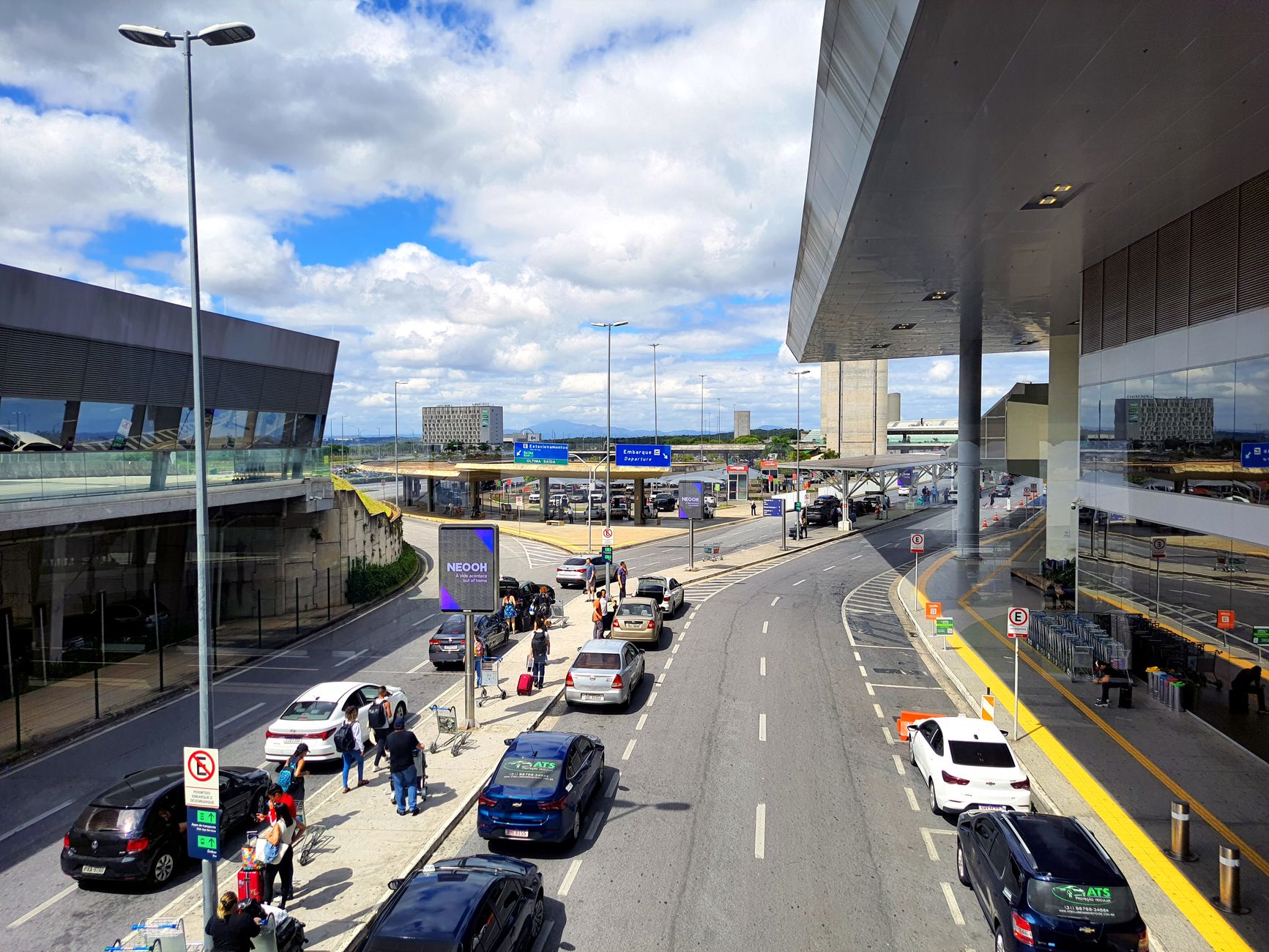
Arrive or depart via Viracopos (VCP) if flying; an airport shuttle or shared transfer to Terminal Central takes about 30–50 minutes depending on traffic. Taxis and ride-hailing work well from VCP but expect higher fares during peak morning and evening periods.
Use Brazilian reais (BRL); many small cafés and market stalls are cash-preferred, though most restaurants and hotels accept cards. Single bus tickets are purchased on board or via the local billet electrónico at terminals; loadable cards are practical if using buses more than twice per day.
Avoid the mistake of planning tight same-day connections to São Paulo by public bus—intercity buses can be frequent but subject to highway traffic, which can remove an entire afternoon when returning.
Day 1
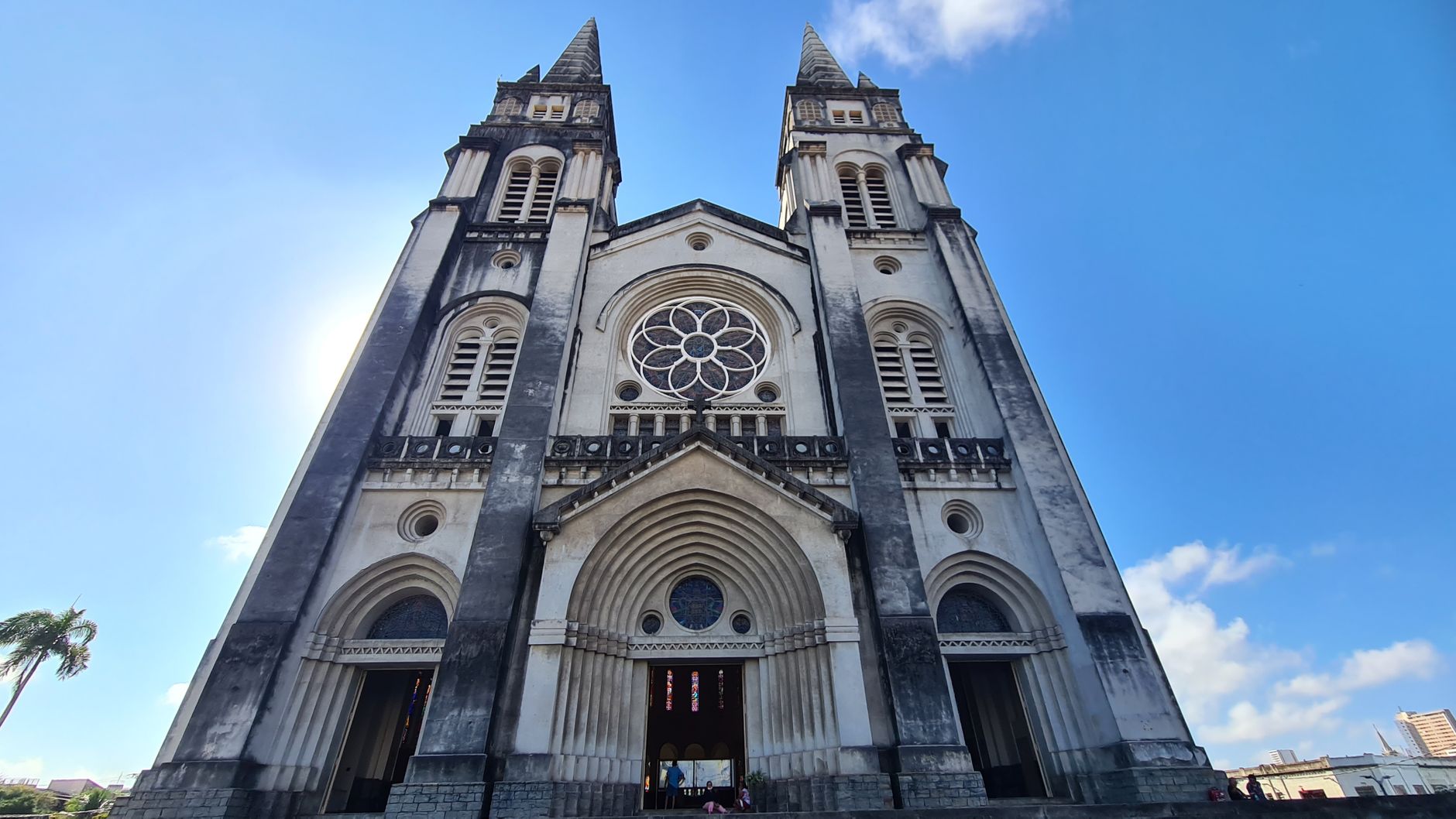
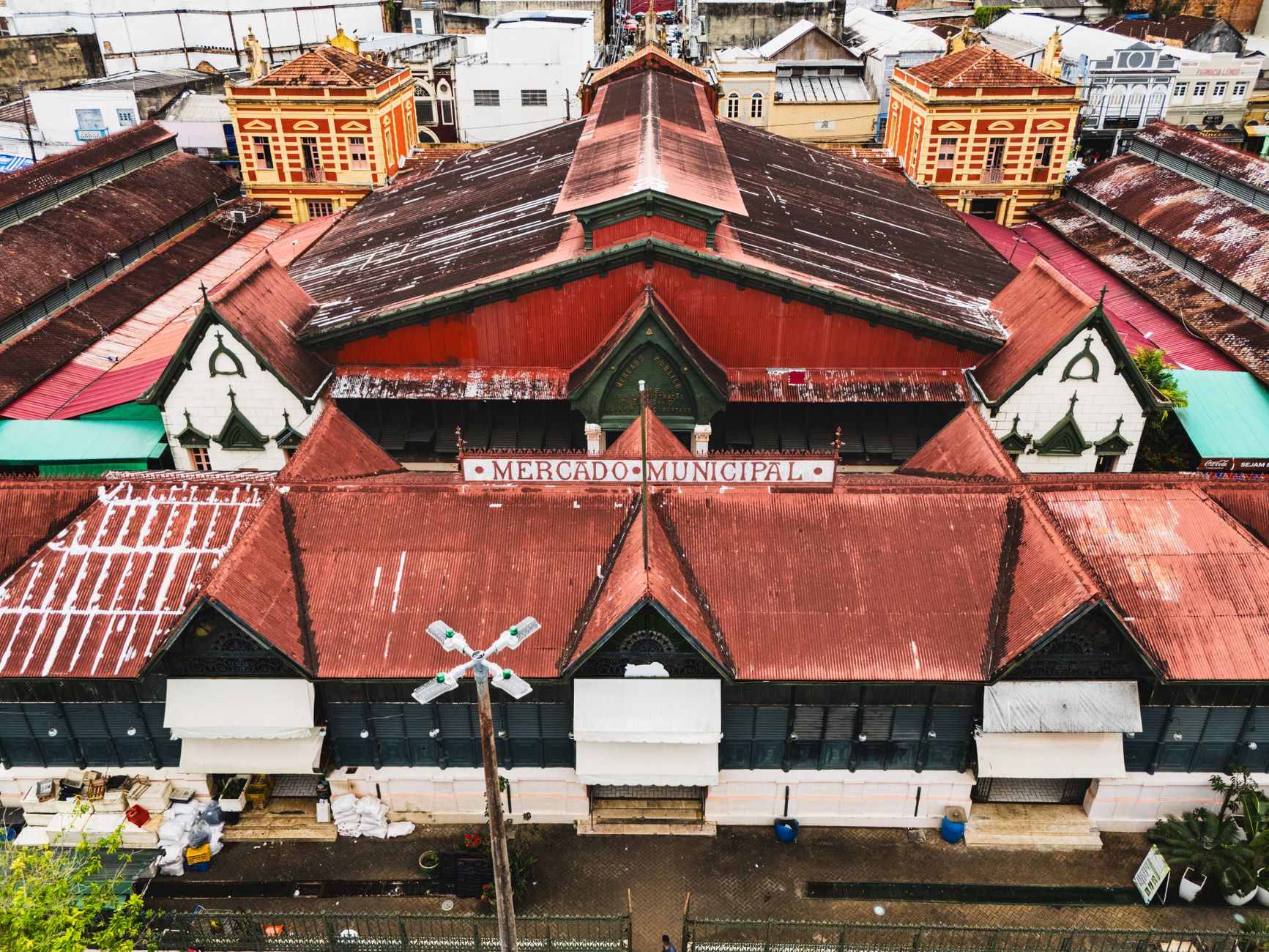
Morning: Start downtown at Catedral Metropolitana de Campinas on Praça José Bonifácio to see civic architecture and the cathedral interior. From there walk 5–10 minutes to Mercado Municipal de Campinas for coffee and to sample local pastries and sandwiches.
Late morning: Walk or take a short bus (10–15 minutes) to Bosque dos Jequitibás to visit the small zoo, natural-history displays and shaded paths. Allow 60–90 minutes for the park and exhibits.
Lunch: Eat at a Mercado Municipal stall or a nearby boteco; expect a hearty lunch plate (prato feito) for R$20–40. After lunch, head to Museu de Arte Contemporânea de Campinas (MACC) or the Museu da Imagem e do Som (MIS) — both are short taxi rides (10–20 minutes) depending on traffic.
Afternoon: Stroll Rua Conceição and Avenida Francisco Glicério for shops and historic façades; this area is good for picking up local sweets and brigadeiros. Evening: Move to Cambuí (short taxi or 10–15 minute bus) for dinner on Avenida José de Souza Campos where restaurants and bars concentrate; expect to pay R$60–120 for a sit-down dinner at a mid-range restaurant. End the evening at a bar with live music or quiet cafés depending on energy.
Day 2
Morning: Spend the morning at Parque Portugal / Lagoa do Taquaral for a relaxed walk, the pedal boats, and the small observation tower. The park is 10–20 minutes by bus or taxi from downtown and is busiest early on weekends with families and runners.
Late morning: Cross to the nearby Museu de Arte Contemporânea de Campinas (if not visited on Day 1) or the science/planetarium schedule if public sessions are running; check opening days in advance. After museum time, ride 25–35 minutes to Barão Geraldo (UNICAMP) by bus or taxi to experience student cafés, bookstores and informal cultural spaces.
Lunch: Eat in Barão Geraldo at a student-frequented restaurante universitário or one of the independent bistros—prices run R$25–50 for a plate. Afternoon: Walk parts of the UNICAMP campus or visit a university museum or exhibition; campus events often include public lectures and small arts shows.
Evening: Return to central Campinas or stay in Barão Geraldo for casual dinner. If back downtown, try a pizzeria or Italian restaurant in Cambuí. Note public buses from Barão Geraldo reduce frequency late at night; plan the last leg of travel accordingly.
Day 3
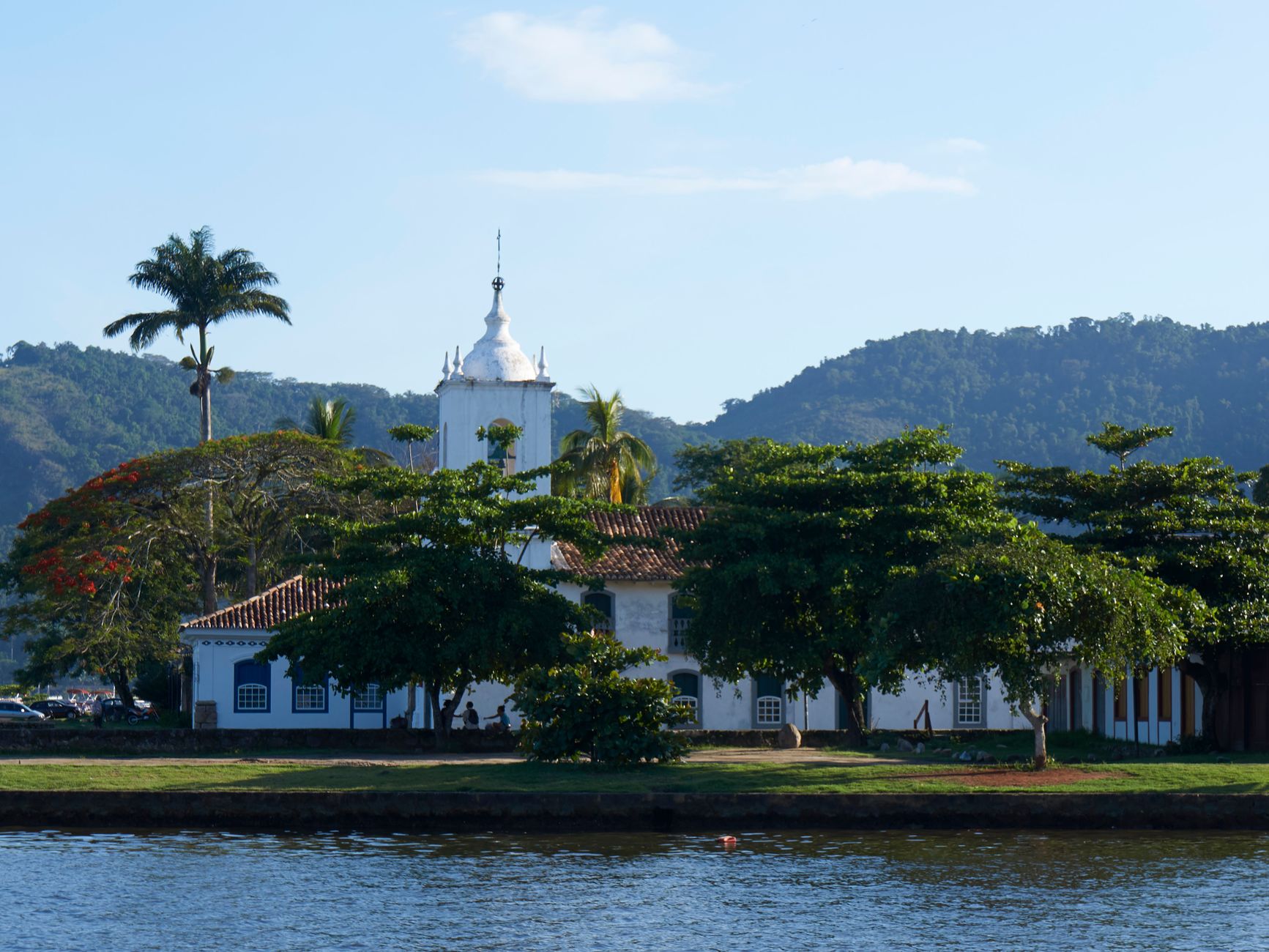
Morning: Head to Sousas for a relaxed breakfast and riverside walk along the Rio Atibaia; Sousas is about 25–35 minutes from the central bus terminal by bus or taxi. Explore small shops and the local market if open that day.
Late morning: Continue to Joaquim Egídio (5–10 minutes from Sousas) for lunch at a riverside restaurant—menus emphasize grilled meats, polenta and regional preparations. Many restaurants open for lunch only and close before late afternoon, so prioritize lunchtime here.
Afternoon: Return to town with time to visit any missed museums or do last-minute shopping along Rua 13 de Maio or at a mall like Parque Dom Pedro Shopping if extra indoor time is needed. If catching an afternoon flight, depart to Viracopos early: allow at least 90 minutes travel time plus recommended airport check-in margins.
Evening: If the flight is late, conclude with a final drink in Cambuí or a calm dinner near the hotel. For those checking out early, pack breakfast-to-go from neighborhood bakeries and confirm hotel transfer arrangements to the airport.
Best Local Experiences
Mercado Municipal de Campinas: buy pão de queijo, local cheeses and try a regional sandwich at a stall; Saturday mornings are busiest. Parque Portugal / Lagoa do Taquaral: morning runners, pedal boats, and the observation tower offer a local leisure routine.
Bosque dos Jequitibás: small zoo and natural-history displays popular with families and good for a short nature break without leaving the city. Barão Geraldo and UNICAMP cafés: catch student exhibitions, second-hand bookstores and inexpensive, high-quality cafés and bakeries.
Sousas and Joaquim Egídio riverside dining: an afternoon or lunch here feels like a short countryside escape with riverside grill houses and inns; weekend reservations recommended. Local craft beer bars and small live-music venues in Cambuí offer evening options that are more low-key than big-city nightlife.
Where to Stay
Cambuí: Best for evening dining, cafés and boutique hotels. Suits visitors who want restaurants and bars within walking distance. Expect mid-range hotels at R$250–420 per night (roughly €45–80 / $50–85).
Centro (downtown): Convenient for first-time visitors who want to be within walking distance of Cathedral, Mercado Municipal and bus connections. Suits budget-conscious travellers and those wanting daytime access to city services. Expect basic hotels from R$140–260 per night (roughly €25–50 / $30–55).
Barão Geraldo: Ideal for visitors tied to UNICAMP, or those who prefer a quieter, student-centred neighbourhood with cheaper cafés. Suits longer-stay travellers and those wanting a local vibe. Prices for guesthouses and small hotels run R$120–280 per night (roughly €22–55 / $25–60).
Sousas/Joaquim Egídio: Best for those wanting a riverside stay and relaxed dining; more guesthouses and pousadas than conventional hotels. Suits weekend escapes and food-focused stays; nightly rates typically R$180–360 (roughly €35–70 / $40–75).
Food and Drink
Virado à Paulista: a São Paulo-state plate with rice, beans, fried banana, torresmo or pork rind and an egg. Good versions appear in local restaurants downtown and in Cambuí for R$30–60.
Pão de queijo: cheese bread available at bakeries and the municipal market; a breakfast staple costing R$3–8 per piece or a small batch. Governo local bakeries do these well and are open early.
Coxinha: deep-fried chicken snack found at padarias and snack bars across the city; expect R$6–12 for a quality coxinha. Try market stalls for a fresher version.
Polenta com ragu / Italian-style mains: Campinas has strong Italian immigrant influences; find polenta and ragu in Cambuí trattorias and some riverside restaurants—main courses R$45–90.
Caipirinha and craft beer: caipirinhas with cachaça are common in restaurants (R$15–30). Small bars and a few brewpubs in Cambuí and near UNICAMP serve local craft beer at R$12–25 per glass. Breakfast option: a bakery breakfast with café and pão de queijo or misto quente for R$12–25.
Getting Around
Municipal buses are the backbone of local travel; EMDEC oversees many routes and Terminal Central is the main hub for urban and intercity connections. Intercity buses to São Paulo, Jundiaí, Sorocaba and Guarulhos operate from the terminal via EMTU and private companies.
Single bus fares are typically in the range of R$4–6; purchase single tickets on board or reload a local electronic transport card at major terminals. Taxi fares from Viracopos to central Campinas usually run R$70–130; ride-hailing (Uber/99) tends to be slightly cheaper but surge pricing applies.
Useful apps: Moovit and CittaMobi for route planning and live bus times. For intercity schedules to São Paulo and Guarulhos check EMTU or the intercity bus operator apps. Always allow buffer time for buses during weekday peak hours.
Best Time to Visit
Summer (December–February) is hot and rainy, with daytime highs often 28–33°C and frequent afternoon showers; expect humid conditions and more mosquitoes near rivers. Autumn (March–May) brings milder temperatures from about 18–28°C and fewer heavy rains—good value months for lower rain with comfortable days.
Winter (June–August) is dry and cooler at night, with lows near 12–15°C and daytime highs around 22–24°C; this season is pleasant for walking but some cafés reduce outdoor seating. Spring (September–November) offers warm days and flowering trees; weekends can be busy as locals take short trips to Sousas and Joaquim Egídio.
Best balance of weather and value: March–May and August–October for lower rain and manageable crowds. Avoid planning outdoor-only itineraries in January–February without rain contingencies.
Budget and Practical Tips
Typical daily budget for a mid-range traveller: Accommodation R$180–350 (≈€34–67 / $36–70), food R$60–120 (≈€12–24 / $12–24), local transport R$10–30 (≈€2–6 / $2–6), museum/entries R$10–40 (≈€2–8 / $2–8). A low-budget day could run R$120–200 total; a comfortable mid-range day R$300–600.
Entry fees to municipal parks and smaller museums are usually modest (R$5–25). Tipping: restaurants generally add a 10% service charge sometimes; if not added, leaving 10% is customary for good service. Small cash for café baristas and market stall vendors is appreciated.
Carry small change for market purchases and pedal-boat fees. Confirm opening hours before travelling on Sundays—many small shops and some museums have reduced hours or close on Mondays.
FAQ
How safe is Campinas for visitors?
Campinas is generally as safe as other mid-sized Brazilian cities—daytime tourist areas and parks are fine with normal precautions. Avoid poorly lit streets at night, keep valuables out of sight, and use ride-hailing or official taxis late at night.
Is public transport easy for tourists?
Yes; municipal buses connect main neighbourhoods and Terminal Central links intercity services. Use Moovit or CittaMobi for routes and expect to pay single fares in cash or via a reloadable local card at terminals.
Is a city card or tourist pass worth buying?
There is no widely used single tourist pass for attractions here; most parks are free and museums have modest fees, so a general pass is not necessary.
How to get from Viracopos airport to downtown?
Use the airport shuttle bus service to Terminal Central, a taxi or ride-hailing; travel time is roughly 30–50 minutes depending on traffic.
Can a day trip to São Paulo be added during a three-day stay?
Possible but tight; intercity buses run frequently, but highway traffic can consume most of a day—better to reserve a full extra day for São Paulo.
Are English speakers common?
English is limited outside hotels and some university areas; basic Portuguese or a translation app is useful in markets and smaller restaurants.
Are museums and parks family-friendly?
Yes—Bosque dos Jequitibás and Lagoa do Taquaral are family-oriented. Museums vary; check exhibit age recommendations before visiting.
When are riverside restaurants in Sousas busiest?
Weekends at lunchtime are the busiest; reserve in advance for popular riverside places.
Conclusion
Three days covers the essentials without rushing: downtown architecture and market life, green time at Lagoa do Taquaral, a taste of UNICAMP neighbourhood culture in Barão Geraldo, and a riverside meal in Sousas or Joaquim Egídio. The most memorable parts for most visitors are the contrast between leafy parks and practical commercial streets, plus the relaxed riverside dining on the final day.
If time is tight, prioritise Parque Portugal / Lagoa do Taquaral for a morning and one riverside lunch—those two will give a clear sense of what distinguishes this destination from nearby cities.
How this guide was prepared
This guide was prepared through a structured research that combines destination research, geographic context, itinerary planning logic, and content review.