
3 Days in Santo Domingo: Practical Weekend Guide & Itinerary
A practical 3-day Santo Domingo itinerary with sights, transport tips, food recommendations and realistic costs to plan a no-surprises weekend in the capital.
A grounded, three-day plan for Santo Domingo that balances Zona Colonial history, the Malecon, local neighbourhoods and realistic transport and budget advice.
Expect a city where old stone plazas sit next to busy avenues and coastal wind meets traffic noise. The first impression is warmth and noise — street vendors, public transport, and lines for local foods — not curated tourist quiet. Travelers who imagine an easy pedestrian town often underestimate the heat, humidity and the need to mix walking with short taxi or metro rides.
This place suits travelers who like history woven into daily life: colonial plazas, Spanish-era buildings and museums exist alongside busy markets, working wharves and apartment blocks. Expect some tourist infrastructure in Zona Colonial but more authentic routines in Gazcue, Naco and along the Malecón.
Is 3 days in Santo Domingo enough?
Yes — three full days let a traveler see Zona Colonial thoroughly, walk the Malecon, visit a couple of museums and sample main neighbourhoods. It will require skipping long beach trips (Punta Cana) and deeper regional side trips.
Who This Guide Is For
Best for first-time visitors who prefer culture, food and short walks rather than beach vacations; not ideal for travelers who want a slow beach week or extensive island hopping.
Local Tips for Santo Domingo
Practical details that most travel sites skip — specific to Santo Domingo.
- Buy a rechargeable Tarjeta SD at any Metro station ticket office (Lines 1 and 2); a single trip costs about RD$30 and the card often needs an initial balance — keep it topped up for buses that accept it.
- Many museums in Zona Colonial (Museo de las Casas Reales, Alcázar de Colón) are closed on Mondays; schedule a museum day Tuesday–Sunday to avoid wasted trips.
- Mercado Modelo on Avenida Hostos is where most craft sellers concentrate; prices are quoted in pesos and cash is preferred — start offers about 30–40% lower than the asking price.
- Official airport taxis from Las Américas run about RD$1,500–2,000 to Zona Colonial; ride-hailing apps like Uber and DiDi operate in the city and often cost 30–50% less during daytime hours.
- Motoconchos (motorcycle taxis) are common for short hops in Centro and Gazcue — expect RD$30–100 for short distances; use them only in daylight and insist on a helmet.
How This Guide Was Prepared
This guide treats Santo Domingo like a working city rather than a postcard: expect car horns, humidity and lively street life alongside colonial plazas and museums. Many guides over-focus on Zona Colonial alone; this plan spreads time across the Malecon, local markets and quieter residential barrios so three days show how people live, eat and move here. This guide was prepared through a structured research that combines destination research, geographic context, itinerary planning logic, and content review.
Plan Your Stay in Santo Domingo
Use this itinerary as your starting point, then compare areas to stay, transport options, seasonal timing, and realistic daily costs before booking.
Why Visit
There are concrete reasons to spend three days here. First, Zona Colonial contains the earliest European urban fabric in the Americas with landmarks like Alcázar de Colón and Catedral Primada de América that can be seen in a day. Second, the Malecón and adjacent neighbourhoods (Naco, Gazcue) reveal modern Dominican city life — seafood restaurants, street food stalls and evening promenades.
Third, markets and museums provide accessible cultural context: Museo de las Casas Reales, Museo de Arte Moderno and Mercado Modelo let visitors compare colonial artifacts, contemporary art and craft commerce without long travel. Fourth, the city is a practical hub for short regional hops to Punta Cana, Haiti or Puerto Rico, making it a sensible short-stay base for onward travel.
Quick Planning Tips
Fly into Las Américas (SDQ) for the most international connections; plan 30–60 minutes for immigration and another 30–60 for the drive to Zona Colonial depending on traffic. Official airport taxis are common; pre-arranged transfers or Uber reduce bargaining at arrival.
Bring small Dominican pesos (RD$50 and RD$100) for markets and street food; many stalls do not take cards and ATMs may charge fees. Buy an SD Tarjeta at a Metro station if planning to use Lines 1 and 2 — it speeds travel and reduces taxi dependence.
Avoid assuming museums are open every day: many close Mondays. Also avoid planning tight same-day transfers that cross the city at rush hour; travel times double in morning and evening peaks.

Day 1
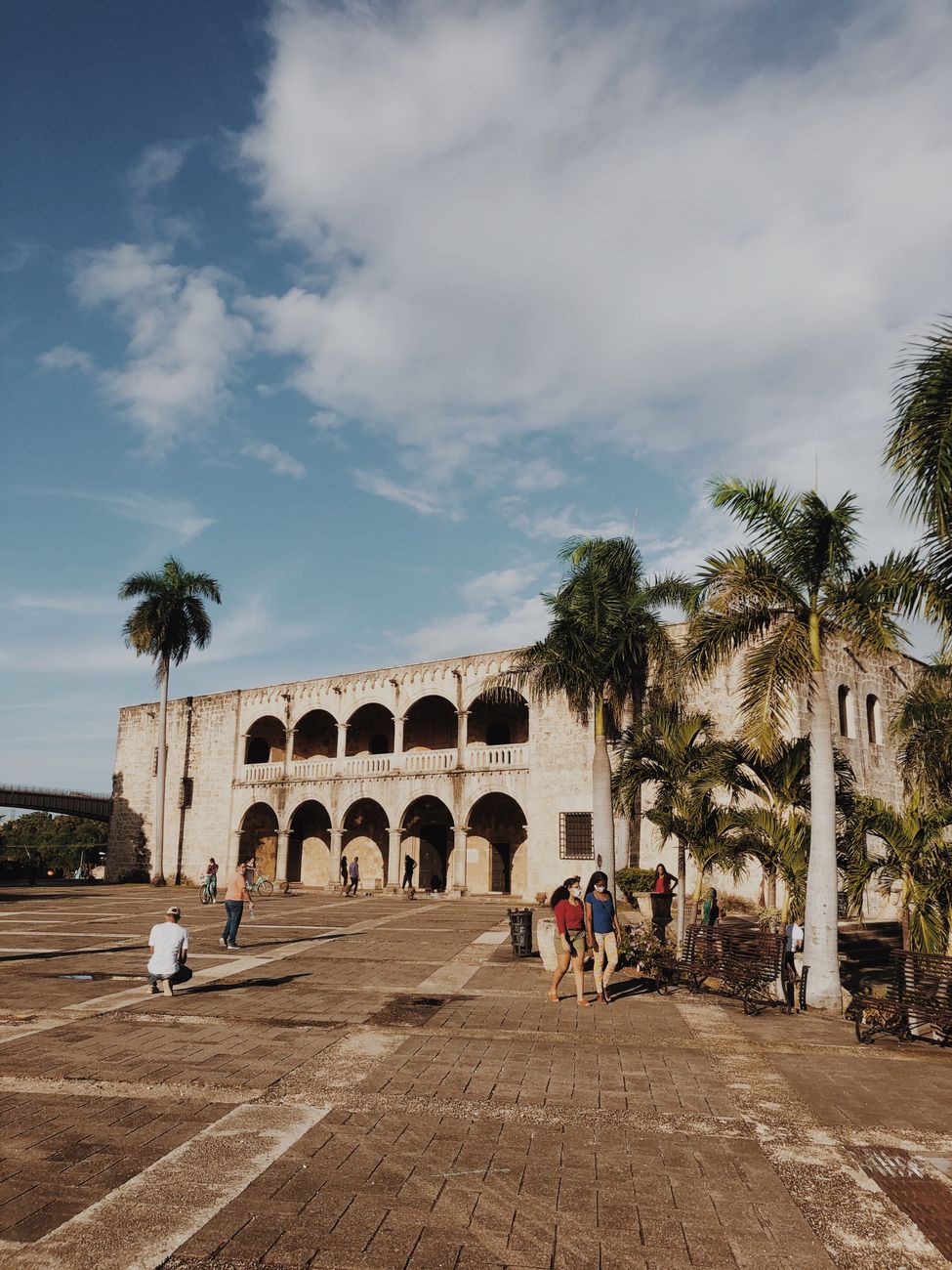
Morning: Start in Zona Colonial at Parque Colón and the Catedral Primada de América. Allow 60–90 minutes to see the cathedral interior, plaza life and the nearby Museo de las Casas Reales (admission ~RD$200–300, about USD 4–6). Walk Calle Las Damas (10–15 minutes) to Alcázar de Colón — allow another 45–60 minutes for rooms and exhibits.
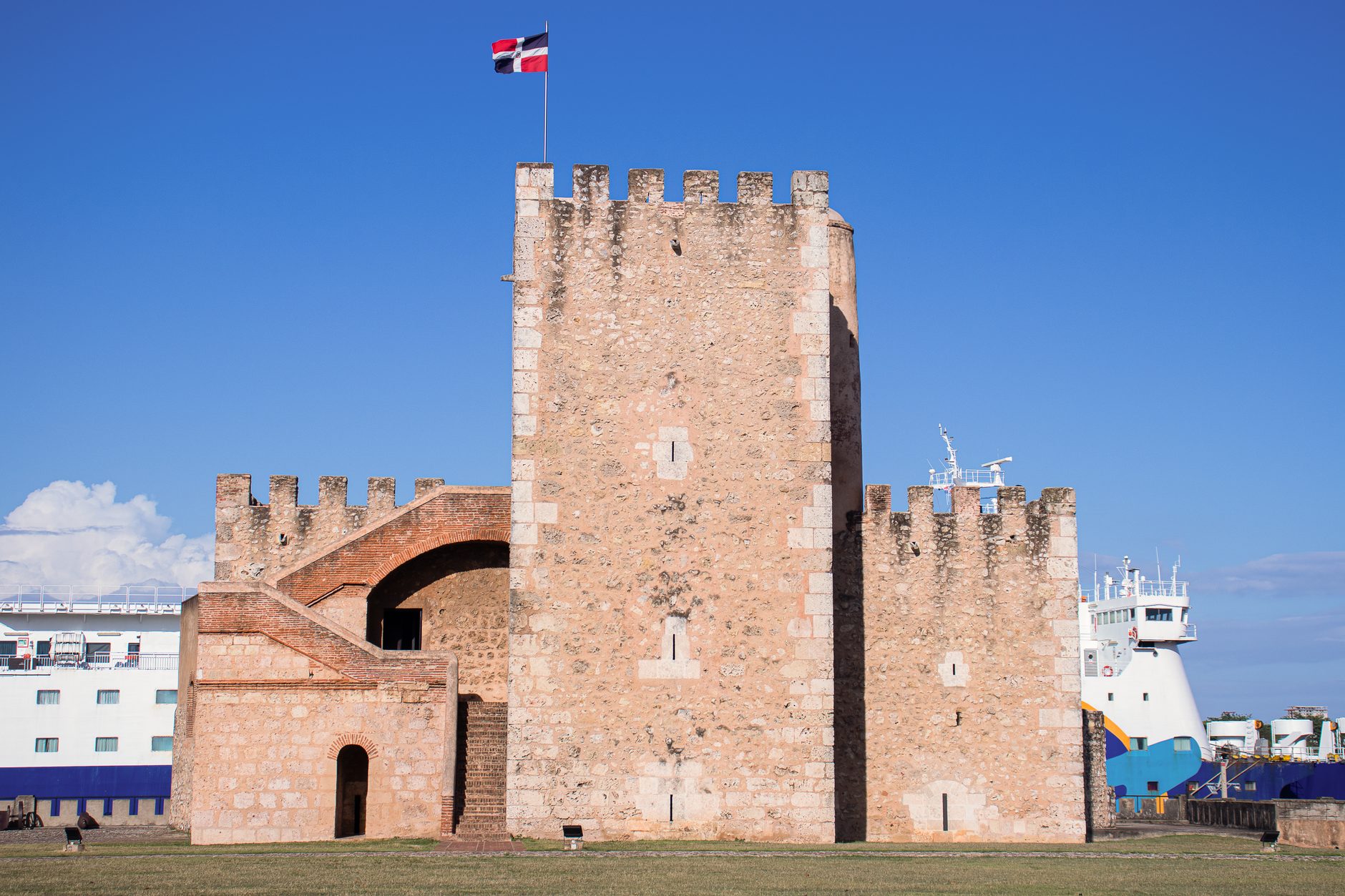
Midday: Lunch at Jalao or Pat'e Palo near Plaza España for local dishes and live music options; expect RD$600–1,500 per person including a drink (USD 11–27). After lunch, visit Fortaleza Ozama (10 minutes on foot from Plaza España) and take photos from the riverside viewpoint.
Afternoon: Walk to Mercado Modelo (15–20 minutes or a short taxi) to see crafts, cigars and local snacks. Allow 60–90 minutes for bargaining and browsing. If heat is intense, take a short taxi to Parque Independencia to see national monuments and get shade.
Evening: Return to the Malecón for sunset — walk or take a short taxi from Zona Colonial (10–20 minutes). Dinner at Adrián Tropical on the Malecon is a practical choice for seafood and views; dinners run RD$700–1,500 per person. For nightlife, explore live-music options in Zona Colonial; expect bars to fill after 10pm.
Day 2
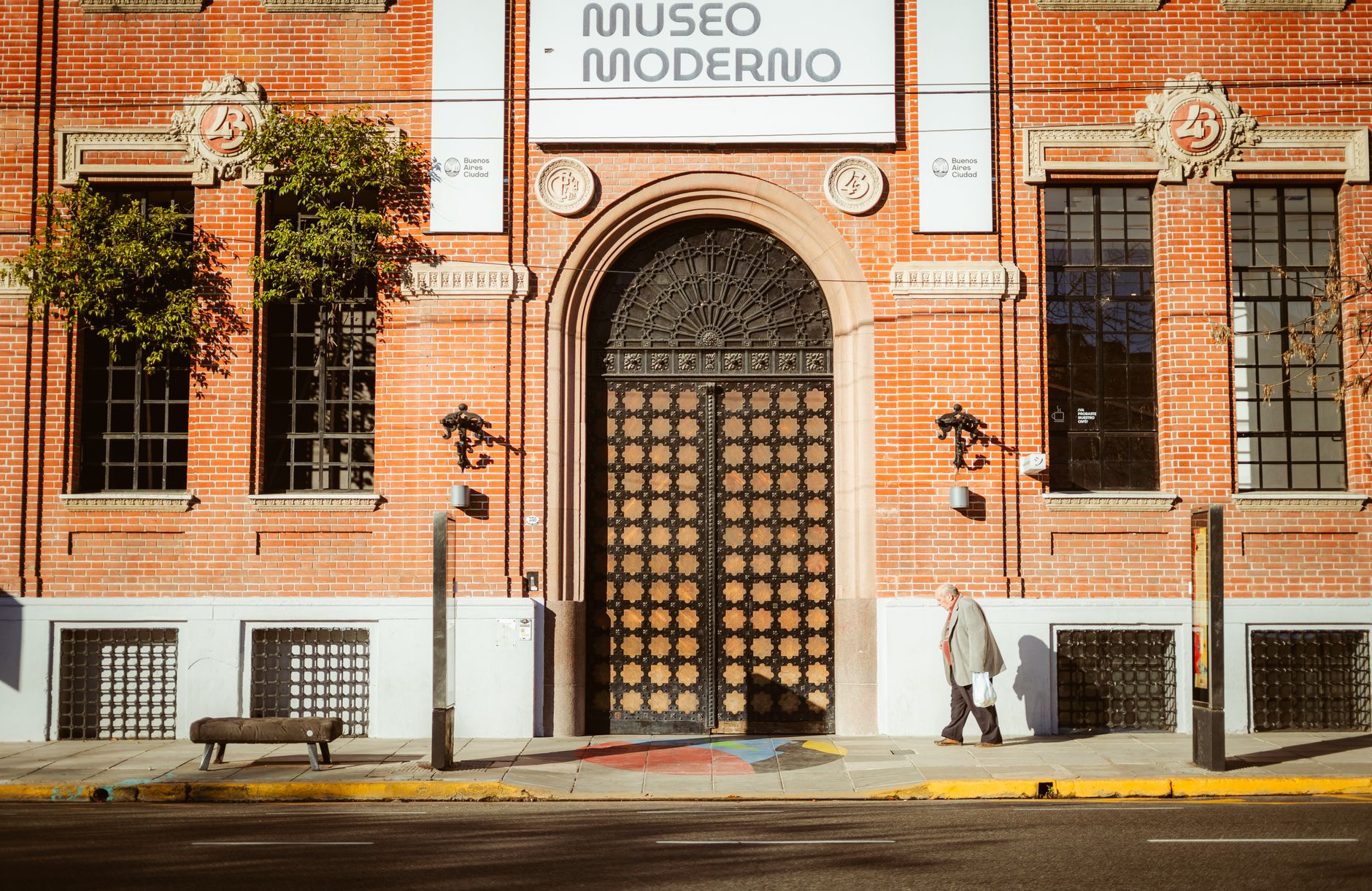
Morning: Use Metro Line 1 or a taxi to reach Plaza de la Cultura and the Museo de Arte Moderno (Metro to Pedro Livio Cedeño or ride a short taxi). Spend 60–90 minutes at the Museo de Arte Moderno then cross to the National Theatre and Plaza España area if missed on day one.
Midday: Head to Gazcue for a local lunch at a comedor or at Comedor La Cava (local-style plates); Gazcue has calmer streets and neighborhood cafes (taxi 10–15 minutes from Zona Colonial). Try mangú and fried cheese for a traditional midday meal; expect RD$200–400.
Afternoon: Take a taxi or Uber to the residential barrio of Naco for a walk among apartment blocks and small parks, or go further to the Botanical Gardens (Jardín Botánico Nacional) about 20–30 minutes by taxi for shaded walks and fewer crowds. If preferring urban scenes, ride along Avenida Abraham Lincoln and stop at the Malecon again for waterfront photos.
Evening: Dinner in Naco at a contemporary Dominican restaurant or return to Zona Colonial for a more tourist-oriented night; for live merengue or bachata consider Jalao or venues near Calle El Conde. Late-night transport back to most hotels is available by Uber or taxi.
Day 3
Morning: Reserve the third morning for any missed Zona Colonial spots or a longer museum like Museo del Hombre Dominicano in Plaza de la Cultura (admission RD$100–200). If checking out midday, leave larger bags at the hotel and carry only essentials.
Midday: Lunch at a seafood paladar along the Malecón or a local comedor in Santo Domingo Este if traveling across the river. For a quick street-food option try an empanada or a chimich (Dominican burger) from a well-reviewed stall — RD$70–200.
Afternoon: If flight time allows, drive to Faro a Colón (about 30–40 minutes from Zona Colonial by taxi) to see the monument and grounds (entry RD$150–250). Alternatively, plan a relaxed final walk on Calle El Conde for last-minute shopping and a coffee at a Zona Colonial cafe before heading to the airport.
Practical note: For afternoon flights, leave Zona Colonial at least 90–120 minutes before departure during the day and 60–90 minutes at off-peak times. Official taxis from the city center to Las Américas commonly quote RD$1,500–2,000; Uber may be cheaper but confirm timing and surge pricing.

Best Local Experiences
Mercado Modelo: craft stalls, cigar rollers and souvenir bargaining near Zona Colonial. Plaza España evening: local restaurants, colonial facades and street performers after sunset. A Malecon promenade: evening food stalls, sunset views and a sense of how residents use the waterfront.
Museo de las Casas Reales: colonial administration rooms and period exhibits for an hour or two. Mercado de la Duarte/La Feria: small produce and food stalls where mangú and sancocho vendors serve locals; best for tasting everyday Dominican dishes. Attend a live music night at Jalao or a cultural event at the National Theatre when schedules align.

Where to Stay
Zona Colonial: Suits visitors wanting immediate access to historic sites, restaurants and nightlife. Expect mid-range hotels and guesthouses from RD$3,000–6,000 per night (about USD 55–110 / EUR 50–100). Most walking routes start here, but noise and late-night music are common.
Naco and Piantini: Suits travelers who want quieter, more modern streets with restaurants, malls and safer sidewalks. Mid-to-upscale hotels and serviced apartments run RD$4,000–8,000 per night (USD 73–145 / EUR 65–132). These areas are closer to business districts and Parque Iberoamérica.
Gazcue: Suits visitors who want residential character and more local cafes while remaining close to Zona Colonial (10–15 minutes by taxi). Small boutique hotels and B&Bs run RD$2,500–5,000 per night (USD 45–90 / EUR 40–82). Parking and calmer evenings are advantages.
Food and Drink
Mangú: mashed plantains usually served with fried cheese, salami and eggs for breakfast. Find an authentic plate at neighborhood comedores or market stalls for RD$150–300.
La Bandera Dominicana: rice, beans and stewed meat — the everyday lunch at local diners for around RD$200–400. Try it at family-run comedores in Gazcue or Naco.
Empanadas and chimis: empanadas (RD$50–120) and chimichs (RD$100–200) are common street snacks; look for busy stalls on Calle El Conde or near the Malecon for fresher options.
Sancocho: hearty meat and root stew often eaten on weekends and special occasions; a restaurant portion costs RD$300–600. Ask at Mercado de la Duarte or local paladares for the best versions.
Mamajuana and Morir Soñando: mamajuana is an aromatic local drink (bottle RD$400–1,200) and Morir Soñando is a popular orange-juice-and-milk refreshment (RD$70–150). For dinner, choose Jalao or Adrián Tropical for a dependable classic menu with prices RD$700–1,500 per person.
Getting Around
Metro: Lines 1 and 2 cover key corridors; Line 1 runs north–south through central corridors, Line 2 east–west. Use the Tarjeta SD rechargeable card for access; single rides cost about RD$30. No widespread day pass exists, so reload for needed trips.
Guaguas and private buses: older buses and minibuses serve many routes but are confusing to visitors; use them only with local guidance. Motoconchos are common for very short trips in Centro, but safety and helmet norms are inconsistent.
Taxis and ride-hailing: Official taxis, Uber and DiDi are widely available; a typical airport ride costs RD$1,500–2,000 by taxi or RD$900–1,400 via ride-hailing depending on demand. Download the Uber or DiDi app, and keep cash for short fares where drivers prefer it.
Best Time to Visit
High season runs December–April with drier weather and higher prices; daytime highs average 28–31°C and nights 22–24°C. Expect larger crowds and fuller hotel rates over Christmas and Holy Week.
Shoulder months May and November offer lower prices but rising humidity and occasional showers; daytime highs near 30–32°C. Hurricane season runs June–November with most risk August–October; short storms can disrupt plans but most days remain passable outside direct storms.
For best value and manageable weather, consider late November or May: fewer tourists, lower rates and mostly cooperative weather for walking and outdoor meals.
Budget and Practical Tips
Reasonable daily budget (mid-range): Accommodation RD$3,500–6,000 (USD 64–110 / EUR 58–100), food RD$800–1,500 (USD 15–27 / EUR 13–25), transport RD$200–600 (USD 4–11 / EUR 3.5–10), entry fees RD$200–600 (USD 4–11 / EUR 3.5–10). That totals roughly RD$4,700–8,700 per day (USD 85–158 / EUR 78–144).
Cheaper budgets can use guesthouses (RD$2,000–3,500), street meals and Metro rides to reduce costs; luxury travelers should budget RD$8,000+ per night for top hotels and private drivers. ATMs are common but expect withdrawal fees; carry some cash for markets.
Tipping: restaurants typically add a 10% service charge; an extra small tip for good service is appreciated but not mandatory. Taxi drivers do not expect large tips; round up small fares. Bottled water is recommended outside trusted hotel sources.
FAQ
Is Santo Domingo safe for tourists?
Most visits are trouble-free in daytime tourist areas, but petty theft occurs — keep valuables secured, avoid empty streets late at night and prefer taxis or ride-hailing after dark.
Is three days enough to see the main sights?
Yes for Zona Colonial, the Malecon and one or two museums; longer outings to beaches or distant regions require extra days.
Is a city card or tourist pass worth it?
No widely used all-in-one city pass exists; buy tickets individually since museum entry fees are modest and opening days vary.
How do I get from Las Américas airport to the city center?
Official airport taxis (RD$1,500–2,000) and ride-hailing apps serve the route; pre-booked transfers are cleaner for early flights.
Are cards accepted widely?
Cards work at hotels, larger restaurants and malls; small markets and street vendors prefer cash in RD$. Carry small bills.
Can public transport be used safely?
Metro Lines 1 and 2 are safe and useful; buses and guaguas are cheaper but harder to navigate; use taxis for late-night travel.
Is water safe to drink from the tap?
Tap water quality varies; bottled or filtered water is recommended for visitors to avoid stomach issues.
How much time should be allowed to get to the airport?
Allow 90–120 minutes from Zona Colonial during the day and 60–90 minutes at off-peak times.
Conclusion
Three days here give a clear sense of daily life, colonial-era landmarks and coastal scenes without rushing into beach resort territory. The most lasting impressions are often the food, the plazas of Zona Colonial and the Malecon promenade at sunset.
If time runs short, prioritize a morning in Zona Colonial (Catedral, Alcázar, Museo de las Casas Reales) and an evening on the Malecón for sunset and seafood — that combination captures the city's essential contrasts in limited time.
How this guide was prepared
This guide was prepared through a structured research that combines destination research, geographic context, itinerary planning logic, and content review.