
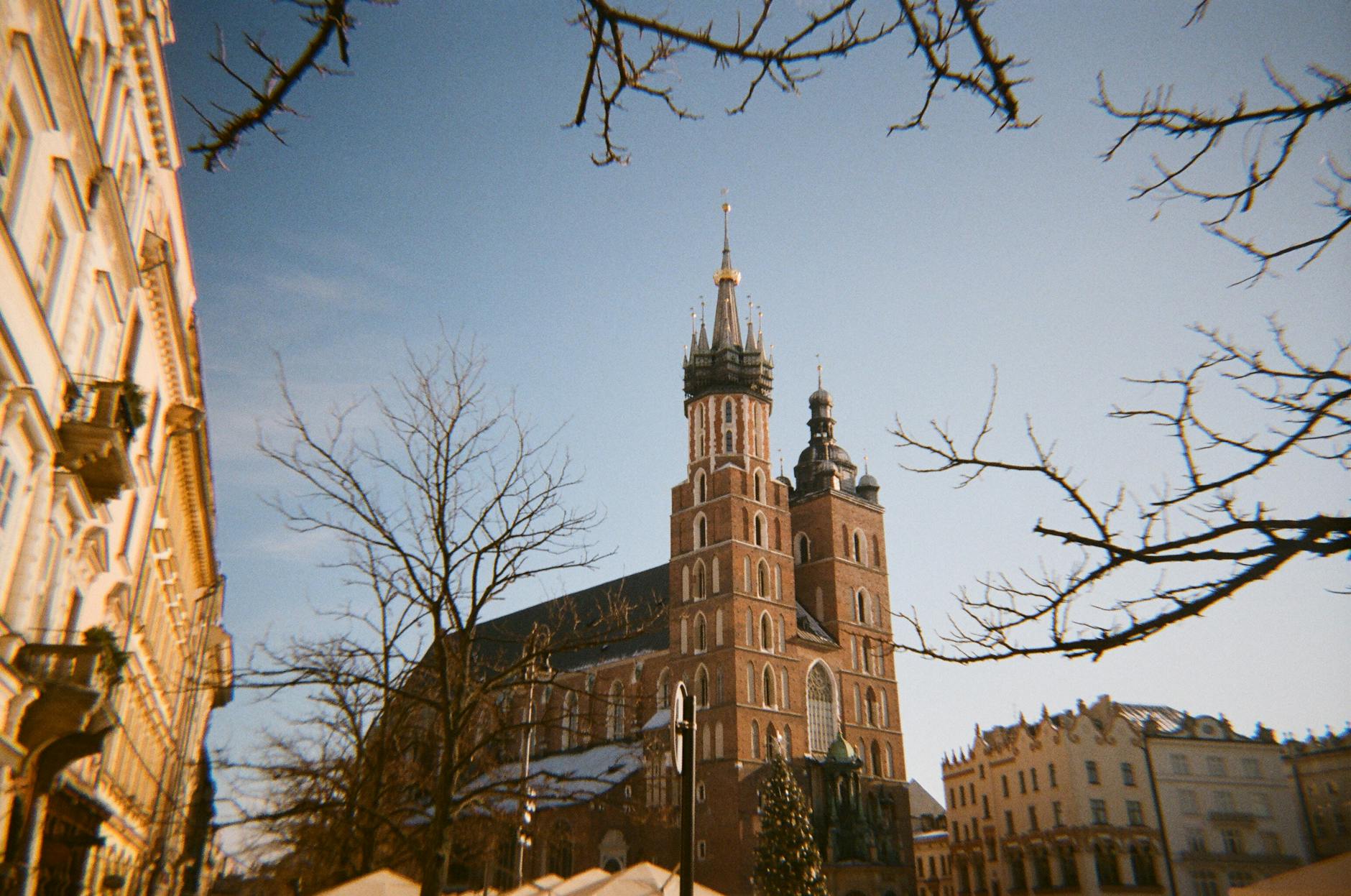
Best Time to Visit Krakow — When to Plan Your 3-Day Trip
Decide the best months to visit Krakow based on weather, crowds, festivals and day trips. Practical, local-first advice to pair with our '3 days in Krakow' itinerary and nearby trips to Zakopane, Katowice, Łódź, Lublin and Wrocław.
Best overall months: April–June and September–October. Why: pleasant weather for walking, fewer peak-summer crowds, and most attractions open. If you want Christmas atmosphere choose early December for markets; for winter sports or snowy Tatra scenery combine January–February with a day trip to Zakopane. Book peak-summer (July–August) and holiday-season stays several months ahead.
Krakow is compact, historic, and seasonally varied: each season offers a different balance of weather, crowds and local life. Use this page to choose dates that match your priorities—warm evenings, fewer tourists, festival time, or winter skiing from nearby Zakopane—and to align those choices with practical booking and transport tips for a successful 3-day itinerary.
What This Page Helps You Decide
Use this guide to answer specific planning questions before you open the calendar or book flights. It helps you decide:
– Which month fits your tolerance for crowds and weather.
– Whether to prioritize festivals or quiet streets.
– How far in advance to book museums, tours, and transport.
– Which nearby day trips (Zakopane, Wieliczka, Oświęcim) fit your chosen season.
– How to make lower-impact choices like public transport and supporting local businesses.
Top Recommendations
Scenarios and concrete choices:
– First-time visit, best balance: April–June or September—expect mild days, open terraces in Kazimierz and manageable queues for Wawel.
– Avoid crowds on a 3-day trip: travel weekday shoulder-season (April/May or mid-September/October).
– Christmas markets and festive lights: first two weeks of December—book centrally located lodging early.
– Winter and mountain sports: late December–February—combine Krakow with Zakopane for skiing or winter hiking.
Practical booking tips:
– Reserve tickets in advance for Wieliczka Salt Mine and Auschwitz-Birkenau tours; guided slots fill early in summer.
– Book accommodations 2–3 months ahead for summer and December; 4+ months is safer for festival weekends.
– For short stays, favor lodging near the Old Town, Kazimierz or Podgórze to minimize transit time.

Local Context
Neighborhoods and practicalities:
– Old Town (Stare Miasto & Rynek): beating heart of the city; very walkable but busiest during summer and festival weekends.
– Kazimierz: historic Jewish Quarter with cafes, synagogues and nightlife—best in the evening and for local food.
– Podgórze: quieter across the Wisła, near Schindler's Factory and affordable guesthouses.
– Nowa Huta: socialist-era architecture worth a guided visit away from the tourist core.
Transport realities:
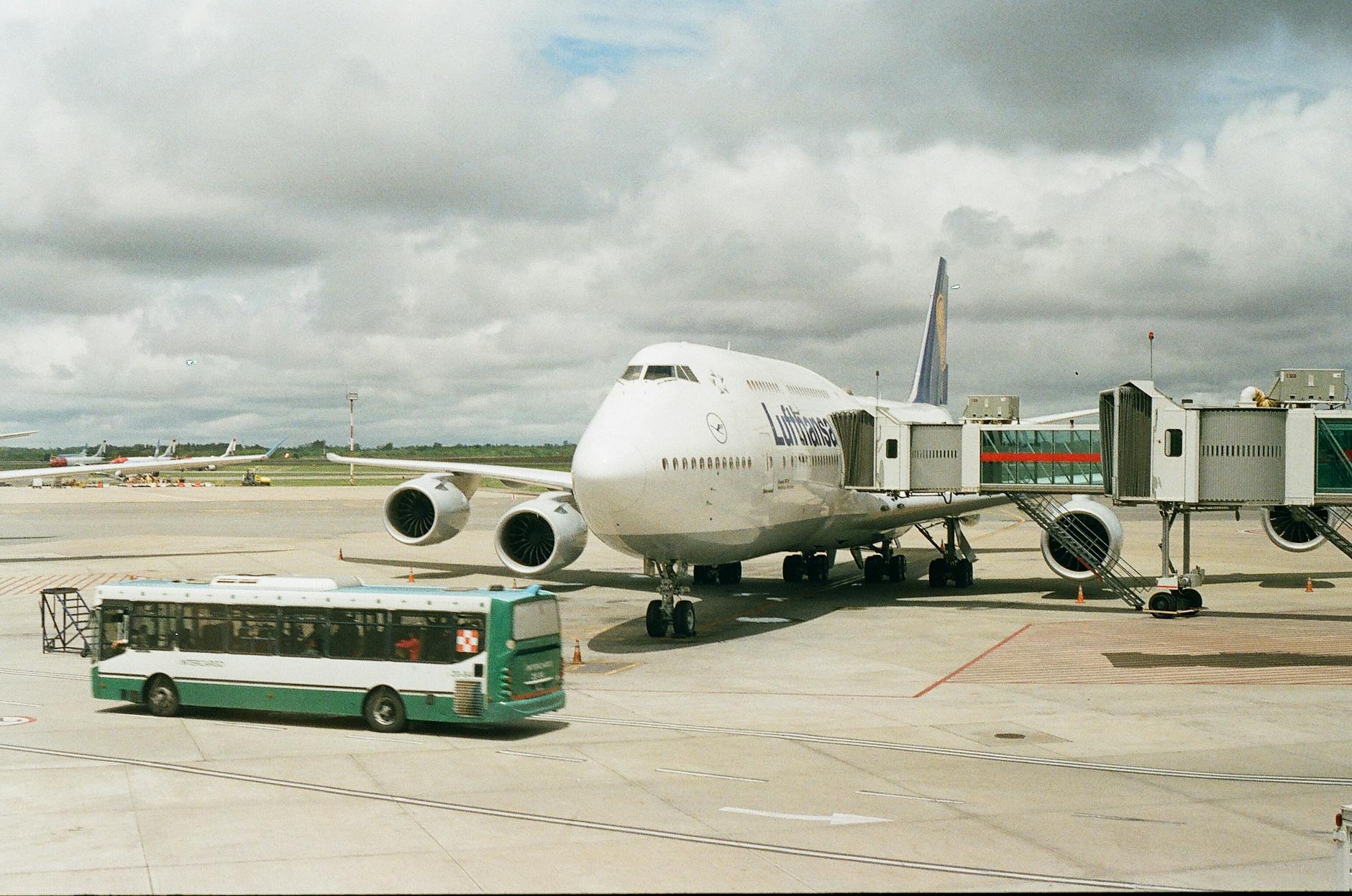
– Kraków Airport (KRK) is about 11 km from the center; regular buses and airport shuttles take 25–40 minutes depending on traffic.
– Trams and buses (MPK) are efficient for short hops; buy single tickets or a 72-hour pass if staying multiple days.
– Day trips: frequent buses/trains to Zakopane (2–2.5 hours), fast trains to Katowice and Wrocław, and regular services to Łódź and Lublin. Allow extra travel time in winter.
Local etiquette and closures:
– Many museums close on Mondays—check opening days before you plan a museum-heavy day.
– Basic Polish greetings (Dzień dobry) are appreciated; tipping about 10% is common in restaurants.
How to Choose Well
Match dates to priorities with these quick rules:
– If you prefer milder weather and fewer crowds: choose April–June or September–October.
– If festivals and nightlife matter: check exact festival dates (Jewish Culture Festival in June, Wianki midsummer events) and book accommodation early.
– If budget matters: travel in late autumn (November) or late winter (January–February) for lower rates, but expect shorter daylight and colder temperatures.
– For day trips: choose summer or late spring for hiking in Zakopane, and any season for Wieliczka Salt Mine (it’s underground).
Sustainable choices:
– Stay in small guesthouses or locally run hotels and eat at family-run restaurants in Kazimierz or Kleparz market.
– Walk or use trams for short trips; take regional trains to nearby cities instead of renting a car where possible.

Responsible and Local-First Tips
Small choices that make a big difference:
– Choose certified local guides or small operators for historical tours and Auschwitz/Birkenau visits—this supports local expertise and respectful interpretation.
– Eat where locals eat: try pierogi in neighborhood milk bars and family-run restaurants on Józefa Street (Kazimierz) or around Plac Nowy.
– Buy souvenirs from artisans in the Cloth Hall or Kazimierz galleries rather than mass-market stalls.
– Use public transport, rent a city bike for short trips, and bring a reusable bottle—tap water is safe in Krakow.
– At memorial sites (Auschwitz-Birkenau) follow rules, avoid loud behavior, and respect photography guidelines.

Common Mistakes to Avoid
Avoid these predictable missteps:
– Booking last-minute for July–August or December markets—prices and availability drop fast.
– Assuming museums are open every day—many close Mondays; check websites.
– Trying to cram too many day trips into a 3-day visit—Wieliczka and a city tour fit easily; adding both Zakopane and Oświęcim in one trip makes the schedule tight.
– Eating only on the busiest Rynek terraces—you’ll miss better food and more sustainable, local producers in side streets and markets.
– Not pre-booking reputable guided tours for sensitive sites like Auschwitz-Birkenau—guided slots help ensure meaningful, respectful visits.
FAQ
What month is the warmest and busiest in Krakow?
July is typically the warmest and busiest. Expect long tourist lines and higher prices—book accommodations and major attraction tickets well in advance.
Is Krakow worth visiting in winter?
Yes. Winter (December–February) offers Christmas markets, lower hotel rates, and nearby skiing in Zakopane. Be prepared for short days, cold weather, and possible snow; some outdoor attractions are less accessible.
How many days do I need in Krakow if I have 3 days in Krakow as my itinerary?
Three full days cover the essentials: Old Town and Wawel, a walking tour of Kazimierz and Podgórze, plus one day trip (Wieliczka or Auschwitz) or a slower local day. Choose proximity of lodging to save travel time.
When should I book Auschwitz-Birkenau or Wieliczka tickets?
Book as early as possible—at least several weeks ahead in shoulder season and months ahead in summer and holiday periods. Opt for reputable small-group guides for context and respectful visits.
Can I do Zakopane as a day trip and when is best?
Yes—Zakopane is a 2–2.5 hour bus or train ride. Summer and late spring are best for hiking; winter is best for skiing. Start early to make the most of the day and check bus/train timetables in advance.
Is Krakow safe for solo travelers?
Generally yes—Krakow is considered safe with a strong tourist infrastructure. Take normal urban precautions at night and watch for pickpockets in crowded areas. Use official taxis or well-known ride‑hailing apps if you need a late-night ride.
Conclusion
For a 3-day visit, aim for April–June or September–October for the best balance of weather and crowds. Book major tours and accommodations early for summer and December. Favor local guides, neighborhood eateries in Kazimierz and Podgórze, and public transport to keep your visit low-impact and economically supportive. When you’re ready, open our '3 days in Krakow' itinerary to slot your chosen dates into a practical day-by-day plan and to see recommended routes for day trips to Zakopane, Wieliczka, Katowice, Łódź, Lublin and Wrocław.
Plan the Rest of Your Trip
This page works best alongside the main itinerary for Krakow.