
Krakow in 3 Days: Practical Itinerary, Costs & Tips
Three-day Krakow itinerary with transit, realistic costs and daily plans covering Wawel, Kazimierz, Schindler's Factory and Wieliczka details.
A compact, no-nonsense three-day plan that balances Old Town monuments, Kazimierz's food and history, a salt-mine day trip, and realistic budget and transit advice for practical travelers.
First impression: a compact medieval centre ringed by Planty park and crossed by the Wisła river, with an Old Town that gets crowded by late morning and a nearby district where nightlife and food hold longer opening hours. Expect constant foot traffic in Rynek Główny and tram noise on the main thoroughfares, but quieter streets a few blocks away. Many visitors assume Krakow is all about monuments; in practice the best experience mixes a morning of sights with long coffee or meal stops in Kazimierz and a deliberate outward trip on day three. This pace suits people who want concentrated cultural experiences rather than constant movement.
Is 3 days in Krakow enough?
Three days are enough to see Wawel, Rynek Główny, Kazimierz and a single day trip (Wieliczka or Auschwitz) with moderate pace. Caveat: museums add up—seeing every major museum and a second day trip will require extra time.
Who This Guide Is For
Best for culture-minded short-stay travelers who tolerate walking and public transit. Poor fit for visitors who want a slow, luxury spa retreat or to cram two long day trips into a single weekend.
Local Tips for Krakow
Practical details that most travel sites skip — specific to Krakow.
- Kraków Balice airport (KRK) has a direct Koleje Małopolskie train to Kraków Główny taking about 20 minutes; platform ticket machines sell single tickets for roughly 12–14 PLN.
- Paper MPK tickets must be validated in the yellow validator on board; buy single or day tickets in SkyCash or Jakdojade to avoid the several-hundred-PLN fine if checked without a stamped ticket.
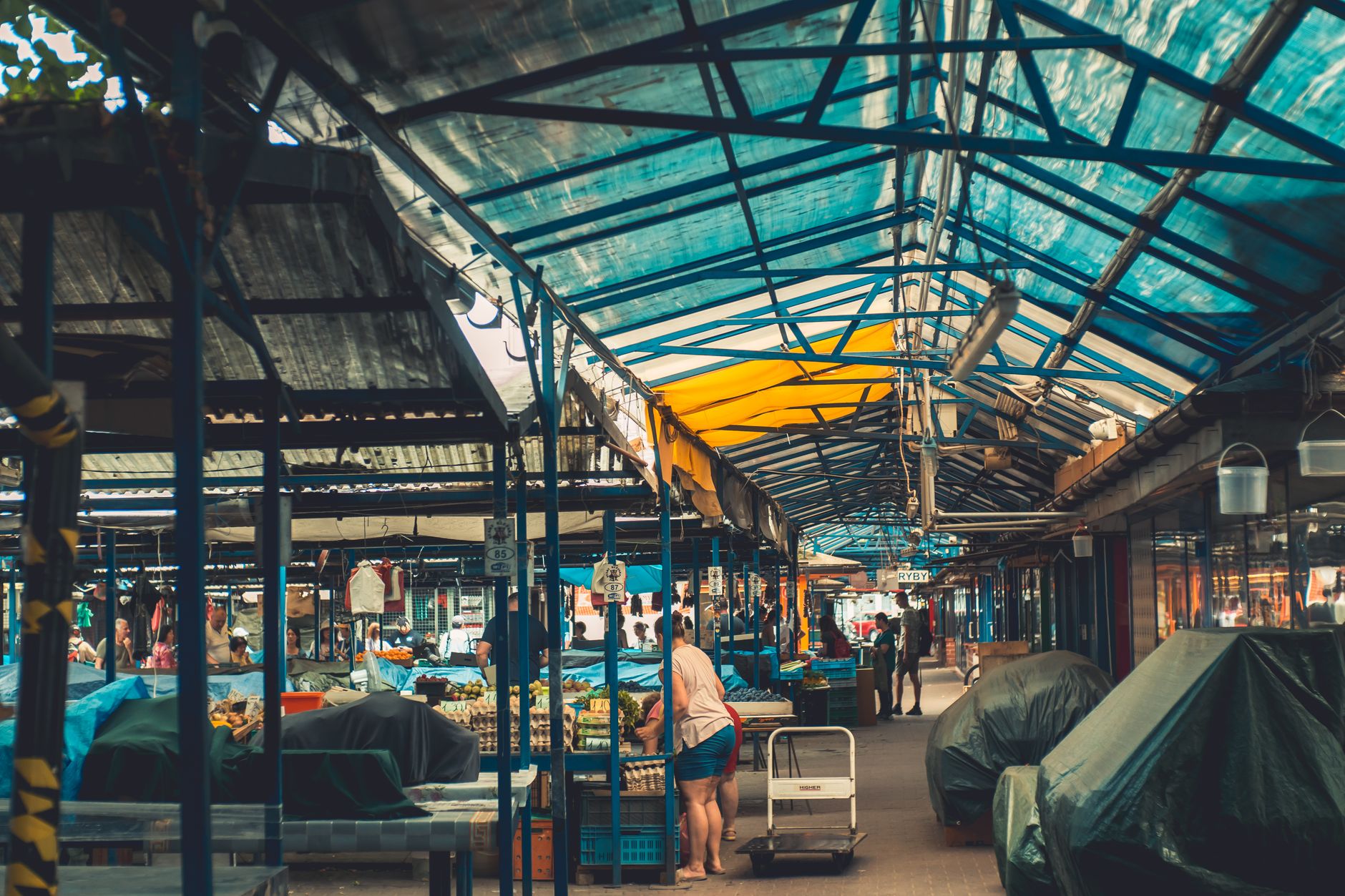
- Stary Kleparz market next to Planty opens from about 6:00 to early afternoon; go early for fresh cheese, oscypek and seasonal produce before stalls close.
- Plac Nowy in Kazimierz has the round hall ‘zapiekanka’ stands and a Sunday flea market on the square; expect a good zapiekanka for 8–15 PLN.
- Wieliczka Salt Mine requires booking time slots; standard guided tours (including entry) generally cost about 110–140 PLN per person, and buses/train leave frequently from Kraków Główny.
How This Guide Was Prepared
Three days here works only if time is used deliberately: concentrate on Old Town and Kazimierz with one outward day trip. Many guides overload the schedule or treat Krakow like a quick checklist; this guide prioritises transit times, real costs, and what can be skipped without regret. This guide was prepared through a structured research that combines destination research, geographic context, itinerary planning logic, and content review.
Plan Your Stay in Krakow
Use these planning pages to compare areas to stay, expected costs, seasonal timing, and local transport before booking.
Why Visit
Wawel Castle and Cathedral provide a compact set of royal chambers and a cathedral treasury that are easy to reach from Rynek Główny and give a clear sense of Poland's monarchy and art collections. Kazimierz offers a distinct contrast: synagogues, Jewish cemeteries, and a dense cluster of cafes and restaurants where history and contemporary food scenes meet. Schindler's Factory and the nearby Podgórze district present wartime history grounded in specific sites and exhibits rather than abstract memorials. A short, single-day trip to Wieliczka Salt Mine or a half-day to Nowa Huta provides a different scale and physical context—underground chambers or socialist-era architecture—so three days can show several sides without constant travel.
Quick Planning Tips
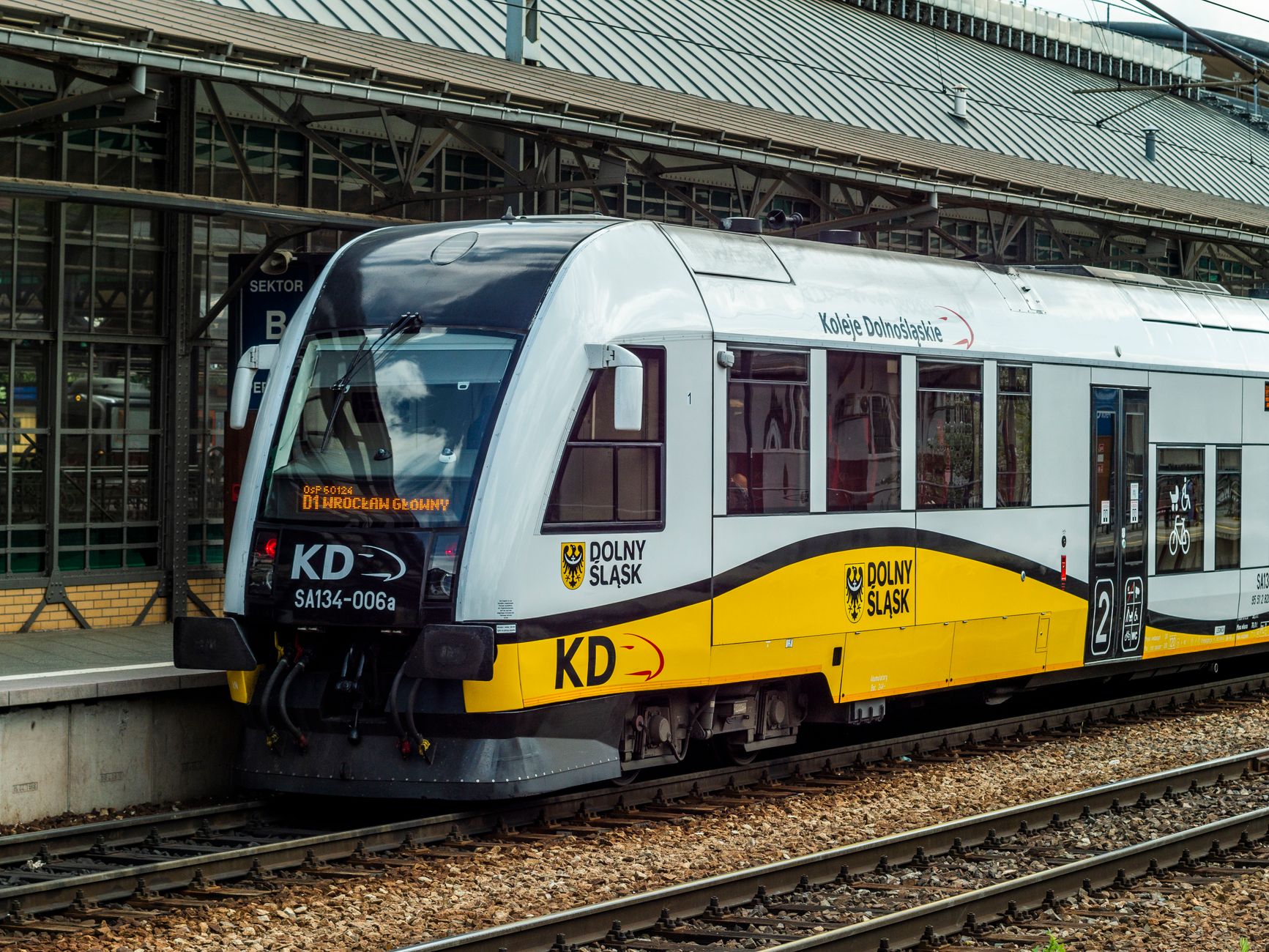
Arrive by train to Kraków Główny when possible; the station sits a 10–20 minute walk from Rynek Główny and links directly to buses and trams. From Kraków Balice airport the Koleje Małopolskie train runs to Główny in about 20 minutes; purchase tickets at the platform or via app. Carry some Polish złoty for small vendors—many market stalls and older kiosks accept cash only; ATMs are abundant but withdraw at least 100–200 PLN to avoid repeated fees. Avoid the mistake of booking all timed museum entries for the same morning; spread key tickets (Wawel State Rooms, Rynek Underground, Schindler's) across two mornings to reduce queuing and allow time for meals.
Day 1
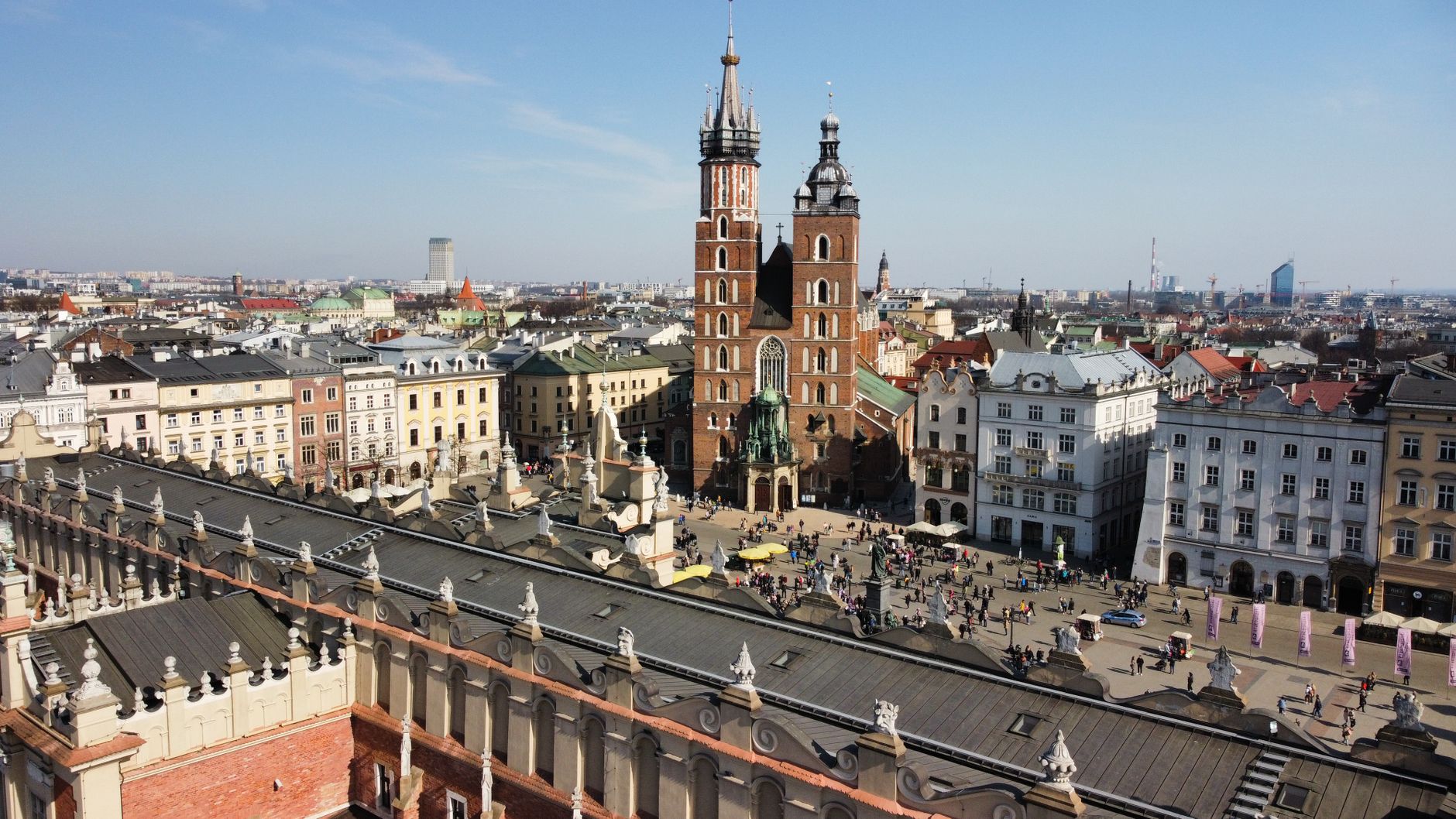
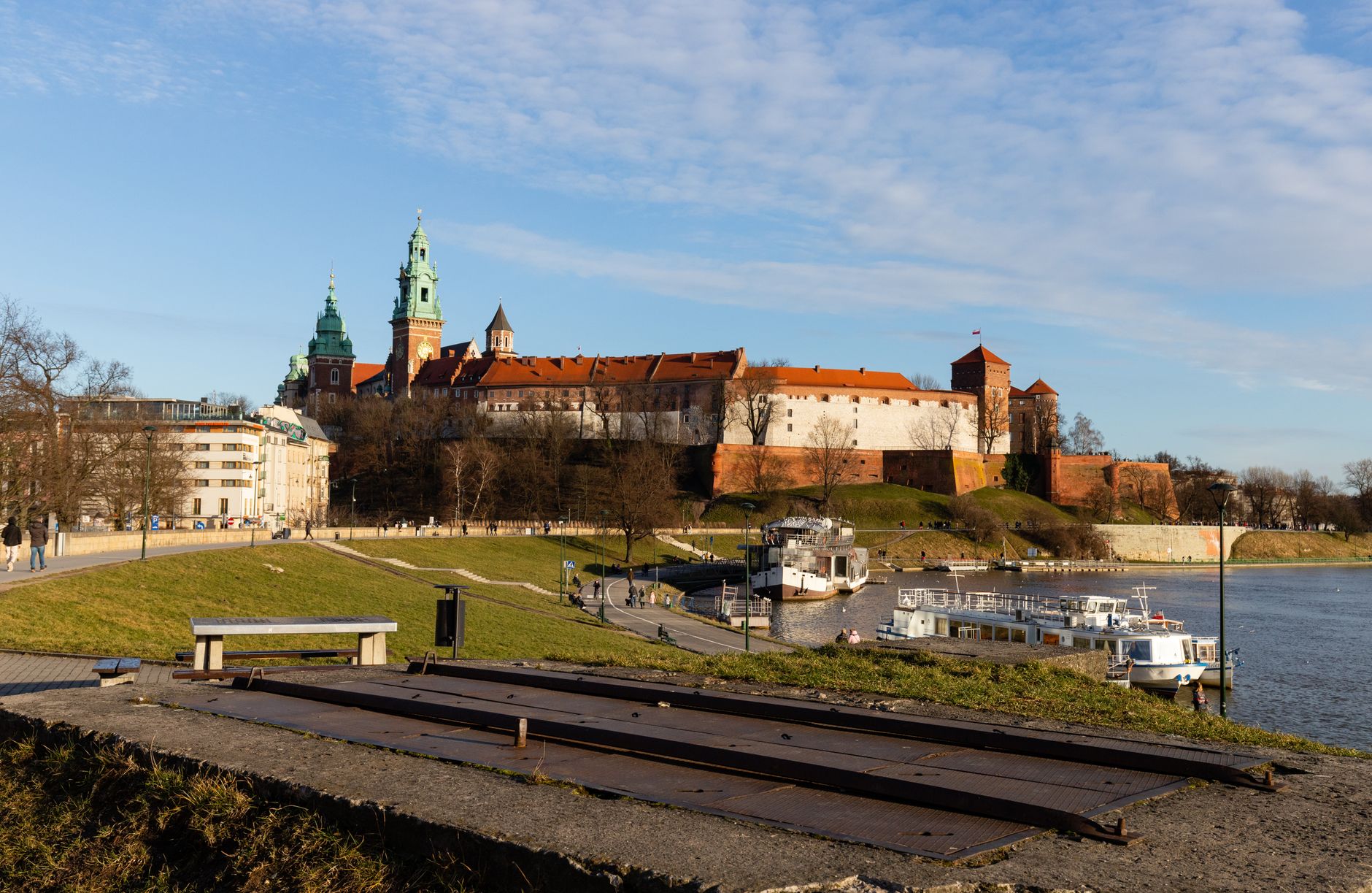
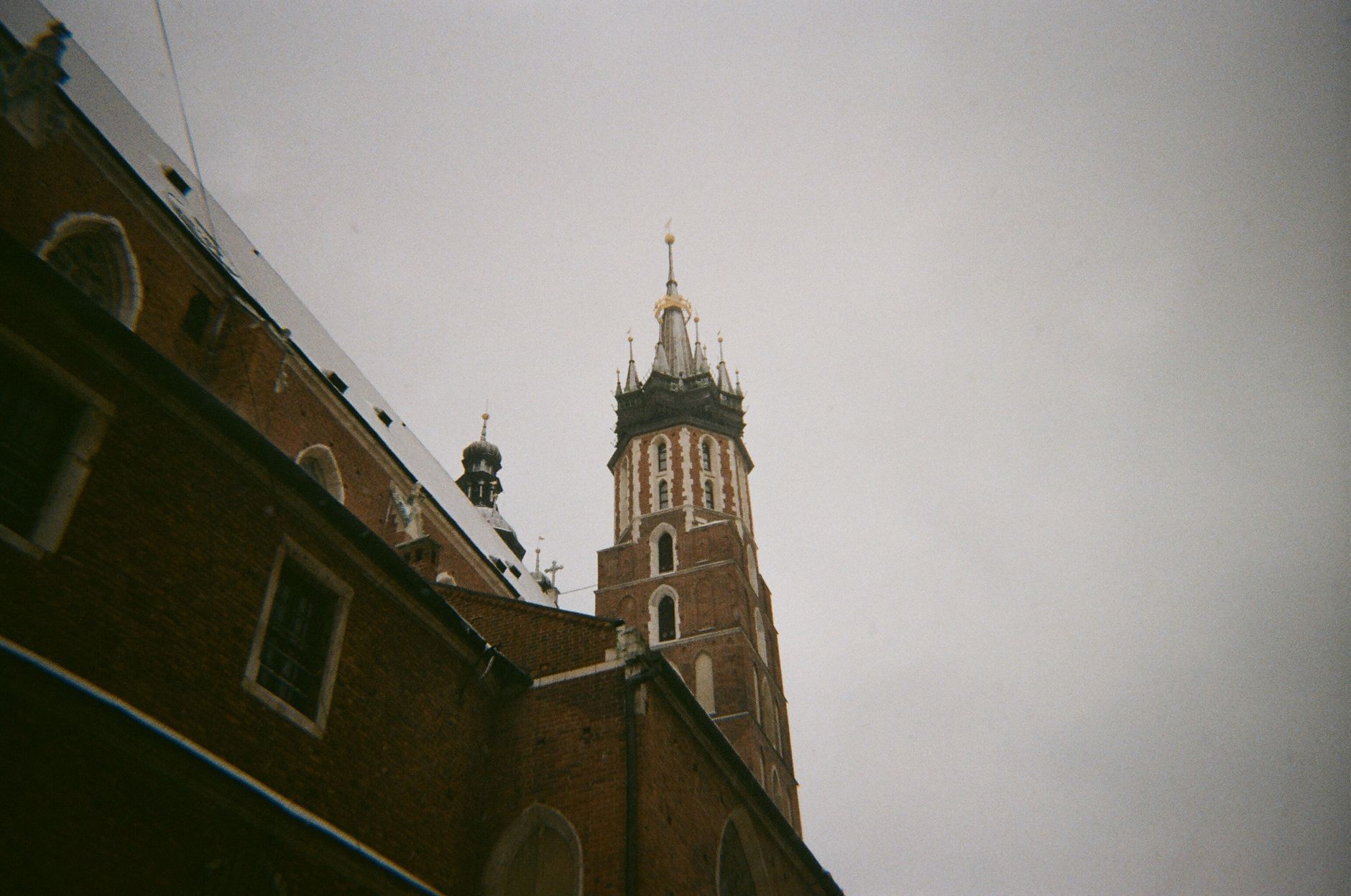
Morning: Start in Rynek Główny at St. Mary's Basilica (Kościół Mariacki); allow 30–45 minutes for the interior and the Hejnał at the top of the hour, then walk across to Sukiennice (Cloth Hall) for stalls and the Rynek Underground museum below the square (reserve 60–90 minutes). Walking time between St. Mary's and Sukiennice is under five minutes. Midday: Head to Wawel Castle (15–20 minute walk via Kanonicza or Grodzka) and visit the State Rooms or the Crown Treasury; expect 1.5–2 hours for the castle and cathedral complex. Lunch: eat at Pod Aniołami or the nearby Bar Mleczny (traditional milk bar) for a filling meal—bar mleczny prices around 15–30 PLN. Afternoon: Walk the Vistula embankment toward Wawel for photos, then cross to Kazimierz by footbridge in 15–20 minutes. Evening: Stay in Kazimierz for dinner at a local restaurant such as Restauracja Starka or Alchemia; finish with a drink on Plac Nowy where nightlife and late-night food stands remain active.
Day 2
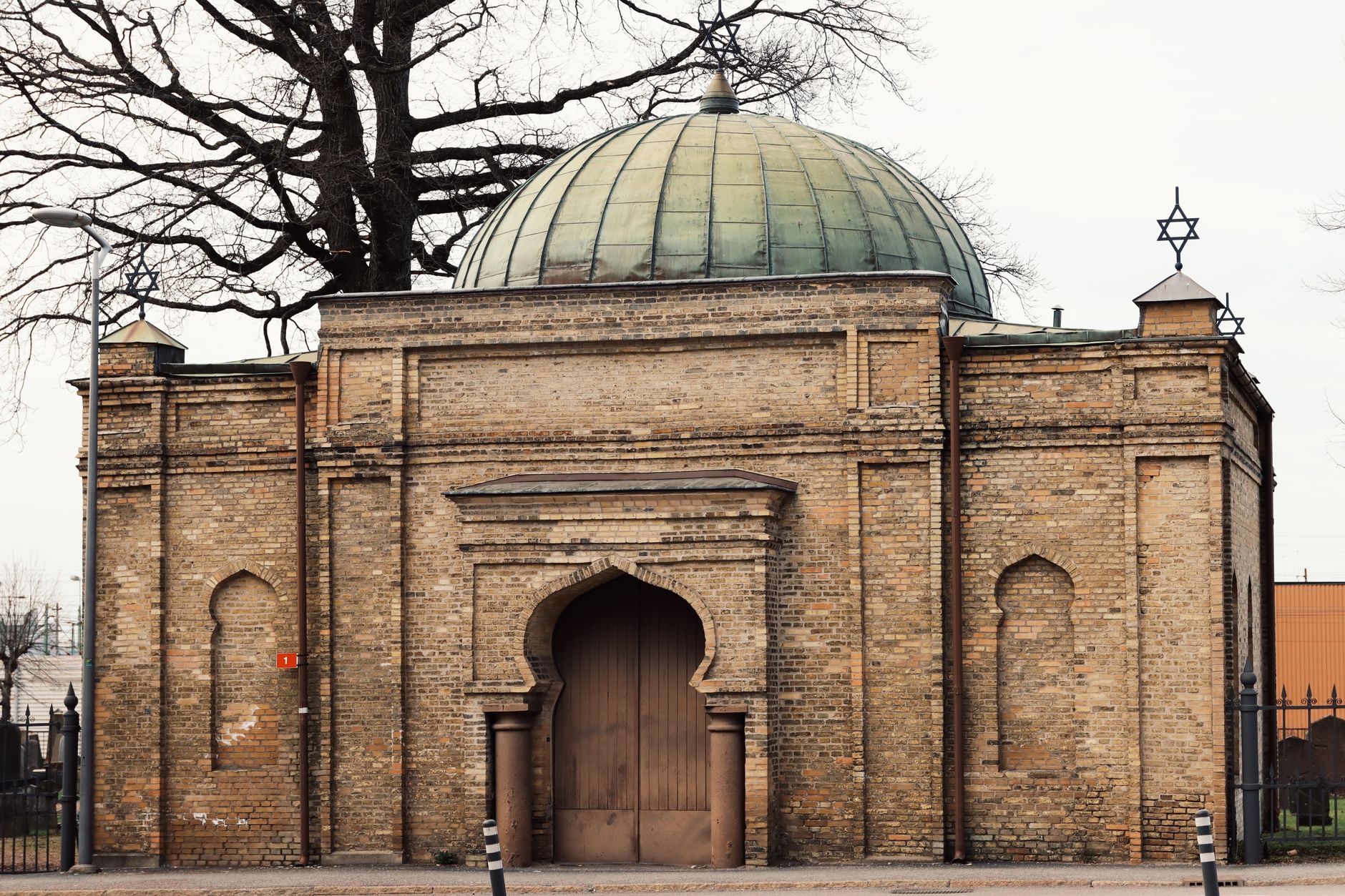
Morning: Spend the morning in Kazimierz proper—visit the Old Synagogue (Nowy Square area) and Remuh Synagogue and cemetery; allow 60–90 minutes for the key sites and the Jewish Museum in Remuh. Walk times across Kazimierz are short: most sites sit within a 10–15 minute radius of Plac Nowy. Late morning: Cross to Podgórze to see the Ghetto Heroes Square and Oskar Schindler's Enamel Factory museum; allow 90–120 minutes for the museum, plus time to read the exhibits and climb the adjacent Ghetto wall. Lunch: Try a zapiekanka at Plac Nowy or a sit-down at Mleczarnia for a more relaxed meal (15–40 PLN for casual options). Afternoon: Visit MOCAK (Museum of Contemporary Art) near Schindler's Factory or walk the Wisła boulevards for riverside cafés; tram takes about 10 minutes between Kazimierz and Podgórze on short central routes. Evening: Consider a Vistula-bank walk or a concert at Forum Przestrzenie if there is a scheduled event.
Day 3
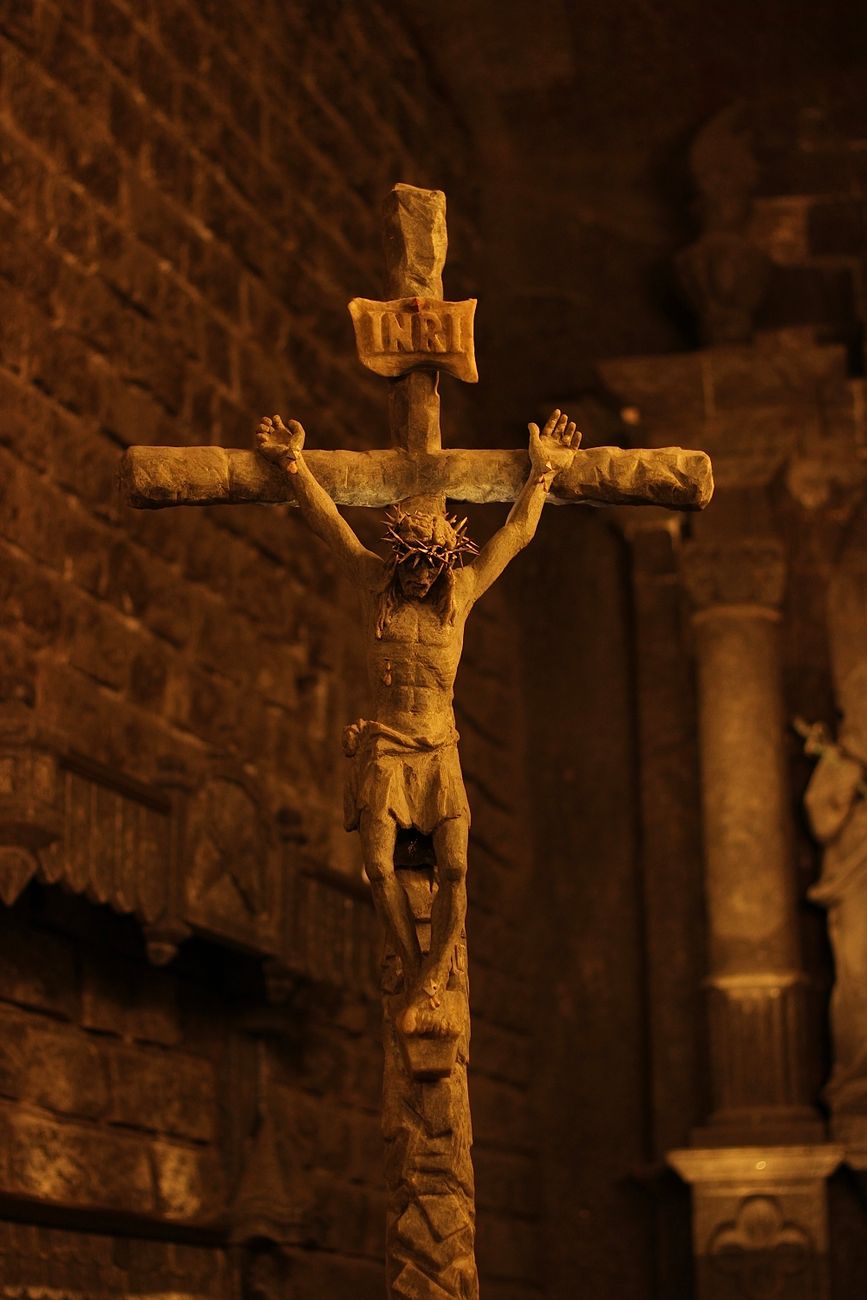
Option A — Wieliczka Salt Mine: Leave early from Kraków Główny by bus or train; travel time is 30–40 minutes. Tours run on fixed time slots; plan for 3–4 hours including transport and allow 110–140 PLN for the standard guided tour. Return to the city for a late lunch and, if time permits, a final museum such as the Rynek Underground or the National Museum. Option B — Nowa Huta and Auschwitz: Nowa Huta tram to Plac Centralny takes 25–30 minutes; combine with a guided walking tour focusing on socialist architecture in 2–3 hours. For Auschwitz, book a full-day guided transfer (approximately 1 hour each way) and expect a 6–8 hour commitment. Practical note for departures: if catching an afternoon flight, choose the Kleparz/Stare Miasto area for a final quick lunch and take the Koleje Małopolskie train from Główny to Balice (20 minutes) or allow 60–90 minutes for an airport taxi depending on traffic.
Best Local Experiences
Visit Stary Kleparz early to buy regional cheeses and smoked meats from long-running stalls. Spend an evening in Kazimierz sampling Jewish-Polish fusion at bars and cafes around Plac Nowy and Szeroka. Walk the Wisła boulevards (Bulwary Wiślane) at sunset and watch students and local families picnic on the riverbanks. Join a guided tour of Oskar Schindler's Factory for a focused wartime history experience tied to specific addresses in Podgórze. Attend a mass or tower climb at St. Mary's Basilica to hear the Hejnał Mariacki and view Rynek Główny from above. Each of these is tied to a place and time rather than a generic activity list.
Where to Stay
Old Town / Rynek Główny: Suits first-time visitors who want to be within easy walking distance of St. Mary's, Wawel and major restaurants; expect nightly rates around 300–600 PLN (65–140 EUR) for mid-range hotels and 150–350 PLN (35–80 EUR) for private rooms in guesthouses. Kazimierz: Suits food-focused travelers and nightlife seekers; small boutique hotels and apartments run about 200–450 PLN (45–100 EUR) per night and put Plac Nowy and synagogues within a 5–10 minute walk. Podgórze / Zabłocie: Suits museum-goers and those who prefer quieter streets with a modern vibe near Schindler's Factory and MOCAK; expect 180–400 PLN (40–90 EUR) per night. Choose an area based on priorities: Old Town for monuments, Kazimierz for evenings, Podgórze for museums and calmer mornings.
Food and Drink
Obwarzanek: a boiled-then-baked ring bread sold from street carts—buy for about 3–6 PLN as a bakery-on-the-go breakfast. Zapiekanka: an open-faced mushroom-and-cheese baguette found at Plac Nowy—expect 8–15 PLN for a basic version; go for longer toppings at slightly higher price. Pierogi: filled dumplings available at milk bars and restaurants; a plate runs 15–30 PLN depending on filling and venue—Bar Mleczny Prażmowskiego and Pod Wawelem offer inexpensive versions. Żurek: a sour rye soup often served with sausage or egg; try it in traditional restaurants for 12–25 PLN. Local beer and craft options: small breweries and bars in Kazimierz serve local lagers and IPA styles for 10–20 PLN per pint; look for Browar Stu Mostów variants or local taprooms. Dinner recommendation: a mid-range meal at a Kazimierz restaurant or Wawel-adjacent place will typically cost 50–120 PLN per person including a drink.
Getting Around
Public transport is run by MPK Kraków and includes an extensive tram network and bus lines. Key tram lines serving central areas include lines 2, 3, 6, 8 and 13 for cross-city travel; night buses cover late hours. Single-ticket fares for urban travel range from about 4.60 PLN (20–30 minute ticket) to 6.40 PLN (40–60 minute ticket); a 24-hour pass is roughly 15 PLN and a 72-hour pass about 36 PLN. Buy tickets in SkyCash, Jakdojade, or at vending machines; validate paper tickets on board. Use Jakdojade for route planning and SkyCash for ticket purchases; Bolt and Free Now are reliable ride-hailing apps. Airport transfer by taxi typically costs 90–140 PLN; the Koleje Małopolskie train costs about 12–14 PLN and takes ~20 minutes to Główny.
Best Time to Visit
Spring (April–June): Temperatures 8–20°C with variable rain; crowds build by late May. Good value and long daylight. Summer (July–August): Warm 18–28°C and busiest months—expect queues and higher hotel rates; festivals increase foot traffic. Early autumn (September–October): 8–18°C, offers cooler weather and thinner crowds after mid-September; many museums operate full schedules. Winter (November–March): Cold and often below 0°C with shorter days; hotels are cheaper and streets quieter but some outdoor attractions are less pleasant. Best months for value and manageable crowds are April–June and September.
Budget and Practical Tips
Sample daily budget for a mid-range traveler: accommodation 200–450 PLN (45–100 EUR), meals 80–150 PLN (18–33 EUR), transport 10–36 PLN (2–8 EUR), museum entries 30–120 PLN (7–27 EUR) depending on sites visited. Budget travelers can manage on 150–250 PLN per day by using hostels or guesthouses, milk bars, and 24-hour transit tickets; moderate travelers should plan 400–700 PLN per day for comfortable hotels and paid guided tours. Tipping norms: restaurants generally expect rounding up or 10% for table service; taxis are rounded up to the nearest 5–10 PLN or tip 5–10% for good service. Carry a copy of reservations for Wieliczka or Auschwitz and arrive 10–15 minutes before scheduled tour times.
FAQ
Is Krakow safe for solo travelers?
Yes; central areas are generally safe day and night, but exercise usual caution with belongings in crowded places and avoid poorly lit side streets late at night.
How do I get from the airport to the city center?
The Koleje Małopolskie train runs from Balice (KRK) to Kraków Główny in about 20 minutes for roughly 12–14 PLN; buses 208/252 also connect the airport with the city.
Are taxis expensive?
Airport taxis typically cost 90–140 PLN; within the city use Bolt or Free Now and expect short trips in the 10–30 PLN range depending on distance and time of day.
Is a Krakow city card worth it?
A Krakow Card can save money if planning to visit many paid museums (Wawel State Rooms, Rynek Underground, National Museum) and needing public transport; calculate planned entries vs card price before buying.
Can one see Auschwitz from Krakow in a day?
Yes—Auschwitz-Birkenau is roughly 60–80 minutes by car or bus; full guided visits take 5–7 hours including transport and entrance, so book a full day if choosing this option.
Are museums closed on specific weekdays?
Several museums close on Mondays (check Wawel and Schindler's opening days before booking); many private galleries close on different days—confirm online to avoid wasted trips.
What are common scam alerts?
Unofficial taxi drivers offering flat fares at the airport and people offering 'free' maps that request a donation are common; use official stands, apps, or booked transfers.
Conclusion
Three days here reward planning and realistic expectations: prioritise a balanced mix of monuments, neighbourhood time in Kazimierz, and one outward trip to feel the region's range. Most visitors will remember Wawel's hilltop complex, the Rynek's scale, and evenings in Kazimierz more than a checklist of every museum. If time becomes tight, prioritise Wawel and a Kazimierz dinner over squeezing in an extra museum; those two choices deliver the clearest sense of place.
How this guide was prepared
This guide was prepared through a structured research that combines destination research, geographic context, itinerary planning logic, and content review.