

Where to Stay in Krakow: Neighborhoods, Practical Tips, and Sustainable Picks
Choose the best neighborhood in Krakow for your 3-day trip. Practical advice on Old Town, Kazimierz, Podgórze, Nowa Huta and greener, local-first options, plus transport, seasonality and booking tips.
Best all-around pick for first-time visitors: a central hotel or guesthouse bordering the Old Town and Planty (easy walking to Wawel, museums and the Main Market Square). For nightlife and authentic cafes, stay in Kazimierz. If you want quieter streets, river views and a local feel, choose Podgórze or Salwator. For a low-impact, community-forward stay, pick family-run guesthouses, small B&Bs or locally owned apartments booked directly when possible.
Krakow is compact and layered: the medieval Old Town sits beside the lively Kazimierz, the quieter Podgórze faces the river, and Nowa Huta offers a very different, post‑war perspective. Where you stay shapes how much you walk, how easily you reach museums on a tight 3‑day schedule, and whether you'll be part of neighborhood life or simply passing through. This page helps you pick a neighborhood and concrete lodging strategies that favor local businesses, lower-impact choices, and a richer stay.
What This Page Helps You Decide
Use this page to decide:
– Which Krakow neighborhood fits a 3‑day itinerary and your travel values.
– How to time bookings for shoulder season savings and lower crowd levels.
– Transport and arrival choices that minimize hassle and emissions.
– Practical lodging types (guesthouse, boutique hotel, hostel, apartment) that support local economies.
It’s written to work alongside the main 3 days in Krakow itinerary — choose a base here, then open the 3‑day plan to map daily walks and transit times.
Top Recommendations
Neighborhood quick picks:
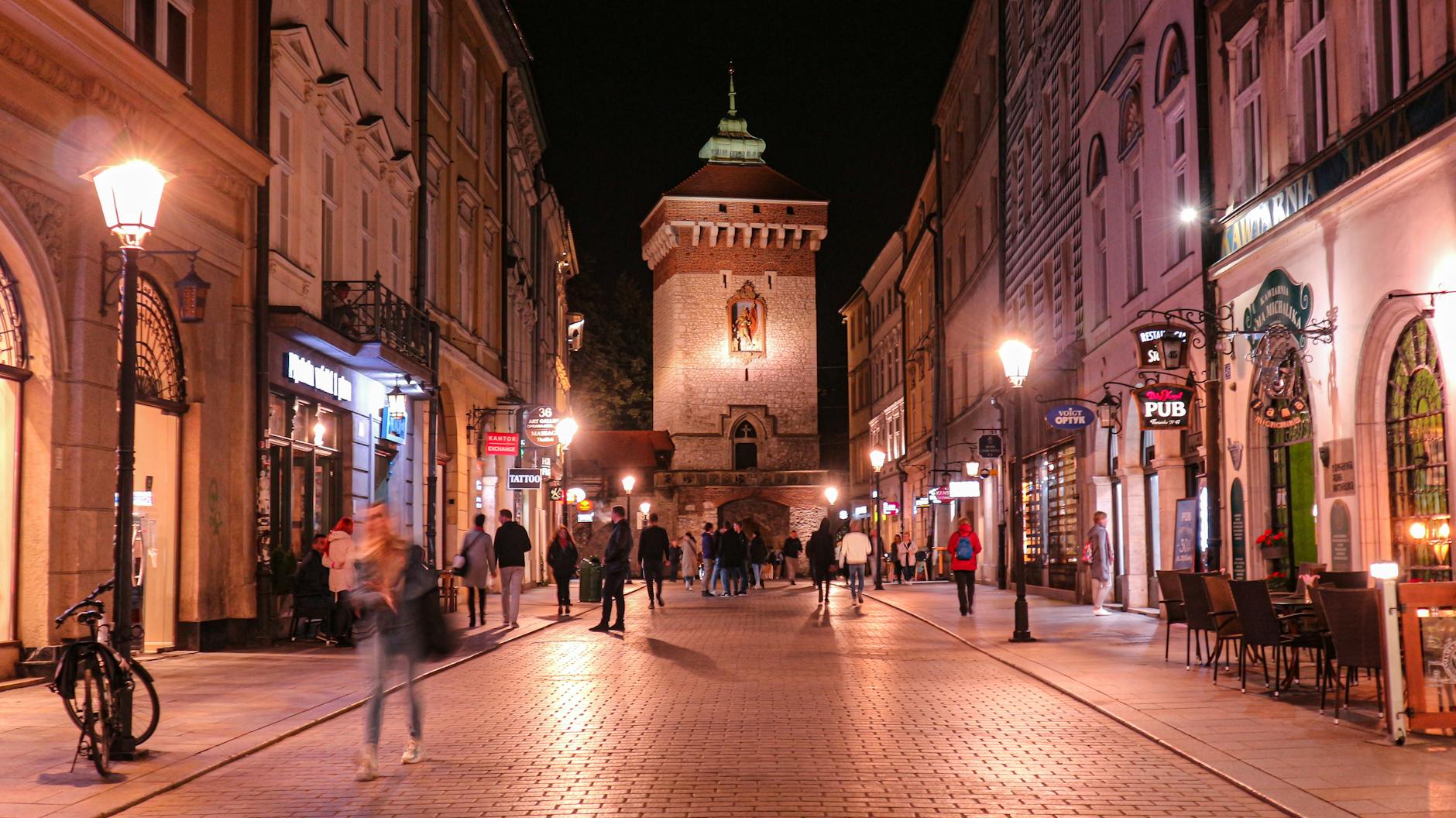
– Old Town / Stare Miasto: Best for first‑timers who want minimal walking between sights. Expect higher prices and tourist crowds; choose a quieter street off Floriańska or Planty for better sleep.
– Kazimierz: Best for food, cafés and nightlife with historic character. Good for travelers who want local bars, kosher and fusion Polish food, and easy tram access to the Old Town.
– Podgórze: Across the river, calmer evenings and interesting museums (including Oskar Schindler). Great if you prefer riverwalks and a more residential feel.
– Salwator / Zwierzyniec: Green, near Błonia meadow and Kościuszko Mound — ideal for families and nature breaks while still 20–30 minutes on foot or tram from the center.
– Nowa Huta: Choose this only if you're specifically interested in socialist‑era architecture and neighborhood-focused stays; it's farther from the Old Town but rewarding for offbeat itineraries.
Sustainable lodging types to favor:
– Family-run guesthouses (pension) or small boutique hotels that source locally and employ neighborhood staff.
– Hostels with private rooms and community events — look for social-impact programming.
– Short-term apartments when rented through local agencies or hosts who pay local taxes.
Booking note: book core nights (weekends, summer, Easter, Christmas markets) early. For shoulder months (April–May, Sep–Oct), check flexible rates and consider a midweek stay for lower prices and lighter crowds.
Local Context
Seasonality and crowds:
– High season: June–August and school holidays. Expect full hotels and louder nightlife near Kazimierz.
– Shoulder seasons: April–May and September–October are the best mix of mild weather, fewer tourists, and lower prices.
– Winter: December markets draw crowds but streets are quieter otherwise; bring warm layers and expect some short daylight.
Transport realities:
– The airport (John Paul II International, Balice) connects by train (Kraków Balice) or bus 208; the airport train is faster to Kraków Główny in good conditions.
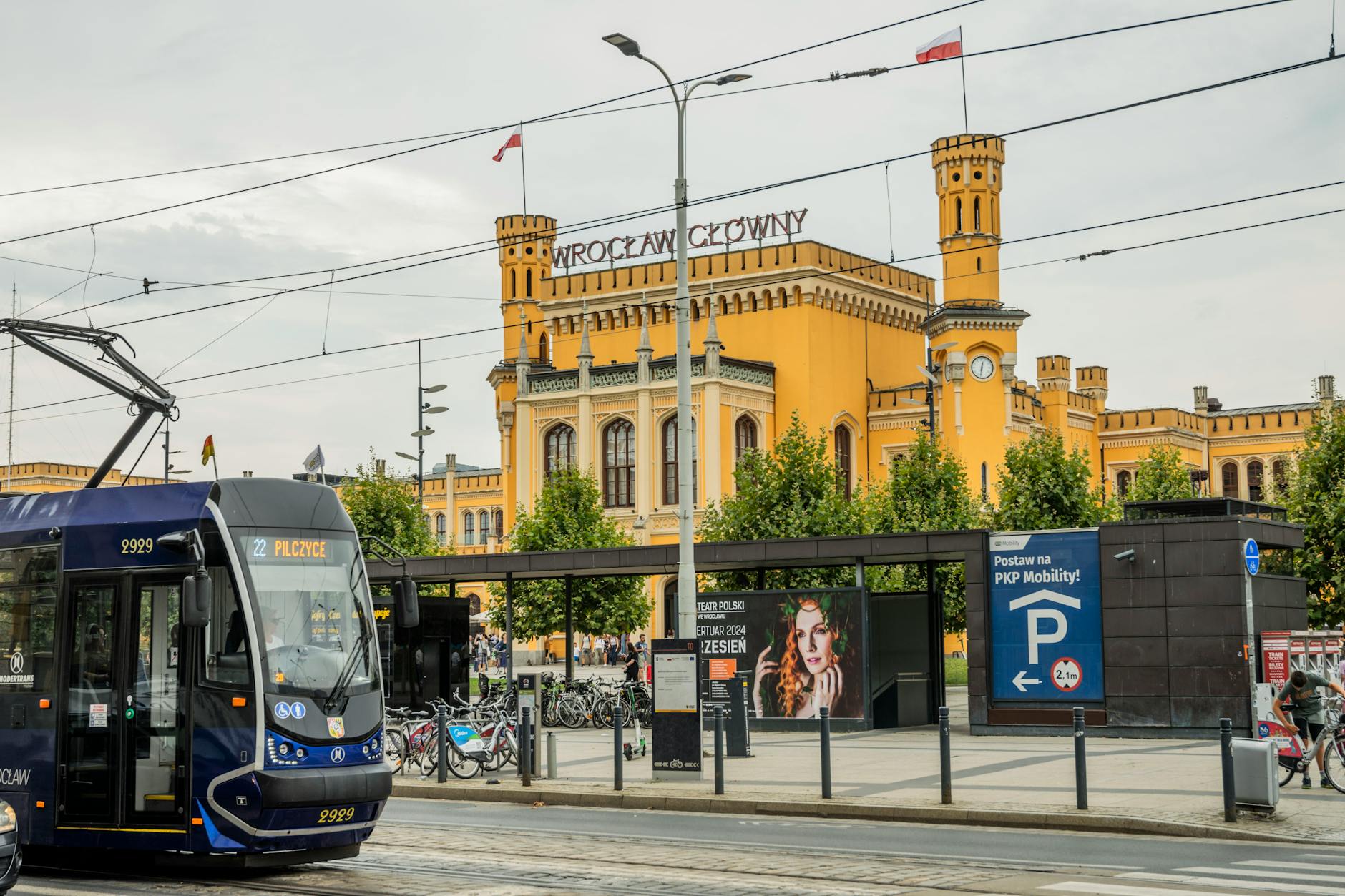
– Kraków Główny railway station is adjacent to the Old Town; many intercity trains (Katowice ~1h, Zakopane by bus ~2–2.5h, Wrocław ~3–3.5h).
– Trams and buses are frequent; tickets must be validated on boarding or via app. Ride‑hailing services (Bolt, FreeNow) work in the city.
Neighborhood realities:
– Old Town has cobbles and limited car access — expect short walks and occasional steps.
– Kazimierz has small streets and lots of evening noise; if you need quiet, pick a courtyard room.
– Podgórze and Salwator feel more residential; fewer tourist services late at night but better daytime markets and bakeries.
Etiquette and practicalities:
– Dress modestly and speak softly in churches; photography rules apply during services.
– Tipping: leaving 10% for good service is common but not obligatory.
– Shop local markets and milk bars (bar mleczny) to support small businesses.

How to Choose Well
Match your priorities to a neighborhood quickly:
– First visit, tight schedule (3 days): Old Town bordering Planty or a short walk to Główny station.
– Food & nightlife, young travelers: Kazimierz (look for rooms on quieter side streets).
– Relaxed pace, river walks: Podgórze, Salwator or apartments near the Vistula.
– Budget travelers: consider hostels or budget guesthouses near Kleparz or by the train station — verify reviews about soundproofing and safety.
Checklist before booking:
– Confirm public-transport stops and walking time to your top sights from the property listing.
– Check cancellation policy and whether the host charges a local tax or cleaning fee.
– Ask whether the property supports local suppliers (breakfast, toiletries) if sustainability matters.
– For stays that support a 3‑day itinerary: map one full day for the Old Town and Wawel, one for Kazimierz and Schindler’s area, and one for a day trip (Wieliczka, Zakopane, or Tatra foothills) — choose your base to minimize morning transfers.
Responsible and Local-First Tips
Simple ways to keep your stay low-impact and beneficial to locals:
– Book directly with small guesthouses or local agencies when possible — they often keep more revenue in the community.
– Favor locally run restaurants, cafés, and bars. Try a milk bar (bar mleczny) for an inexpensive, traditional meal.
– Use public transport, cycle with local providers (Wavelo bikes), or walk. If you rent a car for nearby destinations, combine errands and share rides to reduce trips.
– Avoid one-off souvenir stalls near the Main Market Square; buy from craft cooperatives or neighborhood shops.
– If taking a day trip to sensitive sites (for example Auschwitz‑Birkenau), book with a certified local guide and respect site rules and fellow visitors.
– Reduce laundry and energy use in your room and bring a refillable water bottle — Krakow has refill options in many cafés and hotels.

Common Mistakes to Avoid
Avoid these frequent mistakes:
– Booking only by proximity to the Main Market Square without checking noise, building age, or windows — many central rooms face busy nightlife.
– Underestimating tram/walk time to specific museums or the train station — use a map to time door-to-door travel for your 3‑day plan.
– Choosing the cheapest apartment listing without confirming it’s legally registered — ask about local tax or registration.
– Assuming taxis are the fastest option during tram strikes or peak hours; sometimes walking is quicker.
– Reserving day trips at the last minute in high season; trains and reputable guided tours to Zakopane, Wieliczka and Auschwitz often sell out.
FAQ
Which neighborhood is safest for late arrivals?
Old Town and Kazimierz are generally safe and well-lit; Podgórze is also safe but has fewer 24-hour services. Stick to main streets after dark and use official taxis or a trusted rideshare app.
Is it better to stay near the train station or the Main Market Square?
Staying near Kraków Główny is convenient for arrivals/departures and good for budget stays. The Main Market Square places you in the tourist heart but can be noisy. For a balance, choose a property one block from the Planty ring.
How early should I book for a summer weekend or Christmas markets?
For June–August weekends and December holiday weeks, book 2–4 months ahead. For boutique guesthouses and popular apartments, book even earlier if you need specific room types.
Can I rely on trams to reach day-trip departures?
Yes — trams connect to most neighborhoods and central bus hubs. For Zakopane, buses depart from the main bus station; trains are slower and less frequent. Check seasonal timetables.
Any tips for traveling sustainably from Krakow to nearby cities like Katowice or Wrocław?
Prefer regional trains for short hops (Katowice), and book direct intercity rail for longer legs (Wrocław, Łódź). For Zakopane, choose modern buses with low-emissions fleets or shared transfers to reduce per-person emissions.
Conclusion
Krakow rewards a modest daily pace: pick a base that shortens your mornings and supports local businesses. For a 3‑day visit, prioritize a location that lets you walk or tram quickly to planned sights in our 3 days in Krakow itinerary, and choose small, locally owned accommodations when possible. With thoughtful timing (shoulder season), public transport, and neighborhood-minded choices, you’ll get a richer stay that benefits Krakow’s community and environment.
Plan the Rest of Your Trip
This page works best alongside the main itinerary and the other planning pages for Krakow.