
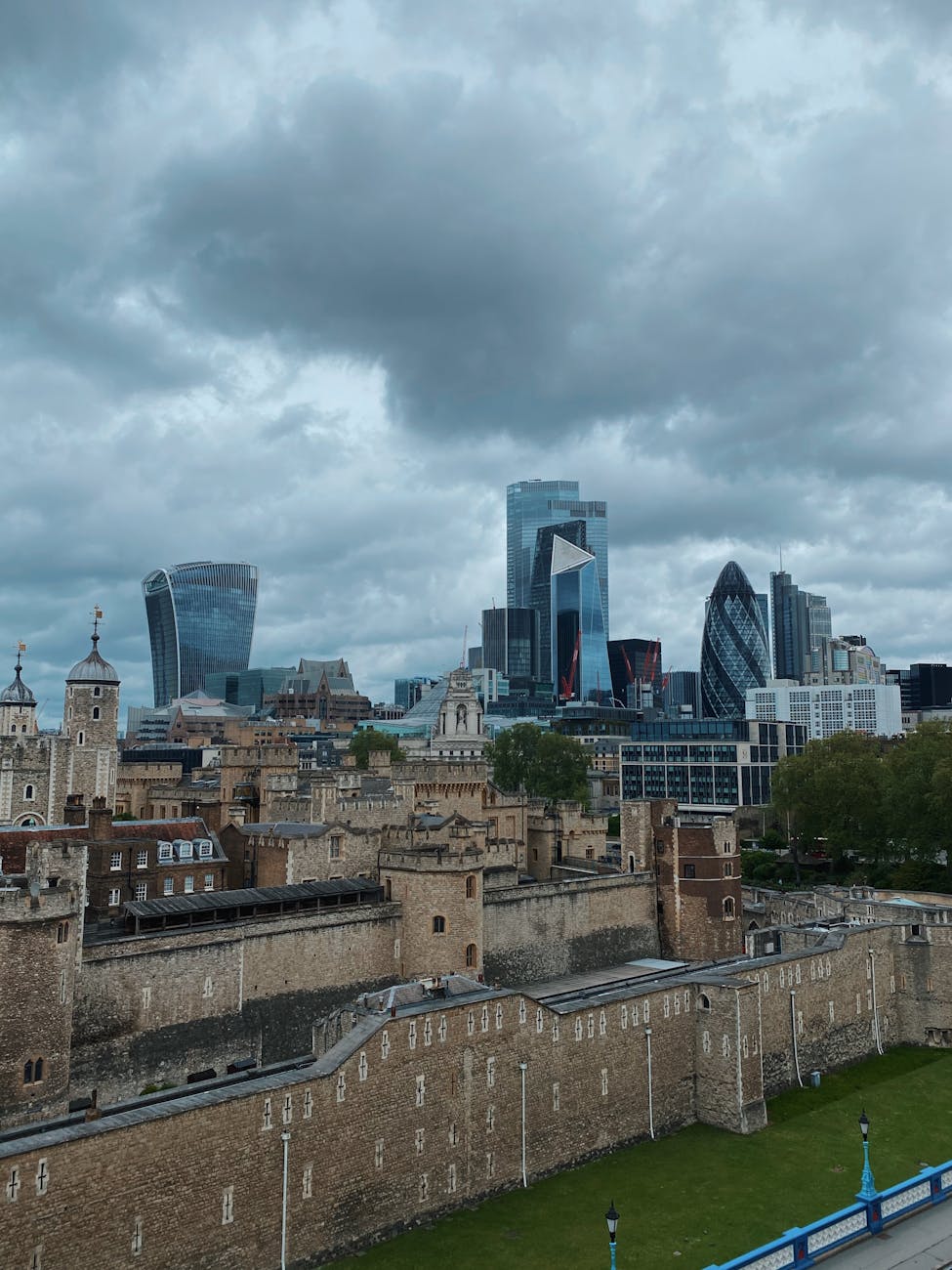
Best Time to Visit London: When to Go, What to Expect, and Low-Impact Tips
Practical, sustainable advice on the best months to visit London, neighborhood and transport realities, booking timelines for a 3-day itinerary, and low-impact day-trip options to Oxford, Cambridge, Brighton, Reading and Luton.
Best overall months: April–June and September–October. These shoulder-season windows give milder weather, longer daylight, fewer tourists than midsummer, and more availability for central hotels. If you prioritize festivals and warm weather, late June–August is lively but crowded; for lower prices and quiet streets, January–March (excluding events) is cheapest but colder and with shorter days. For a 3-day trip, aim for a shoulder-season weekend to fit most central highlights into walking or short tube rides.
This page helps you pick the best time to visit London, with specific notes for a compact 3-day itinerary. It balances weather, crowds, transport, and events while highlighting lower-impact choices—walking, cycling, and taking the train to nearby cities like Oxford, Cambridge, Brighton, Reading and Luton. Use this guidance to decide when to book hotels, West End shows, and day trips that complement our main 3 days in London itinerary.
What This Page Helps You Decide
Use this page to choose when to book and where to stay for a short London visit. It covers:
- Which months balance weather and crowd levels for a 3-day plan.
- Neighborhoods to favor for quick access to attractions and public transport.
- When to book tickets for museums, West End shows, and day trips.
- How to connect sustainably to nearby cities like Oxford, Cambridge, Brighton, Reading, and Luton.
If you already have dates, use the advice here to refine hotel location and reservations; if not, start with shoulder-season dates and consult our 3 days in London itinerary for a daily plan that fits those choices.
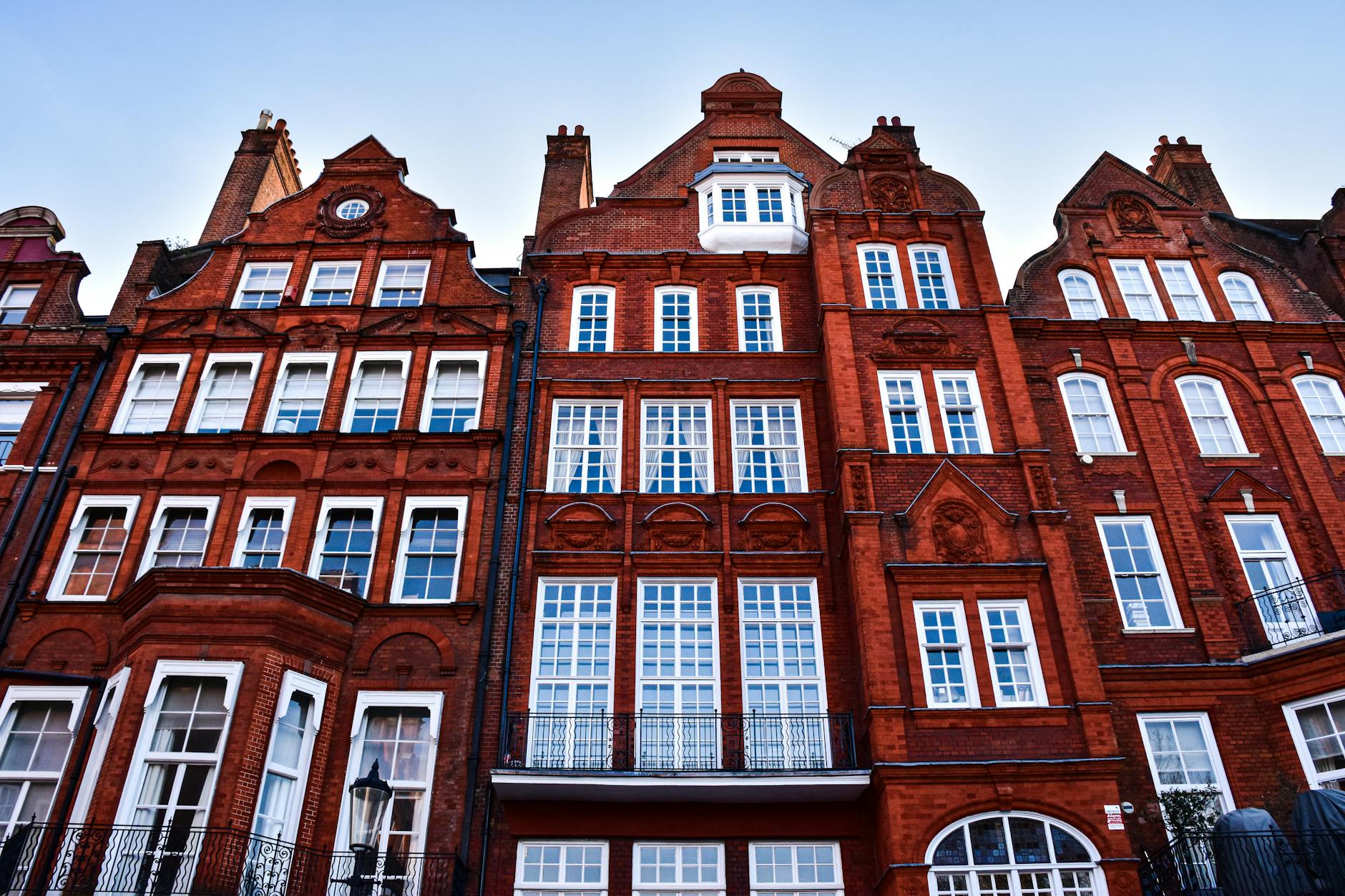
Top Recommendations
Practical picks to maximize a short stay:
- Best months: April–June, September–October for balance of weather and crowds.
- Stay zones: Aim for Zone 1–2 neighborhoods: Covent Garden, Bloomsbury, South Bank, South Kensington, or Shoreditch for quick travel between attractions in a 3-day itinerary.
- Book in advance: Museums and West End shows 2–8 weeks ahead in shoulder season; 3–4+ months in high summer or around major events (Notting Hill Carnival, Chelsea Flower Show).
- Day trips: Train to Oxford or Cambridge (~1–1.5 hours), Brighton (~1 hour from Victoria/Bridge), Reading (~25–30 minutes from Paddington), and Luton Airport via Thameslink (~30–40 minutes from St Pancras). Prefer off-peak and advance rail fares to reduce cost and carbon footprint.
- Low-impact transport: Walk where possible, use Santander cycle hire in central areas, and contactless/Oyster on Tube and buses rather than taxis.
Local Context
Seasonal patterns:
- Spring (Mar–May): Increasing daylight, parks and cherry blossoms, cooler mornings. Busy around Easter and school holidays.
- Summer (Jun–Aug): Warmest weather, many festivals, but higher hotel rates and queues at major sights.
- Autumn (Sep–Nov): Crisp days, fewer tourists after school returns, Open House London in September, good museum access.
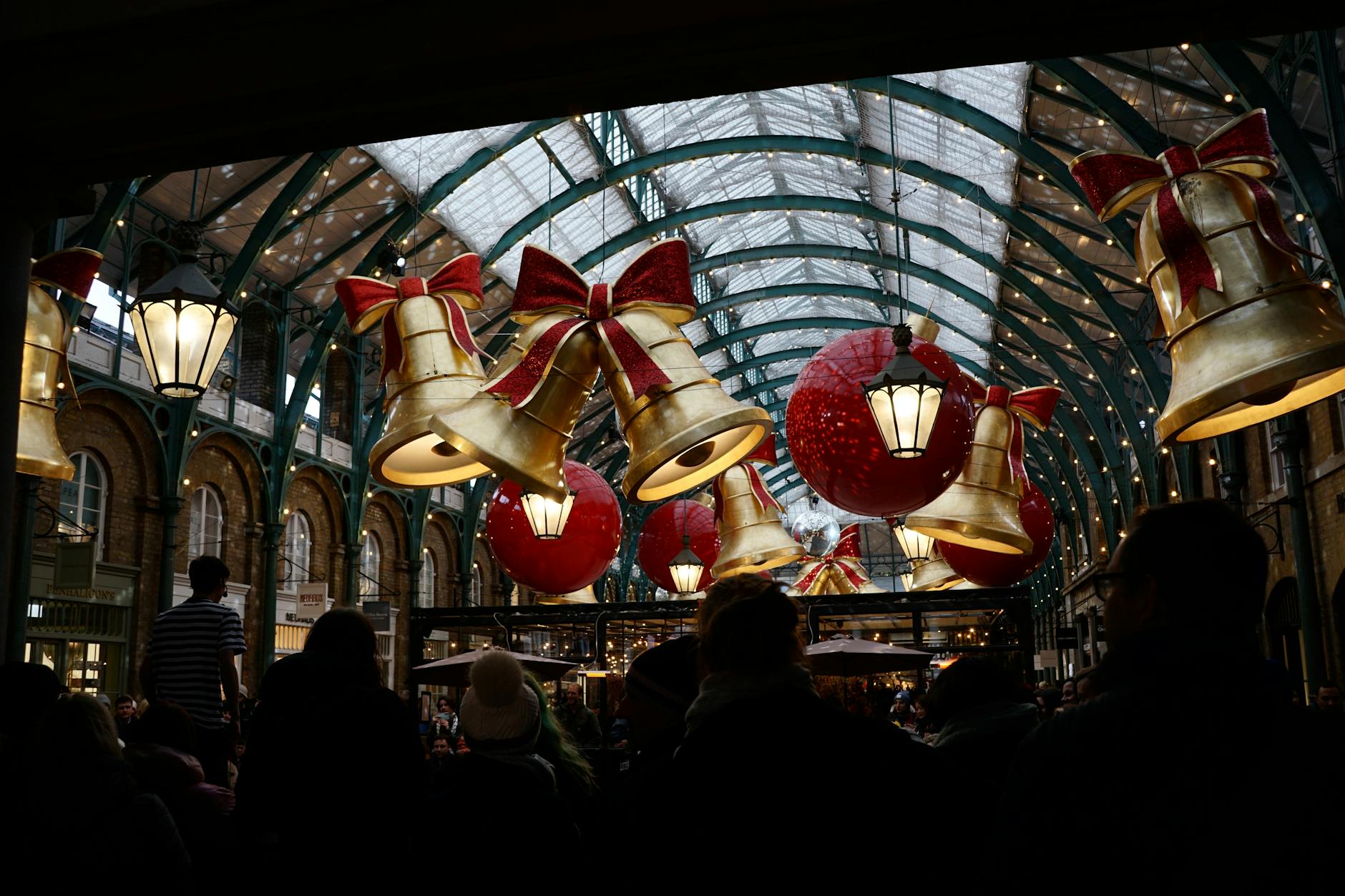
- Winter (Dec–Feb): Short days, Christmas markets and lights in December, quieter January–February but also occasional weather disruption.
Transport and etiquette realities:
- Tube is fastest in central London but crowded during weekday peaks (07:30–09:30 and 16:30–18:30).
- Contactless payments and Oyster cards work across Tube, buses, DLR, Thameslink and many rail services in and out of London.
- Queuing is the norm; be patient at ticket windows and attractions.
Neighborhood notes:
- South Bank: Good for riverside walks, Tate Modern, and quick access to major sights.
- Covent Garden/Bloomsbury: Central for museums, theatres, and short walks in a 3-day plan.
- South Kensington: Museums cluster and family-friendly options.
- Shoreditch/Camden: Better for nightlife, street food, and markets but slightly farther from some museums.
Sustainability context: choosing trains over flights for nearby cities supports lower-carbon travel and local economies. Favor markets like Borough, Maltby Street, and Brixton Village for local vendors.
How to Choose Well
Match timing to priorities:
- Sightseeing and good weather: Book April–June or September–October.
- Events and festivals: Check dates for Notting Hill Carnival (August bank holiday), Chelsea Flower Show (May), London Marathon (April) and book 3–6 months ahead.
- Lower cost and quieter streets: January–February (avoid New Year’s Eve week) or late autumn.
- Families: School holidays mean higher prices; late May and early September offer better weather with fewer crowds.
Practical booking timeline:
- Accommodation: High season 3–6 months ahead; shoulder season 4–8 weeks; last-minute deals possible off-peak.
- West End shows: Book at least 2–4 weeks ahead for popular shows; use same-day offers for flexibility.
- Trains to nearby cities: Buy advance fares as soon as dates are fixed; off-peak returns are often cheaper and less crowded.
Where to base yourself for the 3-day itinerary: aim for central neighborhoods listed above to minimize transit time and maximize walking.
Responsible and Local-First Tips
Make your visit benefit local communities and reduce impact:
- Spend local: favor independent cafes, family-run B&Bs, and markets (Borough, Maltby Street, Brixton Village) over chain outlets.
- Travel low-impact: use trains for day trips (Oxford, Cambridge, Brighton, Reading) and public transport within London; choose walking and cycling for short hops.
- Book ethically: search for eco-certified hotels or those with clear sustainability policies and book refundable tickets where possible to avoid waste.
- Respect neighborhoods: observe quiet hours in residential areas, use designated bike lanes, and follow local recycling rules where provided.
- Off-peak visits: traveling in shoulder months reduces pressure on popular attractions and spreads tourist income across the year.
Small choices add up: a meal at a local pub or market stall keeps money in the neighborhood and gives a more authentic experience.

Common Mistakes to Avoid
Avoid these frequent errors:
- Staying outside Zones 1–2 for a short trip: longer commutes waste time and money.
- Overpacking the itinerary: a 3-day plan should leave room for walking and unplanned finds—prioritize neighborhoods, not every sight.
- Ignoring transport strikes and event closures: check TfL and train operator pages before travel dates.
- Booking everything at the last minute in high season: attractions and West End tickets sell out faster during summer and event weekends.
- Choosing taxis for every trip: they add cost and emissions; reserve them for late-night returns or when public transport isn't available.
- Flying to nearby cities: trains to Oxford, Cambridge and Brighton are faster from central London and more sustainable than short flights.
FAQ
What month has the best balance of weather and fewer crowds?
April–June and September–October. These months have milder weather, more daylight, and smaller crowds than July–August.
How far in advance should I book hotels and West End shows for a 3-day trip?
In shoulder season book hotels 4–8 weeks ahead and shows 2–4 weeks ahead. In summer or around major events, book hotels 3–6 months ahead and shows as early as possible.
Which neighborhood is best for a central base for 3 days?
Covent Garden, Bloomsbury, South Bank or South Kensington in Zones 1–2 are optimal for short stays—close to museums, theatres and quick tube or river links.
Are day trips to Oxford, Cambridge or Brighton easy from London?
Yes. Typical journey times are roughly: Oxford ~1–1.5 hours from Paddington, Cambridge ~1–1.5 hours from King’s Cross, Brighton ~1 hour from Victoria or London Bridge, Reading ~25–30 minutes from Paddington. Buy advance rail tickets and travel off-peak when possible.
How do I reach Luton Airport sustainably from central London?
Thameslink trains from St Pancras are the most direct option (about 30–40 minutes). Allow extra time for luggage security and check train schedules for early morning or late-night services.
Is London safe in the shoulder seasons?
London is generally safe but take standard urban precautions—watch belongings on public transport and in crowded markets, and avoid poorly lit streets late at night. Check travel advisories and local news for any short-term disruptions.
Conclusion
For a focused 3-day visit, aim for April–June or September–October, base yourself in Zone 1–2, and prioritize walking, public transport, and train day trips to nearby cities to reduce your footprint. Book key items—hotel, West End tickets, and rail tickets to Oxford/Cambridge/Brighton/Reading—according to the season. For a ready-made plan that fits these timing recommendations, see our main 3 days in London itinerary and consider adding a sustainable day trip to a nearby town to broaden local impact.
Plan the Rest of Your Trip
This page works best alongside the main itinerary for London.