
3 Days in San Bartolome: A Practical Itinerary
Plan 3 days in San Bartolome with this practical itinerary covering major sights, neighborhoods, food, and transport.
A realistic, no-nonsense 72-hour plan for San Bartolomé de Tirajana that balances dunes and beaches with inland villages, transit tips, and food picks.
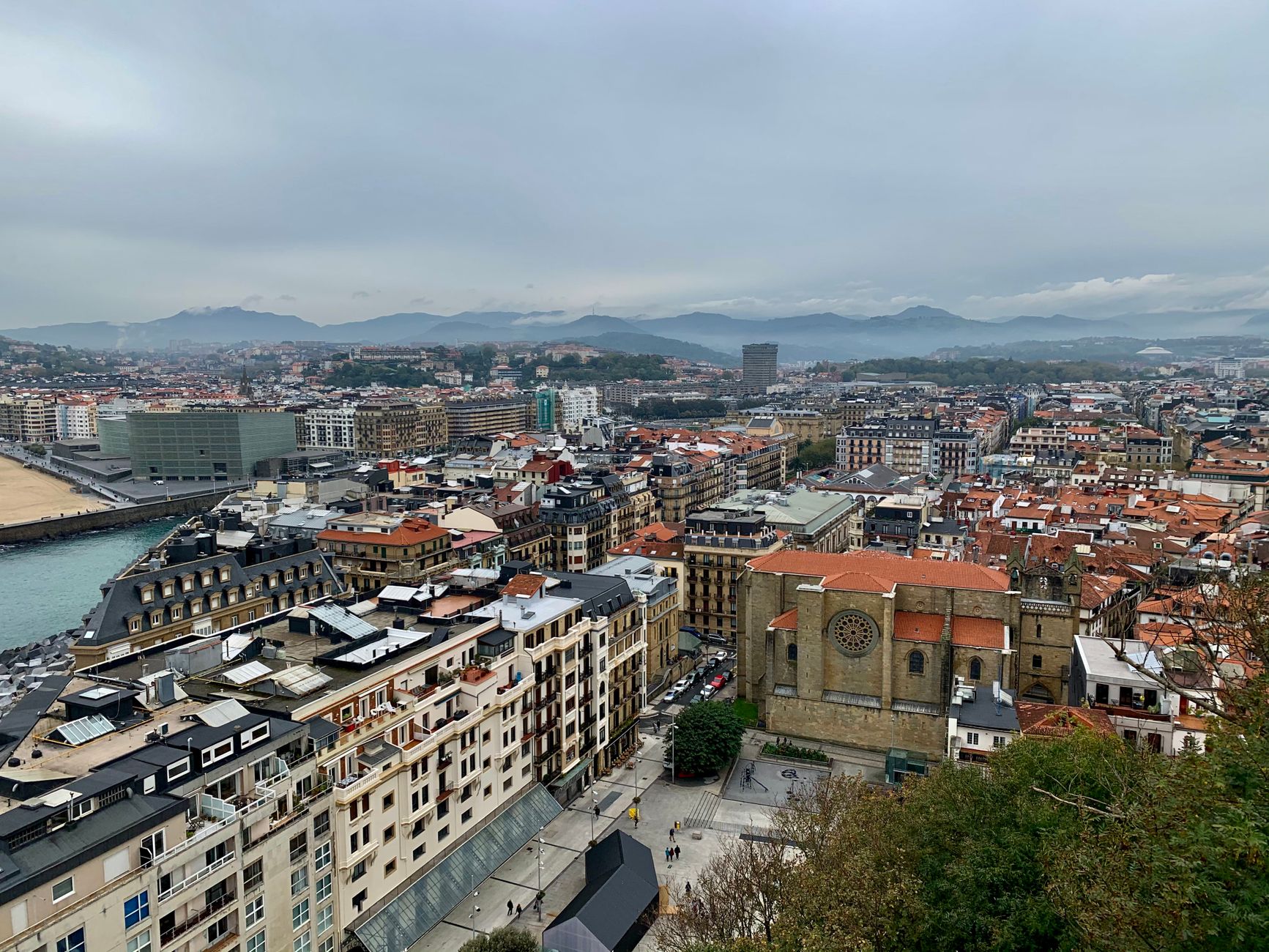
San Bartolomé de Tirajana is a municipality that combines resort coastline and quieter inland villages. The first impression along the coast is wide beaches, promenades lined with hotels, and the Maspalomas Dunes rising a short walk from the shore. Inland, markets, terraced fields and small stone-built villages give a stark contrast to the beachfront development.
Expect noise and significant tourist infrastructure on the coast—Meloneras and Playa del Inglés are lively and can feel crowded in high season. Tunte and Fataga, by contrast, move at a much slower pace and are useful escapes for anyone who wants local colour without long transfers.
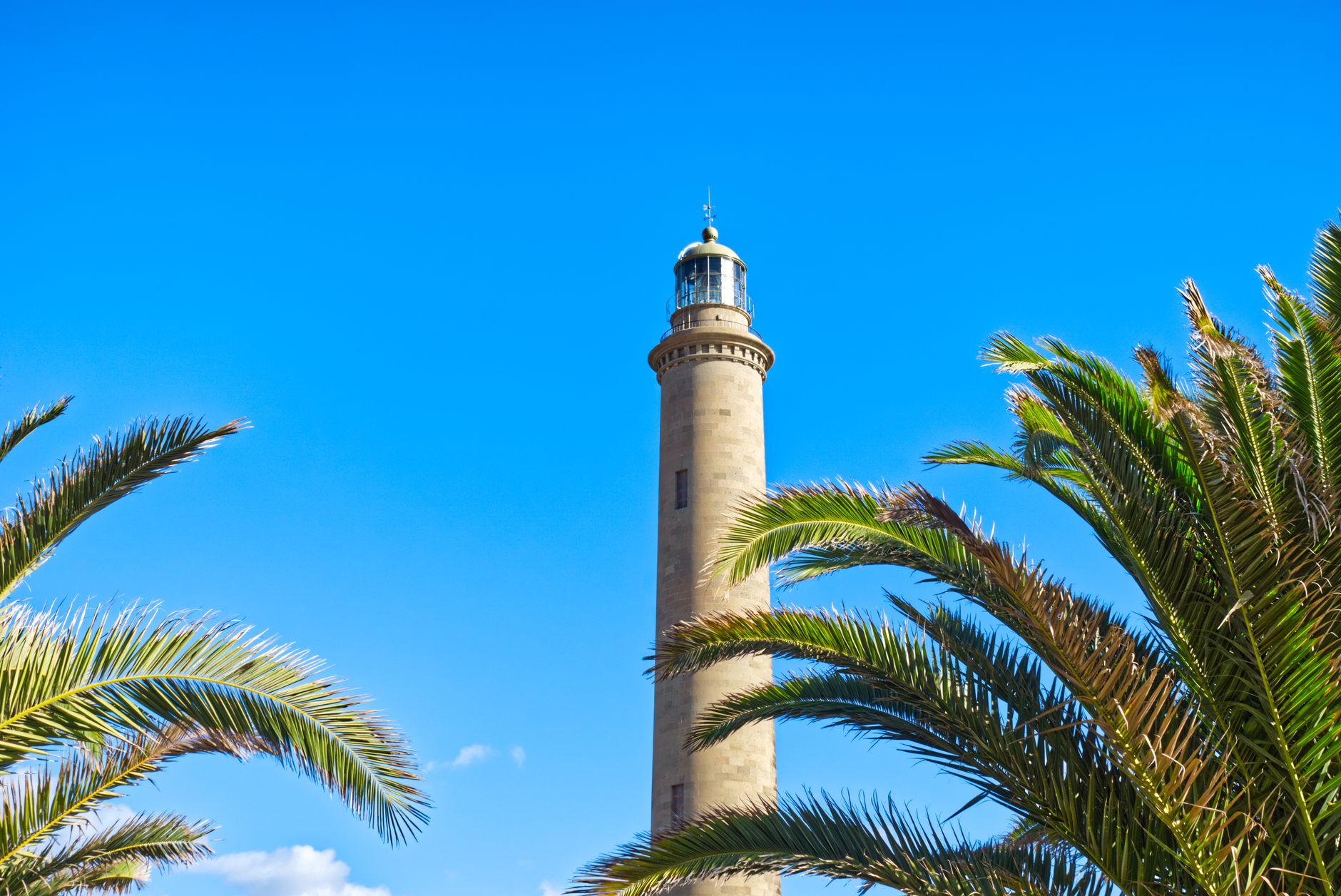
Crowds concentrate at the lighthouse and dune boardwalk during mid-morning and late afternoon; planning an early start for the dunes or saving the promenade for sunset will avoid the worst. The area suits travelers who want a mixture—easy walks, accessible nature, and straightforward nightlife—rather than those seeking remote wilderness or urban museum-hopping.
Is 3 days in San Bartolome enough?
Yes—three days is enough to see Maspalomas Dunes, the Meloneras/Faro promenade, Yumbo Centrum nightlife, and an inland village like Fataga or Tunte. The honest caveat: there won’t be time for a full day trip to northern Las Palmas or Tenerife; reserve those for a longer trip.
Who This Guide Is For
Best for first-time visitors who want a mix of beach, easy nature walks, and local food; less good for travelers seeking extensive hiking or those who want to use this as a base for day trips to other islands every day.
Local Tips for San Bartolome
Practical details that most travel sites skip — specific to San Bartolome.
- Buy Palmitos Park tickets online ahead (standard adult €33–38) to avoid long queues at the ticket desk on weekends.
- The Faro de Maspalomas lighthouse area offers free parking along Avenida de Tirajana early morning; after 10:00 the paid lots fill quickly.
- Use the Global bus network (operator Global) to reach Maspalomas from LPA airport—look for route 60/90 services and check the Global app for schedules.
- Yumbo Centrum in Playa del Inglés runs an open-air market and themed nightlife; small shops often close mid-afternoon and reopen around 18:00.
- Buy a 10-trip 'bono' card for interurban buses at main stations (roughly 10–15% cheaper than single fares) if staying more than two days.
How This Guide Was Prepared
Three days here are about contrasts: the Maspalomas dune system and resort promenades versus the quiet inland villages like Tunte and Fataga. Many guides treat the area as only sun-and-beach; this guide shows how to split time to experience both coastal resort life and the island’s agricultural interior without wasting transit time. This guide was prepared through a structured research that combines destination research, geographic context, itinerary planning logic, and content review.
Plan Your Stay in San Bartolome
Use this itinerary as your starting point, then compare areas to stay, transport options, seasonal timing, and realistic daily costs before booking.
Why Visit
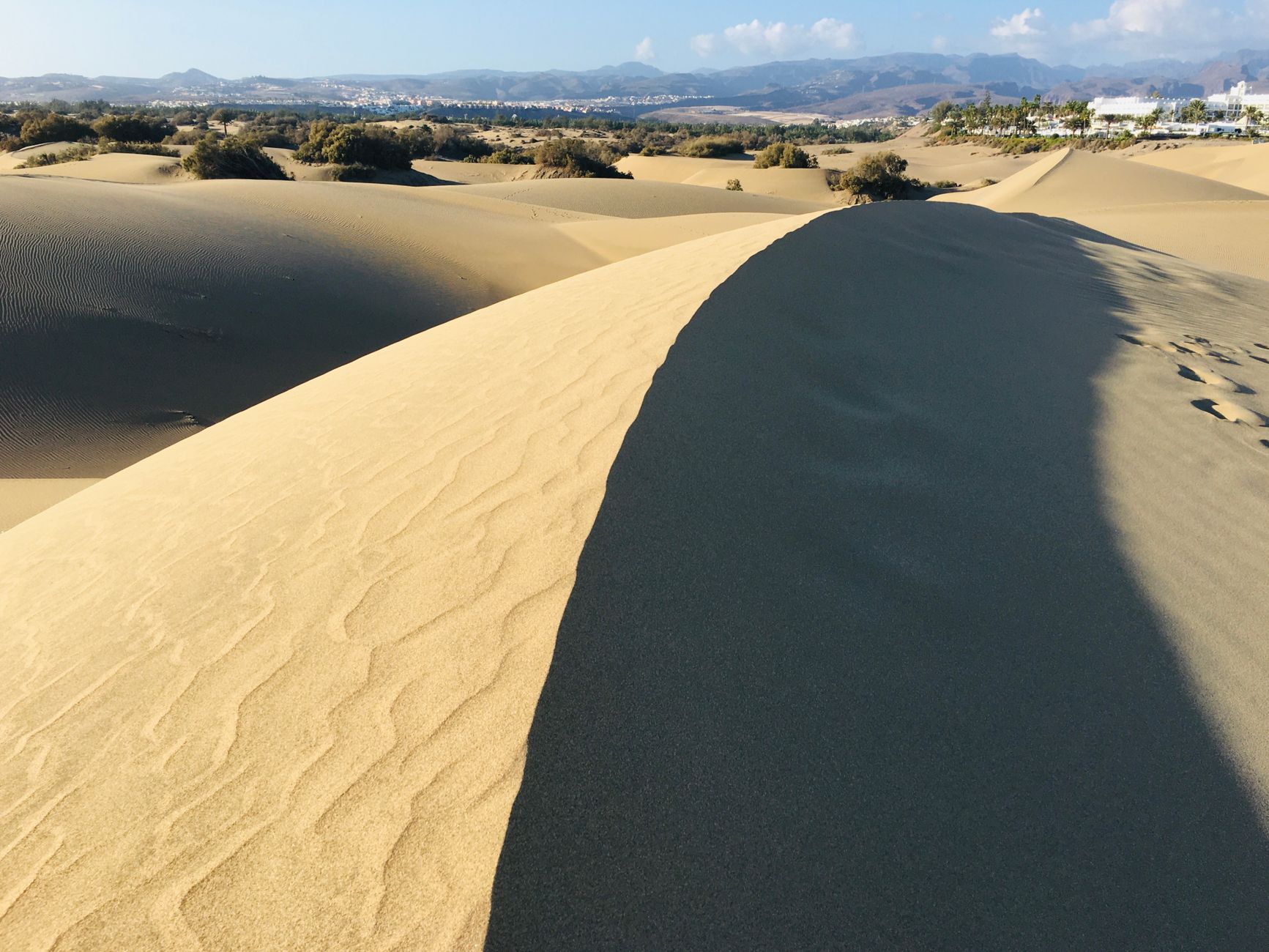
The dunes are the headline attraction: a compact natural area where sand meets Atlantic beach and a lighthouse stands within walking distance. That stretch—Maspalomas Dunes and the Faro—offers coastal walking without needing to drive.
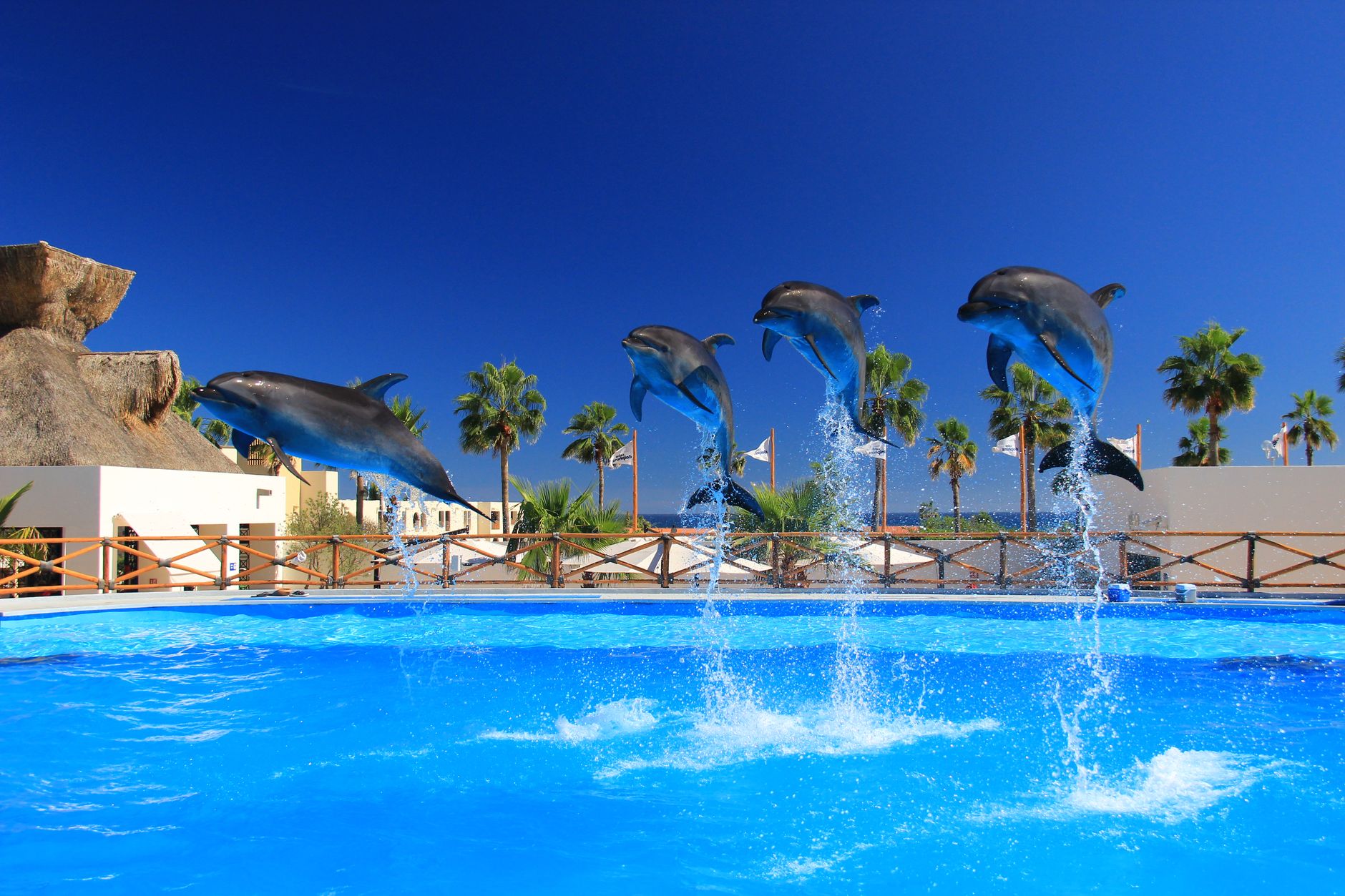
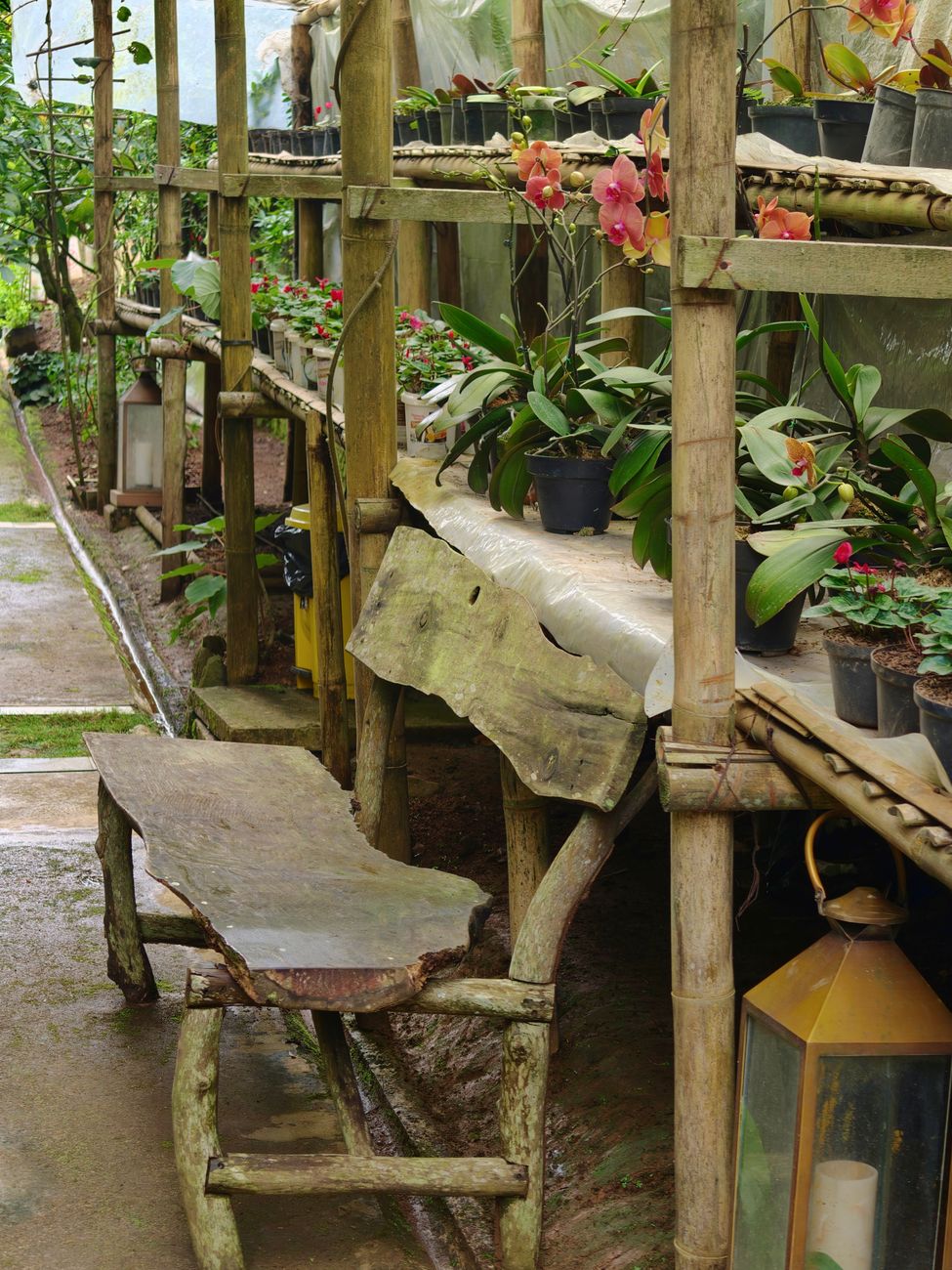
Local fauna and specialist parks matter for families: Palmitos Park houses a sizable orchid collection, birds of prey displays, and a dolphin show that fills an afternoon. Aqualand provides a weather-proof water-park day for families.
Village life inland is another reason: Tunte (the municipal capital) and Fataga showcase Canarian rural architecture, local markets and small bakeries selling traditional pastries and gofio-based items. Those inland stops provide a clear contrast to the resort strip and are within short drives or local bus routes from Maspalomas.
Meloneras and Playa del Inglés are practical bases: both have shops, pharmacies and a full range of restaurants, so planning three days from here reduces daily transfers and keeps logistics simple.
Quick Planning Tips
From Gran Canaria Airport (LPA) the most economical option is the Global interurban bus; buses show routes to Maspalomas and Playa del Inglés. Taxis from the airport to Maspalomas generally cost €35–50 depending on luggage and time of day.
Cash is accepted widely but many smaller cafés and market stalls prefer card; contactless works at most places, though carrying small-change euros for market purchases and bus cash fares is useful. Avoid the mistake of assuming every small inland bakery takes cards.
Reserve Palmitos Park and Aqualand tickets online for busy dates to secure time slots. Also avoid trying to drive onto the dunes—those are protected and parking enforcement and fines are possible near restricted access points.
Day 1
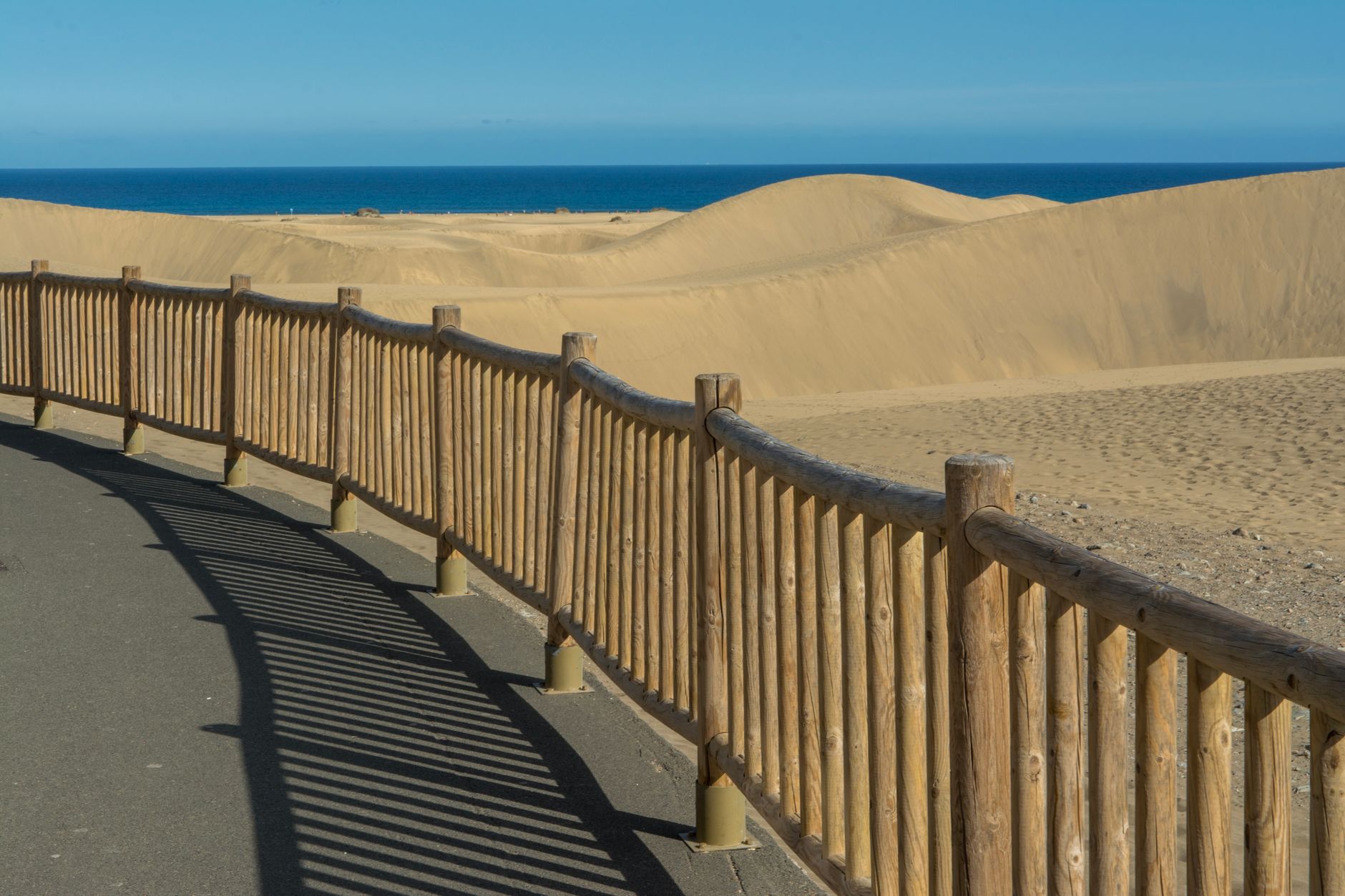
Start at Maspalomas Dunes (playa access at Avenida de Touroperador). Arrive early (before 10:00) to walk the wooden boardwalk over the sand; a typical dune loop to the Faro de Maspalomas and back along the shore takes 1.5–2 hours on foot. From the Faro, walk the Meloneras promenade toward the Meloneras shopping and hotel strip—this is 20–30 minutes on foot or 5 minutes by taxi.
Next, visit Meloneras promenade and the Jardín del Palmeral for a late-morning coffee; Meloneras has upscale cafés and ocean views. Lunch at Restaurante El Senador (Meloneras) or similar beachfront grill—expect mains €14–25. After lunch, take a short taxi or bus ride (Global line services) to Playa del Inglés and walk Calle de los Pueblos and Playa del Inglés beach for souvenir shopping.
Late afternoon is a good time for a visit to Aqualand Maspalomas if traveling with kids or for an easier activity—allow 2–4 hours. Dinner in Yumbo Centrum in Playa del Inglés—many small restaurants and tapas bars operate there; budget €12–25 per person. Evening recommendation: explore Yumbo Centrum’s themed bars and open-air plazas; check closing times as many venues slow down after midnight on weekdays.
Day 2
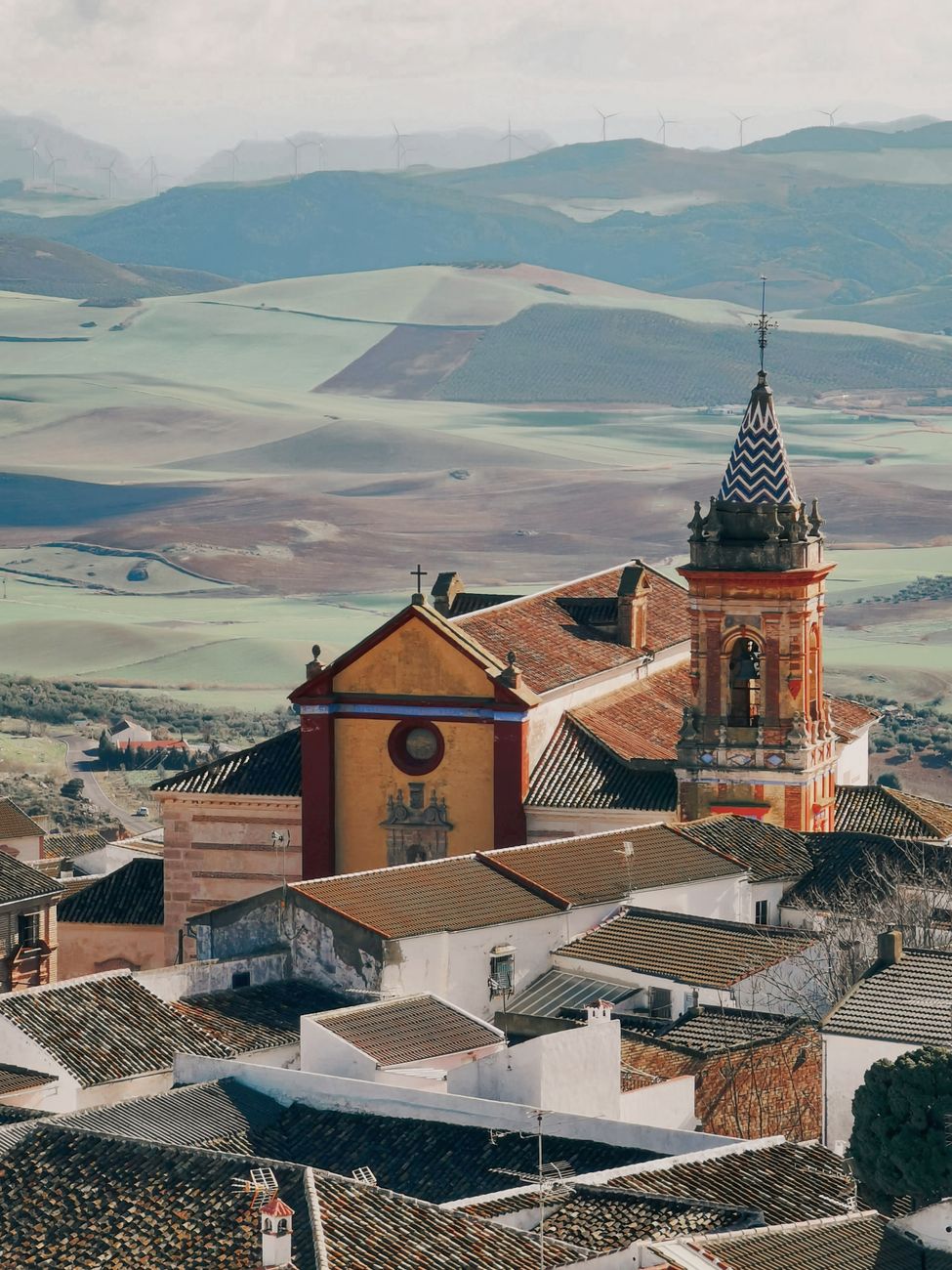
Spend today inland and at an attraction that feels very different from the coast. Morning: drive or take a local bus to Tunte (San Bartolomé town hall area) for the municipal market if it coincides with market day; look for local cheeses, honey and gofio. Tunte’s central plaza and Iglesia de San Bartolomé are compact and worth a 1–2 hour visit.
From Tunte, continue to Fataga (15–20 minutes by car; public buses also connect but check timetables). Fataga’s narrow streets and viewpoints over the Barranco de Fataga make a short circular walk of 45–90 minutes practical. Eat lunch at a local guachinche-style place or bar—expect a simple lunch plate for €8–15.
Afternoon: head to Palmitos Park (near Barranco de los Manantiales)—allow 3 hours for animal shows and the botanical areas. Return to Maspalomas or Playa del Inglés by late afternoon; public bus back takes roughly 30–45 minutes depending on route. Evening recommendation: pick a quieter dinner in Meloneras promenade for seafood or Canarian cuisine at a mid-range restaurant (€20–35 per person).
Day 3
Reserve morning for anything missed earlier or for a beach morning at Playa de Maspalomas. If checking out midday and catching an afternoon flight, plan no activity that requires a long inland drive. A short beachfront breakfast and a final walk to the dunes or lighthouse is a low-risk morning.
If the flight is later, use Day 3 for a short hike in the nearby Pilancones area or a guided camel-ride on the dunes (commercial operators near the Faro; verify animal welfare standards). Budget 2–3 hours for such activities. Lunch near the coast—a seafood menu in Meloneras or a tapas bar in Playa del Inglés keeps travel time to the airport manageable.
Practical note for departures: taxis to Gran Canaria Airport (LPA) typically take 25–35 minutes from Maspalomas; allow extra time for luggage and check-in. If using Global buses, check the schedule for direct services to the airport—some routes require a transfer in San Fernando.
Best Local Experiences
Maspalomas Dunes boardwalk and Faro de Maspalomas for sunrise or sunset walks without long drives. Palmitos Park for bird and dolphin shows and an orchid display—book the morning dolphin show slot to avoid crowds. Yumbo Centrum evening scene for people-watching, themed nights and quick tapas—arrive after 20:00 for the atmosphere.
Market shopping at Tunte municipal market (check the market day) for local honey, cured goat cheeses and gofio-based snacks. Fataga for a short cultural walk and views over the Barranco de Fataga—ideal for a half-day trip away from the resort strip.
Aqualand Maspalomas on a hot day as a weather-proof family plan. Meloneras promenade for a quieter, more ordered seaside walk and cafes away from the busier Playa del Inglés. A short coastal bike ride between Maspalomas and Meloneras along the Paseo Costa for active travelers.
Where to Stay
Meloneras: Suited to travelers seeking a calmer, more upmarket base near the Faro and promenade. Close to Meloneras shops and restaurants and a 20–30 minute walk to Playa del Inglés. Nightly rates: expect €80–180 (90–200 USD) depending on season and hotel class.
Playa del Inglés: Suited to travelers who want nightlife, variety of restaurants, and short walking distances to the beach and Yumbo Centrum. Practical for budget travelers and groups. Nightly rates: roughly €50–120 (55–130 USD) for mid-range hotels or apartments.
Maspalomas (near the dunes and golf course): Suited to families and walkers who want immediate beach/dune access and parks. Close to Palmitos Park drive time about 15–20 minutes. Nightly rates: €60–150 (65–165 USD) for family hotels or apartments.
Choose based on priorities: Meloneras for quieter evenings and better restaurants, Playa del Inglés for nightlife and convenience, Maspalomas for dune access and family-friendly hotels. Booking a place with included or nearby parking is important if planning car hires.
Food and Drink
Papas arrugadas con mojo: Small salted, wrinkled potatoes served with mojo rojo or mojo verde sauces. Widely available at seaside restaurants and local bars; expect €3–6 as a side or part of a tapas plate. Sancocho canario: A traditional saltfish and potato stew often found in family-run restaurants in Tunte and Fataga; a main portion costs €10–16.
Gofio: Toasted grain flour used in stews, pancakes or as a dessert ingredient—try gofio amasado at a village bakery or in a local café for €2–4. Barraquito: A layered coffee with condensed milk and sometimes a liqueur; a common island coffee special enjoyed at cafés for €2–3. Bienmesabe: A dessert made with honey, almonds and egg yolk; served in some pastry shops and typical restaurants—€3–6.
Breakfast option: tostada con tomate y aceite or a barraquito with a small pastry at a café near the promenade—€3–6. Street food option: grilled sardines or simple skewers at occasional beachside stalls, price around €4–8 per portion. Dinner recommendation: seafood arroz caldoso or grilled fish at a Meloneras restaurant—expect €18–35 per person depending on venue.
Getting Around
No metro or tram system covers the south; interurban buses run by the Global network are the primary public transit between Las Palmas, the airport and southern resorts. Key routes serving Maspalomas and Playa del Inglés include the frequent services from Las Palmas and scheduled airport runs—check the Global operator app or website for exact route numbers and times.
Single bus fares vary by distance—expect typical short interurban trips to cost €2.50–6.00. A 10-trip bono card at main bus stations offers savings for multiple journeys. Taxis are plentiful; airport to Maspalomas is usually €35–50. Rental cars are common for inland exploration, but parking in Meloneras and Maspalomas can become limited in high season.
Useful apps: Global app for timetables and ticket info, and general navigation apps like Google Maps or Moovit for route planning. Walkability is good along the promenade and between the Faro and Meloneras; inland villages require a bus or car for efficient access.
Best Time to Visit
Winter (December–February): Mild temperatures (15–22°C) and peak demand from northern-European winter sun-seekers; expect higher accommodation prices and busier beaches on sunny days. Spring (March–May): Temperatures 18–24°C with lower crowding levels and better value on accommodation; good for hiking inland when trails are not too hot.
Summer (June–September): Warmer (22–30°C) and the busiest months for beaches; wind can increase at the coast—book accommodations early if traveling in July or August. Autumn (October–November): Temperatures 20–26°C with fewer tourists and occasional value deals; sea remains warm and afternoons are comfortable for walks.
Best value months are late March–May and October–November: pleasant weather and fewer crowds than peak winter and high summer. Avoid public-holiday weekends from northern Europe where resorts fill quickly.
Budget and Practical Tips
Daily budget (moderate traveler): Accommodation €60–120 per night (60–130 USD), food €25–45 (30–50 USD), transport €5–12, entry fees €10–35. Expect Palmitos Park €33–38 per adult, Aqualand €20–30 depending on offers, and museum or church donations €2–6. Budget travelers can reduce hotel costs by choosing self-catering apartments in Playa del Inglés with nightly rates under €60 in shoulder seasons.
Tipping: Service is appreciated but not mandatory—round up small café bills, and leave 5–10% for sit-down restaurant service if service was good. For taxis, rounding up to the next euro or adding 5–10% is common.
Practical tip: bring sun protection and a reusable water bottle—the tap water is potable but bottled water is widely used on beaches. If renting a car, confirm whether the rate includes tolls or additional insurance; some coastal parking zones use paid meters.
FAQ
How safe is San Bartolomé de Tirajana for solo travelers?
Generally safe in public tourist areas; exercise standard precautions at night in busy nightlife zones and keep an eye on belongings on crowded promenades.
What is the best way to get from Gran Canaria Airport (LPA) to Maspalomas?
The cheapest is a Global interurban bus direct to Maspalomas; taxis take 25–35 minutes and cost roughly €35–50 depending on time and luggage.
Are the Maspalomas Dunes free to visit?
Yes, the dune area is a protected public space with free access, but respect fenced-off conservation zones and use the wooden boardwalks.
Is a city card or tourist pass worth it?
There is no single island-wide city card for the south; individual attraction tickets (Palmitos, Aqualand) sometimes bundle discounts—evaluate based on planned entries rather than buying a general pass.
Can public buses reach inland villages like Fataga and Tunte?
Yes, Global interurban services and local lines connect the coast with inland villages, but frequencies are lower—check timetables and plan for longer waits on weekends.
Are restaurants expensive?
Prices vary: seaside restaurants and Meloneras are mid to high range (mains €15–35), local bars and village eateries offer more budget-friendly meals (€8–15).
Are there luggage storage options if flight is late but hotel check-out is morning?
Many hotels will hold luggage for departing guests; storage lockers are limited at bus stations, so confirm with accommodation in advance.
Is it possible to visit Las Palmas for a day from Maspalomas?
Yes—regular Global buses link Maspalomas and Las Palmas; expect a 1–1.5 hour journey each way depending on route and traffic.
Conclusion
A three-day plan that balances Maspalomas’ dunes, Meloneras promenade and Playa del Inglés nightlife with inland villages and a park visit gives a clear picture of what this municipality offers. Most travelers will remember the dune walk and a contrasting inland lunch as defining moments.
If time becomes tight, prioritise an early-morning walk at the Maspalomas Dunes and a late-afternoon Meloneras promenade visit—those two provide the clearest coastal and resort contrasts in the shortest time.
How this guide was prepared
This guide was prepared through a structured research that combines destination research, geographic context, itinerary planning logic, and content review.