
Alicante in 3 Days: Practical Itinerary and Travel Tips
A clear 3-day Alicante plan with transit tips, budgets, museum costs, and honest trade-offs so travelers can see the highlights without wasted time.
A hands-on 72-hour plan for Alicante that balances Castillo de Santa Bárbara, beaches, markets and a Tabarca day trip with realistic transport and budget advice.
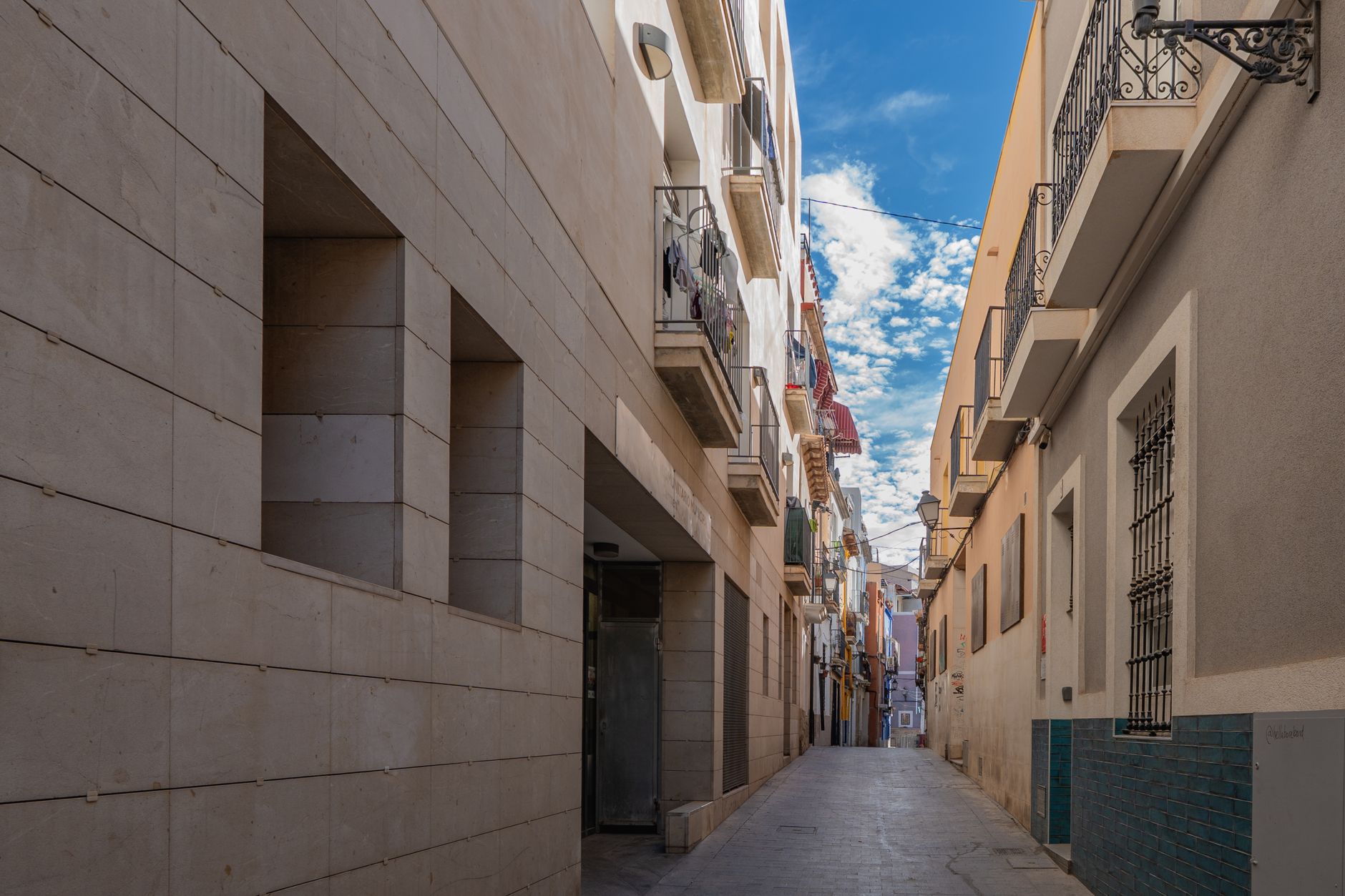
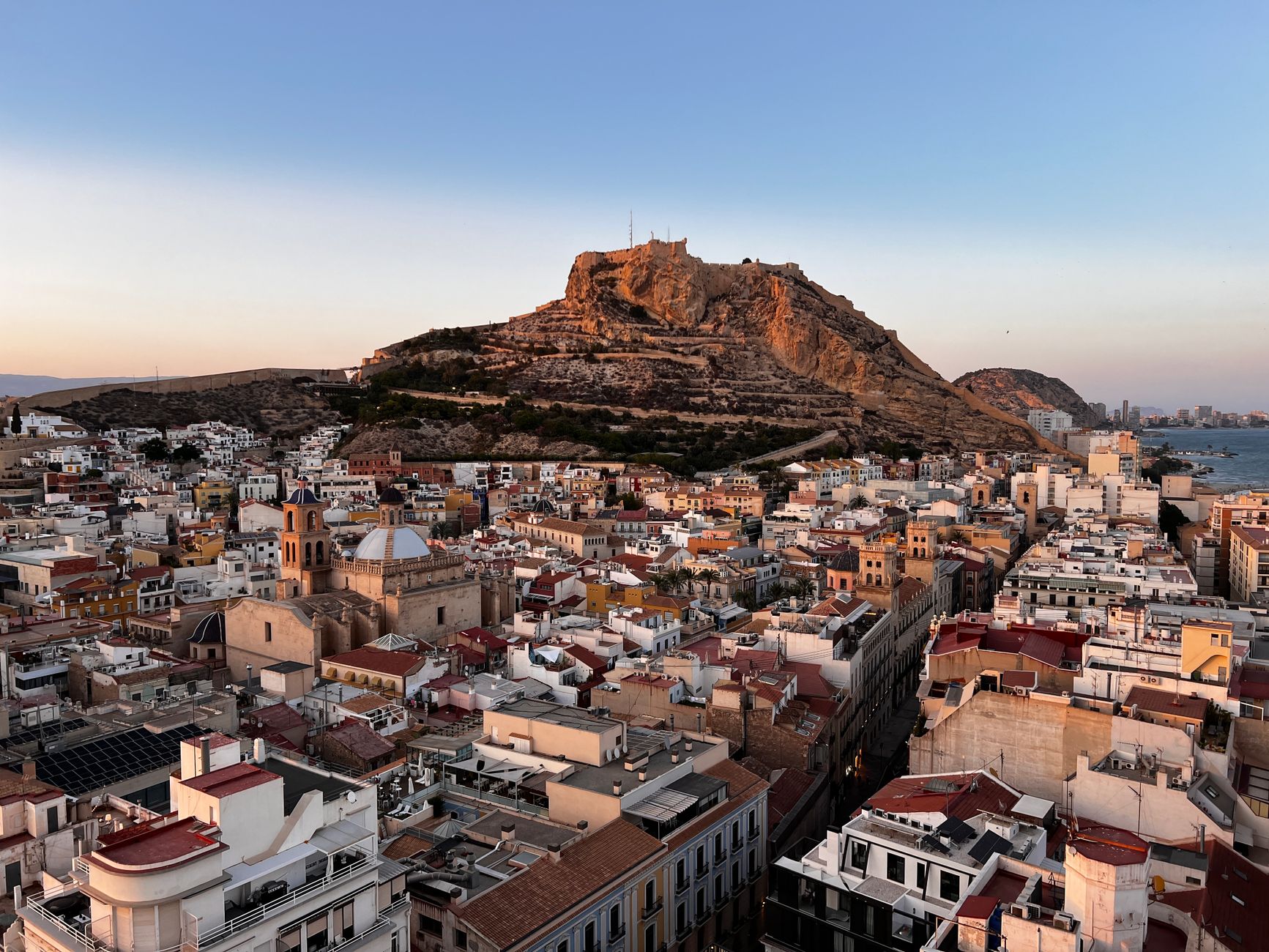
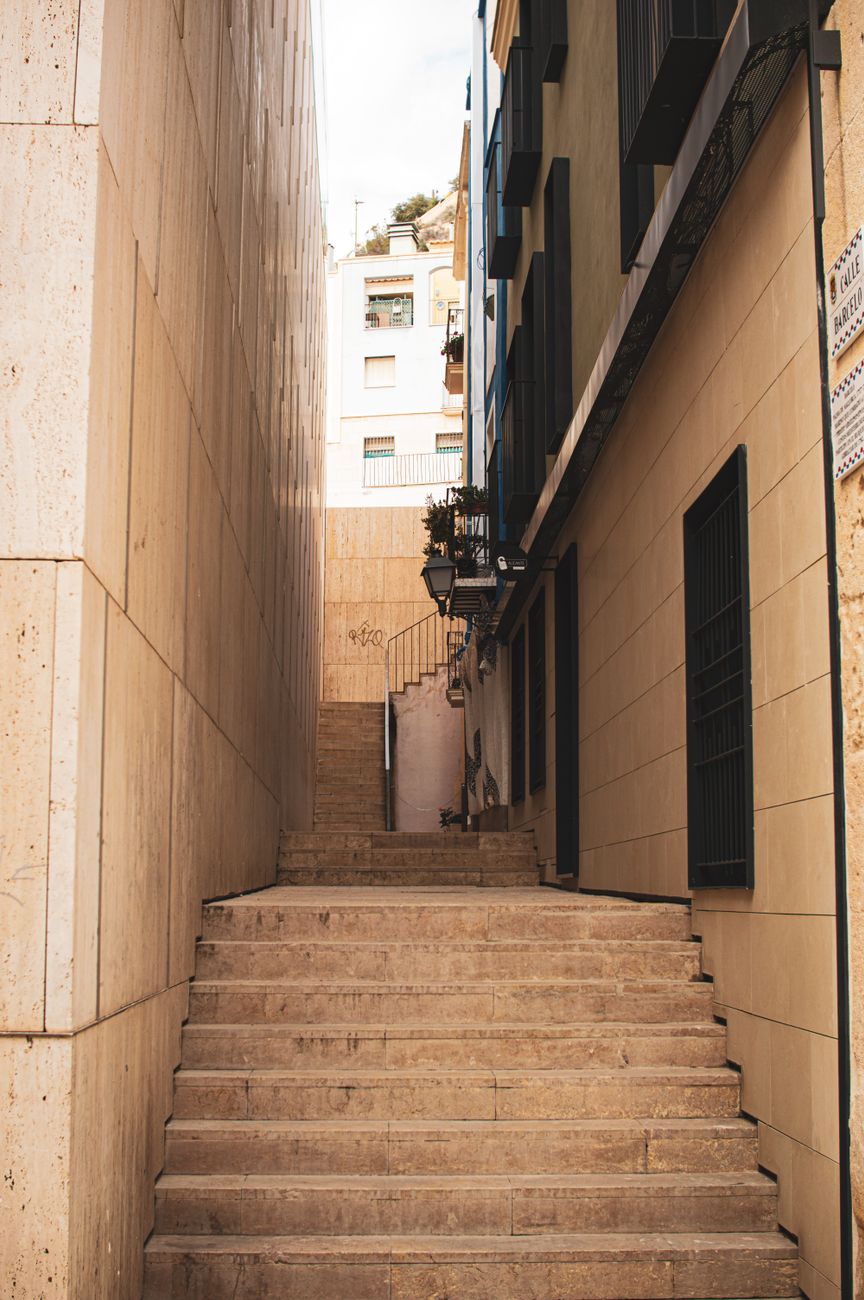
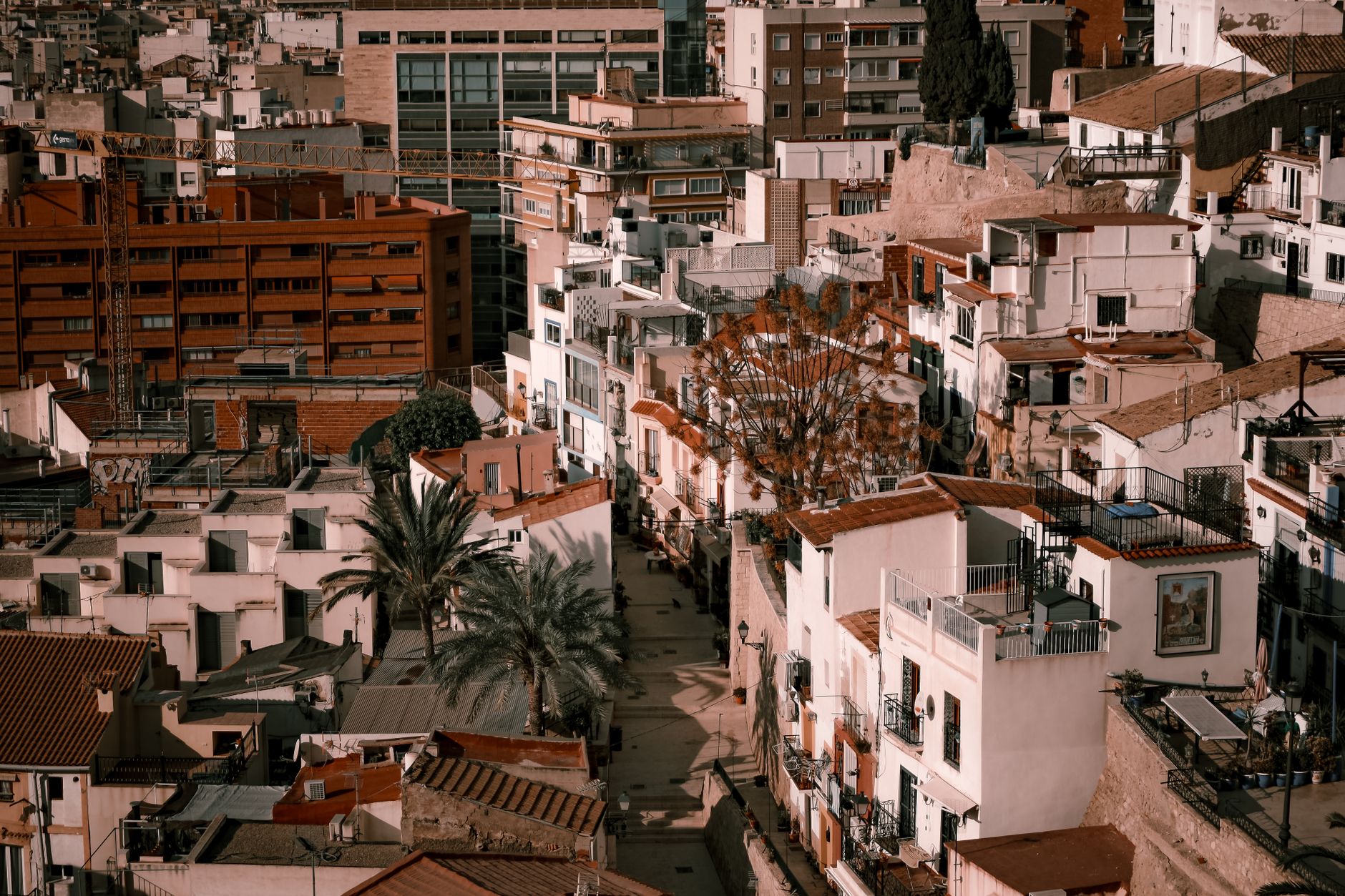
First impressions are often sun, sea and a measured pace along the marina, but the centre quickly reveals working streets, markets and a dense historic quarter. The old town (El Barrio/Santa Cruz) sits on the hillside below Castillo de Santa Bárbara and feels compact: narrow streets, small tapas bars and steep steps that show the city’s layered development.
Expect noise in high season, especially around Postiguet and the promenade. Crowds concentrate by late morning and again at sunset; mornings are the best time for market visits and the castle lift.
This place suits travellers who want a short mix of culture and beach with short travel distances, not people seeking a single large museum complex or multi-day nightlife. Practical planning pays off: timing attractions outside the busiest midday hours makes three days feel much longer.
Is 3 days in Alicante enough?
Three days is enough to see the castle, central museums, the main beach, and do a Tabarca island or nearby beach excursion, but it will not leave time to explore Elche or Benidorm in depth. Prioritise one full day for beaches/island and two days for the historic centre and markets.
Who This Guide Is For
Best for travellers who like short walks, museums, coastal swimming and local markets; less suitable for nightlong-club travellers or those wanting to use Alicante as a base for many day trips on the same schedule.
Local Tips for Alicante
Practical details that most travel sites skip — specific to Alicante.
- Buy bus tickets on the EMT Alicante app or with a rechargeable bonobús card at kiosks — single bus rides cost about €1.45, and a loaded 10-ride bonobús lowers the price per trip.
- The C-6 airport bus (Alsa/Aeropuerto) runs to Plaza Puerta del Mar and Luceros in roughly 20–25 minutes and costs around €3.85 one way; taxis usually run €20–€30 depending on luggage.
- Castillo de Santa Bárbara has a free entrance; take the lift from Plaza del Ayuntamiento or walk up from Calle Jovellanos (allow 20–30 minutes on foot from Mercado Central).
- Tabarca island ferries depart from El Puerto (Alicante marina); round-trip prices are roughly €20–€25 and the boats take 50–60 minutes depending on route.
- The Archaeological Museum MARQ usually charges about €3–€6 for entry; MACA (Museo de Arte Contemporáneo) often has free entry, but check opening hours before arrival.
How This Guide Was Prepared
Alicante pairs an easy waterfront rhythm with noisy summer crowds and cluttered tourist areas; many guides over-sell it as a compact beach resort and skip the gritty market life and working harbour. This guide focuses on what can be done reliably in three days, where time is best spent, and which popular options are actually not worth the limited hours. This guide was prepared through a structured research that combines destination research, geographic context, itinerary planning logic, and content review.
Plan Your Stay in Alicante
Use this itinerary as your starting point, then compare areas to stay, transport options, seasonal timing, and realistic daily costs before booking.
Why Visit
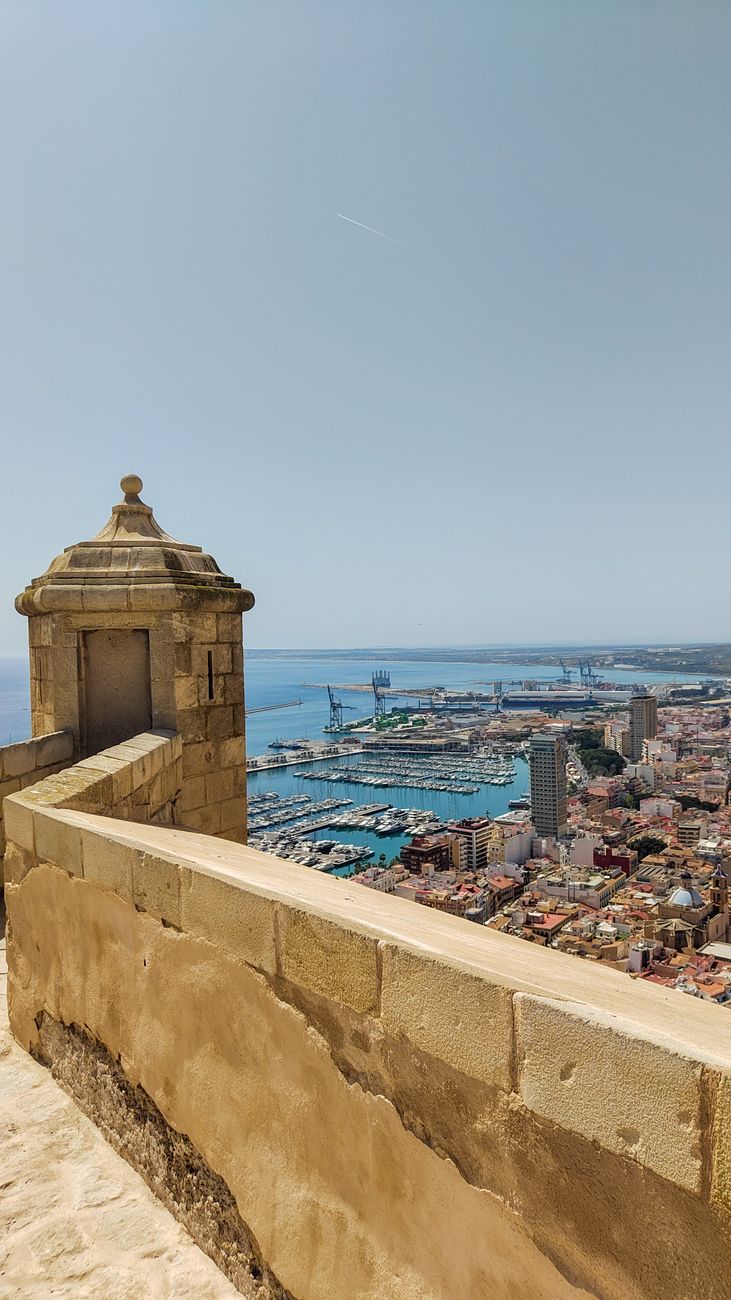
There is a compact set of priorities reachable on foot: Castillo de Santa Bárbara, the Explanada mosaic, Mercado Central food stalls and a short ferry to Tabarca island. Each is distinctive — the castle sits above the port with views inland and along the coast, while the Explanada and port are where daily life meets tourism.
The food scene mixes fresh fish and Alicante rice dishes; Mercado Central gives a direct way to taste local produce and tapas without the tourist markup of some waterfront restaurants. Local museums such as MARQ and MACA offer varied collections in manageable visits.
Transport links to Elche, Benidorm and the beaches of El Campello make the place a convenient short-base for one day trip without long transfers. The compact layout means that efficient planning rewards travellers who want to cover both the historic centre and a beach within three days.
Quick Planning Tips
Fly into Alicante–Elche Miguel Hernández Airport (ALC); the C-6 airport bus runs to Plaza Puerta del Mar/Luceros in about 20–25 minutes for roughly €3.85 one way. Taxis from the airport to the central districts normally cost €20–€30 depending on luggage and time of day.
Carry a reloadable bonobús or use the EMT Alicante app for local buses to save money; paying cash on board is possible but slower. For tram and regional trains, download the TRAM d'Alacant app and check schedules — trams serve Playa de San Juan, El Campello and routes north toward Benidorm.
Avoid buying ferry tickets to Tabarca at the very last minute during summer weekends; book morning crossings to guarantee a seat. Check museum opening hours: MARQ and MACA close on different weekdays and sometimes have late openings for events.
Day 1
Morning: Start at Castillo de Santa Bárbara. Either take the lift from Plaza del Ayuntamiento (short wait at busy times) or walk up from Calle Jovellanos; allow 20–30 minutes walking or 5–10 minutes by lift. Explore the battlements, check the interpretation panels, and use the viewpoint for orientation over the port and Postiguet.
Late morning: Walk down to Postiguet Beach across the Explanada de España — the mosaic promenade is a short 10-minute stroll from the castle exit and perfect for photos. Spend time on the sand or walk the promenade toward the marina; public showers and changing points are near the beach.
Lunch: Eat at a central rice restaurant such as Dársena on the marina (known locally for paella and arroz a banda); expect €15–€25 per person for a rice dish. Walking time from Postiguet to the marina is under 10 minutes.
Afternoon: Visit Mercado Central de Alicante (5–10 minutes from the marina) to sample horchata, fresh prawns, or a cold beer. Browse stalls and pick small plates to test local flavours. Then walk up into the Barrio (Santa Cruz) to see narrow streets and small chapels; allow 20 minutes uphill from the market.
Evening: Dinner in El Barrio — choose a tapas bar on Calle Castaños or near Plaza Quijano. Finish with a relaxed drink on the Explanada or at a terrace overlooking the port.
Day 2
Morning: Head to MARQ (Museo Arqueológico Provincial) for a focused visit; allocate 1.5–2 hours. The museum sits a short bus ride from the centre (use EMT lines that stop at Museo MARQ) and offers a clear archaeological overview of the province with accessible displays.
Midday: Return to the city centre for a leisurely lunch around Calle Rafael Altamira or the Mercado area; try local catch-of-the-day dishes. Walking from MARQ to the central district takes about 15–20 minutes by taxi or 10–15 minutes by direct bus depending on route.
Afternoon: Take a tram or bus to Playa de San Juan for a contrast to Postiguet — the tram ride from Luceros takes about 25–30 minutes. Walk along the long sandy shore, visit a beach bar (chiringuito) and sample a late afternoon swim. The tram runs frequently and gives a good sense of suburban Alicante life.
Evening: Return to the centre for a more formal dinner. Nou Manolín or La Taberna del Gourmet provide higher-end tapas and seafood plates; expect €30–€45 per person depending on wine choices. Finish the night with a quiet stroll along the marina or a clifftop view if energy remains.
Day 3
Morning: Reserve this day for the Tabarca island trip or a longer beach morning at El Campello/Albufereta. Ferries to Tabarca depart from the marina; boats take roughly 50–60 minutes. Aim for an early crossing to avoid crowded afternoon returns and to secure a table at an island restaurant if planning to eat there.
Midday: On Tabarca, walk the small defensive walls, swim from the rocky coves or eat a seafood rice at one of the waterfront restaurants; island lunch prices typically run €15–€25 for rice dishes. Allow 2–4 hours on the island depending on ferry timetable.
Afternoon: Return to Alicante and, if checking out of a hotel, drop luggage at a left-luggage service or use hotel check-out options. If an afternoon flight is scheduled, plan at least 2.5–3 hours to reach the airport by C-6 bus or taxi from Luceros/Plaza Puerta del Mar.
Late afternoon/evening: If time permits, visit MACA (Museo de Arte Contemporáneo) near Plaza de la Montañeta for a short show-and-tell stop or walk the Bulevar del Pla for last-minute shopping. Finish with a farewell tapas crawl in the centre before departure.
Best Local Experiences
Mercado Central de Alicante — morning visits reward with fresh seafood, local cheeses, and cheap tapas from stalls. Arrive between 9:00–11:00 for the best selection.
Explanada de España and the marina — evening promenades show local life and produce street musicians; avoid peak tourist dining terraces if on a budget. The mosaic palm-lined boulevard sits between Postiguet and the port.
Tabarca island day trip — clear water snorkelling and a small fishing-village atmosphere. Book a morning ferry and pack water; island restaurants serve seafood rice and fried fish.
Playa de San Juan by tram — a long sandy beach used more by locals; take the TRAM from Luceros and plan a 25–30 minute ride. Typical afternoon crowd is families and swimmers rather than party tourists.
Hogueras de San Juan (June festival) — if the visit aligns, the festival is loud, crowded and full of parades and fireworks; book accommodation early and expect street-level closures around central districts.
Where to Stay
El Barrio / Santa Cruz: Suits night- and tapas-focused travellers who want close access to the castle and bars. Rooms are often in converted buildings with narrow streets; expect €60–€120 per night (roughly €65–€130 USD) depending on season and standard.
Centro / Ensanche (near Avenida Maisonnave and Mercado Central): Best for shopping, easy transit access and a mix of restaurants and cafés. Hotels here range €70–€140 per night (around €75–€150 USD) for mid-range options, with higher prices during summer.
Postiguet / Marina beachfront: Ideal for beach mornings and those who prefer to wake to sea views. Beachfront hotels command higher rates, roughly €90–€180 per night (€95–€190 USD) in high season; off-season deals are available.
Playa de San Juan / Cabo de la Huerta: Suits families and longer-stay travellers prepared for a tram commute of 25–30 minutes to the centre. Expect apartment rentals and hotels from €60–€130 per night (€65–€140 USD) depending on proximity to the shore.
Food and Drink
Arroz a banda — a rice dish cooked in fish stock served separately from the fish; find good versions at Dársena or local rice restaurants, prices €12–€22 per person. This is distinct from paella in preparation and flavour profile.
Paella / arroz de la tierra — local restaurants offer Alicante-style rice; Nou Manolín and many marina restaurants serve reliable plates; budget €12–€25 depending on ingredients. Portion sizes are often generous and meant for sharing.
Turrón (from nearby Jijona/Xixona) — a cured almond nougat, sold in Mercado Central and specialty shops; small bars or slices cost €1–€3. It’s a local confection often sold year-round.
Coca amb tonyina / bocadillo de calamares — tuna or fried squid on bread are common quick eats from tavernas and market stalls for €3–€6. Market counters and small bodegas are best for a quick lunch.
Breakfast: Tostada con tomate and café con leche at a neighbourhood panadería or bar: €2.50–€5.00. Try a bollo or a small pastry from a traditional confitería near the market for an authentic local start to the day.
Drink: Local vermut and Alicante DO wines are widely available in bodegas and tapas bars for €3–€5 a glass; most restaurants serve a decent house wine for €10–€18 per bottle.
Getting Around
TRAM d'Alacant: Tram lines connect Luceros with Playa de San Juan, El Campello and routes north toward Benidorm. Use the TRAM d'Alacant app for schedules and mobile tickets; single tram fares vary by zone, roughly €1.45–€3.00.
Renfe: Cercanías and regional trains run from Alicante Terminal to Elche, Murcia and Valencia; look for Cercanías/Media Distancia services at Estación de Alicante. Trains are useful for day trips outside the metro-tram footprint.
EMT Alicante buses: Municipal lines cover the central area and suburbs; single bus fares are about €1.45 paid on board, and the bonobús rechargeable card reduces per-trip costs. The C-6 airport bus (Alsa) links the airport with Plaza Puerta del Mar/Luceros in around 20–25 minutes for about €3.85.
Taxis: Metered taxis operate from ranks at the port and stations; airport rides cost roughly €20–€30 to the city centre depending on time and luggage. Apps such as Free Now work in the area alongside local taxi numbers.
Cards and apps: Carry a bonobús for frequent short trips, use the TRAM d'Alacant app for tram routes and times, and download EMT Alicante for bus planning.
Best Time to Visit
Late spring (May–June) and early autumn (September–October) offer the best balance of warm temperatures (20–28°C) and lower crowds than July–August. Water is comfortable for swimming from June onward but beaches are busiest in July and August.
July–August: Expect high temperatures (28–34°C), crowded beaches and peak accommodation prices; book hotels and ferries well in advance. Winter months (December–February) are mild (10–17°C) but many seasonal beach services close and the sea is colder.
Festival timing: June hosts Hogueras de San Juan, a loud and crowded local festival that attracts visitors and fills hotels. For lower prices and quieter streets, aim for shoulder months and avoid the main festival week unless planning to attend it specifically.
Budget and Practical Tips
Daily budget estimates per person: budget traveller €55–€80 (accommodation €35–€50, food €12–€20, transport €5–€10, small entry fees €3–€10). Mid-range traveller €90–€160 (accommodation €70–€120, food €25–€40, transport €6–€12, entries €10–€20).
Accommodation: Expect higher rates in July–August; book early for Hogueras festival dates. Transport: a bonobús 10-ride card reduces per-bus-trip costs; individual tram fares vary by zones and add up for longer commutes.
Tipping: Rounding up small bills is common; for sit-down restaurants a 5–10% tip is appreciated but not mandatory. Credit cards are accepted widely, but small bars and market stalls may prefer cash; carry some euros for markets and small purchases.
FAQ
Is Alicante safe for solo travellers?
Yes; the central districts and beachfront are generally safe by daytime. Exercise usual precautions at night in busy bar areas and keep an eye on belongings in crowded summer spots.
Is three days enough to see the highlights?
Yes; three days covers the castle, central museums, a beach and a Tabarca day trip, but it does not leave time for detailed visits to Elche or Benidorm.
Is a city card or tourist pass worth it?
A 24–48–72 hour Alicante Card can be worth it if planning multiple museum visits and using local buses/trams heavily — compare the card price to individual entries and transport needs.
What is the best way to get from the airport to the city centre?
The C-6 airport bus (Alsa) runs to Plaza Puerta del Mar/Luceros in about 20–25 minutes for around €3.85; taxis cost about €20–€30.
Are buses and trams easy to use for tourists?
Yes; EMT buses and the TRAM d'Alacant cover main points. Buy single tickets via apps or use a bonobús for lower fares and smoother boarding.
Can day trips to Elche, Murcia or Benidorm be done from here?
Yes, regional trains and TRAM links make Elche and Benidorm reachable in under an hour; allocate a full day per destination to avoid rushed visits.
Are museums open every day?
No; MARQ and MACA have different closing days and occasional late openings — check each museum’s official site before visiting.
Is tap water drinkable?
Tap water is safe to drink in most of the city but has a noticeable mineral flavour; bottled water is cheap and common in cafés and stores.
Conclusion
A focused three-day visit produces a good mix of castle views, market food, beach time and at least one coastal island or suburb. Most travellers will remember the castle lookout, the mosaic Explanada and an afternoon on Tabarca or Playa de San Juan more than a single restaurant.
If time is tight, prioritise a morning at Mercado Central and a castle visit for orientation, then reserve an afternoon for the beach or the island. That balance gives a clear sense of the place without overscheduling.
How this guide was prepared
This guide was prepared through a structured research that combines destination research, geographic context, itinerary planning logic, and content review.