

3 Days in Cartagena: A Practical Itinerary
Three-day Cartagena itinerary: explore the Walled City, Castillo San Felipe, Getsemaní, beaches and food spots with transit, safety, and day-trip tips.
A compact, active 3-day plan to soak up the colonial charm, beaches and nightlife—ideal for first-time visitors who want history, seafood and a boat day to the Rosario Islands.
Vibrant, humid and undeniably cinematic, this coastal city blends colonial streets, Caribbean beaches and lively neighborhoods. It suits travelers who want history and culture by day, bright seafood and cocktails by night, and a single island boat trip without cramming. Three days works well because you can walk the Walled City, climb Castillo San Felipe, spend an afternoon on a nearby beach or Rosario Island, and still catch sunset and nightlife in Getsemaní.
This guide gives a practical, lane-by-lane plan: neighborhoods to prioritize, landmark timings, recommended restaurants and transit tips so you get the most from a compact stay.
Why Visit
The old town is one of the best-preserved colonial centers in the Americas: thick walls, plazas, balconies draped with bougainvillea and pedestrian streets lined with cafés. History mixes with Caribbean rhythms—street musicians, open-air markets and rooftop bars.
It’s easy to pair culture with beach time. A short boat ride delivers white sand and clear water, while the main city offers museums, forts and lively food culture. For a three-day visit you’ll leave knowing the major sights and still craving a return.

Quick Planning Tips
Book a hotel inside or just outside the Walled City for maximum walkability.
Reserve a morning slot for Castillo San Felipe to avoid midday heat and crowds. For island trips, choose a licensed operator and confirm boat return times.
Carry small Colombian peso notes for street food, tips and market purchases. Download a local rideshare app before arrival or note hotel taxi numbers.

Day 1
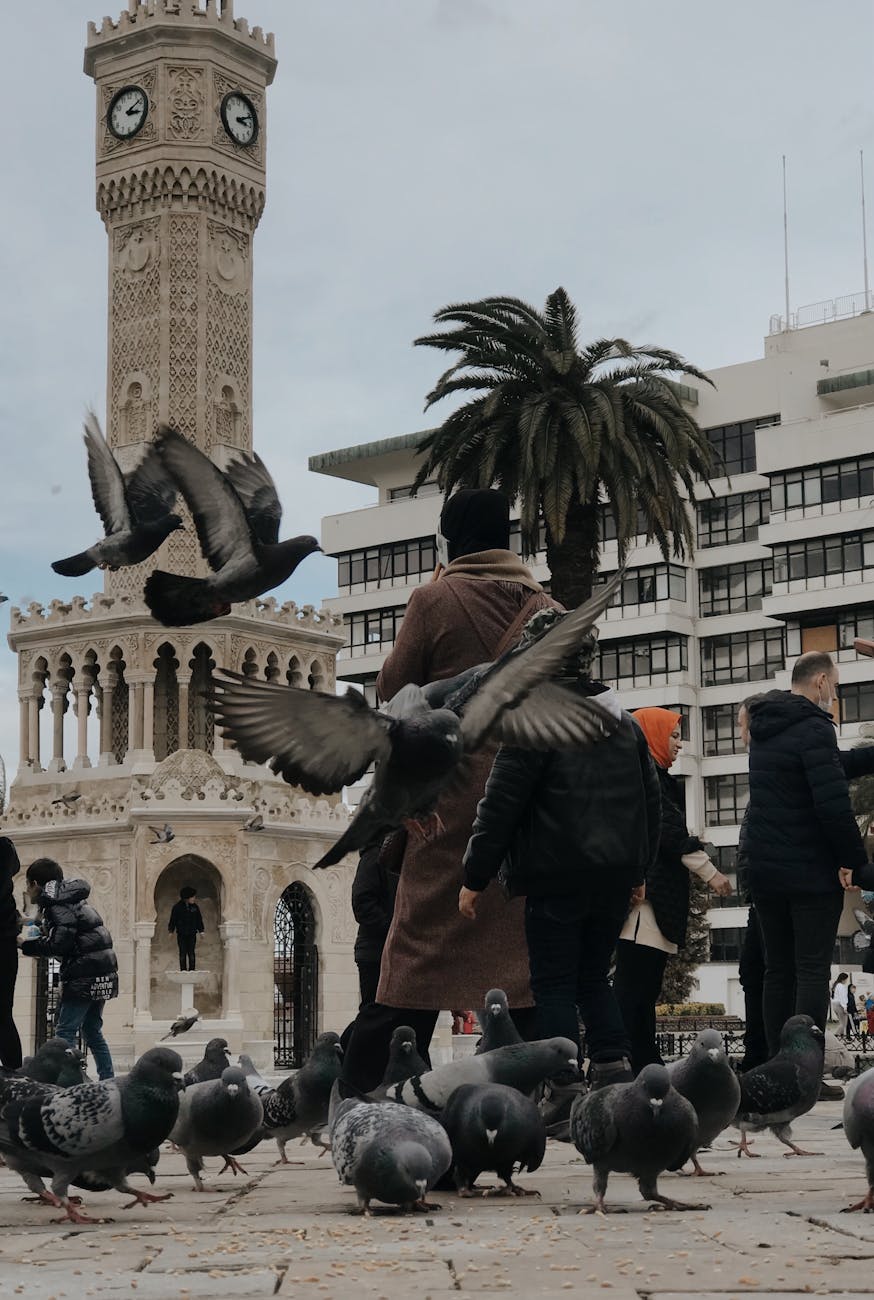
Morning: Start at the Torre del Reloj and walk into the Walled City. Stroll Plaza de la Aduana and Plaza Santo Domingo, then visit the Museo del Oro Zenú for pre-Colombian context.
Lunch: Try ceviche or fried fish at a plaza-side restaurant—La Cevichería is famous and compact, so expect a wait.
Afternoon: Explore Las Bóvedas for artisanal shops and cross to the Caribbean-facing walls. Walk the ramparts for sea views and end at Café del Mar to watch a textbook sunset.
Evening: Dinner in the old town, then a relaxed rooftop cocktail or a short cab to Getsemaní for lively bars.
Day 2
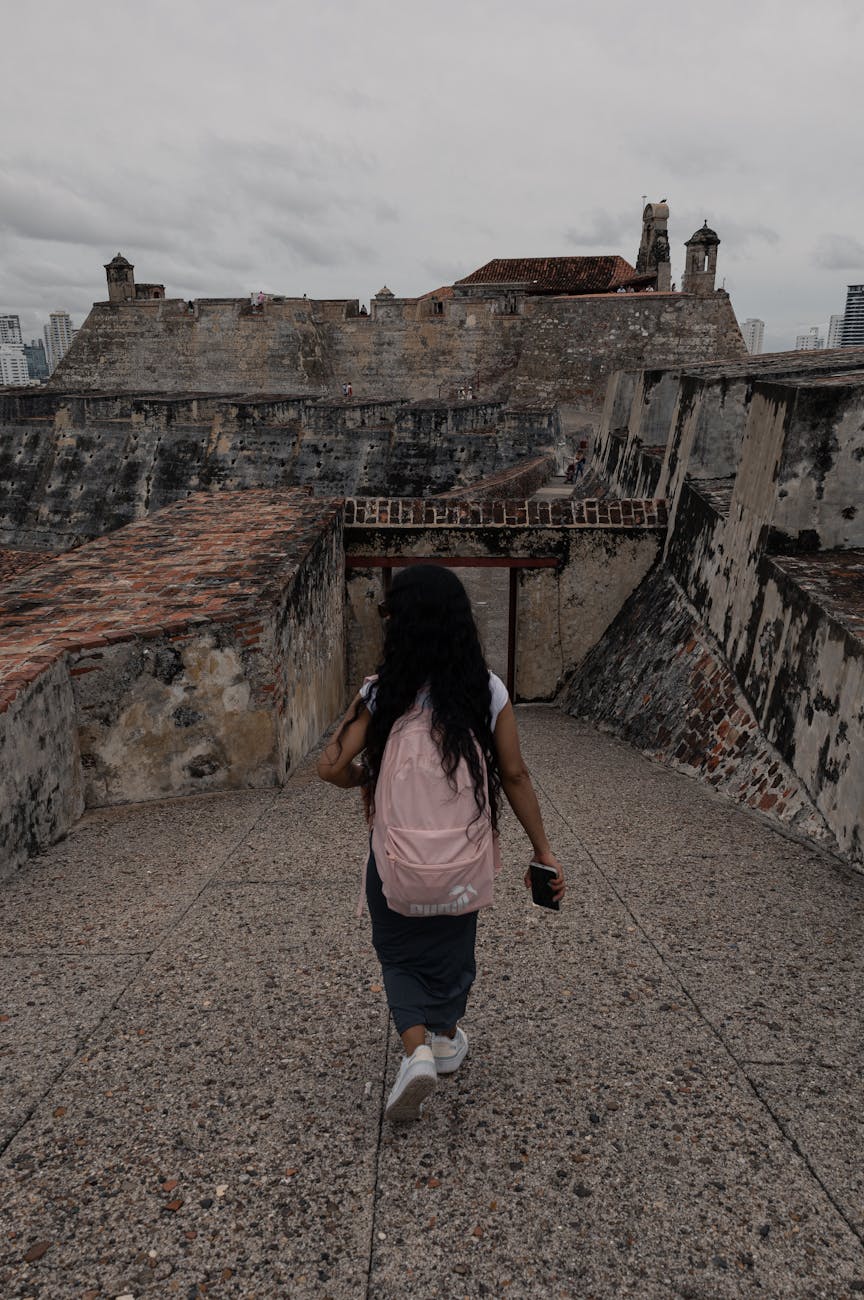
Morning: Head to Castillo San Felipe de Barajas early. Give yourself at least 90 minutes to explore tunnels and ramparts.
Late morning: Walk or taxi to Convento de la Popa for panoramic city views and photo ops.
Afternoon: Return to Getsemaní. Eat at a local spot near Plaza de la Trinidad, enjoy street art and boutique shops. Consider a short guided street-food walk to try arepas, empanadas and fruit juices.
Evening: Salsa night in Getsemaní or book a table at a high-end restaurant in the Walled City for modern Caribbean cuisine.
Day 3
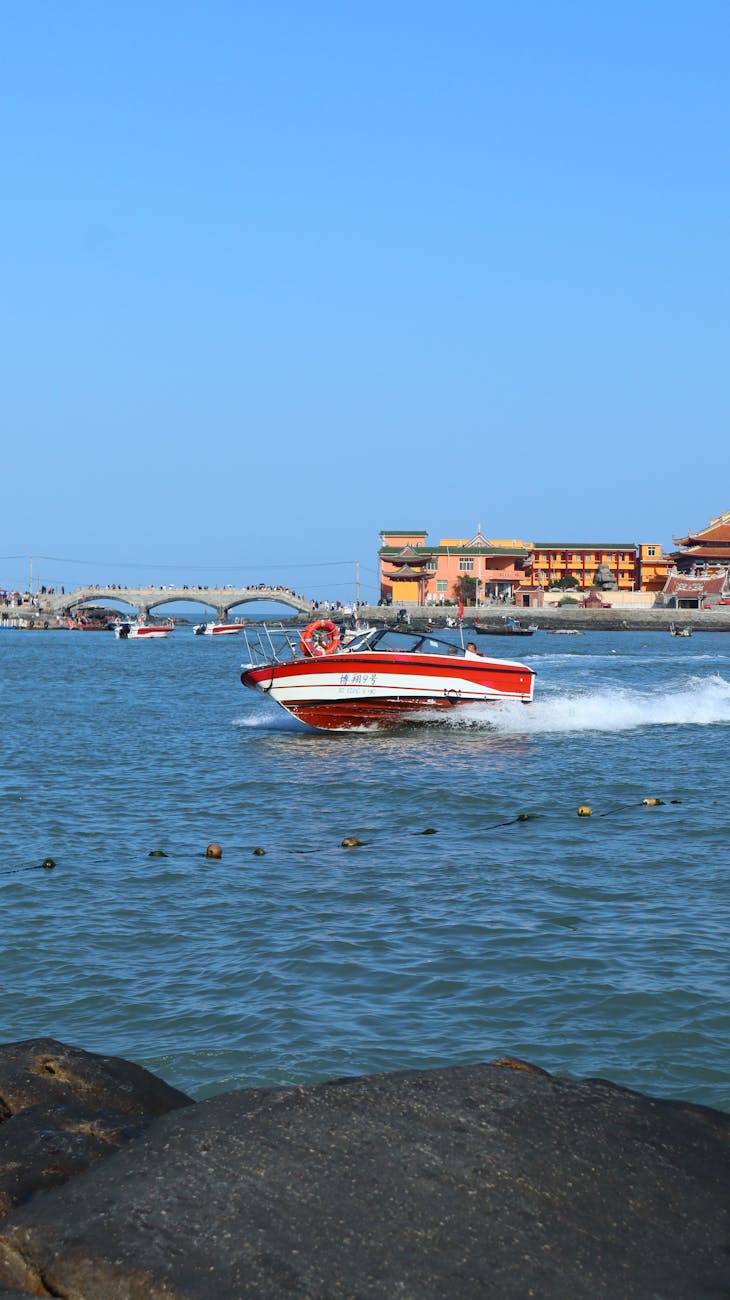
Plan a boat day. Take a half- or full-day trip to the Rosario Islands or Isla Baru (Playa Blanca) for snorkeling and white sand beaches. Choose an early departure to avoid afternoon sea breezes and return schedules.
If you prefer a city day, visit the Mercado de Bazurto with a local guide for authentic produce and street food (be cautious and go with an experienced guide).
Evening: Wrap up with a leisurely dinner near the clock tower and a final walk through lit colonial streets.
Best Local Experiences
Sunset on the old city walls—arrive early to claim a spot near Café del Mar. Street food in Getsemaní: empanadas, patacones and fruit cups from stall vendors.
A guided day trip to the Rosario Islands for snorkeling and fresh seafood beach lunches. Shopping at Las Bóvedas for handmade backpacks and local emerald jewelry.
Catch live music in small bars or a salsa club and try a local rum-based cocktail. Early-morning walks through quiet colonial lanes offer the best light for photos.

Where to Stay
Walled City: Best for first-timers—walkable attractions, historic hotels and rooftop bars.
Getsemaní: Trendy, artistic and livelier at night; boutique guesthouses and value options.
Bocagrande: Modern beachfront hotels with easy beach access and family-friendly facilities.
Choose a place with air conditioning and a secure entry. If you plan island trips, confirm tours depart near your hotel or a short taxi ride away.
Food and Drink
Must-tries: ceviche, fried whole fish with patacones, arroz con coco (coconut rice), and carimañolas. For snacks, empanadas and arepas are everywhere.
Street stalls and neighborhood eateries in Getsemaní offer great low-cost meals. For a special night, book a table in the Walled City where chefs fuse Caribbean flavors with international techniques.
Drinks: Try fresh coconut water, limonada de coco and local rums in cocktails. Coffee is excellent—seek a specialty café for a mid-morning stop.
Getting Around
The old town is best explored on foot. Streets are compact and many attractions are pedestrian-friendly.
Taxis are plentiful; agree the fare or ask the driver to use the meter. Rideshare apps like DiDi or Cabify operate here—download and register before you arrive. Hotel-arranged transfers are convenient for airport runs.
To the islands, use licensed tour operators and confirm return times. Avoid unofficial boats and never leave belongings unattended on a beach.
Best Time to Visit
High season runs December to April: warm, sunny and slightly less humid—expect higher prices and larger crowds.
May to November sees more rain and humidity but fewer tourists and lower rates; short heavy showers are common.
Plan around local events if you prefer quieter streets or want to experience festivals—book early during holiday weeks.
Budget and Practical Tips
Budget tiers: backpacker dorms from about $10–25 USD, mid-range hotels $60–150, upscale boutique and beachfront properties $200+ per night.
Carry small bills for taxis, tips and market purchases. Cards are widely accepted in restaurants but smaller vendors prefer cash.
Safety: keep valuables secure, use hotel safes, and avoid poorly lit streets at night. Don’t drink tap water—stick to bottled water. Pack sunscreen, a light rain jacket and mosquito repellent for evenings.
FAQ
Is Cartagena safe for tourists?
The central tourist areas are generally safe during the day; exercise common-sense precautions at night, use licensed taxis or apps, and watch for pickpockets in crowded spots.
Can I drink the tap water?
It’s best to stick to bottled or filtered water for drinking.
How do I get from the airport to the city?
Rafael Núñez International Airport is a short taxi ride from the Walled City; pre-book a hotel transfer or use a registered taxi service.
Are cards widely accepted?
Major restaurants and hotels accept cards, but carry cash for markets, street food and small shops.
Is a day trip to the Rosario Islands worth it?
Yes—clear water and snorkeling make it the top half-day or full-day escape; choose a reputable operator and depart early.
Do I need Spanish to get by?
Basic Spanish helps; many hospitality staff speak some English in tourist zones, but a few phrases go a long way.
Conclusion
Three days gives a satisfying mix of history, beaches and food without rushing. Prioritize the Walled City, Castillo San Felipe, a Getsemaní evening and one island day for a well-rounded visit. Pack light, plan early starts to beat heat, and leave a little time for aimless exploring—those unplanned corners often become the trip highlights.
How this guide was prepared
This guide was prepared through a structured research that combines destination research, geographic context, itinerary planning logic, and content review.