
Three Days in Macon: Practical 3-Day Itinerary and Tips
A practical 3-day itinerary for Macon, Georgia, with realistic transit, food, and timing advice covering Ocmulgee, Hay House, Tubman Museum and music sites.
Concrete three-day plan for Macon that balances Ocmulgee, historic houses, music sites and local food with realistic travel times and costs.
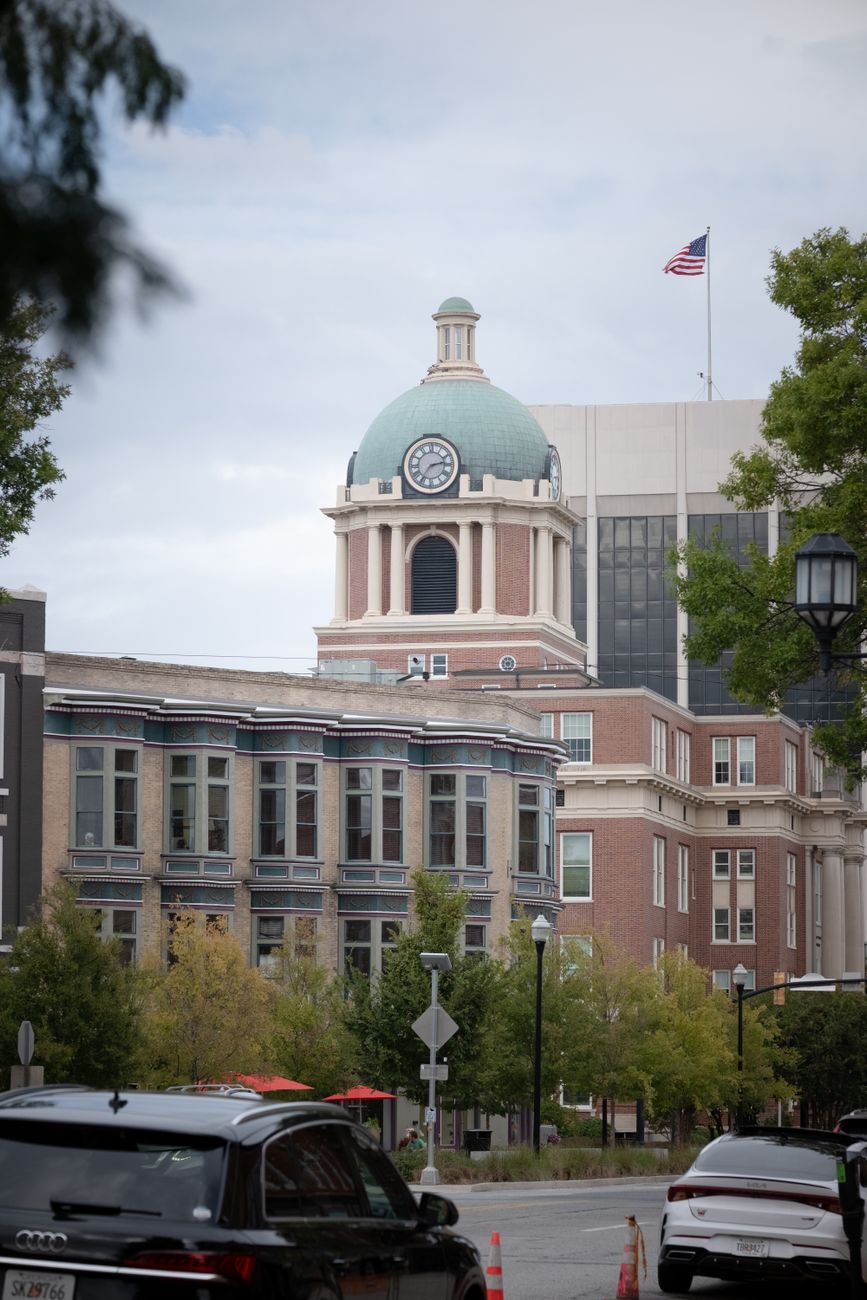
A first impression is often of red-brick downtown streets, broad older houses, and a river that gives the town slow rhythms. The place balances two strong identities: Indigenous heritage around Ocmulgee and a later music industry presence tied to Southern rock and soul. That mix creates neat contrasts—quiet residential avenues and a handful of concentrated cultural institutions rather than an uninterrupted museum district.
Expect shorter commercial hours and a car-oriented layout. Visitors who come expecting a dense city-center with continuous evening activity frequently leave surprised. This setting suits people who want focused cultural visits, architecture walks, and music history rather than big-city nightlife or abundant late-night dining.
Is 3 days in Macon enough?
Yes—three days gives time to see the major attractions: Ocmulgee Mounds, Hay House, the Tubman Museum and music landmarks like The Big House. The honest caveat: nearby day trips (Savannah or Augusta) or a relaxed schedule for dozens of small historic homes will have to wait.
Who This Guide Is For
Best for history and music fans who don’t need dense nightlife or frequent public transit; not ideal for travelers expecting subway-like transit or late-night dining. Budget travelers can manage with rideshares; car users get the most flexibility.
Local Tips for Macon
Practical details that most travel sites skip — specific to Macon.
- Ocmulgee Mounds National Historical Park has no general admission fee; plan for 1.5–2 hours at the visitors center and trails early in the morning for cooler temperatures.
- Hay House offers self-guided and docent-led tours; adult admission is typically around $10–15—buy tickets online for specific tour times to avoid long waits.
- The Allman Brothers Band Museum at The Big House charges about $10 for entry and runs limited guided tours; check the museum calendar for live events that change hours.
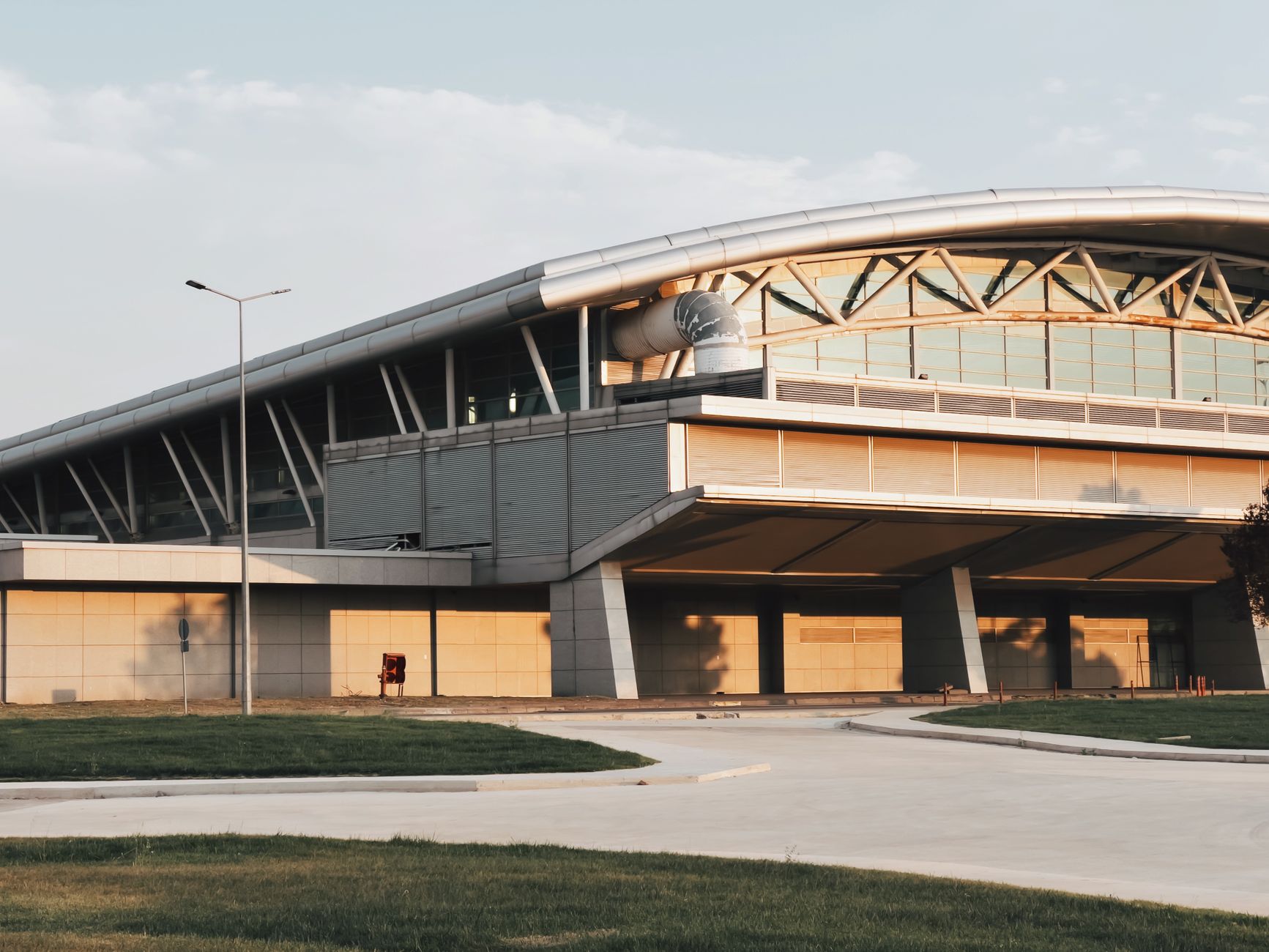
- Middle Georgia Regional Airport (MCN) sits about 10–15 minutes from downtown; expect a taxi or rideshare to cost roughly $25–35 depending on traffic and time of day.
- The Tubman Museum focuses on African American art and local history and commonly closes Mondays—plan museum visits Tue–Sun and confirm hours for special exhibits.
How This Guide Was Prepared
This guide treats Macon as a mid-sized Southern city with deep music and Native American sites rather than a day-trip add-on to Atlanta. Many guides skim the practical constraints—limited weekend transit, tight museum hours, and how spread-out sights require a car or rideshare—so this focuses on realistic routing, timing, and what to skip when short on time. This guide was prepared through a structured research that combines destination research, geographic context, itinerary planning logic, and content review.
Plan Your Stay in Macon
Use this itinerary as your starting point, then compare areas to stay, transport options, seasonal timing, and realistic daily costs before booking.
Why Visit
Ocmulgee Mounds National Historical Park is a major Indigenous site with earthen mounds, trails and a compact visitor center—rare in the Southeast outside major metropolitan areas. That single site can occupy a half-day and offers interpretive panels and reconstructed earthworks.
Hay House on Adams Street is an ornate 19th-century mansion with interior craftsmanship that reveals how wealth and style appeared in this region; guided tours explain the building’s Gilded Age details. Music history is concentrated: The Allman Brothers Band Museum at The Big House and other local music spots trace a distinct Southern rock lineage often overlooked in mainstream guides.
The Tubman Museum fills a regional niche focused on African American art and history, making it a good complement to the older-house tours and music trail. Finally, the riverfront parks and Mercer University campus provide easy walking and green space, which suits travelers who mix museums with relaxed outdoor time.

Quick Planning Tips
Fly into Middle Georgia Regional Airport (MCN) for the quickest access; it’s about a 10–15 minute drive to downtown. Rideshares and local taxis are the main reliable options from the airport—pre-book or expect a short wait on evenings.
Credit and debit cards are widely accepted downtown, but small cash purchases and some weekend food trucks may prefer cash. There are ATMs near Terminal Station and on Poplar Street; bank branches close early on Saturdays.
Avoid assuming public buses will be a substitute for a car—routes exist but are infrequent. If planning three museum visits in one day, book Hay House and Big House tours ahead and leave buffer time for transit or parking.
Day 1
Morning: Start at Ocmulgee Mounds National Historical Park—allow 1.5–2 hours for the visitor center, Great Temple Mound and a loop trail. From the park to downtown is about an 8–12 minute drive (3.5–4 miles).
Late morning: Arrive at Terminal Station and walk 5–10 minutes to Hay House on Adams Street. Allocate 60–75 minutes for a self-guided or docent tour; Hay House is compact but detailed. From Hay House, walk 3–5 minutes to the Tubman Museum.
Lunch: Eat at H&H Restaurant for classic Southern plates—fried chicken, collards and peach cobbler—expect a sit-down meal to cost around $10–15 per person. From Hay House this is a short 5–10 minute cab or rideshare if the restaurant is outside the central block.
Afternoon: Spend 1–1.5 hours at the Tubman Museum exploring permanent exhibits, then walk through the adjacent Historic District to see late-19th-century homes along Cherry Street and Vineville Avenue (plan 20–30 minutes for a walking loop). If time allows, visit Cannonball House Museum nearby for a quick local-history stop.
Evening: For a relaxed evening, use the riverfront Amerson River Park paths at sunset or check the events calendar at Terminal Station for concerts. Many downtown restaurants close by 9pm; plan reservations or arrive early.
Day 2
Morning: Head to The Allman Brothers Band Museum at The Big House—plan 60–90 minutes for exhibits and guided comments. From downtown it’s roughly a 10–15 minute drive (3–4 miles); parking is limited so arrive before mid-morning.
Late morning: Drive or rideshare to Vineville and stroll residential streets around Mercer University; the campus walk takes 30–45 minutes and highlights walkable lawns and older fraternity houses. From The Big House to Mercer is about 8–12 minutes by car.
Lunch: Try a local café along Second Street or near Mercer University for sandwiches and salads—cafés near college campuses open earlier and are budget-friendly. After lunch, head to Amerson River Park for a riverside walk or a short bike ride—allow 1–2 hours including a break.
Afternoon: Visit smaller cultural stops such as local galleries along Poplar Street or a craft brewery if open; alternatively, spend time at Rose Hill Cemetery for its architecture and historical markers. Travel between Vineville, downtown and Amerson Park will require short drives (10 minutes each leg) unless using rideshare.
Evening: Check listings at the Macon Coliseum or Terminal Station for live music. Local venues often run music nights that are the real evening draw rather than a dense restaurant scene.
Day 3
Morning: Reserve this half-day for anything missed or for a slower start; visit specialty shops on Poplar Street or a final walk along the river. If checking out of a hotel, store luggage with the front desk—many downtown hotels will hold bags for a few hours.
Late morning: Return to Ocmulgee if outdoor photography or additional trails are a priority, or spend time at the Cannonball House and nearby civil-war markers for a compact historical loop. From downtown to Ocmulgee expect a 10–15 minute drive.
Lunch: For the last meal, pick a central cafe near Terminal Station to avoid long transfers to the airport; aim to eat at least 90 minutes before departure time from MCN. Allow 20–30 minutes for the drive to the airport from central downtown under normal traffic.
Practical departure note: Middle Georgia Regional Airport processes are small but schedules can be tight—plan to arrive 60–75 minutes before domestic flights. If leaving in the afternoon, use the late morning for a relaxed coffee and final walk so luggage can be packed without rushing.
Best Local Experiences
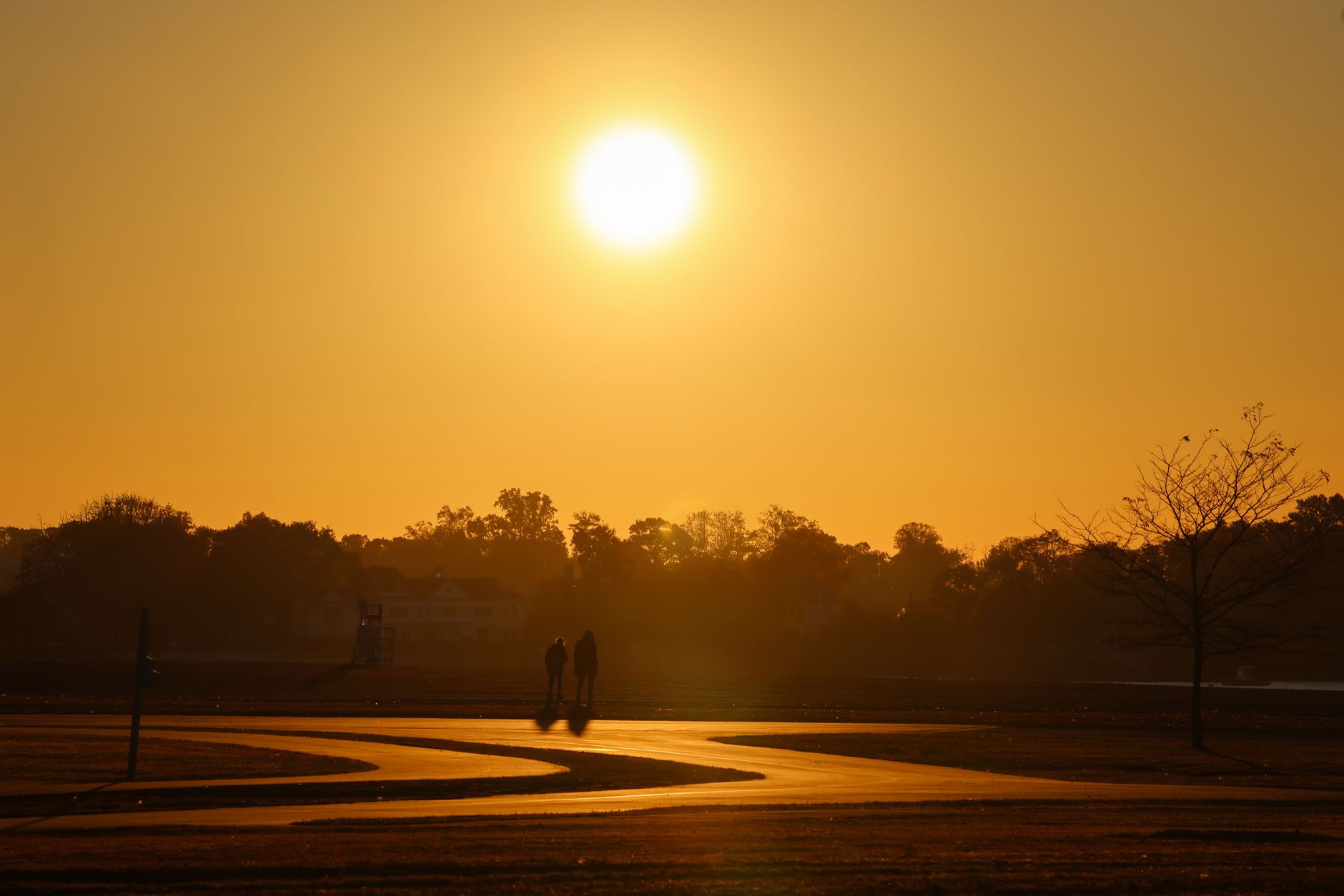
Ocmulgee Mounds National Historical Park trails and interpretive center for Indigenous landscapes and seasonal birding. Hay House guided interior tour to see elaborate plasterwork and period rooms. The Allman Brothers Band Museum at The Big House for music history and occasional live sessions.
Tubman Museum exhibits on African American art and regional history, especially strong for temporary exhibits tied to local artists. Amerson River Park riverwalk, canoe launches and paved paths for a low-effort outdoor window into the Ocmulgee River corridor.
Pleasant Hill neighborhood walking route that highlights African American history and local storefronts. Terminal Station events calendar for touring historic rail architecture and occasional concerts. Mercer University campus walk during weekday afternoons to observe collegiate architecture and small-campus life.
Where to Stay
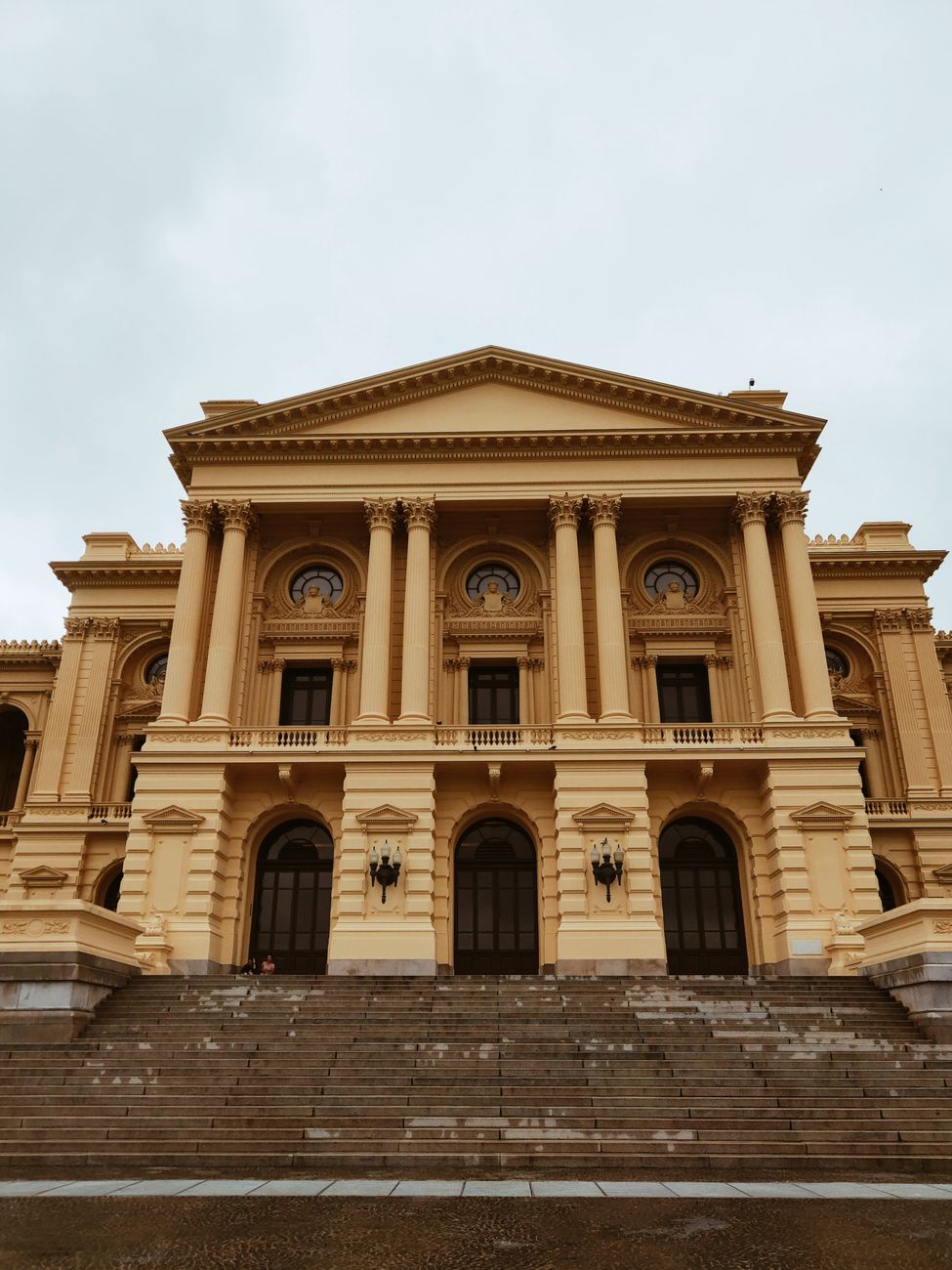
Downtown (near Cherry Street and Terminal Station) — suits travelers who want museum access and evening events; easy walking distance to Hay House and Tubman Museum. Expect mid-range hotel rates around $100–150 per night (≈€95–140 / $100–150), more on event weekends.
Vineville / Mercer University area — suits visitors who prefer quieter residential streets, easy campus walks and proximity to The Big House. Small guesthouses or B&Bs and budget hotels appear here; nightly rates commonly $80–120 (≈€75–110 / $80–120).
Pleasant Hill / North Macon — suits travelers focused on local history and community museums or those with a car who want cheaper nightly rates. Motels and chain hotels in this area run $60–100 per night (≈€55–90 / $60–100) and offer easier parking.
All three neighborhoods are within a 5–15 minute drive of Middle Georgia Regional Airport (MCN); book parking or check shuttle options if leaving early. Weekend music events and college graduations drive prices up quickly, so check calendars before booking.
Food and Drink
Peach cobbler — baked dessert using local peaches; find dependable versions at classic diners and bakery counters (approx $4–7). Peaches are seasonal late May–August and show up in many menus.
Fried catfish with hushpuppies — standard Southern plate; try soul-food lunch counters for the best fried catfish (entrees $9–15). Brisket or pulled pork BBQ — available at local BBQ shops and food trucks; portions run $8–14 and are often sold with slaw and sides.
Pimiento cheese — spread of cheddar and roasted peppers used on sandwiches and crackers; buy at delis or order as an appetizer for $4–7. Boiled peanuts — street or market snack, especially in summer; a cup costs about $2–4.
Breakfast option: country-style biscuit and gravy or a breakfast plate at an all-day diner near downtown (expect $6–10). Street food: food trucks appear at park events and some farmer’s markets—watch event listings for exact location and hours.
Dinner recommendation: choose a downtown restaurant that lists local produce and a few Southern classics rather than expecting an extensive international menu; allow $15–30 per person for a standard three-item dinner with a drink.
Getting Around
There is no subway or regional rail; the city is car- and rideshare-friendly. Middle Georgia Regional Airport (MCN) is the main airport; downtown is 10–15 minutes by car. Taxis and rideshare services (Uber, Lyft) are the most reliable point-to-point options.
Local bus service is run by the county transit authority; buses operate fixed routes but infrequently, so schedules are best checked online before relying on them. Single fares for county buses are modest (roughly $1–2), but day passes are uncommon—rideshare or driving is often simpler.
Expect a taxi or rideshare from MCN to downtown to cost about $25–35. Parking in downtown lots and street meters is common; meters often enforce mid-morning to early evening hours. Use Google Maps or the Transit app for route planning and Uber/Lyft apps for point-to-point travel.
Best Time to Visit
Spring (March–May): pleasant temperatures in the mid-60s to low-70s°F (18–23°C) and flowering trees—high value for outdoor and Ocmulgee visits but expect some weekend crowds for festivals.
Summer (June–August): hot and humid, high 80s–90s°F (30–35°C) with afternoon storms; peaches are in season. This is the busiest local tourism season for family visits but not heavy enough to overwhelm attractions.
Fall (September–November): comfortable temperatures from mid-50s to mid-70s°F (13–24°C) and fewer tourists; October often offers the best combination of mild weather and lower hotel rates. Winter (December–February): mild days around 40–55°F (5–13°C) with occasional colder snaps; quieter museums and lower off-season prices.
Best value: late fall provides lower hotel rates and manageable weather. Months to avoid for heat-sensitive travelers: July and August due to high humidity and peak heat.
Budget and Practical Tips
Sample daily budget (moderate traveler): Accommodation $80–140 per night (≈€75–130 / $80–140), food $25–50, transport (rideshare/taxi) $15–35, entry fees $10–20. Total daily: roughly $130–245 (≈€120–230).
Lower-budget options: stay in Pleasant Hill or use an economy motel ($60–90/night) and use buses for short legs; eat at diners and food trucks to lower food costs to $15–25 per day. Higher budgets account for private tours or multiple paid attractions.
Tipping: standard U.S. norms apply—15–20% at sit-down restaurants, $1–2 per drink at bars, and rounding up for taxi or rideshare drivers. For guided museum tours that permit tips, $2–5 per person is appropriate.
Practical tip: confirm opening hours for smaller museums before travel—many close Mondays or have shorter winter hours. Carry a refillable water bottle for summer Ocmulgee walks and bring sun protection for exposed mounds and river walks.
FAQ
How safe is downtown for walking after dark?
Downtown is generally safe in well-trafficked areas around Terminal Station and main streets, but street lighting and pedestrian traffic thin after 9pm; use rideshare for late-night trips and avoid poorly lit side streets.
Is public transit useful for tourists?
Bus routes exist but are infrequent; tourists should plan for rideshares, taxis or a rental car for efficient travel between dispersed sites.
Is a city card or pass worth buying?
There is no central tourist city card; buy tickets individually for Hay House and The Big House and budget for separate entry fees instead of a bundled pass.
Can Ocmulgee be visited in a half-day?
Yes—1.5–2 hours covers the visitor center and main mounds, but add time if hiking trails or guided programs are on the schedule.
How do I get from Middle Georgia Regional Airport (MCN) to downtown?
Taxi or rideshare takes about 10–15 minutes and costs roughly $25–35; rental cars are convenient for longer stays.
Are museums open every day?
Many smaller museums close on Mondays and have reduced winter hours; check each museum’s website before planning visits.
Is Macon a good base for day trips to Savannah or Atlanta?
Driving to Atlanta takes about 1.5 hours and to Savannah about 2.5–3 hours—possible as long day trips, but not recommended if the itinerary focuses on seeing the city in depth.
What’s the tipping norm for guided tours and local drivers?
Tip 15–20% at restaurants; for guides and drivers $2–10 depending on length and service quality is customary.
Conclusion
A three-day stay will leave the clearest impressions: the scale and craft of Hay House, the open air and interpretive trails at Ocmulgee, and the music-history sites around The Big House. Practicalities—limited transit, compact museum hours and a car-centric feel—shape how much fits into a day.
If time becomes tight, prioritize Ocmulgee for its unique archaeological landscape or Hay House if interior architecture is the priority; those two are the clearest single experiences to retain. Expect to leave with a sense of regional history, music roots, and a calm pace distinct from nearby big cities.
How this guide was prepared
This guide was prepared through a structured research that combines destination research, geographic context, itinerary planning logic, and content review.