
3 Days in Saint Petersburg: A Curated Culture-First Itinerary
Explore Saint Petersburg in 3 days: a concise itinerary with top sights, day trips to Peterhof or Pushkin, neighborhood routes, food picks and transport tips.
A practical, culture-focused 72-hour guide to art, palaces and canals with neighborhood routes, day-trip choices and realistic pacing.
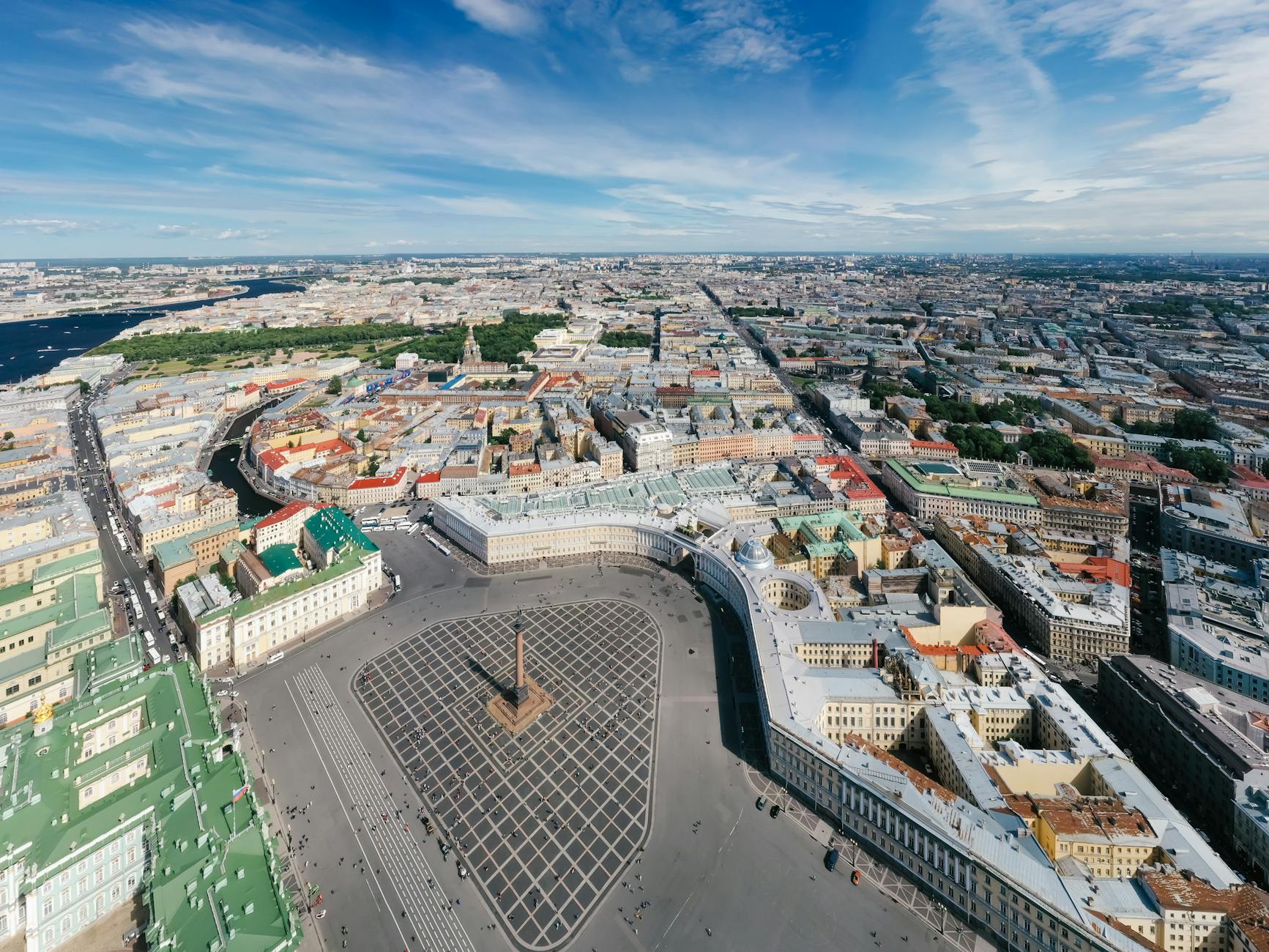
Saint Petersburg is a compact, grand city of canals, baroque and neoclassical palaces, and world-class museums. It suits travelers who love art, architecture, imperial history, and atmospheric walks—ideal for museum lovers, couples, photographers, and culture-minded weekenders. Three days works well because the core highlights—the Hermitage and Palace Square, the Church of the Savior on Spilled Blood and St Isaac’s, a riverside fortress, plus one royal suburb (Peterhof or Pushkin)—are reachable by public transit and can be paced without rush.
This guide lays out a clear Day 1–3 route, practical planning tips, neighborhood dining picks, and local experiences so you spend time exploring rather than deciding.
Why Visit
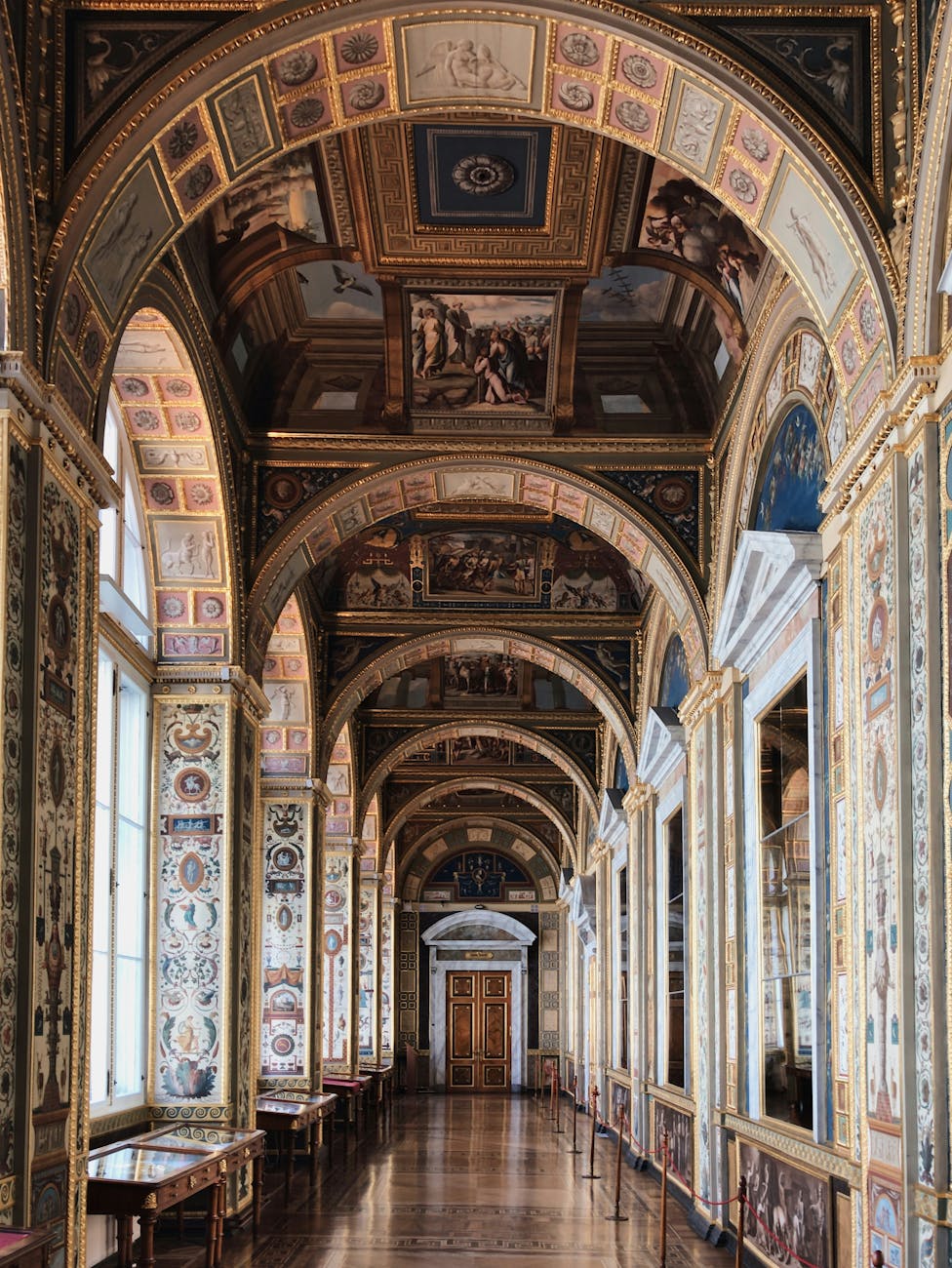
You come for masterpieces: the Hermitage's imperial collections, ornate church mosaics, and gilded palaces with landscaped gardens. The city pairs grand public spaces with intimate canals and atmospheric courtyards. There’s also a strong performing-arts scene—opera, ballet and classical concerts—and a layered history from the tsars to the Soviet era.
It’s a photographer’s and walker’s city: compact central neighborhoods mean major sights are often within 20–40 minutes of each other by foot, tram or metro.
Quick Planning Tips
Book Hermitage timed tickets and any Mariinsky shows in advance. Choose one royal suburb for your day trip: Peterhof for fountains, Pushkin for the Catherine Palace. Get a Podorozhnik transport card for buses, trams and metro.
Carry a copy of your passport; many museums ask for ID. Learn a few Cyrillic words for signs (metro exits, street names) and have a mobile payment app or cards—many places accept cards but some small shops and markets are cash-only.
Day 1
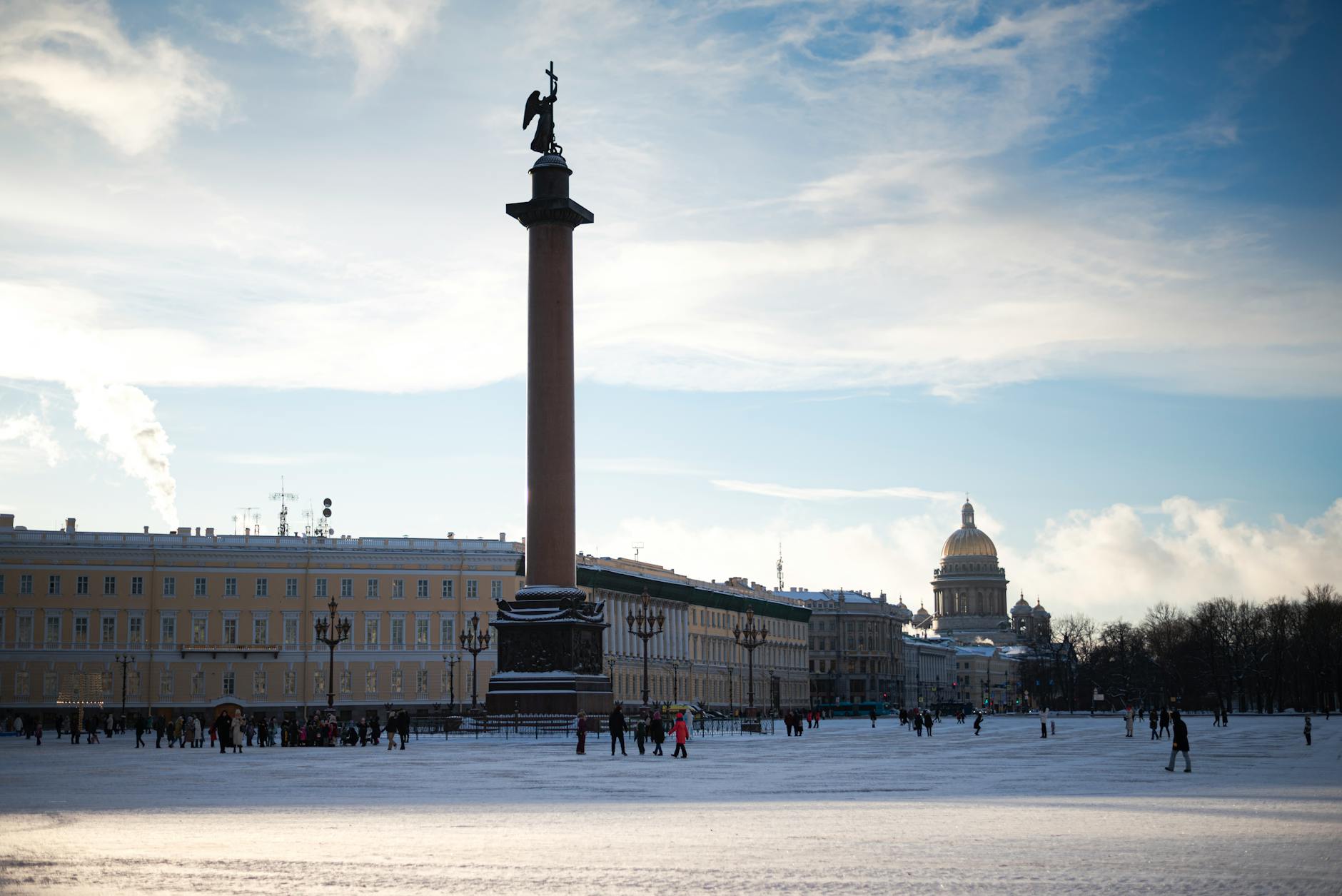
Morning: Start at Palace Square and enter the State Hermitage Museum. Reserve 3–4 hours to see highlights (Egyptian rooms, Leonardo, Rembrandt, the State Rooms). Skip full deep dives to save time.
Afternoon: Walk or tram along Nevsky Prospect toward the Church of the Savior on Spilled Blood for mosaics and photos. Stop for lunch on Nevsky or at a nearby café in the Admiralteysky district.
Evening: Short Neva river cruise at sunset or attend a ballet/opera depending on the schedule. Walk back through the lit bridges.
Day 2
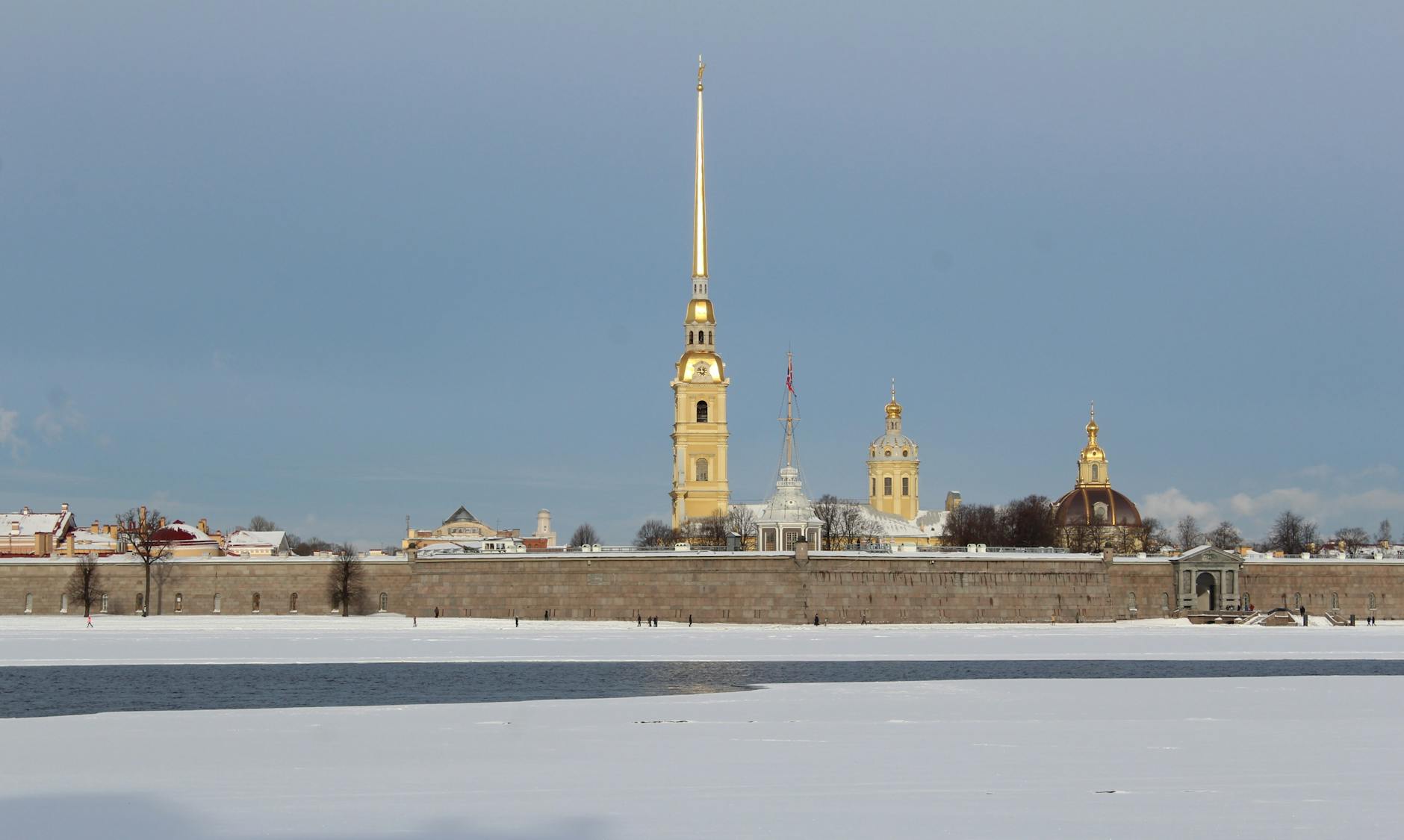
Morning: Cross to the Peter and Paul Fortress, climb the cathedral spire for city views and visit the royal burial vaults.
Late morning: Head to St Isaac's Cathedral—climb the colonnade for a panoramic view. Have lunch in the Admiralteysky or near the Summer Garden.
Afternoon: Explore the Yusupov Palace (Rasputin rooms) or the Russian Museum for a deeper art route. Spend the evening in the Petrogradsky or Vasileostrovsky islands for a different local vibe and riverside dining.
Day 3
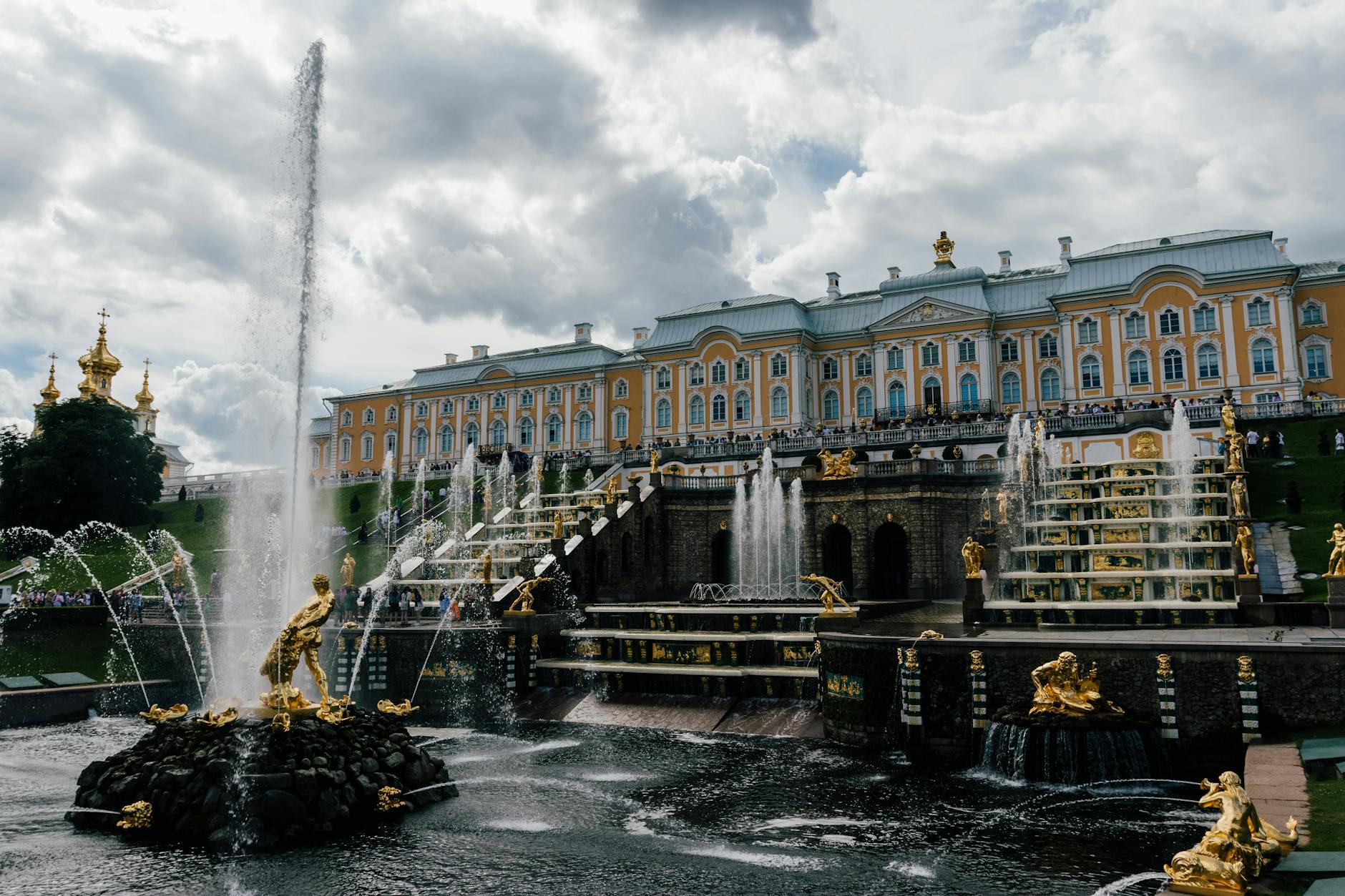
Choose one full-day excursion: Peterhof for the Grand Cascade and gardens (hydrofoil or suburban train), or Pushkin (Tsarskoye Selo) to see the Catherine Palace and the Amber Room. Both require most of the day and are best prebooked in high season.
If you prefer to stay in town, use Day 3 for New Holland Island, the Kuznechny Market, and a relaxed museum (Fabergé Museum) plus souvenir shopping on Nevsky.
Return in time for a final evening stroll along the canals or a performance at the Mariinsky.
Best Local Experiences
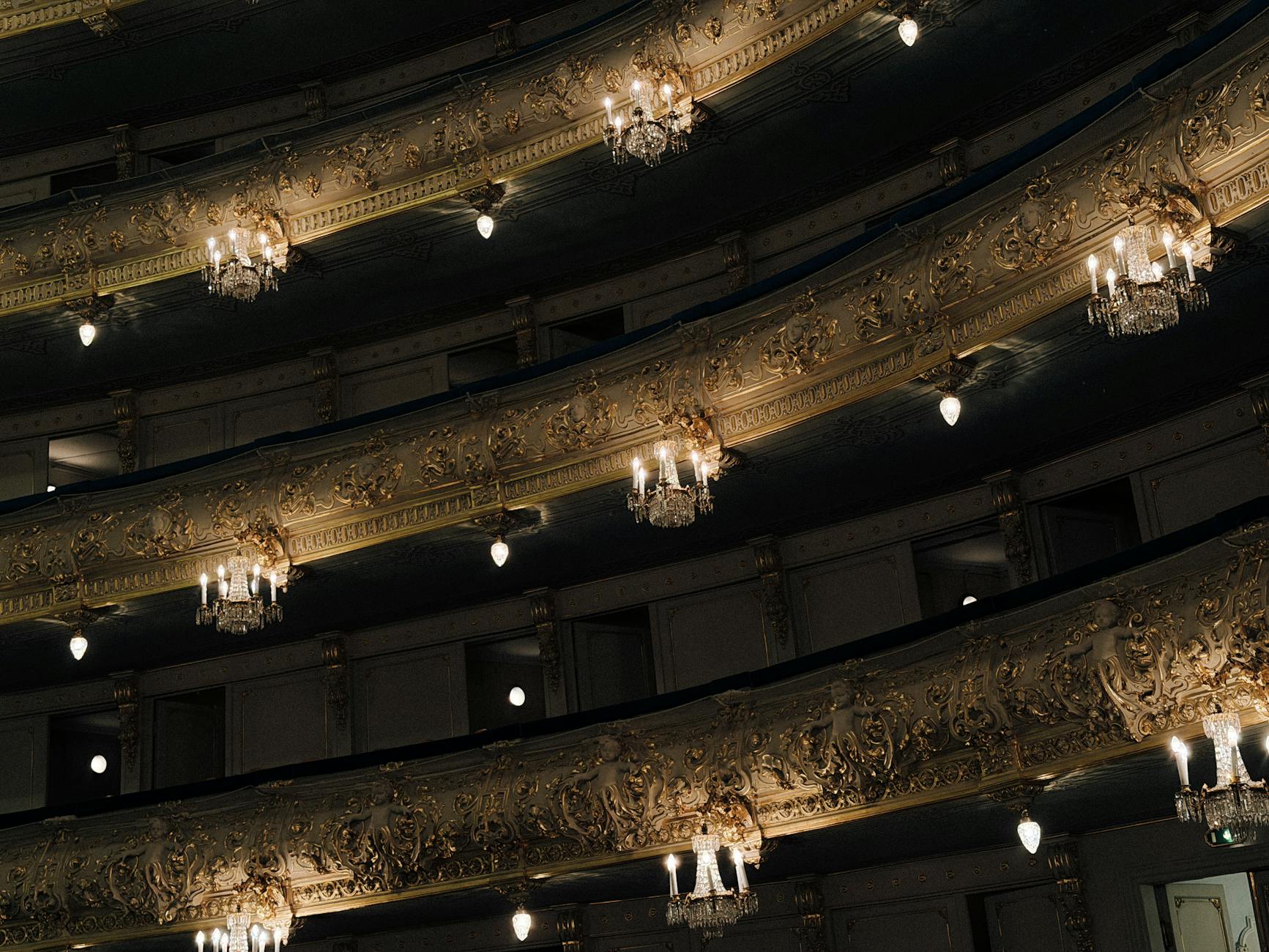
Attend a ballet or orchestral concert at the Mariinsky for a quintessential cultural night. Take a canal boat tour to see palaces from the water and cross the drawbridges after sunset. Wander Kuznechny Market for local produce and snacks, and sample Russian tea rooms and tea blends.
Join a guided walking tour focused on literature (Dostoevsky, Pushkin) or on Soviet-era history to get layered perspectives beyond the imperial palaces.
Where to Stay
Admiralteysky district: best for first-time visitors—close to the Hermitage, Nevsky and major museums. Nevsky Prospect: lively, convenient for transport and restaurants. Petrogradsky Island: quieter, local bars and good views of the river. Vasileostrovsky: creative hotels and museums, handy for Peter and Paul Fortress.
Book central to minimize transit time; walking between sights is often faster than switching lines on the metro.
Food and Drink
Try Russian classics: blini and caviar, pelmeni, borscht and beef stroganoff. Rubinstein Street and the lanes off Nevsky host a wide range of restaurants—from Soviet-themed canteens to modern Georgian and seafood spots. Visit Kuznechny Market for fresh produce and local snacks.
For drinks, try local craft breweries, classic tea rooms, or a late-night bar in the Petrogradsky district. Expect lunch prices from modest to mid-range and pricier dinners near the major squares.
Getting Around
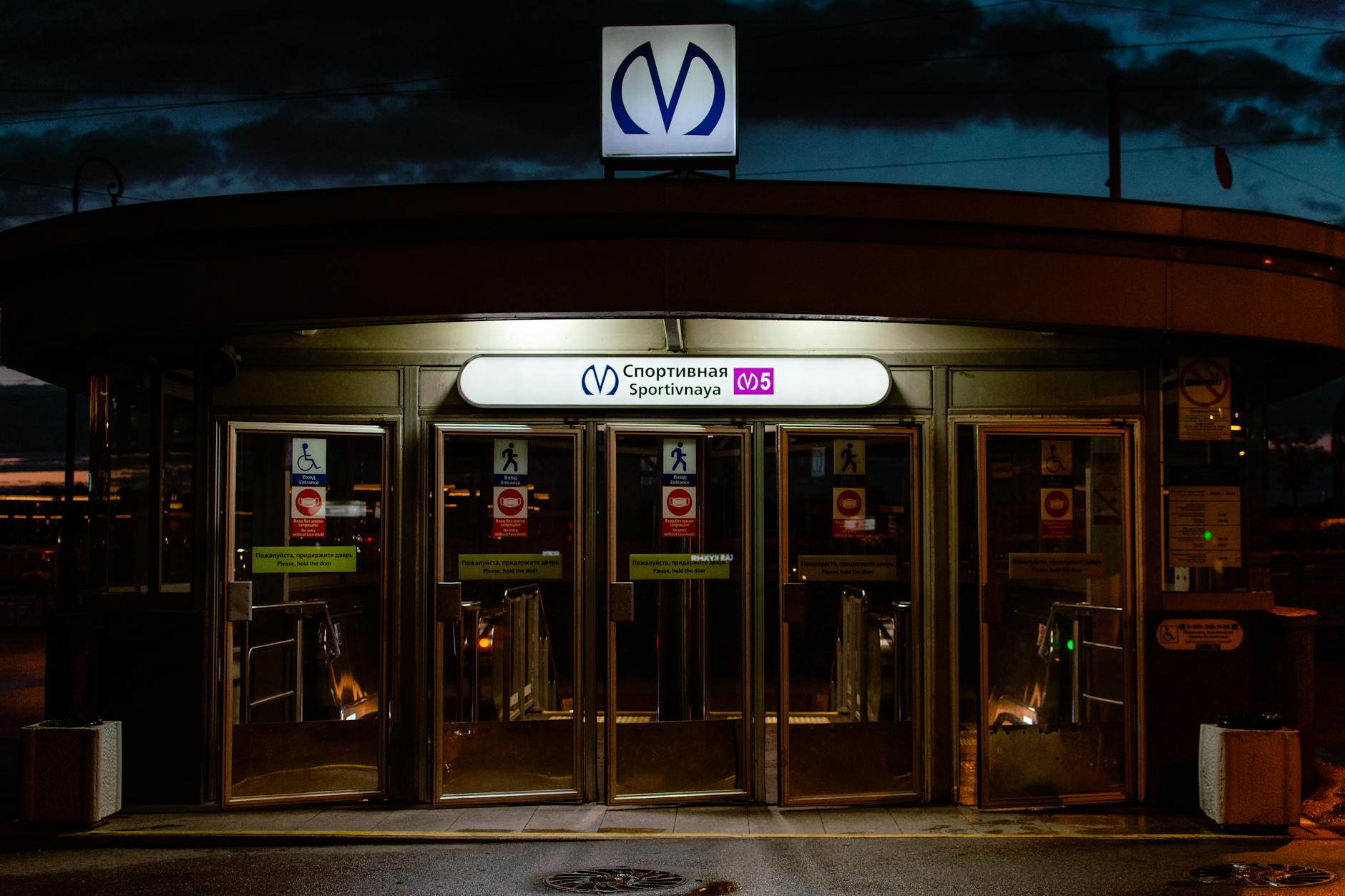
The metro is fast and ornate; buy a reusable Podorozhnik card for convenience. Central areas are very walkable; taxis via apps (Yandex) are reliable and cheaper than street cabs. Trams and buses fill gaps and hydrofoils connect to Peterhof in summer.
Allow extra time for bridge openings in the late evening (seasonal) and check tram lines for routes along the riverfront. Keep metro station names in Cyrillic as well as Latin for easier navigation.
Best Time to Visit
Late May to July is peak for White Nights—long light, outdoor life and many festivals. Mid-summer is busiest; book ahead. Early autumn offers milder crowds and golden parks. Winter provides snow, dramatic light and lower prices, but short daylight and cold.
If you want performances and gardens in full swing, aim for late May–June. For quieter museums and lower rates, choose November–March.
Budget and Practical Tips
Currency: Russian ruble (RUB); cards are widely accepted but carry some cash for markets. Tipping: around 10% in restaurants if service isn’t included. Museum hours vary—many close one day per week (check ahead). Dress respectfully for church interiors (cover shoulders and skirts/long pants).
Safety: the city is generally safe; watch belongings in crowded tourist areas. Use official taxis or apps. Carry an adaptor for European Type C/F plugs and expect 220V mains.
FAQ
How much time do I need for the Hermitage?
Reserve at least 3–4 hours to see highlights; a full visit can take a day. Timed tickets help avoid long queues.
Is English widely spoken?
Basic English is common in hotels, museums and major restaurants, but less so in small shops; translation apps are useful.
Can I do both Peterhof and Pushkin in one day?
It's possible but rushed. Choose one to enjoy gardens and interiors without stress.
How do I get to Peterhof?
Hydrofoils run from the Neva (seasonal) and suburban trains run from Baltiysky Station with local buses or taxis at the other end.
Are cards accepted everywhere?
Most restaurants and shops accept cards; keep some cash for markets, small cafés and transport kiosks.
Any visa requirements?
Many visitors need a Russian visa—check current diplomatic guidance and e-visa options before travel.
Conclusion
Three days gives a satisfying mix of major museums, imperial palaces and local neighborhoods. Prioritize the Hermitage and one royal suburb, prebook key tickets, and leave pockets of free time for river views and spontaneous discoveries. With that balance you’ll leave with a clear sense of the city’s grandeur and everyday rhythms.
How this guide was prepared
This guide was prepared through a structured research that combines destination research, geographic context, itinerary planning logic, and content review.