
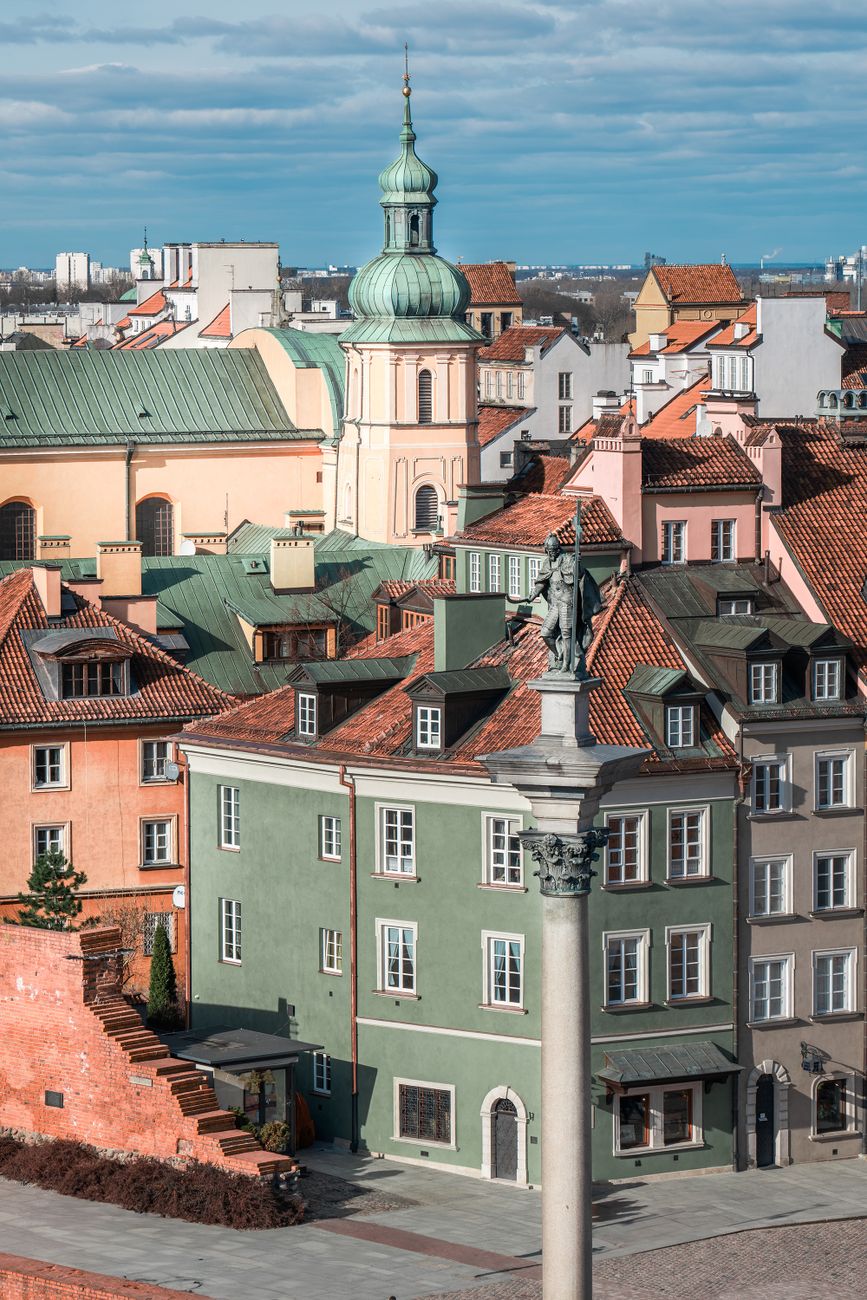
Practical 3-Day Warsaw Itinerary: Old Town to Praga
Three days in Warsaw covers Old Town, Łazienki Park, Praga and two major museums; this guide gives transit tips, budgets, and real pitfalls to avoid.
A clear, no-fluff plan for 72 hours in Warsaw that balances rebuilt Old Town sights, green spaces, and the character of Praga with realistic timings, costs and evening options.
First impressions are usually a mix of reconstructed baroque facades around the Old Town and glass-and-concrete modern blocks along Marszałkowska. Street-level life moves between cafés on Nowy Świat and the industrial riverfront on the Vistula where summer pop-ups appear; noise and delivery traffic are common near main tram lines. Expect efficient public transit but also sharp contrasts: museum-quality restoration stands beside Soviet-era apartment blocks and working-class Praga across the river.
Many visitors arrive with either no expectations or a single stereotype — either a total cold-war image or a romantic Old Town picture. Reality is both: rebuilt monuments and alive neighbourhood culture. This layout suits travellers who want a compact mix of museums, parks and neighbourhood walks rather than a slow, museum-by-museum holiday.
Is 3 days in Warsaw enough?
Yes: three days allows a solid overview — Old Town, Łazienki Park, one major museum and a deeper walk through Praga or Wilanów. Caveat: there will not be enough time for slow museum-by-museum visits or a full day trip to Toruń.
Who This Guide Is For
Best for travellers who want a compact mix of history, parks and neighborhood culture and who are comfortable using trams/metro; less suitable for visitors wanting a relaxed museum binge or a luxury spa weekend.
Local Tips for Warsaw
Practical details that most travel sites skip — specific to Warsaw.
- Buy a 24-hour ZTM transit ticket at metro vending machines or in the mPay/SkyCash apps — it’s about 15 PLN and covers metro, tram and bus for 24 hours.
- Take the SKM S2/S3 train from Lotnisko Chopina (Warszawa Lotnisko Chopina station) to Warszawa Śródmieście — uses the same ZTM ticket and takes roughly 20 minutes to the centre.
- Hala Mirowska market on Grzybowska is busiest 6:00–10:00 and many stallholders close by early afternoon; go before 10:00 for best produce and smoked fish.
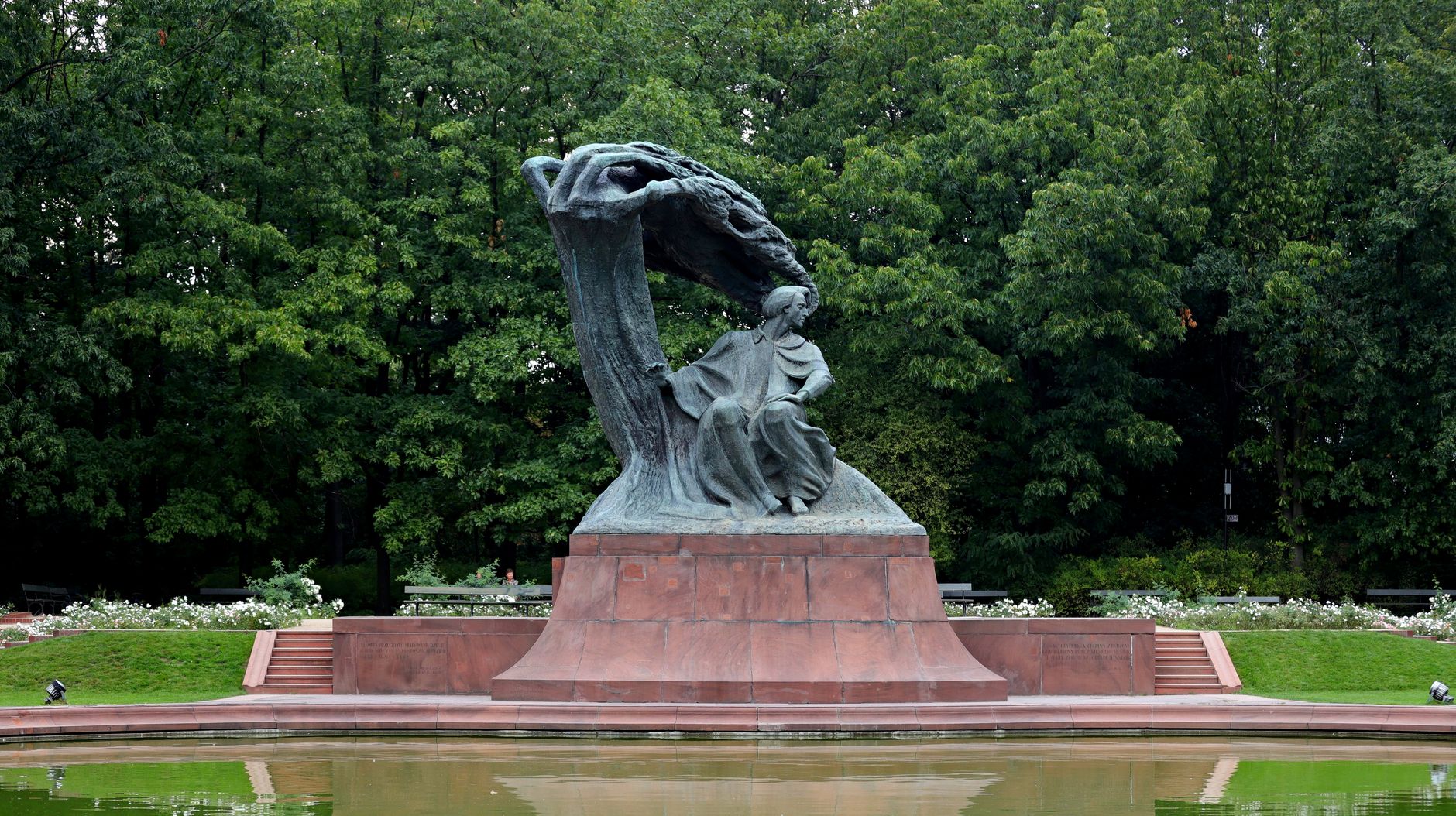
- Łazienki Park runs free Chopin recitals at the Chopin Monument on Sundays at 12:00 from May through September — expect crowds and arrive 30–45 minutes early for a good spot.
- Many major museums change hours or close Mondays — check opening days for the Royal Castle, POLIN and the Uprising Museum before finalising a Monday museum plan.
How This Guide Was Prepared
This guide treats Warsaw as a city of contrasts: rebuilt Old Town and royal sites next to postwar blocks and an industrial riverside that has become cultural. Many guides either over-romanticize reconstruction or reduce the place to Soviet relics; this one shows how to balance both sides and how to move efficiently between them without wasting time. This guide was prepared through a structured research that combines destination research, geographic context, itinerary planning logic, and content review.
Plan Your Stay in Warsaw
Use this itinerary as your starting point, then compare areas to stay, transport options, seasonal timing, and realistic daily costs before booking.
Why Visit
The Old Town offers one of the most complete reconstruction stories in Europe after war-time destruction; the Royal Castle (Zamek Królewski) and Rynek Starego Miasta provide a concentrated historic core that is walkable. Łazienki Park provides large green space with classical monuments and regular Chopin recitals at the Chopin Monument in summer months.
Museums deliver specific, local perspectives: the Warsaw Uprising Museum tells 1944 urban history through multimedia displays, while POLIN (Museum of the History of Polish Jews) provides a focused narrative with modern exhibition design. For neighbourhood character, Praga-Północ and Praga-Południe show working-class streets, neon signs and experimental venues like the Neon Museum and Koneser Vodka Factory repurposed into galleries and bars.
Practical reasons include a compact city centre where many highlights sit within a 20–30 minute tram or metro ride and a price level lower than most Western capitals for mid-range hotels and restaurants. Hala Koszyki and Hala Mirowska offer efficient places to sample local food without hunting down single restaurants.
Quick Planning Tips
From Chopin Airport take the SKM train (S2/S3) to Warszawa Śródmieście or the 175 bus to the metro; one ZTM ticket covers those options and takes around 20–30 minutes to central stations. From Modlin Airport use a scheduled ModlinBus to Warszawa Zachodnia (tickets vary around 40–60 PLN); book in advance for best price.
Buy ZTM tickets at blue vending machines in metro stations, on the SkyCash or mPay apps, or validate paper tickets on trams and buses. Carry a contactless card as many cafés and taxis accept it, but small milk bars (bar mleczny) may prefer cash.
Avoid the mistake of planning a heavy museum day on Monday since many museums alter hours or close. Download the Jakdojade app for precise tram/metro planning and check opening hours for the Royal Castle, POLIN and the Uprising Museum before final booking.
Day 1
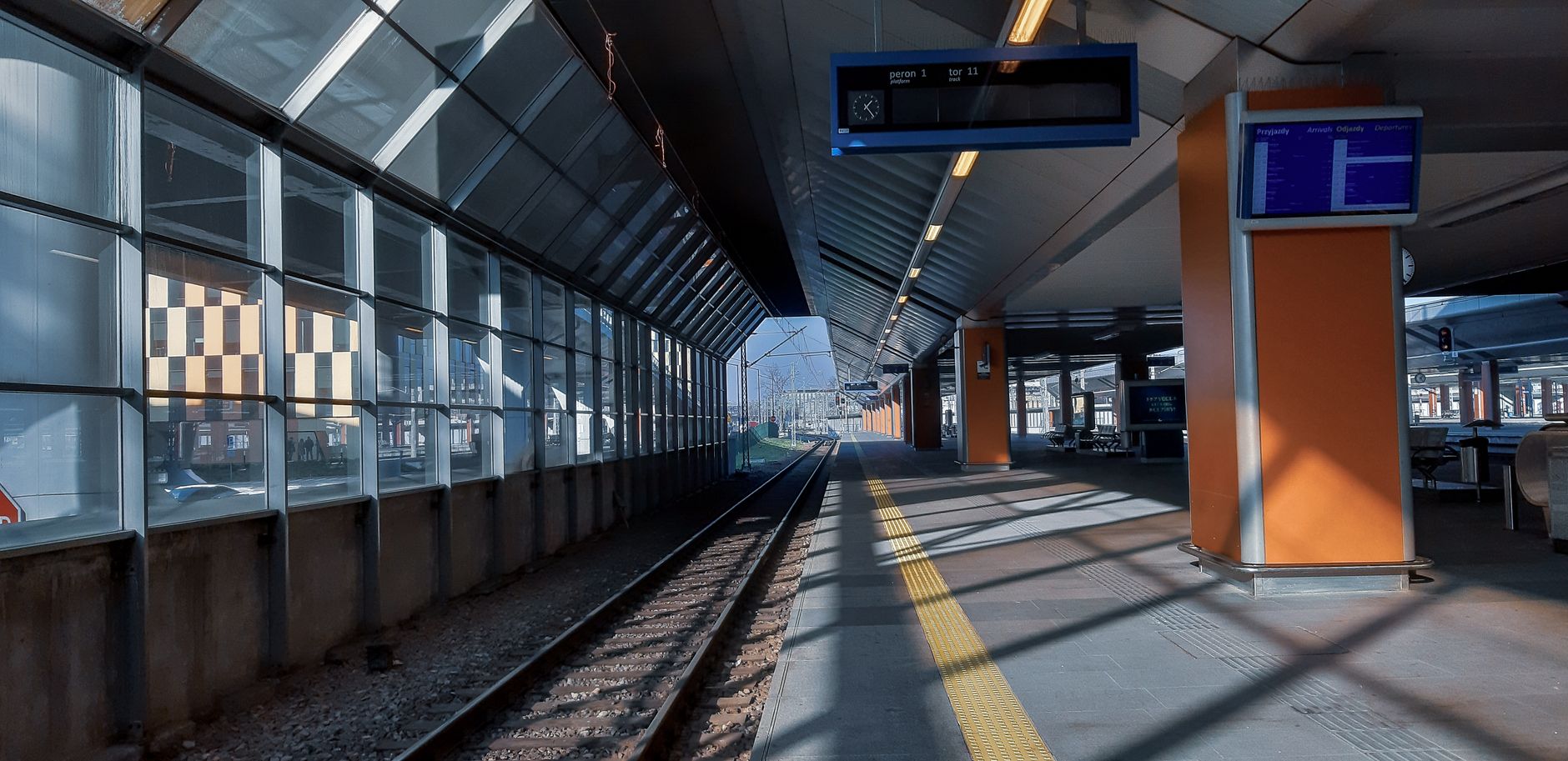
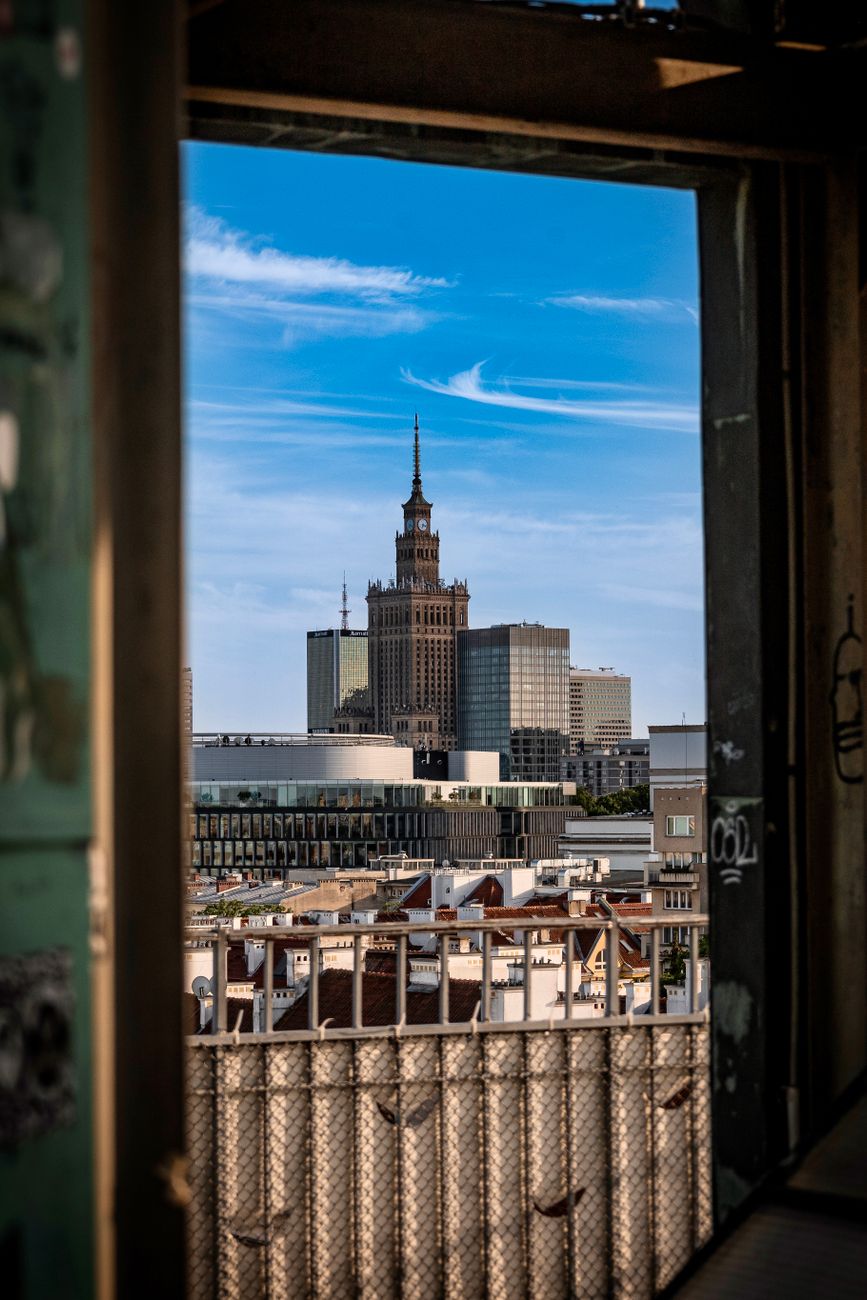
Start at Warszawa Centralna and walk across to the Palace of Culture and Science (Pałac Kultury i Nauki) for an observation terrace view; plan 30–45 minutes and expect queues at peak times. From there stroll down Aleje Jerozolimskie and turn onto Krakowskie Przedmieście to visit the University Library courtyard and St. Anne’s Church; the walking route to the Royal Castle along Krakowskie Przedmieście takes about 15–20 minutes on foot. Allow 1.5–2 hours for the Royal Castle (buy tickets in advance; standard tickets are often around 30–40 PLN depending on exhibits) and then cross into the Old Town Market Square for photos and a short café break.
For lunch try Zapiecek (Rynek Starego Miasta 13) for traditional pierogi and simple mains, expect 20–40 PLN per person. After lunch walk 20–30 minutes or take tram 10/35 to Łazienki Park to see the Palace on the Isle and the Chopin Monument; plan at least 90 minutes. Late afternoon can be spent at the Vistula Boulevards (Bulwary Wiślane) for a riverfront walk and beer stands. Dinner options include Hala Koszyki for market-style choices or a sit-down restaurant on Nowy Świat; end the night with a short walk along Nowy Świat to see evening lights and tram traffic.
Day 2
Devote a day to Praga and nearby eastern bank neighbourhoods to contrast the reconstructed centre. Start at Dworzec Wileński or the Rondo ONZ tram stop and cross Most Gdański into Ząbkowska Street; this area is known for repurposed factories, street art and cafés. Visit the Neon Museum (approx 10–20 PLN entry depending on exhibition) and then walk to the Koneser Praga Centre to see the former vodka distillery complex and any temporary exhibitions.
For lunch try a local bar on Ząbkowska where prices are reasonable (20–35 PLN). After lunch head to the Warsaw Vodka Museum at Koneser or take tram 7 or 26 across to Hala Mirowska for a local market experience; Hala Mirowska is best early but the surrounding area stays lively into late afternoon. Finish the afternoon at the Warsaw Uprising Museum if not done on Day 1 — it’s accessible by tram 9 or bus 128 and requires 2–3 hours to move through the main exhibits. Evening options include small live-music venues in Praga or returning to Powiśle for riverside bars; Bolt and Uber operate well here but trams are usually faster during rush hour.

Day 3
Reserve the final day for either Wilanów Palace and southern sights or for relaxed museum visits and shopping depending on flight times. To do Wilanów, take bus 116 or 222 from the centre; transit time from central Śródmieście is about 30–45 minutes. Wilanów Palace requires at least 2 hours to see the state rooms and gardens; combine it with a walk in Sadyba neighbourhood if time allows.
If staying nearer the centre, visit the Fryderyk Chopin Museum or the Ujazdowski Castle Centre for Contemporary Art (Centrum Sztuki Współczesnej Zamku Ujazdowskiego) and then head to the Warsaw University Library roof garden (BUW) for a short panoramic view and cafés in Powiśle. For travellers with an afternoon flight from Chopin Airport, allow at least 60–75 minutes travel time from central hotels by taxi and 30–45 minutes for the SKM train plus security and check-in; taxis from central areas typically cost 40–70 PLN to the airport depending on time and traffic. If luggage storage is needed, use the left-luggage service at Warszawa Centralna or check hotel day storage options before checkout.

Best Local Experiences
Attend a free Chopin recital at the Chopin Monument in Łazienki Park on a summer Sunday for a local ritual that fills the lawns. Browse Hala Mirowska early on a market morning for smoked fish, mushrooms and Polish deli items and then compare with Hala Koszyki’s modern food stalls for an indoor alternative.
Explore Praga’s Ząbkowska Street and the Neon Museum for industrial-era signs and repurposed factory architecture. Visit the Warsaw Uprising Museum for an immersive urban history experience and plan for a 2–3 hour visit. Experience a vodka tasting at Koneser or one of the specialist bars on Piwna Street and join a guided neighbourhood walk that focuses on postwar reconstruction or Jewish Warsaw history depending on interest.

Where to Stay
Śródmieście (City Centre) suits first-time visitors who want metro and tram access to almost everything. Nearby streets: Nowy Świat, Krakowskie Przedmieście and Marszałkowska offer hotels from around 220–500 PLN/night (≈50–110 EUR, 55–125 USD). This area is the most convenient but busier and louder in the evenings.
Powiśle and Mokotów suit those who want quieter evenings and river walks; Powiśle is near the University Library and Vistula Boulevards while Mokotów is closer to Łazienki and Wilanów transit. Expect 180–350 PLN/night (≈40–78 EUR, 45–90 USD). Praga-Północ fits budget travellers and people seeking nightlife and art spaces; basic boutique hotels and apartments run 120–250 PLN/night (≈27–56 EUR, 30–65 USD), and it’s a short tram or bridge walk to the Old Town.
For all areas, look for links to the Metro M1 or M2 or tram lines as that will save transit time during a short stay.
Food and Drink
Pierogi: stuffed dumplings available everywhere; try Zapiecek in Old Town for reliable versions and expect 16–35 PLN for a plate. Bigos: hunter’s stew of cabbage and meats served in traditional restaurants such as Stary Dom or older milk bars; expect 25–45 PLN. Zapiekanka: an open-faced baguette with mushrooms and cheese, classic street food found on Plac Zbawiciela or in Praga for 8–18 PLN.
Placki ziemniaczane: potato pancakes often with sour cream or goulash found in milk bars and casual restaurants for 12–30 PLN. Vodka: Polish vodka tastings at Koneser or specialty bars cost around 30–70 PLN per tasting flight; ask for local brands like Żubrówka and Wyborowa. Breakfast option: bakeries such as Charlotte or local milk bars serve pastries or scrambled egg sets for 12–30 PLN. For dinner, Hala Koszyki offers multiple cuisines in one place and sit-down restaurants on Nowy Świat or in Śródmieście run 60–150 PLN per person for a full meal.
Getting Around
Metro: two lines M1 (north–south) and M2 (east–west) that intersect at Świętokrzyska; use them for fastest cross-city travel. Trams: numbered network including lines 4, 10, 17, 35 and many others that stitch neighbourhoods together; useful for short central hops. Buses: airport bus 175 links Chopin Airport to the metro and ModlinBus links Modlin Airport to Warszawa Zachodnia.
Ticketing: 20-minute (single) tickets cost about 4.40 PLN, 75-minute tickets about 6.60 PLN, 24-hour ZTM ticket about 15 PLN and 72-hour passes around 36 PLN; buy at vending machines, SkyCash or mPay. Rideshare apps Bolt and Free Now operate alongside taxis; taxi from Chopin Airport to central Śródmieście generally runs 40–70 PLN depending on traffic. Use Jakdojade for route planning and SkyCash or mPay for mobile ticket purchases.
Best Time to Visit
Late spring and early autumn (May–June, September) give the best combination of milder weather (daytime 15–25°C) and fewer crowds than July–August. July and August are warmest with daytime highs often 24–30°C but expect more tourists and riverfront crowds.
November through March are low season with cold temperatures (−5 to 5°C) and shorter daylight; prices drop but many outdoor activities are limited. December brings Christmas markets and holiday lights but cold weather; book early for the Christmas period. For best value without severe cold, target late March–April or September–early October when hotel rates are lower than peak summer.
Budget and Practical Tips
Daily budget estimate for a typical mid-range traveller: accommodation 200–350 PLN (≈45–78 EUR, 50–85 USD); food 70–140 PLN (≈15–31 EUR, 17–34 USD); transport 15–30 PLN (≈3–7 EUR, 4–8 USD); entry fees 20–80 PLN depending on museums. Total mid-range daily: roughly 305–600 PLN (≈68–134 EUR, 73–143 USD).
Tipping: a 10% tip in sit-down restaurants is common when service is not included; rounding up small amounts at cafés and taxis is normal. ATMs are widely available and cards work in most places but carry small notes for milk bars and market stalls. Bring a phone charger and a public-transport app (Jakdojade) and allow time for security checks at major museums on busy days.
FAQ
Is Warsaw safe for solo travellers?
Yes; central areas and main tourist routes are generally safe, but standard precautions apply at night and pickpocketing can occur on crowded trams.
How do I get from Chopin Airport to the city centre?
Use the SKM S2/S3 train to Warszawa Śródmieście or bus 175 to the metro; both accept ZTM tickets and take about 20–30 minutes depending on exact destination.
Is a city pass worth it?
Warsaw passes like the Warsaw Pass can be useful only if planning multiple paid museum entries and tours in one day; for three days most travellers do better buying single tickets and 24/72-hour transit passes separately.
Are credit cards widely accepted?
Yes for restaurants and shops; carry cash for markets, small cafes and some milk bars.
Can many museums be visited on Mondays?
No; several major museums either close or have shortened hours on Mondays — verify hours for POLIN, Royal Castle and other institutions before scheduling.
What app helps with transit planning?
Jakdojade is the standard route planner for trams, buses and metro and shows ticketing options; SkyCash and mPay sell mobile ZTM tickets.
Is it possible to do a day trip to Toruń from here?
Yes but it requires a full day by train (about 2.5–3 hours each way), so it will use most of a day if included in a three-day visit.
How much luggage time should be allowed before a flight?
Allow 60–75 minutes to reach Chopin Airport from central areas by taxi or 30–45 minutes plus check-in time by SKM train.
Conclusion
Three days reveals Warsaw’s contrasting sides: careful postwar reconstruction in the Old Town and royal sites, park time at Łazienki, and the industrious, creative energy of Praga. Most travellers will leave remembering the scale of the city’s rebounds and the way neighbourhood cafés and markets feel immediate and useful rather than staged. If time runs short, prioritise a walk from Krakowskie Przedmieście through the Royal Castle to the Old Town and then an hour in Łazienki Park — that route gives the quickest sense of what makes this place distinct.
How this guide was prepared
This guide was prepared through a structured research that combines destination research, geographic context, itinerary planning logic, and content review.