

Surabaya in 3 Days: Practical Itinerary and Local Tips
A no-nonsense 3-day plan for Surabaya with transit tips, budgets, and daily routes covering Tugu Pahlawan, Ampel, House of Sampoerna, and local eats.
A realistic, day-by-day plan for three days in Surabaya focused on transit, food, neighbourhoods and what to skip when time is tight.
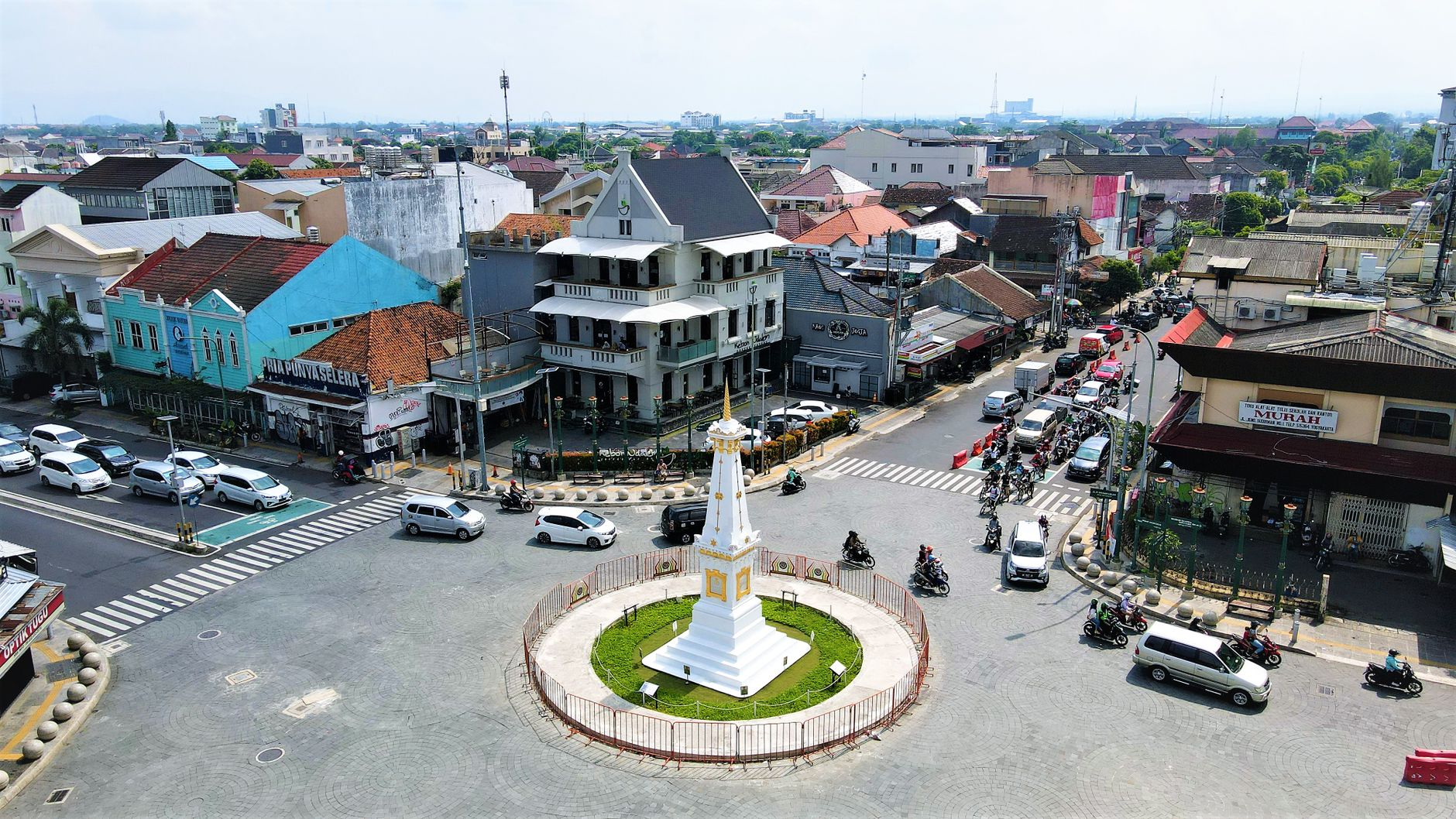
Surabaya is an industrial port city whose public life happens loudly along main streets, in markets and around mosques. The first impression is a mix of wide avenues, colonial-era buildings near Tunjungan and tightly packed commercial lanes in Ampel and Chinatown. Noise, traffic and heat are constant variables; planning movement between points is the practical constraint, not a shortage of sites. This destination suits people who want working-city authenticity—street-level markets, strong local food and civic monuments—rather than a compact historical core.
Is 3 days in Surabaya enough?
Yes—three days give enough time to cover central historic sites, a neighbourhood dive into Ampel and Chinatown, and a seaside or beach-park excursion. Expect to skip deeper day trips to Malang or extended visits to Banyuwangi without adding more time.
Who This Guide Is For
Best for travellers who want food, colonial-era architecture and working-city energy rather than scenic nature or long hiking. Not ideal for people who want compact walkable old towns or relaxed beach resorts.
Local Tips for Surabaya
Practical details that most travel sites skip — specific to Surabaya.
- House of Sampoerna on Jl. Taman Sampoerna has free entry and a short factory museum tour; arrive before 16:00 when tours stop.
- Juanda International Airport has an official Blue Bird taxi desk; a metered ride to Tunjungan Plaza or Gubeng station is typically IDR 120,000–220,000 depending on traffic.
- Ampel neighbourhood around Jl. Ampel and Jl. Raya Demak gets busiest after sunset on Fridays for mosque visits and Arab-quarter shopping; many small shops close early afternoon.
- Buy single-trip commuter tickets at Surabaya Gubeng or Pasar Turi stations and use the KAI Access app for train times to Mojokerto and Malang; lines run hourly but fill at peak times.
- Bungkul Park (Taman Bungkul) has free Wi‑Fi and is the local evening hangout; street food stalls open along Jl. Raya Darmo and around the park after 18:30.
How This Guide Was Prepared
This guide treats Surabaya as a working port city rather than a polished tourist product; time in the city is best spent on its streets, markets and industrial-edge monuments. Many guides skip how noisy, spread out and car-dependent life is here, and they underplay practical transit limits and midday heat. This guide was prepared through a structured research that combines destination research, geographic context, itinerary planning logic, and content review.
Plan Your Stay in Surabaya
Use this itinerary as your starting point, then compare areas to stay, transport options, seasonal timing, and realistic daily costs before booking.
Why Visit
Three clear reasons to visit are food culture, civic history and neighbourhood contrasts. Food: dishes like lontong balap and rujak cingur are prepared in neighbourhood stalls that reflect local East Javan flavours. Civic history: Tugu Pahlawan and Museum 10 November document Indonesia’s independence struggles with displays and monuments found nowhere else on Java. Neighbourhood contrasts: the Arab quarter around Ampel, Chinatown around Kya-Kya and the modern mall district around Tunjungan Plaza sit within a few kilometres of each other, making short hops feel revealing rather than repetitive. Practical advantages include plentiful ride-hail options and large malls for emergency shopping, plus a compact set of museums reachable from Gubeng or Pasar Turi stations.
Quick Planning Tips
Arrive via Juanda International Airport (SUB) and plan 30–60 minutes to central hotels; use the official Blue Bird desk at arrivals or pre-book an airport taxi to avoid inflated fares. Have a mix of cash in small IDR notes for street food and a GoPay/OVO-enabled phone for ride-hail apps like Gojek or Grab; many market stalls do not accept cards. Avoid booking back-to-back morning activities that assume short transfer times; traffic on Jalan Raya Darmo and Jalan Tunjungan can turn a 10-minute trip into 40 minutes. Carry sun protection and a light umbrella—short, heavy showers can appear in the afternoon, especially in November–March.

Day 1
Start at Tugu Pahlawan (Heroes Monument) and the adjacent Museum 10 November; allow 60–90 minutes to view the tower, the museum exhibits and surrounding memorial grounds. Walk 10 minutes down Jalan Pahlawan to the House of Sampoerna on Jl. Taman Sampoerna for the tobacco museum and free guided tour; expect the museum visit to take 45–60 minutes and finish by mid-afternoon. From there take a 15–20 minute Grab or taxi to Tunjungan Plaza for air-conditioned lunch and a feel for modern Surabaya; malls open around 10:00 and are useful for late-afternoon breaks. After lunch, walk 10–15 minutes to the old Tunjungan street area to see colonial façades and the Siola Building exterior. For dinner, eat at a local lontong balap stall in Jalan Kranggan or at Lontong Balap Pak Gendut near Tunjungan. Evening recommendation: head to Bungkul Park (Taman Bungkul) for lively food stalls and a local crowd—arrive after 19:00 when vendors set up and the park fills with families.

Day 2
Spend the morning in Ampel and the adjacent Arab quarter around Jl. Ampel and Jl. Raya Demak. Start at Ampel Mosque for the courtyard and walk the market lanes that sell kopiah, fabrics and Middle Eastern foods; the area is busiest late afternoon and early evening on Fridays. Allow 90–120 minutes for mosque, market browsing and a light lunch—try a local nasi campur or Martabak Manis at a street stall. After Ampel, take a 15–25 minute taxi or Grab to Kya-Kya Chinatown near Jalan Kembang Jepun and Genteng Besar for Chinese-Indonesian shops and tea stalls. Late afternoon, catch the Monumen Kapal Selam (Submarine Monument KRI Pasopati) at Jalan Pemuda—arrive 30–45 minutes before closing to climb aboard and see the interior; entry is typically a small fee (check the ticket booth). Dinner option: head to Jalan Kertajaya or G-Walk for seafood and grill stalls with locals. Evening recommendation: if energy remains, drive to the Suramadu Bridge viewpoint near Kenjeran for a sunset city/sea view; permit and parking rules vary, so plan 20–30 minutes for access and photo time.

Day 3
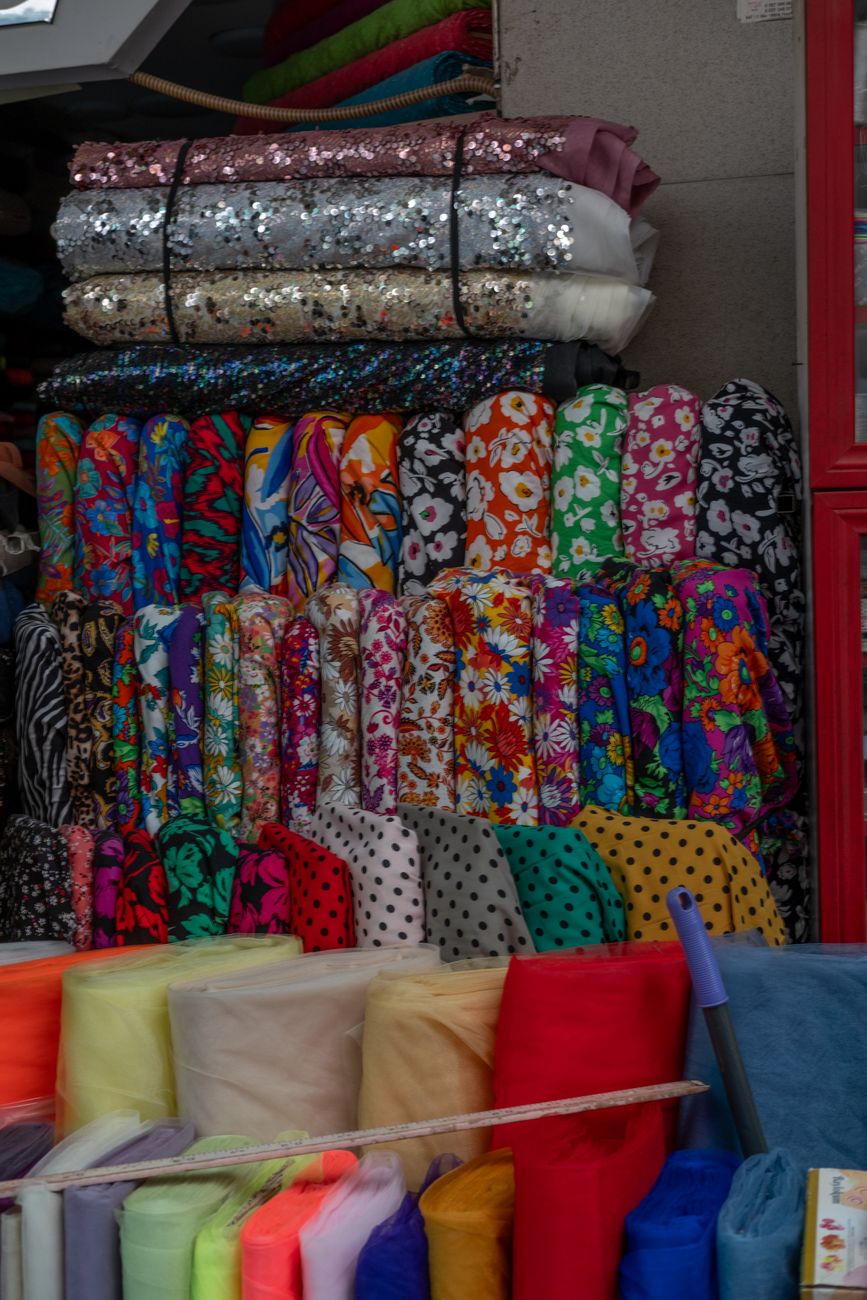
Dedicate this day to markets, local food and a relaxed seaside pocket. Start at Pasar Atom or Pasar Turi in the morning for textiles, snacks and local produce; aim for 60–90 minutes and keep an eye on belongings in crowded alleys. From the market, take a 20–30 minute taxi to Kenjeran Beach and Kenjeran Park for the coastline, local seafood kiosks and the small seaside amusement area; allow 90 minutes for walking the promenade and trying grilled fish or sate. Return toward central Surabaya and stop at the Heroes’ Museum annexes or the CHSE-themed local museums if time permits—plan transfers of 20–40 minutes depending on traffic. For late lunch, visit a tahu tek or rujak cingur stall in the Genteng or Bubutan area. Practical note for departures: if catching an afternoon flight from Juanda, leave city hotels at least 90 minutes earlier than typical domestic suggestions to allow for traffic and airport queues. Evening recommendation if schedule allows: a final coffee at a café on Jalan Raya Darmo to collect any last-minute purchases from malls.

Best Local Experiences
Markets and street food: try Pasar Atom for textiles and Pasar Pabean-style stalls for snacks and kue. Ampel night shopping: the lanes around Jl. Ampel and Jl. Masjid Ampel for kopiah and Middle Eastern sweets after sunset. Lontong balap tasting: seek out veteran stalls such as Lontong Balap Pak Gendut or local favourites around Jalan Kranggan early in the day. Tugu Pahlawan and Museum 10 November: civic-education displays and ceremonial grounds related to 1945–49 struggles. Submarine Museum (KRI Pasopati): climbing through a decommissioned Soviet-era submarine gives a different military-history view than the usual land museums. Night food corridors: Jalan Kertajaya and G-Walk Citraland for seafood grills and mixed crowds. Small-venue live music: cafés near Jalan Raya Darmo and Jalan Manyar that host local bands, often with free or low-cost entry. A market-to-mall contrast: move from Pasar Atom’s alleys to Tunjungan Plaza in the same afternoon to see how commerce operates at both ends.
Where to Stay
Central/Tunjungan: suits first-time visitors who want easy access to Tugu Pahlawan, Tunjungan Plaza and the colonial district. Expect nightly rates around IDR 350,000–900,000 (≈€20–55 / $22–60) for mid-range hotels, up to IDR 1,500,000+ for higher-end options. Darmo/Embong Malang: quieter residential streets near Bungkul Park and Jalan Raya Darmo; good for food-focused travellers and evening park access. Mid-range nightly cost around IDR 300,000–700,000 (≈€18–43 / $20–47). Ampel/Genteng: ideal for those who prioritise markets and mosque neighbourhood life; basic guesthouses and boutique stays often charge IDR 200,000–500,000 per night (≈€12–31 / $13–34). Choose according to transit needs: Tunjungan and Gubeng areas give best train access, Bungkul is walkable for evening food, Ampel places are best for cultural immersion but can be noisier at prayer times.
Food and Drink
Lontong Balap: rice cake with bean sprouts, fried tofu and a light gravy topped with prawn crackers; find strong versions at Lontong Balap Pak Gendut or vendor clusters near Jalan Kranggan; price IDR 12,000–25,000. Rujak Cingur: salad with boiled vegetables, fruits and diced cow snout in fermented shrimp paste; try in Ampel or near Pasar Genteng for IDR 20,000–40,000. Tahu Tek: fried tofu and blanched vegetables with peanut sauce and crackers; popular stalls around Jalan Genteng Besar with prices IDR 8,000–20,000. Rawon: black beef soup made with keluak nut, tender meat and rice; recommended places include traditional eateries near Jalan Raya Darmo; price IDR 25,000–45,000. Es Dawet or Wedang Ronde: sweet coconut-based drinks and warm ginger balls for a light dessert; find these at street vendors and markets for IDR 8,000–20,000. Breakfast option: nasi campur or lontong served from morning stalls near Pasar Atom for IDR 10,000–25,000. Dinner recommendation: seafood grills at G-Walk or Jl. Kertajaya for fresh fish and shellfish, expect IDR 50,000–150,000 depending on selection.
Getting Around
Main transit options are ride-hail apps (Gojek, Grab), Trans Surabaya BRT buses and KAI commuter trains between Surabaya Gubeng, Surabaya Kota and Pasar Turi. Single Trans Surabaya bus fares are low—typically under IDR 5,000 for city corridors—but check corridor maps at major terminals. KAI commuter tickets vary by distance; short runs to Waru or Sidoarjo are inexpensive and can be bought via the KAI Access app or station kiosks. Taxis: Blue Bird is the most reliable metered company; a trip from Juanda Airport to central hotels typically costs IDR 120,000–220,000 depending on traffic. Use Gojek or Grab for short hops; pay via cash, GoPay or card in-app. Recommended apps: Gojek, Grab and KAI Access. Keep small IDR notes for local buses and market stalls.
Best Time to Visit
Dry season (April–October) offers less rain and slightly lower humidity; daytime highs usually 30–34°C and evenings 24–27°C, making walking in morning and late afternoon more comfortable. Rainy season (November–March) brings short heavy showers and higher humidity; daytime temperatures remain around 28–32°C but expect travel delays and muddy seaside areas. Peak holiday crowds occur during Eid/Idul Fitri and national holidays when hotels rise in price and trains sell out; book early if travel overlaps these dates. For best value and balance of weather, consider April–June or September when hotel rates are lower than July–August school-holiday peaks.
Budget and Practical Tips
Realistic daily budget for a mid-range traveller: accommodation IDR 350,000–800,000 (≈€20–48 / $22–55), food IDR 100,000–250,000 (≈€6–15 / $7–17), transport IDR 50,000–150,000 (≈€3–9 / $4–10), entry fees and extras IDR 50,000–150,000 (≈€3–9 / $4–10). Total daily mid-range: IDR 550,000–1,350,000 (≈€32–80 / $36–95). Budget travellers using dorms and street food can manage IDR 250,000–450,000 per day. Many museums have low fees or free entry (House of Sampoerna); expect small ticket prices of IDR 5,000–30,000 for municipal museums. Tipping is not obligatory; service charges sometimes appear in tourist restaurants. Rounding up for table service or leaving loose change for drivers is common but not required. Carry small denomination IDR notes (1,000; 2,000; 5,000) for street purchases and bus rides.
FAQ
Is Surabaya safe for solo travellers?
Yes, basic precautions apply; avoid poorly lit alleys at night, watch belongings in crowded markets and use reputable taxis or ride-hail apps after dark.
How do I get from Juanda Airport to the city cheaply?
Take an official Blue Bird taxi from the arrivals desk for a metered fare or use Grab/Gojek for a price-checked ride; DAMRI bus services are limited so check schedules.
Is a city pass worth buying?
No comprehensive Surabaya city card covers all attractions; individual museum tickets and ride-hail apps are more practical for a three-day stay.
Can everything be reached on foot?
No; the city is spread out and hot. Walking works well inside Bungkul Park, parts of Tunjungan and streets around Ampel, but rides will be needed between districts.
What transport app should be downloaded?
Install Gojek and Grab for motorbike or car rides, and KAI Access for train times and tickets to nearby cities.
Are English speakers common in museums and hotels?
English is usually available at major museums, hotels and malls, but less common in markets and small food stalls; have addresses or maps ready.
Can day trips to Malang be done from here?
Yes, possible but tight; trains and private drivers can reach Malang in 2–3 hours each way, so an overnight stay in Malang is recommended for comfort.
Conclusion
Three days reveal the theatrical contrasts that define local life: colonial boulevards, crowded markets, mosque courtyards and a working port edge. The things most likely to be remembered are the food—lontong balap, rujak cingur and tahu tek—and the scale of civic monuments like Tugu Pahlawan and the Submarine Museum. If time runs short, prioritise a morning at Tugu Pahlawan plus an evening in Ampel for food and market wandering; these capture the city’s civic and social sides in a compact window.
How this guide was prepared
This guide was prepared through a structured research that combines destination research, geographic context, itinerary planning logic, and content review.