
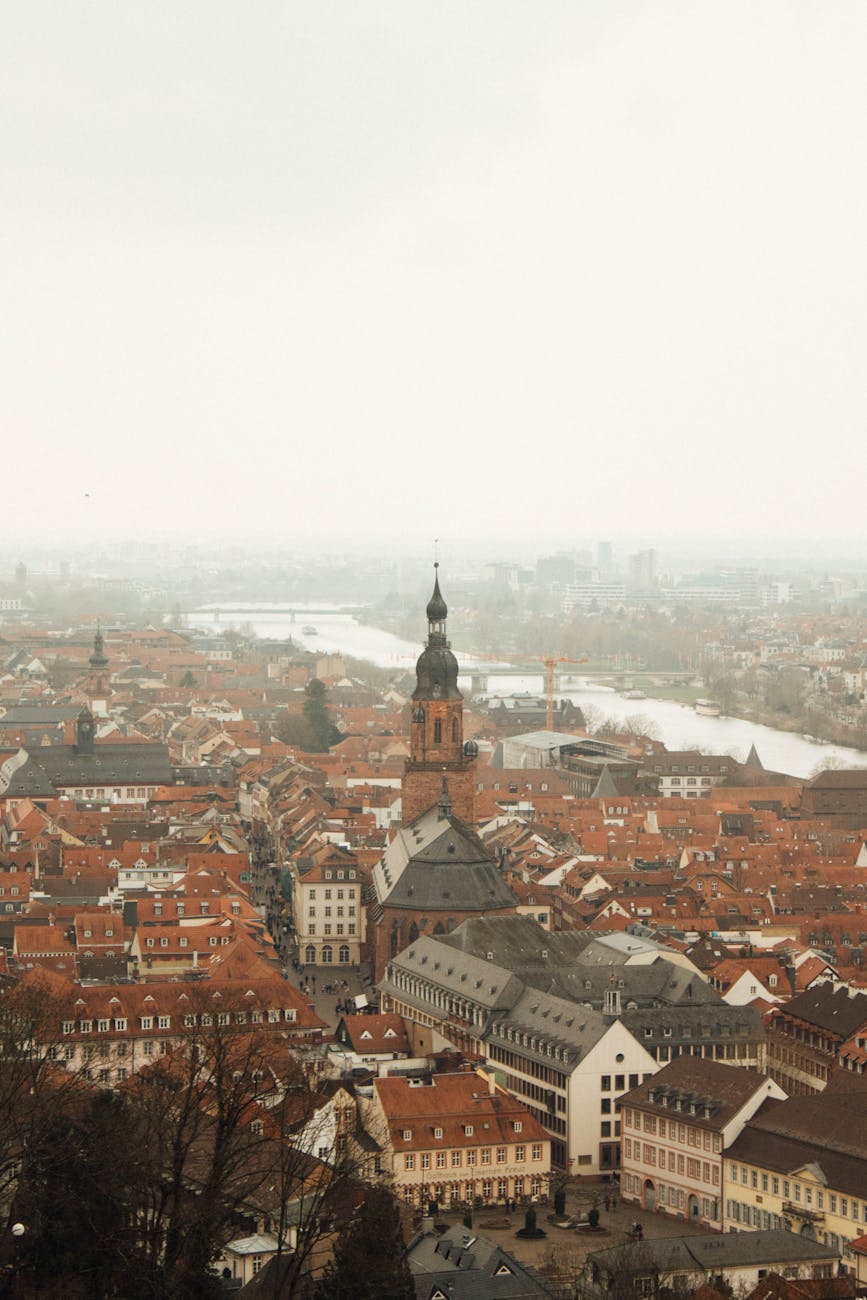
3 Days in Dusseldorf: 3 Days in Düsseldorf: A Curated Weekend Itinerary
Plan 3 days in Dusseldorf with this practical itinerary covering major sights, neighborhoods, food, and transport.
A focused 3-day guide to art, riverside walks, Altstadt pubs and Japanese cuisine in Düsseldorf, with transit tips and day-trip options.
Düsseldorf is an elegant, riverside city known for smart shopping boulevards, contemporary architecture and a compact old quarter full of bars. It suits travelers who like a mix of modern art, relaxed riverside strolls and lively food-and-drink scenes. Three days works particularly well because the main neighborhoods—Stadtmitte/Königsallee, Altstadt and MedienHafen—are close together; you can cover top museums, a market visit, a brewery crawl and still fit in a half-day excursion to Benrath Palace or a nearby Ruhr city without rushing.
Quick Answer
A focused 3-day guide to art, riverside walks, Altstadt pubs and Japanese cuisine in Düsseldorf, with transit tips and day-trip options.
Who This Guide Is For
This guide is best for first-time visitors, couples, solo travelers, and anyone planning 3-day city break, Weekend break, Cultural trip in Dusseldorf with a balance of highlights, local character, and reasonable spending.
How This Guide Was Prepared
This guide was prepared through a structured editorial workflow that combines destination research, geographic context, itinerary planning logic, and practical travel review.
Plan Your Stay in Dusseldorf
Use this itinerary as your starting point, then compare areas to stay, transport options, seasonal timing, and realistic daily costs before booking.
Why Visit
There’s a pleasing contrast between polished shopping on the Kö and gritty-modern Hafen architecture. The city is an art hub—K20’s modern collection and smaller contemporary galleries are strong draws. Food and drink are a highlight: traditional Altbier breweries sit beside excellent Japanese restaurants in the Immermannstraße neighborhood.
It’s compact enough to explore on foot and has reliable transit for short day trips to nearby cities like Krefeld or Duisburg, which makes it an ideal weekend destination that still rewards three full days of discovery.
Quick Planning Tips
Buy a Düsseldorf Card for public transport discounts and museum reductions if you plan multiple sites.
Carry some cash for small breweries; many places accept cards but small venues sometimes prefer cash. Check Carlsplatz market hours—best on Saturday morning.
Shops close earlier on Sundays; plan museum visits or riverside walks then. Download the Rheinbahn app for tickets and route planning across trams, U-Bahn and regional S-Bahn.
Day 1
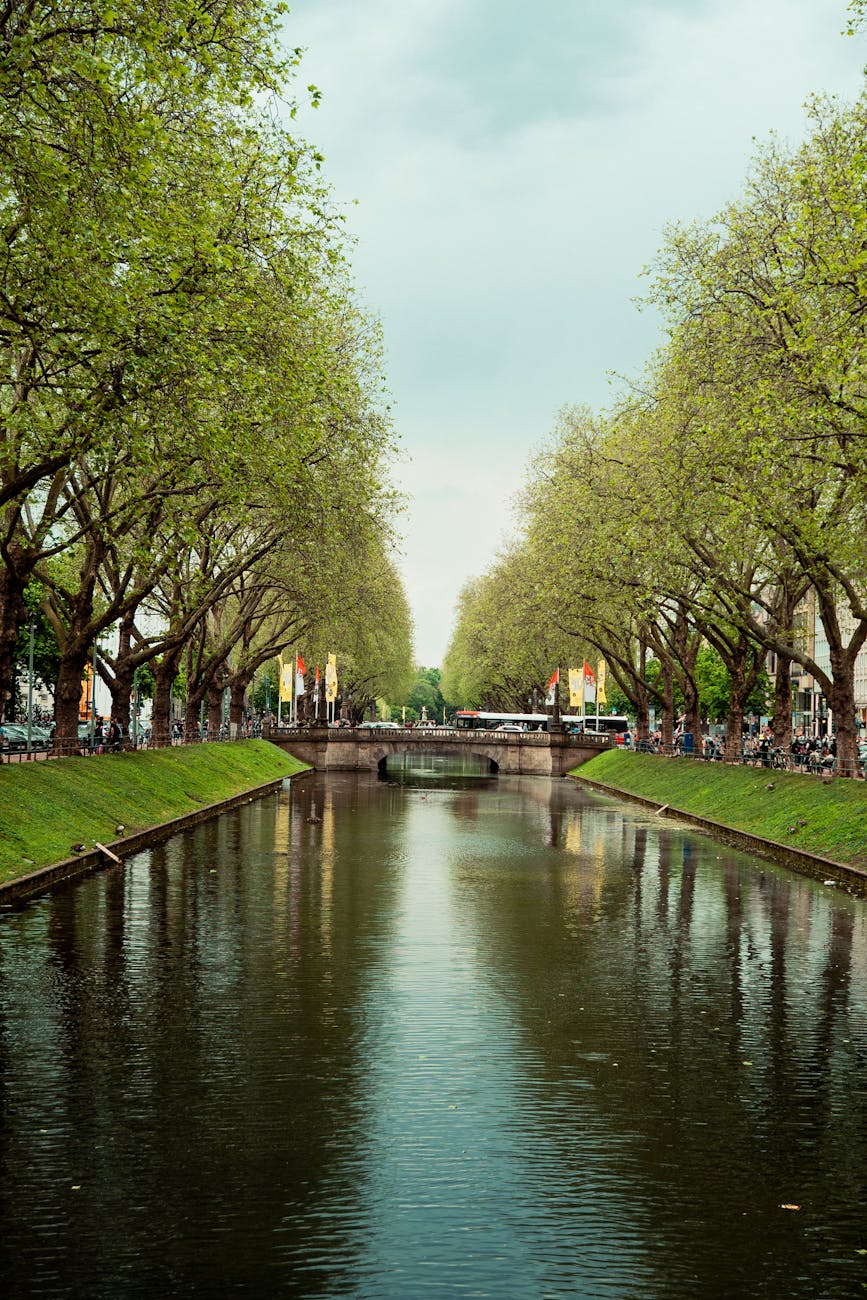
Morning: Start at Königsallee for window shopping alongside the tree-lined canal. Walk to nearby Stadtmitte and grab coffee in a bakery.
Midday: Head to Carlsplatz Market (best on Saturday) for local produce and lunch from food stalls. Try a quick bratwurst or fresh tarte flambée.
Afternoon: Visit K20 for modern masterpieces or Museum Kunstpalast for broader collections. Both are centrally located and walkable.
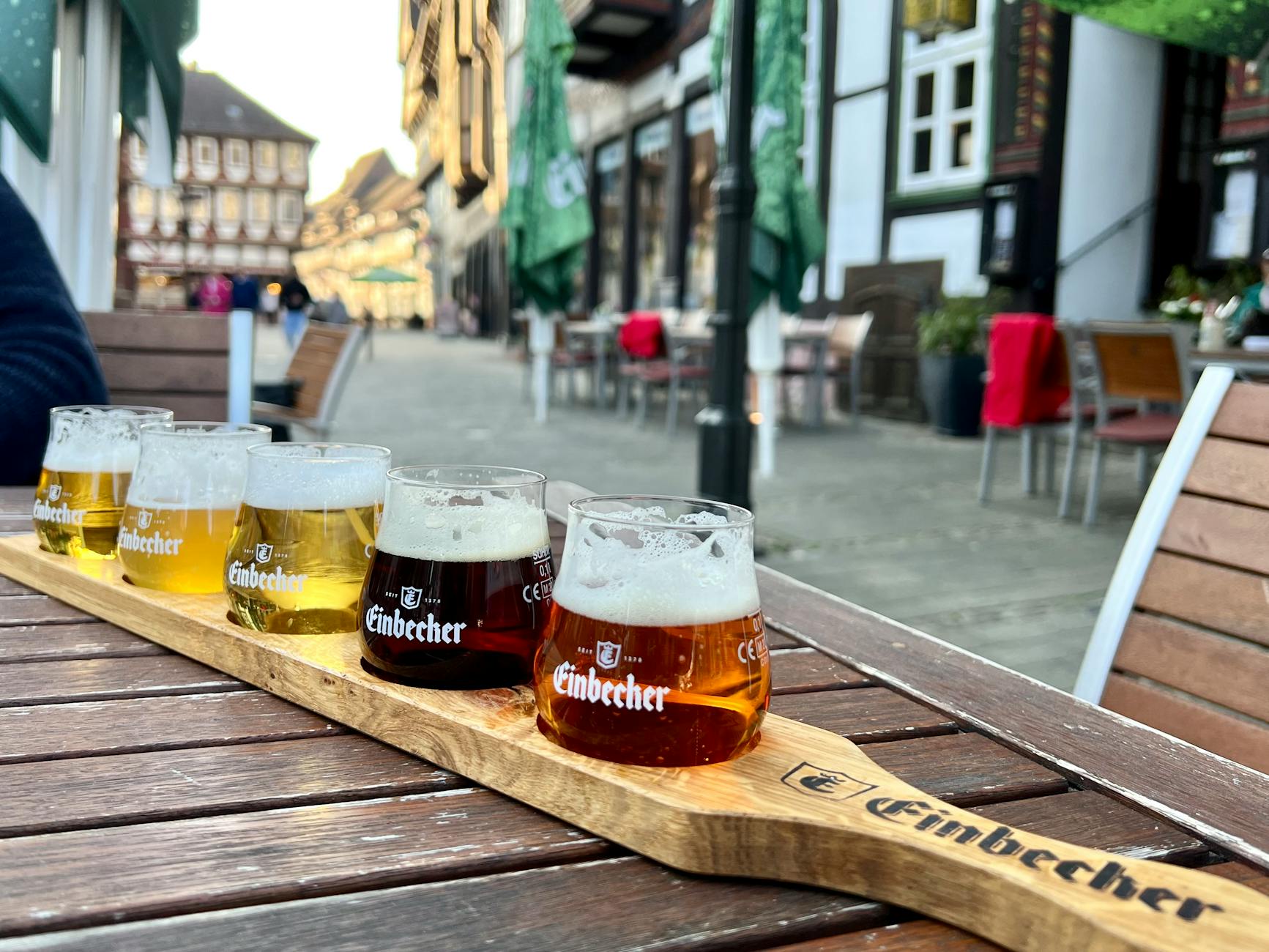
Evening: Explore the Altstadt’s bar-lined streets and sample altbier at classic breweries like Uerige, Füchschen or Schumacher.
Day 2
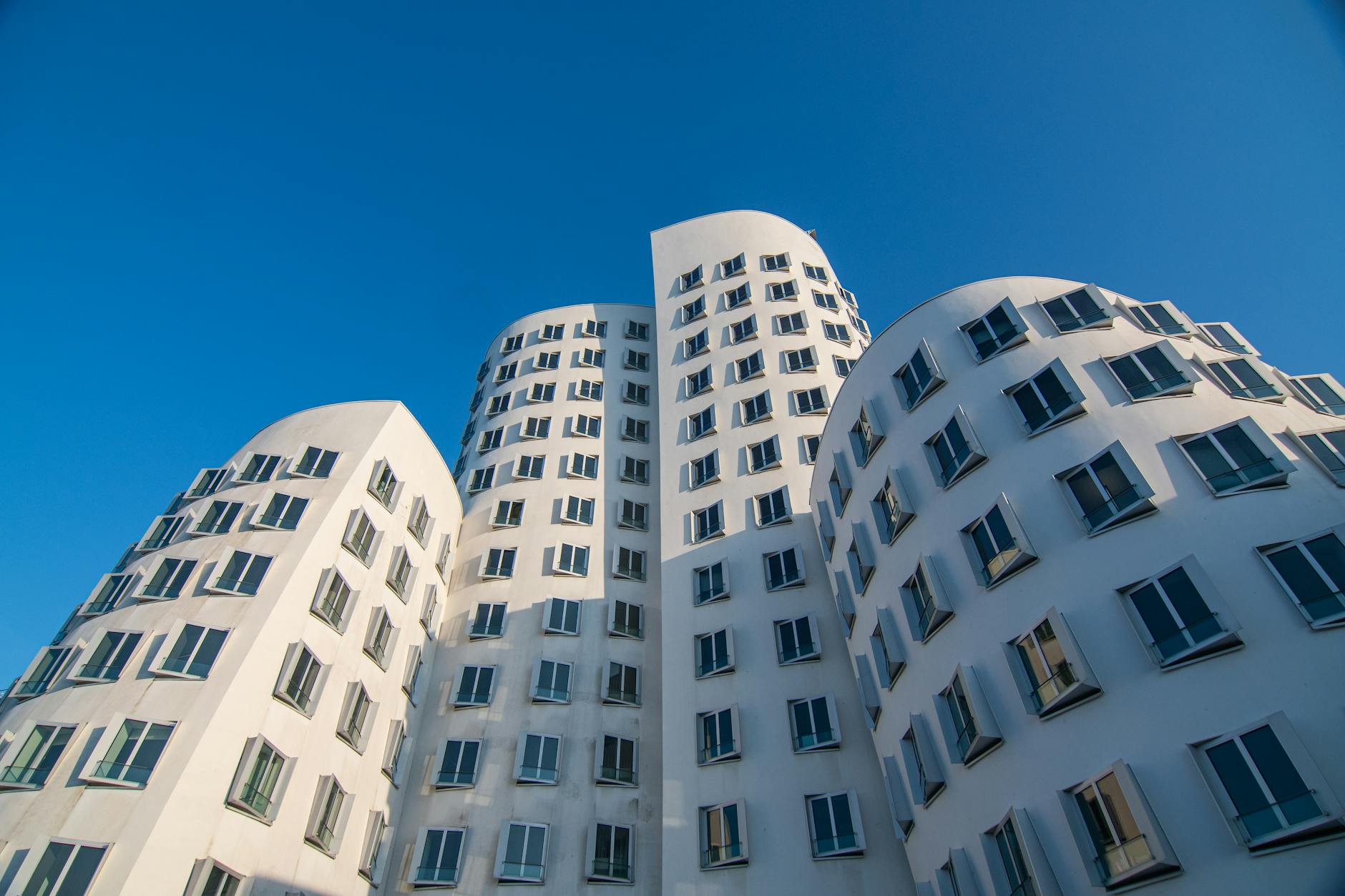
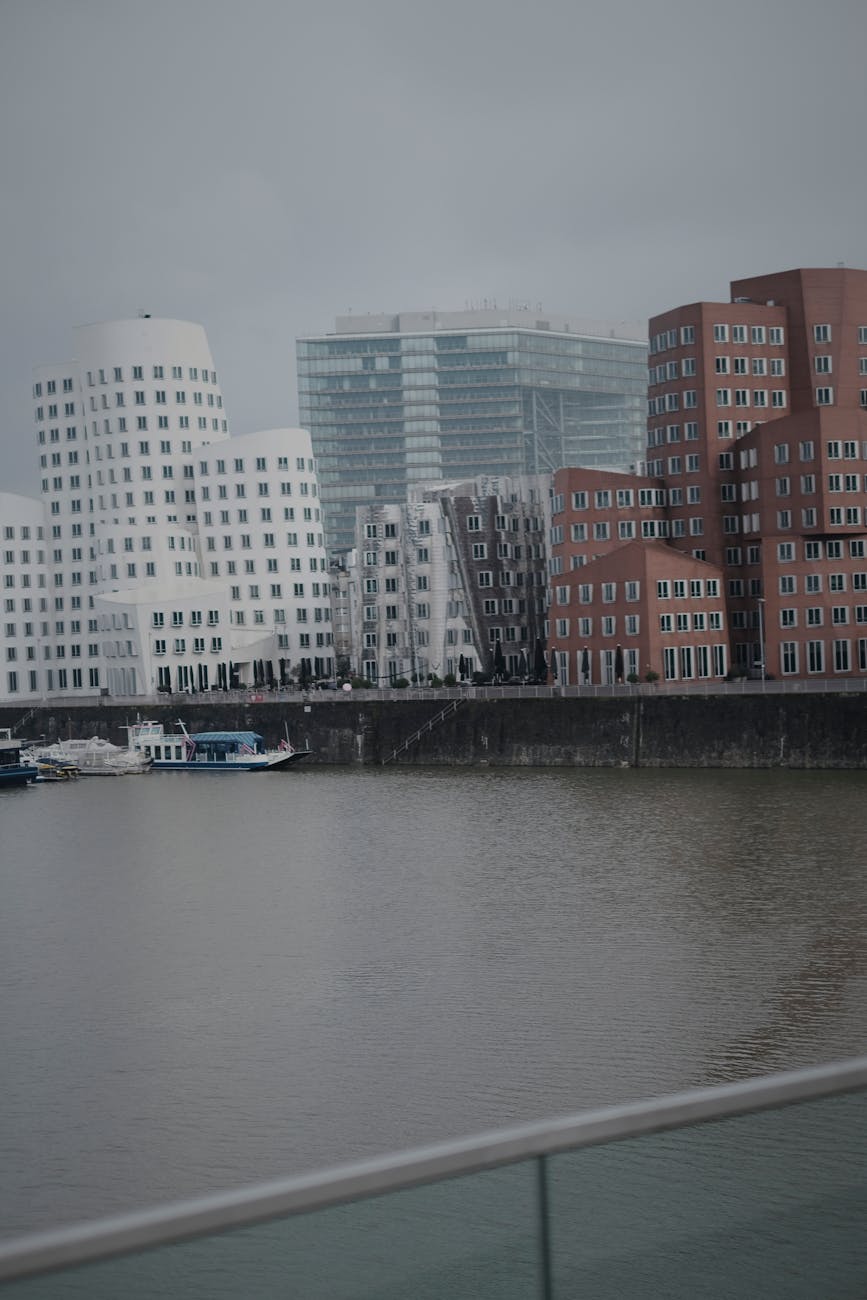
Morning: Stroll the Rhine Promenade, then cross to MedienHafen to admire the Gehry buildings and contemporary architecture.
Midday: Lunch waterside in MedienHafen; seafood and modern German bistros dominate. Visit the Rheinturm if you want skyline views and a panoramic photo.
Afternoon: Return to Hofgarten for a relaxed park walk and visit small galleries or boutique shops in Pempelfort.
Evening: Dine in the Japanese quarter on Immermannstraße—sushi, izakaya and ramen are outstanding here.
Day 3
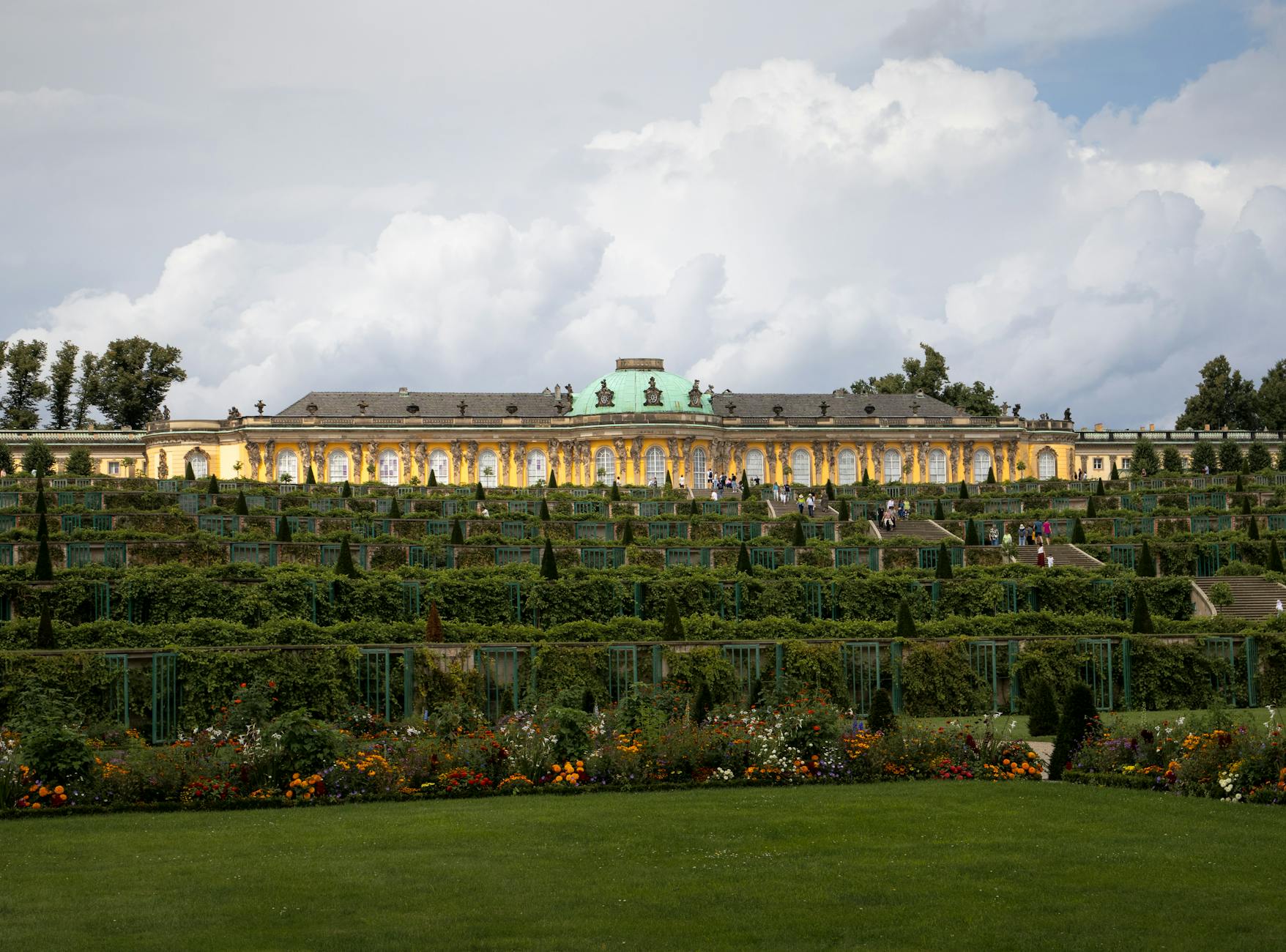
Option A — Benrath Palace: Spend the morning at Schloss Benrath (baroque palace and gardens), then return to the center for a relaxed afternoon shopping or a museum you missed.
Option B — Short day trip: Take a 20–30 minute regional train to nearby Duisburg for Landschaftspark (industrial heritage) or to Krefeld for textile museums.
Late afternoon: Enjoy a river cruise or a final walk along the Rhein before a farewell dinner in the Altstadt or MedienHafen.
Best Local Experiences
Pub culture in the Altstadt: a guided or self-led altbier crawl visits traditional breweries and tells local stories.
Carlsplatz Market: sample regional cheeses, breads and seasonal produce—perfect for a casual lunch.
MedienHafen architecture walk: contrast old shipyards and cutting-edge design in a single stroll.
Japanese quarter tasting: try multiple small plates on Immermannstraße for a different culinary side of the city.
Sunset on the Rhine: take a short river cruise or sit on the promenade for skyline photos and relaxed views.
Where to Stay
Altstadt: Best for nightlife and being in the thick of it. Expect older buildings and lively evenings.
Stadtmitte / Königsallee: Ideal for shopping, mid-range to upscale hotels and easy museum access.
MedienHafen: Sleek riverside hotels with modern design and quieter nights.
Pempelfort: Residential, good for cafes, local restaurants and quick tram links to the center.
Choose central locations to maximize your 72 hours and minimize transfers between neighborhoods.
Food and Drink
Traditional: Try Altbier (dark, malty beer) at Uerige, Füchschen or Schumacher and regional dishes like Himmel und Ääd (apple and mashed potato dish) or Sauerbraten if available.
Japanese quarter: Immermannstraße has top-notch sushi, ramen and izakaya-style spots—great for evening meals.
Markets and snacks: Carlsplatz and street vendors serve fresh sausages, pretzels and seasonal specialties.
Dessert & coffee: Seek out small patisseries around Königsallee and the backstreets of Stadtmitte for coffee and cake.
Getting Around
Airport: Düsseldorf Airport (DUS) links to the city center by S-Bahn S11 and regional trains—about 10–15 minutes to Hauptbahnhof.
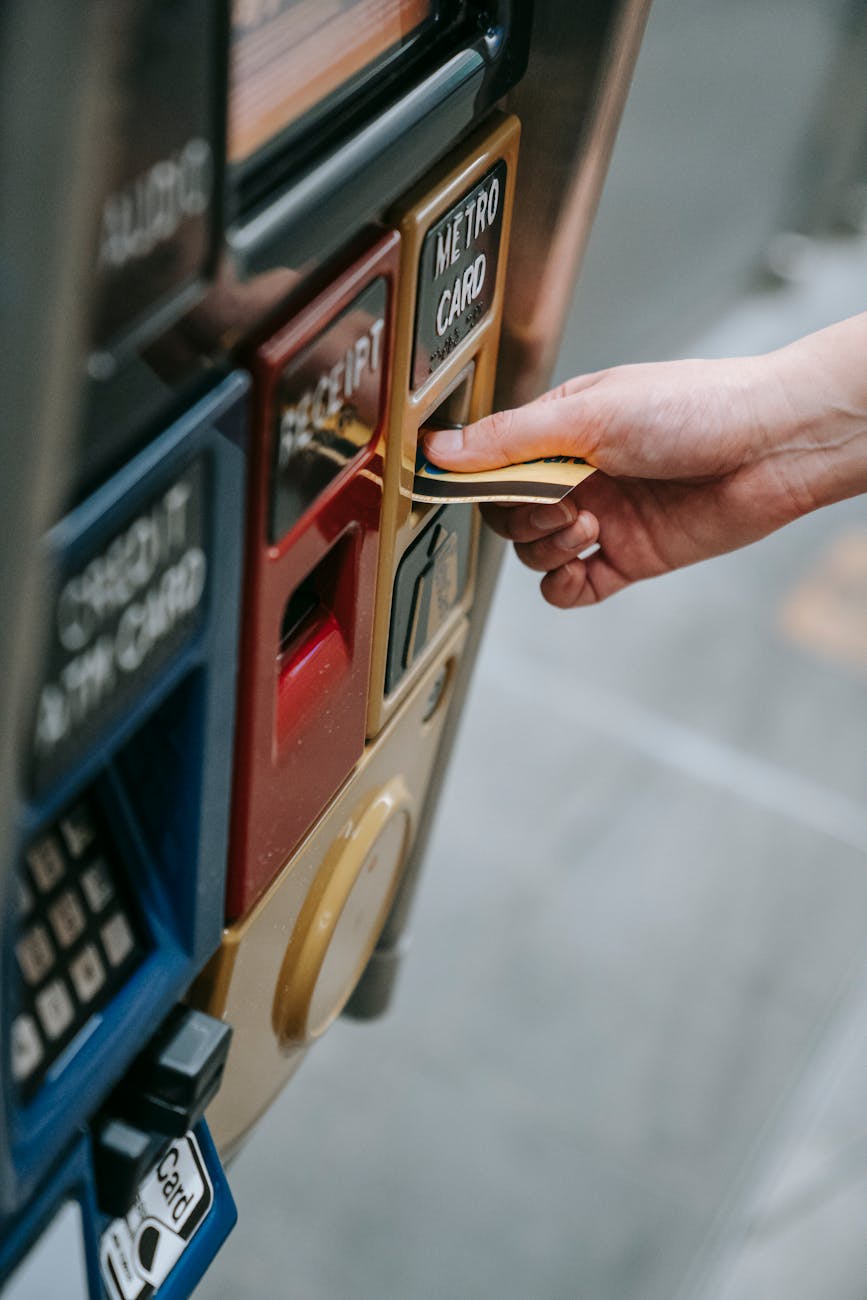
Local transit: Rheinbahn operates trams, U-Bahn and buses. Buy single, day or group tickets via the Rheinbahn app or ticket machines. The VRR (Verkehrsverbund Rhein-Ruhr) covers regional travel to nearby cities.
On foot & bike: The central neighborhoods are very walkable. Shared bikes and e-scooters are widely available for short hops.
Day trips: Regional S-Bahn services reach Duisburg, Krefeld and Mülheim in under an hour—use DB or VRR timetables for planning.
Best Time to Visit
Spring and early autumn offer mild weather and pleasant riverside walks. Late November to December is festive thanks to Christmas markets.
Carnival (Rosenmontag, February/March) is lively but crowded; book early if you want to attend. Summers are warm and good for outdoor terraces, but expect more tourists.
Budget and Practical Tips
Buy a Düsseldorf Card for combined transport and museum savings if visiting several sites.
Many museums offer reduced or free entry on certain days—check websites in advance. Opt for walking or single-day transit tickets to save on taxis.
Tipping: 5–10% is customary in restaurants. Plug type is F (Schuko), currency is the euro. Emergency numbers: 112 for ambulance/fire and 110 for police.
Sunday shop closures mean plan souvenir shopping for other days.
FAQ
Is 3 days enough to see the highlights?
Yes. Three days lets you cover the Altstadt, Kö, MedienHafen, a major museum and a short half-day trip without rushing.
How do I get from Düsseldorf Airport to the city center?
Take S-Bahn S11 or a regional train to Hauptbahnhof—about 10–15 minutes; taxis are available outside arrivals.
Are there good day trips from the city?
Yes. Short regional trains reach Duisburg, Krefeld and Mülheim for industrial heritage, museums and parks within 30–40 minutes.
Do I need a car to explore?
No. The central districts are walkable and well-served by trams, U-Bahn and regional trains.
Is Düsseldorf expensive?
It ranges from moderate to upscale. Street food and markets keep costs down; luxury shopping on the Kö can be pricey.
Are English speakers common?
Many locals in hospitality and museums speak English, though learning a few German phrases helps.
Conclusion
Three days offer a balanced taste of art, architecture, riverside leisure and lively food culture. Move between the Kö, Altstadt and MedienHafen at an easy pace, pick one museum and one local experience (a market visit or brewery stop), and leave time for a short excursion to Benrath Palace or a neighboring city. With efficient transit and compact neighborhoods, this itinerary gives a rich, manageable introduction to the region.
How this guide was prepared
This guide was prepared through a structured research that combines destination research, geographic context, itinerary planning logic, and content review.