

Where to Stay in Lisbon — Practical Neighborhood Guide
Find the best neighborhoods in Lisbon for your 3-day trip. Practical advice on transport, seasons, budgets, and sustainable, local-first stays near Alfama, Chiado, Belém, Parque das Nações and Cais do Sodré.
A clear, practical guide to choosing where to stay in Lisbon for a short visit. Includes neighborhood pros and cons, transport realities, booking tips, and responsible recommendations to support local businesses.
Quick Answer
A clear, practical guide to choosing where to stay in Lisbon for a short visit. Includes neighborhood pros and cons, transport realities, booking tips, and responsible recommendations to support local businesses.
Who This Page Is For
This page is for travelers planning a stay in Lisbon who want clearer decisions about where to stay, local logistics, timing, budgeting, and practical trip planning.
How This Page Was Prepared
This page was prepared through a structured editorial workflow that combines destination research, geographic context, and practical travel-planning review.
Plan the Rest of Your Trip
Use this page together with the full itinerary and the related planning pages below to make better booking, timing, transport, and budget decisions.
Best overall for a first-time, 3-day visit: Chiado or Baixa for centrality and walkability. Best for authentic old-Lisbon charm: Alfama or Mouraria. Best for nightlife while still central: Bairro Alto (expect noise at night). Best for train access and families: Parque das Nações (near Oriente). Best for riverside cafés and easy access to Cascais: Cais do Sodré. If you plan day trips to Cascais, Setúbal, Coimbra, or the Algarve, consider staying near Cais do Sodré or Oriente for quick train connections.
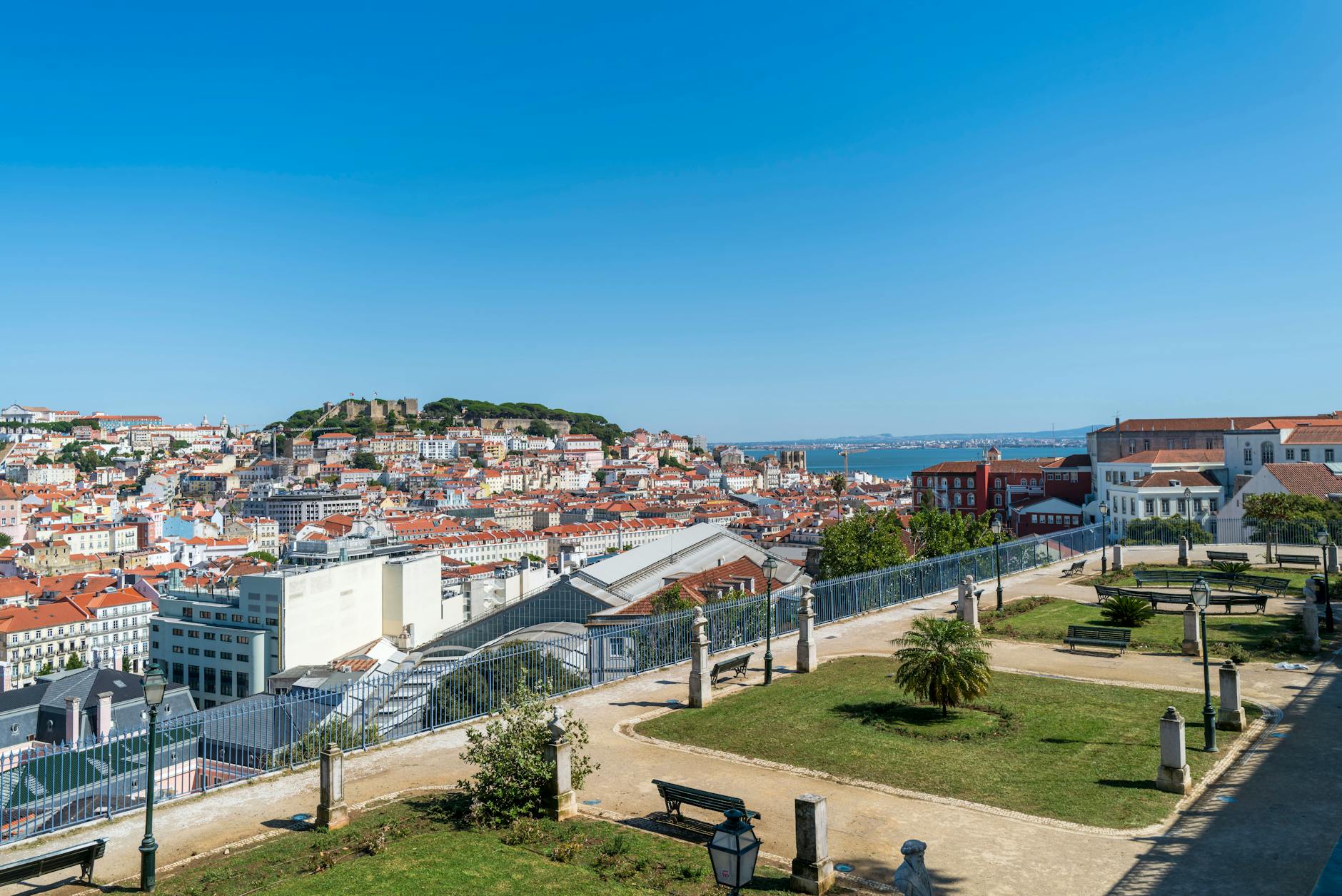
Lisbon’s neighborhoods are compact but very different — from the winding, historic alleys of Alfama to the flat, modern waterfront at Parque das Nações. Where you stay will shape how you use your limited time, how much walking or transit you need, and how much of your spend directly supports local businesses. This page helps you match your priorities (sights, nightlife, families, accessibility, sustainability) to the right area and practical booking choices.
What This Page Helps You Decide
This guide helps you decide: where to sleep based on itinerary pace, transport needs, and sustainable choices. It complements the companion 3 days in Lisbon itinerary by aligning nights to daily routes and day trips.
Use it to choose a neighborhood when you want to:
– Minimize transit time and walk to main sights
– Stay somewhere lively versus quiet and residential
– Prioritize train or airport connections for nearby cities such as Cascais, Setúbal, Coimbra, Portimão, and Lagos
– Book accommodation that supports local hosts and follows local regulations

Top Recommendations
Chiado / Baixa
– Why: Central, compact, best for first-time visitors and the 3-day itinerary’s core walking routes.
– Good for: museums, shops, cafés, short walks to Praça do Comércio and Rossio.
– Practical tip: Choose places near Baixa-Chiado metro for easy subway access.
Alfama / Mouraria
– Why: Authentic historic neighborhoods, great viewpoints and traditional fado houses.
– Good for: slow mornings, photo streets, intimate restaurants.
– Practical tip: Expect steep steps; not ideal for heavy luggage or mobility issues.
Bairro Alto / Príncipe Real
– Why: Nights and trendy daytime boutiques; Príncipe Real is calmer and greener.
– Good for: nightlife (Bairro Alto) and boutique hotels, gardens and markets (Príncipe Real).
– Practical tip: Noise can persist until late; request quiet rooms or an interior-facing room.
Parque das Nações
– Why: Flat, modern, family-friendly, excellent rail links at Oriente station.
– Good for: families, travelers needing train links to Coimbra and the Algarve.
– Practical tip: Commuter feel at night; better for practical stays than historical atmosphere.
Cais do Sodré / Santos
– Why: Riverside dining, easy train to Cascais, lively daytime and evening scene.
– Practical tip: Cais do Sodré is a transit hub; choose quieter side streets to avoid bar noise.
Local Context
Seasonality
– Shoulder seasons (April–May and September–October) offer comfortable weather, fewer crowds, and lower prices.
– July–August are busiest and hottest—book early and insist on AC.
Transport realities
– Lisbon is very hilly with many cobbled streets; comfortable shoes are essential.
– Metro covers main corridors (Blue, Green, Yellow, Red). Trams and funiculars are historic but slow and often crowded.
– Trains: Cais do Sodré to Cascais; Oriente and Santa Apolónia for regional and long-distance trains to Coimbra and the Algarve.
Local etiquette
– Fado houses: silence during performances, no flash photography, reserve in advance.
– Tipping: appreciated but modest—round up or add 5–10% in restaurants.
– Respect residential life: avoid loud behavior late at night in neighborhoods where people live.
Housing and regulations
– Prefer licensed alojamento local or hotels. Avoid irregular short-term rentals that can harm local housing supply.

How to Choose Well
Match neighborhood to your priorities:
– First-time, walkable sightseeing: Chiado / Baixa.
– Authentic character and fado: Alfama or Mouraria.
– Nightlife-focused: Bairro Alto (expect noise).
– Train or business transit: Parque das Nações (Oriente).
– Day trips to the coast: Cais do Sodré for Cascais trains.
Practical booking checklist:
– Check A/C for summer, elevator for heavy luggage, and exact distance to the nearest metro or train station.
– Read recent reviews for noise and cleanliness rather than photos only.
– Book refundable rates during shoulder and high seasons if plans may change.
– Favor small guesthouses, family-run pensões, or locally owned hotels to support the local economy.
If you’re following the 3 days in Lisbon itinerary
– Base yourself in Chiado/Baixa the first two nights for central access; move one night to Alfama for an evening of fado, or stay in Parque das Nações if you have an early train to Coimbra or a long-distance connection.

Responsible and Local-First Tips
Accommodation choices
– Pick licensed, locally owned guesthouses or small hotels over anonymous vacation flats that remove housing stock from residents.
– Look for places that recycle, use local suppliers, and list sustainable practices.
Spend locally
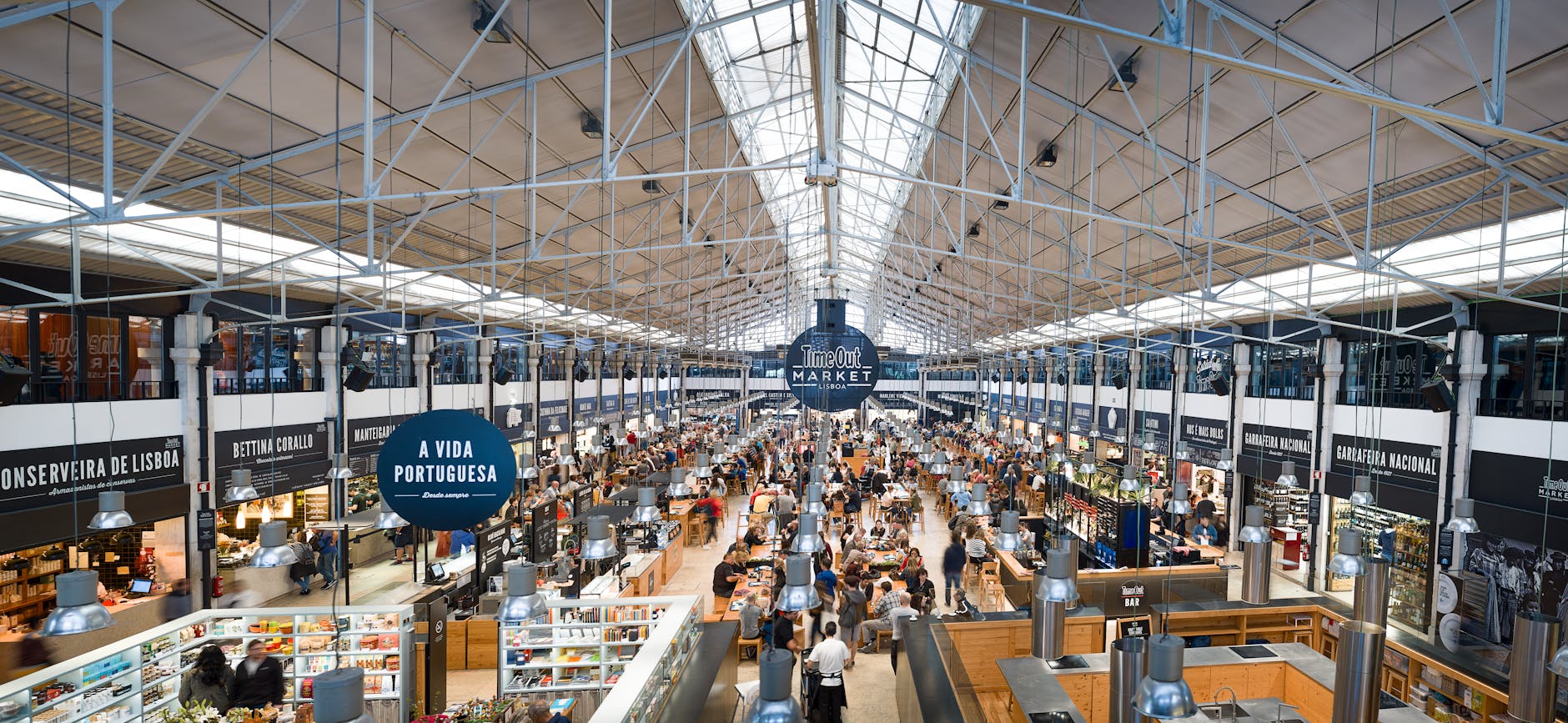
– Eat at neighborhood tascas and markets; avoid relying only on tourist hotspots.
– Buy artisanal goods directly from makers, not mass-market stalls.
Transport and low-impact choices
– Walk, use metro or trains for day trips, and take the Cascais train rather than a private car when possible.
– If using a taxi or rideshare, choose registered operators and avoid long, unnecessary transfers.
Respect neighborhoods
– Keep noise down late at night; treat fado performances and religious sites with respect.
– Follow local guidance on waste disposal and recycling where provided.
Common Mistakes to Avoid
- Choosing a place only on price and ending up far from metro or train stations: saves money on lodging but costs time.
- Underestimating the hills and cobbles: small-wheeled suitcases and unsuited shoes make short walks miserable.
- Booking in Bairro Alto without checking noise: many places are lively until 3am.
- Using unlicensed short-term rentals: harms local housing and may lead to sudden cancellations or fines.
- Assuming everything is open late: many restaurants close between lunch and dinner; plan reservations, especially during off-season.
- Neglecting train schedules for day trips: long-distance trains to Coimbra or the Algarve require booking in advance for best fares.
FAQ
Which neighborhood is best for a 3-day first visit?
Chiado or Baixa. They put you within walking distance of main sights and close to metro lines, making it easy to follow the 3 days in Lisbon itinerary.
Is it worth staying in Alfama?
Yes, if you want authenticity and fado. Expect steep streets and limited elevators; choose a smaller room if mobility is a concern.
Where should I stay if I have an early train to the Algarve or Coimbra?
Parque das Nações (near Oriente) is the most convenient for long-distance trains; Santa Apolónia is also handy for some routes.
Can I use a car in Lisbon or should I rely on public transport?
Avoid a car unless you plan to explore outside the city. Parking is expensive and streets are narrow. Trains are efficient for Cascais, Setúbal, Coimbra, Portimão and Lagos.
How do I balance supporting locals with budget travel?
Choose small guesthouses, neighborhood cafés and markets, and local guides. Book early to get better value in shoulder seasons and consider weekday stays to reduce pressure on popular areas.
Conclusion
Choose the neighborhood that fits your daily plan: central Chiado/Baixa for easy sightseeing, Alfama for atmosphere, Parque das Nações for rail convenience, and Cais do Sodré for coastal day trips. Prioritize licensed, locally operated stays, travel by public transport where possible, and visit in shoulder season for lower impact and better value. For a day-by-day plan aligned to the best places to sleep, see the companion 3 days in Lisbon itinerary and consider a night near Oriente if you have long-distance trains to Coimbra or the Algarve.
How this guide was prepared
This guide was prepared through a structured research that combines destination research, geographic context, itinerary planning logic, and content review.