
Best Time to Visit Lisbon — Month-by-Month Guide for 3 Days in Lisbon
Plan the best month for a 3-day Lisbon trip: shoulder-season timing, festival highlights, day-trip windows (Cascais, Setúbal), transport realities, and local-first tips.
A clear, practical guide to choosing when to visit Lisbon for a short itinerary. Covers seasons, crowds, weather, transport, festivals and sustainable, local-first choices.
Quick Answer
A clear, practical guide to choosing when to visit Lisbon for a short itinerary. Covers seasons, crowds, weather, transport, festivals and sustainable, local-first choices.
Who This Page Is For
This page is for travelers planning a stay in Lisbon who want clearer decisions about best time to visit, local logistics, timing, budgeting, and practical trip planning.
How This Page Was Prepared
This page was prepared through a structured editorial workflow that combines destination research, geographic context, and practical travel-planning review.
Plan the Rest of Your Trip
Use this page together with the full itinerary and the related planning pages below to make better booking, timing, transport, and budget decisions.
Best overall months for a short visit: April–May and September–October. These shoulder months offer mild weather, fewer day-trippers, and more availability at local guesthouses.
If you want beaches and sea swimming: late June–September, with warmest sea in August. If you prioritize low cost and near-empty attractions: November–February, remembering shorter days and some rain.
Avoid July–August only if you dislike crowds and heat; if you go then, book lodging and key experiences months ahead.
This page helps travelers planning a short stay decide the best time to visit Lisbon with an eye toward comfortable weather, manageable crowds, and sustainable local spending. It’s written to support the companion itinerary "3 days in Lisbon," so you can match months and neighborhoods to the exact days you’ll spend exploring. Expect neighborhood-level tips, transport realities, and low-impact choices that keep money in local hands.
What This Page Helps You Decide
Use this page to make practical choices for a 3-day Lisbon trip:
- When to travel (month and week) based on weather and crowd levels.
- Which neighborhoods to prioritize across three days (Alfama, Baixa/Chiado, Belém/Beaches).
- Whether to schedule a day trip to Cascais, Setúbal, or a further rail trip to Coimbra or a coastal transfer to Portimão/Lagos.
- When to book accommodation, tours, and special events (fado evening, Jerónimos visit, tram rides).
For a day-by-day plan that takes these decisions into account, see the companion page "3 days in Lisbon."
Top Recommendations
Practical, neighborhood-focused guidance:
- April–May and September–October: Best balance of weather, light for photos, and fewer crowds. Ideal for walking the hills and visiting markets.
- June: Local festivals (Santos Populares — neighborhood street parties) and warm evenings; book fado evenings early.
- July–August: Expect heat, crowded viewpoints and full hotels. If you must travel then, aim for early morning sights and late-evening dining.
- November–February: Cheapest airfare and rooms; plan indoor activities (museums, cobbled cafés) and layered clothing.
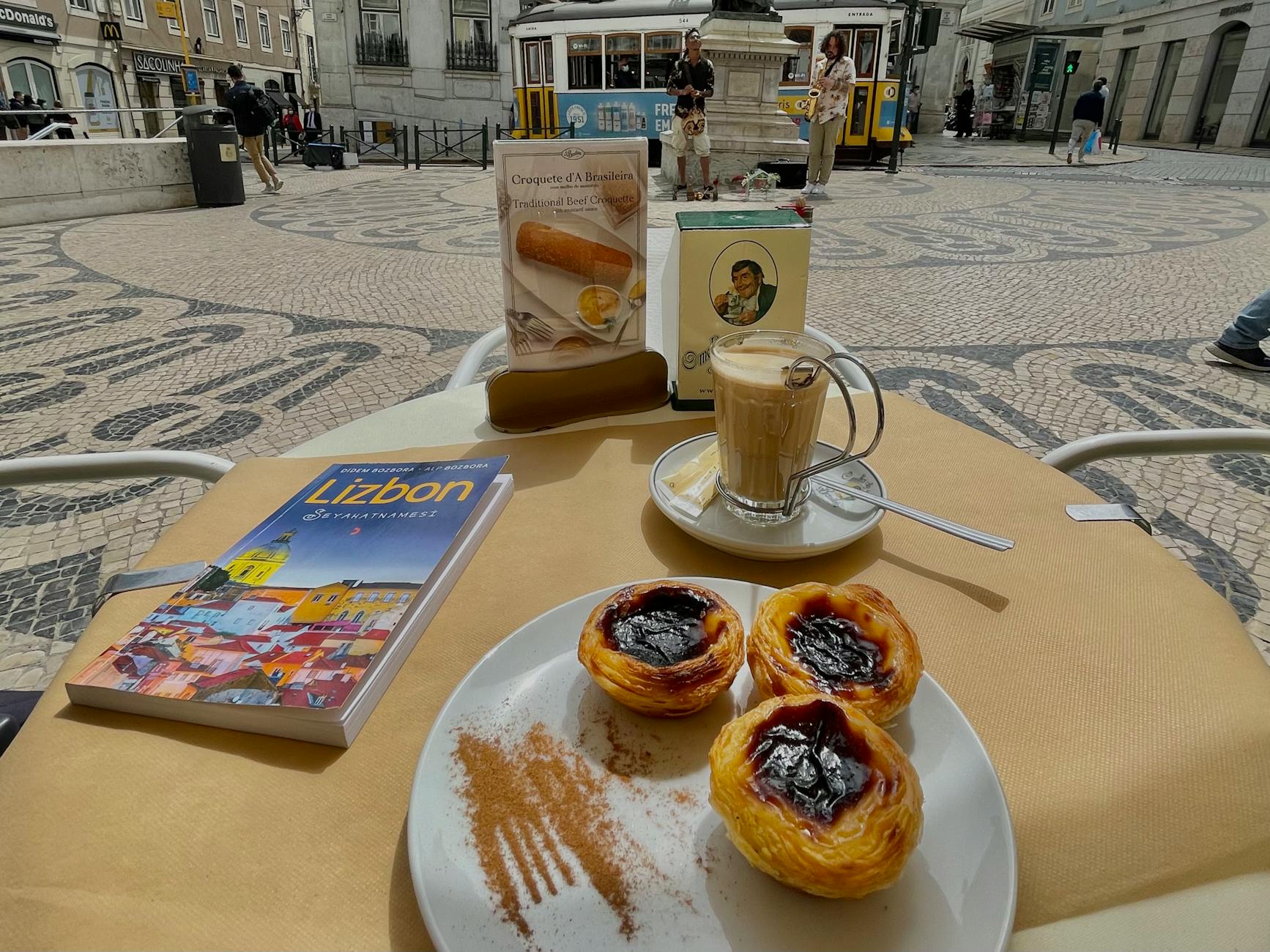
Make one of your three days a slower neighborhood day (Alfama/Mouraria) to support local cafés, tascas, and artisans.
Local Context
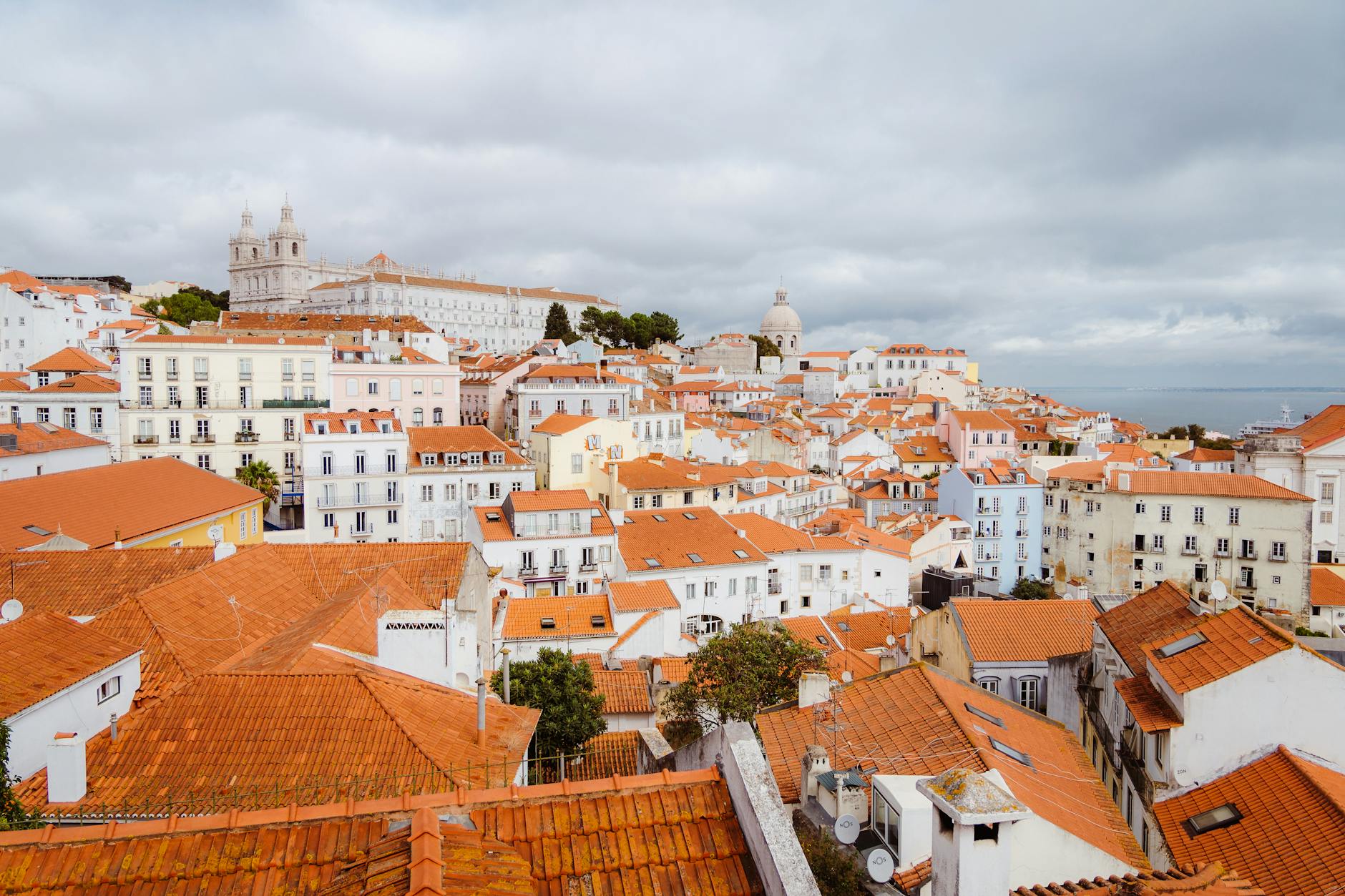
Neighborhoods matter. Alfama and Mouraria are atmospheric but steep and narrow; Baixa and Chiado are flatter and good for central bases; Belém sits west along the riverside and needs a tram or bus.
Transport realities:
– Lisbon is hilly with many cobbled streets—pack comfortable shoes and expect stairs.
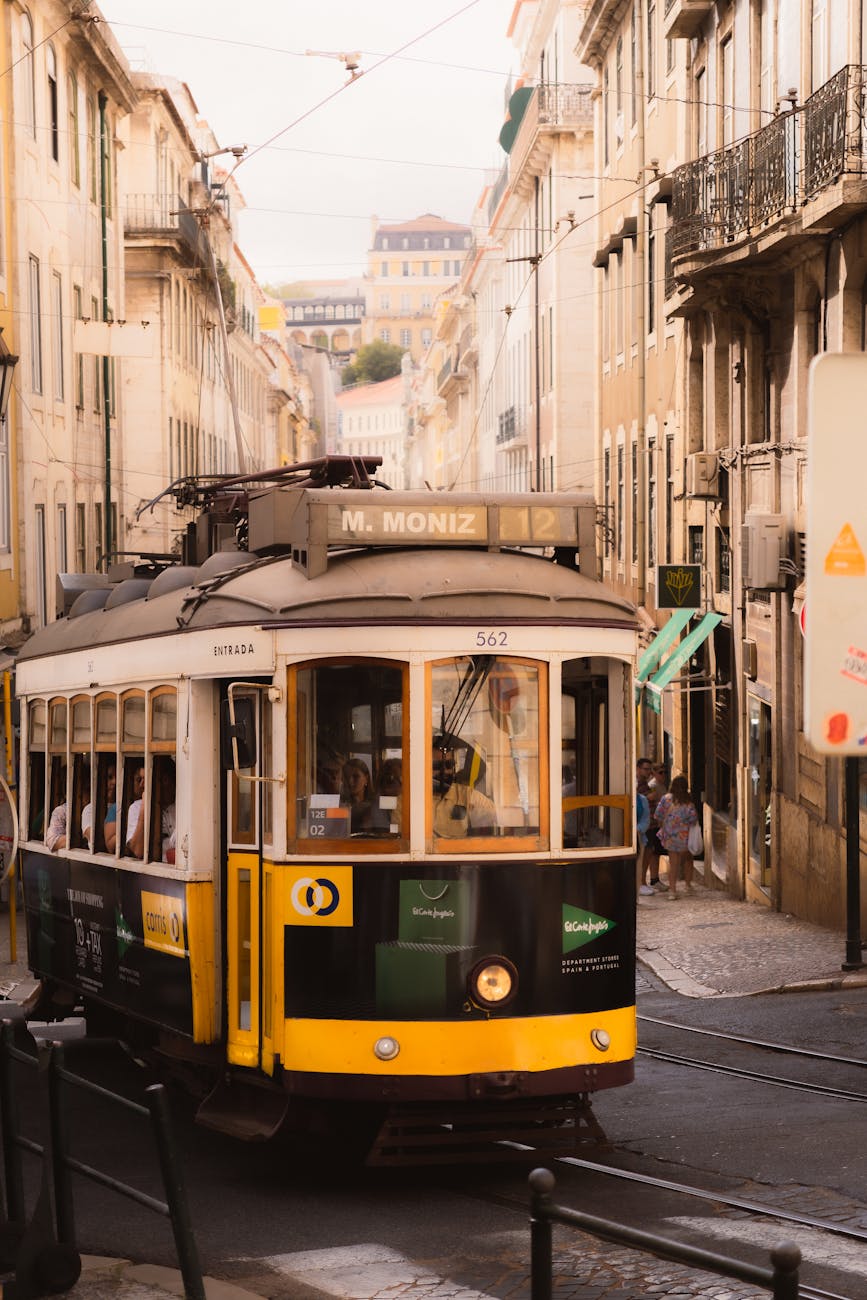
– Trams (28) are scenic but crowded and a pickpocket hotspot; use metro and Cascais train (from Cais do Sodré) for reliable connections.
– Humberto Delgado Airport links to the city by metro and Aerobus; trains and ferries connect to Cascais and Setúbal for day trips.
Seasonal notes:
– Coastal microclimate: seaside towns can be cooler and windier than the city center.
– Summer evenings are long and lively; some stores shift hours seasonally—check ahead.
How to Choose Well
Match timing to your interests:
- First-time visitors on 3-day itineraries: choose April–May or September for comfortable touring and clear skies.
- Beach-seekers: combine a morning in Lisbon with an afternoon train to Cascais (good from late June to early September).
- Festival-goers: June for neighborhood festivals; book restaurants and fado shows at least 4–6 weeks in advance.
- Budget travelers: aim for November–February, but check opening hours and shorter museum schedules.
Booking windows:
– Accommodation in high season (June–September) is best reserved 3–6 months ahead.
– Tickets for popular sites (Jerónimos Monastery, Belém Tower) and guided fado shows should be booked in advance during shoulder and high seasons.
Neighborhood picks for a 3-day stay (see the companion 3 days in Lisbon):
– Day 1: Baixa, Chiado, Bairro Alto evenings.
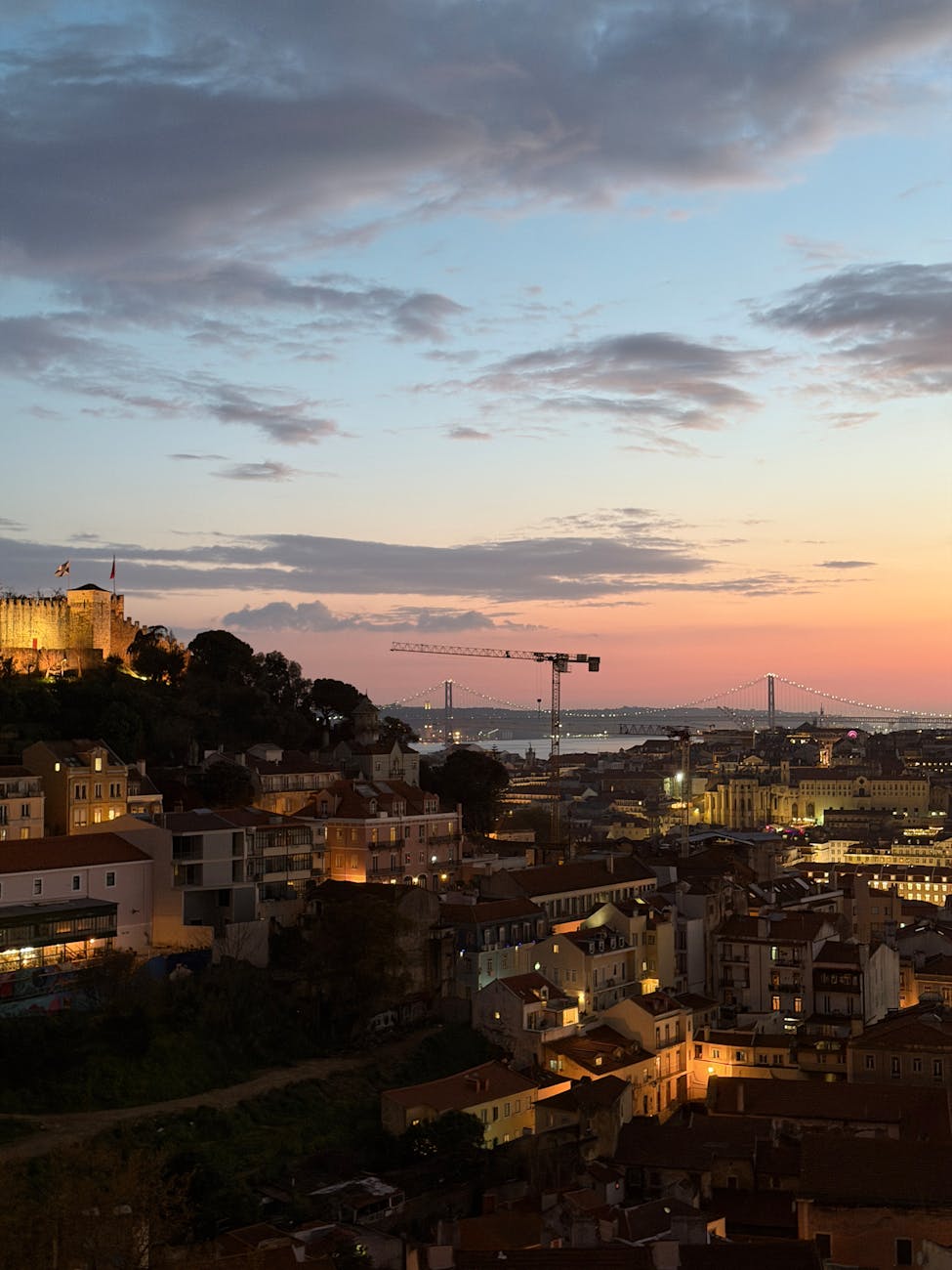
– Day 2: Alfama, São Jorge Castle, Mouraria.
– Day 3: Belém or Cascais day trip, or Parque das Nações if modern architecture interests you.
Responsible and Local-First Tips
Make choices that benefit Lisbon’s communities and minimize impact:
- Stay small: prioritize family-run guesthouses, local pensions (pensões), or small B&Bs over large international chains.
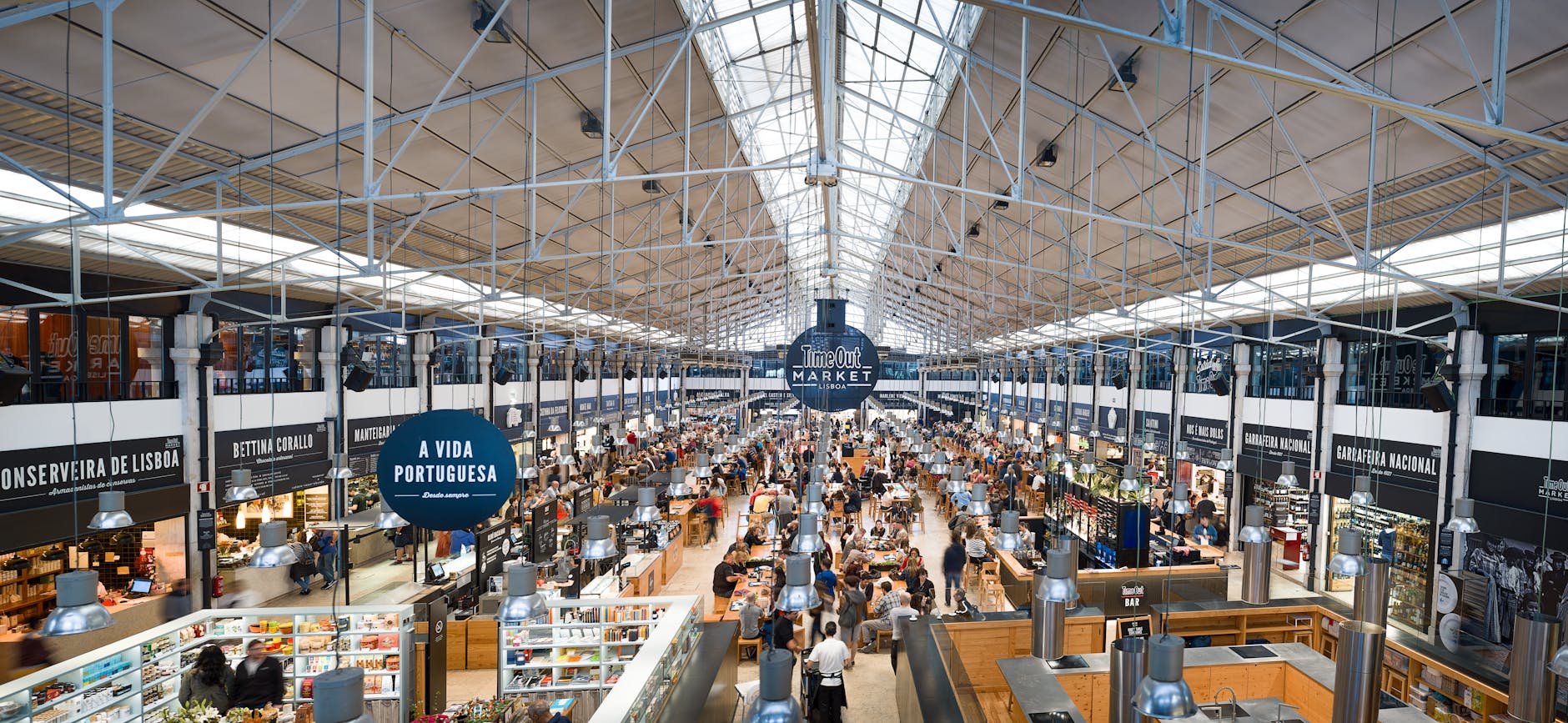
- Dine local: eat at tascas and neighborhood restaurants, choose markets like Mercado da Ribeira for a range of vendors.
- Travel low-impact: walk, take public transit, or use the Cascais train for coastal trips. Limit short scooter trips through narrow historic lanes.
- Book certified local guides for neighborhood walks and cultural experiences; they return earnings to the community.
- Avoid feeding wildlife and respect quiet hours in residential neighborhoods—locals value their evening calm.
If you visit beaches near Lisbon, follow local signage on dunes and protected zones and take any trash with you.
Common Mistakes to Avoid
A helpful list of frequent travel errors:
- Assuming July–August is the only warm time: it’s hot and crowded; shoulder months are often better.
- Relying solely on Tram 28: it’s iconic but crowded and slow; use it selectively and plan alternatives.
- Underestimating hills: choose central accommodations or plan taxis/metro if mobility is a concern.
- Visiting Belém late afternoon without booking: monuments can sell out—reserve slots for Jerónimos and Belém Tower.
- Expecting universal card acceptance: many small tascas and markets are cash-friendly; carry a small amount of euros.
- Ignoring local etiquette at fado houses: be respectful, keep noise to a minimum during performances, and avoid flash photography.
FAQ
When is the absolute best month to visit Lisbon for good weather and fewer crowds?
Aim for April–May or September–October. Spring and early autumn have mild temperatures, lower tourist volume, and good daylight for a compact 3-day schedule.
Is July or August a bad time for a short trip?
Not bad if you plan ahead, but expect heat, crowded sights, and higher prices. Book lodging 3–6 months ahead and schedule early-morning sightseeing and late dinners.
Can I day-trip to Cascais or Setúbal on a 3-day Lisbon trip?
Yes. Cascais is an easy 30–40 minute train from Cais do Sodré and works well for an afternoon beach or seaside walk. Setúbal is reachable by train or combined ferry/bus routes and is better for seafood and nature-focused excursions. Choose Cascais for quick coastal time, Setúbal for a more local fishing-town experience.
How much does weather vary across Lisbon and the coast?
Lisbon’s core is typically 2–4°C warmer than the immediate coast during the day and calmer. Coastal towns like Cascais and beaches experience stronger winds and cooler water; bring a light layer even in summer evenings.
Any booking rules for fado shows, museums, or tram rides?
Book fado evenings and popular museum time slots in advance during May–September and around festival weekends. Trams don’t require booking, but be mindful of peak crowds and pickpocketing.
What's the best way to keep my visit low-impact?
Use public transit, hire local guides, eat at neighborhood tascas, stay in small guesthouses, and avoid peak times at fragile viewpoints. Simple choices sustain Lisbon’s cultural economy.
Conclusion
Choose shoulder months (April–May, September–October) for the best mix of weather, light, and quieter streets—ideal for a focused 3-day itinerary. If you prefer beaches or festivals, plan for late June–August but book early. Wherever you go, favor local businesses, use public transit, and pace your days so you give back to neighborhoods rather than just passing through. For a ready-made plan that organizes the neighborhoods and logistics recommended here, see the companion "3 days in Lisbon" guide. Consider adding a day trip to Cascais or Setúbal if time allows.
How this guide was prepared
This guide was prepared through a structured research that combines destination research, geographic context, itinerary planning logic, and content review.