
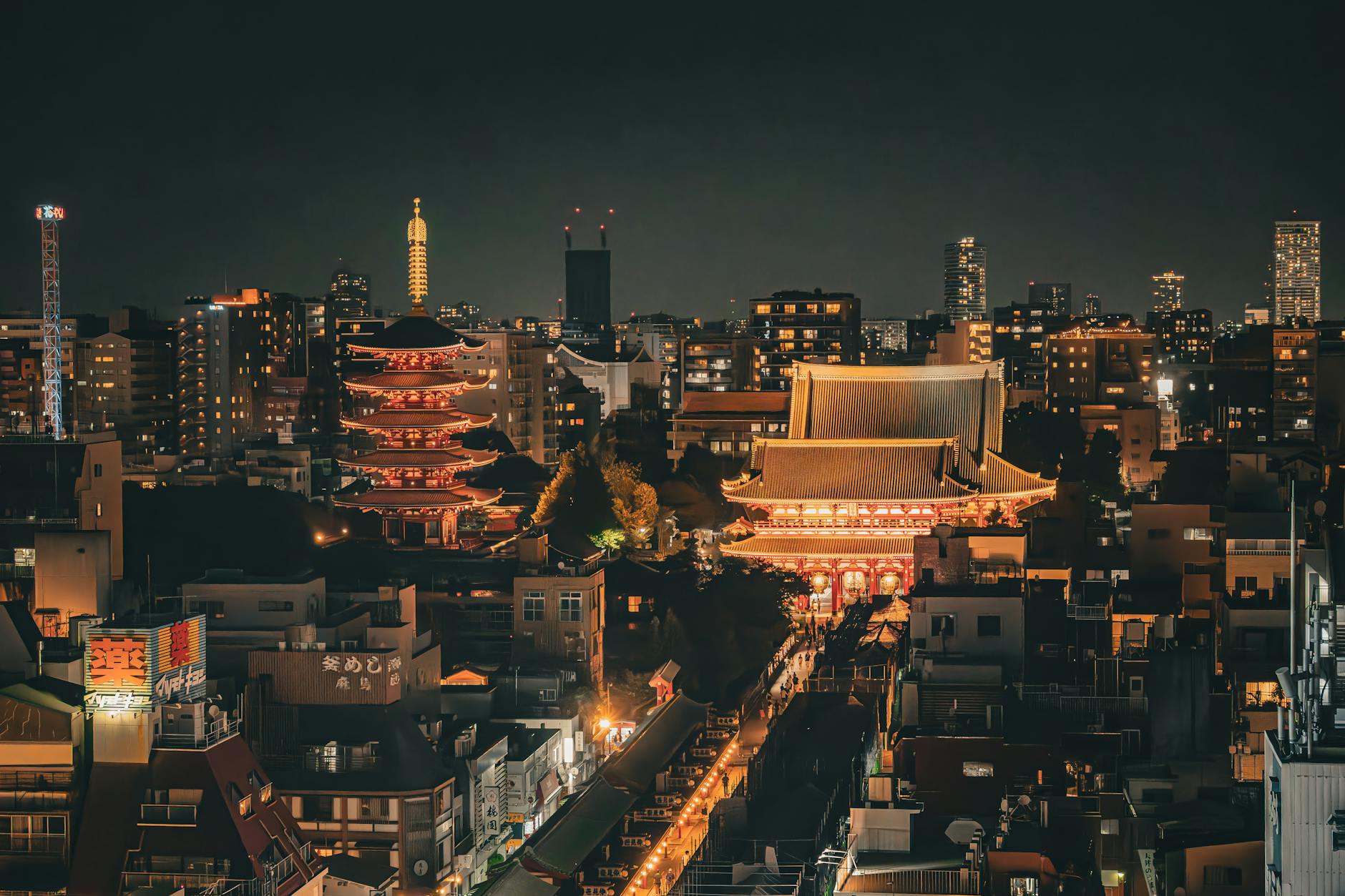
Best Time to Visit Tokyo
When to visit Tokyo: season-by-season guidance for cherry blossoms, autumn foliage, festivals, crowds, and low-impact travel. Practical booking, neighborhood, and day-trip advice to pair with our 3 days in Tokyo itinerary.
Tokyo is year-round, but timing matters. This guide helps you pick months and neighborhoods for blossoms, foliage, illuminations or low-crowd travel, with sustainable and neighborhood-first tips to support your 3 days in Tokyo itinerary.
Quick Answer
Tokyo is year-round, but timing matters. This guide helps you pick months and neighborhoods for blossoms, foliage, illuminations or low-crowd travel, with sustainable and neighborhood-first tips to support your 3 days in Tokyo itinerary.
Who This Page Is For
This page is for travelers planning a stay in Tokyo who want clearer decisions about best time to visit, local logistics, timing, budgeting, and practical trip planning.
How This Page Was Prepared
This page was prepared through a structured editorial workflow that combines destination research, geographic context, and practical travel-planning review.
Plan the Rest of Your Trip
Use this page together with the full itinerary and the related planning pages below to make better booking, timing, transport, and budget decisions.
Best overall shoulder-season months: mid-March to early April (for blossoms, expect crowds) and mid-October to early December (for autumn colors and comfortable weather).
If you want: – Cherry blossoms: late March to early April (peak varies by year; check forecasts). – Autumn foliage: mid-November for central Tokyo parks. – Lowest crowds: December (except New Year), January–February. – Festivals and lively summer events: July–August but expect heat and humidity.
Avoid: Golden Week (late April–early May) and the first week of January for heavy domestic travel and higher prices.
Tokyo is a vast, seasonally expressive city: spring brings cherry blossoms and crowds, summer brings festivals and humidity, autumn offers crisp weather and vivid foliage, and winter is cool, clear and quieter. Your ideal month depends on whether you prioritize iconic seasonal moments, low crowds, or neighborhood-level discoveries. Use this page to match the seasons to your priorities and to prepare logistics that support our companion 3 days in Tokyo itinerary.
What This Page Helps You Decide
This page helps you choose dates and plan practical details for a short Tokyo visit that pairs well with a 3-day itinerary.
Decisions you'll make here:
– Which month to travel based on weather, crowds, and seasonal highlights.
– Whether to align your trip with cherry blossom or autumn foliage windows.
– Whether to prioritize low-impact travel and shoulder-season timing.
– Which neighborhood to base yourself in given commuting and evening plans.
– Which nearby day trips (Yokohama, Kawasaki, Chiba, Hamamatsu, Takayama) fit your schedule and season.
Use our companion 3 days in Tokyo guide for daily routing and add day trips once you pick dates.
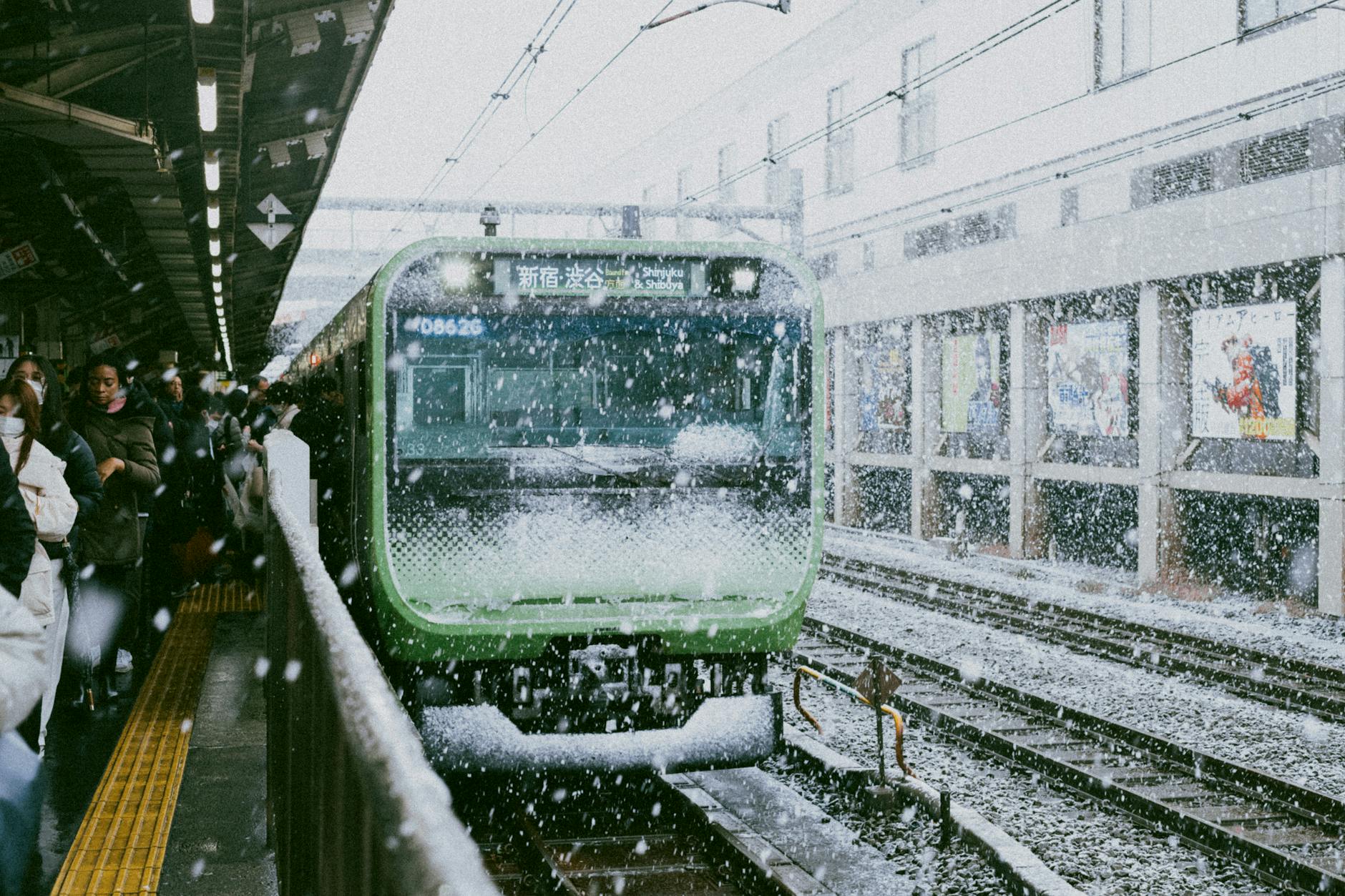
Top Recommendations
Plan around what you value most. Practical season-by-season guidance:
– Late March–Early April (Cherry blossom): Visit parks like Shinjuku Gyoen, Ueno Park, and Meguro River. Book hotels and popular restaurants weeks (or months) in advance; mornings are quieter.
– May (Late spring/Shoulder): Warmer, fewer tourists than peak blossom weeks. Good for Shimokitazawa, Kichijoji, and market visits at Tsukiji Outer Market.
– June (Rainy season): Expect daily showers and higher humidity. Choose indoor activities—museums (Ueno), department-store food halls (depachika), and teamLab reservations.
– July–August (Festivals and summer): Attend local matsuri and fireworks but prepare for heat, humidity, and occasional typhoons. Hydrate, wear breathable fabrics, and schedule outdoor plans early or late in the day.
– October–November (Autumn foliage): Best late October through mid-November for parks like Rikugien and Koishikawa Korakuen. Cooler days are ideal for walking neighborhoods like Asakusa and Ginza.
– December–February (Winter): Clear skies, fewer tourists, city illuminations, and lower accommodation prices outside New Year. Note: many shops close on New Year’s Day; shrines are crowded for Hatsumode.
Booking tips:
– Reserve accommodations early for cherry blossom and autumn weekends.
– Buy timed tickets (teamLab Borderless/Planets, Skytree) in advance.
– Pick a base neighborhood that minimizes transit for your planned activities—Shinjuku or Tokyo Station for transit; Asakusa/Ueno for traditional sites; Shibuya for nightlife.
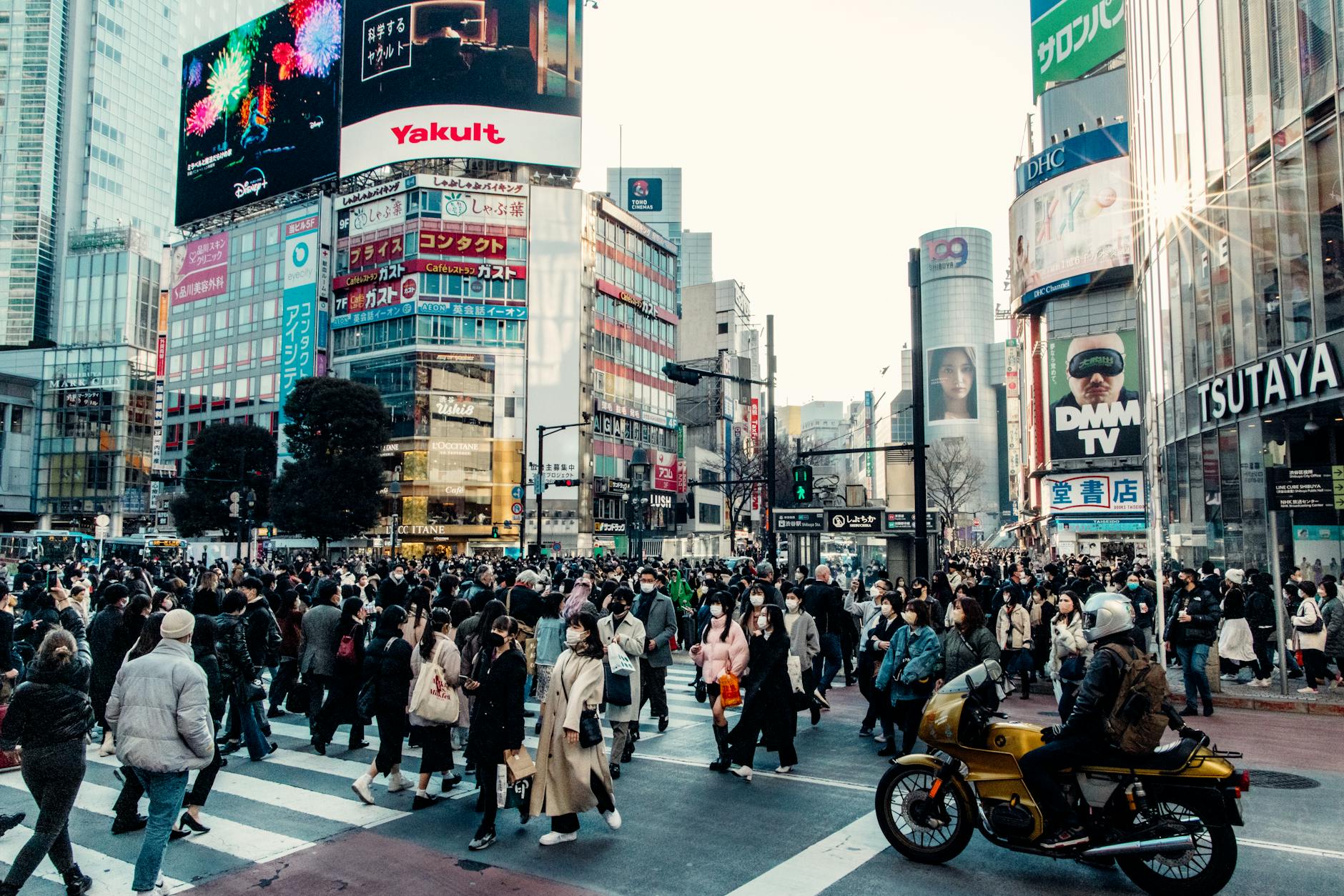
Local Context
Neighborhoods and transport realities that matter:
– Shinjuku: Major transport hub with many hotels, nightlife in Kabukicho, and Shinjuku Gyoen for blossoms. Expect busy streets and a huge station to navigate.
– Shibuya and Harajuku: Youth culture, compact walking routes. Harajuku can be crowded on weekends; mornings are calmer.
– Asakusa and Ueno: Older Tokyo character, Senso-ji, museums, and Ueno Park. Good for families and cultural stops.
– Ginza and Tokyo Station: Business and luxury shopping, easy rail access for day trips.
– Yanaka, Kichijoji, Shimokitazawa: Smaller-scale, local shops, cafés, secondhand stores—good for low-impact local spending.
Transport notes:
– Trains are punctual and frequent but extremely crowded during weekday rush hours (roughly 7:30–9:30 and 17:00–19:00).
– Use an IC card (Suica or Pasmo). Reserve long-distance seats when traveling outside the metropolis.
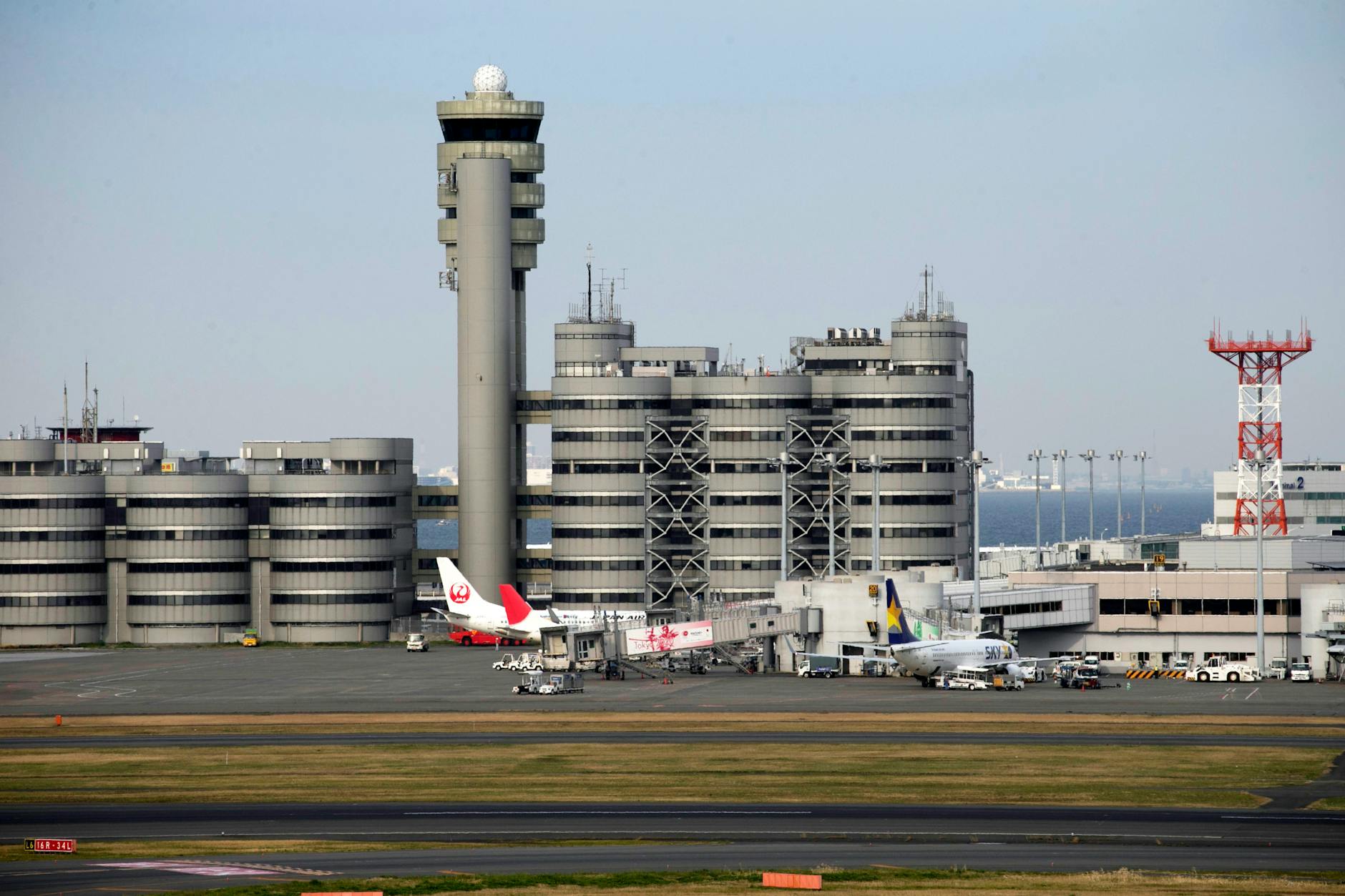
– From airports: Haneda is fastest for central Tokyo (30–45 minutes by train), Narita takes longer (60–90 minutes by Narita Express or cheaper local options).
– Coin lockers and luggage delivery services (takuhaibin) are widely available and make neighborhood-hopping easier.
How to Choose Well
Choose by trade-offs rather than a single "best" month.
Practical steps:
– Prioritize the experience: cherry blossoms or foliage require flexible dates and early booking.
– Pick neighborhoods to minimize back-and-forth: stay near major JR or private lines for day-trip access.
– Favor shoulder seasons (May, October–November) for good weather and fewer crowds.
– If traveling on a budget or seeking quiet: winter (Jan–Feb) has lower prices and clean light for photography.
Day-trip fit (approximate transit times from central Tokyo):
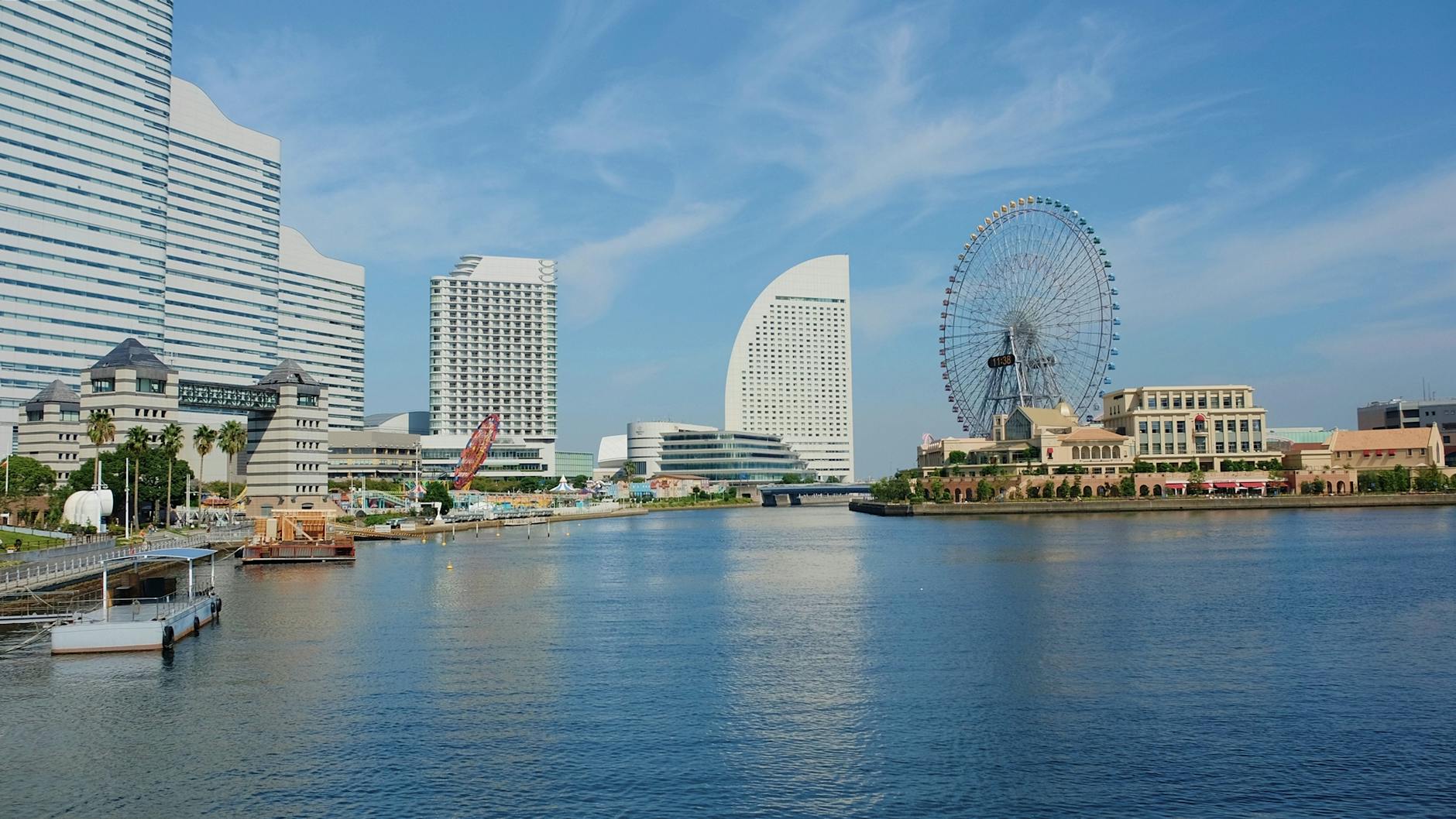
– Yokohama: 25–35 minutes by train — good any season for Minato Mirai, Chinatown, and ramen museum.
– Kawasaki: 15–25 minutes — industrial waterfront, small museums, and Kawasaki Daishi for New Year rituals.
– Chiba: 40–60 minutes — Narita area attractions and coast; better in spring/summer for outdoor visits.
– Hamamatsu: 2–2.5 hours by shinkansen — workable for a longer day but better as an overnight.
– Takayama: 4–5 hours by train — a multi-day trip best paired with Takayama stays and autumn for mountain foliage.
Booking advice:
– For popular restaurants and izakaya, try reserving a few days ahead for dinner, especially on weekends.
– Consider splitting accommodation between neighborhoods if you plan late-night activities one night and early train departures another.
Responsible and Local-First Tips
Small choices make a big difference.
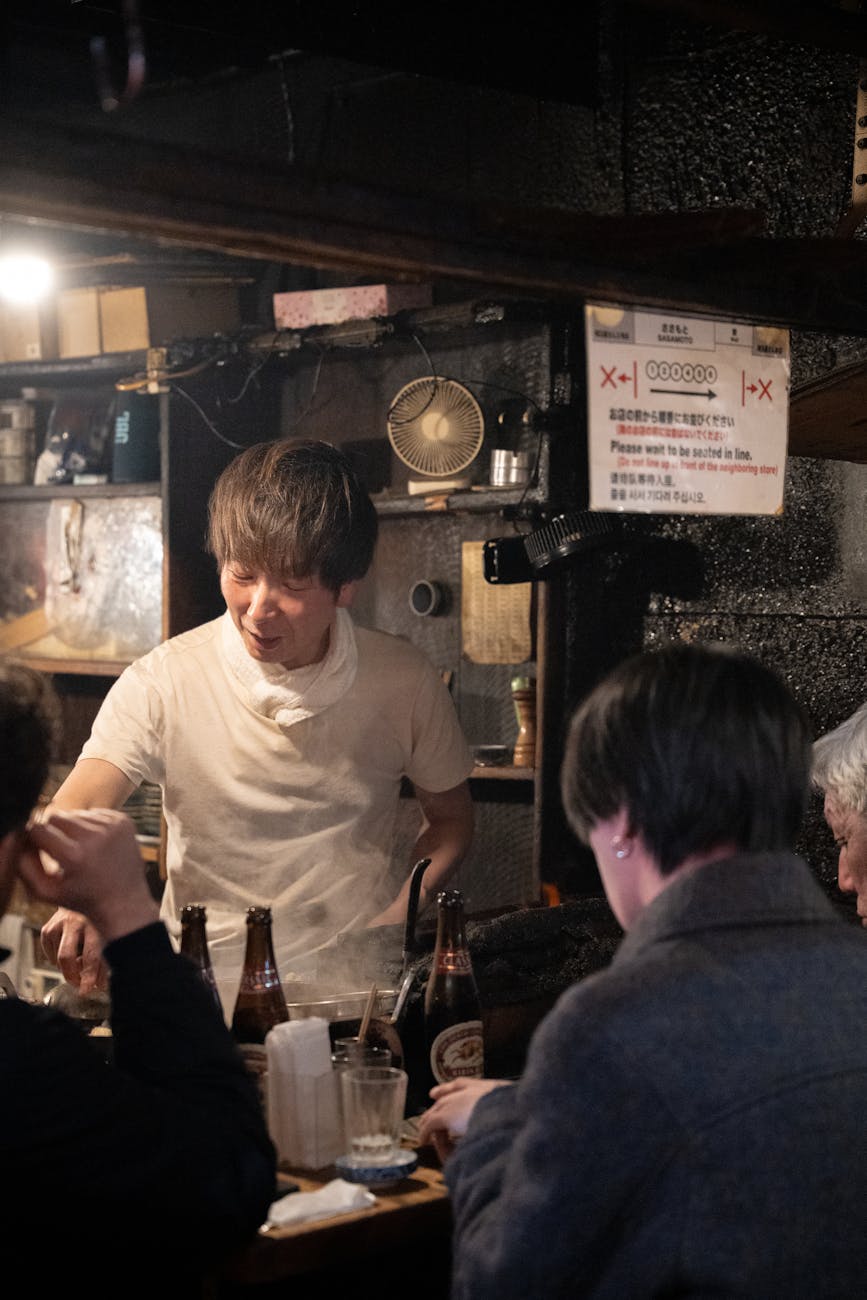
– Support neighborhood businesses: eat at small izakaya, buy snacks at local bakeries and depachika, and choose guesthouses or family-run ryokan for nearby destinations.
– Travel off-peak when possible to spread visitor impact—consider mid-week visits to popular parks and temples.
– Use public transport and walk—Tokyo’s transit system is efficient and lowers per-capita emissions compared to taxis.
– Respect local etiquette: speak quietly on trains, avoid eating while walking in crowded streets, follow shrine and temple rules (bows, small offerings, cleansing at temizuya), and remove shoes where requested.
– Reduce waste: carry a reusable bottle (tap water is safe), bring a small bag for trash (public bins are limited), and choose refill-friendly personal care products.
– Book experiences directly with local operators when possible and tip by leaving positive reviews—tipping is not expected in Japan and can cause confusion.
Common Mistakes to Avoid
- Traveling during national holidays without a plan: Golden Week (late April–early May), Obon (mid-August), and New Year bring massive domestic travel and sold-out hotels.
- Expecting easy late-night transport: many local lines stop around midnight; check schedules if you plan to stay out late.
- Underestimating walking: Tokyo is large but most neighborhoods are best explored on foot; bring comfortable shoes.
- Assuming cashless everywhere: many smaller shops, markets, and temples prefer cash. Carry some yen.
- Not reserving timed attractions: teamLab experiences, museum exhibitions, and popular observation decks often sell out.
- Treating Tokyo as only one neighborhood: split your time sensibly and avoid daily long cross-city treks if you have only three days—see the 3 days in Tokyo guide for efficient routing.
FAQ
When exactly are cherry blossoms in Tokyo?
Peak bloom usually falls between the last week of March and the first week of April, but timing varies year to year. Check a cherry blossom forecast about 2–3 weeks before travel and plan flexible dates.
Is autumn foliage reliable in Tokyo?
Yes. Leaf color typically peaks from mid-November to late November in central Tokyo gardens. Higher elevations and nearby mountains peak earlier in October.
Should I buy a JR Pass for Tokyo day trips?
For metropolitan Tokyo and nearby cities (Yokohama, Kawasaki, most of Chiba) you don’t need a national JR Pass. Use local tickets, IC cards, or single shinkansen tickets for longer trips like Hamamatsu or Takayama.
Is Tokyo safe in typhoon season?
Typhoons (late summer to early autumn) can disrupt transport. Keep an eye on forecasts, allow buffer days, and book flexible tickets when traveling in September.
How far in advance should I book hotels and attractions?
For cherry blossom and peak autumn weekends, book hotels 2–4 months ahead. For regular travel, 3–6 weeks is often sufficient. Reserve timed-entry attractions as soon as your schedule is fixed.
Any local etiquette I should know?
Be quiet on public transport, avoid eating while walking through busy streets, remove shoes when asked, and don’t tip—the best way to show appreciation is polite thanks and positive reviews.
Conclusion
Choose dates that match your priorities: sakura or foliage for seasonal highlights, shoulder seasons for balance, and winter for quiet and lower prices. Base yourself in a neighborhood that minimizes transit for your planned days and add day trips to nearby cities like Yokohama or Kawasaki when they fit your schedule. For a ready-made plan that fits most seasons, consult our 3 days in Tokyo guide and use the booking and low-impact tips here to make your trip practical, memorable, and respectful of local communities.
How this guide was prepared
This guide was prepared through a structured research that combines destination research, geographic context, itinerary planning logic, and content review.