
Practical 3-Day Tokyo Itinerary for First-Time Visitors
A realistic, no-nonsense 3-day Tokyo plan with transit tips, neighborhood routes, meal costs and what to skip; includes sample days and budgets.
A frank, highly practical three-day plan that balances temples, modern districts, parks and markets with precise transit notes, realistic costs and evening options.
Expect a city that runs at different speeds depending on neighborhood: quiet early-morning shrine runs in Meiji Jingu, intensely crowded commuter trains at 8:00, and late-night izakaya blocks in Golden Gai. First impressions often misread the place as either frenetic or serene — both are true in parts. Central wards are compact but transit nodes concentrate movement, so walking a few blocks can feel like changing countries in style and noise.
Visitors often underestimate walking times between station exits and specific attractions; station names can be the same but belong to different operators with separate exits. The public manners culture keeps streets cleaner than many large cities, but noise and crowding are routine in major hubs during peak hours. This guide is built for short stays that want practical pacing, local meal costs, and reliable transit choices rather than a list of every attraction.
Is 3 days in Tokyo enough?
Yes: three days are enough to cover a solid cross-section of central neighborhoods—Asakusa/Senso-ji, Ueno museums, Shibuya/Shinjuku scenes and a market or park. Expect to skip longer day trips (Hakone, Nikko) and much of the suburban sprawl unless extra travel time is added.
Who This Guide Is For
Best for first-time urban explorers who want a mix of landmarks, food and neighborhoods on a midrange budget. Poor fit for travelers who want deep museum study or multi-day side trips to Kanagawa or Chiba.
Local Tips for Tokyo
Practical details that most travel sites skip — specific to Tokyo.
- Buy a Suica or PASMO at any JR East ticket machine or Keisei/Monorail counter; initial deposit ¥500 plus stored value works across trains, buses and many konbini.
- Tokyo Subway 24-hour ticket (Tokyo Metro & Toei) costs about ¥800; buy at airport kiosks or subway stations — it pays off after two single rides across different operators.
- Keisei Skyliner from Narita to Nippori is about ¥2,520 one-way and takes 36–41 minutes; it is faster and cheaper than paying for a reserved Narita Express seat into Tokyo Station for that route.
- Many Shinjuku Golden Gai and Omoide Yokocho bars are cash-only and have small cover charges (¥300–¥1,000); carry small bills and coins.
- Museum special exhibitions at Mori Art Museum, teamLab Planets and Tokyo National Museum often charge ¥1,800–¥2,500 for rotating shows; check dates and book timed tickets in advance.
How This Guide Was Prepared
Three days here force a choice between depth and breadth: this guide prioritizes sensible routes and realistic timings rather than forcing every famous site into one tight schedule. Many guides cram lists without admitting how long transit and queues actually take or which neighborhoods deserve more than a quick photo stop. This guide was prepared through a structured research that combines destination research, geographic context, itinerary planning logic, and content review.
Plan Your Stay in Tokyo
Use these planning pages to compare areas to stay, expected costs, seasonal timing, and local transport before booking.
Why Visit
Tokyo combines longstanding neighborhood customs with very recent cultural production: historic Senso-ji sits alongside fashion and tech districts like Harajuku and Akihabara. Museums such as the Tokyo National Museum and Mori Art Museum offer a wide spectrum of displays from classical craft to contemporary installation art.
Street-level food culture is extremely diverse: Tsukiji Outer Market sellers, conveyor-belt sushi and ramen alleys like Ebisu or Nakameguro provide quick, affordable samples of different food traditions. Public transit accessibility permits efficient point-to-point travel; a smart use of a Suica card and knowledge of subway operators turns long lists into achievable routes.
A short stay is useful for experiencing contrasting atmospheres: shrine visits, urban observation points such as Tokyo Skytree, an evening in Shinjuku and a market morning at Tsukiji. That variety is the main draw: rapid changes in scale and tone within short distances.
Quick Planning Tips
Fly into Narita or Haneda and pick transport based on time and luggage: Keisei Skyliner to Nippori (~¥2,520) is fastest from Narita for north-central access; Narita Express goes to Tokyo and Shinagawa with reserved seating. Haneda has faster access to central wards via Tokyo Monorail to Hamamatsucho (¥500–¥650) or Keikyu to Shinagawa.
Buy a Suica or PASMO on arrival for convenient tap-and-go fares; use it on JR East, Tokyo Metro, Toei lines, and many buses. Avoid buying single-operator tickets for every ride; a Tokyo Subway 24-hour ticket (~¥800) can be cheaper if numerous metro trips are planned.
Pack an unlocked smartphone or download Navitime and the JR East app for transfer guidance; many smaller restaurants and bars prefer cash and will not accept large notes. One planning mistake to avoid is scheduling too many museums on one day — special exhibits have timed entry and can cause long waits, eating into neighborhood time.

Day 1
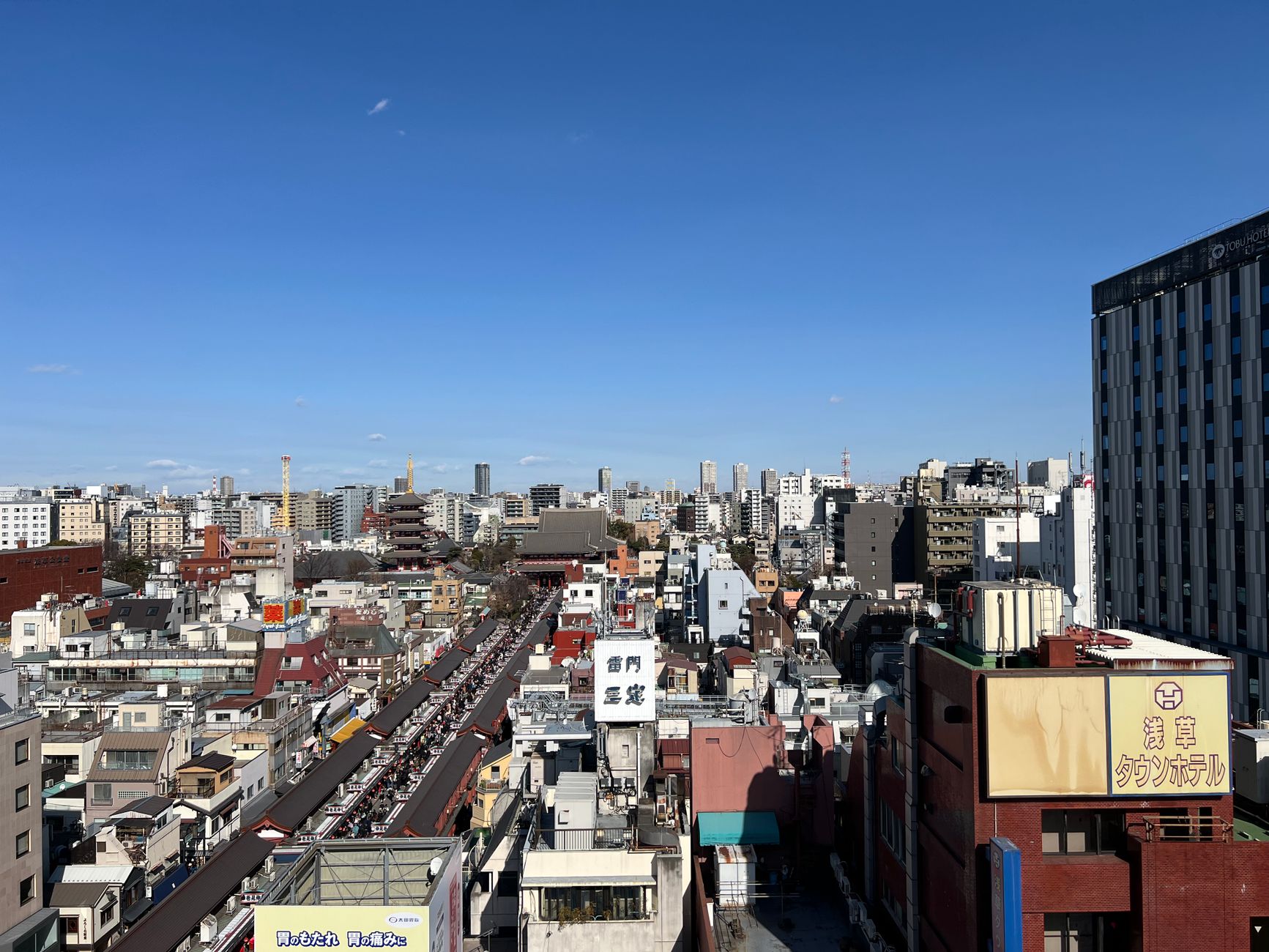
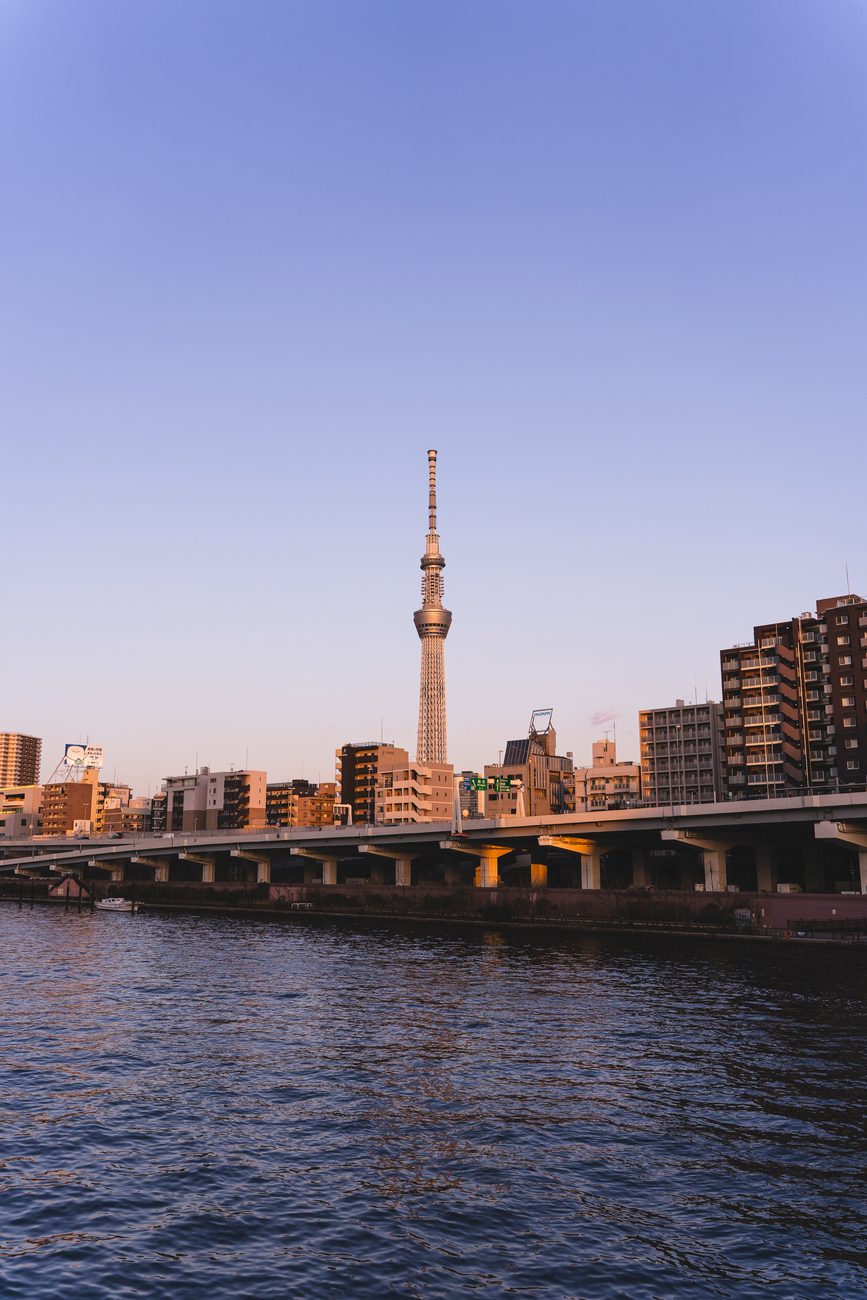
Morning: Start at Asakusa and Senso-ji. Exit Asakusa Station (Ginza Line exit) and walk the Nakamise-dori approach to the temple; expect 30–60 minutes for the temple and shopping lane depending on crowds. From Senso-ji, walk 10–15 minutes to Sumida Park for a river view and Tokyo Skytree skyline photos.
Midday: Take the Tobu Skytree Line from Asakusa to Skytree Station (2 minutes). Consider visiting Tokyo Skytree observation decks (Tembo Deck) if weather is clear; standard tickets are around ¥2,100 for one deck. Lunch at a soba shop near Asakusa or at Solamachi mall beneath Skytree — budget ¥900–¥1,800.
Afternoon: Ride the Tobu or subway to Ueno (about 15–20 minutes). Spend time in Ueno Park and choose one museum: Tokyo National Museum or the National Museum of Nature and Science. Plan 90–120 minutes for a major museum exhibit; special exhibition fees often add ¥500–¥1,000.
Evening: Head to Akihabara by Yamanote Line (6 minutes). Explore electronics shops, arcades and maid-cafe windows; finish with dinner at a standing sushi counter or izakaya in Kanda (¥2,000–¥4,000 per person). For an evening option with a view, take the Yamanote to Shinjuku and visit the metropolitan government observation deck (free) to see city lights.

Day 2
Morning: Start near Harajuku and Meiji Jingu. Exit Harajuku Station (JR Yamanote) and walk through Takeshita-dori for fashion window-shopping; the shrine approach from the west gate is a 10–15 minute calm walk into the forested Meiji grounds. Allocate 60–90 minutes total for shrine, Harajuku lanes and a coffee stop on Omotesando.
Midday: Walk or take the Chiyoda/Marunouchi subway from Meiji-jingumae to Omotesando for architecture and boutique shopping (5–10 minutes). Lunch at an okonomiyaki or yakitori spot in Omotesando/Omote-sando Hills — expect ¥1,200–¥2,500.
Afternoon: Move to Shibuya by Tokyu Toyoko Line or a 10–15 minute walk. See Shibuya Crossing, Hachiko statue and Shibuya Scramble Square (observation deck fee ~¥1,800). Then take the subway or walk to Ebisu (JR Yamanote, 2 minutes) to visit the Yebisu Beer Museum (free entry, tasting paid) or stroll Ebisu Garden Place.
Evening: Head to Shinjuku for dinner and nightlife. Start with Omoide Yokocho for grilled skewers (¥500–¥1,200 per skewer order) and then walk to Golden Gai for narrow bar alleys; many venues limit capacity and may charge a small cover. Shinjuku- Sanchome has late-night ramen options; last trains are typically around midnight to 1:00, so plan departures accordingly.

Day 3
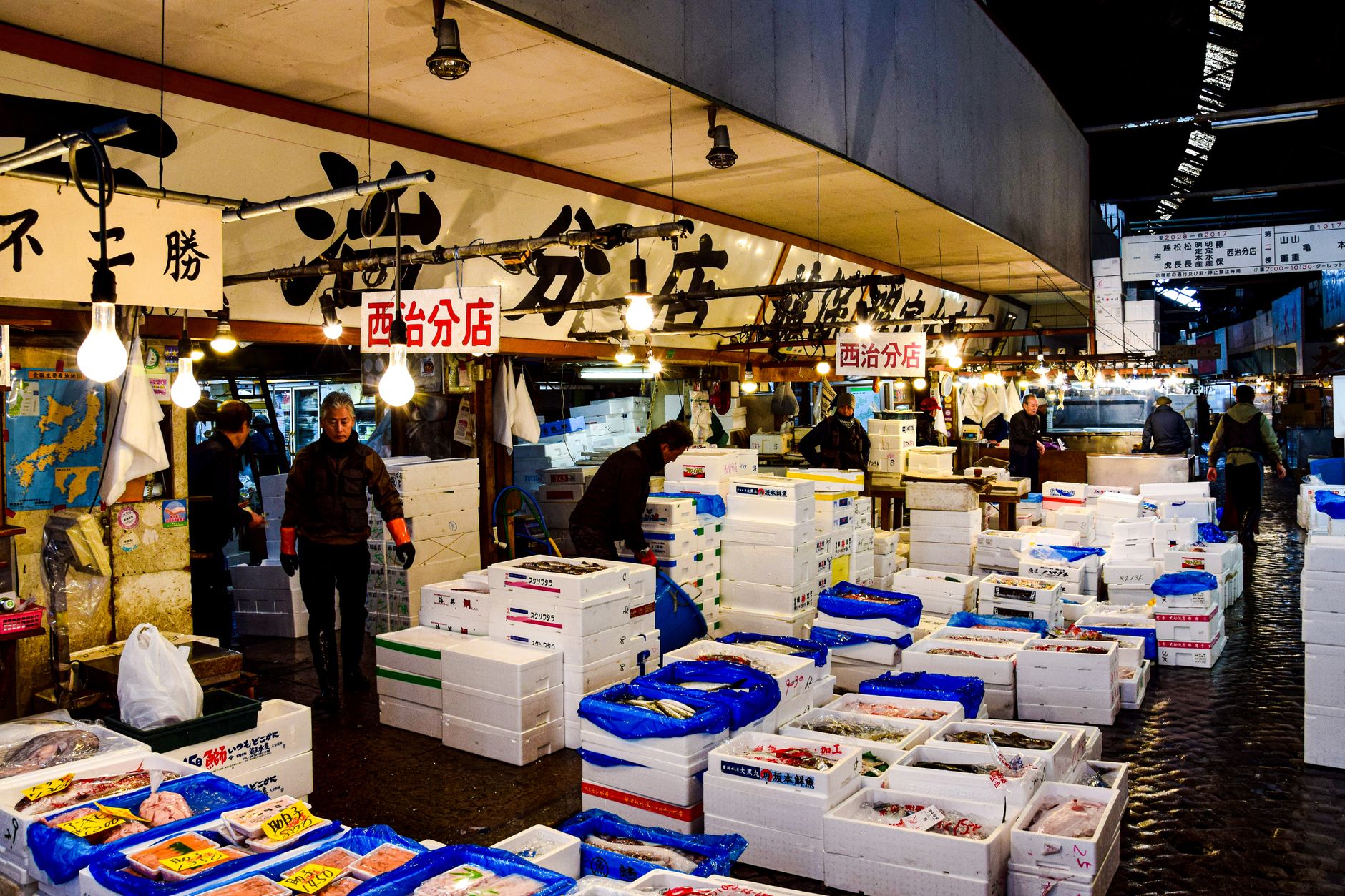
Morning: Start with an early visit to Tsukiji Outer Market for seafood stalls and breakfast sushi; many vendors open by 7:00–8:00. Sample nigiri at a counter for about ¥1,500–¥3,000 depending on selection. From Tsukiji walk 15–20 minutes or take the Oedo Line to Hamarikyu Gardens for a tea house break amid traditional landscaping.
Midday: Take the Yurikamome Line from Shimbashi to Odaiba for modern waterfront attractions (about 15 minutes). Visit teamLab Planets or Palette Town area; teamLab timed tickets typically run ¥3,200 for adults. Lunch options in Odaiba include noodle shops, conveyor sushi, or food courts at Decks Tokyo Beach (¥1,000–¥2,000).
Afternoon: Return to central Tokyo; choose either Ginza for department stores and snackable street food (Mitsukoshi basement food halls) or the Imperial Palace East Gardens for a quieter walk (free entry, check opening hours). If catching an afternoon flight from Haneda, head to Shinagawa (JR Tokaido/Sobu lines or Keikyu) where direct Keikyu Airport Express reaches Haneda in 15–20 minutes.
Practical note: If checking out of a hotel, store luggage at station coin lockers or hotel concierge and aim for attractions close to the departure station to avoid long transfers on the way to the airport.
Best Local Experiences
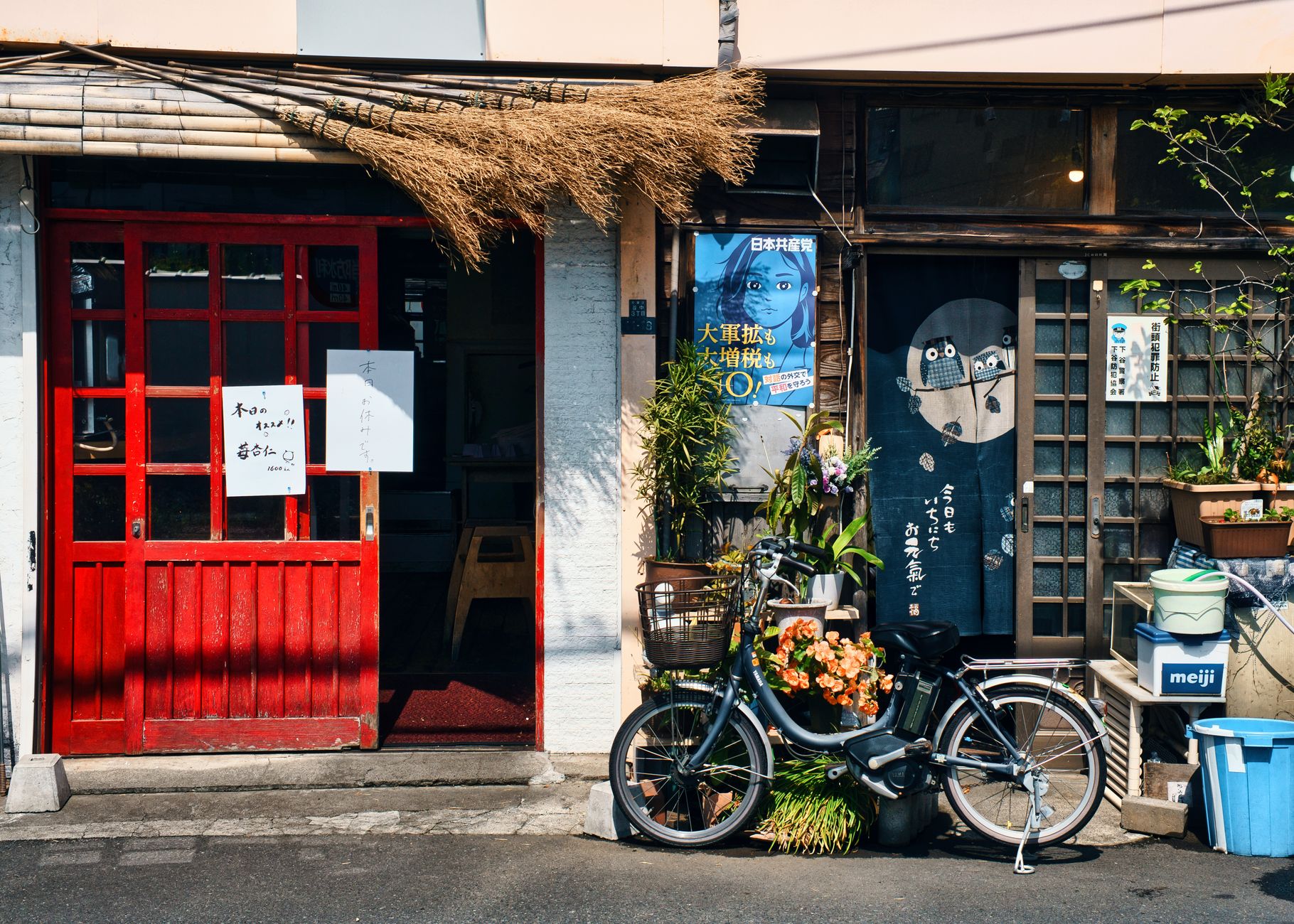
Visit Tsukiji Outer Market stalls early for live seafood counters and grilled skewers rather than the inner wholesale market auctions. Spend an afternoon in Yanaka Ginza to experience older shopfronts and local sweets along a low-traffic street.
Book a reservation for an evening at an izakaya in Ebisu or Shinjuku Omoide Yokocho where ordering small plates is the point; many spots communicate via simple menus and pointing works if language is limited. Attend a sumo morning practice (beya) in Ryogoku when access is permitted; check availability and book through an official ticket vendor. Try a public bath (sento) or an onsen facility like Oedo Onsen Monogatari in Odaiba for a managed hot-spring-style experience in the city.
Explore Nakameguro along the Meguro River during cherry blossom season for lined sakura views, and check weekday afternoons for fewer crowds. Ride the Toei Oedo Line for one continuous loop experience and unusual station architecture; it connects Roppongi, Shinjuku and Ryogoku efficiently for chosen stops.
Where to Stay
Shinjuku: Suits travelers who prioritize night-life, fast train links (JR Shinjuku station) and a wide range of restaurants. Expect midrange hotels at ¥10,000–¥18,000 per night (¥70–¥125 EUR/USD per night). Rooms can be small and noise can be high near Kabukicho.
Shibuya/Harajuku: Suits those who want fashion streets, easy Yamanote access and many cafe options. Nightly prices typically run ¥12,000–¥22,000 (¥85–¥150 EUR/USD); choose a hotel toward Ebisu if quieter evenings are preferred. Walking gives quick access to Meiji Jingu and Omotesando.
Ginza/Marunouchi: Suits travelers who want central daytime access to museums, luxury shopping and direct trains to Tokyo Station. Expect higher nightly rates, ¥18,000–¥30,000 (¥130–¥210 EUR/USD). Rooms here are often larger but less lively after 9:00 pm.
Ueno/Asakusa: Suits value travelers and museum-goers who prefer nearby parks and easy access to Narita via Keisei at Nippori. Nightly rates range ¥7,000–¥14,000 (¥50–¥100 EUR/USD). This area offers simpler ryokan-style stays and quicker access to Senso-ji.
Choose lodging based on arrival/departure station: Haneda travelers benefit from Shinagawa or Hamamatsucho, while Narita arrivals may prefer Ueno or Nippori for direct Skyliner access.
Food and Drink
Breakfast option: Tamago sando (Japanese egg sandwich) from a bakery or konbini—soft scrambled egg mayo between milk bread. Find good versions at local bakeries near stations for ¥300–¥600.
Street food: Grilled tuna or ikayaki at Tsukiji Outer Market and yaki-imo (roasted sweet potato) stands. Expect ¥200–¥800 per item; market sushi counters offer multi-piece sets from ¥1,500.
Dinner recommendation: Tempura at a specialist like Tennozu or a reputable tempura-ya — set meals typically ¥3,000–¥7,000. Ramen: try a local chain or a standing ramen shop in Shinjuku for ¥700–¥1,200.
Other local items: Monjayaki in Tsukishima — a runny, savory pan-cooked dish best at specialty restaurants (¥1,200–¥2,000). For drinks, order a glass of craft beer or yebisu at Ebisu Beer Museum tastings (paid samples) or try highball and shochu in an izakaya (¥400–¥900 per drink).
Dessert and snacks: Wagashi at department store food halls (Isetan, Mitsukoshi) and taiyaki or dorayaki from street vendors (¥150–¥500). Many midrange meals come with free hot water and tea; tipping is not customary in restaurants.
Getting Around
Primary transit modes: JR Yamanote Line (loop), Tokyo Metro lines (Ginza, Hibiya, Chiyoda, etc.), Toei lines (Oedo, Asakusa), private rail like Tokyu and Keio, and the Tokyo Monorail/Keikyu to Haneda. Single fare within central wards starts around ¥170–¥220 on subways; JR local fares vary with distance.
Single ticket price on Tokyo Metro often starts at ¥170; the Tokyo Subway 24-hour ticket (Tokyo Metro & Toei) is about ¥800 and can be purchased at major stations or airports. Suica and PASMO cards store value for seamless use across operators; they can be refunded at the end of the trip minus deposit.
Taxi fares from Haneda to central Tokyo average ¥4,500–¥6,500 depending on location and time; Narita to central Tokyo is significantly higher, typically ¥20,000–¥30,000. Useful apps and route planners include Navitime, JR East App and JapanTaxi for booking cabs. For timetable accuracy and platform changes, use Navitime for Japan or the official Tokyo Metro app.
Best Time to Visit
Spring (late March–April): Cherry blossom season offers peak visual payoff but heavy crowds and higher hotel rates. Daytime temperatures 10–20°C and evening chill.
Summer (June–August): June brings rainy season; July–August are hot and humid with temps commonly 25–35°C. Festivals occur but expect high humidity and crowded outdoor events. Air conditioning is pervasive indoors.
Autumn (late September–November): Comfortable temperatures 15–25°C and clearer skies; autumn foliage in parks and temple gardens is attractive and crowds are moderate. This period often balances cost and pleasant weather.
Winter (December–February): Cold but dry; temperatures range 0–10°C with few snow days. Hotel prices in January may dip after New Year but expect busy holiday periods around New Year’s Eve and first week of January.
Budget and Practical Tips
Daily budget (midrange): Accommodation ¥10,000–¥18,000 (¥70–¥125 EUR/USD), food ¥3,000–¥6,000 (breakfast ¥300–¥800; lunch ¥800–¥1,500; dinner ¥1,500–¥3,000), transport ¥800–¥1,500, entry fees ¥1,000–¥3,000 depending on museums. Total per day roughly ¥15,000–¥30,000 (¥110–¥210 EUR/USD) excluding shopping and high-priced excursions.
Lower-budget options: Capsule hotels or business hotels in Ueno/Shinjuku from ¥5,000–¥9,000 per night. Higher-budget travelers should budget ¥25,000+ per day including nicer dining and private tours. Many convenience stores (konbini) offer affordable hot meals and free water refills in restaurants are common.
Tipping: Not customary; restaurant bills do not require extra tip. Small service charges occasionally appear at tourist-focused restaurants; read the bill. Carry cash for smaller vendors and late-night bars; many ATM machines at 7-Eleven and post offices accept international cards.
FAQ
Is Tokyo safe for solo travelers?
Yes; major urban safety indicators are good, but standard precautions apply in crowded transit hubs and late-night entertainment districts.
Is a Japan Rail Pass worth it for a 3-day stay?
No for central-only stays; the national JR Pass is cost-effective only if planning long-distance trips to other regions such as Takayama or Kyoto during the same visit.
Which transit card should I buy on arrival?
Buy a Suica or PASMO for convenience; both work across JR East, Tokyo Metro and private lines and are refundable for unused balance.
Are English signs and announcements common?
Yes on major lines and stations, but smaller stations and local buses may have limited English signage; station staff at major hubs can assist.
What about accessibility for luggage and mobility issues?
Major stations like Tokyo, Shinjuku and Shinagawa have elevators and accessible routes, but some older subway stations have limited elevator access; plan routes in advance.
Is a Tokyo tourist card worth buying?
The Tokyo Subway 24/48/72-hour ticket is worth it if making several Metro/Toei trips; a broader tourist card is unnecessary unless planning heavy museum discounts or paid tours.
How late do restaurants and bars stay open?
Many bars and izakaya stay open until midnight or later; quick-service restaurants in train stations often stay open late but individual shop hours vary.
Can I use credit cards everywhere?
Credit card acceptance has increased but many small shops, street stalls and some izakaya still prefer cash; carry cash for markets and small venues.
Conclusion
Three days will leave a clear memory of contrasts: quiet shrine walks, crowded scramble crossings and late-night food alleys. Prioritize neighborhoods over checking every attraction off a list; moving efficiently between Asakusa, Ueno, Shibuya and Shinjuku provides a representative sample of what makes the city distinct.
If time is tight, prioritize an early-market visit (Tsukiji), a shrine walk (Meiji Jingu) and one high viewpoint (Skytree or Shibuya Scramble Square) for both daytime and night views. Those few choices deliver a useful cross-section of architecture, food and street life within a manageable three-day window.
How this guide was prepared
This guide was prepared through a structured research that combines destination research, geographic context, itinerary planning logic, and content review.