
3 Days in Savannah: A Practical Itinerary
Three-day Savannah itinerary for a long weekend: walk historic squares, eat Lowcountry classics, take a Tybee beach day, and explore museums, riverfront,…
A practical, search-ready 3-day guide to Savannah covering the historic district, best restaurants, riverfront evenings, a Tybee Island day trip, and transit tips.
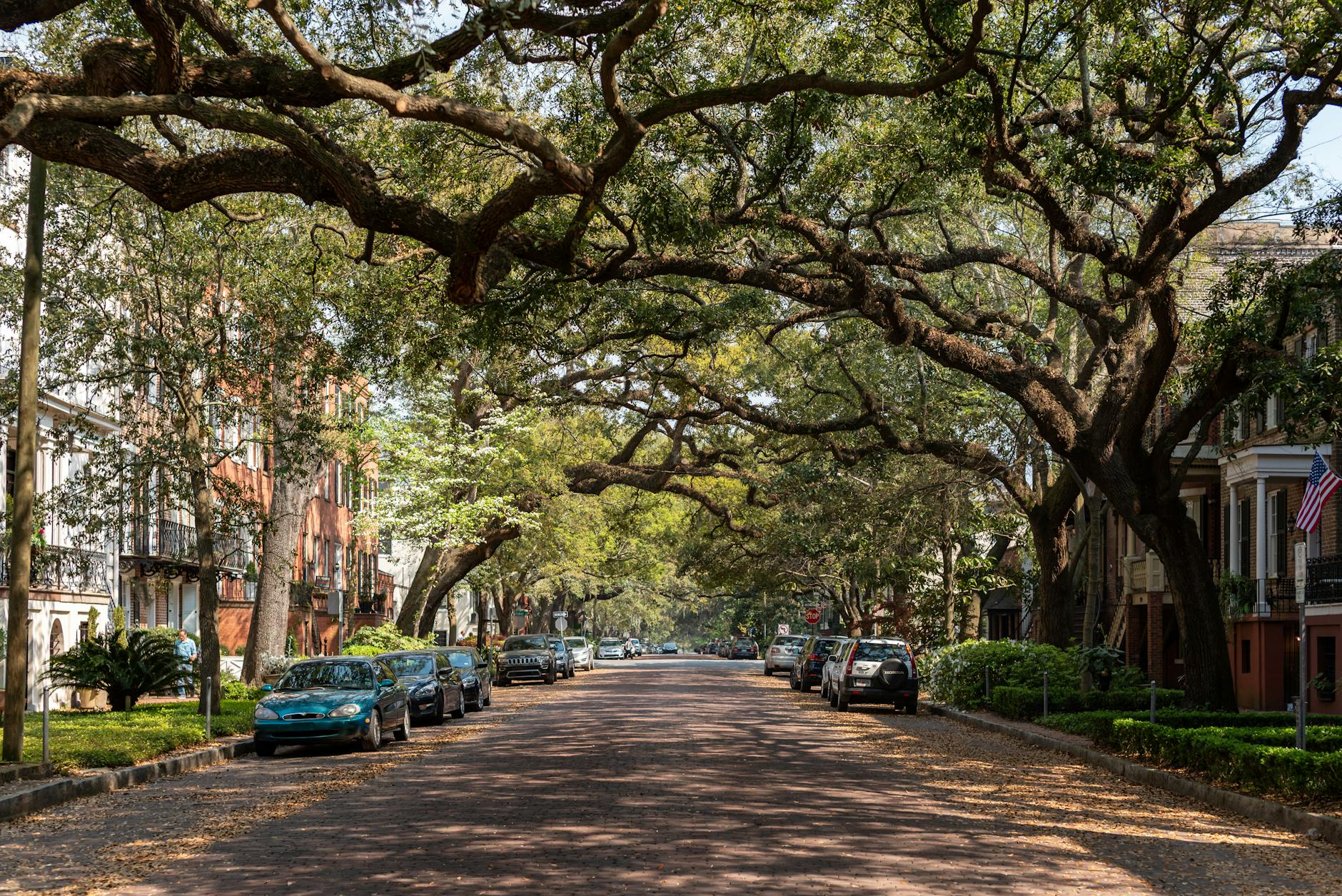
Moss-draped oaks, compact cobblestone streets, and a slow riverfront give this coastal Southern city a very walkable, picture-ready character. It suits history lovers, food-focused travelers, couples seeking a romantic weekend, and photographers who want squares, antebellum architecture, and sunsets over the Savannah River. Three days is ideal: one day to take in the Historic District and riverfront, a second for nearby greenways, plantations or museums, and a third for a Tybee Island beach or deeper neighborhood exploration without feeling rushed.
This guide maps a practical, neighborhood-focused plan with dining recommendations, transit tips, and local experiences so you get the highlights plus a few off-radar finds in a single long weekend.
Quick Answer
A practical, search-ready 3-day guide to Savannah covering the historic district, best restaurants, riverfront evenings, a Tybee Island day trip, and transit tips.
Who This Guide Is For
This guide is best for first-time visitors, couples, solo travelers, and anyone planning 3-day city break, Weekend getaway, Cultural trip in Savannah with a balance of highlights, local character, and reasonable spending.
How This Guide Was Prepared
This guide was prepared through a structured editorial workflow that combines destination research, geographic context, itinerary planning logic, and practical travel review.
Plan Your Stay in Savannah
Use this itinerary as your starting point, then compare areas to stay, transport options, seasonal timing, and realistic daily costs before booking.
Why Visit
You come for the history and stay for the food and atmosphere. The Historic District’s 22 squares, antebellum homes, and ironwork feel cinematic but remain human-scale for easy walking.
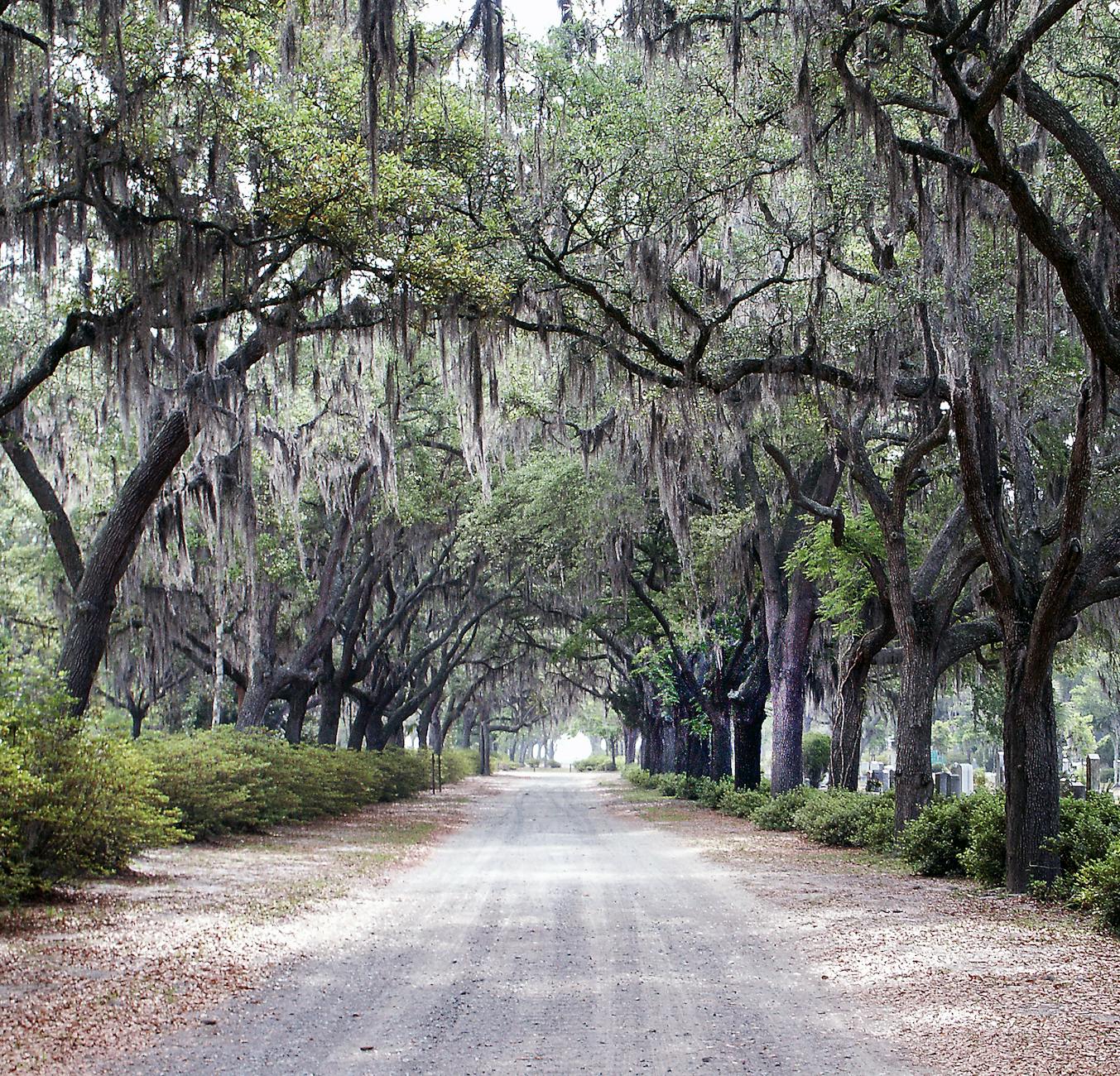
Lowcountry cuisine—shrimp and grits, oysters, bench-style communal dining—pairs with a lively riverside scene. Nearby beaches, live-oak avenues like Wormsloe, and atmospheric cemeteries add variety to a compact city center.
Quick Planning Tips
Book historic inns or downtown hotels early for weekends and St. Patrick’s Day. Pack good walking shoes; cobbles and tree roots are everywhere.
Carry change or the ParkMobile app for meters, and reserve any popular restaurants (Olde Pink House, The Grey) in advance. If you want a beach day, check tide and parking for Tybee Island and allow 30–40 minutes travel time each way.

Day 1
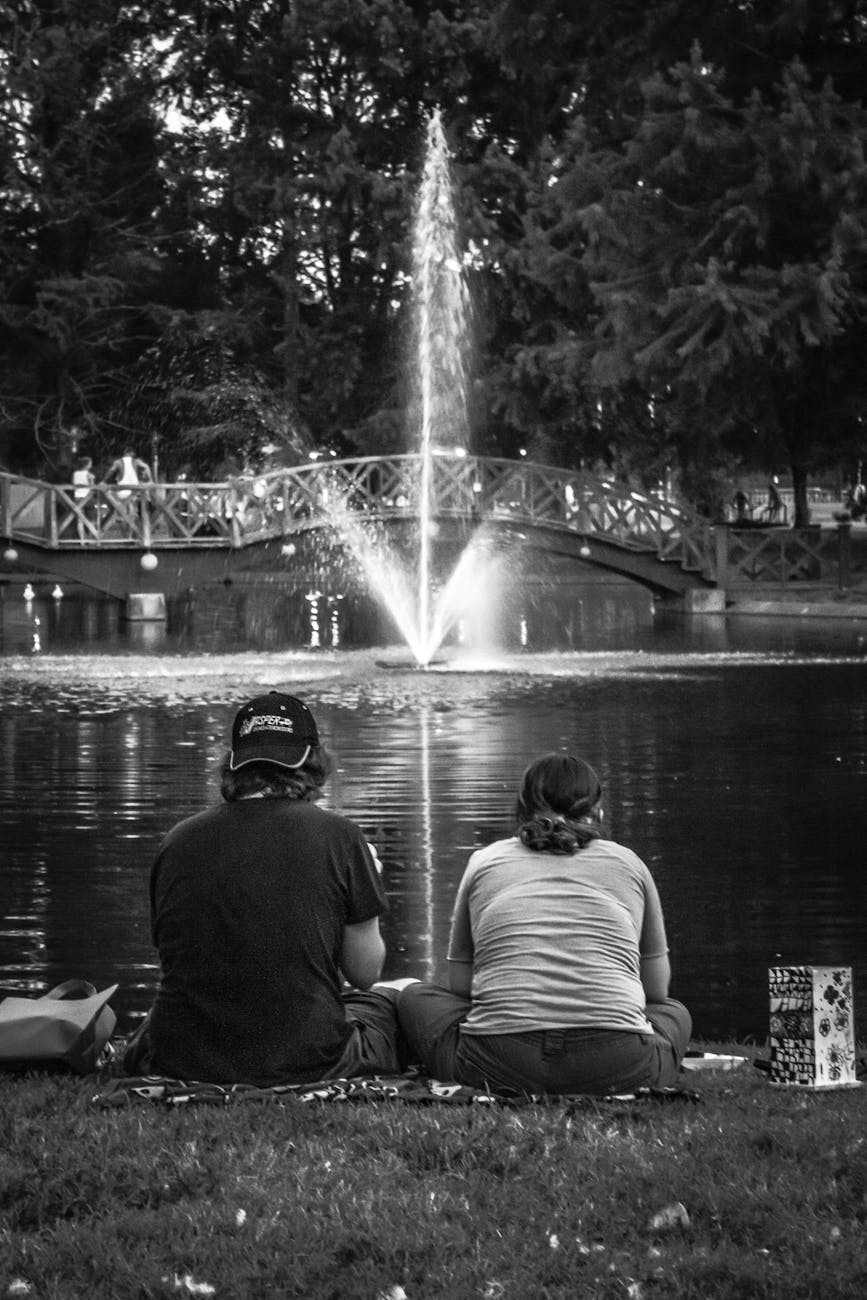
Morning: Start in the Historic District—walk from Johnson Square toward Forsyth Park. See the Cathedral of St. John the Baptist and pause at the Forsyth Park fountain for photos.
Lunch: Try a communal lunch at a classic Lowcountry spot or a casual sandwich on Broughton Street.
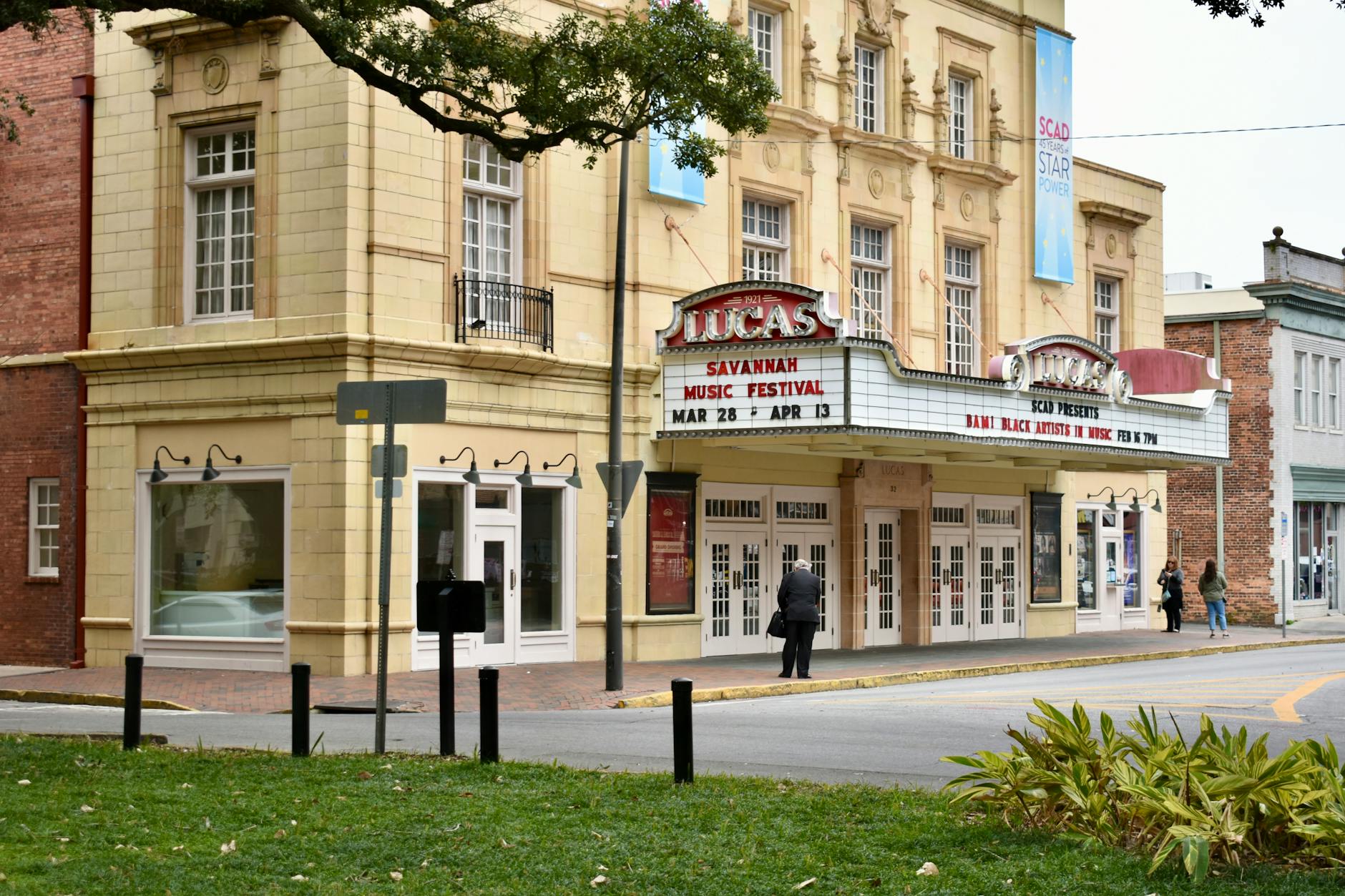
Afternoon: Visit the Owens-Thomas House or SCAD Museum of Art. Wander the grid of squares—Chippewa, Madison, and Monterey are highlights.
Evening: Sunset on River Street, watch freighters and paddlewheelers, then dinner at a riverside restaurant. Finish with a low-key bar or riverside walk.
Day 2
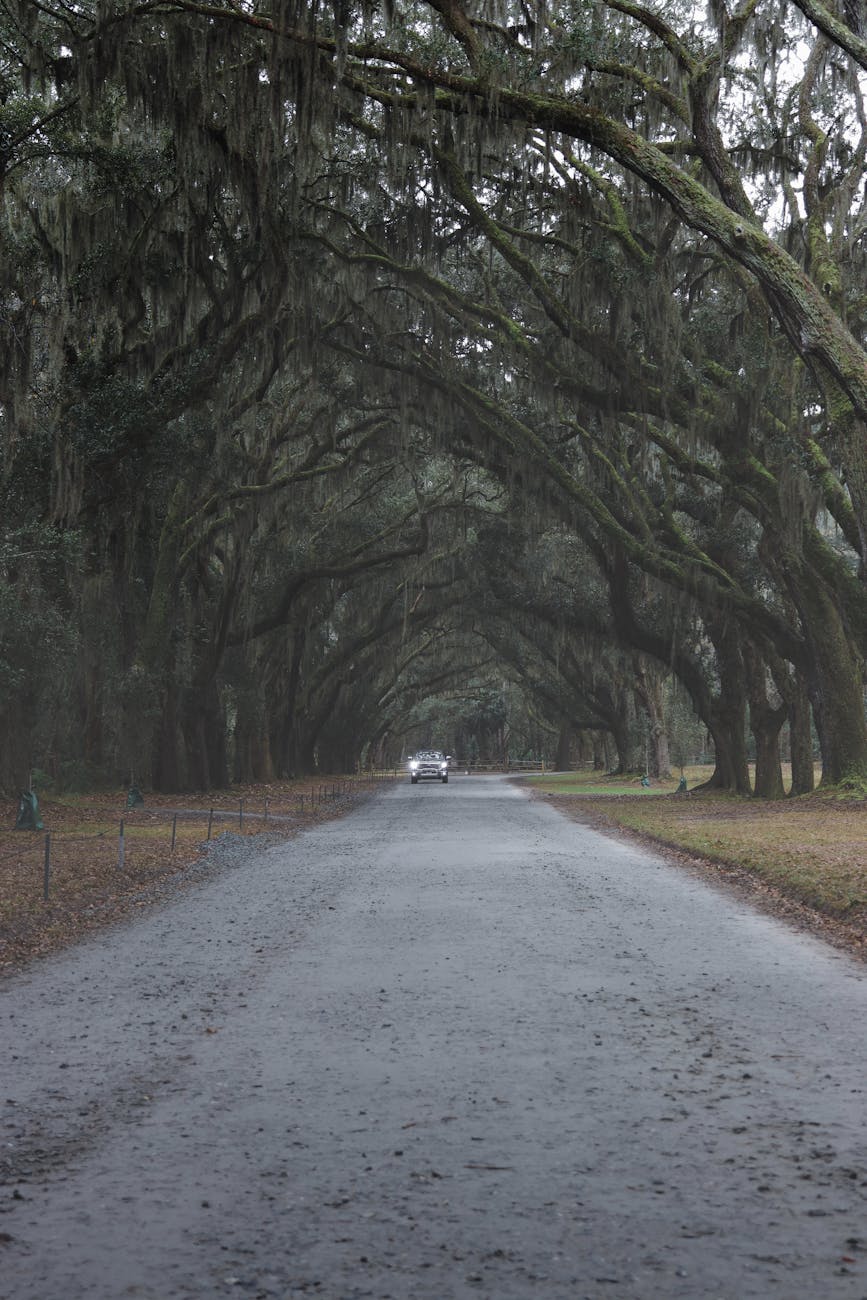
Morning: Drive or take a short tour to Wormsloe Historic Site for the iconic live oak avenue and interpretive trails.
Midday: Head to Bonaventure Cemetery for a guided walk if you enjoy history and photography.
Afternoon: Explore Starland or the Historic District’s smaller museums and boutiques. Stop at Leopold’s Ice Cream or a sidewalk café.
Evening: Take a ghost tour or lantern walk—these are popular and atmospheric—or book a riverboat dinner cruise for history with a sunset view.
Day 3
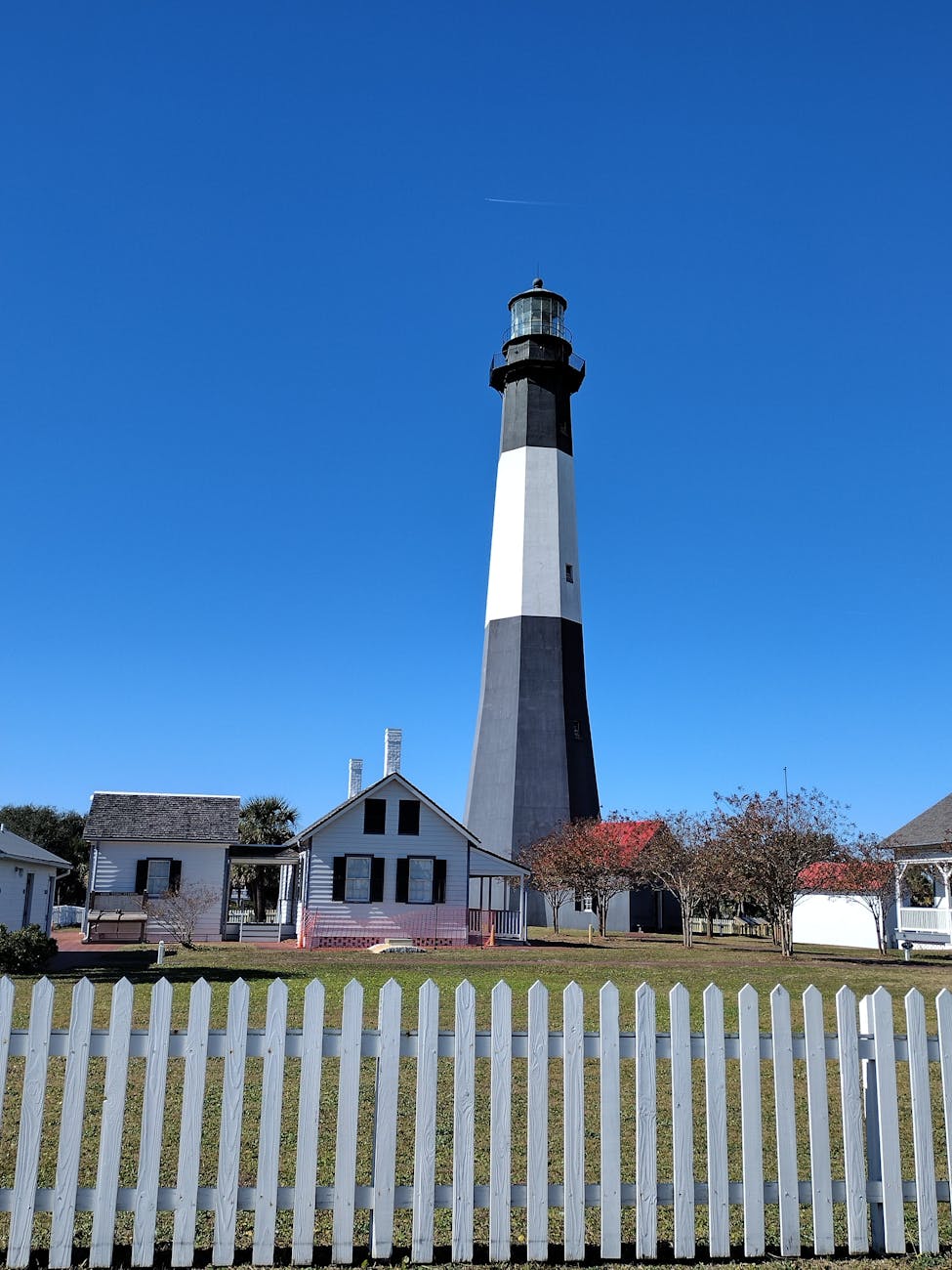
Morning: Make this your Tybee Island day. Visit the lighthouse, climb for views, and enjoy the beach—rent a bike or go kayaking if you like active time.
Lunch: Fresh seafood near the pier.
Afternoon: Return to town for City Market and Broughton Street shopping or take time to relax at a park.
Evening: Cap the trip with dinner at a classic Southern restaurant and one last stroll along the riverfront or across the squares by lamplight.
Best Local Experiences
Walk the squares early for quiet light and great photos.
Join a guided architectural or history tour to understand the layers of the city—plantation tours are a short drive and offer a different perspective.
Dine family-style at a traditional Lowcountry spot, try an oyster roast, and visit Leopold’s for historic ice cream.
Stay for a ghost or history walking tour at night—the stories and atmosphere are a local specialty.
Where to Stay
Historic District: Best for first-timers who want to walk to squares, museums, and River Street.
Riverfront: Good for sunset views and nightlife but can be noisier.
Starland/Victorian District: Art-focused and quieter, with boutique options.
For a beach stay, choose Tybee Island and plan a shore-to-town day trip. Look for hotels or inns with parking if you plan to drive between sites.
Food and Drink
Start days with coffee and Southern breakfast biscuits. Lunch options range from shrimp shacks near the river to upscale Lowcountry tasting menus.
Must-try dishes: shrimp and grits, Lowcountry boil, fried green tomatoes, and local oysters. Olde Pink House, The Grey, Mrs. Wilkes Dining Room, and Leopold’s are famous picks—reserve where possible.
Evenings: River Street has bars and live music; for craft cocktails and rooftop views, seek out hotel bars along Bull Street and Broughton Street.
Getting Around
The Historic District is compact and best explored on foot; wear comfortable shoes for cobblestones. Chatham Area Transit (CAT) runs regular buses; use them for longer hops.
Hop-on hop-off trolley tours are convenient for first-timers and cover major attractions. For Tybee Island or Wormsloe, driving or a booked tour is easiest—allow 30–40 minutes each way.
Parking: metered on-street parking, garages, and pay-by-phone (ParkMobile) are common. Rideshares and taxis fill gaps after evening events.
Best Time to Visit
Spring (March–May) and fall (September–November) offer mild temperatures, blooming azaleas, and lower humidity—ideal for walking tours and outdoor dining.
March brings the massive St. Patrick’s Day festivities—book early if you plan that trip. Summers are hot and humid; hurricane season runs June–November, so keep an eye on forecasts for coastal plans.
Budget and Practical Tips
Budget: expect midrange prices for downtown hotels; many attractions are free or low-cost (squares, walking). Allocate budget for one guided tour and a nicer dinner.
Practical: Bring insect repellent for marshes and evenings. Tipping follows U.S. standards—15–20% at restaurants. Most places accept cards but carry small cash for market stalls.
Safety: The downtown area is generally safe by day; use common-sense precautions at night and stick to well-lit streets.
FAQ
Is three days enough to see the highlights?
Yes. Three days lets you cover the Historic District, a major site or two (Wormsloe or Bonaventure), and a Tybee Island or museum day without rushing.
How do I get to Tybee Island from downtown?
Driving is easiest (about 30–40 minutes). You can also book a shuttle or organized tour; public transit is limited for quick beach trips.
Are trolley tours worth it?
For first-time visitors they’re a great orientation tool and save walking time; hop-on hop-off options let you customize stops.
Do I need reservations for restaurants?
For popular spots and weekend evenings, yes. Reserve ahead for dinner at well-known restaurants like The Grey or Olde Pink House.
Is the Historic District walkable with kids or strollers?
Mostly yes, but bring sturdy wheels—some cobbles and tree roots make stroller navigation bumpy.
What should I pack for a spring weekend?
Comfortable walking shoes, a light rain jacket, sunscreen, and insect repellent for marshy areas.
Conclusion
Three days offers a balanced weekend: mornings among the squares, afternoons for museums or nearby sites, and at least one beach or plantation day. Follow this plan for efficient transit, solid dining choices, and moments to slow down—porch-sitting, sunset on the river, and wandering beneath live oaks. Book the handful of reservations you need, bring comfortable shoes, and leave room for unplanned discoveries—the best parts of a short visit often happen between squares.
How this guide was prepared
This guide was prepared through a structured research that combines destination research, geographic context, itinerary planning logic, and content review.