
Busan in 3 Days: Practical Weekend Itinerary and Tips
Three-day Busan guide with timed routes, realistic costs, transit cards and apps, neighbourhood tradeoffs, meal picks and safety notes for a tight weekend.
A direct, no-fluff 72-hour plan for Busan that balances coastal views, markets, and neighbourhood culture with realistic transport and cost advice.
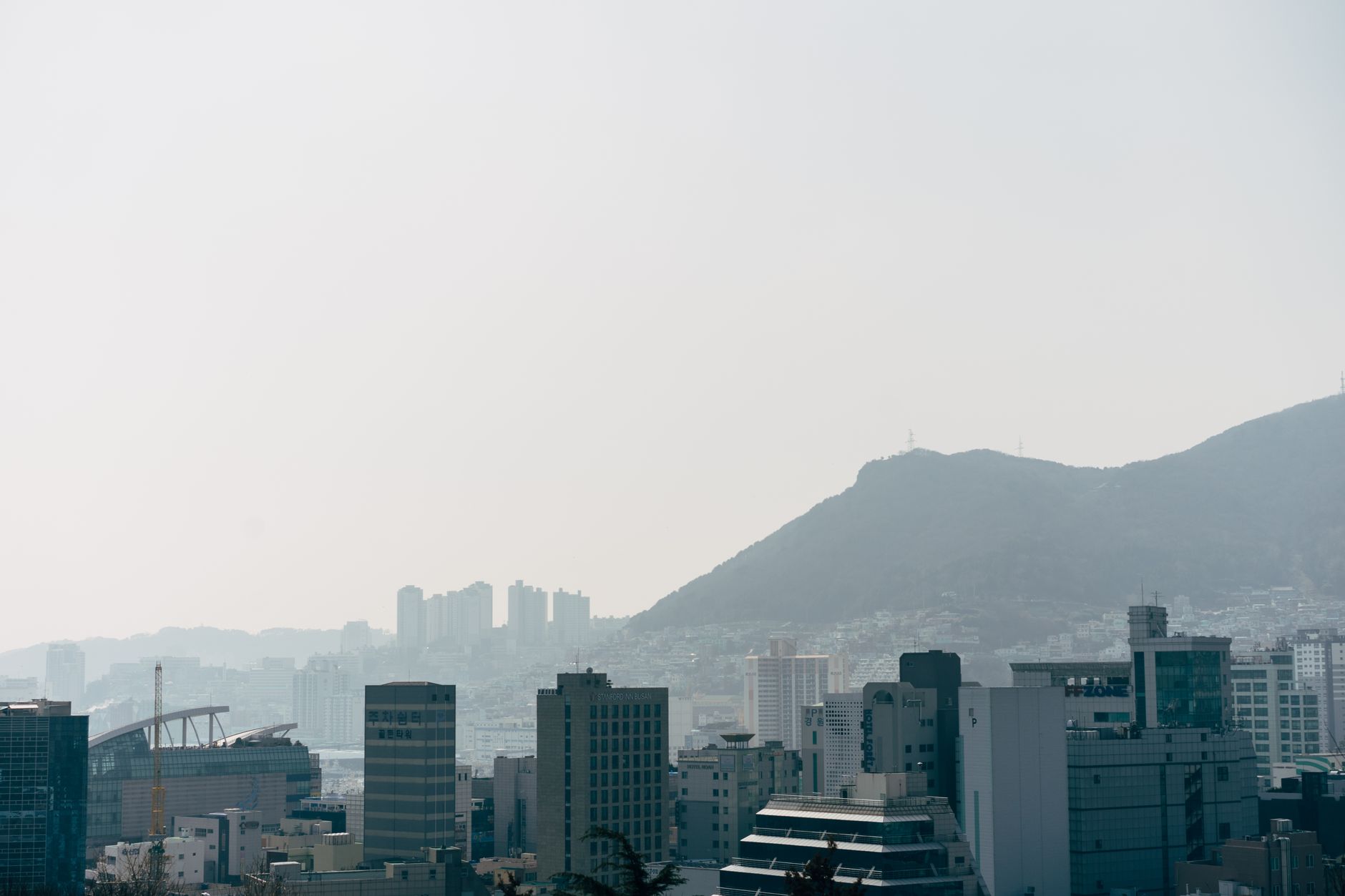
A first visit feels like a city built along its shore: busy docks and seafood markets sit beside a developed coastal strip with high-rises and public beaches. Streets around Seomyeon and Nampo are dense with shops, while Haeundae and Gwangalli feel more oriented toward daytrippers and nightlife. Expect noise near main roads, lots of stairs in older neighbourhoods and faster pedestrian rhythms in shopping districts.
Transport is efficient but not seamless; transfers between metro lines and buses save time, though frequent construction and weekend events can cause delays. The overall mood favors practical urban life rather than curated sightseeing: local markets and seafood restaurants are daily routines for residents, not staged attractions. Those who prefer compact walking tours with fixed opening hours will find the mix of beaches, markets and hillside neighbourhoods satisfying.
Is 3 days in Busan enough?
Yes—three days is enough to hit Haeundae, Gwangalli, Gamcheon Culture Village and Jagalchi Market with sensible pacing. One honest caveat: a three-day visit will likely skip a relaxed visit to outlying natural sites like Oryukdo or a full Taejongdae afternoon if public transport delays occur.
Who This Guide Is For
Best for travellers who want a compact mix of beaches, seafood markets and city neighbourhoods and who can walk, use the metro and take a few buses. Poor fit for mountain hikers or travellers expecting slow, hotel-based leisure.
Local Tips for Busan
Practical details that most travel sites skip — specific to Busan.
- Get a T-money card at CU, GS25 or any metro kiosk; it works on Busan Metro Lines 1–4, the Busan–Gimhae Light Rail (BGL) and most city buses — single fares start around ₩1,300.
- From Gimhae International Airport use the BGL (Gimhae Light Rail) to Sasang and transfer to Metro Line 2; travel time to Seomyeon is about 35–40 minutes and costs roughly ₩1,700–2,000.
- At Jagalchi Market many second-floor restaurants price sashimi by weight and sometimes charge a plating or plastic-wrap fee; expect ₩12,000–25,000 per person for a mixed plate if ordering raw fish.
- Check weekday closures: Busan Museum of Art and several small private galleries often close on Monday, so plan museum days mid-week or on weekends.
- Gwangan Bridge (Gwangandaegyo) lights and the Busan Fireworks events draw massive crowds at Gwangalli Beach — the major festival is usually in autumn (often October), so book accommodation early for those dates.
How This Guide Was Prepared
This guide treats Busan as a working port city with strong neighbourhood identities rather than a single sightseeing circuit. Many guides group everything into a list of photo spots; this one organizes time, transit and real costs so a busy weekend traveller can move efficiently and avoid common timing mistakes. This guide was prepared through a structured research that combines destination research, geographic context, itinerary planning logic, and content review.
Plan Your Stay in Busan
Use this itinerary as your starting point, then compare areas to stay, transport options, seasonal timing, and realistic daily costs before booking.
Why Visit
This city offers a coastal contrast to Seoul: public beaches like Haeundae and Gwangalli are within metro reach and blend beach culture with city amenities. Seafood markets such as Jagalchi provide immediate access to freshly prepared fish and live auctions, a hands-on food experience rarely available in landlocked places.
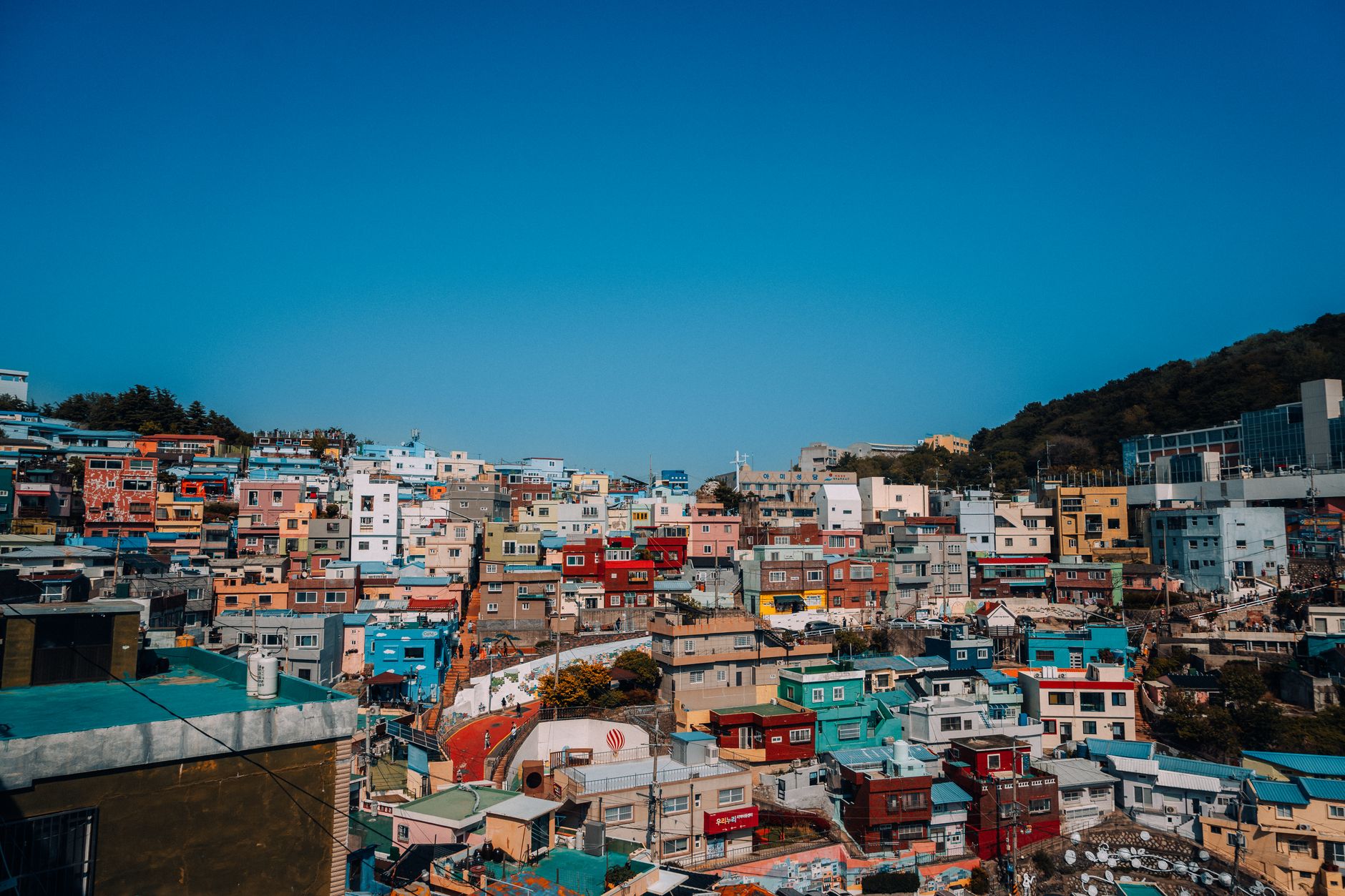
Gamcheon Culture Village presents dense, stepped alleys and street art on a human scale; it pairs well with nearby Yongdusan Park and Busan Tower for different viewpoints. Practical transport connections — Busan Metro Lines 1–4 plus the Busan–Gimhae Light Rail — make hopping between beaches, markets and museums feasible during a long weekend.
Quick Planning Tips
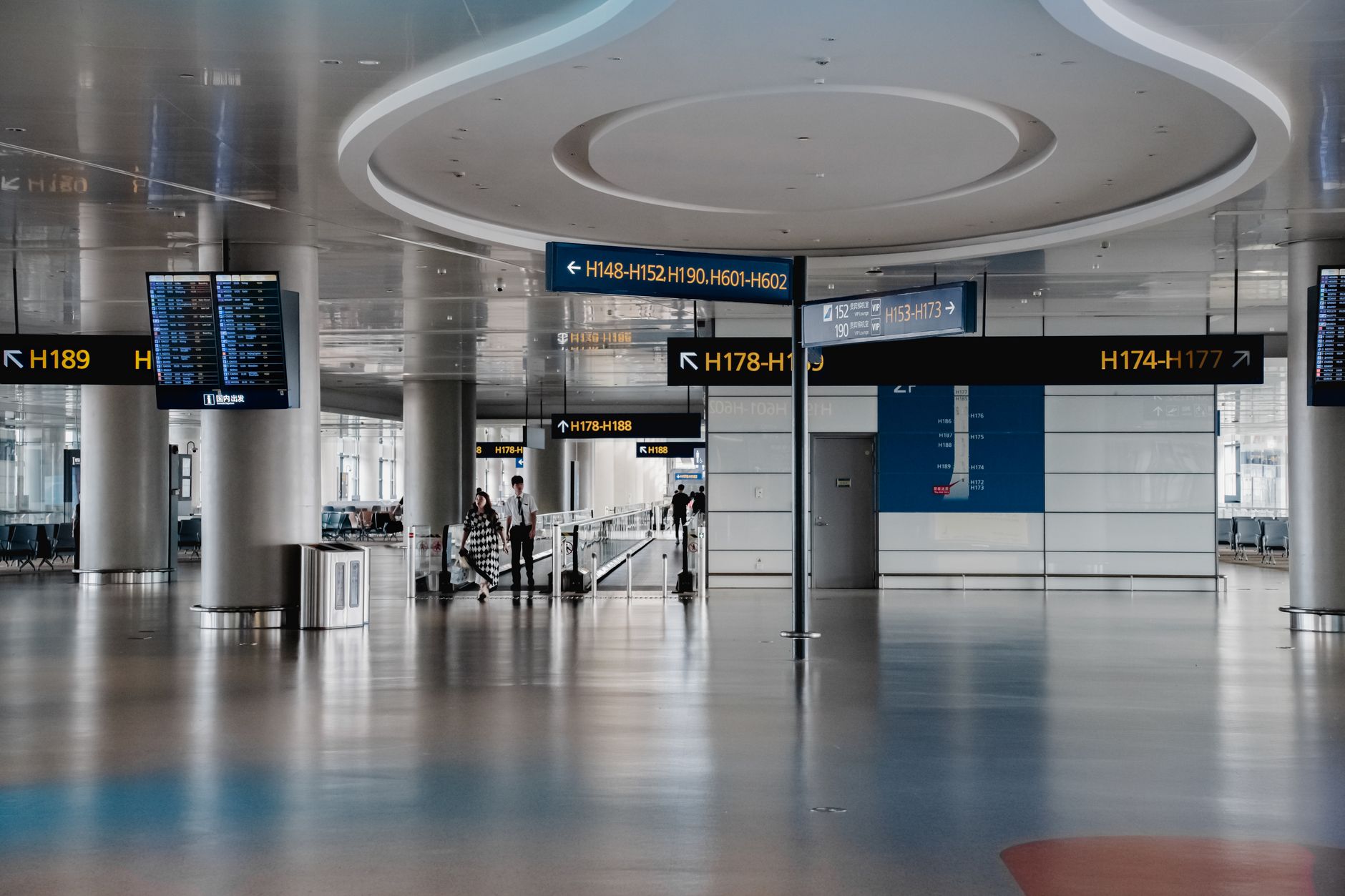
Aim to fly into Gimhae International Airport for quickest access; the Busan–Gimhae Light Rail (BGL) links the airport to Sasang Station, where a transfer to Metro Line 2 takes you toward Seomyeon and Haeundae. A T-money card is the simplest payment: buy or top up at convenience stores, metro kiosks or vending machines.
Avoid overpacking days with long transfers; for example, allow 30–40 minutes between Seomyeon and Haeundae by metro, and budget more time on weekends and festival nights. Book accommodation early for autumn fireworks or summer beach weekends, and verify opening days for museums because many close Mondays.
Day 1
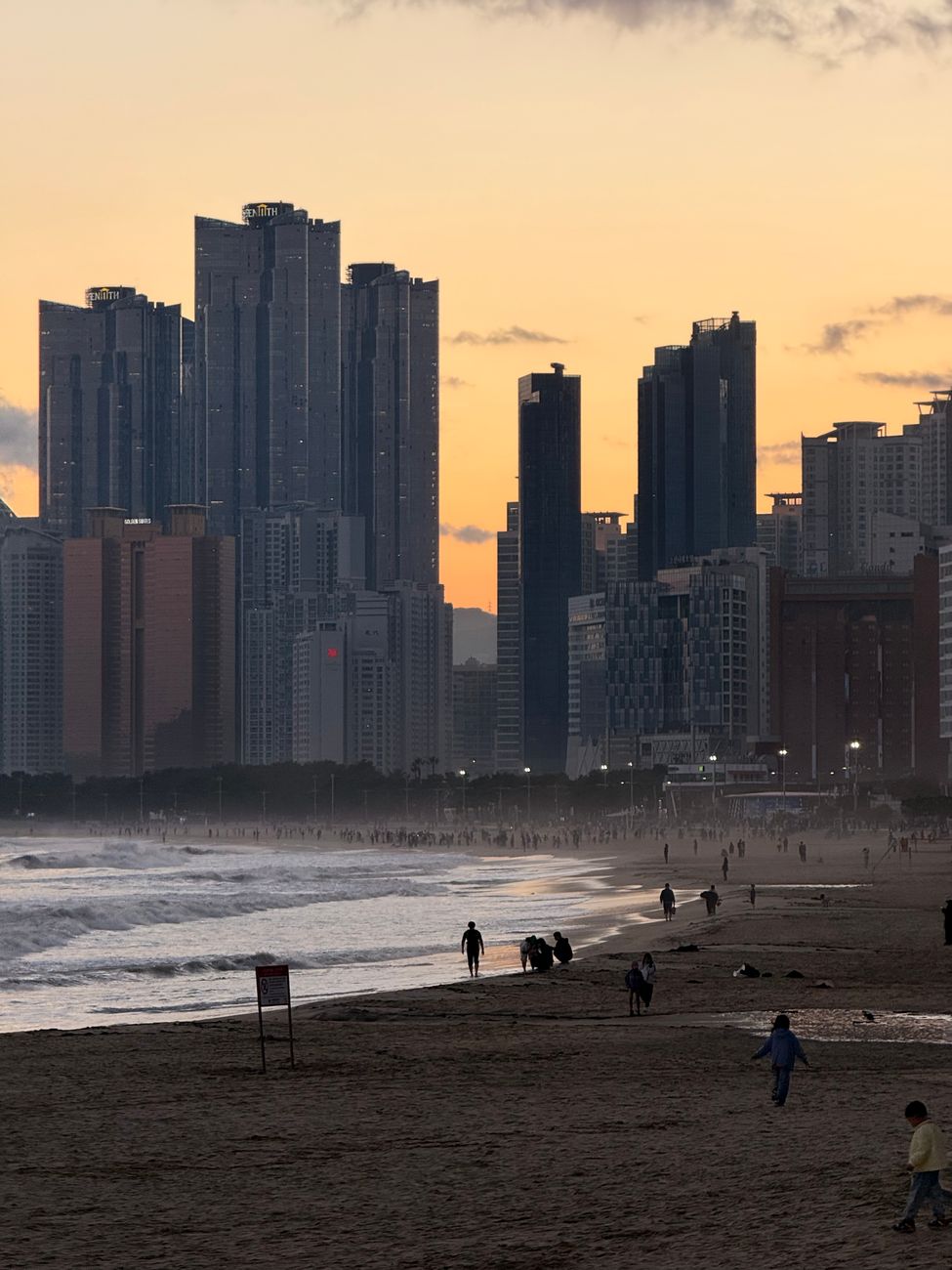
Morning: Start at Haeundae Beach for a waterfront walk and quick coffee. Haeundae Station (Busan Metro Line 2) drops visitors close to the sand; allow 1–1.5 hours for the stretch from Dongbaek Park to the sand and early people-watching. Dongbaek Park is a steep 15–20 minute walk from the beach entrance and rewards with coastal views and the Nurimaru APEC House.
Lunch: Eat at Millak Raw Fish Town (near Centum City) where counters sell sashimi by weight; budget ₩12,000–20,000 per person for a basic plate. Afternoon: Head to Centum City (exit from Centum City Station on Line 2) for Shinsegae Centum City department store and the Busan Museum of Art a short taxi or subway ride away; expect 20 minutes transit from Haeundae. Allow 2 hours for shopping or visiting the museum.
Evening: Transfer to Gwangalli Beach by metro Line 2 to Gwangan Station (roughly 10–15 minutes from Centum City) and arrive in time for a sunset stroll and a view of Gwangan Bridge. Dinner at a beachfront cafe such as Millak Waterfront restaurants or one of the Gwangalli seafood places; expect main courses ₩10,000–25,000. Finish the night with a bridge-light show or a late coffee along the promenade.
Day 2
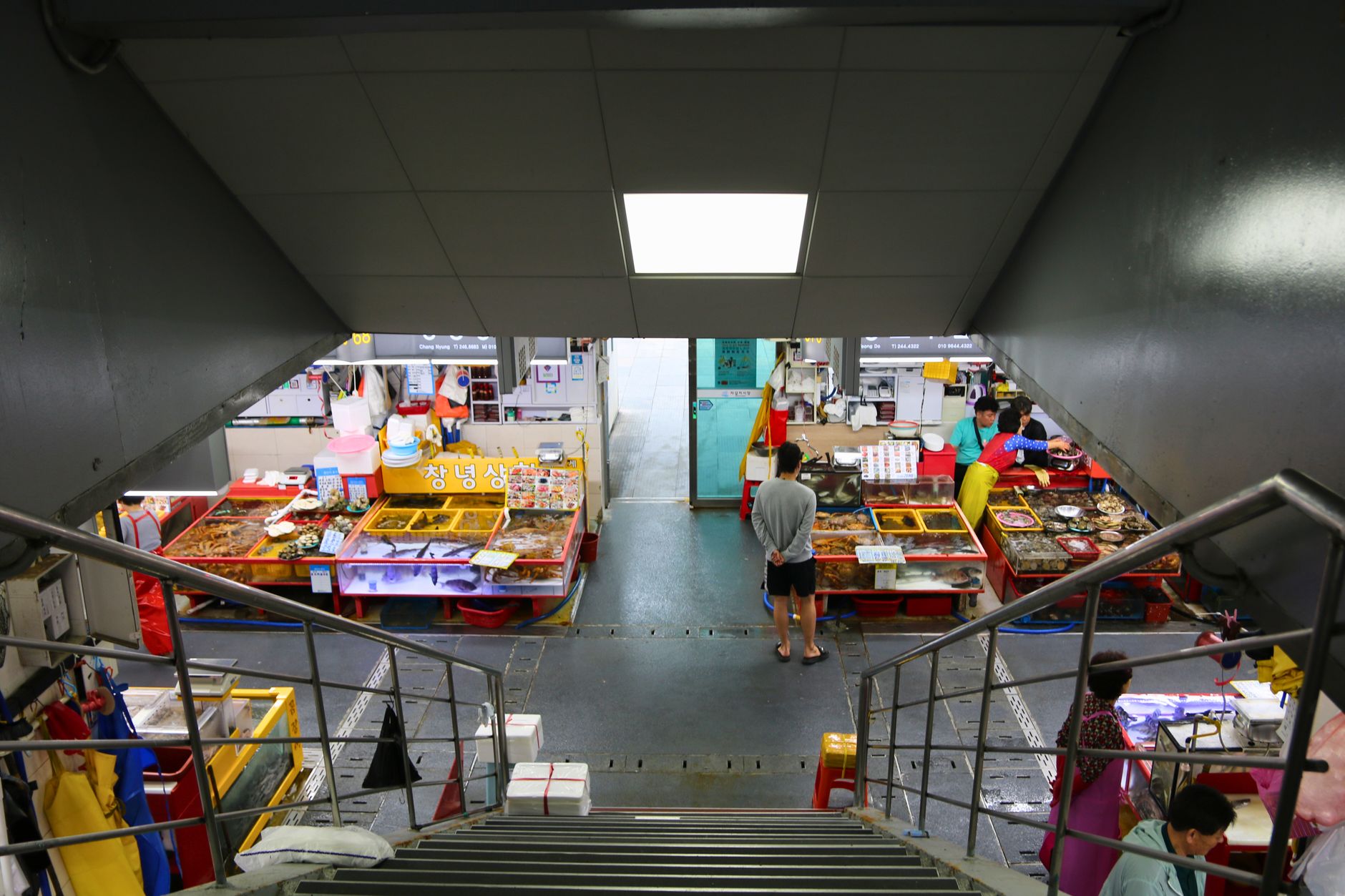
Morning: Take Metro Line 1 to Nampo Station and walk to Jagalchi Market for the fish stalls and the second-floor restaurants. Allocate at least 1.5–2 hours to browse stalls, watch vendors and sample small plates; the market gets busiest late morning. Nearby BIFF Square and Gukje Market are 5–10 minutes on foot and are good for street food and inexpensive clothing stalls.
Lunch: Try a shared sashimi set at a recommended Jagalchi second-floor restaurant for a direct market-to-table meal; expect to pay around ₩15,000–30,000 per person depending on selection. Afternoon: Walk to Gamcheon Culture Village via the uphill alleys or take bus 2 or cab for about 15 minutes from Nampo; plan 2–3 hours for murals, craft shops and viewpoints. Travel time from Gamcheon to Yongdusan Park or Busan Tower is 20 minutes by bus or taxi.
Evening: Return toward Seomyeon for a dinner of Korean barbecue or street snacks along Bupyeong Kkangtong Market area. Seomyeon is the central transport hub with Lines 1 and 2, making late-night transit easier. End with a short bar crawl around Seomyeon’s food alleys or a low-key café if energy allows.
Day 3
Morning: Head to Taejongdae for coastal cliffs and the lighthouse; take bus 8 or 30 from Busan Station area or use the Dadaepo shuttle if available. Allow at least 2.5–3 hours for the cliff promenade, observatory and the short Danubi Train ride inside the park.
Lunch: If returning toward the city, stop at the modern Centum City food court for a quick meal or try local eomuk (fish cake) stands near the port; expect quick bites for ₩3,000–8,000. Afternoon: Visit Haedong Yonggungsa temple on the northeastern coast for a seaside temple experience; accessible by bus 181 from Haeundae or a 30–40 minute taxi from Seomyeon. For travellers leaving that afternoon, choose activities within easy reach of your station or airport transfer.
Practical departure note: If catching an afternoon flight from Gimhae, plan at least 90 minutes for travel to the BGL station and 60–90 minutes for check-in; taxis from Haeundae to the airport can cost ₩25,000–40,000 depending on traffic. If time is tight, skip the temple and return to Seomyeon early to retrieve luggage and head to the BGL.
Best Local Experiences
Jagalchi Market fish auctions and second-floor sashimi restaurants give direct access to freshly landed seafood; go early for the liveliest atmosphere. Gamcheon Culture Village offers alleyway art and community-run galleries with local craft stands concentrated near the main viewpoint.
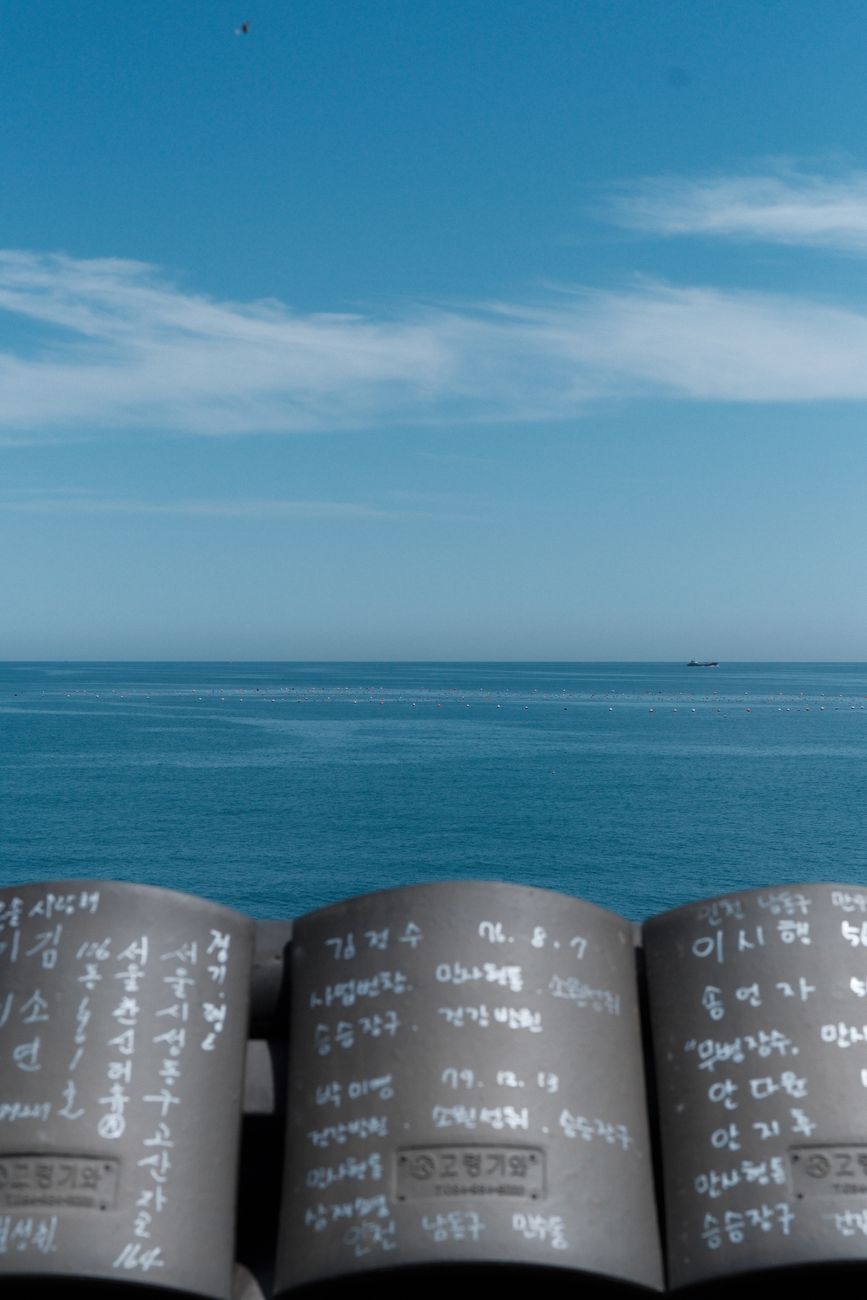
Haeundae Sunrise and Dongbaek Park walks provide accessible coastal scenery and are busiest at holiday weekends. Gwangalli Beach’s night view of Gwangan Bridge and local cafés is a reliable evening option, especially for photography. BIFF Square and the adjacent Gukje Market capture the city’s street-food culture and cheap practical shopping in a concentrated area.
Where to Stay
Haeundae District: Suited for beach-focused travellers and those who want easy access to cafes and tourist services. Close to Haeundae Station (Line 2) and Dongbaek Park, nightly prices range from about ₩70,000 for budget guesthouses to ₩150,000–250,000 for mid-range hotels (≈€50–€180 / $55–$200).
Seomyeon / Bujeon: Suited for nightlife, transit connections and shopping. Seomyeon Station sits on Lines 1 and 2, making it the city's transit hub; expect ₩60,000–₩140,000 per night for many comfortable options (≈€45–€100 / $50–$110).
Nampo-dong / Jung-gu: Suited for market access and a compact sightseeing base close to Jagalchi and BIFF Square. Walking distance to major harbour attractions keeps taxi needs low; expect ₩50,000–₩130,000 per night (≈€40–€95 / $45–$110).
Food and Drink
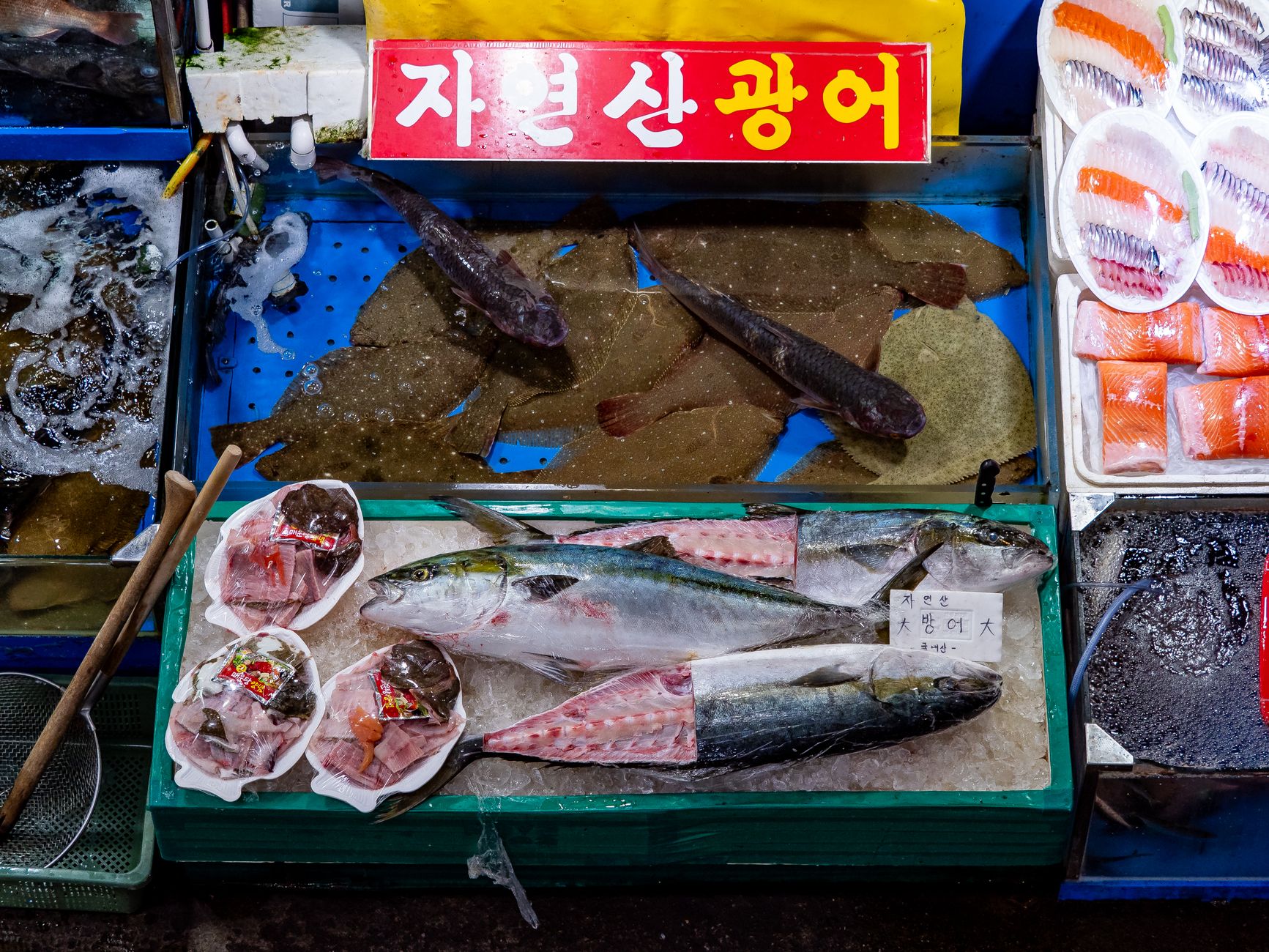
Hoe (raw fish / sashimi): Fresh slices of fish often served with gochujang or soy dipping sauces; best at Jagalchi Market second-floor restaurants or Millak Raw Fish Town. Expect ₩12,000–30,000 per person depending on selection.
Eomuk (fish cake): A popular street snack served on skewers or in broth at stands near Nampo and the port; a stick or small bowl is about ₩2,000–4,000. Hotteok (filled sweet pancake): Seek versions sold near BIFF Square for a quick sweet snack at around ₩2,500–3,500.
Galbi or Korean barbecue: Widely available near Seomyeon and Nampo; a full meat set for two runs ₩30,000–60,000. Gukbap (pork or seafood soup with rice): A practical lunch option at markets and small local restaurants for ₩6,000–10,000. For breakfast try a local kimbap and coffee at a chain café or market stall for about ₩4,500–7,000.
Getting Around
Metro: Busan Metro Lines 1, 2, 3 and 4 cover central corridors; Line 2 runs along Haeundae–Seomyeon–Gwangalli. The Busan–Gimhae Light Rail (BGL) links Gimhae Airport to Sasang and the metro network. Buses: numbered local routes connect hillside neighbourhoods and Taejongdae; key routes include bus 8 and 30 to Taejongdae and bus 181 to Haedong Yonggungsa.
Payment and fares: Single metro rides start around ₩1,300 on a T-money card; day passes are available in some kiosks but T-money reload is simplest. Taxi: base fare for a regular taxi is roughly ₩3,300–₩3,800 then metered; a taxi from central Haeundae to Gimhae Airport is around ₩25,000–₩40,000 depending on traffic. Useful apps: KakaoMap for navigation and Kakao T for taxi booking; Naver Maps is also widely used for walking and transit routes.
Best Time to Visit
Summer (June–August): Warm temps 23–29°C with peak crowds at Haeundae and Gwangalli; expect higher accommodation rates and busy beaches on weekends. Late July and August bring the warmest water for swimming but also the largest crowds.
Autumn (September–November): Mild weather 15–25°C and clearer skies; crowds thin after late September and overall value improves. Many visitors prefer October for the Fireworks Festival, but that brings local peaks in demand.
Spring (March–May) and Winter (December–February): Spring offers cherry blossoms in select parks and lower tourist density; temps range 8–18°C. Winter can be chilly and windy along the coast (0–8°C) but is the quietest season for lower prices and no beach crowds.
Budget and Practical Tips
Daily budget estimates (per person): Budget traveller: accommodation ₩50,000, food ₩20,000, transport ₩4,000, entry fees ₩5,000 — total ~₩79,000 (~€56 / $61). Mid-range traveller: accommodation ₩120,000, food ₩40,000, transport ₩6,000, entry fees ₩15,000 — total ~₩181,000 (~€130 / $140). Expect higher hotel rates during summer and autumn festivals.
Tipping: Not customary in most restaurants; small change rounding is fine but not expected. Credit cards are widely accepted in hotels, department stores and many restaurants, but carry cash for market stalls, small cafes and some taxi drivers. Carry a T-money card for transit to avoid multiple small cash fares.
FAQ
How safe is Busan for solo travellers?
Busan is generally safe with low violent crime rates; usual street theft precautions apply in crowded market areas and beaches.
Is the T-money card worth buying?
Yes — it simplifies metro, bus and some taxis and avoids multiple paper tickets; load at convenience stores or station kiosks.
What is the best way to get from Gimhae Airport to downtown?
Take the Busan–Gimhae Light Rail (BGL) to Sasang and transfer to Metro Line 2; total time to Seomyeon about 35–40 minutes.
Are English signs and menus common?
Major tourist areas and department stores have English signage and some English menus, but smaller market stalls may not — having a translation app helps.
Is it expensive to eat seafood at Jagalchi Market?
Prices vary by season and selection; simple plates can be ₩12,000–15,000 while premium sashimi sets reach ₩30,000+ per person.
Are taxis easy to get late at night?
Taxis are generally available but can be scarce during busy summer nights near Haeundae and Gwangalli; use Kakao T to call one during peak times.
Is a city card or tourist pass worth it?
A one-day transit pass can pay off with multiple metro and bus trips, but most travellers find a T-money card with pay-as-you-go more flexible unless planning many museum entries.
Conclusion
A three-day visit will leave a clear impression of seaside urban life: markets operating alongside modern retail and accessible coastal walking spots. The thing most likely to be remembered is the contrast between morning market energy at Jagalchi and evening lights at Gwangalli.
If time runs short, prioritise a morning at Jagalchi Market and an evening at Gwangalli Bridge — those two together offer food, local movement and a memorable coastal skyline.
How this guide was prepared
This guide was prepared through a structured research that combines destination research, geographic context, itinerary planning logic, and content review.