

Practical 3-Day Seoul Itinerary: Palaces, Markets, Neighbourhoods
A frank 3-day Seoul guide with timed walking routes, AREX and subway tips, realistic budgets, exact places to eat and neighbourhood priorities.
Three days in Seoul can cover central palaces, a market day, and one neighbourhood deep dive; this guide gives timed routes, transit tips and honest costs so plans actually work.
First impressions are often noisy, fast-moving and layered: delivery scooters, late-night food stalls, and a subway network that runs like clockwork. Expect lots of walking up short hills and stairs, frequent construction zones and neighbourhoods that change character block by block.
This place suits people who like dense urban life, food markets and efficient public transit. It is less friendly to those who want relaxed small-town pacing or who dislike crowds during commute hours.
Maps show many attractions close together, but time is lost on stairs, crowds and museum closures; plan arrivals and exits around subway peak times (08:00–09:30 and 18:00–19:30).
Is 3 days in Seoul enough?
Three days in Seoul is enough to see the main palaces, one big market, and get a solid feel for two very different neighbourhoods. Expect to skip either a museum-heavy day or a full Gangnam exploration — both require more time to do well.
Who This Guide Is For
Best for first-time visitors who want a compact mix of history, food and neighbourhood life with mid-range budgets. Not ideal for museum completists or travellers who want to cover Busan or Jeju in the same trip.
Local Tips for Seoul
Practical details that most travel sites skip — specific to Seoul.
- Buy a T-money card at any GS25, CU or 7-Eleven (deposit ₩2,500–3,000) and reload with cash or card; it works on subway, buses and most taxis and makes transfers cheaper than single paper tickets.
- AREX has two options to Incheon Airport: Express (about 43 minutes to Seoul Station, ₩9,500) and All-Stop (about 53 minutes, ₩4,150). Choose the All-Stop if saving money is a priority and luggage is light.
- Many national museums and smaller private museums are closed on Mondays (for example, the National Museum of Korea and the Seoul Museum of History), so plan palace or outdoor days for Mondays instead.
- Line 2 is the circle line; use it to link Hongdae (Hongik Univ. Station), Gangnam-area stops and Seongsu with minimal transfers—it's often faster than a taxi in daytime traffic.
- Gwangjang Market's bindaetteok stalls and the mayak kimbap vendors still prefer cash; bring small bills and expect to queue at peak lunch (12:00–14:00) for the best stalls.
How This Guide Was Prepared
A short visit needs tight routing and realistic expectations: Seoul's neighbourhoods are large and transit-efficient but not quick to move between. Many guides cram every attraction without accounting for walking, peak subway crowds and museum closure days; this guide lays out timed, neighbourhood-focused days and the common local details that save time and money. This guide was prepared through a structured research that combines destination research, geographic context, itinerary planning logic, and content review.
Plan Your Stay in Seoul
Use these planning pages to compare areas to stay, expected costs, seasonal timing, and local transport before booking.
Why Visit
Palaces and royal gardens are unusually accessible: Gyeongbokgung and Changdeokgung are both within short walks of central stations and provide clear historical context without long trips. Visiting a palace and a market in the same day is practical.
Neighbourhood contrast is a feature: Hongdae's live-music alleys and street performers sit a 15–25 minute subway ride from Gangnam's office towers and COEX shopping. That makes it easy to spend one day on older streets and the next on modern Seoul.
Food markets are direct and lively: Gwangjang Market, Noryangjin Fish Market and Namdaemun each offer different local specialities and a chance to eat where office workers and stall owners go. Expect hands-on, busy stalls rather than formal dining rooms.

Quick Planning Tips
Fly into Incheon? Take the AREX All-Stop for savings or the Express for speed; both stop at Seoul Station. From Gimpo Airport, the subway (Line 5/9 transfer) or an airport limousine bus is often faster than a taxi during rush hour.
Bring a T-money card and use KakaoMap or Naver Map for routing; international bank cards work widely but have occasional small-shop limitations. Arrange an eSIM or pocket Wi-Fi for navigation if not comfortable with local SIM setups.
Avoid the mistake of planning three full 'sightseeing' days; squeeze outdoor and market visits into one flexible day and reserve a second day for one neighbourhood rather than multiple long transfers.

Day 1
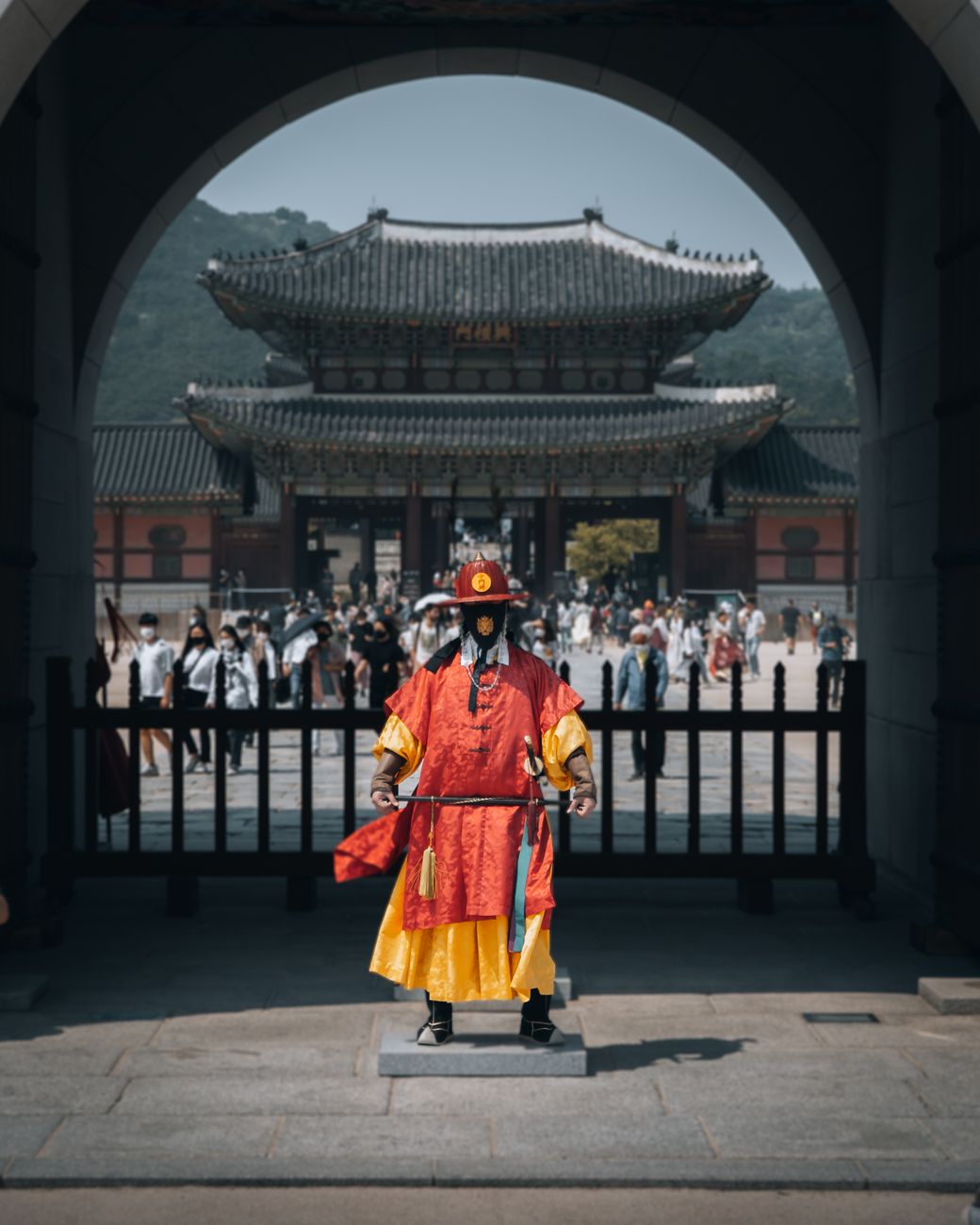
Morning: Start at Gyeongbokgung Palace (Gyeongbokgung Station, Line 3). Arrive 30 minutes before the guard ceremony (commonly 10:00) to catch the procession and avoid the peak photo crowd. Palace entry is about ₩3,000 for adults; add a quick stop at the National Folk Museum inside the palace grounds (often free or low-cost).
Late morning: Walk 10–15 minutes to Bukchon Hanok Village for street-level views of hanok roofs and short photo stops; allow 45–60 minutes. From Bukchon, head 10 minutes to Insadong for tea houses and craft shops—sum up browsing time to 60–90 minutes depending on interest.
Lunch: Walk 5 minutes to Tosokchon (samgyetang) near Gyeongbokgung; a bowl costs around ₩16,000–20,000. After lunch, walk or take a short subway ride to Cheonggyecheon stream for a low-effort 30–45 minute riverside stroll.
Afternoon: Walk 20 minutes or take Line 4 to Myeongdong for shopping and street food. Expect heavy foot traffic and street vendors selling hotteok, tteokbokki and skewers; street snacks run ₩3,000–7,000 each.
Evening: Head up to Namsan by the Myeongdong cable car or a 20–30 minute uphill walk for city views; the observatory ticket is around ₩10,000. Finish with dinner at Myeongdong Kyoja (kal-guksu) or one of the small BBQ places in the area.
Day 2
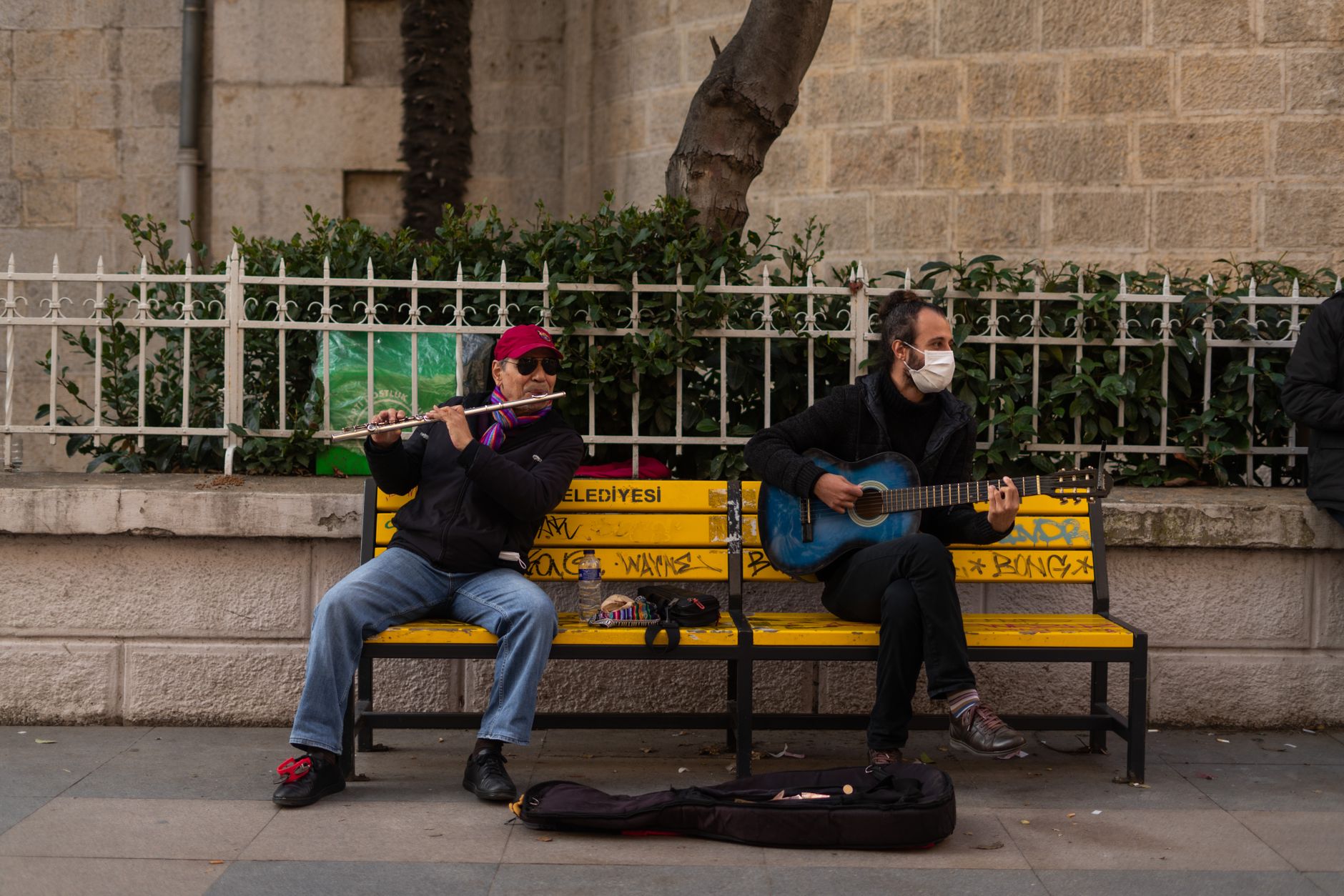
Morning: Begin in Hongdae (Hongik Univ. Station, Line 2). Walk the main streets, watch buskers near Hongdae Playground and visit the Hongdae Free Market on Saturdays (12:00–18:00). Allow 2–3 hours if browsing shops, record stores and small galleries.
Midday: Walk 10 minutes to Mangwon Market for a local-market lunch: try tteokbokki, gimbap and little seafood pancakes; prices are usually ₩3,000–8,000 per item. From Mangwon, spend 15 minutes exploring Yeonnam-dong and the Gyeongui Line Forest Park — a calm strip of cafés and independent shops.
Afternoon: Take Line 2 (circle) eastbound to Seongsu Station (30–35 minutes including transfer) to see Seongsu-dong's converted warehouses, coffee roasters and shoe ateliers. Street-level workshops and cafés make this area feel more like a local creative district.
Dinner and evening: Head back toward Mapo for a char-grill Korean BBQ dinner (Mapo Galbi or similar), budget ₩12,000–25,000 per person depending on cuts. Finish with a late-night stroll along the Han River at Yeouido Hangang Park if time allows; bike rental is available and a good way to unwind after a busy day.
Day 3
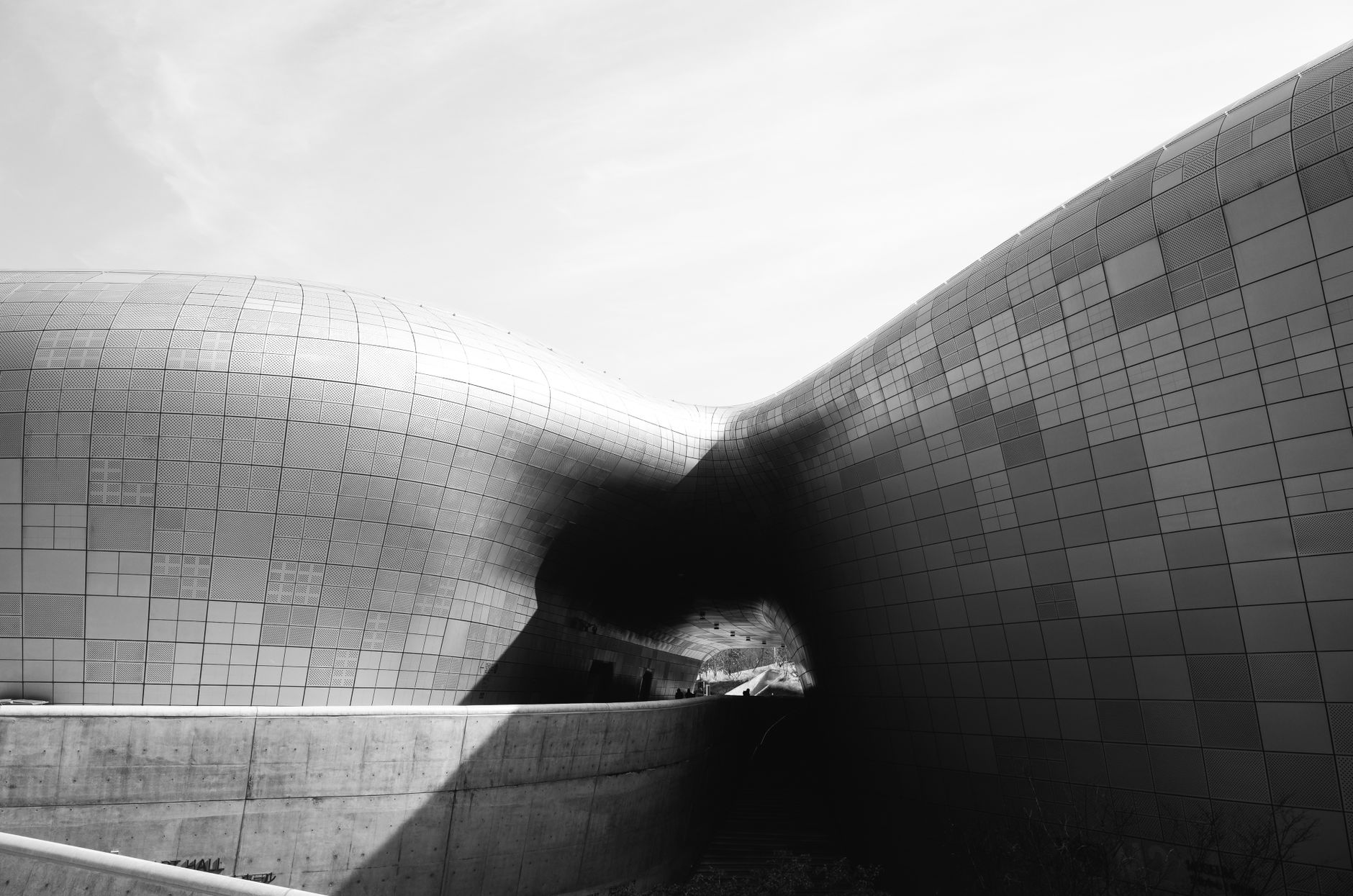
Morning: Start at Dongdaemun Design Plaza (DDP) to see the architecture and its morning fabric markets; allow 60–90 minutes. From DDP, walk 10 minutes to the nearby wholesale shopping complexes and Dongdaemun Market areas if retail browsing is the goal.
Late morning: Take Line 1/4 to Jongno or Euljiro to reach Gwangjang Market for a focused food visit: bindaetteok, mayak kimbap and raw silk noodle stalls are highlights. Expect queues at the best stalls and bring cash; budget ₩8,000–15,000 for a solid meal.
Afternoon: Visit either the War Memorial of Korea (Itaewon/Hannam directions) or the National Museum of Korea depending on interest; both require 1.5–2.5 hours. If catching an afternoon flight, store luggage at Seoul Station or opt for a hotel with late checkout and aim to leave for Incheon at least three hours before departure.
Evening (if staying): Finish with a low-key neighbourhood meal in Itaewon or Hannam with international options and easier late-night transport back to central stations.
Best Local Experiences
Gwangjang Market for bindaetteok and mayak kimbap — sit at the stall and eat with office workers. Expect lines during lunch but fast turnover.
Noryangjin Fish Market for live seafood auctions and raw seafood counters; order a sashimi set and have staff prepare it at the upstairs restaurants. Bring cash for some stalls and expect strong fish-market smells.
A jjimjilbang (public bath) like Siloam Sauna or Dragon Hill Spa provides a full Korean bathhouse experience — plan to spend 2–4 hours and bring swimwear for public pools where required.
Yeouido Hangang Park for a rented bike and a riverside picnic, especially in evening when locals gather for Banpo Bridge fountain shows (seasonal).
Hongdae Free Market (Saturday) and the small live-music venues nearby for local indie acts; check schedules online as performances change weekly.

Where to Stay
Jongno/Gwanghwamun: Suits history-focused travellers who want walking access to Gyeongbokgung, Insadong and many government offices. Expect mid-range hotels from about ₩80,000–160,000 per night (roughly €60–€115 / $65–$135). This area is quieter after 21:00 on weekdays.
Hongdae/Hapjeong: Suits younger visitors and nightlife lovers; many guesthouses and boutique hotels plus easy subway access on Line 2. Prices vary widely: hostels from ₩20,000–40,000 (€15–€30 / $17–$33), private mid-range hotels ₩70,000–140,000 (€50–€100 / $60–$120).
Gangnam/COEX: Suits business travellers or shoppers who prefer modern hotels and quick access to COEX Mall. Expect higher nightly rates, roughly ₩120,000–300,000 (€85–€215 / $95–$250) depending on brand and season.
Food and Drink
Bibimbap: Mixed rice with vegetables and gochujang. Look for variations at Gogung in Myeongdong or small restaurants in Insadong; around ₩8,000–12,000 for a proper bowl.
Samgyeopsal: Thick pork belly grilled at the table. Popular in Mapo and Gangnam BBQ alleys; expect ₩12,000–25,000 per person depending on meat quality and sides.
Bindaetteok and mayak kimbap: Mung-bean pancake and addictive mini kimbap at Gwangjang Market. A plate of bindaetteok about ₩7,000–10,000; mayak kimbap sets around ₩4,000–6,000.
Tteokbokki and street snacks: Spicy rice cakes and fried skewers in Myeongdong and street markets; single items run ₩2,000–6,000. Breakfast option: local kimbap chains or a rice-porridge house (juk) for ₩6,000–10,000.
Soju and makgeolli: Soju is the clear standard spirit for dinners (bottles around ₩3,000–6,000 at restaurants). Makgeolli (unfiltered rice wine) suits casual meals; expect ₩4,000–7,000 per serving at traditional pubs.
Getting Around
Subway lines 1–9 plus AREX and the Sinbundang Line cover most tourist routes. Line 2 is the circle line and connects Hongdae, Gangnam and Seongsu; Line 4 reaches Myeongdong and Dongdaemun; AREX serves Incheon Airport to Seoul Station.
Single subway rides start around ₩1,350 (distance-based) when using a T-money card. Taxis have a base fare around ₩3,800 for the first 2 km (daytime); expect ₩60,000–90,000 for a regular taxi from Incheon to central Seoul depending on traffic.
Use KakaoMap or Naver Map for route planning and KakaoTaxi to hail cabs. Look for subway transfer times and avoid rush hours (08:00–09:30 and 18:00–19:30) to save time; the Discover Seoul Pass covers attractions but not regular subway fares unless specifically purchased with transit.
Best Time to Visit
Spring (April–May): Comfortable temperatures (8–20°C). Cherry blossoms in early April in parks and along rivers; expect higher weekend crowds but good weather for walking.
Summer (June–August): Hot and humid with a monsoon in July; temperatures often 24–32°C. Many indoor attractions will be crowded during rainy days; good months for indoor malls like COEX.
Autumn (September–November): Clear skies and leaf colour from late October; temperatures 8–20°C. October–November offers the best mix of weather and lower hotel rates compared with peak spring.
Winter (December–February): Cold and dry, often below freezing with sporadic snow; temperatures −10–5°C. Good for fewer crowds and cheaper accommodation but expect to layer up for outdoor palace visits.
Budget and Practical Tips
Budget daily estimate (per person): backpacker — accommodation ₩30,000 (€22 / $25), food ₩20,000 (€15 / $17), transport ₩5,000 (€4 / $4), entries ₩10,000 (€7 / $8). Total ≈ ₩65,000 (€46 / $54).
Mid-range daily estimate: accommodation ₩120,000 (€85 / $100), meals ₩45,000 (€32 / $38), transport ₩10,000 (€7 / $8), entries/coffee/incidentals ₩25,000 (€18 / $21). Total ≈ ₩200,000 (€142 / $170).
Tipping is not required in most restaurants; round up or leave small change only at high-end hotel restaurants. Claim VAT refunds for purchases over the merchant threshold (ask for a tax-free receipt) and carry cash for small-market vendors who may not accept cards.
FAQ
Is Seoul safe for solo travellers?
Yes. Violent crime against tourists is low, but standard pickpocket vigilance is wise in crowded metros and markets late at night.
How long does it take to get from Incheon Airport to central Seoul?
AREX Express about 43 minutes to Seoul Station (₩9,500); All-Stop trains take roughly 53 minutes (₩4,150). Allow extra time for luggage and immigration.
Is a city card or pass worth buying?
The Discover Seoul Pass can be worth it if planning several paid attractions included on the pass; it is less useful purely for transit unless buying the version with transport options.
Can credit cards be used everywhere?
Major cards work in most restaurants, hotels and shops, but smaller market stalls and food vendors often prefer cash.
What transit apps should be used?
KakaoMap and Naver Map for routing; KakaoTaxi to hail taxis. These apps are more reliable than Google Maps for local bus and subway details.
Is English widely spoken at attractions?
Basic English is common at major museums, palaces and tourist sites, but less so in neighbourhood shops and markets; have addresses written in Korean when visiting small restaurants.
Conclusion
Three days provides a concentrated introduction: palace courtyards and hanok alleys, at least one major market meal, and a full neighbourhood experience that shows how different parts of the city operate. The lasting memory is often the contrast—old palace stone beside a neon shopping street—and the food sequences between markets and small restaurants.
If time runs short, prioritise a palace morning (Gyeongbokgung) and a market lunch (Gwangjang), then an evening neighbourhood walk that matches interest — Hongdae for music, Gangnam for modern architecture, or Myeongdong for street food.
How this guide was prepared
This guide was prepared through a structured research that combines destination research, geographic context, itinerary planning logic, and content review.