
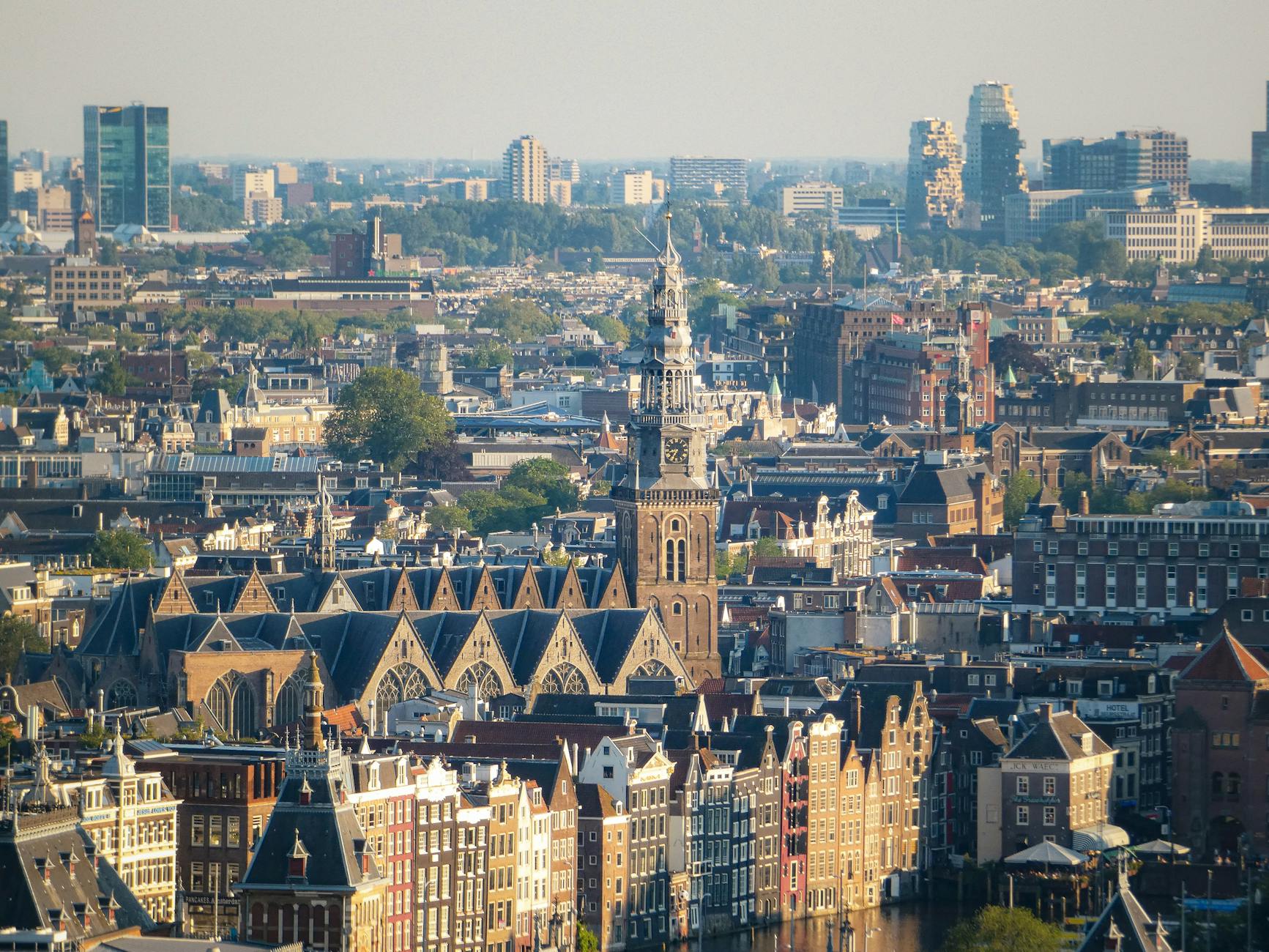
Best Time to Visit Amsterdam — Practical, Sustainable Timing for Your 3-Day Trip
Decide when to visit Amsterdam with a focus on shoulder seasons, local neighborhoods, transport realities, and low‑impact choices. Practical tips to time your 3-day itinerary and nearby day trips.
Plan your 3-day Amsterdam trip around tulips, festivals, or quieter streets. This guide compares seasons, neighborhoods, booking timing, and sustainable options so you can pick dates that match weather, crowds, and responsible travel priorities.
Quick Answer
Plan your 3-day Amsterdam trip around tulips, festivals, or quieter streets. This guide compares seasons, neighborhoods, booking timing, and sustainable options so you can pick dates that match weather, crowds, and responsible travel priorities.
Who This Page Is For
This page is for travelers planning a stay in Amsterdam who want clearer decisions about best time to visit, local logistics, timing, budgeting, and practical trip planning.
How This Page Was Prepared
This page was prepared through a structured editorial workflow that combines destination research, geographic context, and practical travel-planning review.
Plan the Rest of Your Trip
Use this page together with the full itinerary and the related planning pages below to make better booking, timing, transport, and budget decisions.
Best all-around months: mid-March to May and September to October. These shoulder months give milder weather, fewer crowds than summer, and better value than peak-season hotel rates.
If you must pick:
– For tulips and spring colors: April (Keukenhof open mid-March–mid-May; peak varies).
– For long daylight and festivals: June–August (busy and more expensive).
– For lowest prices and a cozier vibe: November–March (cold, short days, but empty museums and cheaper rooms).
Avoid the single worst-timed experience for many travelers: late April in Amsterdam for King's Day if you want calm streets—April 27 is lively but extremely crowded and often booked out.
This page helps you choose the best time to visit Amsterdam for a short trip (useful companion to the 3 days in Amsterdam itinerary). It focuses on practical tradeoffs—weather, crowds, events, costs—and highlights lower-impact options: shoulder months, train day trips, local markets and neighborhood stays. The goal is a realistic plan that supports local businesses and minimizes tourist strain on the city.
What This Page Helps You Decide
Use this guide to choose:
– Which month fits your tolerance for crowds, rain and daylight.
– Where to base yourself (Jordaan, De Pijp, Museumplein, Oost or Central Station) to match pace and noise level.
– Whether to time travel around events (King's Day, Pride, tulip season) or avoid them for a low-impact visit.
– How far in advance to book museums, canal cruises, bikes, and hotels for a 3-day itinerary.
– Which nearby cities (Haarlem, Utrecht, The Hague, Amersfoort, Hoofddorp/Schiphol) make practical, sustainable day trips by train.
When you’re ready, compare your chosen dates with the 3 days in Amsterdam itinerary to map neighborhoods to days and prebook timed entries.
Top Recommendations
Choose by traveler priority:
- First-time visitors who want good weather and manageable crowds: late April–early June (expect spring blooms, but book museums early).
- Tulip or Keukenhof focus: mid-April usually offers the best balance of bloom and transport availability—use the train from Amsterdam to Aalsmeer/Keukenhof.
- Festival and nightlife seekers: Pride (first weekend of August) and ADE (October) offer distinct scenes—book 3–6 months ahead.
- Budget and low-impact travelers: September–October or November–March for lower hotel rates, empty museums, and easier availability of neighborhood cafés.
Booking guidance:
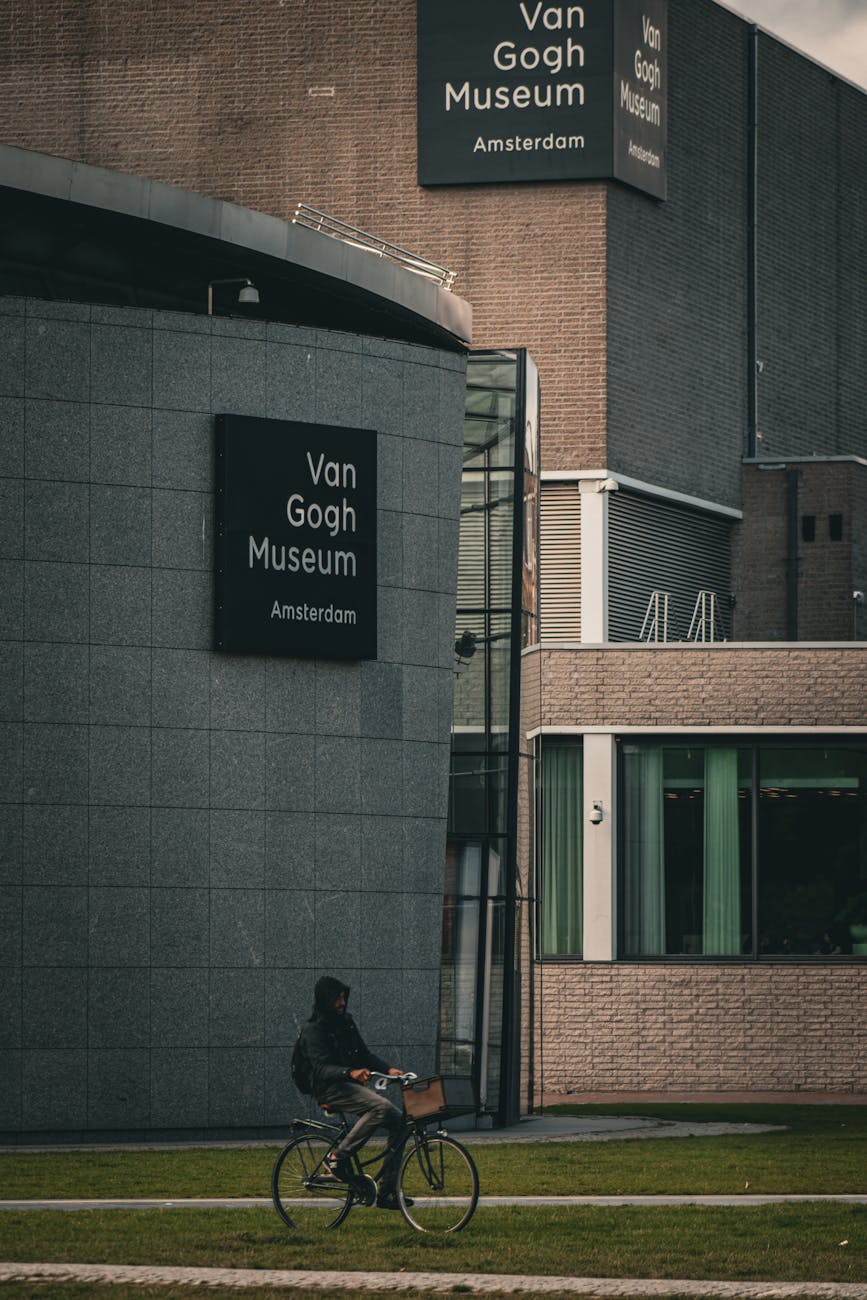
– Reserve Anne Frank House, Van Gogh Museum, and popular canal cruises with timed entry in advance.
– Book bike rental or guided bike tours ahead for weekends and summer.
– For day trips to Haarlem, Utrecht, or The Hague, take the train—frequent, fast, and more sustainable than renting a car.
Local Context
Neighborhoods:
– Jordaan: quiet canals, independent shops, good for walking and evenings.
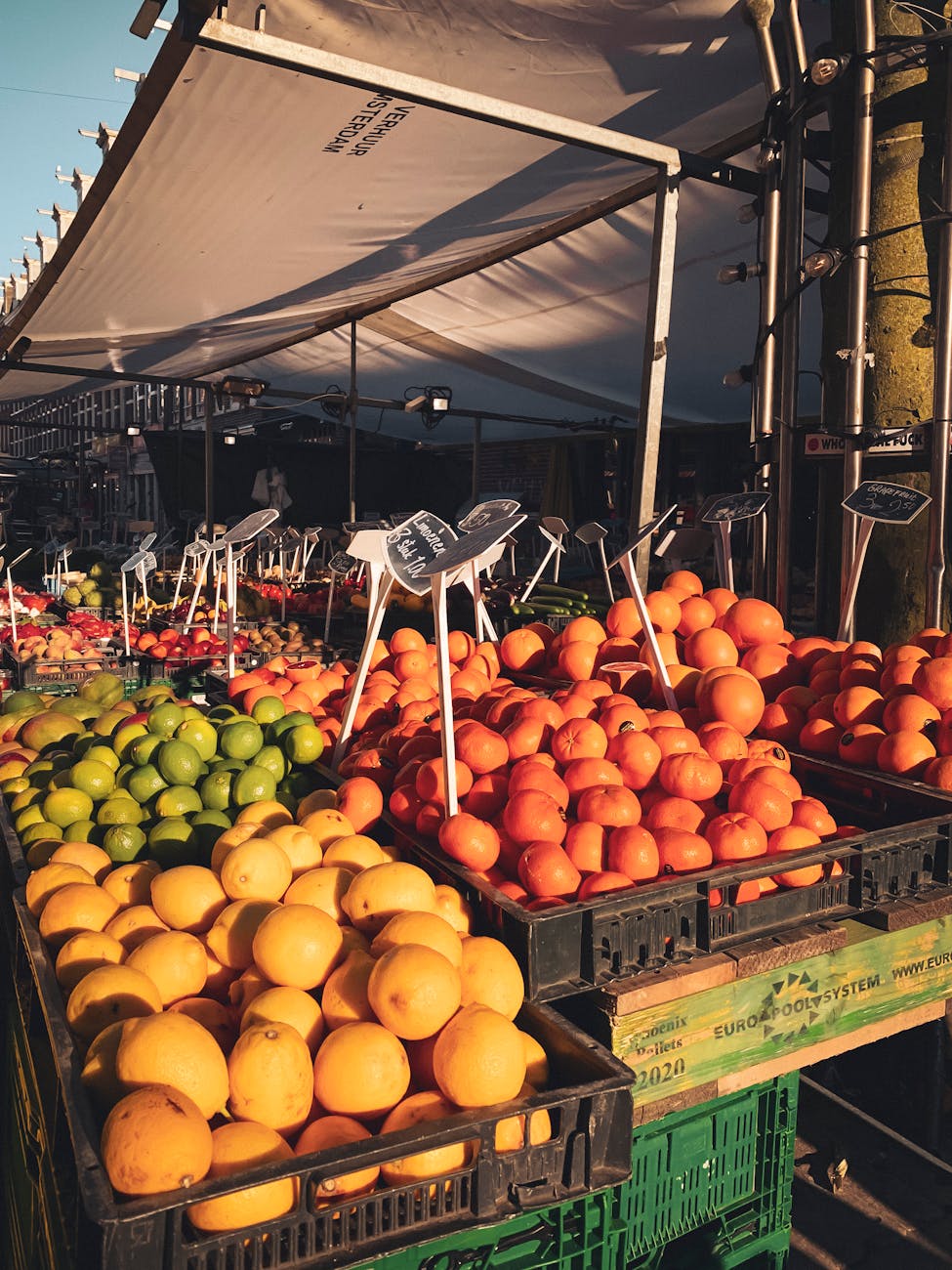
– De Pijp: cafés and street markets (Albert Cuyp), lively but local-feel restaurants.
– Museumplein: best for museum-heavy days; expect crowds and tourist buses.
– Amsterdam-Oost and Indische Buurt: more residential, good value and local eateries.
– Amsterdam-Noord (NDSM): creative scene and ferries from behind Central Station.
Transport realities:
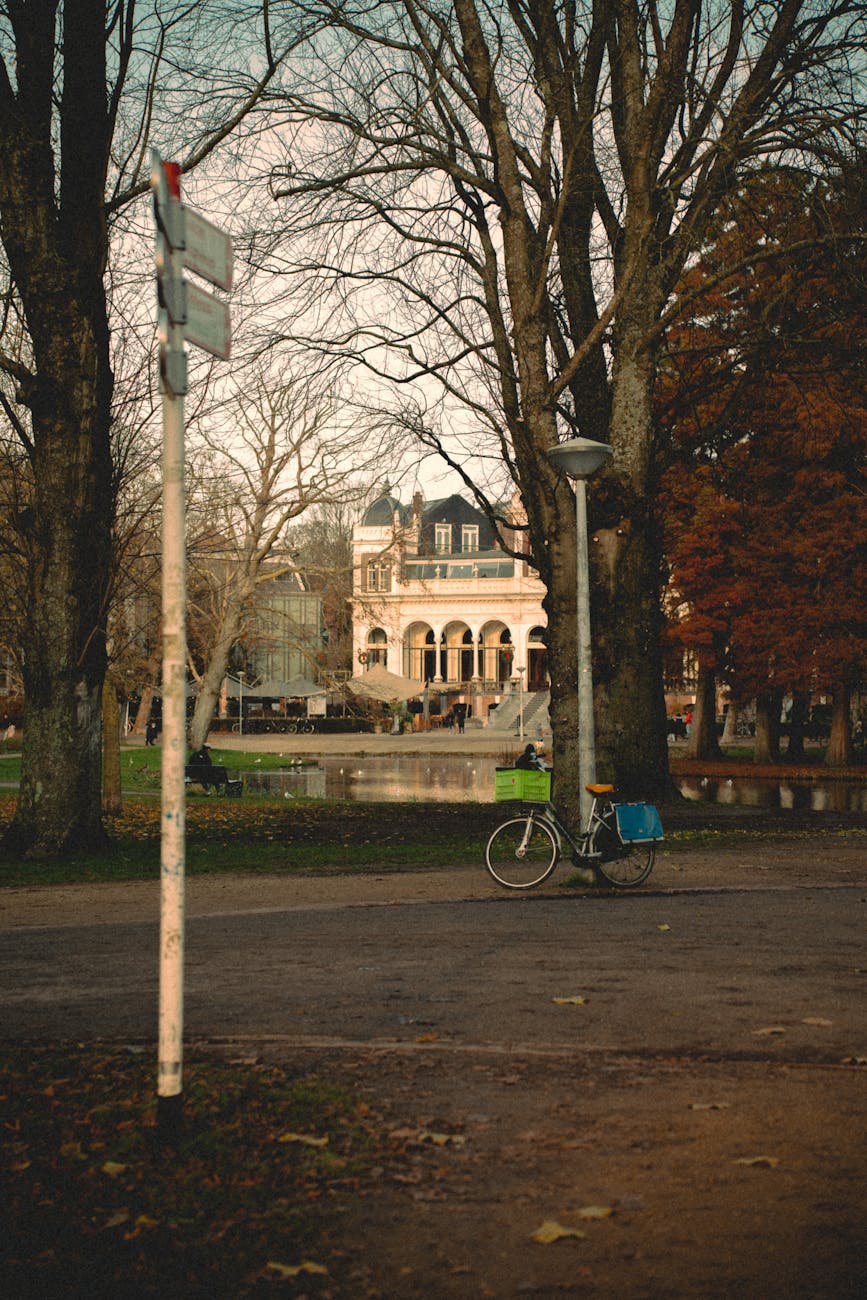
– Biking is the fastest way for short trips—follow local bike lanes and rules; lock bikes securely and carry ID for rentals.
– Trams and metros run well inside the city; you can pay with contactless cards or an OV-chipkaart. Trains (NS) connect to Haarlem (15–20 min), Utrecht (25–30 min), The Hague (50 min), and Amersfoort (30 min).
– Schiphol airport is in Hoofddorp—15–20 minutes by train to Amsterdam Central.
Seasonal patterns:
– Rain can happen any month—pack a light waterproof layer and quick-dry shoes.
– Long summer evenings in June; very short daylight in December–January.
– Major crowd pressure points: Anne Frank House, Museumplein, Dam Square and main canal bridges in summer and during events.
How to Choose Well
Match dates to priorities—use these quick rules:
- Prefer mild weather and flowers: pick April–May.
- Want long days and outdoor terraces: late June–August, but expect higher costs.
- Seek value and quiet museums: choose late September–November or January–March.
- Avoid crowds: skip national holidays (King's Day April 27) and big festival weekends.
Practical booking timeline:
– Museums and key attractions: book 4–8 weeks ahead in shoulder season; 2–4 months ahead for April–May and summer.
– Accommodation: 2–3 months ahead for shoulder seasons, 4–6 months for peak dates.
– Trains to day-trip destinations: usually available the same day but buy tickets or check schedules in advance for group travel.
Packing and pacing:
– Bring layers, a compact rain jacket, and comfortable walking shoes.
– Spread high-demand attractions across your 3 days—avoid back-to-back timed tickets that force rush-hour transit between neighborhoods.
Responsible and Local-First Tips
Sustainable choices that help locals:
– Travel by train to and from Amsterdam and for day trips; avoid additional short-haul flights.
– Stay in smaller guesthouses, B&Bs, or locally owned hotels in neighborhoods like Jordaan or Oost to keep tourist income local.
– Use bike or public transit instead of taxis for short trips; when renting a bike, choose a reputable local shop and return it properly.
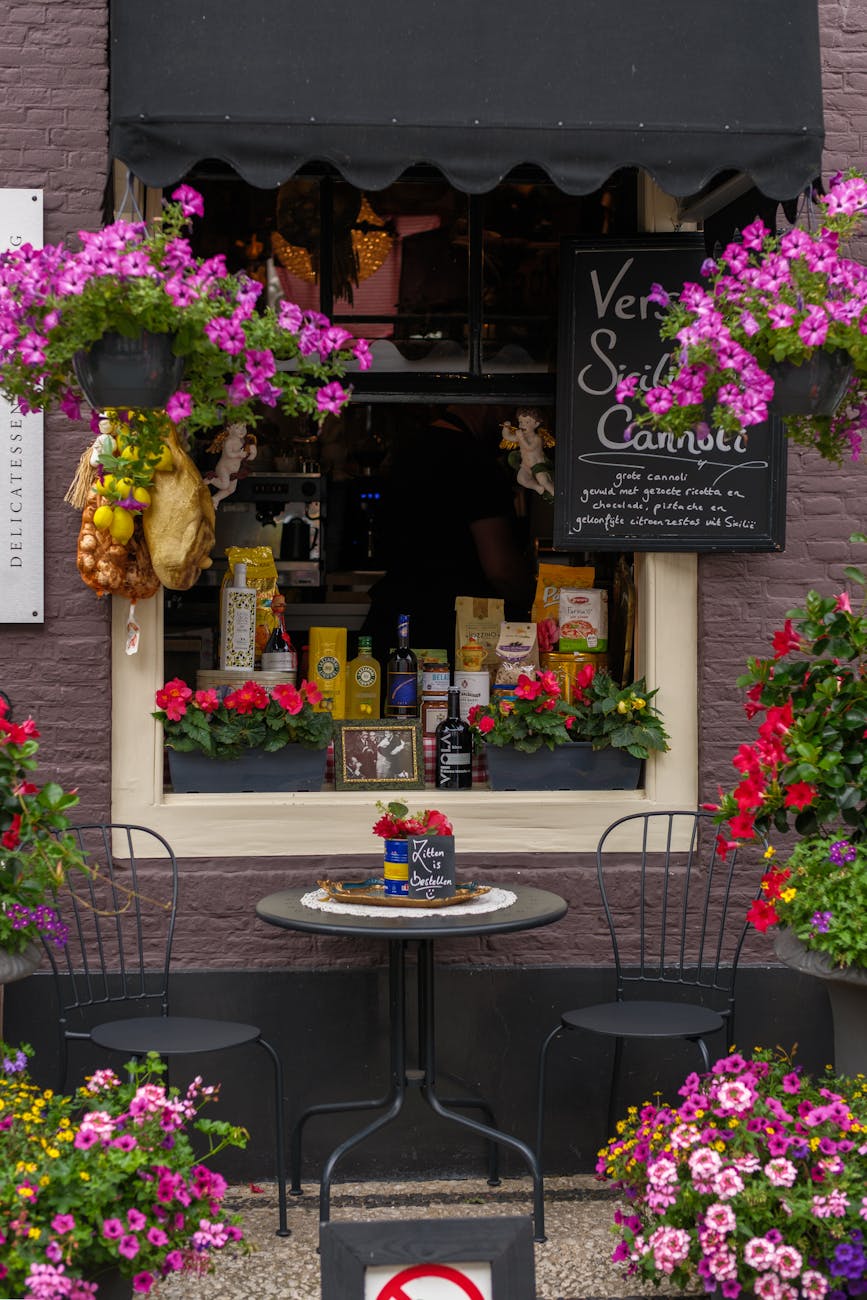
– Choose small cafés, markets (Noordermarkt, Albert Cuyp), and independent restaurants over international chains.
– Time visits to popular museums with off-peak morning or late-afternoon slots to reduce crowding.
– Respect residents: keep noise down at night, avoid blocking bike lanes, and follow local rules around canals and public drinking.
Low-impact sightseeing ideas:
– Walk one day and bike one day to distribute your footprint.
– Take a smaller electric or shared-boat canal trip run by certified operators rather than large diesel tours.
– Combine nearby cities by train (Haarlem for flowers and quieter canals; Utrecht for medieval streets) rather than long car trips.
Common Mistakes to Avoid
Common traveler mistakes and how to avoid them:
- Mistake: Booking a short trip during a major event without planning. Fix: Check event dates (King's Day, Pride, ADE) and book months ahead or avoid dates if you prefer quiet.
- Mistake: Staying only around Central Station to save money but getting noisy and missing neighborhood character. Fix: Consider Jordaan, De Pijp, or Oost for a calmer, more authentic stay and easy tram access.
- Mistake: Expecting sunny weather—Amsterdam is changeable year-round. Fix: Pack a waterproof layer and plan indoor options.
- Mistake: Waiting to buy timed-entry museum tickets. Fix: Reserve Anne Frank House, Van Gogh Museum and Rijksmuseum slots before you arrive.
- Mistake: Underestimating bike theft risk. Fix: Use a solid lock, park at supervised racks, and take valuables with you.
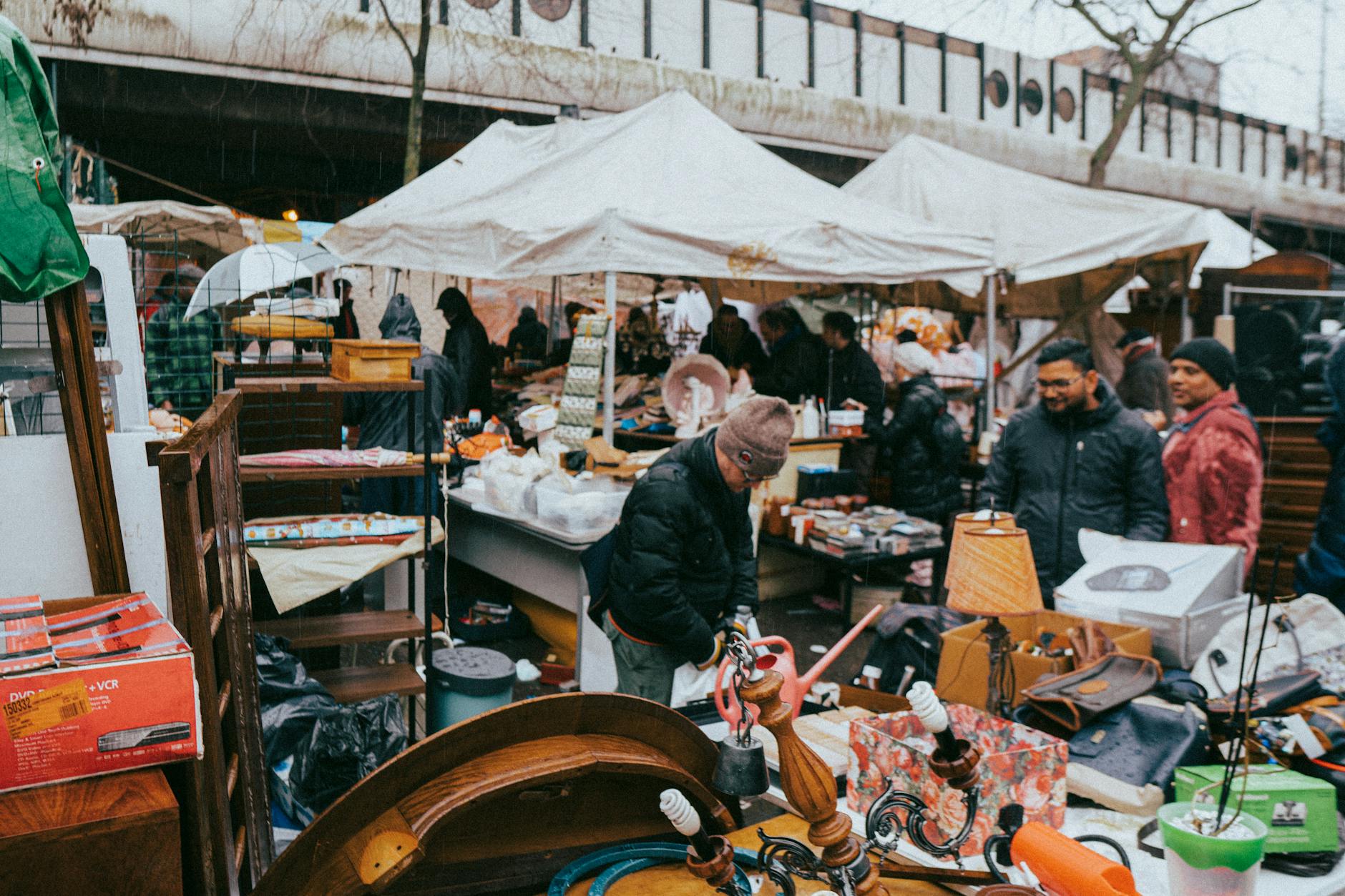
- Mistake: Assuming cash-only or no-English: Amsterdam accepts cards widely and many locals speak English, but small stalls may prefer cash—carry a small amount.
FAQ
When are the tulips in bloom near Amsterdam?
Peak tulip season near Amsterdam (Keukenhof and Bollenstreek) is usually mid-April, though blooms can begin in late March and extend into early May depending on the year. Check Keukenhof dates and local bulb field updates before booking.
Is Amsterdam worth visiting in winter?
Yes—if you prefer fewer crowds and lower prices. Museums are quieter and the city has a cozy atmosphere around cafes and holiday markets. Expect cold, wet weather and short daylight hours.
How busy is King's Day and should I go?
King's Day (April 27) fills the city, especially canals and central neighborhoods. It's fantastic if you want a national celebration, but it’s extremely crowded, loud and often sold out for accommodation. Choose if you want the experience; otherwise, visit another weekend.
Can I do day trips from Amsterdam by train?
Absolutely. Haarlem (15–20 min), Utrecht (25–30 min), The Hague (50 min), and Amersfoort (30 min) are frequent, fast and sustainable train options. Hoofddorp is the nearby town by Schiphol airport.
Do I need to rent a bike?
Not necessarily. Bikes are efficient, but only rent if you’re comfortable riding in dense bike traffic. For a 3-day visit, mix walking, trams and one bike day if you like cycling. Always use reputable rental shops and lock bikes securely.
Conclusion
Pick dates that match your weather tolerance, crowd preference and desire to support local businesses. For a 3-day stay, shoulder seasons (mid-March–May, September–October) usually offer the best balance of weather, value and lower impact. Book timed museum tickets and bikes in advance, base yourself in a neighborhood that fits your pace, and use trains for day trips to Haarlem, Utrecht, The Hague, Amersfoort or Hoofddorp/Schiphol. When you’re ready, open the 3 days in Amsterdam itinerary and slot your chosen dates into the daily plan—then enjoy a more thoughtful and sustainable visit.
How this guide was prepared
This guide was prepared through a structured research that combines destination research, geographic context, itinerary planning logic, and content review.