

3-Day Practical Guide to Amsterdam: Weekend Itinerary and Tips
A clear, realistic 3-day Amsterdam plan with where to go, how to get around, costs and timing so a weekend visit is productive and low-stress.
A no-nonsense 72-hour plan for seeing core museums, neighbourhoods and everyday life without overbooking — with timing, transit and price notes.
Expect narrow streets, lots of canals and an intensity created by compact city blocks and year-round visitors. The first impression is frequent cyclists, many people on foot and a steady background of construction or tram works; this creates a city that feels efficient but sometimes noisy. Crowds concentrate around Museumplein, Centraal Station and the Red Light District; outside those cores the pace becomes calmer and more local.
Plan for short distances that take longer than they look because of busy crossings and one-way bike lanes. Many visitors underestimate queuing times at main museums and overestimate how many sites they can visit in a single day. The city suits travellers who like walking, cycling or using trams and who accept timed-entry museums and the need to book tickets ahead.
Is 3 days in Amsterdam enough?
Three days are enough to see the major museums on Museumplein, explore De Jordaan and De Pijp neighbourhoods, take a canal cruise and visit the Noord waterfront. Expect to skip or shorten time at quieter galleries and to miss slow, immersive museum visits — pick one long museum day instead of trying to cram them all.
Who This Guide Is For
Best for first-time visitors who like museums, neighbourhood walks, and easy public transport; less ideal for people wanting deep museum study, long countryside bike tours, or a very low budget overnight backpacking style.
Local Tips for Amsterdam
Practical details that most travel sites skip — specific to Amsterdam.
- Buy point-to-point train tickets from Schiphol to Amsterdam Centraal at the yellow NS machines or use an international contactless card; a single train fare is around €5.50–€6.00 to Centraal (about $6–$6.50).
- Use contactless debit/credit or the GVB app to pay for trams and buses — GVB single-ride tickets via the app start at about €3.50 for 1 hour of travel; avoid buying tickets from drivers when possible because they cost more and take time.
- Reserve Anne Frank House timed tickets online well in advance; adult tickets are around €14 (purchase window opens 2 months ahead for many dates).
- Rent a city bike from a known shop (MacBike, Yellow Bike, or Fietsverhuur Bos) — expect €12–€18/day; beware informal street vendors who may overcharge or supply poor quality bikes.
- Ferry to NDSM from behind Amsterdam Centraal is free; take the IJ ferry (Veer Buiksloterweg) to reach A'DAM Lookout, Pllek or the Noord creative district quickly.
How This Guide Was Prepared
This guide treats Amsterdam as an urban city with tight geography and high demand rather than an idealised postcard. Many guides pack every museum into three days; this one prioritises flow, transit time and realistic queues so travel days feel possible instead of rushed. Practical trade-offs are explicit: where to skip a line, when to swap a museum for a canal walk and how to read local transit and bike culture. This guide was prepared through a structured research that combines destination research, geographic context, itinerary planning logic, and content review.
Plan Your Stay in Amsterdam
Use these planning pages to compare areas to stay, expected costs, seasonal timing, and local transport before booking.
Why Visit
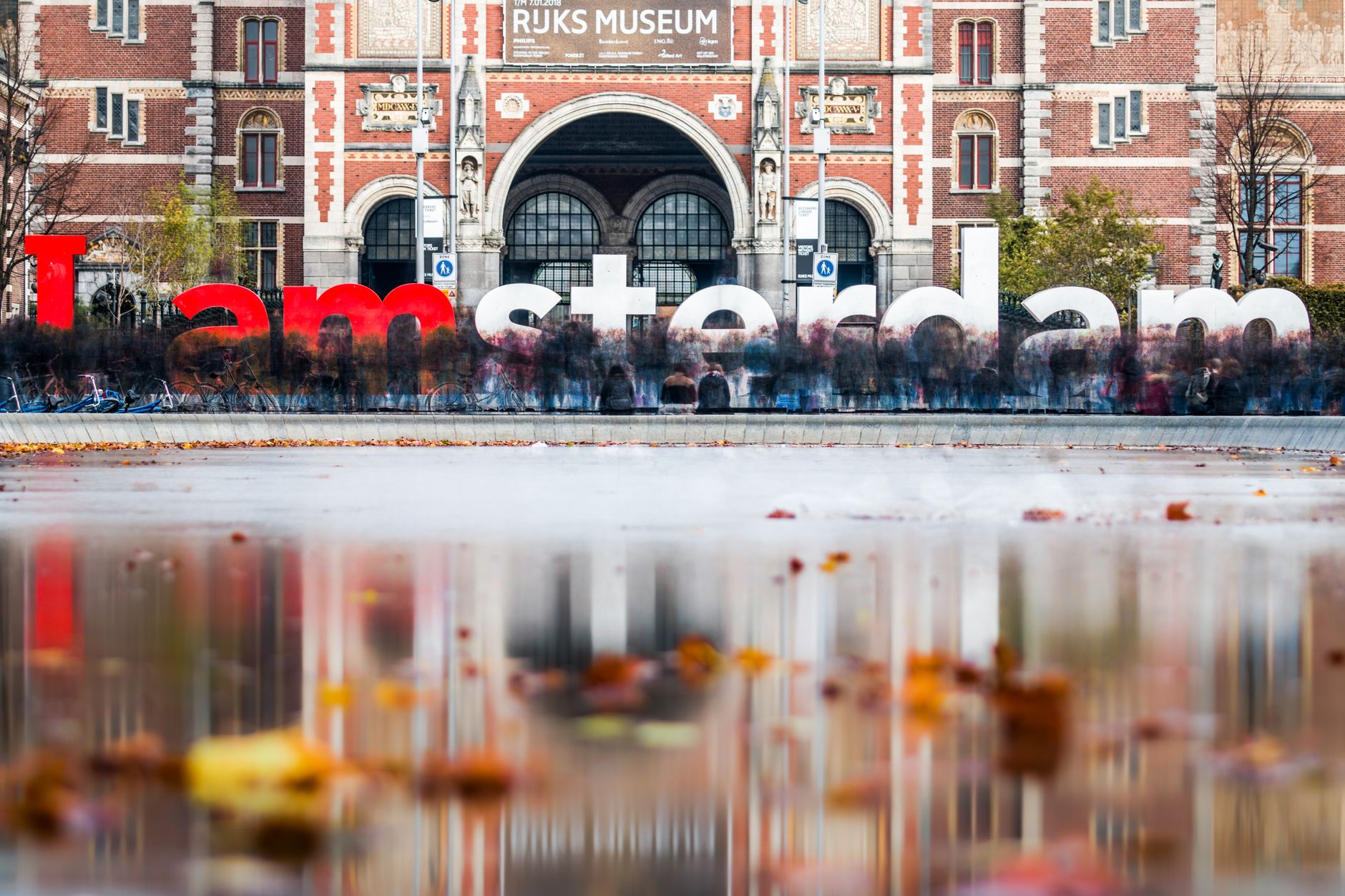
Major museums are concentrated on Museumplein and are within easy walking distance of each other, which makes culture-heavy days efficient. Rijksmuseum holds Dutch Golden Age painting and is next to the Van Gogh Museum, so a single-sector morning can satisfy art-focused travellers.
Neighbourhood character is distinct between sections of the city: De Jordaan has narrow streets and local markets like Noordermarkt, De Pijp offers street-level cafés and the Albert Cuyp Market, and Noord across the IJ feels industrial-creative with NDSM and large-scale street art. Canal geometry and the ring of 17th-century canals present an urban layout that is easy to navigate by foot or bike.
Public transit connects airport, central stations and neighbourhoods quickly; Schiphol to Centraal takes 15–20 minutes by train, which makes weekend visits feasible without long transfer times. Food scene varieties range from Indonesian rijsttafel restaurants to modern Dutch bistros, supplying options for different budgets and meal styles.

Quick Planning Tips
Arrive via Schiphol and take an intercity or Sprinter train to Centraal Station — trains run every few minutes during peak times and the journey is about 15–20 minutes. For taxi or private transfer expect about €40–€50 to central hotels; NS trains are faster and cheaper.
Use contactless bank cards or the GVB app to pay for most tram, bus and metro trips; carrying a personal OV-chipkaart is optional unless staying long-term. Book timed-entry tickets for Anne Frank House and consider pre-booking Rijksmuseum or Van Gogh slots on busy weekends.
Avoid planning back-to-back, long museum blocks on the same day without breaks; queues and security checks at major museums can add 30–60 minutes beyond scheduled entry times. Download the GVB and NS apps and save restaurant and bike-rental addresses before arrival.

Day 1
Morning: Start at Centraal Station and walk across to Dam Square (5–10 minutes). Visit the Royal Palace exterior and Damkerk area; markets and street performers make this an easy first stop. From Dam, walk 10 minutes to the nearby Begijnhof courtyard for a quick, quiet change of pace.
Late morning: Head to the Jordaan via Lindenstraat and Westerstraat (20-minute walk or 10 minutes by tram 13/17). Explore Noordermarkt if it’s Saturday for the flea-and-food stalls. Allow 60–90 minutes for wandering small galleries and shops on Prinsengracht and Elandsgracht.
Lunch: Eat at Café Winkel 43 (Noordermarkt) for a reliably good apple pie and sandwiches; expect €8–€15 per person and limited seating. Afternoon: Walk toward Anne Frank House on Westermarkt (5–10 minutes from Noordermarkt); prebook timed tickets and plan one hour for the museum and a short extra for the queue outside if lines form. From Anne Frank House, walk 15 minutes to the Nine Streets (De Negen Straatjes) area for window shopping and canal views.
Evening: Cross to Leidseplein for dinner and nightlife options — have dinner at restaurant De Blauwe Hollander or a canal-side bistro near Leidsegracht (dinner €20–€40). End the night with a short canal cruise (45–60 minutes, roughly €15–€22) leaving near Leidseplein or Centraal to see bridges lit up.

Day 2
Morning: Spend the morning on Museumplein. Choose one main museum: Rijksmuseum (allow 2–3 hours) or Van Gogh Museum (1.5–2 hours). The area is 20–25 minutes on foot from Dam or 10 minutes by tram 2/5/12 to Museumplein stop. Rijksmuseum entry averages around €20; Van Gogh around €19–€20 — book timed entries.
Lunch: Walk to De Pijp (15 minutes or tram 3/12) and eat at a café near Albert Cuyp Market. Try herring or bitterballen at a stall, and budget about €8–€15 for a market meal.
Afternoon: Explore De Pijp and Albert Cuyp Market; the market runs daily and is best mid-morning through early afternoon. Afterward, take tram 24 or metro 52 to Amsterdam Amstel if heading to Oosterpark and the Tropenmuseum, or use tram 3 toward the canal belt for a different perspective. Another option: head to the NEMO Science Museum if travelling with children (10–15 minutes on foot from Centraal across the Oosterdok).
Evening: Go to Noord by taking the free ferry behind Centraal (Buiksloterweg). Visit A'DAM Lookout for the city panorama (admission €13–€15) and have dinner at Pllek or IJ-kantine for a waterfront meal. Ferries run frequently and the trip takes about 5 minutes; return to Centraal when ready.
Day 3
Morning: Start with a relaxed breakfast in De Pijp or Haarlemmerbuurt — many bakeries open early. If checking out mid-day, store luggage at Centraal Station lockers or use a hotel luggage hold service; lockers vary by size and cost around €6–€8 for a day.
Late morning: Walk or cycle through Vondelpark for 30–60 minutes to stretch and see local life; park entrances near Museumplein and Overtoom are convenient. From Vondelpark, head to the Bloemenmarkt on Singel (20 minutes on foot or 10 minutes by tram) to see flower stalls and bulbs to buy as gifts.
Lunch: Try an Indonesian rijsttafel at a reputable restaurant such as Restaurant Blauw or Tempo Doeloe for a heartier mid-day meal (expect €20–€35 per person). Afternoon: If time allows before an afternoon flight, choose one short visit — the Houseboat Museum on Prinsengracht (about €5–€6) or a short canal-side walk in the Jordaan. For departures from Schiphol, take a train from Centraal or Amsterdam Zuid; trains run frequently and the journey is 15–20 minutes.
Practical note: For an afternoon flight, aim to leave Centraal at least 90–120 minutes before recommended airport check-in times to allow for luggage and possible ticket lines. Evening: If staying late, try a late dinner in De Pijpstraat or near Rembrandtplein to avoid tourist-zone price surcharges.

Best Local Experiences
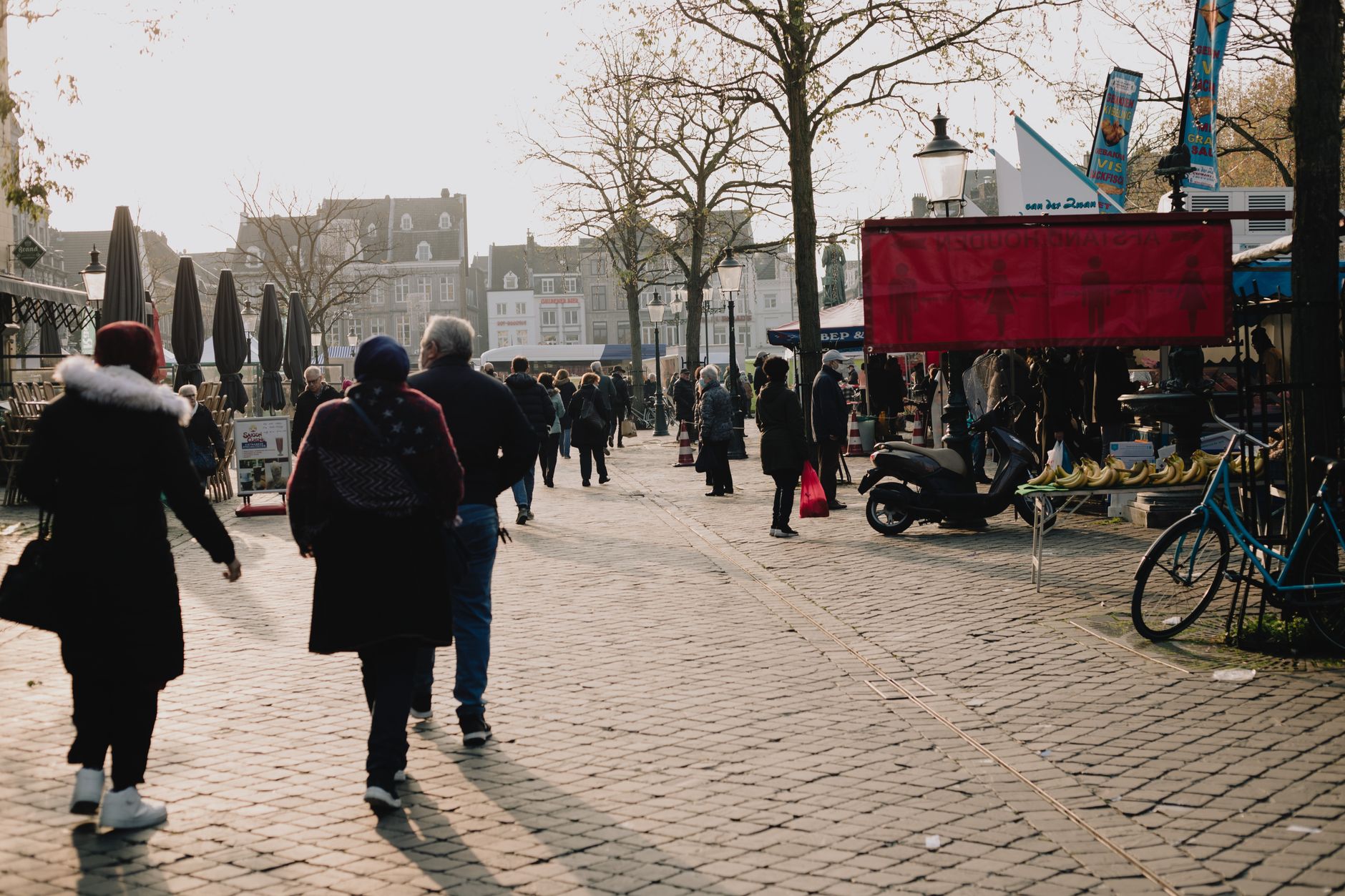
Albert Cuyp Market — a long daily market in De Pijp notable for stroopwafels, fresh produce and fish stands; best mid-morning. Noordermarkt (Saturday) — combines a farmers' market and antiques stalls; the market atmosphere is local and busy on weekends. NDSM Wharf — take the free ferry from Centraal to see street art, creative spaces, and large industrial venues used for pop-up events and festivals.
IJ ferry ride — the short free ferry behind Centraal is a daily commuter movement that gives a quick view of the IJ and is the easiest way to reach Noord. Canal cruise with a smaller provider — evening cruises that use smaller boats provide quieter commentary and better photo angles than the largest tour boats. Brown cafés (bruin cafés) in the Jordaan and Haarlemmerbuurt — local pubs like Café Chris or Proeflokaal Arendsnest specialize in local beer and an unhurried atmosphere.
Where to Stay
Centraal Station / Dam area: Suits travellers who want immediate access to trains, ferries and major canal routes. Ideal for first-time visitors who prefer being in the busiest zone. Expect mid-range hotel rooms from about €110–€180/night (roughly $120–$195).
Jordaan / Nine Streets: Suits visitors who want quieter streets, canal views and proximity to small cafés and galleries. Good for couples and walkers; rooms tend to be smaller and more atmospheric. Expect €130–€220/night (€140–$235).
De Pijp / Museumplein: Suits museum-goers and food lovers who prefer local cafés and markets. Close to Museumplein and transit to the south. Mid-range hotels and guesthouses run around €120–€200/night.
Oost / Indische Buurt: Suits budget-minded travellers who want local cafés and easy tram access; often offers newer apartments and boutique stays for €90–€150/night.
Noord: Suits creative-travelers and those who don't mind a short ferry ride; good value for larger rooms and modern hotels, roughly €90–€170/night. Prices vary heavily with season and large events.
Food and Drink
Herring (haring) — raw herring traditionally eaten with onions at stalls like Frens Haringhandel; €3–€5 for a single serving. Stroopwafel — a baked waffle sandwich with syrup; buy warm at Albert Cuyp Market or street stalls for €2–€4.
Bitterballen — deep-fried beef ragout balls served with mustard; find good versions at brown cafés such as Café Chris for €6–€10 as a snack. Indonesian rijsttafel — a multi-dish meal reflecting colonial history; recommend Restaurant Blauw or Tempo Doeloe, expect €25–€40 per person depending on set size. Dutch breakfast (broodje and koffie) — a common option is a filled sandwich and coffee from a bakery like Bakkerij Hartog; budget €6–€10.
Beer and genever — local beer at Proeflokaal Arendsnest or Brouwerij 't IJ; small tasting pours €3–€5. For dinner, try a canal-side bistro near Leidsegracht or a modern Dutch restaurant in De Pijp with mains €18–€35. Street-food options like kibbeling (fried fish) are available at market stalls for €5–€8.
Getting Around
Public transport providers: GVB runs trams, buses and most city metros (lines 52 Noord/Zuidlijn, 50, 51, 53, 54 are main metro routes). Trams commonly used by visitors include lines 2, 5, 13, 14 and 17 that cross central canals and connect major squares.
Ticketing: Single GVB rides are about €3.50 for 1 hour; day passes and multi-day tickets are available via the GVB app or ticket machines at major stops. NS trains connect Schiphol, Amsterdam Centraal, Amsterdam Zuid and other regional stations; use NS apps or contactless cards for point-to-point fares.
Other modes: Bike rental is ubiquitous; use reputable shops like MacBike or Yellow Bike and budget €12–€18/day. Taxi fares from Schiphol to central areas typically run €40–€55 depending on time and traffic. Recommended apps: GVB app for trams and tickets, NS app for trains, and 9292.nl or the 9292 app for planning multimodal trips across the region.
Best Time to Visit
Spring (March–May): Temperatures 6–15°C; tulip season in April draws crowds and prices rise in late April and May. Good value is early March or late May before high-season weekend surges.
Summer (June–August): Temperatures 15–25°C; busiest months with full hotels and longer queues. Expect higher prices but very long daylight hours useful for evening exploration. Book museums and canal cruises in advance.
Autumn (September–November): Temperatures 8–16°C early and cooler later; fewer crowds in late October and November and reduced rates at many hotels. Rain increases, so have rain gear ready.
Winter (December–February): Temperatures 0–6°C; cold, short days and lower hotel rates except around holidays. Some attractions reduce hours but queues are shorter. Shoulder months (April and September) often balance weather and crowd levels best for value.
Budget and Practical Tips
A realistic daily budget for a mid-range traveller: Accommodation €110–€180/night (€120–€195), food €35–€60 (breakfast €6–€10, lunch €8–€15, dinner €20–€35), transport €5–€12 (trains and trams or a day pass), entries €10–€30 depending on museums. Convert these to dollars roughly: accommodation $120–$200, food $40–$65, transport $6–$13.
Tipping: Service charges are not automatic in many cafés; rounding up or leaving 5–10% at sit-down restaurants is common but not enforced. For taxi drivers, round up or add 5–10% for good service. ATMs and card machines are widespread; card payments are widely accepted including contactless.
Carry a small printed or offline copy of timed tickets and bookings; smartphone battery failures happen and ticket gates sometimes require showing a printed reservation. Watch for pickpocketing in crowded tourist zones and keep valuables in a front pocket or secure bag.
FAQ
Is three days enough to see the main museums?
Yes for highlights: pick one or two major museums (Rijksmuseum, Van Gogh) and reserve timed tickets; attempting all three plus Anne Frank in one day will feel rushed.
Is the city safe for solo travelers?
Generally yes during daytime; exercise normal urban caution at night in busy areas like Centraal and Rembrandtplein and keep an eye on bags in crowded trams and on markets.
Should a visitor rent a bike or rely on trams?
Renting a bike is highly efficient for short trips and canal-belt exploration if confident cycling in traffic; trams are safer for beginners and run frequently on main routes.
Is the I amsterdam City Card or Museumkaart worth it?
I amsterdam City Card can make sense for heavy museum-goers and for including public transport and a canal cruise; Museumkaart is expensive and best for residents or long stays who plan many museum visits. Do the math based on planned entries.
How to get from Schiphol to the city center late at night?
Night buses and trains run less frequently; check NS and GVB apps. Taxis are available at designated ranks outside arrivals but cost significantly more than trains.
Are credit cards widely accepted?
Yes, most cafés and shops accept cards; however, some smaller stalls and market vendors are cash-only or card terminal only for higher amounts — carry small change for markets.
Is the Red Light District worth visiting?
It offers historical architecture and nightlife but is crowded; visit early evening for the atmosphere, avoid taking photos of workers, and be wary of aggressive tourist vendors.
Any safety concerns about canals?
Canals are scenic but have slippery edges and no barriers in many places; supervise children and avoid standing too close to canal edges after dark.
Conclusion
Three days allow a sensible mix of museums, neighbourhood exploration and short trips across the IJ without trying to do every attraction. The most enduring memories will usually be simple: a canalside walk at dusk, a market snack and the rhythm of trams and cyclists passing by.
If time runs short, prioritise one main museum visit plus a neighbourhood walk (Jordaan or De Pijp) and a short ferry ride to Noord — that combination gives historical art, local life and an urban view that sums up the visit best.
How this guide was prepared
This guide was prepared through a structured research that combines destination research, geographic context, itinerary planning logic, and content review.