
Quito in 72 Hours: Practical 3-Day Itinerary with Local Tips
A practical 3-day Quito guide with day-by-day routes, transit tips, realistic costs, and safety notes for first-time visitors planning a weekend in Ecuador.
A no-nonsense 72-hour plan for Quito that balances the Historic Center, high-altitude sights like the TelefériQo, and neighborhood life in La Mariscal and La Floresta.
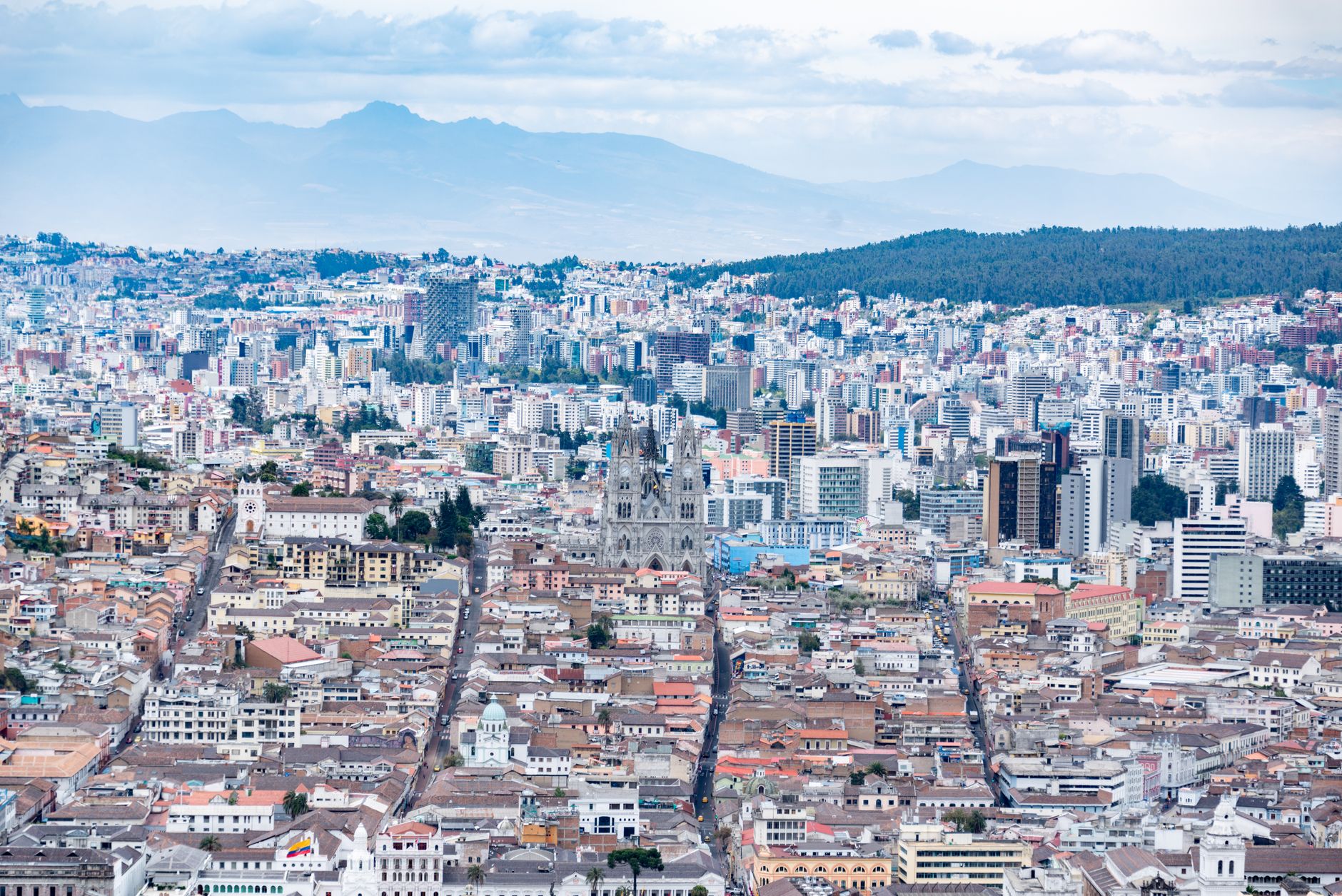
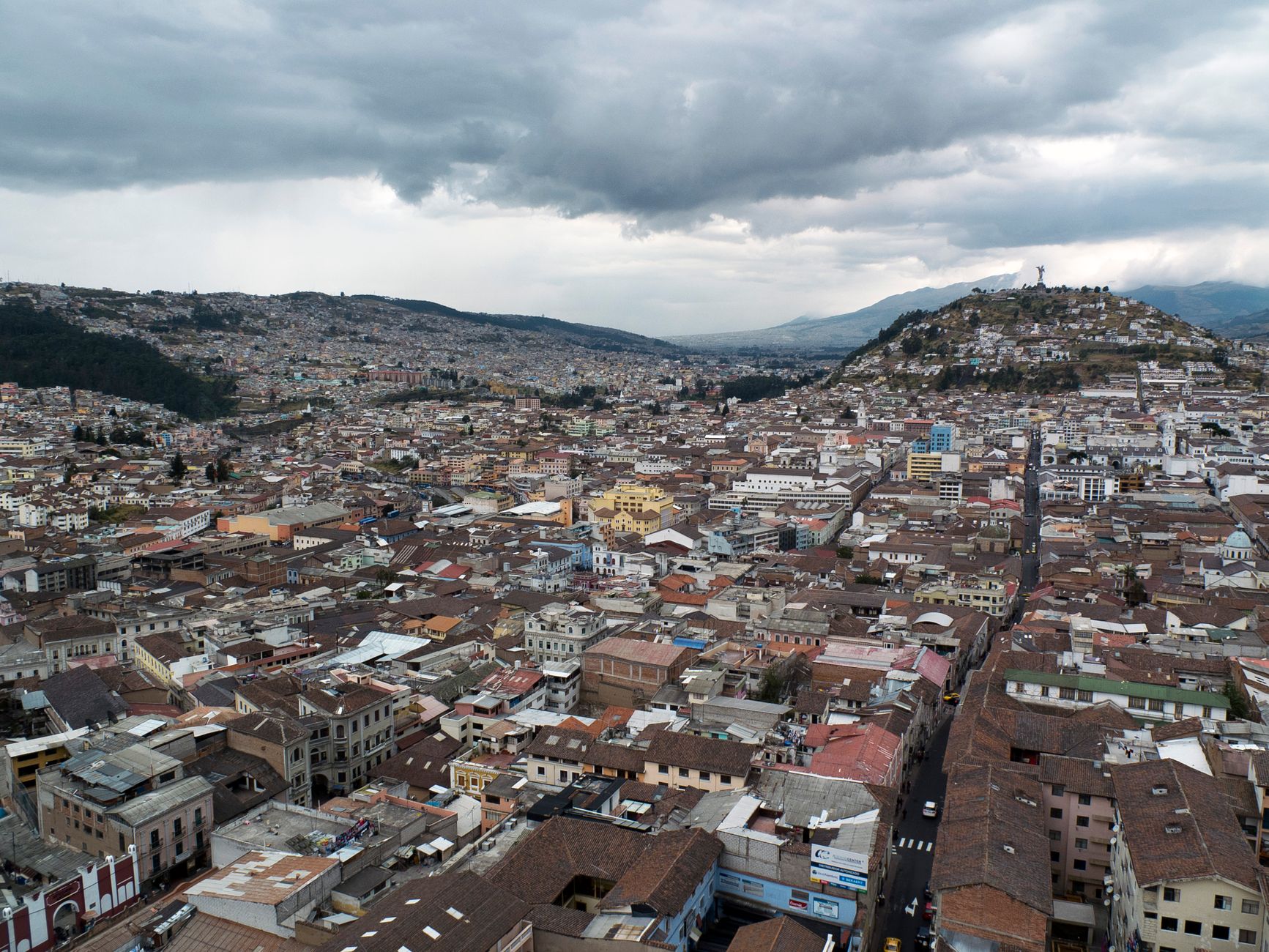
High altitude is the first thing a visitor notices: thinner air, sharper sun, and temperatures that swing between a bright morning and a cool evening. Movement across the city feels episodic; narrow colonial streets in the Historic Center meet broad avenues and modern highrise districts to the north. Expect crowds around the Basílica del Voto Nacional and Plaza de la Independencia during midday, and quieter residential streets like those in La Floresta in the late afternoon.
Quito rewards people who plan for short bursts of activity and local transit time. Many guides underplay how much slower travel is uphill and across long valleys, and how museums and markets close early. This makes a compact 72-hour visit feasible if routes are grouped geographically and altitude is factored into pacing.
Is 3 days in Quito enough?
Yes — three full days let a visitor see the Historic Center, ride the TelefériQo, visit Mitad del Mundo or a major museum, and sample neighbourhood food. The honest caveat: there won't be time for a full-day trip to Otavalo and a relaxed exploration of the valley in the same short visit.
Who This Guide Is For
Best for active travelers who can handle 2,800–3,000 m elevation, want a concentrated taste of colonial architecture and Andean scenery, and prefer walkable urban days. Not ideal for people who need low-altitude rest days or want a relaxed, slow-paced holiday.
Local Tips for Quito
Practical details that most travel sites skip — specific to Quito.
- Quito uses the US dollar; bring small bills ($1, $5, $10) and coins for bus fare and small purchases — many mercados and street vendors won’t accept cards.
- Buy a rechargeable Metro card at any Line 1 station (Quitumbe or El Labrador); a single Metro ride costs about $0.35 and the card is required to board.
- The TelefériQo cable car departs from the La Mena / González Suárez area; round-trip tickets usually run about $8–$12 depending on season and services.
- Sunday mornings feature a city Ciclovía (closed lanes for cyclists and walkers) on major axes like Avenida Amazonas and some central streets — it’s a common local social ritual.
- Mercado Central (Calle Chile near La Ronda) opens early; the best breakfast soups (caldo) and hornado are served before 10:30 and many stalls close by late afternoon.
How This Guide Was Prepared
This guide treats Quito as a highland city with big microclimates and transport quirks, not a generic Latin American capital. Many guides focus on Insta views and neglect altitude management, local transit detail and realistic timings between dispersed attractions. This guide was prepared through a structured research that combines destination research, geographic context, itinerary planning logic, and content review.
Plan Your Stay in Quito
Use this itinerary as your starting point, then compare areas to stay, transport options, seasonal timing, and realistic daily costs before booking.
Why Visit
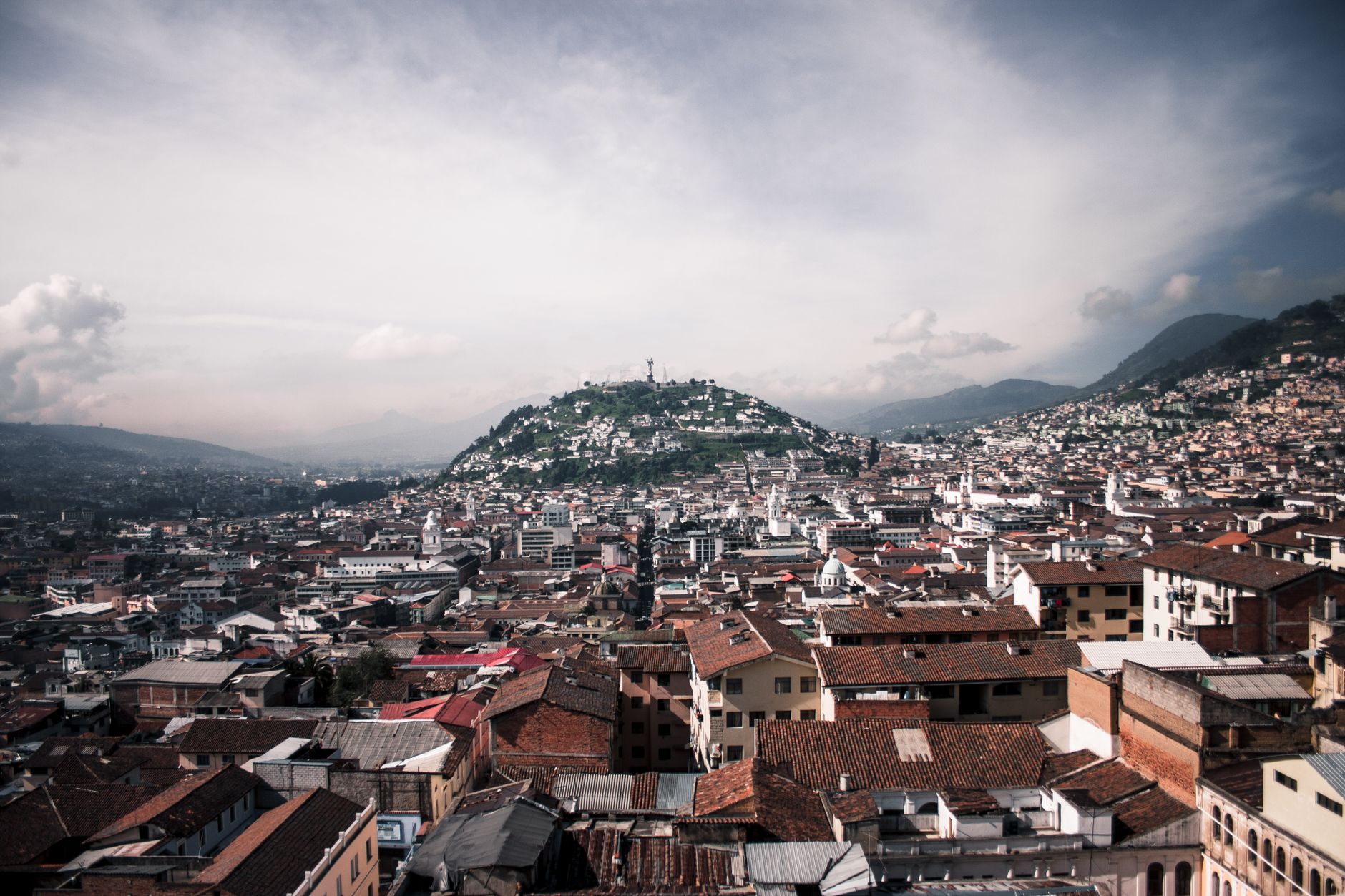
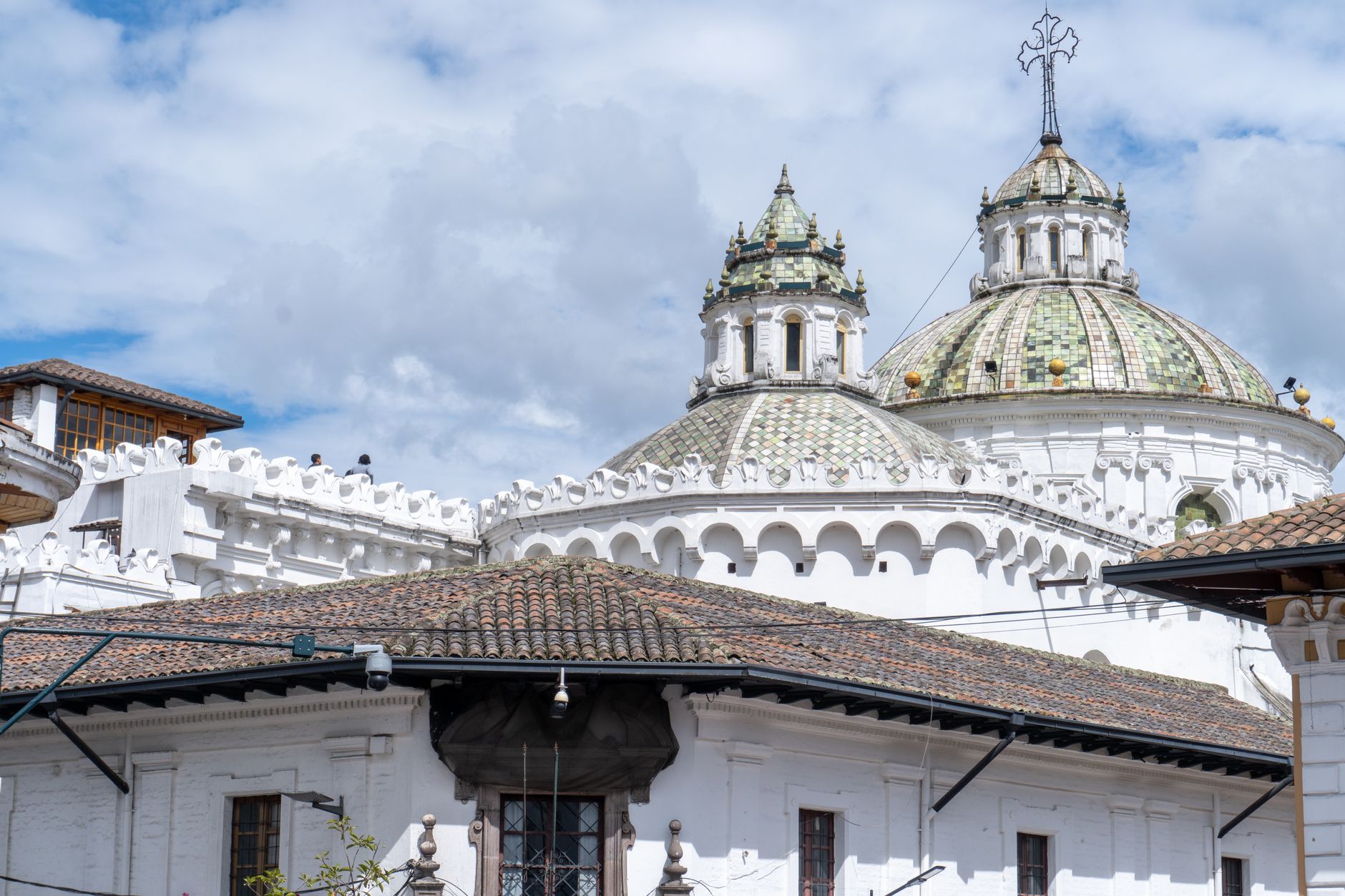
There is a concentration of intact colonial architecture in the Centro Histórico — carved wooden balconies, churches like Iglesia de la Companía de Jesús, and civic plazas that are walkable and dense with museums. The TelefériQo offers easy access to high-elevation viewpoints and alpine trails on Pichincha without a long hike.
Cultural institutions such as Museo Casa del Alabado and Museo del Banco Central present pre-Columbian collections that are unusually accessible in one area. Neighborhood culture matters here: La Mariscal is where nightlife and modern eateries cluster, while La Floresta shows a lively arts and café scene popular with residents. Short day trips to Mitad del Mundo or nearby Andean foothills give a sense of Ecuador’s geographic diversity without long drives.
Quick Planning Tips
From Mariscal Sucre International Airport (Tababela) the fastest route into the city center is a licensed taxi or prebooked shuttle; expect 40–60 minutes in normal traffic and $25–$35 for an airport taxi. The main long-distance bus terminal in the south is Quitumbe; buses and Metro Line 1 serve that axis.
Currency is US dollars; bring small denominations and coins. Purchase a Metro card at terminal stations and carry cash for markets. Avoid the planning mistake of scheduling strenuous outdoor activities on the first afternoon; fatigue and lightheadedness from 2,800–3,000 m elevation are common and slow recovery.
Day 1
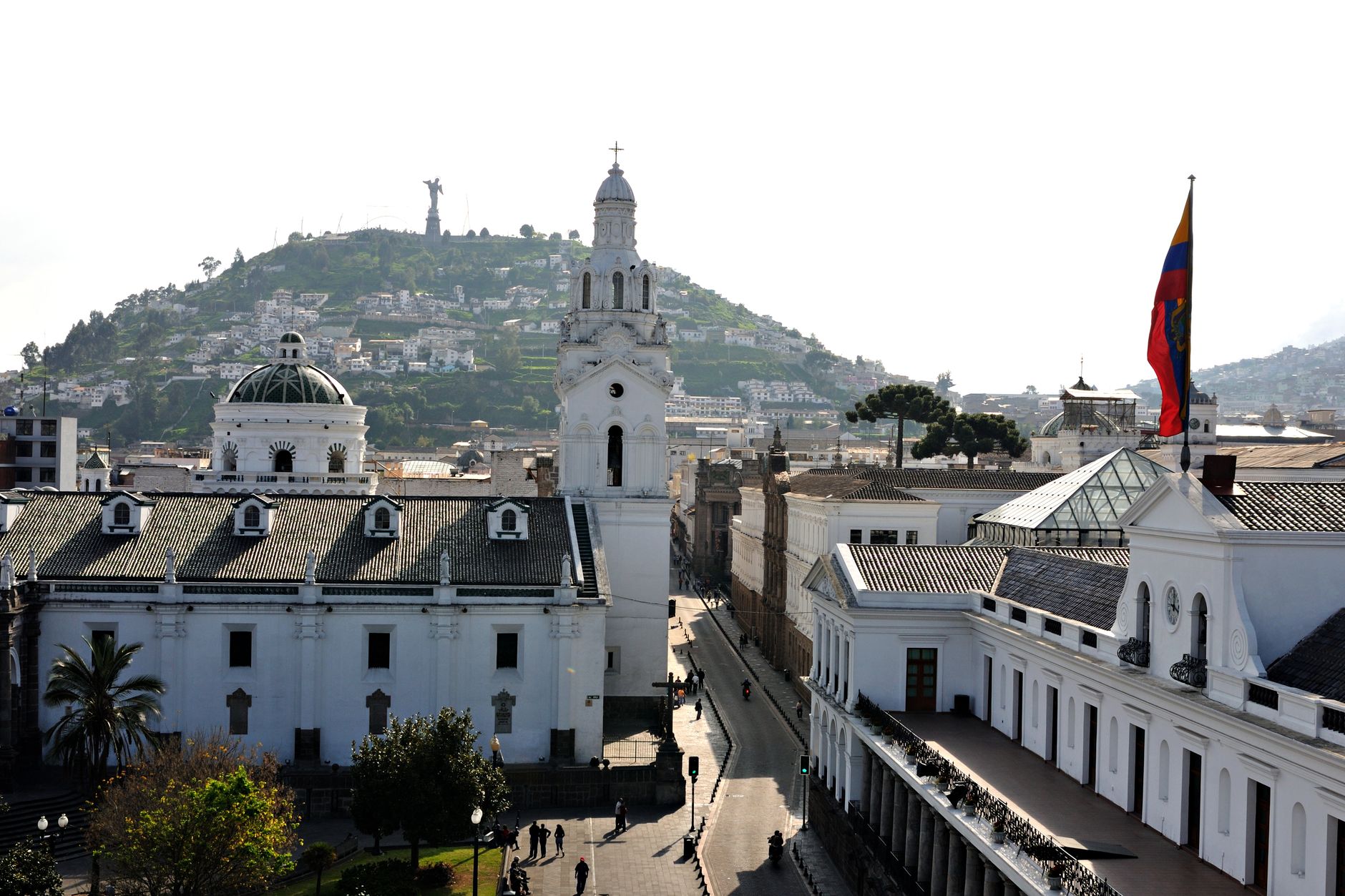
Morning: Start in the Centro Histórico at Plaza de la Independencia (Plaza Grande) for quick orientation. From there walk 5–10 minutes to Basílica del Voto Nacional; climb the towers for city views (allow 45–60 minutes including ticketing). Expect lines at midday.
Late morning: Stroll along Calle La Ronda and visit Museo Casa del Alabado on Benalcázar—about a 10–12 minute walk from the Basílica. La Ronda has small craft shops and coffee stalls for a light pause.
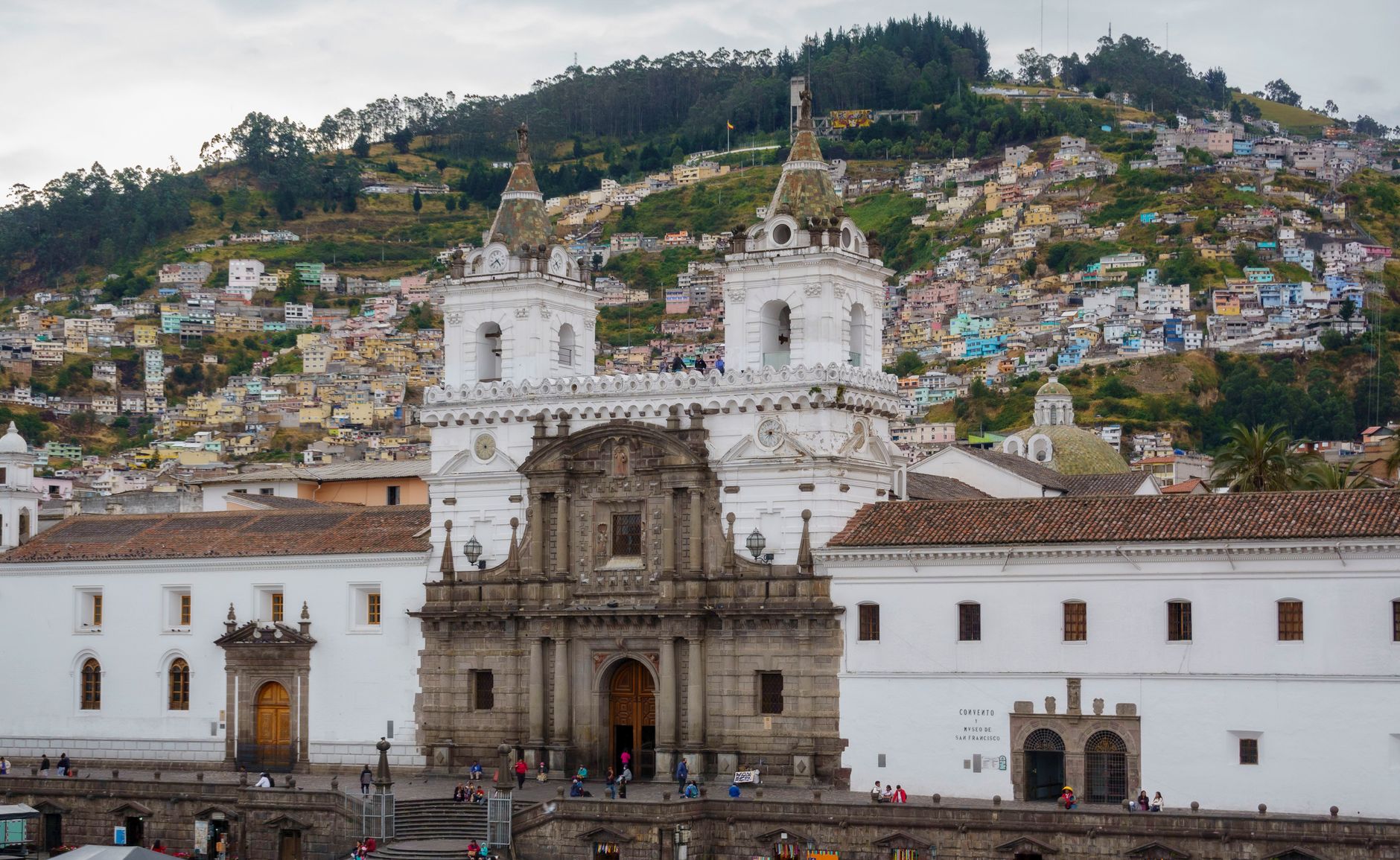
Lunch: Eat at Mercado Central (Calle Chile) for local soups and hornado; budget $3–$6 for a full plate. Afternoon: Walk 15–20 minutes to Plaza San Francisco and the adjacent San Francisco Church and cultural complex. From there take a short taxi or bus (10–20 minutes) up to the TelefériQo station at La Mena/González Suárez.
Late afternoon: Take the TelefériQo to Cruz Loma for sunset views; acclimatize and keep a jacket. Dinner: Return to La Mariscal (10–20 minutes by taxi) and eat at a midrange local restaurant near Plaza Foch; expect $8–$20 per person. Evening: If energy remains, explore La Mariscal nightlife or a quieter bar in La Floresta depending on mood.
Day 2
Morning: Start with Parque La Carolina for a calm walk and to observe local life; access via taxi or bus from La Mariscal (10 minutes). Nearby, visit the modern commercial streets, or rent a bike if feeling acclimatized. Midday: Head to the north to visit the modern galleries and shopping on Avenida Eloy Alfaro; take Metro Line 1 to Universidad Central or La Carolina area then a short taxi if needed (Metro + taxi 20–35 minutes depending on origin).
Lunch: Try a menu del día in La Floresta or near Avenida Amazonas for $5–10, then explore street art and independent cafés. Afternoon: Spend time at Museo del Banco Central or Museo de la Ciudad to compare colonial and pre-Columbian displays; these are a 10–20 minute taxi from La Floresta.
Evening: For a different flavour, dine in the La Floresta neighbourhood where restaurants favor local producers and a quieter pace than Plaza Foch. If interested in live music, check listings in La Mariscal but note that late-night venues stay open later than most museums and several neighbourhoods have active nightlife scenes.
Day 3
Morning option A: Short trip to Mitad del Mundo and Museo Intiñan. Allow 40–60 minutes each way from central neighbourhoods depending on traffic; plan 2–3 hours for the monument, small museums, and the ethnographic exhibits. Morning option B: If preferring city time, visit Museo Casa del Alabado (if missed) and then the artisan shops along Calle Guayaquil.
Lunch: Have a final Ecuadorian lunch at Mercado Central or a nearby restaurant; keep timing in mind if catching an afternoon flight. Practical note for check-out and late travel: if the flight is in the afternoon, store luggage at the hotel or use secure lockers at bus terminals and book airport transport to leave Quito by 3–4 hours before departure to account for traffic and altitude-related delays.
Afternoon: If time allows, a short walk through Parque Itchimbía and the nearby Atahualpa stadium area gives one more city perspective before departure. If heading straight to the airport, use an authorized airport taxi desk at your hotel or arrange a ride with a reputable company; rides typically take 40–60 minutes from central districts.
Best Local Experiences
La Ronda evenings: a short stretch of restored colonial houses with artisanal shops and coffee stalls that opens into late afternoon and early evening. TelefériQo sunrise or sunset: short ride to Cruz Loma for high-elevation views and beginner-friendly trails. Mercado Central breakfast: early locals eat soups and hornado in a lively hall; arrive before 10:30 for the best selection.
Sunday Ciclovía: join locals on closed streets for cycling and street vendors along major avenues. La Floresta street art and coffee crawl: a neighbourhood circuit with murals, small galleries, and second-wave coffee shops. Mitad del Mundo/Intiñan Museum visit: a short half-day to stand on the equatorial line exhibits and see local indigenous craft stalls.
Where to Stay
Centro Histórico: Suits travellers who want immediate access to colonial sites and museums; close to Plaza de la Independencia and La Ronda. Expect budget guesthouses around $25–$60 per night (≈€23–€55). This area is convenient for walking but can be noisy after midday.
La Mariscal (Plaza Foch): Suits those who want nightlife and a wide restaurant choice; near hotels, bars and quick taxis. Midrange rooms typically run $40–$120 per night (≈€37–€110). It is central for transport but can feel tourist-centric.
La Floresta: Suits people who prefer cafés, galleries and a more residential feel; near Parque La Carolina by taxi. Nightly rates generally $30–$80 (≈€28–€74). It is quieter at night and good for slower afternoons.
Cumbayá / Tumbaco (east valley): Suits longer-stay visitors or those seeking lower altitude evenings and modern malls; 20–35 minutes drive from the central districts. Expect $60–$150 per night (≈€55–€138) depending on apartment or boutique hotel.
Food and Drink
Hornado: slow-roasted pork usually served with mote and llapingachos; find reliable plates at Mercado Central or small eateries near San Francisco for $3–$7. Llapingachos: potato patties often served with egg and sausage; available at local markets and traditional restaurants for $2–$5.
Locro de papa: a potato and cheese soup, good for breakfast or a light lunch at Mercado Central or street diners for $2–$4. Ceviche (Quito style): often shrimp or fish with tomato-onion sauce, typically found along Avenida 6 de Diciembre and in market stalls for $3–$8. Fritada: fried pork dish common at weekend markets; expect $3–$8.
Drinks and snacks: Canelazo (hot spiced sugar-cane liquor) at food stalls in cool evenings, about $1–$3; fresh fruit juices and coffee at neighbourhood cafés for $1.50–$3. Breakfast option: a caldo de gallina or tamal con chocolate at Mercado Central for $2–$4. Street food option: empanadas and rellenos from vendors along busy streets for $0.50–$2. Dinner recommendation: choose a menu del día at a midrange restaurant in La Floresta or La Mariscal for $6–$15 for a three-course local meal.
Getting Around
Public transit includes Metro Line 1 (Quitumbe–El Labrador), trolleybus lines commonly called the Trole along Av. 10 de Agosto, and BRT routes such as Ecovía on major corridors. Buy a rechargeable Metro card at stations; single Metro rides cost about $0.35. Bus and Trole fares are typically in the $0.25–$0.35 range depending on route and payment method.
Taxis are inexpensive for short trips but always agree on a meter or use an app-based service; airport transfers typically run $25–$35. Useful apps and tools: Google Maps for routing, Moovit for timetable alternatives, and the Metro Quito official website for Line 1 status. There is no widely used unified day transit pass for every mode, so factor in card top-ups or cash for buses.
Best Time to Visit
Quito has an equatorial climate with microclimates — dry spells and rain can occur in the same day. Typical temperatures range from about 8–22°C (46–72°F), with cooler nights and strong daytime sun. Dry season is broadly June through September with lower rain chances, while the wettest months tend to be March–May and October–November.
Best-value visiting months are May and October when shoulder-season hotel rates can be lower but some showers are likely. Avoid early December if hotel prices spike for Fiestas de Quito and civic events, unless the intention is to join the local celebrations.
Budget and Practical Tips
Daily budget examples in USD (approx EUR equivalents in parentheses): budget traveller $35–60/day (≈€32–€55) covering dorms or cheap guesthouses $20–$40, food $8–$12 and local transport $2–$6. Midrange traveller $80–160/day (≈€74–€148) for a private hotel room $50–$100, meals $20–$40 and entry fees $10–$30. Luxury budgets start at $200+/day (≈€185+) depending on boutique hotels and guided excursions.
Museum entry fees commonly range $3–$10; Casa del Alabado and Museo del Banco Central fall in that bracket. Tipping: many restaurants add a 10% service charge; if not included, 5–10% is typical. For taxis, rounding up is standard. Health and safety: carry small cash, protect belongings in crowded areas and acclimatize to altitude before strenuous activity.
FAQ
Is Quito safe for tourists?
Like many large cities, central tourist areas are generally safe in daylight but petty theft occurs; avoid poorly lit streets at night, use registered taxis or app services, and keep valuables secure.
How serious is altitude sickness and what can be done?
Altitude effects are common at 2,800–3,000 m; stay hydrated, avoid heavy exertion on arrival day, eat lightly, and consider chewing coca leaves or medication if prone to altitude sickness after consulting a physician.
Is the Metro useful for getting between tourist sites?
Metro Line 1 connects southern and northern axes (Quitumbe to El Labrador) and is useful for parts of the city, but many tourist sites still require short taxis or buses from the nearest station.
Are fares and transit cards easy to buy?
Metro cards are sold at all Line 1 stations; buses and Trole accept cash or local cards depending on the route — keep small change ready.
Is a Quito city card or pass worth buying?
There is no single universal city card that covers every museum and transport mode cheaply; evaluate based on specific museum admissions and the number of paid sites planned.
Can the tap water be drunk safely?
Tap water in much of the city is treated, but many travelers prefer bottled water to avoid stomach upsets; use bottled water for long stays if sensitive.
How to get to Mitad del Mundo from the city?
Mitad del Mundo is about 25–45 minutes by car from central districts; take a licensed taxi, arrange a shuttle, or join a half-day bus tour depending on timing and convenience.
Are credit cards widely accepted?
Cards are widely accepted in restaurants and hotels but smaller markets and street vendors will be cash-only; carry small USD bills for these purchases.
Conclusion
Three days in Quito gives a concentrated experience: colonial streets and plazas, accessible high-altitude views from the TelefériQo, market breakfasts and at least one museum or the Mitad del Mundo visit. The trip will most often be remembered for the altitude contrast, close-up views of the Andes, and the mix of colonial and modern neighbourhoods.
If time runs short, prioritise the Historic Center walking loop (Plaza de la Independencia, Basílica, La Ronda) and a TelefériQo ride — those two items together convey the city’s architectural and landscape character better than a rushed day trip further afield.
How this guide was prepared
This guide was prepared through a structured research that combines destination research, geographic context, itinerary planning logic, and content review.