
3-Day Belo Horizonte Itinerary: Practical Weekend Guide
A practical 3-day Belo Horizonte itinerary with neighbourhood routes, transit tips, food picks and realistic budgets for a compact weekend visit.
A focused 72-hour plan for Belo Horizonte that balances museums, Pampulha architecture, markets and a short hike, with realistic timing and costs.
First impressions are often a mix of wide avenues, late-night bars and hills visible on the horizon. The city centre feels functional — Avenida Afonso Pena and Praça Sete are full of buses, office mornings and buildings from different decades. Expect a strong local food culture: markets and modest restaurants carry much of the social life, and neighbourhoods such as Savassi and Santa Tereza each have a distinct evening rhythm. This place suits travellers who prefer eating and walking neighbourhoods, short museum visits and a nearby park or viewpoint rather than intensive sightseeing back-to-back.
Is 3 days in Belo Horizonte enough?
Three days gives enough time to cover the city centre, the Pampulha architectural circuit and a day for hills or a neighbourhood like Santa Tereza. The caveat: a day trip to Inhotim in Brumadinho is possible but will consume a full day and won’t leave time for more local museums.
Who This Guide Is For
Best for travellers who enjoy food-focused urban walks, modernist architecture and short hikes. Less suitable for visitors who want to use the time for longer excursions such as Inhotim or multiple state-wide trips.
Local Tips for Belo Horizonte
Practical details that most travel sites skip — specific to Belo Horizonte.
- Buy a Cartão Ótimo at metro stations or newspaper kiosks and load credit to pay bus fares; single bus rides are about R$4.70 and the same card is accepted across most municipal lines.
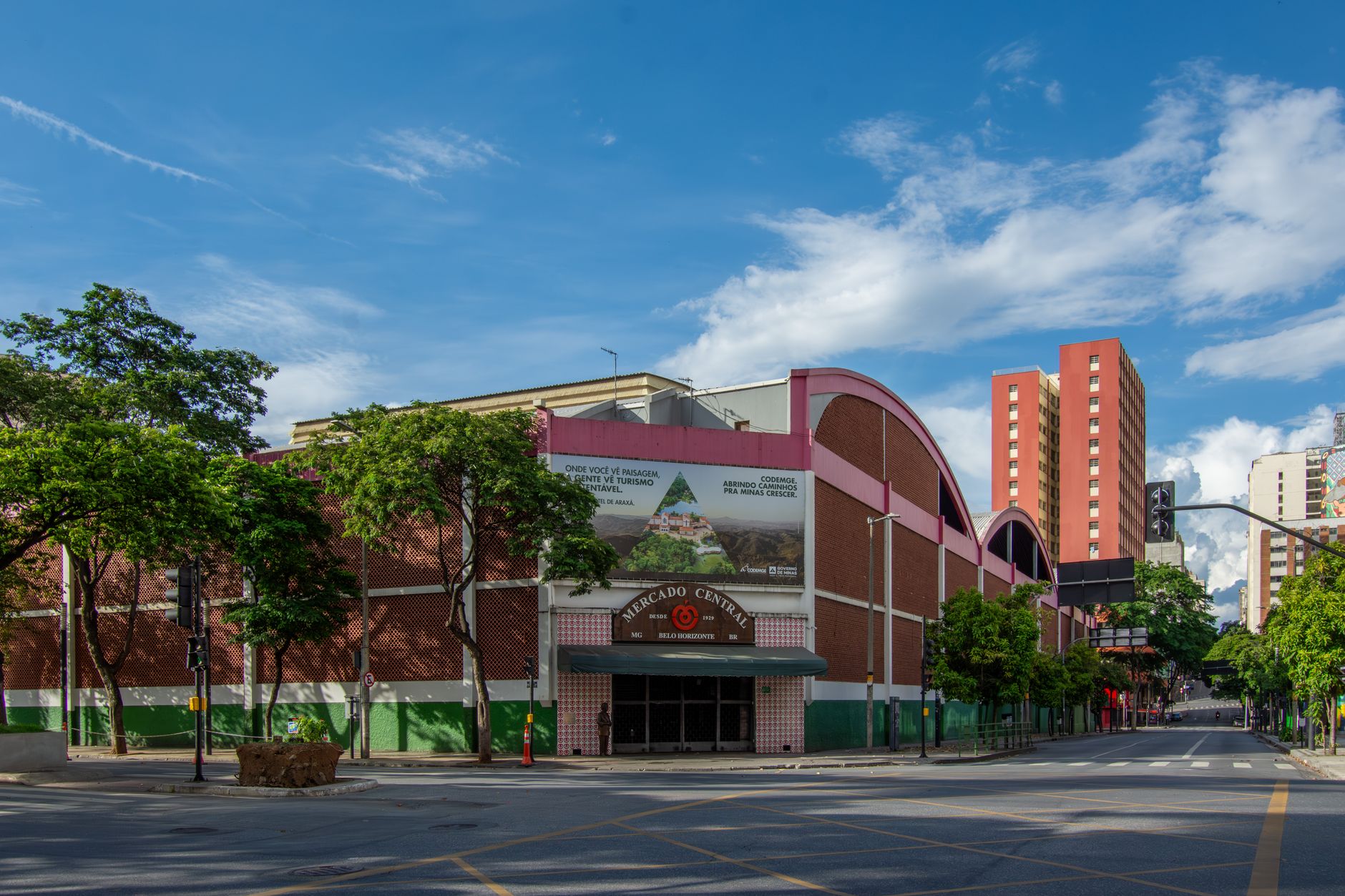
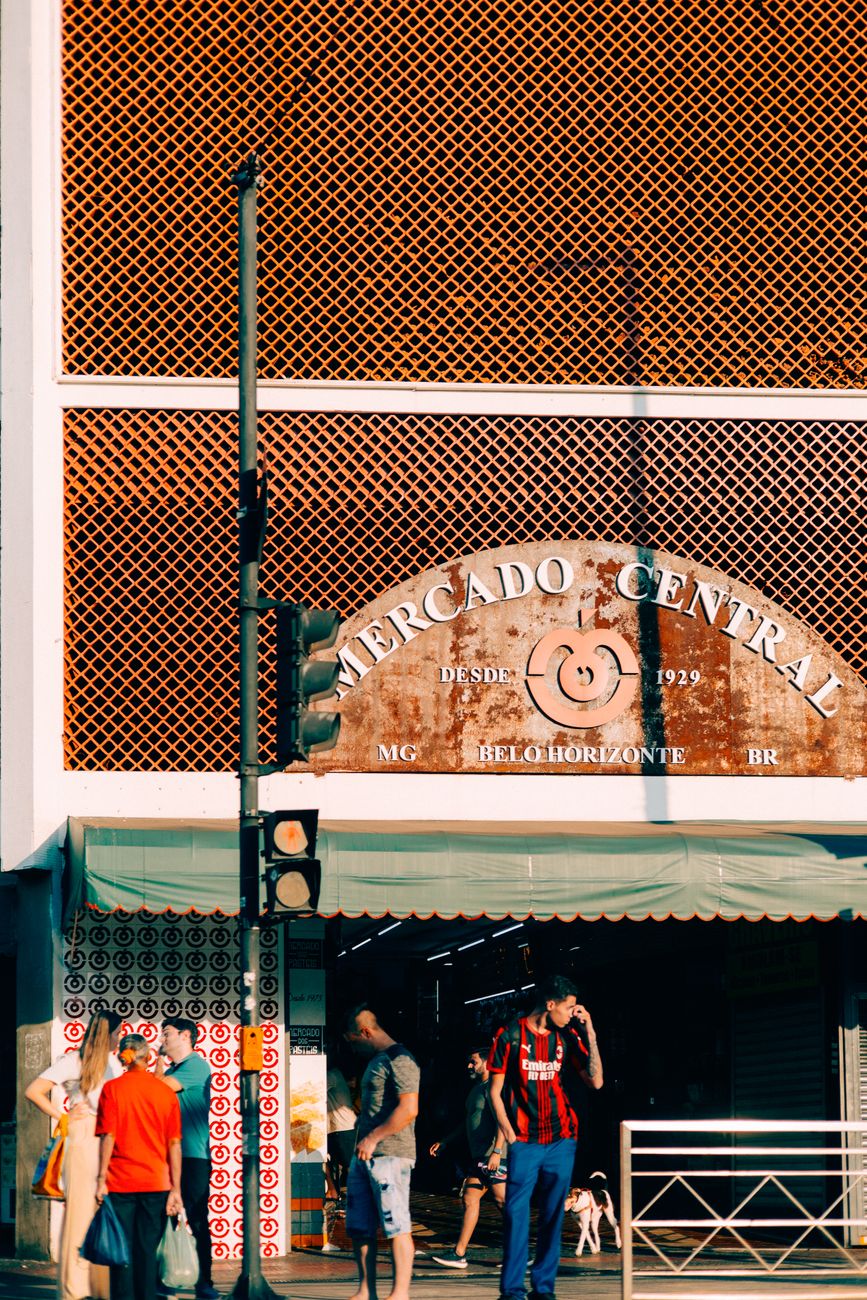
- Mercado Central (Avenida Augusto de Lima) usually opens around 7:00 and closes by 18:00 Monday–Saturday and is closed Sundays; arrive mid-morning for food stalls and handicrafts.
- The Pampulha complex (Igreja São Francisco de Assis, Casa do Baile, Museu de Arte da Pampulha) is not on the metro; take bus lines that say 'Pampulha' from Praça Sete or a 25–40 minute ride-hail trip from Savassi.
- Mangabeiras Park access from Rua Tomé de Souza (via Bairro Mangabeiras) offers the most direct trailheads to the Serra do Curral mirantes; leave early to avoid afternoon heat and limited parking.
- Use ride-hailing apps 99 and Uber for reliable rides after 22:00; official taxis run black and yellow cars and can be ordered via app or phone, but expect surge pricing around Mineirão events.
How This Guide Was Prepared
This guide treats Belo Horizonte as an urban region with distinct neighbourhood characters rather than a single sightseeing circuit. Many guides either squeeze every museum into a day or reduce the city to its stadium and Pampulha; this plan spreads time so travel between barrios, markets, modernist sites and hillside viewpoints feels practical, not rushed. This guide was prepared through a structured research that combines destination research, geographic context, itinerary planning logic, and content review.
Plan Your Stay in Belo Horizonte
Use this itinerary as your starting point, then compare areas to stay, transport options, seasonal timing, and realistic daily costs before booking.
Why Visit
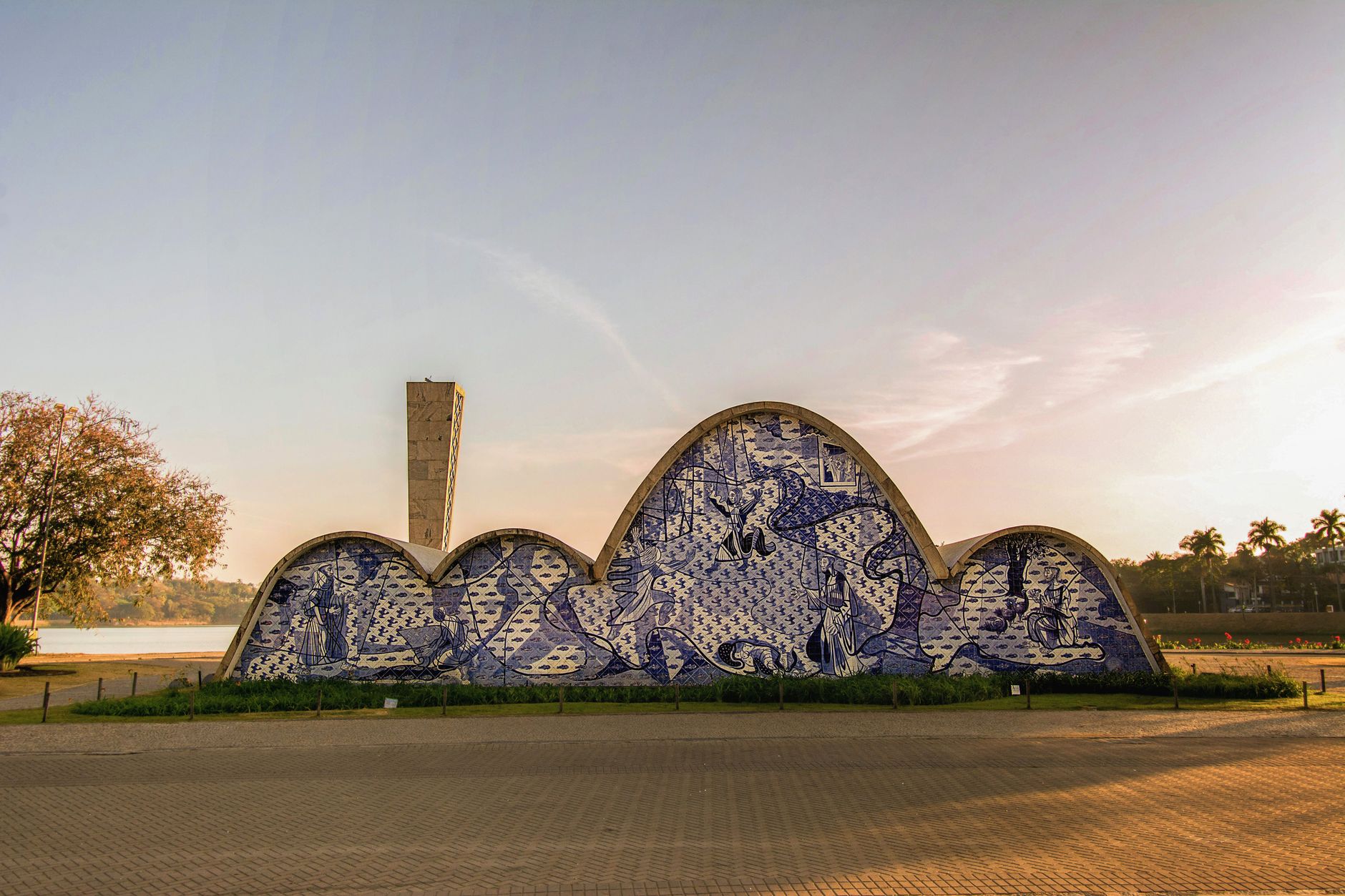
Three practical reasons stand out: modernist architecture, regional food and accessible urban nature. The Pampulha circuit contains Oscar Niemeyer landmarks like Igreja São Francisco de Assis and the Museu de Arte da Pampulha, a concentrated set of sites for architecture fans. Mercado Central and local botecos provide an efficient way to taste Minas cuisine — pão de queijo, feijão tropeiro and doce de leite — without long detours. Parks on the city’s rim, especially Parque das Mangabeiras, allow a short mountain-like hike and big urban views within a 30–40 minute trip from the centre.
Quick Planning Tips
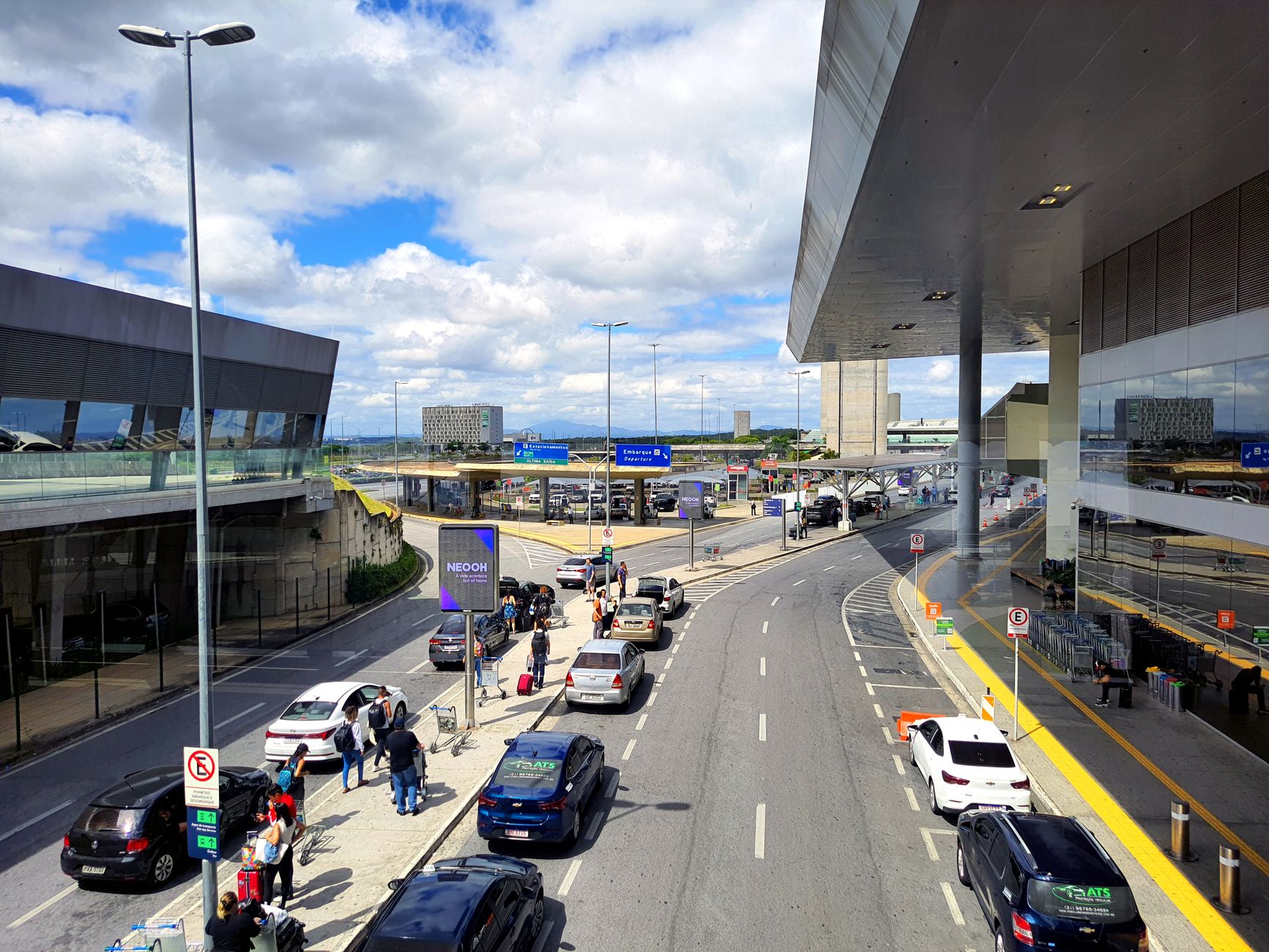
Arrive by car or bus at Rodoviária (Estação de Belo Horizonte) or by air at Tancredo Neves/Confins. The airport shuttle/express buses connect Confins with Praça Sete and Savassi; allow 40–70 minutes depending on traffic. Carry a mix of cash and card; many smaller Mercado Central stalls accept only cash while restaurants and hotels take cards. Avoid planning Pampulha for the last evening before a flight — interior access to the church and museums stops early and ride times back to the airport are longer than they look on a map.
Day 1
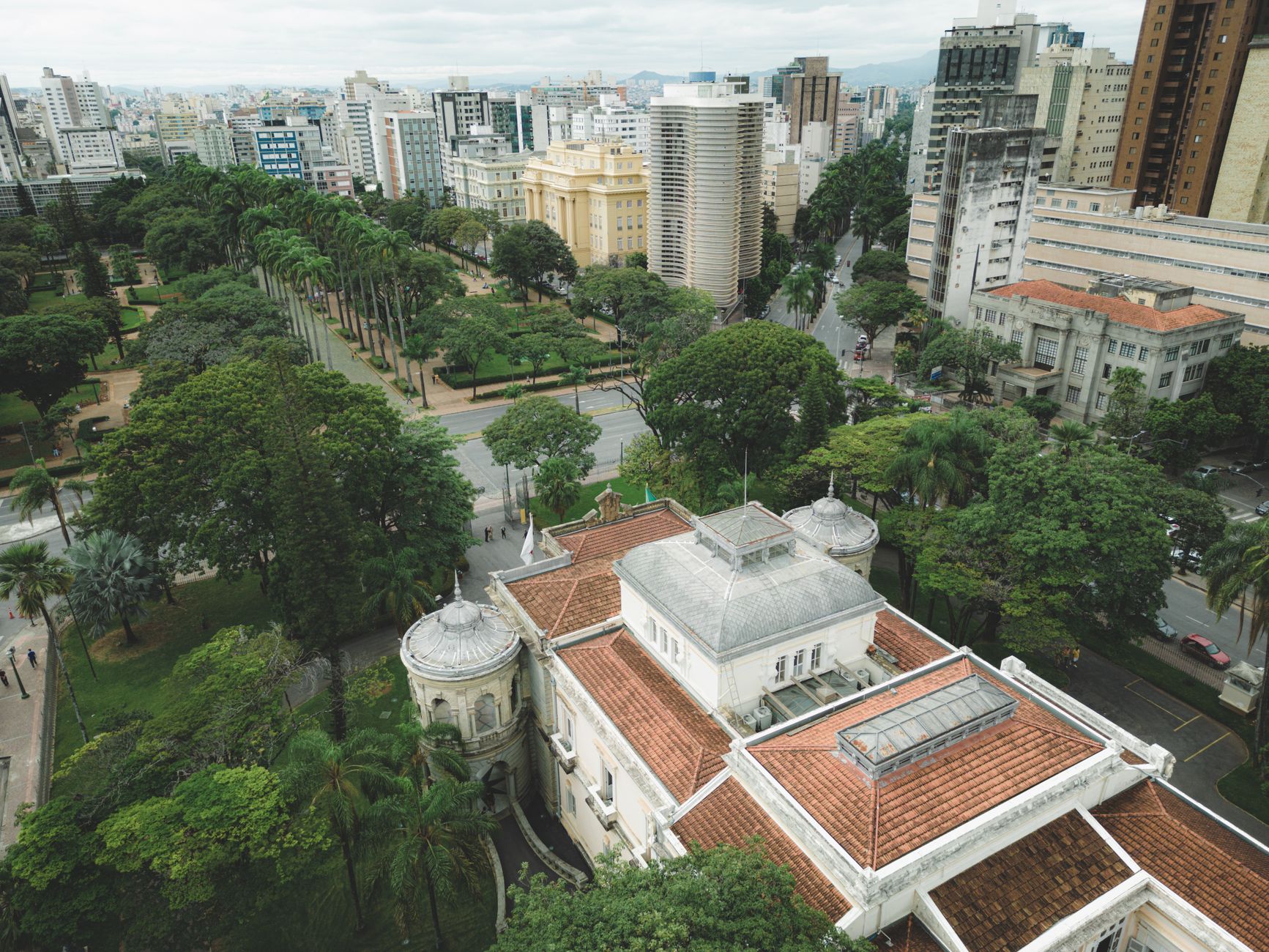
Morning: Start at Mercado Central de Belo Horizonte (Avenida Augusto de Lima) for coffee, pão de queijo and a quick tasting of cachaça; allow 1.5–2 hours to move through stalls and artisan shops. Walk 10–15 minutes to Praça da Estação area to see the original Estação Central building and the small galleries around Avenida Afonso Pena. Afternoon: Head to Circuito Liberdade (Palácio da Liberdade, Memorial Minas Gerais Vale and Museu Mineiro) — most are within a 10–20 minute walk of each other and share low entry fees or free days. Late afternoon: Walk or take a short taxi/ride-hail to Savassi (Rua Pernambuco and Rua Tomé de Souza) for window-shopping and café culture. Dinner: Eat in Savassi at a typical boteco or choose Restaurante Glouton in Lourdes for a more formal Minas-influenced menu (reservations recommended). Evening: Stay in Savassi for bar hopping between Rua Antônio de Albuquerque and Praça da Savassi; buses and ride-hail run late on weekends.
Day 2
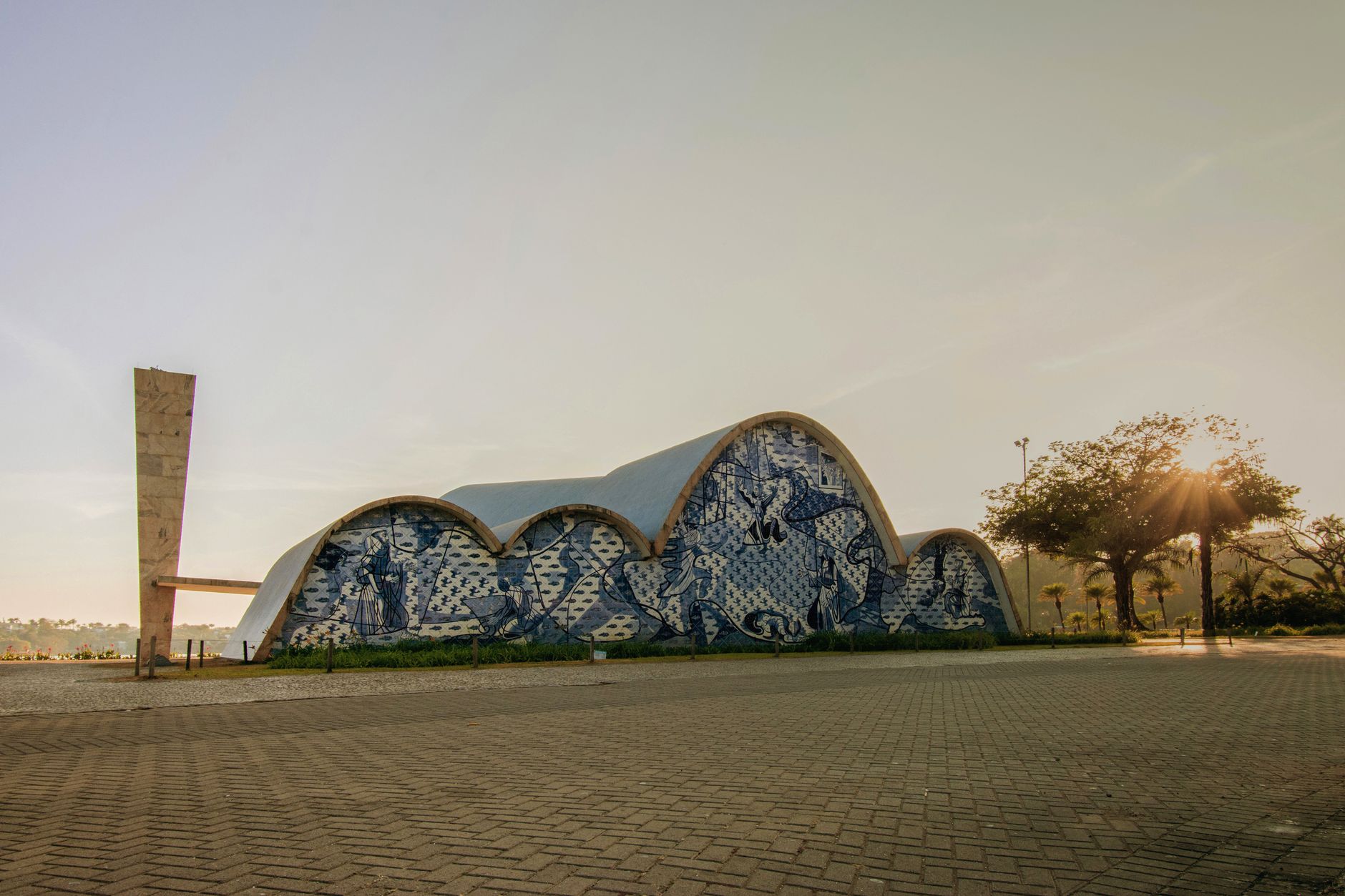
Morning: Make Pampulha the focus — take a bus labeled 'Pampulha' from Praça Sete or a 25–40 minute ride-hail. Start at Igreja São Francisco de Assis to see Alfredo Ceschiatti sculptures and Portinari tiles on the façade and interior; plan 45–60 minutes here. Walk the lagoon edge to Casa do Baile and Museu de Arte da Pampulha (MAP); the three sites are within 10–20 minutes on foot along the lagoon. Lunch: Try Restaurante Xapuri for classic Minas dishes in a rustic setting near Pampulha. Afternoon: Visit Mineirão stadium and its small museum if interested in futebol — tours run on select days and a match night changes logistics. Return to the centre by bus or ride-hail; traffic around Pampulha can slow late afternoons. Evening: If there’s a concert or match at Mineirão, expect higher ride-hail prices; otherwise enjoy a quieter dinner in Lourdes or close to Praça da Liberdade.
Day 3
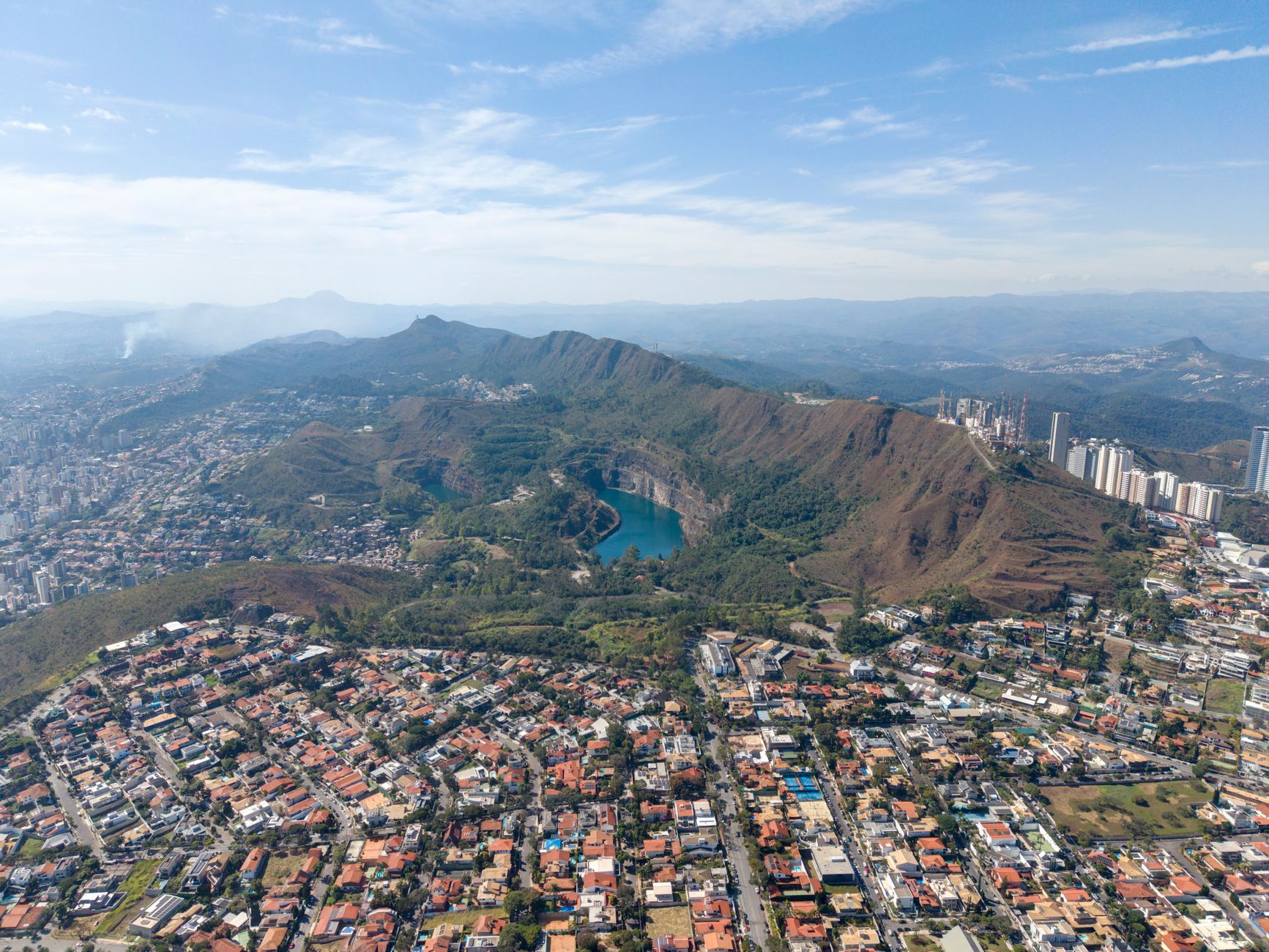
Morning: Spend the morning in Parque das Mangabeiras for a shorter hike to a mirante with a view over the Serra do Curral; enter from Rua Tomé de Souza or take a taxi to the park gate to save time. Midday: Return toward Santa Tereza for a late lunch and slow streetside exploration — Santa Tereza offers street art, small galleries and cafés in a relaxed village feel. Afternoon: If checking out and catching an afternoon flight, stay close to Avenida Afonso Pena or Praça Sete and allow at least 90–120 minutes to reach Confins by taxi or shuttle. Otherwise, use this afternoon for any missed museums in Circuito Liberdade or to buy regional sweets at Mercado Central. Evening: Finish with an informal dinner at a boteco in Santa Tereza or Savassi, or an early flight transfer depending on schedule.
Best Local Experiences
Mercado Central de Belo Horizonte: browse cheeses, cachaças and artisanal sweets in a compact interior market. Circuito Liberdade museum walk: several government palaces and small museums can be visited within one circulatory block. Pampulha lagoon walk: follow the promenade to see Casa do Baile, MAP and Igreja São Francisco de Assis. Feira Hippie (Avenida Afonso Pena on Sundays): a long street market of crafts, food and secondhand items; arrive early to avoid heat. Santa Tereza evening scene: bars and cultural houses with live music concentrated around Rua São João and Largo Santa Tereza. Each of these offers a short, well-defined experience that can be slotted into a half- or full-day without heavy transfers.
Where to Stay
Savassi: Best for nightlife, cafés and short walks to Praça da Liberdade; suits midrange budgets and younger travellers. Nightly range R$180–R$450 (approx. €34–€85 / US$35–US$90). Lourdes: Quieter, close to fine restaurants and Palácio das Artes; suits food-focused visitors and small splurges. Nightly range R$220–R$520 (approx. €40–€98 / US$45–US$110). Pampulha: Practical for architecture tourists and near the airport shuttle route; suits families and those visiting Mineirão. Nightly range R$140–R$320 (approx. €25–€60 / US$30–US$65). These ranges are approximate and drop on weekdays or rise for larger rooms; choose a base near an express bus stop or a Line 1 metro station to save transit time.
Food and Drink
Pão de queijo: small baked cheese rolls; find excellent versions at Mercado Central stalls and padarias for R$5–R$12 for a small box. Feijão tropeiro: a dense mix of beans, manioc flour and pork; a plate at a traditional restaurant like Xapuri costs R$30–R$60. Tutu à mineira: mashed beans with cassava flour and bacon; served at family-style restaurants and cost around R$20–R$45. Doce de leite and doce de leite desserts: sold by the kilo at Mercado Central and offered as treats in cafés; expect R$20–R$40 per kg of artisanal jars. Cachaça and local craft beer: small cachaçarias and Mercado Central tastings let one sample for R$5–R$15 per shot or small served tasting. Breakfast option: a padaria breakfast of coffee, pão de queijo and suco for about R$12–R$25.
Getting Around
Metro: Metrô Linha 1 connects several central stations; it’s useful for north–south trips within the urban area but does not reach Pampulha. Buses: the municipal system is managed by BHTrans and covers the city — buy fares with Cartão Ótimo. App options: use Moovit or Google Maps for routes, and Uber or 99 for ride-hailing. Single bus/metro fare is about R$4.70–R$4.80; there is no common city day pass for unlimited rides, though transfers within a short window are possible on the card. Taxi from Confins airport to the centre runs roughly R$160–R$230 depending on traffic; the airport shuttle/express bus to Praça Sete or Savassi is cheaper but slower.
Best Time to Visit
Summer (December–February) is hot with frequent afternoon thunderstorms; daytime highs often 26–30°C and humidity can make walking tiring. Winter (June–August) is drier with cooler nights around 10–15°C and comfortable daytime highs near 20–24°C. Shoulder months April–May and September–October offer lower rain risk and mild temperatures and are the best months for outdoor walking and for value on rooms. Avoid planning outdoor-heavy days during December–March afternoons without contingency for rain.
Budget and Practical Tips
A realistic daily budget for a moderate traveller: Accommodation R$180–R$450 (approx. €34–€85 / US$35–US$90), food R$80–R$150 (approx. €15–€28 / US$16–US$30), transport R$15–R$40 (approx. €3–€7 / US$3–US$8), entry fees and extras R$10–R$60 (approx. €2–€11 / US$2–US$12). Street food and market meals keep costs low; sit-down dinners raise the daily total. Tipping: restaurants typically add no mandatory service but leaving 5–10% for good table service is common; rounding up taxi fares is normal. Carry small bills for market purchases and neighbourhood taxis that don’t take cards.
FAQ
Is Belo Horizonte safe for tourists?
Many central areas and main tourist sites are safe in daylight and on busy evenings; standard precautions apply—avoid poorly lit side streets late at night and keep valuables secure.
How do I get from Confins airport to the centre?
Use the airport shuttle/express bus to Praça Sete or Savassi, a taxi for a quicker direct ride (approx. R$160–R$230) or use Uber/99; allow 40–70 minutes depending on traffic.
Is the metro useful downtown?
Yes—Metrô Linha 1 connects major central stations and carriers can be faster than buses for north–south trips, but it doesn’t serve Pampulha or Mangabeiras directly.
Should I buy a city card or tourist pass?
There is no single tourist pass for everything; buy a Cartão Ótimo for transit and check individual museum websites for discounted days and combined tickets.
Can one visit Inhotim as a day trip?
Possible but tight—Inhotim is a full-day visit requiring about 1–1.5 hours each way by car; start early and expect to spend at least six hours there.
Are museums open daily?
Many museums close one weekday or have shorter hours; check ahead for Museu de Arte da Pampulha and Circuito Liberdade venues as schedules vary.
Is English widely spoken?
Portuguese is dominant; basic English appears at larger hotels and some museums, but carrying offline map directions and key phrases is helpful.
Conclusion
This 72-hour plan prioritises one central day, one Pampulha day and one for hills or a relaxed neighbourhood like Santa Tereza so travel time stays manageable. The most lasting memories usually come from simple, repeated experiences: a late coffee in Savassi, a lagoon sunset at Pampulha and a short trail with a wide view from Mangabeiras. If time runs short, prioritise Pampulha’s Niemeyer buildings in daylight — they combine art, architecture and the best photographic light in one efficient loop.
How this guide was prepared
This guide was prepared through a structured research that combines destination research, geographic context, itinerary planning logic, and content review.