
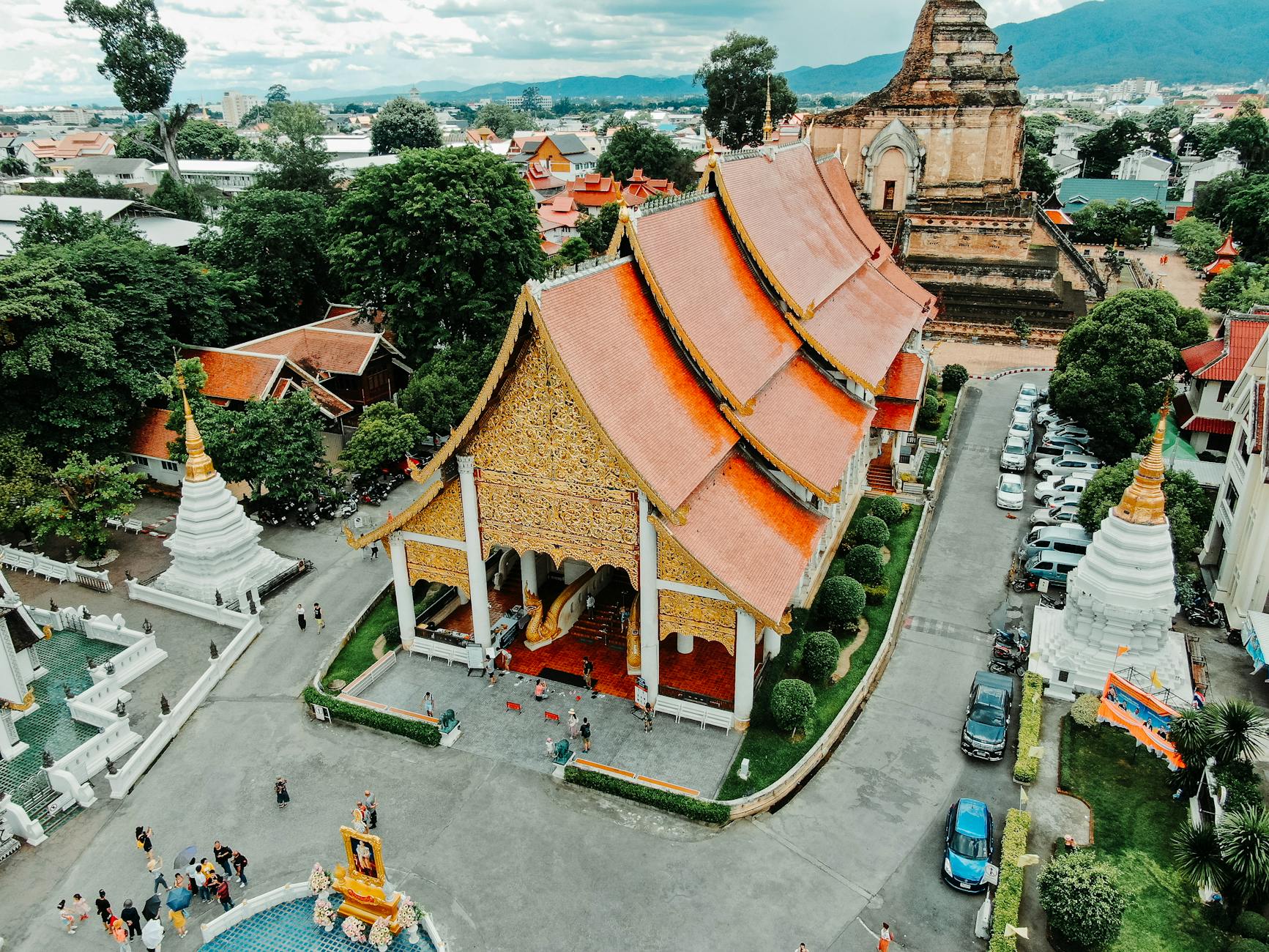
Best Time to Visit Chiang Mai — When to Go, Weather, Festivals, and Sustainable Tips
Practical guide to the best time to visit Chiang Mai: month-by-month climate, festival timing (Yi Peng/Loi Krathong, Songkran), haze and monsoon notes, transport realities, and low-impact recommendations for a 3-day itinerary.
Chiang Mai is best visited in the cool, dry months (November–February) for festivals and comfortable days; shoulder months offer lower prices and fewer crowds. Avoid the pre-monsoon haze and plan bookings early for November and April. Sustainable, local-first tips included to pair with our 3 days in Chiang Mai itinerary.
Quick Answer
Chiang Mai is best visited in the cool, dry months (November–February) for festivals and comfortable days; shoulder months offer lower prices and fewer crowds. Avoid the pre-monsoon haze and plan bookings early for November and April. Sustainable, local-first tips included to pair with our 3 days in Chiang Mai itinerary.
Who This Page Is For
This page is for travelers planning a stay in Chiang Mai who want clearer decisions about best time to visit, local logistics, timing, budgeting, and practical trip planning.
How This Page Was Prepared
This page was prepared through a structured editorial workflow that combines destination research, geographic context, and practical travel-planning review.
Plan the Rest of Your Trip
Use this page together with the full itinerary and the related planning pages below to make better booking, timing, transport, and budget decisions.
Best months: November to February — cool, dry, and festival-rich (Yi Peng/Loi Krathong in November).
Shoulder months to consider: late October (fewer crowds after monsoon) and February (before the burning season peaks).
Months to be cautious: March to April (hot and often smoky due to agricultural burning) and July–September (monsoon rains, some dirt roads muddy).
If you only have 3 days, aim for November–February and book early for festival dates; see the 3 days in Chiang Mai guide for a compact, sustainable itinerary.
Chiang Mai sits in a mountainous valley in northern Thailand and has three clear seasons: cool-dry, hot-dry, and monsoon. Choosing when to visit depends on what you value: festivals and comfortable walking weather, lower prices and greener landscapes, or cultural experiences like Songkran and Yi Peng. This page gives concise month-by-month guidance, neighborhood and transport realities, and sustainable recommendations to help you plan a low-impact, locally beneficial trip that pairs smoothly with the linked 3 days in Chiang Mai itinerary.
What This Page Helps You Decide
This page helps you choose the best travel window for your priorities and practicalities:
- When to schedule a 3-day Chiang Mai itinerary to match weather and festivals.
- Whether to expect haze and how to mitigate it.
- Which neighborhoods suit your pace (Old City for history, Nimman for cafes, Santitham for local food).
- How to plan day trips (Doi Suthep, Mae Sa, or ethical community treks) depending on season and road access.
Use this advice to coordinate flights, accommodation, and day-trip bookings in advance when needed.
Top Recommendations
Month-by-month highlights and what to expect:
- November–February (Cool, dry): Best for walking, temples, and clear mountain views. Pack a light jacket for mornings/evenings. Book accommodation early for Yi Peng/Loi Krathong in November.
- March–April (Hot; Songkran): Very hot; Songkran (mid-April) is lively but wet and crowded. Expect higher prices and packed streets in the Old City and Nimman.
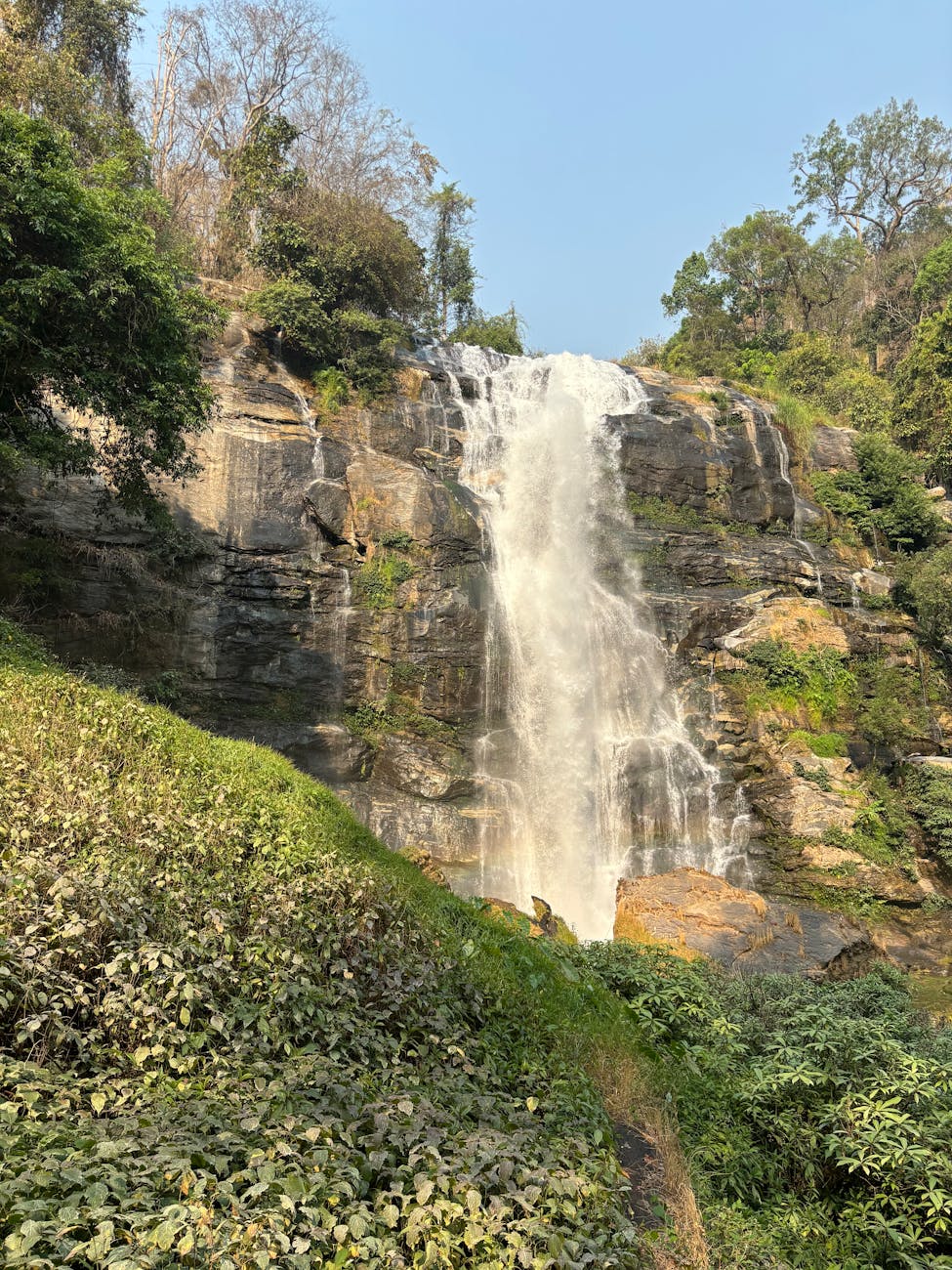
- May–September (Monsoon): Afternoon and evening rains, greener scenery, waterfalls at their best, lower hotel rates. Some rural dirt roads can be slippery—choose paved excursions.
- October (Transition): Often pleasant—end of rains, fewer tourists, good late-season deals.
Practical booking tips:
- Festival travel: Reserve hotels and guided experiences at least 6–8 weeks ahead for November and April.
- Flights and trains: Book early for peak season; consider overnight trains from Bangkok for a lower-carbon option.
- Local transport: Use red songthaews for short hops, shared metered taxis or Grab for longer transfers, and reputable drivers for mountain roads.
Low-impact choices:
- Prefer community-led treks and avoid elephant rides.
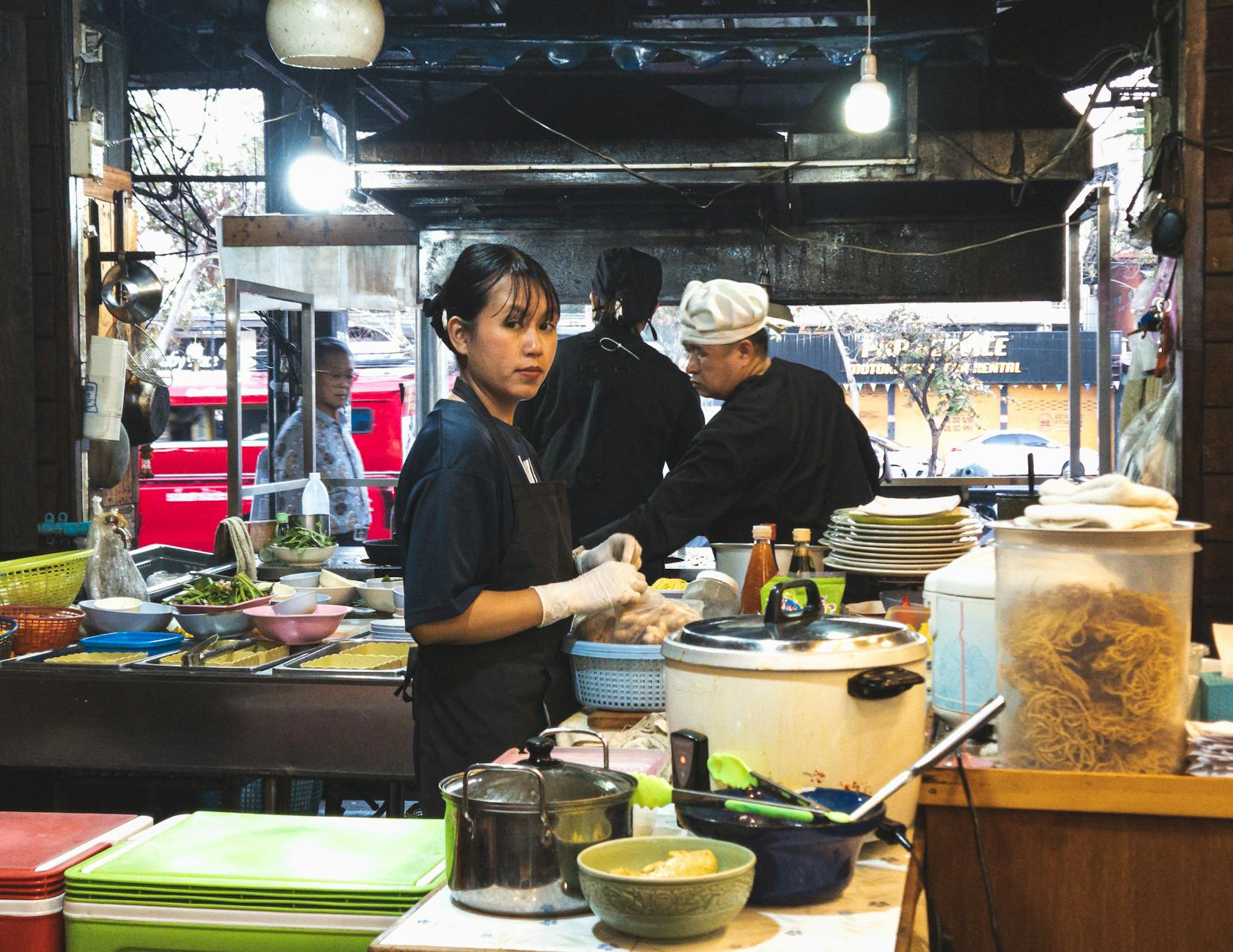
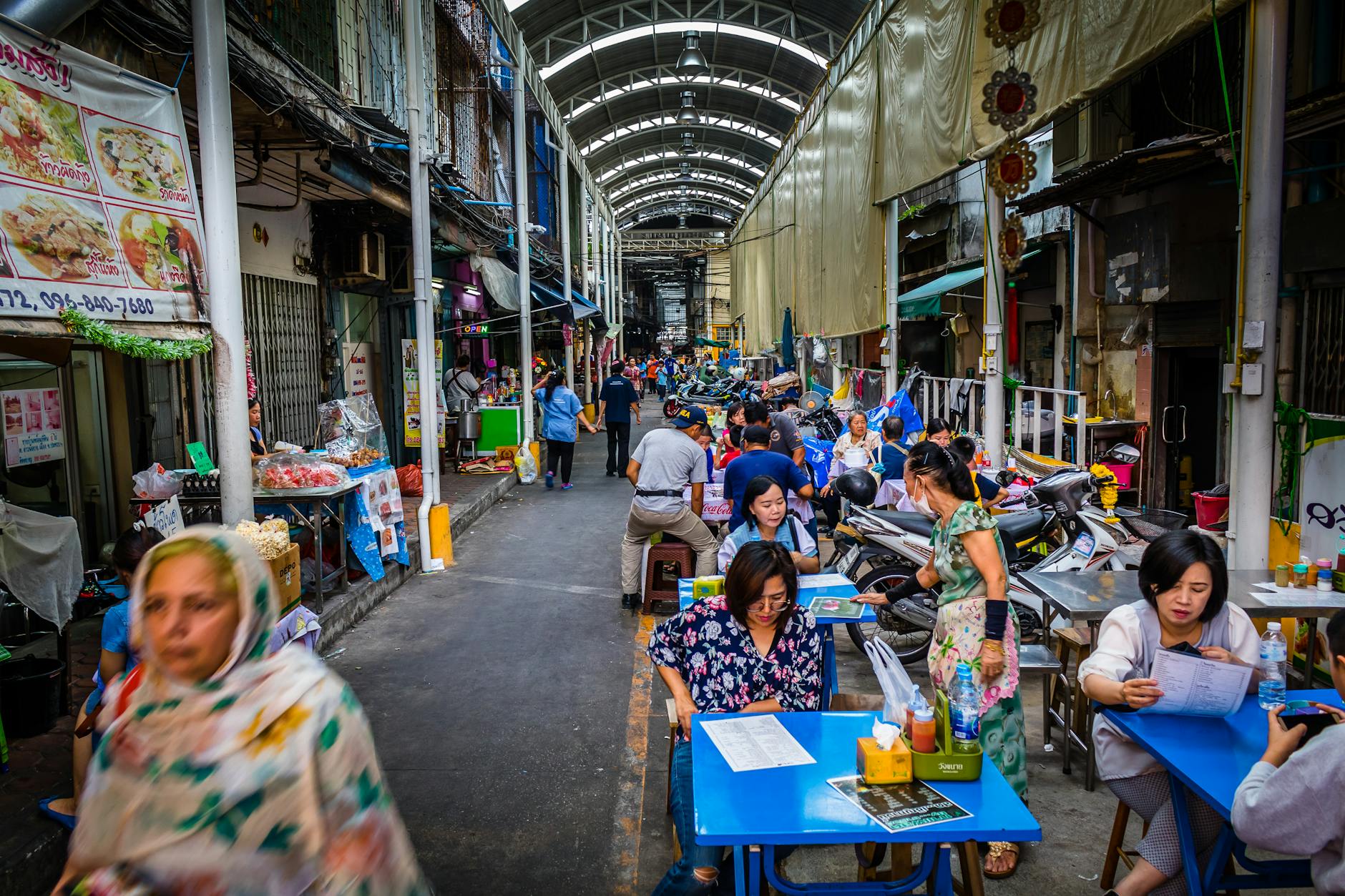
- Eat at local markets and family-run restaurants.
- Use refillable water bottles and bring a reusable bag for market purchases.

Local Context
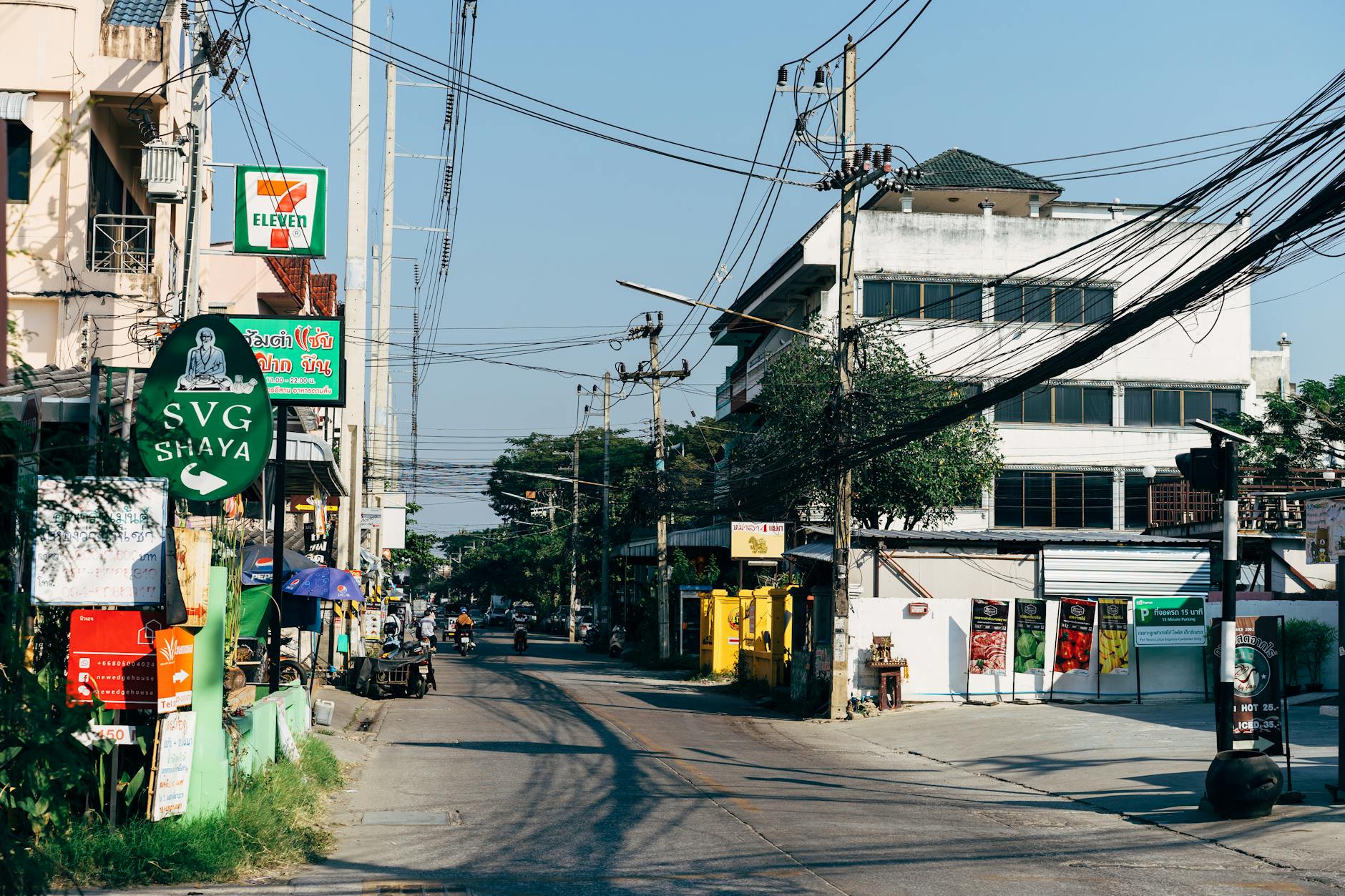
Neighborhoods and transport realities:
- Old City: Best for temples, walking tours, and Sun/Fri/Sun markets. Streets are compact and walkable; evening foot traffic is heavy during festivals.
- Nimmanhaemin (Nimman): Upscale cafes, co‑working spaces, and boutique hotels. Good for nightlife and modern dining but pricier.
- Santitham and Chang Phueak: More residential, good local food stalls, and lower accommodation costs.
- Mae Rim / Doi Suthep area: Mountain access and nature; roads are winding—book drivers with local knowledge.
Transport notes:
- Chiang Mai International Airport is small with frequent domestic flights; allow extra time during peak season.
- Red songthaews are the most economical short-distance option; agree on a route/price or ask the driver to use the shared route.
- Grab works in Chiang Mai but coverage varies outside central neighborhoods.
- Renting a scooter is common but risky in urban traffic—insist on helmets and basic insurance.
Etiquette and practical courtesies:
- Dress modestly at temples (shoulders and knees covered) and remove shoes when required.
- Wai (palms together) is appreciated in greeting but not required—smile and be polite.
- Tipping is welcome for good service but not mandatory.
How to Choose Well
Pick travel dates based on your priorities:
- Comfort and photos: November–February for cool mornings and clear skies.
- Festivals and culture: Book around Yi Peng/Loi Krathong in November for lanterns, or Songkran in April for participatory celebration—expect crowds.
- Lower impact and lower cost: Shoulder months (late October, February) or the rainy season when tours and hotels offer discounts.
- Nature and waterfalls: Late monsoon to early post-monsoon (August–October) when rivers and falls are fullest.
Decision checklist:
- Check PM2.5 forecasts if you’re sensitive to air quality (burning season Feb–April can be poor).
- Confirm road access for mountain trips during the rains; choose operators who run appropriately equipped vehicles.
- Book festival-related accommodation and reputable local guides early to support small businesses.
Responsible and Local-First Tips
Practical ways to keep your trip sustainable and benefit the local economy:
- Choose locally owned guesthouses, homestays, and family-run restaurants over international chains.
- Book tours with certified local guides and small community enterprises—ask how benefits are distributed.
- Avoid activities that exploit wildlife; prefer observation, sanctuaries with rescue credentials, or community conservation projects.
- Use public or shared transport where practical; walk or cycle in the Old City to reduce emissions.
- Reduce plastic waste: carry a refillable water bottle, reusable cutlery, and a shopping bag for markets.
- Respect cultural and environmental rules in temples and parks; follow leave-no-trace principles on hikes.
Support suggestions:
- Buy handicrafts directly from cooperative shops in Hang Dong or Warorot Market.
- Take a cooking class with a neighborhood kitchen that sources ingredients from local markets.
Common Mistakes to Avoid
Practical pitfalls and how to avoid them:
- Booking too late for festivals: November and April can sell out—reserve hotels and festival experiences early.
- Ignoring air quality: Don’t assume clear skies outside November–February—check PM2.5 and have masks if visiting Feb–Apr.
- Overplanning mountain trips during monsoon: Expect road closures or muddy tracks; choose paved or lower-elevation options.
- Relying only on taxis: In central areas, red songthaews and walking are faster and cheaper; agree fare or route before boarding.
- Choosing questionable animal experiences: Skip elephant riding; prioritize rescue centers and ethical wildlife visits.
Small sensible choices save time, money, and reduce harm to people and nature.
FAQ
When is the absolute best month to visit Chiang Mai for weather and festivals?
Late November to January is the sweet spot for cool, dry weather and clear views; November also brings Yi Peng/Loi Krathong lantern events, but book early.
Is the burning season bad enough to change my travel dates?
The burning season (roughly February–April) can produce significant haze and elevated PM2.5. If you are sensitive to air pollution or want clear mountain photos, avoid these months or monitor forecasts closely.
Can I visit in the monsoon season?
Yes—May to September offers fewer tourists, greener landscapes, and lower prices. Choose paved day trips and expect afternoon rain; some rural roads may be less accessible.
How far in advance should I book for festivals like Yi Peng or Songkran?
Book accommodation and festival experiences at least 6–8 weeks in advance; for larger group events, reserve earlier to secure responsible local operators.
What local transport should I use for a short stay?
Walk in the Old City, use red songthaews for neighborhood hops, Grab for convenience, and reputable taxis or private drivers for mountain day trips. Consider the overnight train from Bangkok if you prefer lower-carbon travel.
Any sustainability tips when booking tours?
Ask operators about community benefit, group size limits, and animal welfare policies. Favor community-run experiences and small-group trekking with licensed guides.
Conclusion
Choose Chiang Mai between November and February for the most comfortable experience and festival highlights; pick shoulder months for fewer crowds and lower prices, and the monsoon for green scenery and deals. Prioritize ethical operators, locally owned businesses, and low-impact transport. If you’re planning a short trip, pair this timing advice with the linked 3 days in Chiang Mai itinerary for a compact, sustainable visit, and consider day trips or onward travel to Chiang Rai, Udon Thani, Bangkok, Si Racha, or Cha-am depending on season and road or flight schedules.
How this guide was prepared
This guide was prepared through a structured research that combines destination research, geographic context, itinerary planning logic, and content review.