

Where to Stay in Chiang Mai: Neighborhood Guide for a 3-Day Trip
Practical, sustainable advice on where to stay in Chiang Mai by neighborhood — Old City, Nimman, Riverside, Santitham and more — with transport, seasonal, and booking tips to support a 3-day Chiang Mai itinerary.
Choose a neighborhood that matches your pace: Old City for temples and walkers, Nimmanhaemin for cafes and nightlife, Riverside for calmer mornings, and Santitham or Chang Klan for budget and authentic local life. Practical tips for seasons, transport, and responsible stays.
Quick Answer
Choose a neighborhood that matches your pace: Old City for temples and walkers, Nimmanhaemin for cafes and nightlife, Riverside for calmer mornings, and Santitham or Chang Klan for budget and authentic local life. Practical tips for seasons, transport, and responsible stays.
Who This Page Is For
This page is for travelers planning a stay in Chiang Mai who want clearer decisions about where to stay, local logistics, timing, budgeting, and practical trip planning.
How This Page Was Prepared
This page was prepared through a structured editorial workflow that combines destination research, geographic context, and practical travel-planning review.
Plan the Rest of Your Trip
Use this page together with the full itinerary and the related planning pages below to make better booking, timing, transport, and budget decisions.
Pick a neighborhood by priority:
- First time and walking convenience: Old City. Close to main temples, markets, and the Sunday Night Market.
- Food, cafés, nightlife, and boutique hotels: Nimmanhaemin (Nimman).
- Quiet mornings, riverside cafés and boutique guesthouses: Riverside/Wat Ket.
- Budget, local food stalls and a younger crowd: Santitham and Chang Phuak.
Book Old City or Nimman for a 3-day itinerary to minimize transit time. Shoulder season (May–June or September–October) can reduce prices while still being green and comfortable.
This page helps you pick where to stay in Chiang Mai for a short trip and supports the practical choices in the companion 3 days in Chiang Mai itinerary. It focuses on neighborhoods, real transport realities, seasonal trade-offs, and how to favor local businesses and low-impact options. If you plan onward travel to Chiang Rai, Udon Thani, Bangkok or beach towns like Si Racha and Cha-am, you'll find short notes on connecting options.
What This Page Helps You Decide
Use this guide to decide:
- Which neighborhood matches your pace and interests.
- How to balance cost, convenience, and quieter nights.
- Which transport options you'll rely on (walking, songthaew, Grab, rental scooter).
- When to book for peak festivals or shoulder season savings.
It is meant to pair directly with the 3 days in Chiang Mai itinerary so you can choose lodging that cuts travel time between planned sights.
Top Recommendations
Neighborhood-by-neighborhood quick reads with who they suit, pros and cons, and practical booking notes.
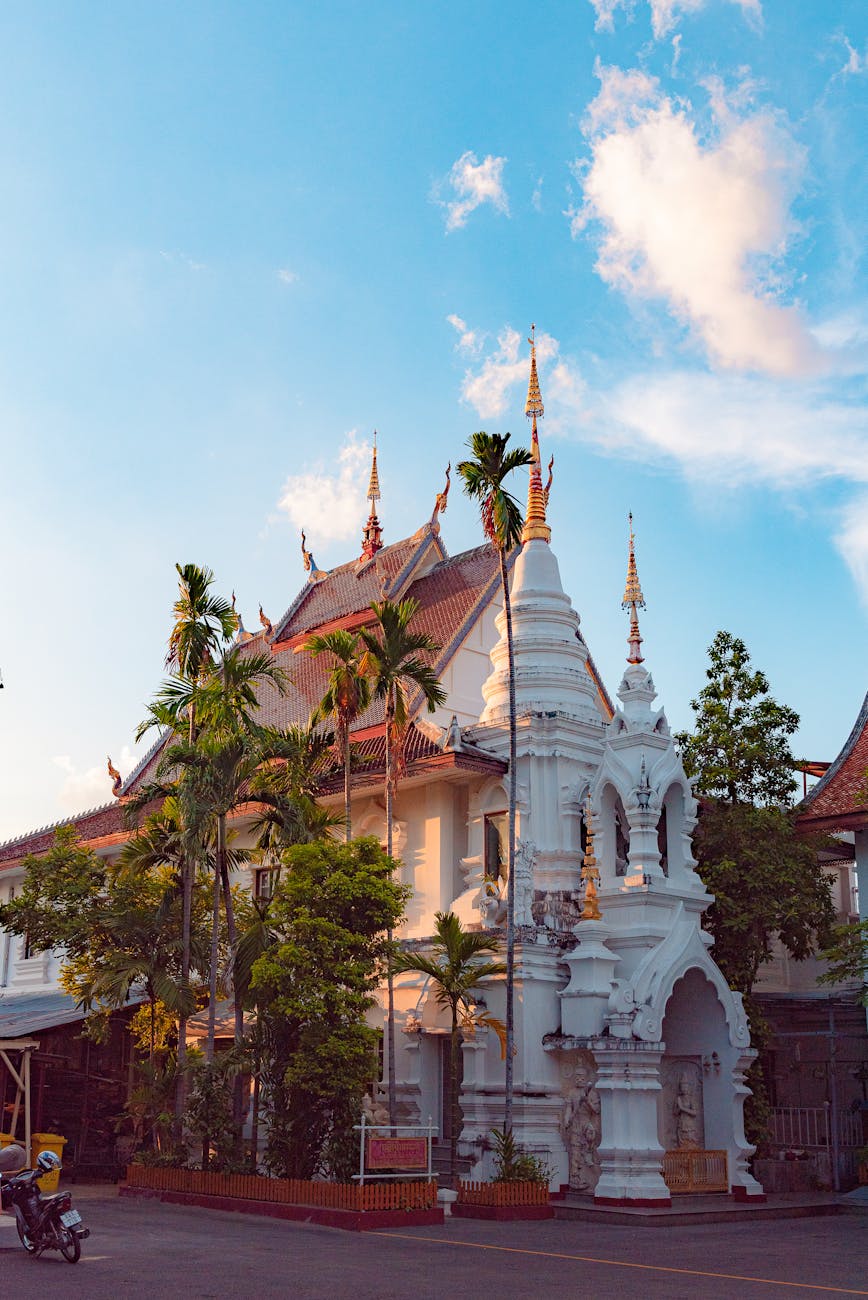
Old City
– For: first-timers, temple visits, markets, evening walks.
– Pros: pedestrian-friendly, close to Wat Phra Singh and Wat Chedi Luang, many guesthouses and mid-range hotels.
– Cons: can be noisy near markets; smaller rooms at budget places.
– Booking note: reserve early for December–February and festival weekends.
Nimmanhaemin (Nimman)
– For: cafes, design hotels, nightlife, younger travelers.
– Pros: easy access to boutique shops, coworking spaces, late-night dining.
– Cons: busier after dark; not as close to most temples.
– Booking note: book rooftop- or boutique hotels in advance if you prefer quiet rooms.
Riverside / Wat Ket
– For: relaxed mornings, riverside dining, small luxury and family stays.
– Pros: calmer vibe, scenic walks along the Ping River.
– Cons: slightly further from Old City sights — factor 10–20 minutes by car.
– Booking note: choose river-facing rooms if you value morning light and calm.
Santitham & Chang Phuak
– For: budget travelers, street food, local life.
– Pros: cheap eats, nearby fresh markets, friendly neighborhood feel.
– Cons: fewer tourist amenities; some streets can be congested.
– Booking note: check whether rooms have air conditioning for the hot season.
Night Bazaar / Chang Klan
– For: shoppers and late-night market access.
– Pros: immediate access to Chiang Mai Night Bazaar and walking street stalls.
– Cons: noisy until late; touristy merchandise is common.
– Booking note: aim for accommodations on side streets for quieter nights.

Local Context
Seasonal patterns
– Cool season (Nov–Feb): most comfortable, highest demand and prices.
– Hot season (Mar–May): fewer tourists, higher temperatures — pick air-conditioned rooms.
– Rainy season (Jun–Oct): green landscapes, lower prices and fewer crowds; expect short, heavy afternoon storms.
Transport realities
– Chiang Mai Airport is compact; a taxi or Grab takes 10–20 minutes to the Old City.
– Red songthaews are the cheapest local option for short trips; agree price or ask local drivers to use the meter/standard route where available.
– Scooter rentals are common but only for confident riders; use a helmet and be cautious on wet roads.
Local etiquette
– Remove shoes at temple entrances, cover shoulders and knees, and be quiet in prayer areas.
– Bargaining at markets is acceptable but keep it polite; support vendors with fair offers.
How to Choose Well
Quick checklist to match lodging to your itinerary and values:
- Map proximity to the sights in the 3 days in Chiang Mai plan; reduce transfer times if you have limited days.
- Prioritize walkability (Old City) if you want fewer short rides.
- Check cancellation policy for festival dates and high season.
- Confirm amenities important to you: AC, hot water, quiet windows, laundry.
- Prefer locally owned guesthouses, family-run hotels, or small boutique stays to keep tourist spend local.
- Consider staying in one place for the whole trip to unpack less and support a single local host.
Responsible and Local-First Tips
Make choices that benefit local people and reduce impact:
- Book homestays, small guesthouses, or locally owned boutique hotels rather than large international chains when possible.
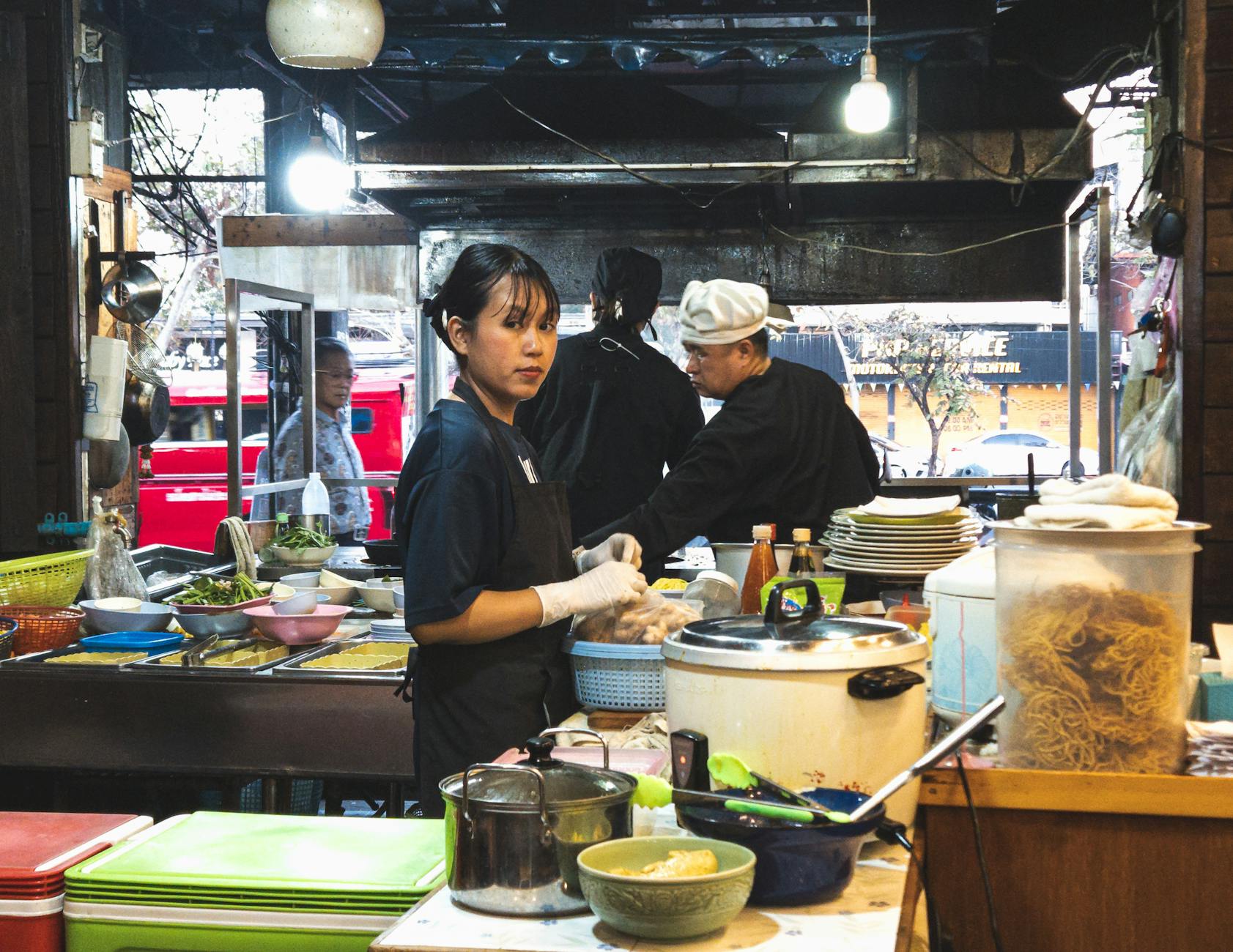
- Eat at neighborhood markets and cookshops; look for vendors who source local produce.
- Bring a refillable water bottle and use cafes with refill stations to reduce plastic.
- Avoid attractions that exploit animals; prioritize ethical wildlife or conservation tours vetted by local NGOs.
- Choose community-based day trips or licensed local guides for hill-tribe visits and craft village tours.
- Travel shoulder season for lower impact on infrastructure and more dispersed spending across the year.
Common Mistakes to Avoid
Practical pitfalls visitors make and how to avoid them:
- Staying far from the Old City without a car and underestimating ride costs.
- Booking based only on photos — check map distance to key sights in the 3-day plan.
- Ignoring temple dress codes or visiting temples during prayer times without respect.
- Assuming Grab always runs reliably; have a songthaew cash option or hotel call a taxi.
- Choosing the cheapest option without checking for air conditioning during hot months.
- Booking tours that include elephant shows or unregulated animal encounters; opt for reputable sanctuaries instead.
FAQ
Which neighborhood is best for a first-time visitor staying 3 days?
Old City. It places you within walking distance of the top temples, markets, and many restaurants which makes the companion 3 days in Chiang Mai itinerary simple and efficient.
Is Chiang Mai safe to walk at night?
Generally yes in popular neighborhoods like Old City and Nimman. Use normal precautions: stay in lit areas, keep valuables secure, and avoid isolated streets late at night.
How do I get to Doi Suthep from town and how long does it take?
Options include a 30–45 minute songthaew (shared truck taxi), a private taxi/Grab in 25–40 minutes depending on traffic, or booking a half-day guided tour. Start early to avoid midday heat and festival traffic.
When is the best time to travel for cooler weather and smaller crowds?
Late September–November (end of monsoon to start of cool season) has lower crowds and green scenery; December–January is cooler but busier.
Can I use Chiang Mai as a base to visit Chiang Rai or Udon Thani?
Yes. Long-distance buses and minivans run from Arcade Bus Terminal to Chiang Rai. Trains are limited; buses are the common option for Chiang Rai and Udon Thani. Plan intercity travel as a separate booking and allow extra time during festival periods.
Conclusion
For a short trip, choose Old City to maximize time at temples and markets, Nimman if you want café culture and nightlife, or Riverside for calmer mornings. Wherever you stay, prioritize locally run accommodations, book with flexible policies for festival dates, and use low-impact transport and dining to keep your visit beneficial to the community. Pair your chosen neighborhood with the practical route in the 3 days in Chiang Mai guide and consider side trips to Chiang Rai, Udon Thani, or Bangkok if your schedule allows.
How this guide was prepared
This guide was prepared through a structured research that combines destination research, geographic context, itinerary planning logic, and content review.