

Best Time to Visit Houston — When to Go, Weather, Crowds, and Local Tips
Find the best months to visit Houston for weather, festivals, and lower prices. Practical neighborhood, transport, and sustainable tips to plan a low-impact 3-day trip and optional day trips to Galveston, College Station, Austin and Waco.
Houston is a large, spread-out city with mild winters, humid summers, and clear shoulder-season advantages. This page helps you pick the best weeks to visit based on weather tolerance, events like the Rodeo, and sustainable, local-first choices for a 3-day itinerary.
Quick Answer
Houston is a large, spread-out city with mild winters, humid summers, and clear shoulder-season advantages. This page helps you pick the best weeks to visit based on weather tolerance, events like the Rodeo, and sustainable, local-first choices for a 3-day itinerary.
Who This Page Is For
This page is for travelers planning a stay in Houston who want clearer decisions about best time to visit, local logistics, timing, budgeting, and practical trip planning.
How This Page Was Prepared
This page was prepared through a structured editorial workflow that combines destination research, geographic context, and practical travel-planning review.
Plan the Rest of Your Trip
Use this page together with the full itinerary and the related planning pages below to make better booking, timing, transport, and budget decisions.
Best overall months: March–April and October–November for mild temperatures, lower humidity, and fewer storms.
If you want big local events: February–March brings the Houston Livestock Show and Rodeo but expect crowds and higher prices. Summer (June–August) is hot and humid—good for indoor museum days and family beach trips to Galveston, but plan for heat management. Hurricane season runs June–November with greatest storm risk August–September. For budget, lower-impact visits, choose shoulder seasons and stay in walkable neighborhoods to reduce driving.
Houston’s climate and character shape the best time to visit: a humid subtropical coastline with hot, humid summers, mild winters, and a busy event calendar that can push hotel rates. Your ideal month depends on whether you prioritize outdoor walking, museums, festivals, lower prices, or easy day trips to nearby Galveston, College Station, Austin, or Waco. Use this support page alongside the 3 days in Houston guide to match weather and logistics to the sights you want to see.
What This Page Helps You Decide
This page helps you choose the right weeks to:
- Match weather to activities (outdoor parks, bayou paddling, museums).
- Avoid or plan for major events that affect lodging and transit (Rodeo, convention season).
- Pick a neighborhood base that reduces driving and supports local businesses.
- Schedule day trips to Galveston, College Station, Austin, or Waco.
For packing, timing, and a practical 72-hour plan, refer to the companion 3 days in Houston guide while you pick dates here.
Top Recommendations
Quick month-by-month guidance:
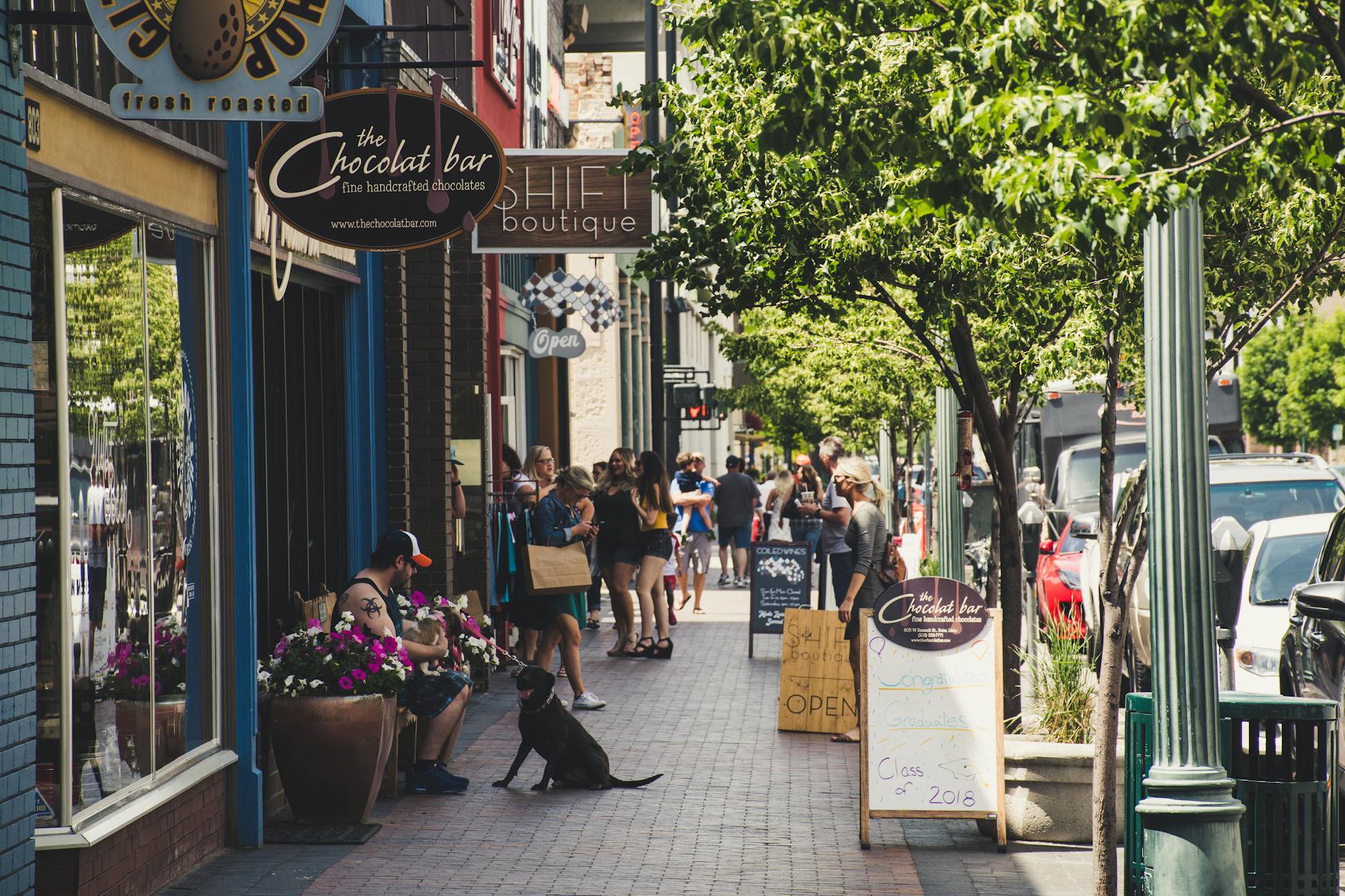
- March–April: Best balance of comfortable temperatures, blooming trees, and lower humidity. Great for walking the Museum District, Buffalo Bayou, and day trips to Galveston before peak beach season.
- October–November: Cooler evenings, lower humidity, fewer mosquitoes, and pleasant parks and patios. Ideal for food-focused visits and exploring neighborhoods like Montrose and the Heights.
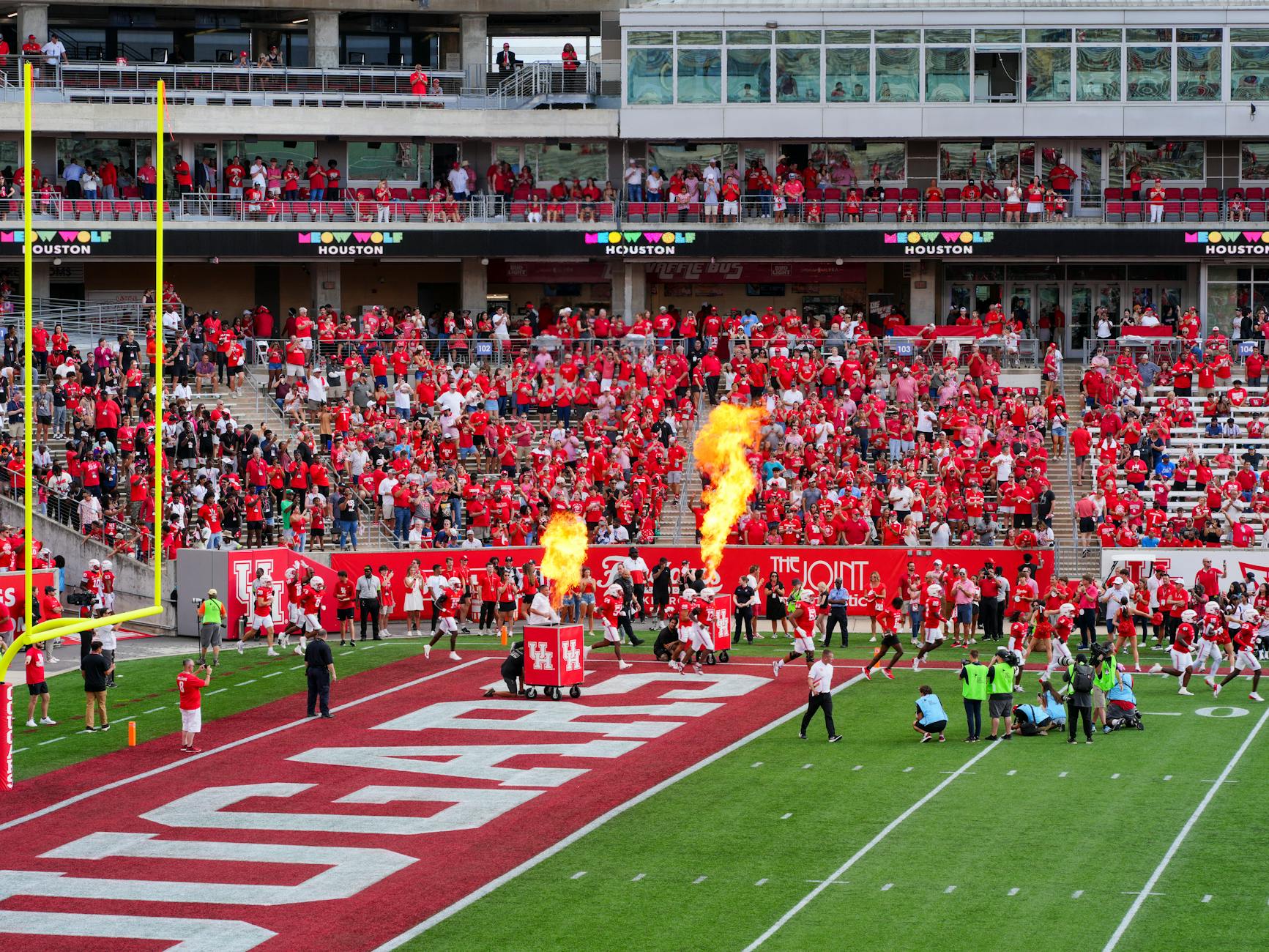
- February (select weeks): Go if you want Rodeo energy and rodeo-related parades; plan and book well in advance because hotels fill fast.
- June–August: Expect highs in the 90s°F and high humidity—good for indoor museums, The Galleria, and early-morning outdoor activities. Bring sun protection and plan afternoon indoor time.
- Late August–September: Elevated hurricane and tropical storm risk. If traveling then, buy refundable reservations and monitor local advisories.
Sustainable and budget-minded tip: travel in shoulder seasons, choose a central neighborhood base, and book refundable fares 2–3 months ahead for spring/fall or 4–6 months for Rodeo/convention periods.
Local Context
Neighborhoods: For a 3-day stay choose a walkable neighborhood to cut driving and support local businesses—Museum District (museums, Hermann Park), Midtown (food and nightlife), Montrose (cafés, galleries), the Heights (shops and bungalow streets), or Downtown/EaDo for sports and theater. Rice Village and the Galleria are convenient if shopping is a priority.
Transport realities:
– Houston is sprawling; many visitors still rent cars if they plan suburban day trips.
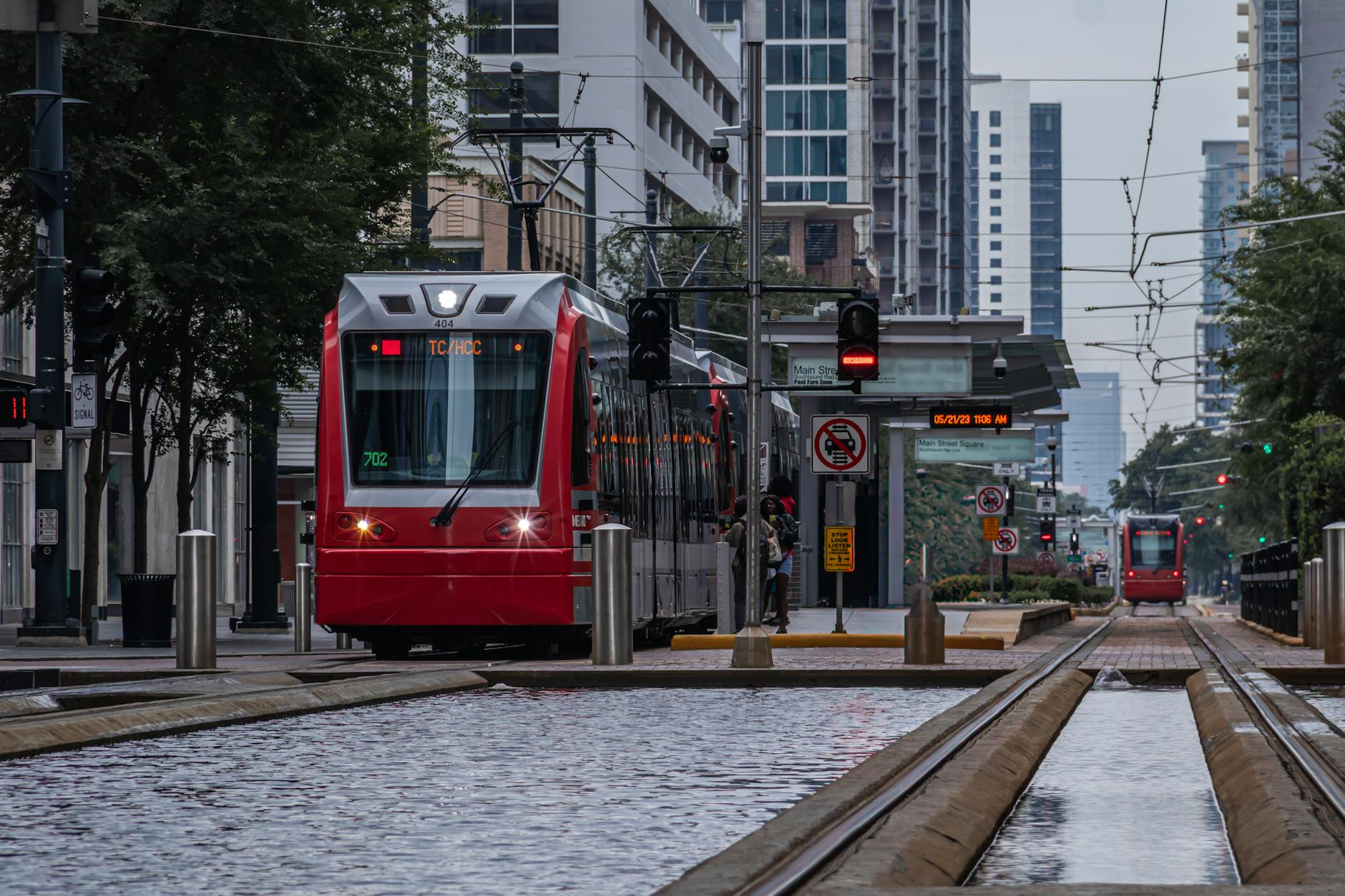
– METRORail serves key central corridors (downtown, Museum District, Midtown) but doesn’t cover everything—combine rail, rideshares, and occasional car rental.
– Both IAH and Hobby airports have ride-share and shuttle options; expect 30–60+ minute transfers depending on timing and traffic.
Seasonal and safety notes:
– Spring brings high pollen—if you have allergies, pack medication.
– Heavy rain can cause flash flooding; avoid driving through standing water.
– Hurricane season (Jun–Nov) requires refundable plans and travel insurance for late summer/early fall trips.
Local etiquette and payments: tipping at 15–20% is standard for sit-down meals and taxi/rideshare. Casual dress is widely accepted; be courteous to service staff and small-business owners.
How to Choose Well
Use this short checklist:
- Define priorities: outdoor walking, museums, dining, sports, or beach day trips.
- Pick season by tolerance for heat/humidity vs. crowds and prices (spring/fall = best compromise).
- Choose a neighborhood base that matches activities to minimize driving.
- Book accommodation: 2–3 months ahead for shoulder seasons, 4–6 months for Rodeo or major conventions; prefer locally owned hotels, B&Bs, or small inns to keep spend local.
- Transport planning: reserve airport transfers, check METRO schedules, and plan rideshare budgets.
Practical booking tips:
– Look for refundable or changeable rates during hurricane season.
– Reserve popular restaurants for weekend nights and tours (space center tours, bayou kayak trips) in advance.
– If taking a Galveston day trip, check ferry and road conditions and allow 1–1.5 hours travel time each way.
Responsible and Local-First Tips
Choose low-impact travel habits that also benefit local businesses:
- Stay in a locally owned hotel, guesthouse, or neighborhood B&B when possible.
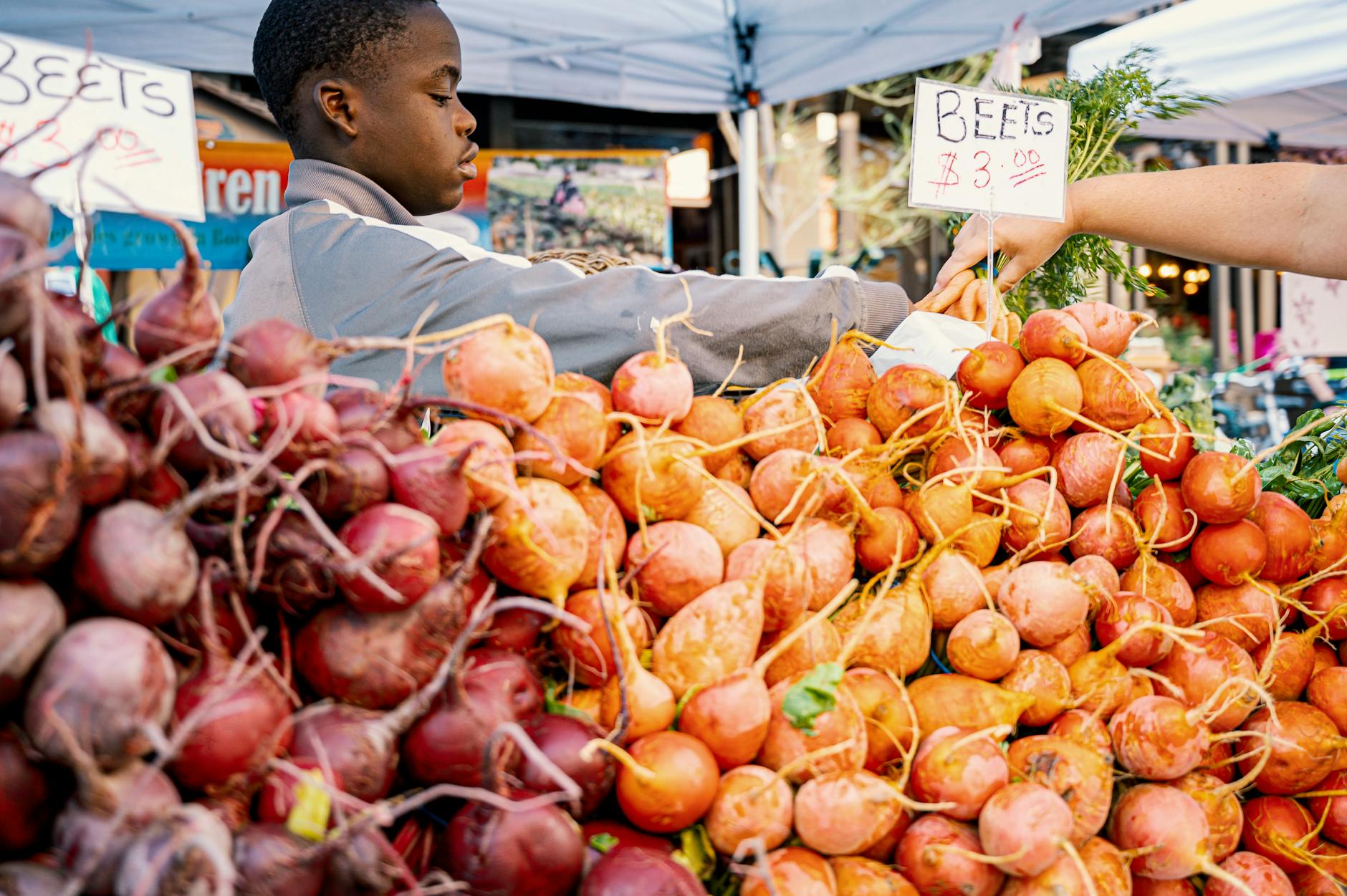
- Eat at restaurants that source Texas produce and seafood; visit farmers markets such as Urban Harvest.
- Use METRORail, bike lanes, or walkable neighborhoods to reduce car use. Rent bikes or use bike-share programs for short trips.
- Book small-group, locally run tours for bayou paddling, food walks, or historical tours—ask about environmental practices and Leave No Trace for water trips.
- Respect public spaces: pick up litter, avoid trampling sensitive park vegetation, and don’t feed wildlife.
- Tip and shop local: small restaurants, independent shops, and neighborhood services are the most direct way your spending helps the community.
Common Mistakes to Avoid
Avoid these frequent missteps:
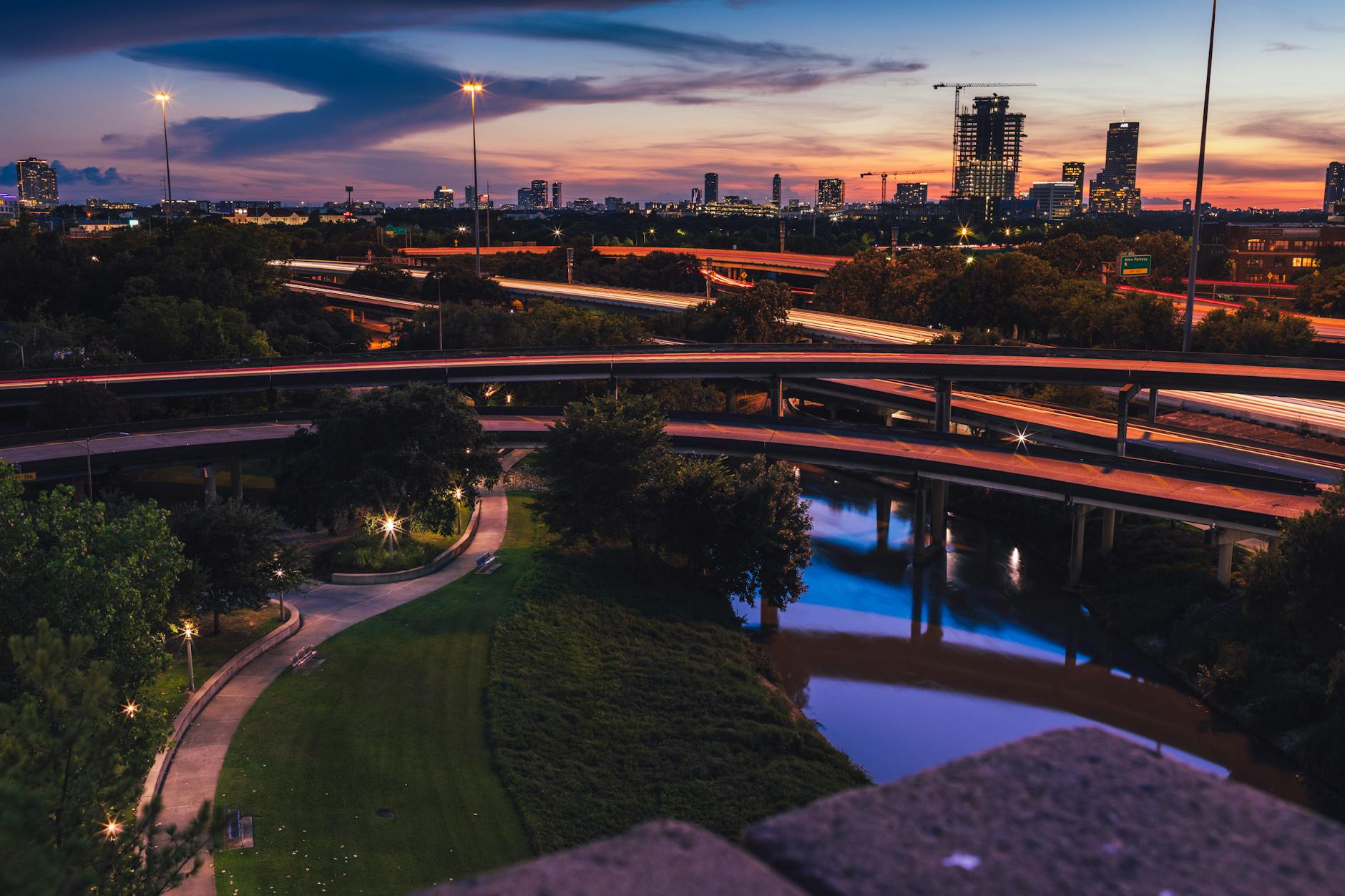
- Underestimating travel times and distances—Houston is large and can have heavy traffic.
- Visiting in high summer without a heat plan—schedule outdoor activities for morning or late afternoon and hydrate.
- Booking during Rodeo or large conventions without checking event calendars—hotels can sell out and rates spike.
- Assuming public transit will serve every attraction—plan last-mile rideshares or a short-term car rental for neighborhoods off the rail.
- Ignoring weather advisories during hurricane season—have flexible plans and refundable bookings.
- Skipping reservations for popular restaurants and tours—weekend nights fill up fast in Montrose, Midtown, and the Heights.
FAQ
When is the very best month to avoid crowds and still have good weather?
Late March or October are the sweet spots—temperatures are pleasant, humidity is lower, and hotel rates tend to be reasonable outside major event weeks.
Is hurricane season safe to visit Houston?
Hurricane season runs June–November with peak risk in August–September. It’s safe to visit outside storms, but book refundable accommodations, monitor forecasts, and buy travel insurance if you plan travel during this period.
Do I need a car in Houston for a 3-day stay?
Not necessarily. For a central 3-day itinerary (see 3 days in Houston) choose the Museum District, Midtown, Montrose, or Downtown and rely on METRORail, bikes, and rideshares. Rent a car if you plan day trips to Galveston, College Station, or other suburbs.
When should I book hotels and restaurants?
Book 2–3 months ahead for spring/fall shoulder seasons. For Rodeo, major sports events, or big conventions, book 4–6 months ahead. Reserve weekend dinners and guided tours at least 2–3 weeks in advance.
Can I combine Houston with a day trip to Galveston or Austin?
Yes. Galveston is the easiest day trip (about 1–1.5 hours each way). College Station and Waco are doable as longer day trips; Austin is best as an overnight unless you’re comfortable with long drives. Factor traffic and local events into timing.
Conclusion
Choose March–April or October–November for the most comfortable, low-impact Houston visit. If you want Rodeo energy or a specific festival, plan and book well in advance. Use a central neighborhood base and prioritize public transit, local eateries, and small tours to keep your visit sustainable and rewarding. For a detailed day-by-day plan once your dates are set, consult the 3 days in Houston guide and consider easy side trips to Galveston, College Station, Austin, or Waco based on your interests.
How this guide was prepared
This guide was prepared through a structured research that combines destination research, geographic context, itinerary planning logic, and content review.