

Best Things to Do in Shanghai — Practical, Local-First Guide
Practical guide to the best things to do in Shanghai: neighborhoods, markets, transport tips, seasonal advice, sustainable choices, and links to the 3 days in Shanghai itinerary and nearby day trips.
A scan-friendly, sustainable-focused list of Shanghai highlights and how to choose them—neighborhoods, food spots, museums, river views, and day trips that pair well with our 3 days in Shanghai itinerary.
Quick Answer
A scan-friendly, sustainable-focused list of Shanghai highlights and how to choose them—neighborhoods, food spots, museums, river views, and day trips that pair well with our 3 days in Shanghai itinerary.
Who This Page Is For
This page is for travelers planning a stay in Shanghai who want clearer decisions about things to do, local logistics, timing, budgeting, and practical trip planning.
How This Page Was Prepared
This page was prepared through a structured editorial workflow that combines destination research, geographic context, and practical travel-planning review.
Plan the Rest of Your Trip
Use this page together with the full itinerary and the related planning pages below to make better booking, timing, transport, and budget decisions.
If you have limited time: combine an Old City morning (Yu Garden and City God Temple market), a French Concession stroll with lunch at a local bistro, and an evening on the Bund or in Lujiazui for skyline views.
Shoulder seasons (April–May, September–October) offer milder weather and smaller crowds. Avoid Chinese national holidays if you prefer low-impact travel.
This page lists the best things to do in Shanghai with a focus on neighborhood-led experiences, practical transport notes, and low-impact choices. Use this as a supplement to the main 3 days in Shanghai itinerary: pick a few activities per day rather than trying to tick every landmark. The recommendations favor supporting small businesses, local guides, and public transit.
What This Page Helps You Decide
Use this guide to choose among neighborhoods, attractions, and day trips that pair well with a 3-day itinerary.
You will find:
– Neighborhood-based suggestions (where to eat, walk, and shop for local goods).
– Practical transport realities: how long rides take by metro, when taxis are busy, and where ferry crossings are useful.
– Sustainable options: markets, small businesses, and public transit-first plans.
If you want structured timing, open the linked 3 days in Shanghai guide and use these suggestions to swap activities or add nearby day trips to Suzhou, Hangzhou, Wuxi, Changzhou, or Ningbo.

Top Recommendations
Neighborhood highlights:
– Old City (Huangpu): Yu Garden, City God Temple market for snacks and local crafts. Arrive early to avoid crowds.
– French Concession (Xuhui, Huaihai Road): tree-lined lanes, cafes, independent boutiques, and Fuxing Park.
– Jing'an: Jing'an Temple, nearby coffee shops and boutiques for quieter afternoons.
– Pudong (Lujiazui): Shanghai Tower observation or a park-level view; consider booking time-slots in advance.
– M50 Arts District and Tianzifang: contemporary art studios and small design shops; visit weekday mornings for calmer galleries.
Food and market picks:
– Local dumpling shops (xiaolongbao) in Huangpu and Jing'an—choose places with steady local customers.
– Wet markets (e.g., Xianxia Road Market) for seasonal produce and street-food stalls.
– Night snack streets like Wujiang Road for a casual evening—avoid peak holiday nights when stalls get overwhelmed.
Short trips from the city center:
– Suzhou or Hangzhou for gardens and canals (both ~30–90 minutes by high-speed train from Hongqiao station).
– Wuxi or Changzhou for industrial heritage and lakefront parks; Ningbo for coastal culture if extending a longer trip.

Local Context
Seasons and air quality:
– Best months: April–May and September–October. Summers are hot and humid; winters can be cold with occasional smog.
Transport realities:
– Shanghai’s metro covers most attractions; expect 20–45 minutes between central neighborhoods. Rush hours (07:30–09:00 and 17:30–19:00) are crowded.
– Didi (ride-hailing) and metered taxis are widely available; use apps to avoid language barriers and overpaying.
– Ferries on the Huangpu River are low-cost and scenic; consider daytime ferries for views and to reduce environmental impact.
Local etiquette:
– A polite nod and a single-file queue at metro escalators help flow during busy times.
– Cash is less common; use mobile payments where possible but carry a bit of cash for small market vendors.

How to Choose Well
Match pace to your days:
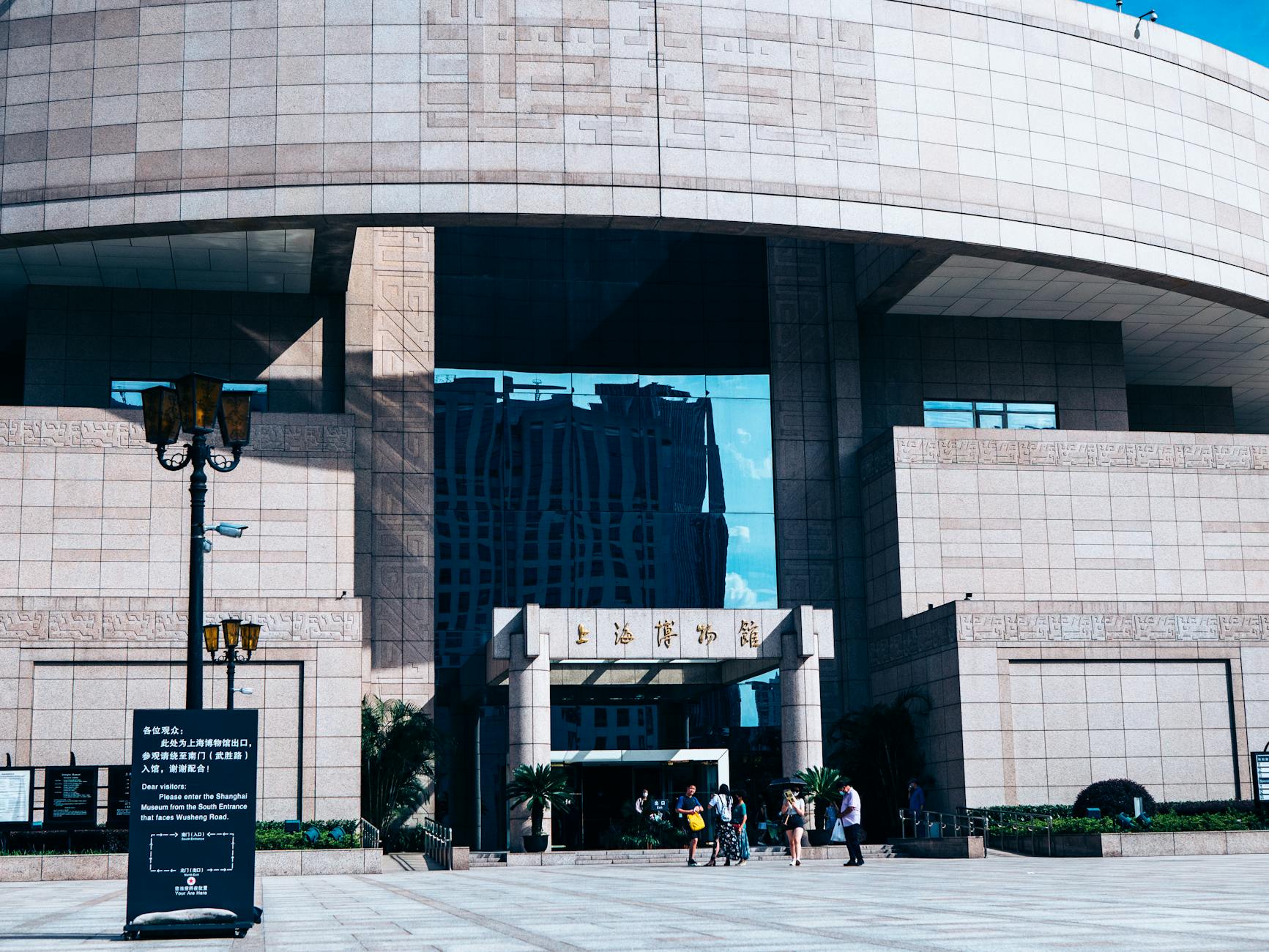
– Day 1 (classic): The Bund at dawn or evening, Nanjing Road for people-watching, and Shanghai Museum (reserve free tickets online).
– Day 2 (local neighborhoods): French Concession, Tianzifang, and a small cooking class or tea house visit.
– Day 3 (modern + markets): Pudong skyline, M50 art district, and a wet market visit.
Booking tips:
– Reserve timed-entry attractions (Shanghai Tower, museum free slots) in advance to avoid long waits.
– For shows (acrobatic performances), book via your hotel or reputable ticket platforms.
– If you plan a day trip by high-speed train, book seats early (especially on weekends) and depart from Hongqiao for convenience.
Choose activities that support local businesses: small restaurants, independent galleries, licensed local guides, and family-run guesthouses.
Responsible and Local-First Tips
Practical ways to reduce impact and boost local economies:
– Use the metro, public ferry, or shared bikes for short hops.
– Eat at small family-run restaurants and order local specialties rather than international chains.
– Buy souvenirs from local artisans in Tianzifang or the French Concession rather than tourist stalls on Nanjing Road.
– Take shorter, fewer trips during peak holiday weeks; pick off-peak hours for popular sites.
– Hire licensed local guides for walking tours; a single knowledgeable guide provides context and income to a local small business.
Waste and conservation:
– Carry a reusable bottle and avoid single-use utensils. Many cafes will refill water for a small fee or free if asked politely.
– Respect local temples and religious sites: modest dress and quiet photography rules often apply.

Common Mistakes to Avoid
Typical planning errors and how to avoid them:
– Overpacking the day: allow transit time and rest between neighborhoods.
– Ignoring metro transfer times: some transfers take 10–20 minutes including walking corridors.
– Visiting major sites only at peak times: choose early morning or late afternoon to avoid crowds and heat.
– Expecting universal English: download essential maps and translation apps and save addresses in Chinese for taxis.
– Buying souvenirs on Nanjing Road without price checking: compare with markets in Tianzifang or local boutiques.
– Not checking opening days: smaller museums or temples sometimes close one weekday for maintenance—check ahead.
FAQ
What's the must-see for a first-time visitor with 3 days?
Balance classic and local: morning in the Old City, afternoon in the French Concession, and an evening on the Bund or Pudong skyline. Use our 3 days in Shanghai guide to slot these into a practical schedule.
Is the metro easy for tourists?
Yes. The metro is extensive, inexpensive, and faster than taxis during rush hour. Get a Shanghai Public Transport Card or use a transit-enabled mobile payment app.
When are the best months to visit for mild weather and fewer crowds?
April–May and September–October. Avoid the National Day Golden Week (early October) and Chinese New Year for lower-impact travel.
Are English-language guided tours available?
Yes—many reputable licensed guides offer English tours. Book through your hotel or verified platforms and prefer small-group walking tours for direct local benefit.
How can I include a day trip to Suzhou or Hangzhou?
High-speed trains from Hongqiao station are the quickest option. Book tickets a few days ahead for weekends and check the 3 days in Shanghai guide for suggested sequencing.
Is the Huangpu River cruise sustainable?
Choose public river ferries for low-cost, lower-impact transit across short stretches. Large cruise boats are higher occupancy and best reserved for special evenings if desired.
Conclusion
Shanghai rewards slow choices: a few neighborhoods explored well, meals at family-run spots, and mindful scheduling that avoids holiday congestion. Use this page alongside the 3 days in Shanghai itinerary to tailor each day to your pace. If time allows, extend to Suzhou or Hangzhou for classical gardens and waterways—both are excellent, low-impact complements to the city experience.
How this guide was prepared
This guide was prepared through a structured research that combines destination research, geographic context, itinerary planning logic, and content review.